Calcite, a naturally occurring form of calcium carbonate (CaCO₃), is a fundamental ingredient in the production of toothpaste. It serves as a mild abrasive, helping to remove plaque and surface stains without damaging tooth enamel. The quality of calcite additives directly impacts the texture, abrasiveness, and overall effectiveness of the final product. Therefore, selecting the right grinding equipment to produce calcite powder with precise particle size distribution, purity, and consistent quality is critical for any toothpaste manufacturer.
This article provides a comprehensive guide on how to choose the right equipment for producing calcite additives specifically for toothpaste applications. We will explore the key factors to consider, including output fineness, capacity, energy efficiency, and contamination control. Additionally, we will recommend high-performance milling solutions that meet the stringent requirements of the oral care industry.

The particle size of calcite used in toothpaste is meticulously controlled. Typically, the required fineness ranges from 325 mesh (45 μm) to 2500 mesh (5 μm). The optimal particle size ensures a balance between cleaning efficacy and gentleness on enamel. If the particles are too coarse, they can be overly abrasive; if too fine, they may lose their cleaning power.
Therefore, the milling equipment must offer precise classification capabilities and a narrow particle size distribution. Machines with high-precision classifiers, such as vertical turbine classifiers, are essential to avoid coarse powder mixing and ensure uniform finished products. This is where advanced ultrafine grinding technology becomes indispensable.
For toothpaste applications, the target fineness is often between 45 μm and 5 μm (325-2500 mesh). Equipment must be capable of consistently achieving this range. A high-efficiency vertical turbine classifier is crucial for precise particle size cutting, ensuring no coarse particles contaminate the final product.
Capacity needs vary depending on the scale of production. For small to medium-sized operations, a capacity of 0.5 to 10 tons per hour might suffice. Large-scale pharmaceutical or cosmetic manufacturers may require capacities exceeding 20 tons per hour. It is vital to select a model that matches your production demands without excessive energy consumption.
Energy consumption is a significant operational cost. Modern mills, such as ultrafine vertical roller mills, can achieve twice the capacity of traditional jet mills while consuming up to 30% less energy. Intelligent control systems with automatic finished product granularity feedback can further optimize energy use.
Toothpaste is an oral care product that comes into contact with the human body. Therefore, the grinding equipment must not introduce contaminants. Durable designs using special material rollers and rings not only extend service life but also minimize the risk of metallic contamination. Fully sealed, negative pressure systems with pulse dust collectors help maintain a clean production environment.
Modern manufacturing facilities must adhere to strict environmental regulations. Equipment with pulse dust collection systems that exceed international standards and soundproof designs for noise reduction are highly recommended. Eco-friendly operation is not just a regulatory requirement but also a corporate responsibility.
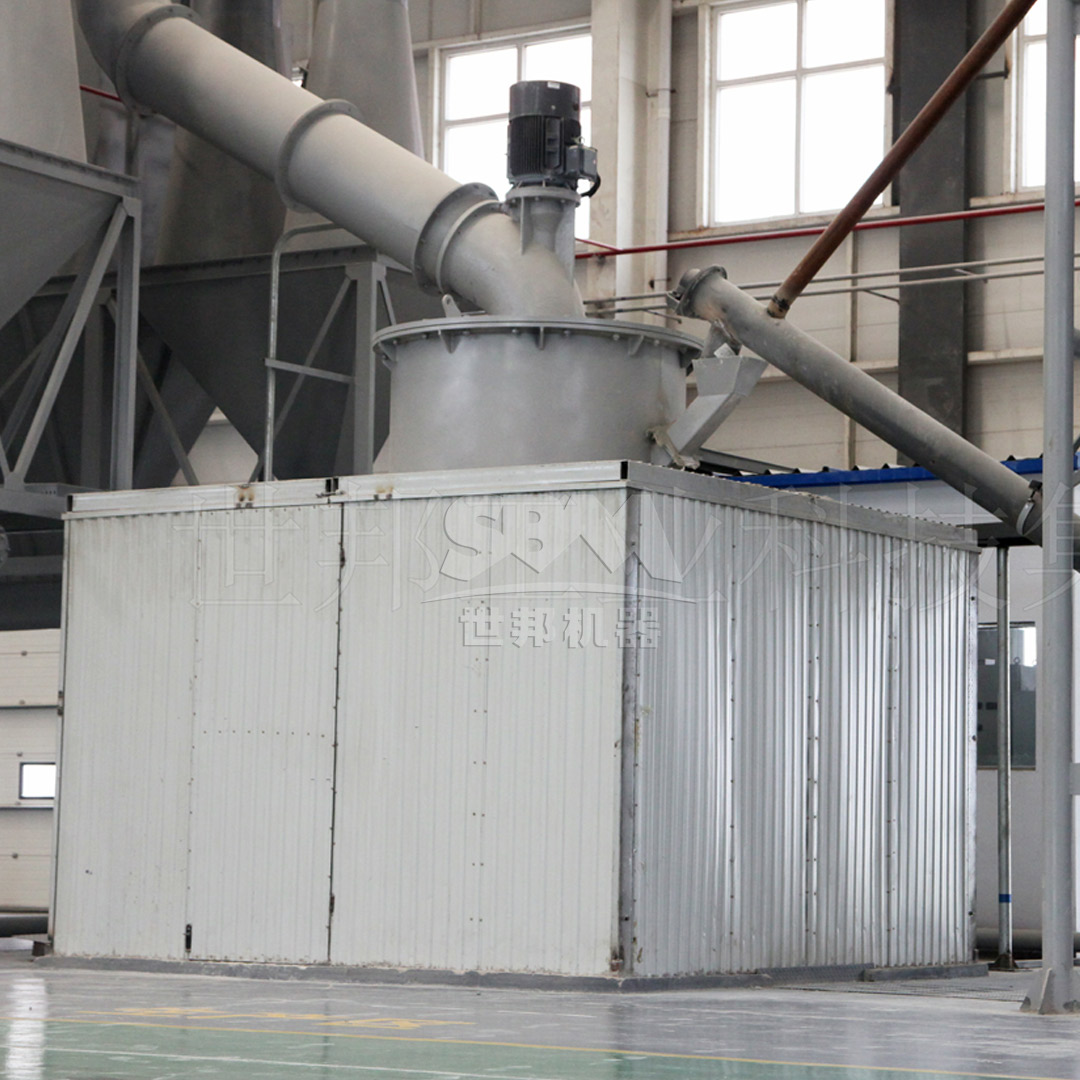
Based on the technical requirements of the toothpaste industry, certain mill types stand out as optimal solutions. For producing fine to ultrafine calcite powder, we strongly recommend the following advanced equipment from our product lineup.
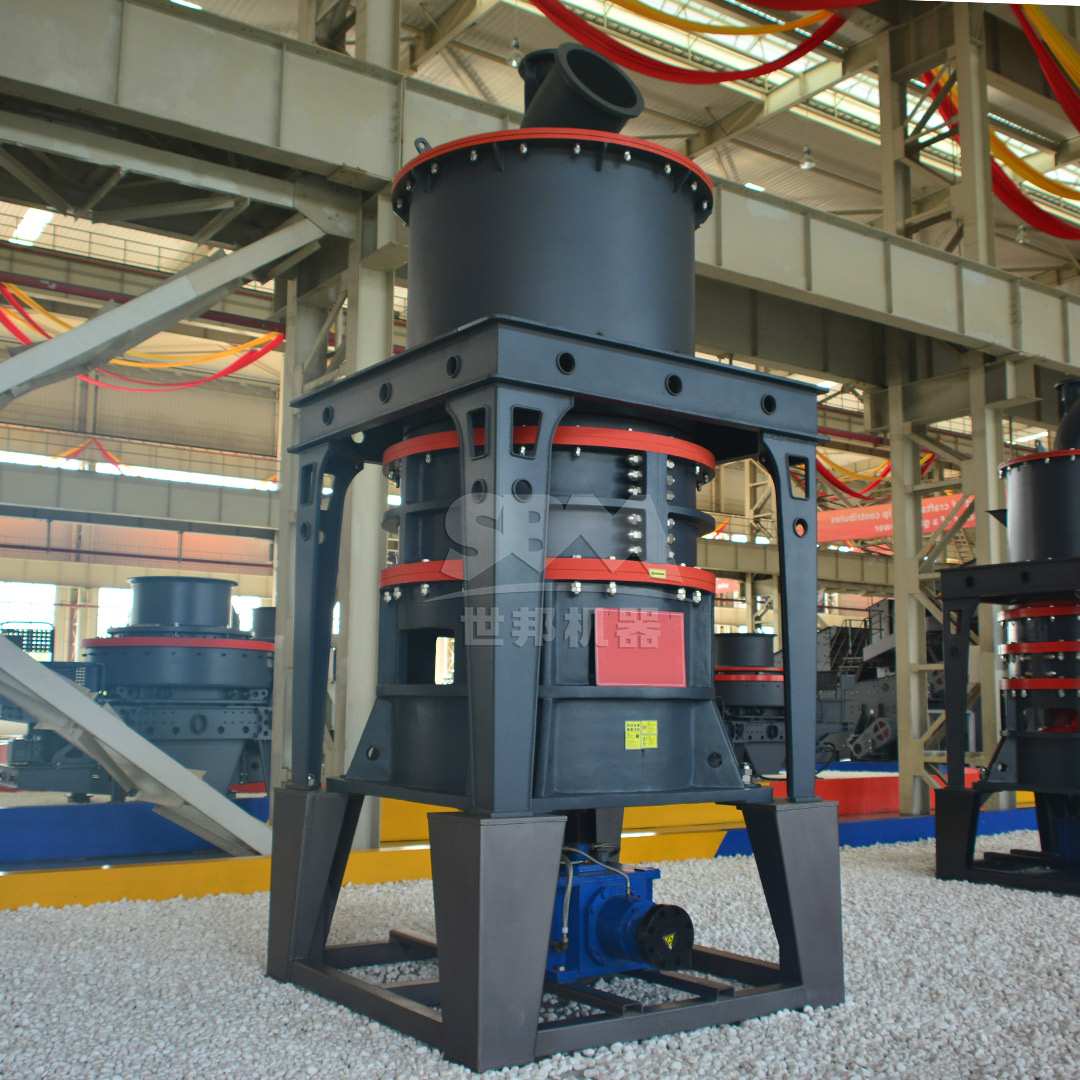
The SCM Series Ultrafine Mill is an ideal choice for manufacturers targeting a fineness range of 325 to 2500 mesh. Its core parameters include an input size of ≤20mm and a capacity of 0.5 to 25 ton/h, depending on the model.
Key Technical Advantages:
| Model | Capacity (t/h) | Main Power (kW) | Feed Size (mm) | Fineness (mesh) |
|---|---|---|---|---|
| SCM800 | 0.5-4.5 | 75 | 0-20 | 325-2500 |
| SCM900 | 0.8-6.5 | 90 | 0-20 | 325-2500 |
| SCM1000 | 1.0-8.5 | 132 | 0-20 | 325-2500 |
| SCM1250 | 2.5-14 | 185 | 0-20 | 325-2500 |
| SCM1680 | 5.0-25 | 315 | 0-20 | 325-2500 |
For manufacturers needing larger production capacities with coarser output (30-325 mesh), the MTW Series European Trapezium Mill is an excellent alternative. Its integral bevel gear drive offers transmission efficiency up to 98%, and the optimized arc air duct reduces energy loss.
Understanding the working principle helps in selecting the right machine.
The main motor drives three layers of grinding rings to rotate. Materials are dispersed into the grinding path by centrifugal force, crushed by roller pressure, and ground layer by layer. Finally, powder collection is completed by a cyclone collector and a pulse dust removal system. This layered grinding process ensures uniform fineness and high efficiency.
The main motor drives the grinding rollers to revolve around the central axis while self-rotating to generate centrifugal force. Shovels throw materials between the ring and rollers to form a material layer, achieving efficient crushing through extrusion. The classification system precisely controls the finished product size.
The decision often comes down to the desired final particle size:
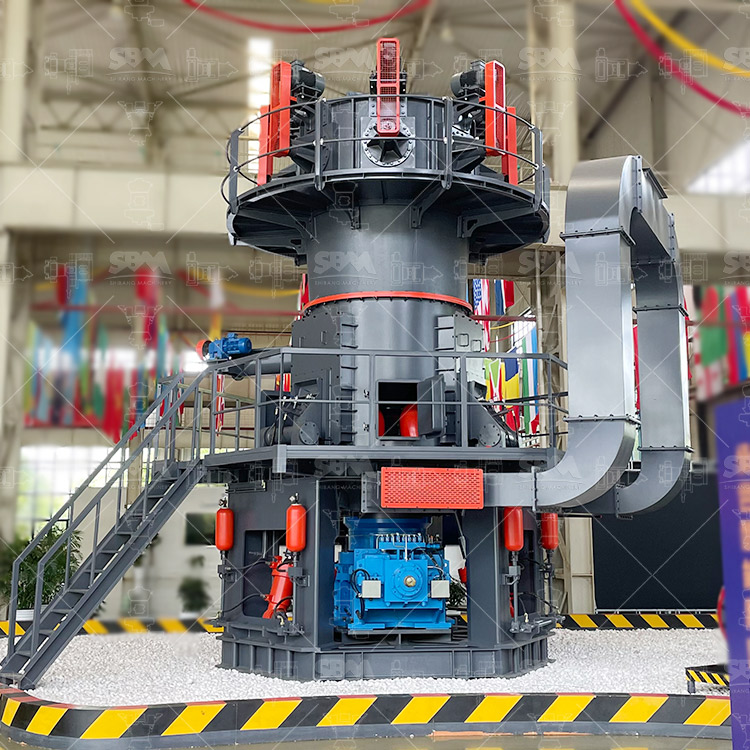
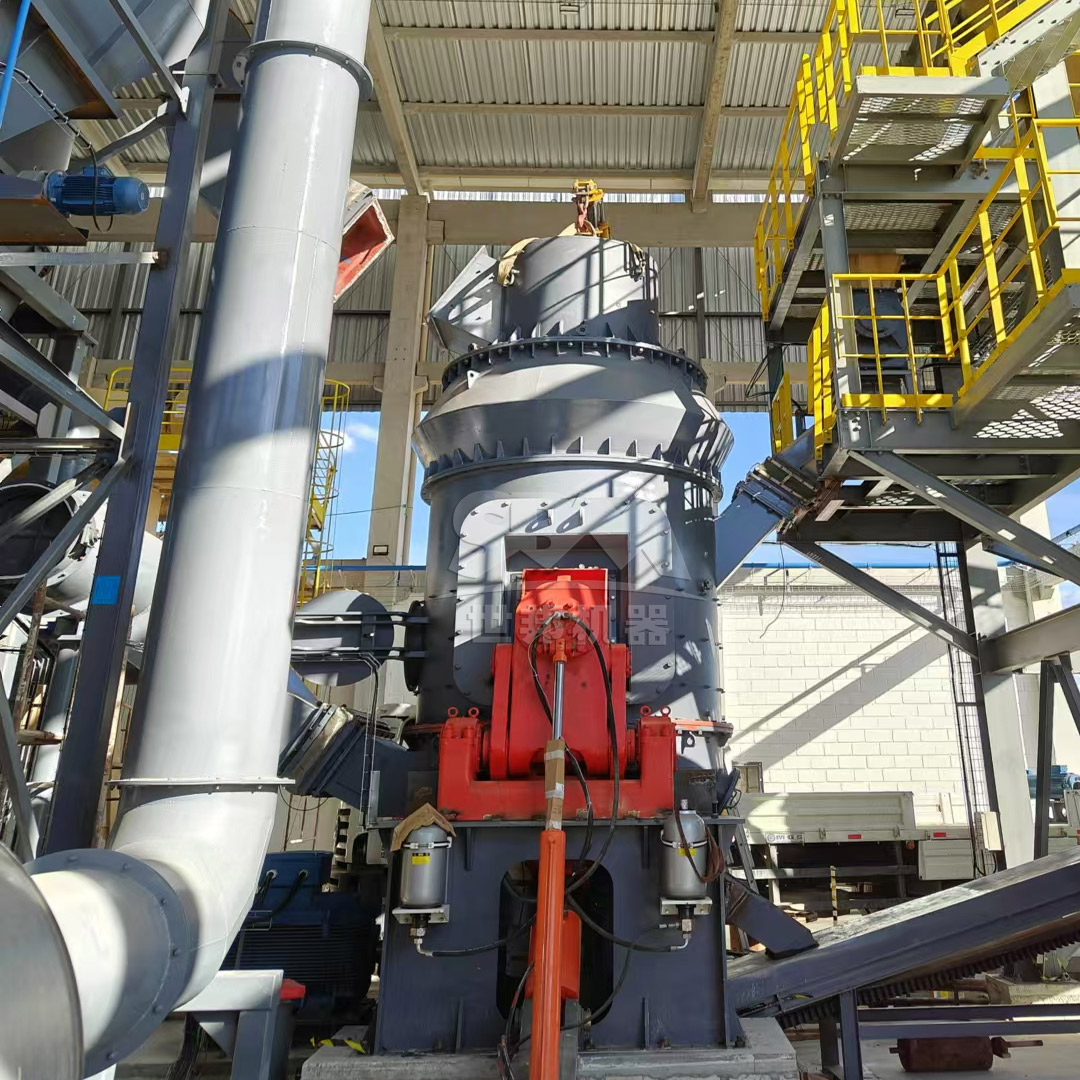
Additionally, the LM Series Vertical Roller Mill features an integrated design that combines crushing, grinding, and selection, reducing floor space by 50% and infrastructure costs by 40%. Its intelligent control system supports real-time monitoring, reducing manual intervention.
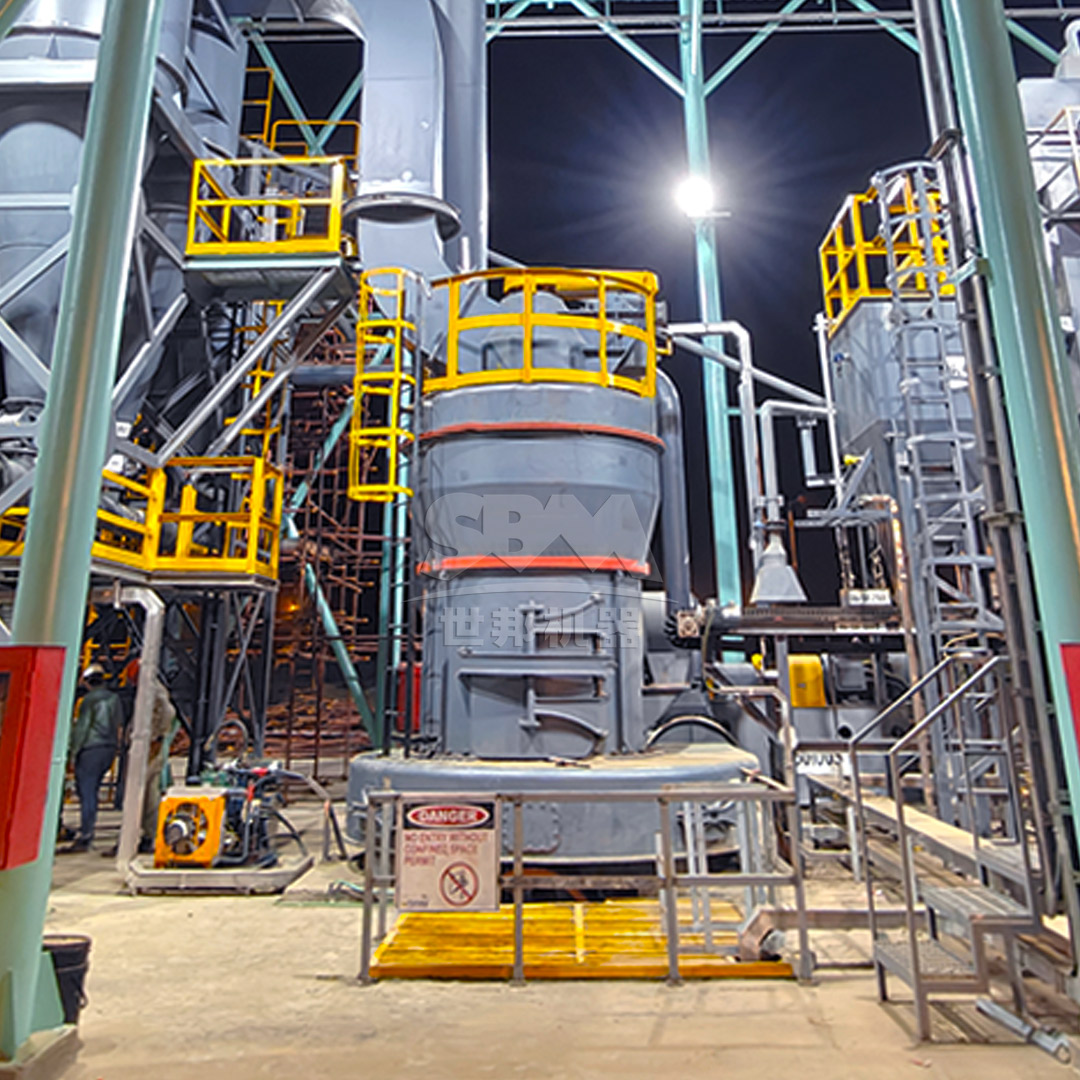
Choosing the right equipment for producing calcite additives for toothpaste is a strategic decision that affects product quality, operational efficiency, and regulatory compliance. For ultrafine requirements, the SCM Series Ultrafine Mill offers unmatched precision, energy savings, and purity control. For larger volumes with standard fineness, the MTW Series provides robust performance and low maintenance costs.
We recommend consulting with our technical team to evaluate your specific raw material characteristics and production goals. By investing in the right milling technology, you ensure that your toothpaste products meet the highest standards of safety, efficacy, and consumer satisfaction. Contact us today to discuss your calcite powder production needs and discover how our mills can enhance your manufacturing process.