Bentonite, a versatile clay mineral renowned for its absorbent, thickening, and stabilizing properties, is a cornerstone additive in the cosmetics industry. It is integral to products ranging from facial masks and foundations to lotions and deodorants. The efficacy of bentonite in these applications is critically dependent on its particle size, purity, and consistency post-processing. Selecting the appropriate milling equipment is therefore not merely a production decision but a strategic one that directly impacts product quality, production efficiency, and operational cost. This guide provides a comprehensive framework for choosing the optimal bentonite milling machine for cosmetic additive production.
Before evaluating machinery, it is essential to define the target specifications for the final bentonite powder, as these parameters will dictate the required milling technology.
Cosmetic applications demand ultra-fine powders for smooth texture and seamless blending. Typical requirements fall within these ranges:
Align the machine’s throughput (tons/hour) with your current production volume and future growth projections. Consider both batch and continuous processing needs.
The milling process must not introduce metallic or other contaminants. Equipment with advanced sealing, non-contact grinding zones, and high-efficiency, closed-circuit dust collection is paramount.
Milling can be energy-intensive. Machines with high grinding efficiency and intelligent control systems significantly reduce power consumption per ton of output.
A narrow particle size distribution is crucial. The milling system must integrate a high-precision classifier to ensure uniform fineness and prevent coarse particles from contaminating the final batch.
| Application | Target Fineness (Mesh) | Key Milling Requirement |
|---|---|---|
| Facial Masks | 200 – 800 | Consistent fineness, high absorbency retention |
| Pressed Powders | 800 – 2500 | Ultra-fine size, excellent smoothness |
| Lotions (Thickener) | 325 – 1250 | Uniform dispersion, no grittiness |
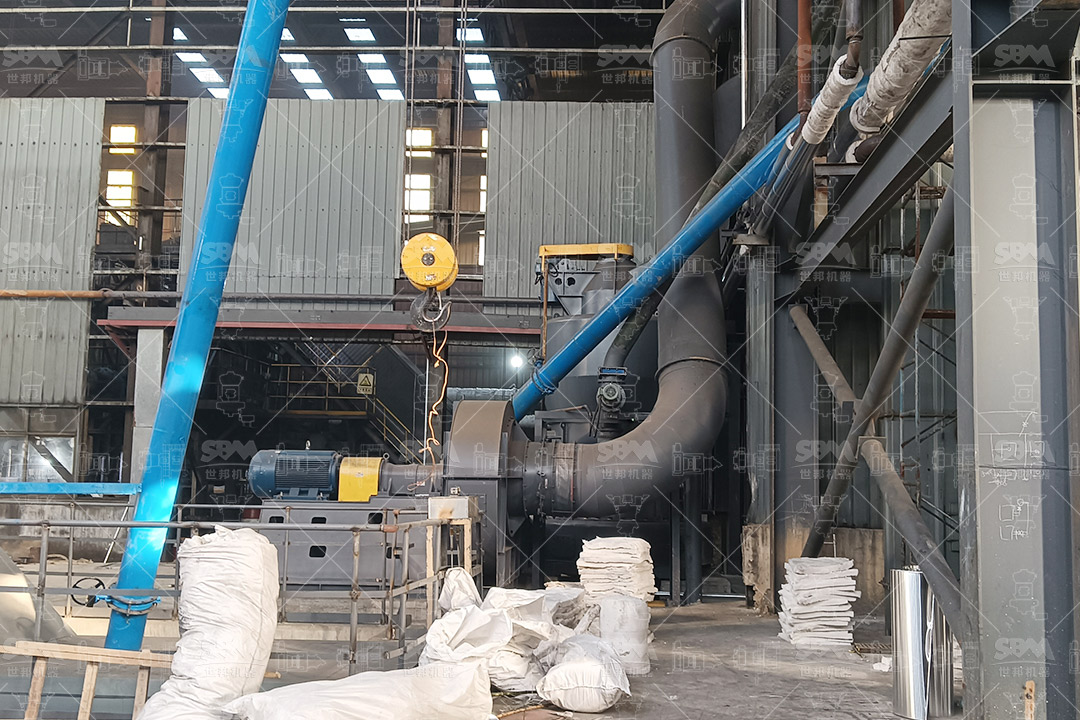
Different grinding principles yield different results. Here’s a breakdown of technologies relevant to cosmetic-grade bentonite processing.
Output Range: 30-325 mesh (600-45 μm).
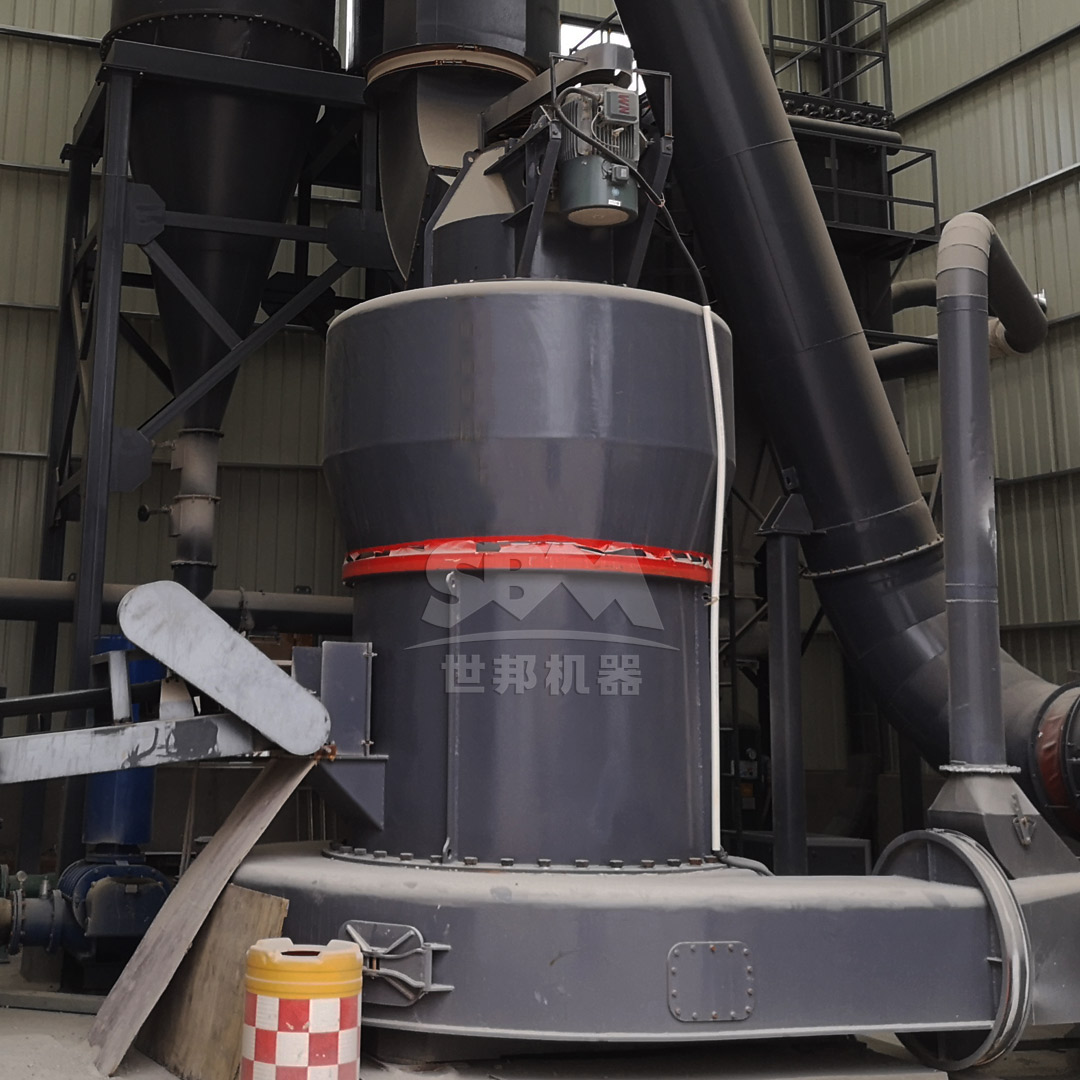
Best For: Coarser-grade bentonite for body masks or industrial applications. It offers high capacity and robust construction but typically cannot achieve the ultra-fine finishes needed for high-end facial cosmetics.
Output Range: 0.074-0.8mm (200-20 mesh approx.).
Best For: Wet or dry grinding where extreme fineness is not the primary goal. It can be prone to over-grinding, has higher energy consumption, and potential for contamination from grinding media wear.
Output Range: 30-325 mesh (up to 600 mesh for special models).
Best For: Large-scale production of fine bentonite powders. It integrates grinding, drying, and classifying, offering excellent energy efficiency and stability for capacities above 10 t/h.
Output Range: 325-2500 mesh (45-5 μm).
Best For: Premium cosmetic-grade bentonite production. This is the recommended technology for achieving the ultra-fine, consistent particle size required by the cosmetics industry. It combines mechanical grinding with precise air classification.
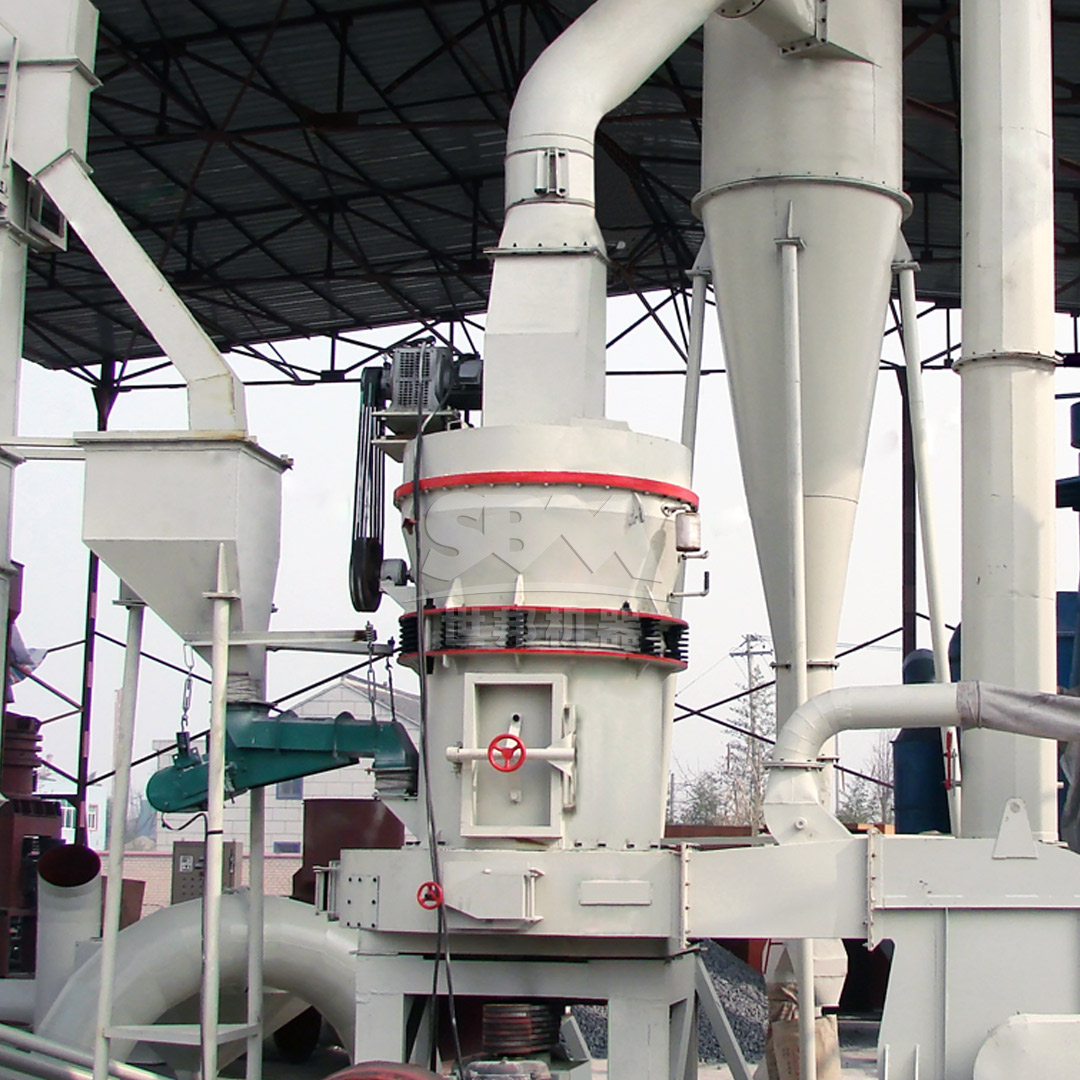
For producers targeting the high-value cosmetic additives market, an ultrafine milling system is the unequivocal choice. It delivers the necessary fineness, purity, and consistency where other technologies fall short.
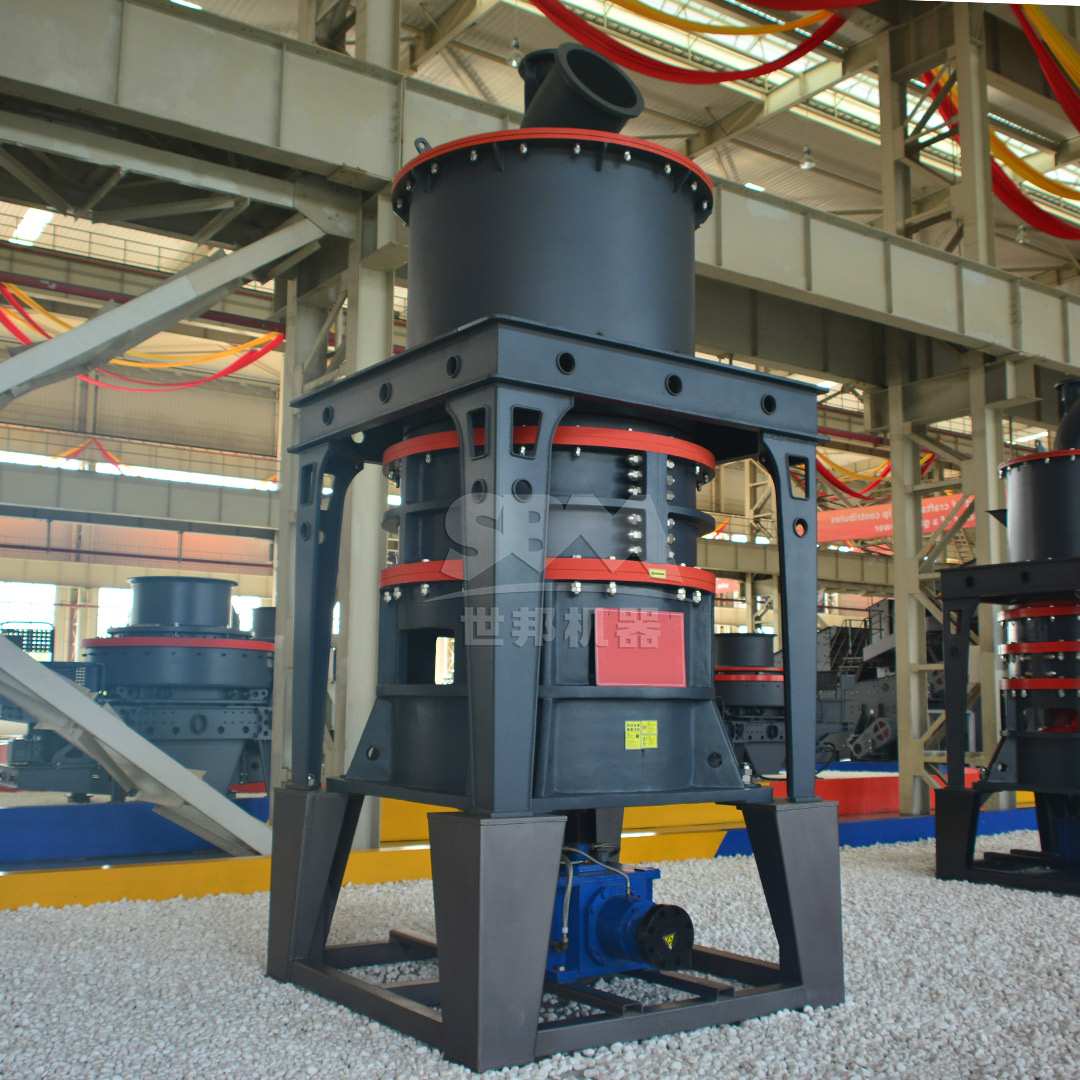
For cosmetic bentonite producers seeking a balance of advanced performance, reliability, and value, our SCM Series Ultrafine Mill stands out as a premier solution. Engineered specifically for processing non-metallic minerals to ultra-fine powders, its design aligns perfectly with the stringent demands of cosmetic additive manufacturing.
Working Principle: The main motor drives the grinding ring to rotate. Material is fed into the grinding chamber and crushed layer by layer under the pressure of the rollers. The ground powder is carried by the airflow to the classifier, where oversized particles are rejected and returned for re-grinding, while qualified fine powder is collected via a highly efficient cyclone and pulse dust removal system.
| Model | Capacity (t/h) | Main Power (kW) | Output Fineness (mesh) | Recommended Use Case |
|---|---|---|---|---|
| SCM800 | 0.5 – 4.5 | 75 | 325 – 2500 | Pilot plant or small-scale cosmetic production |
| SCM1000 | 1.0 – 8.5 | 132 | 325 – 2500 | Medium-scale dedicated cosmetic bentonite line |
| SCM1250 | 2.5 – 14 | 185 | 325 – 2500 | Large-scale production for major cosmetic suppliers |
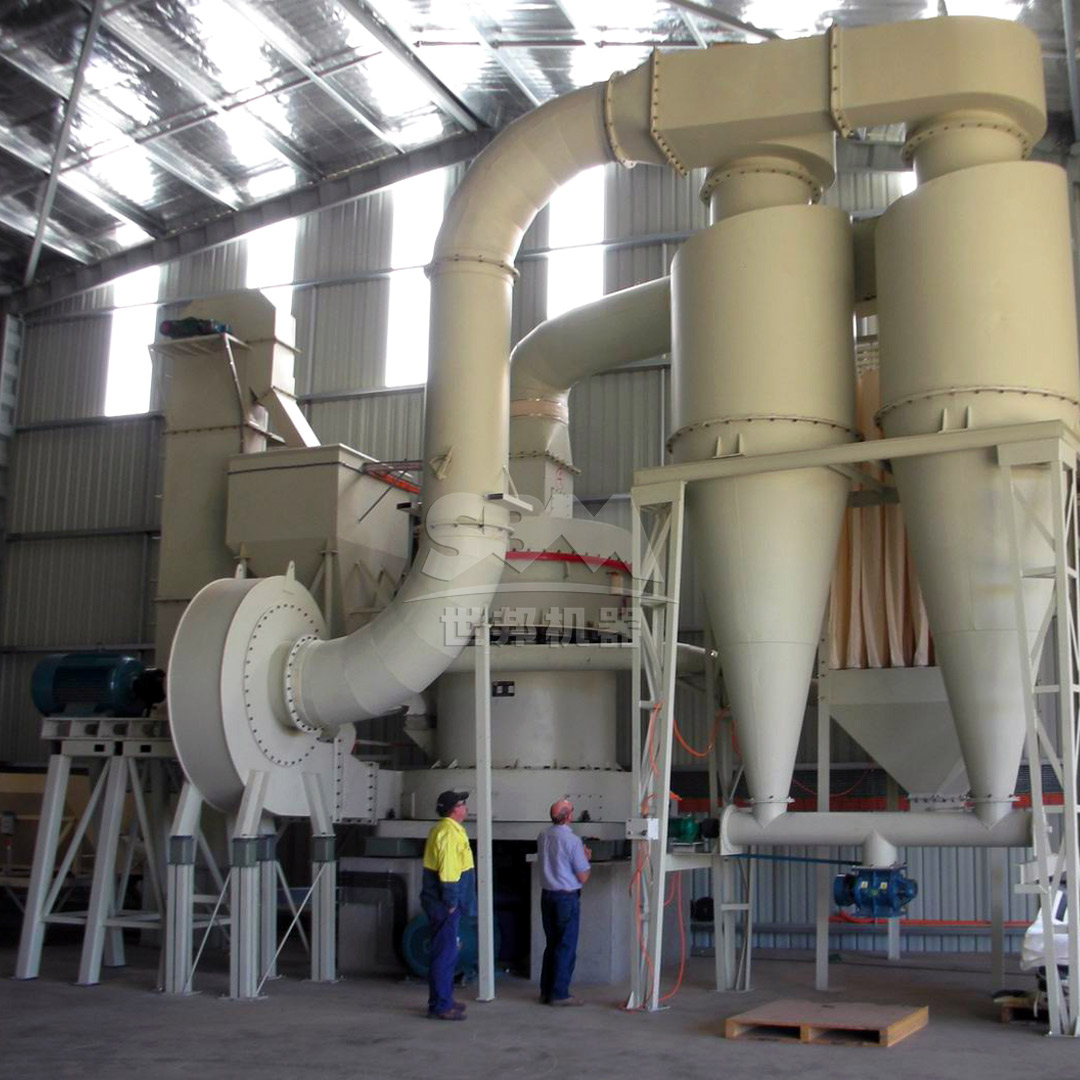
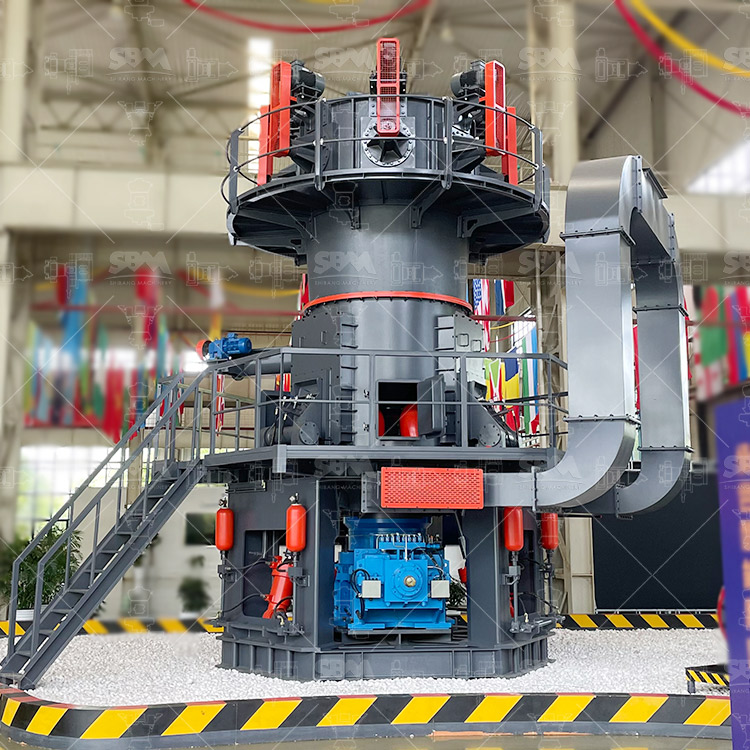
For operations requiring very large volumes of fine (but not necessarily ultra-fine) bentonite, or as a pre-grinding stage before an ultrafine mill, the LM Series Vertical Roller Mill presents an excellent alternative.
Model Suggestion: The LM130K or LM150K models are particularly well-suited for dedicated bentonite grinding lines targeting the 170-325 mesh range for high-volume cosmetic applications.
Selecting the right bentonite milling machine is a critical investment in the quality and competitiveness of your cosmetic additives. While several technologies are available, the pursuit of ultra-fine, consistent, and contaminant-free powder essential for high-end cosmetics strongly points towards ultrafine milling systems. Our SCM Series Ultrafine Mill is specifically engineered to meet these challenges, offering precision, efficiency, and reliability. For massive-scale production of fine-grade bentonite, the LM Vertical Roller Mill provides an unbeatable combination of capacity and economy. A thorough analysis of your target fineness, required capacity, and quality standards against the capabilities of these technologies will guide you to the optimal milling solution for your cosmetic bentonite production success.