Bauxite, the primary ore of aluminum, requires precise processing to achieve the desired particle size for various industrial applications, such as alumina production, refractories, and abrasives. Producing a consistent 80 mesh (approximately 177 microns) powder presents specific challenges, balancing throughput, energy efficiency, product uniformity, and operational costs. Selecting the optimal milling equipment is not a one-size-fits-all decision; it requires a thorough analysis of material characteristics, production goals, and total cost of ownership. This guide provides a professional framework for evaluating and selecting the most suitable mill for your 80 mesh bauxite powder production line.
Before comparing specific mill types, it is crucial to define the parameters that will drive the selection process.
The 80 mesh target falls within the coarse to medium-fine grinding range. Several mill technologies are applicable, each with distinct advantages.
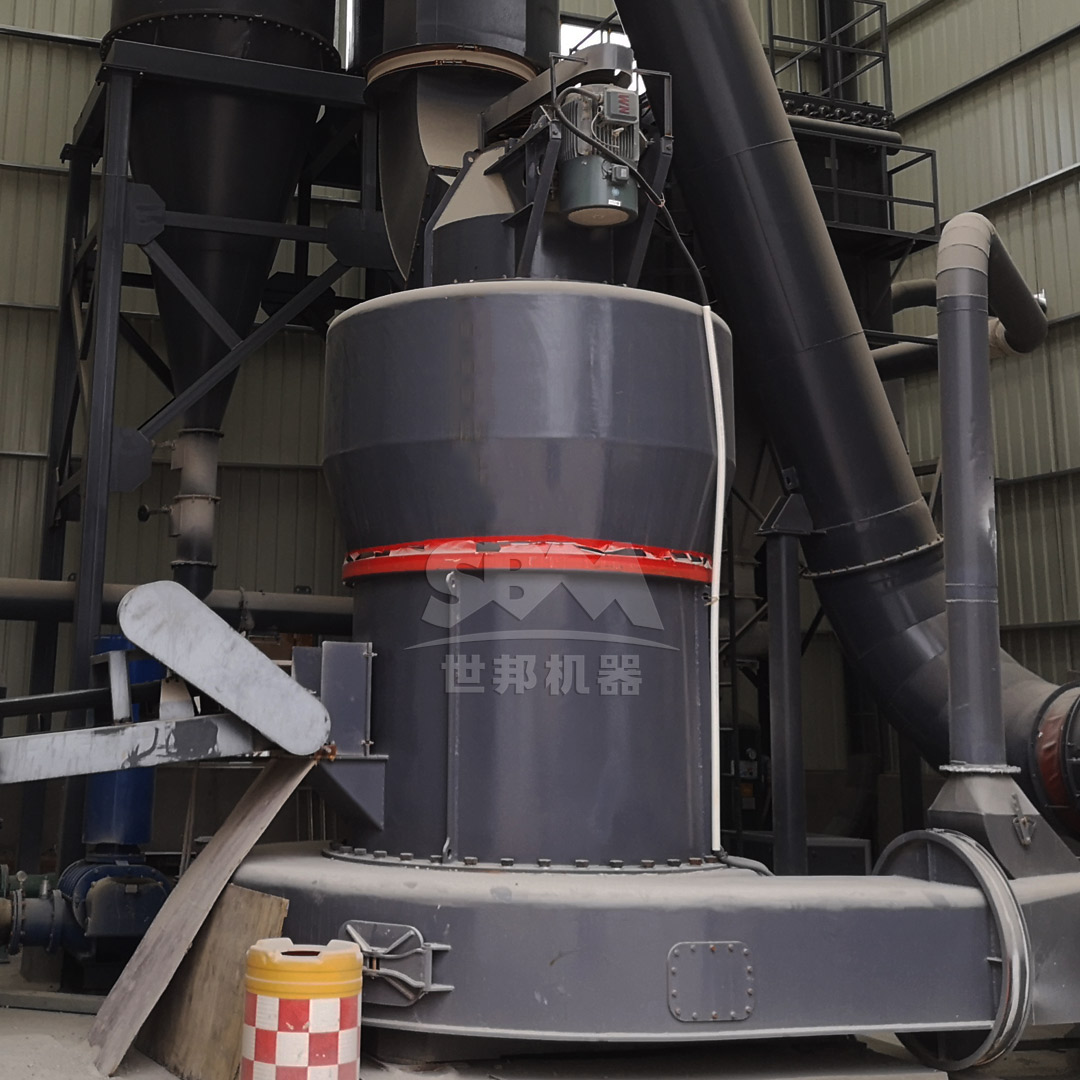
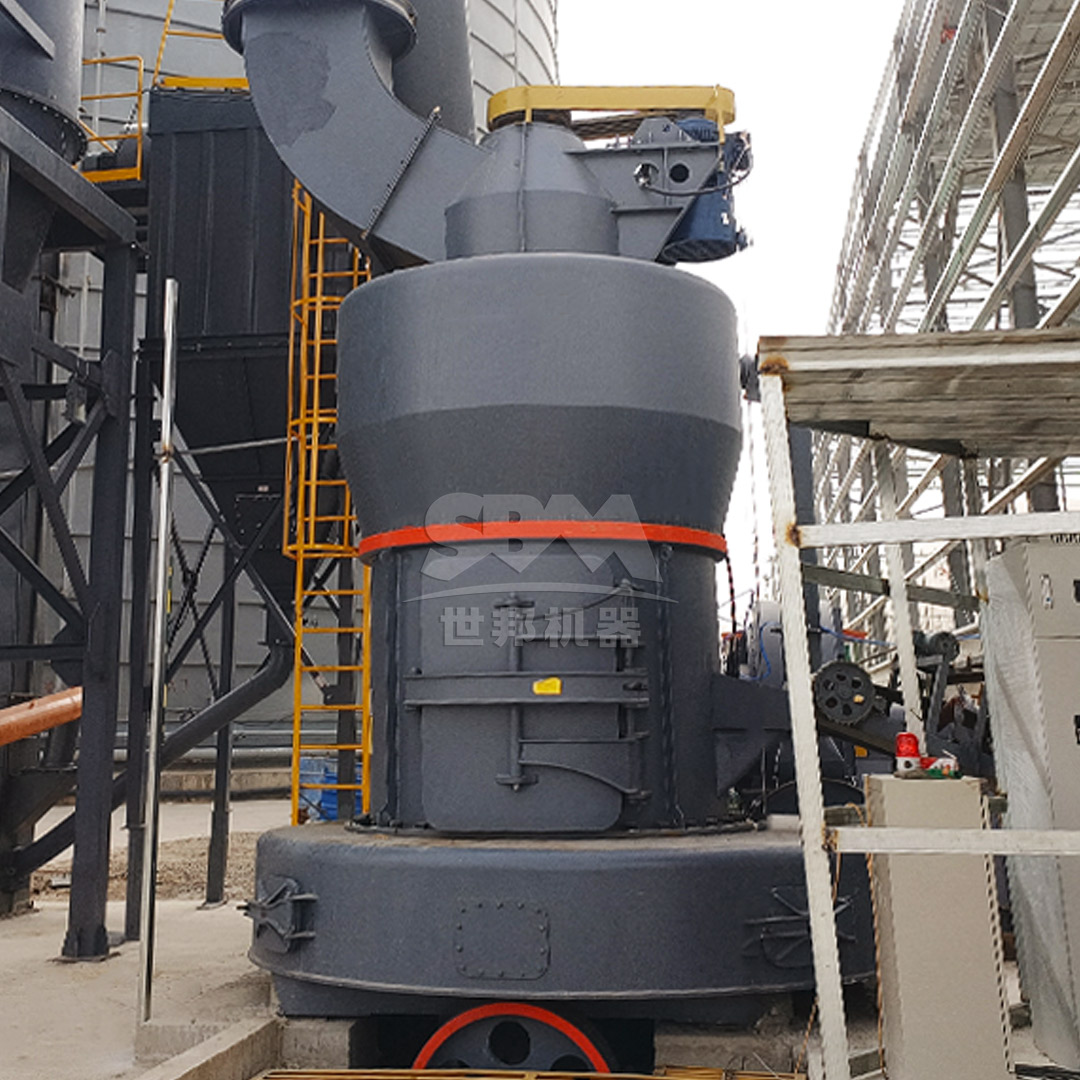
This is a classic and highly efficient choice for producing powders in the 30-325 mesh range, making it perfectly suited for 80 mesh bauxite.
For medium to large-scale bauxite powder production (3-45 TPH), the MTW Series European Trapezium Mill stands out. Its anti-wear shovel design and wear-resistant volute structure are specifically engineered to handle abrasive materials like bauxite, reducing maintenance frequency. The integral bevel gear drive offers up to 98% transmission efficiency, directly lowering energy costs. Models like the MTW175G or MTW215G are ideal for high-tonnage 80 mesh production, offering robust capacity and precise classification to ensure product uniformity.
| Model | Capacity (t/h) | Main Power (kW) | Feed Size | Fineness (mesh) |
|---|---|---|---|---|
| MTW138Z | 6-17 | 90 | <35mm | 10-325 |
| MTW175G | 9.5-25 | 160 | <40mm | 10-325 |
| MTW215G | 15-45 | 280 | <50mm | 10-325 |
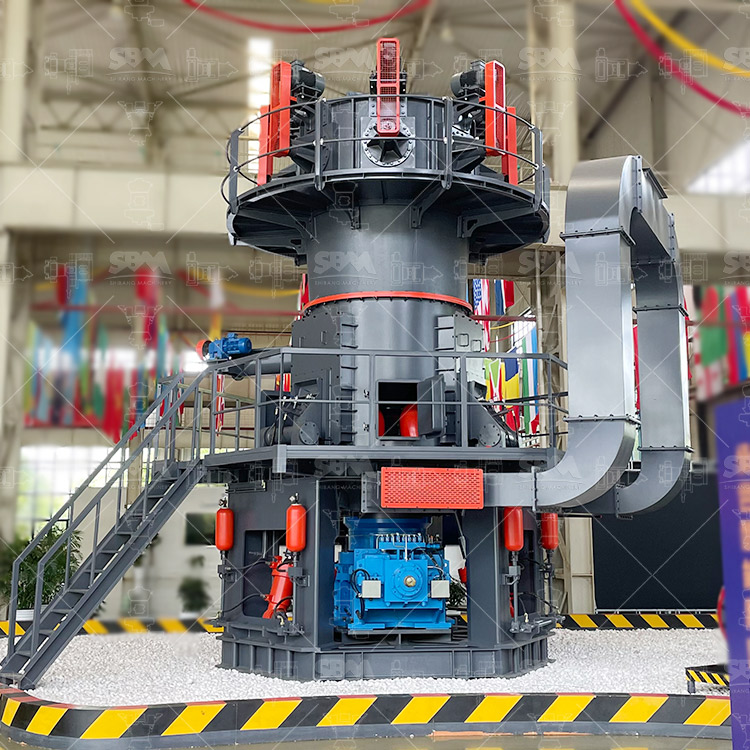
VRMs are the industry standard for large-scale, efficient grinding of medium-hard materials.
The LM Series Vertical Roller Mill is a superior choice for modern, high-capacity bauxite grinding plants aiming for 80 mesh powder. Its low operating cost stems from a non-contact design that triples wear part life and significantly reduces specific energy consumption. For dedicated 80 mesh production, the standard LM130K to LM220K models are perfectly capable. If future product diversification to finer grades is planned, the Vertical Fine-powder Mill Series (LM130X-GX), capable of reaching 600 mesh, offers remarkable flexibility.

A versatile and robust technology suitable for a wide range of materials.
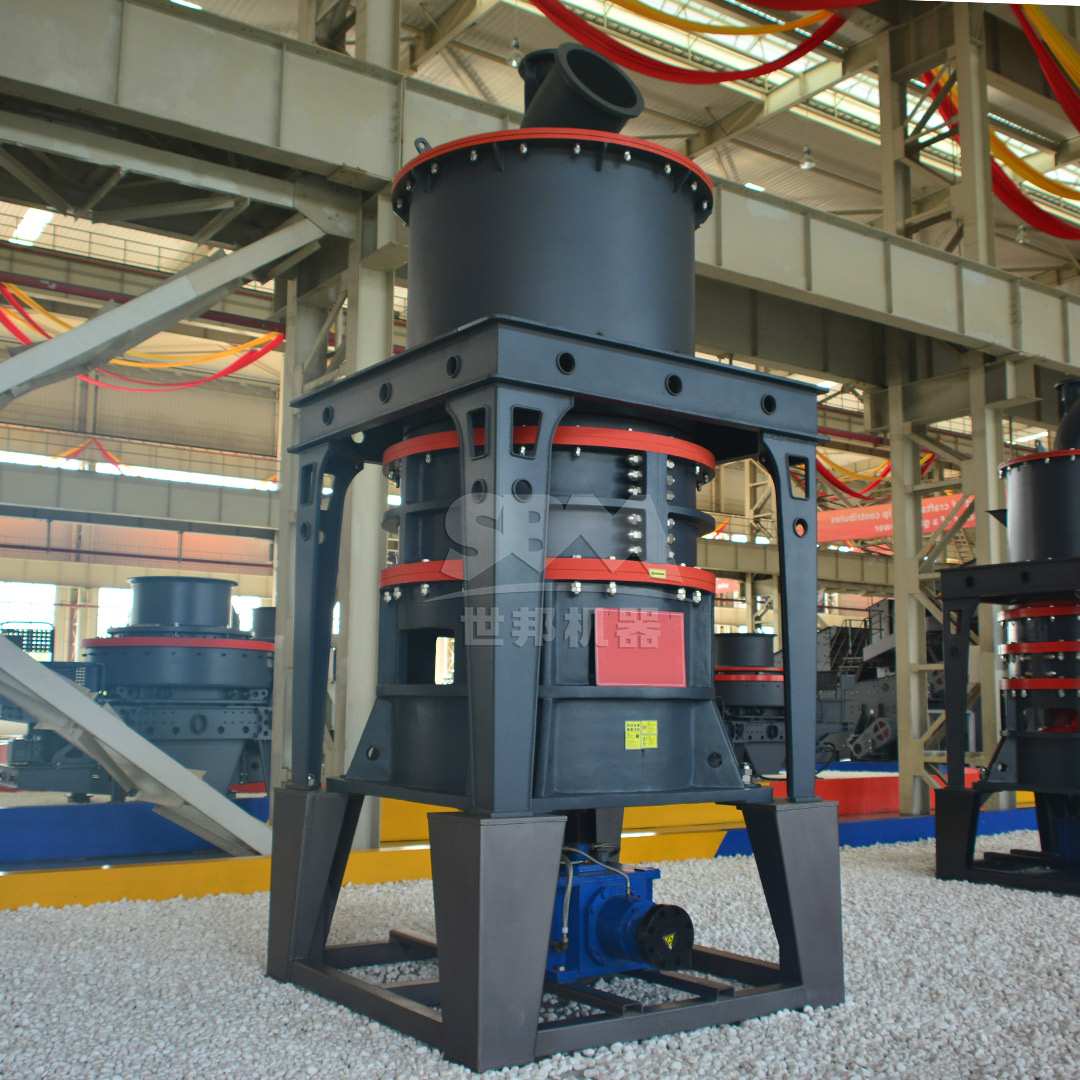
While designed for finer outputs (325-2500 mesh), it can be configured for coarser products.
For operations prioritizing product uniformity and quality above all else, or those with plans to produce specialty fine powders, the SCM Series Ultrafine Mill is worth considering. Its vertical turbine classifier ensures precise particle size cutting, guaranteeing that your 80 mesh bauxite powder has a narrow distribution with no coarse powder mixing. Models like the SCM1000 or SCM1250 offer the perfect balance of capacity and precision for premium-grade bauxite production.
The following table summarizes the ideal application scenarios for each mill type for 80 mesh bauxite production:
| Mill Type | Best Suited For | Key Selection Driver | Primary Consideration |
|---|---|---|---|
| MTW Raymond Mill | Small to large-scale dedicated 80 mesh production, cost-sensitive projects, reliable and simple operation. | Optimal balance of capital cost, energy efficiency, and proven performance for the target fineness. | Overall cost-effectiveness for the specific capacity range. |
| LM Vertical Roller Mill | Large-scale production (>30 TPH), greenfield plants with space constraints, priority on lowest operating cost and energy consumption. | Maximum energy savings, high capacity, and integrated plant design. | Long-term operational expenditure (OPEX) and footprint. |
| Ball Mill | Projects with high moisture content requiring wet grinding, or where extreme versatility and robustness are prioritized over efficiency. | Need for wet processing or handling highly variable feed material. | Process necessity (wet grinding) over efficiency. |
| SCM Ultrafine Mill | Production where product particle size distribution is critically tight, or where future expansion into fine/ultrafine bauxite markets is planned. | Uncompromising product uniformity and system flexibility for finer grades. | Product quality supremacy and future-proofing. |
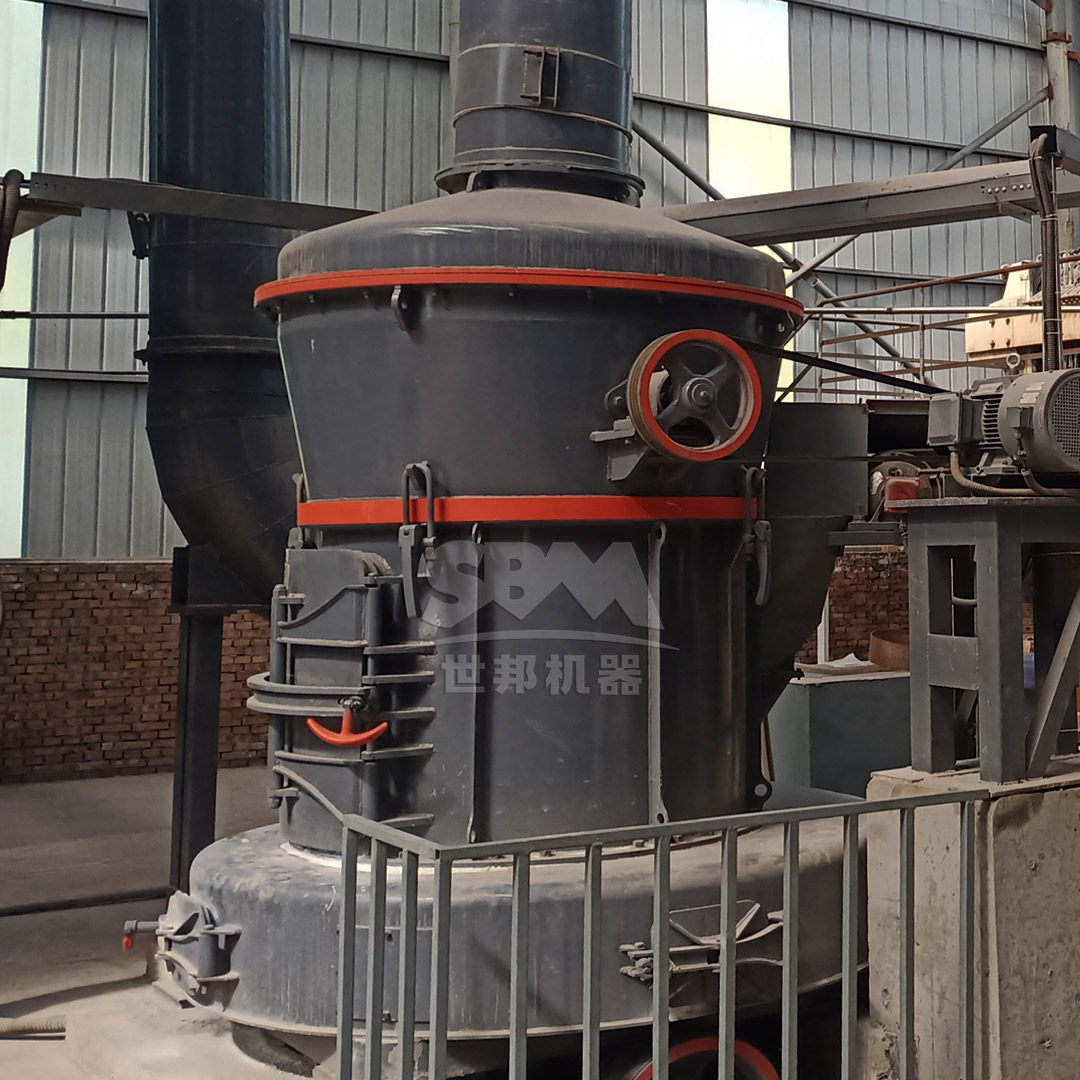
For the majority of industrial-scale 80 mesh bauxite powder production applications, the choice often narrows down to the advanced MTW Series European Trapezium Mill and the LM Series Vertical Roller Mill.
For most users seeking the optimal blend of performance, efficiency, and cost for dedicated 80 mesh output, the MTW Series Mill is the recommended choice. Its design is honed for the 30-325 mesh range, offering superior energy efficiency compared to traditional mills, lower wear rates due to its specialized anti-abrasion features, and a simpler operational profile than a VRM. It delivers exactly what is needed for 80 mesh production without over-engineering.
However, for mega-scale production facilities where throughput exceeds 30 TPH and minimizing kWh/ton is the paramount concern, the LM Vertical Roller Mill becomes the more compelling long-term investment. Its bed-grinding principle and intelligent control system offer unbeatable energy savings and operational stability at very high capacities.
Ultimately, the final selection should be based on a detailed analysis of your specific feed material, desired capacity, capital budget, and long-term operational strategy. Partnering with a manufacturer that offers comprehensive testing and lifecycle cost analysis is crucial to making the right investment for a profitable and efficient bauxite powder production operation.