The production of high-performance ceramic additives demands raw materials of exceptional purity and precise particle size distribution. Bauxite, a primary source of alumina (Al2O3), is a critical component in many ceramic formulations, acting as a flux, filler, or reinforcing agent. The choice of grinding mill directly impacts the final product’s reactivity, sintering behavior, and overall ceramic properties. Selecting the optimal equipment is therefore not merely a procurement decision but a fundamental step in process engineering that affects product quality, production efficiency, and operational costs. This guide provides a comprehensive framework for choosing the best bauxite grinding mill, focusing on key technical parameters and aligning them with the specific demands of ceramic additive manufacturing.
Before evaluating mill types, it is essential to define the process requirements specific to ceramic applications.
Ceramic processes are highly sensitive to particle size. For additives requiring high surface area and reactivity, ultrafine powders (e.g., <10μm or even sub-micron) are necessary. For fillers or grog, a coarser but tightly controlled distribution (e.g., 45-150μm) may suffice. The mill must consistently deliver the required fineness with a narrow particle size distribution (PSD) to ensure uniform ceramic microstructure and predictable shrinkage.
Iron (Fe) and other metallic impurities can discolor ceramics and degrade their dielectric or mechanical properties. The grinding process must minimize contamination from wear parts. Mills with advanced material technology for rollers, liners, and classifiers are preferred to prevent iron contamination.
Grinding is an energy-intensive operation. The specific energy consumption (kWh/ton) of the mill is a major contributor to the cost of the ceramic additive. High-efficiency mills with optimized grinding mechanisms and classification systems offer significant long-term savings.
A modern grinding plant must integrate crushing, grinding, classification, and dust collection seamlessly. Negative pressure operation, high-efficiency pulse dust collectors, and low-noise design are mandatory to meet environmental regulations and ensure a clean working environment, which is crucial for high-purity ceramic production.
| Process Requirement | Impact on Ceramic Additive | Mill Selection Implication |
|---|---|---|
| Ultrafine Fineness (<45μm) | Higher reactivity, faster sintering, improved density | Requires mills with high-efficiency classifiers and fine-grinding capability |
| Narrow PSD | Uniform shrinkage, consistent mechanical properties | Precise, adjustable classification system is critical |
| Low Iron Contamination | Maintains whiteness and electrical properties | Wear parts must use special alloy or ceramic materials |
| High Capacity | Supports large-scale ceramic tile/sanitaryware production | Mill must have robust design and stable output |
Different mill technologies offer varying advantages for bauxite processing. Here’s a breakdown relevant to ceramic production.
A traditional workhorse, ball mills are versatile and can produce a wide range of fineness (0.074-0.8mm). However, for ceramic-grade bauxite requiring fine or ultrafine powder, ball mills suffer from low energy efficiency, high noise, and potential for over-grinding, which can widen the PSD. They are more suitable for preliminary or coarse grinding stages in a ceramic additive process.
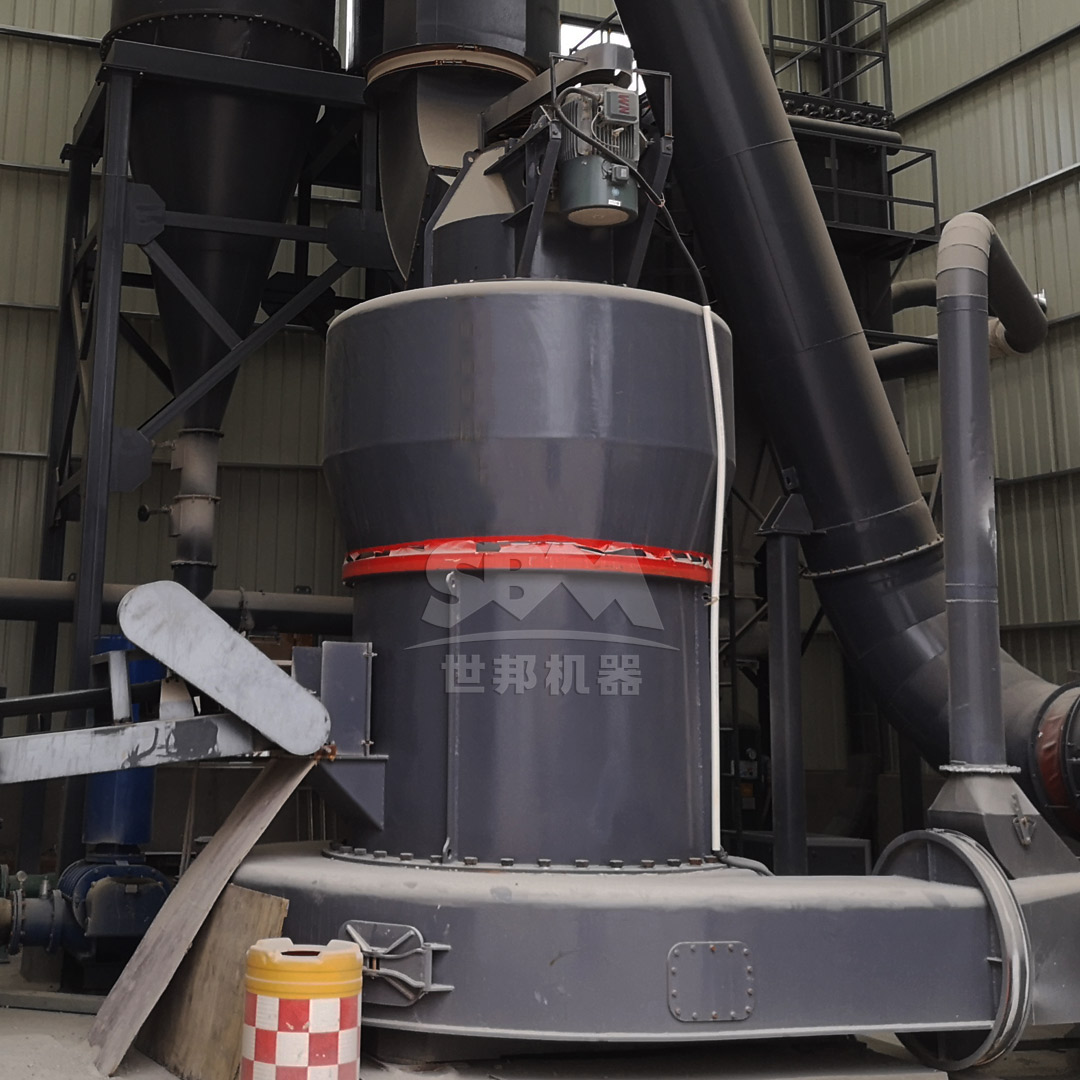
Traditional Raymond mills are effective for producing powders in the 30-325 mesh (600-45μm) range. They are a cost-effective option for medium-fineness additives. However, their classification accuracy for the finest cuts (<45μm) can be limited, and wear on grinding rollers and rings may introduce contamination concerns for high-purity applications.
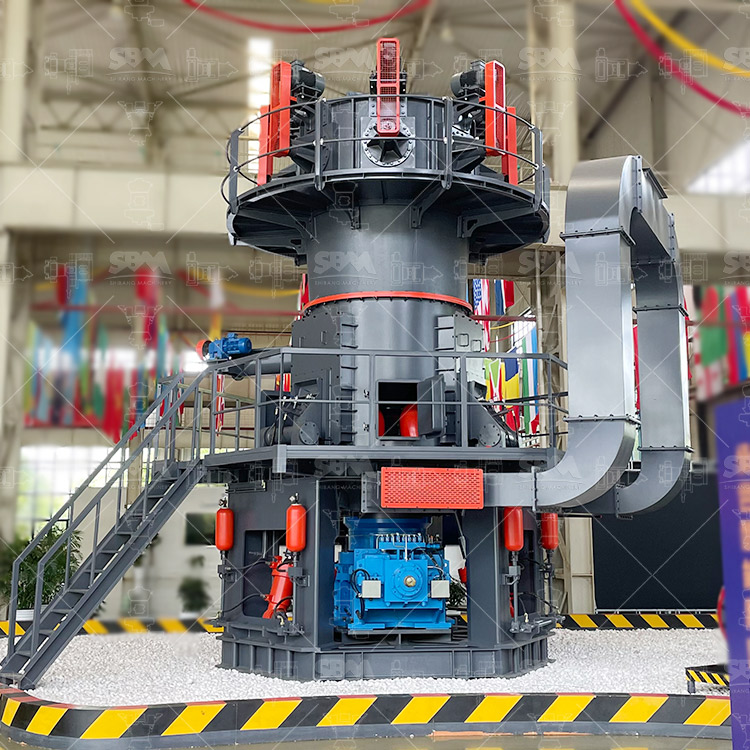
VRMs represent a significant advancement for medium to fine grinding (30-325 mesh). Their integrated design—combining drying, grinding, and classification—offers excellent energy efficiency (30-40% lower than ball mills) and a small footprint. The material is ground on a rotating table by hydraulically loaded rollers, a principle that minimizes metal-to-metal contact and reduces wear. For ceramic plants needing consistent, medium-fine bauxite powder at high capacity, VRMs are a top contender.
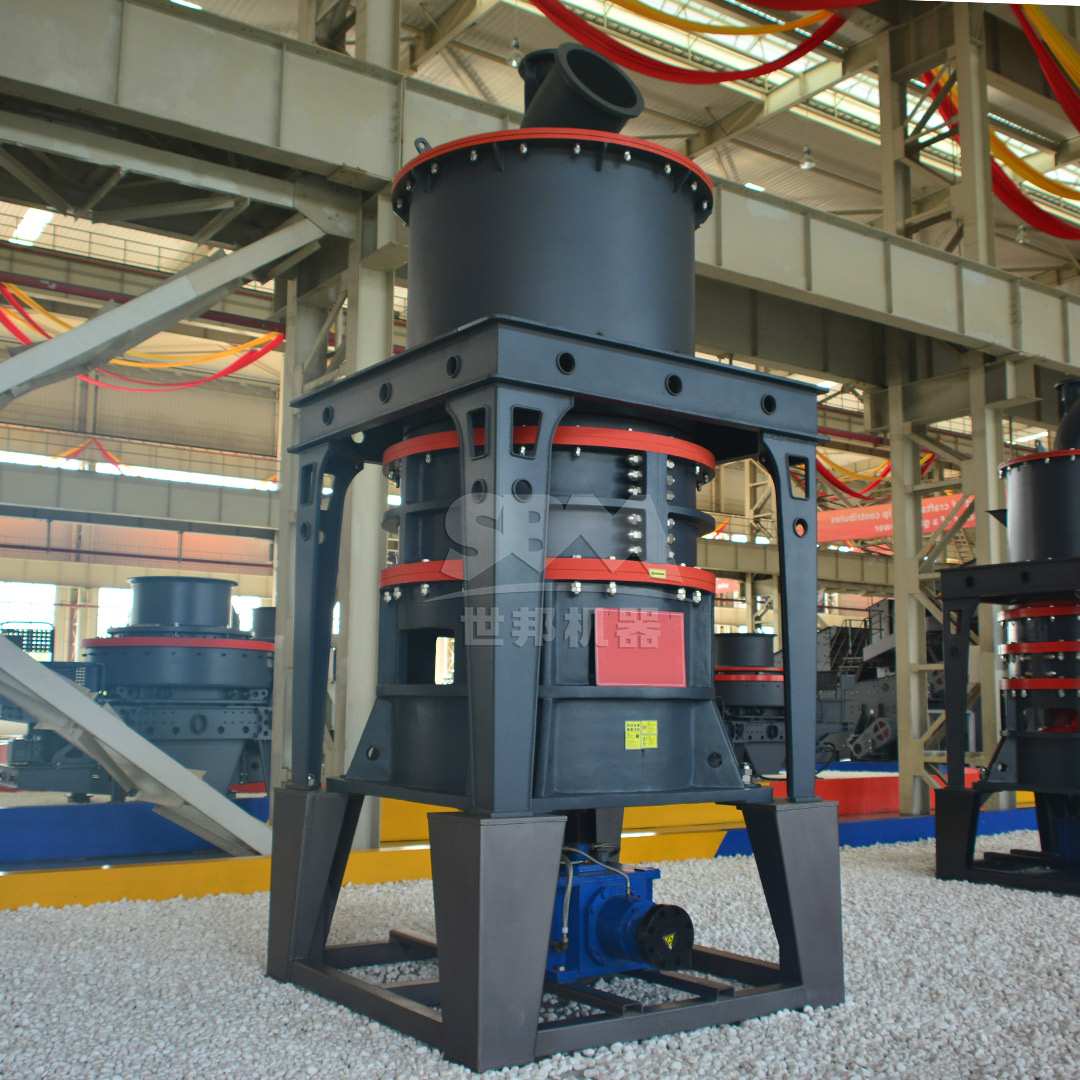
This category includes mills specifically engineered to produce powders finer than 325 mesh (45μm), down to the micron and sub-micron range. Technologies like ultrafine vertical mills and ring roller mills use multiple grinding rings and high-precision turbine classifiers to achieve extremely fine cuts with narrow PSDs. This is essential for high-performance ceramic additives where surface area directly correlates with performance.
Based on the stringent requirements for purity, fineness, and efficiency in ceramic manufacturing, we recommend focusing on advanced vertical mill and ultrafine mill technologies. Our company’s engineering expertise has led to the development of two product lines that are exceptionally well-suited for high-quality bauxite processing.
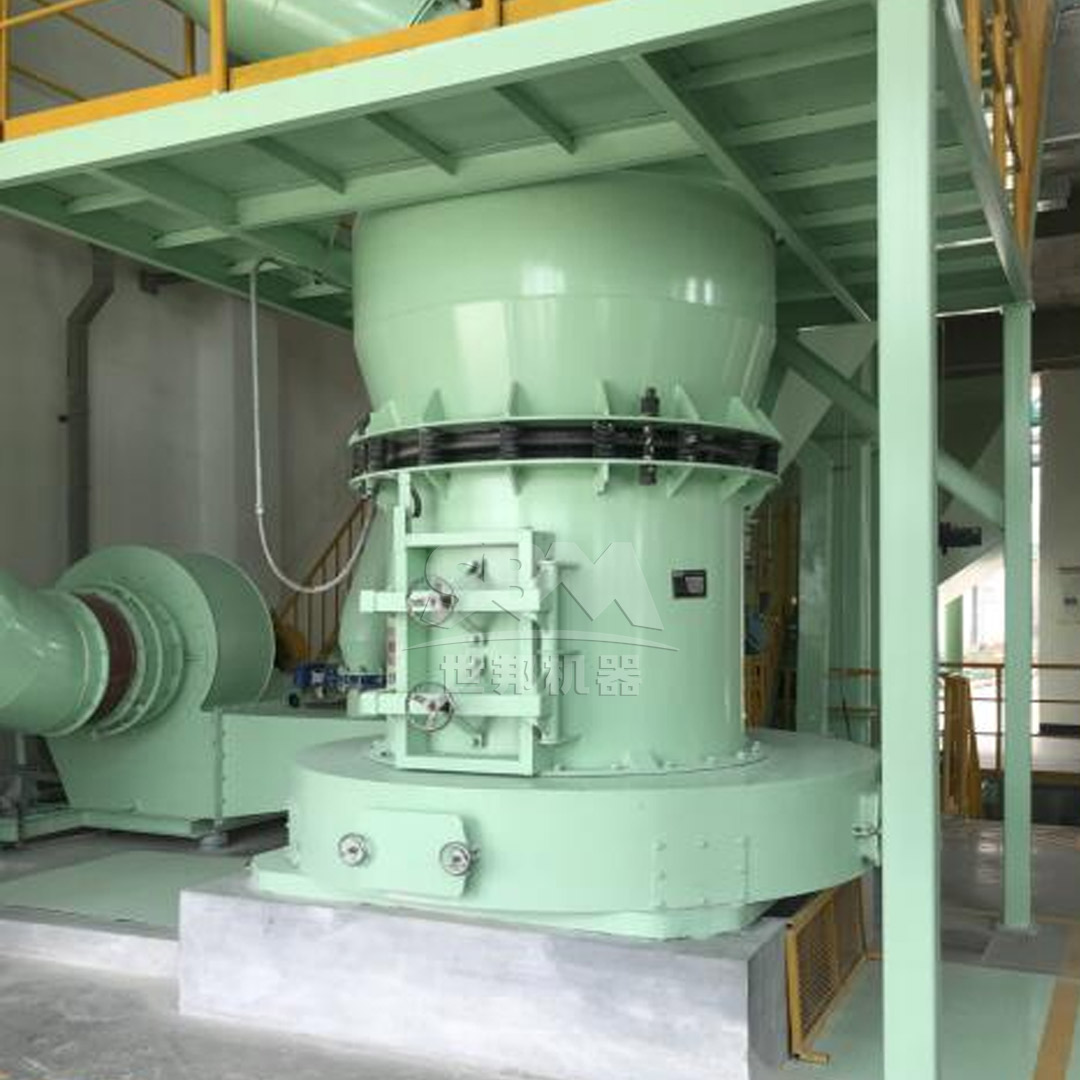
For ceramic producers requiring large volumes of bauxite powder in the 30-325 mesh range with outstanding consistency and low operating cost, the LM Series Vertical Roller Mill is the ideal solution. Its integrated system design reduces floor space by 50% and infrastructure costs by 40%, making it perfect for new plant installations or upgrades. The non-contact design between rollers and the grinding table, coupled with special material alloys, extends wear part life significantly, directly addressing the concern of iron contamination. With energy consumption 30-40% lower than traditional ball mill systems and intelligent control for stable operation, the LM series ensures your ceramic additives are produced efficiently and reliably. Its fully sealed negative pressure operation guarantees dust emissions and noise levels meet the strictest environmental standards.
| Model Example | Grinding Table Diameter | Capacity (for Bauxite) | Output Fineness | Main Power |
|---|---|---|---|---|
| LM190K | Φ1900mm | 23-68 t/h | 170-45μm (30-325 mesh) | 500 kW |
| LM220K | Φ2200mm | 36-105 t/h | 170-45μm (30-325 mesh) | 800 kW |
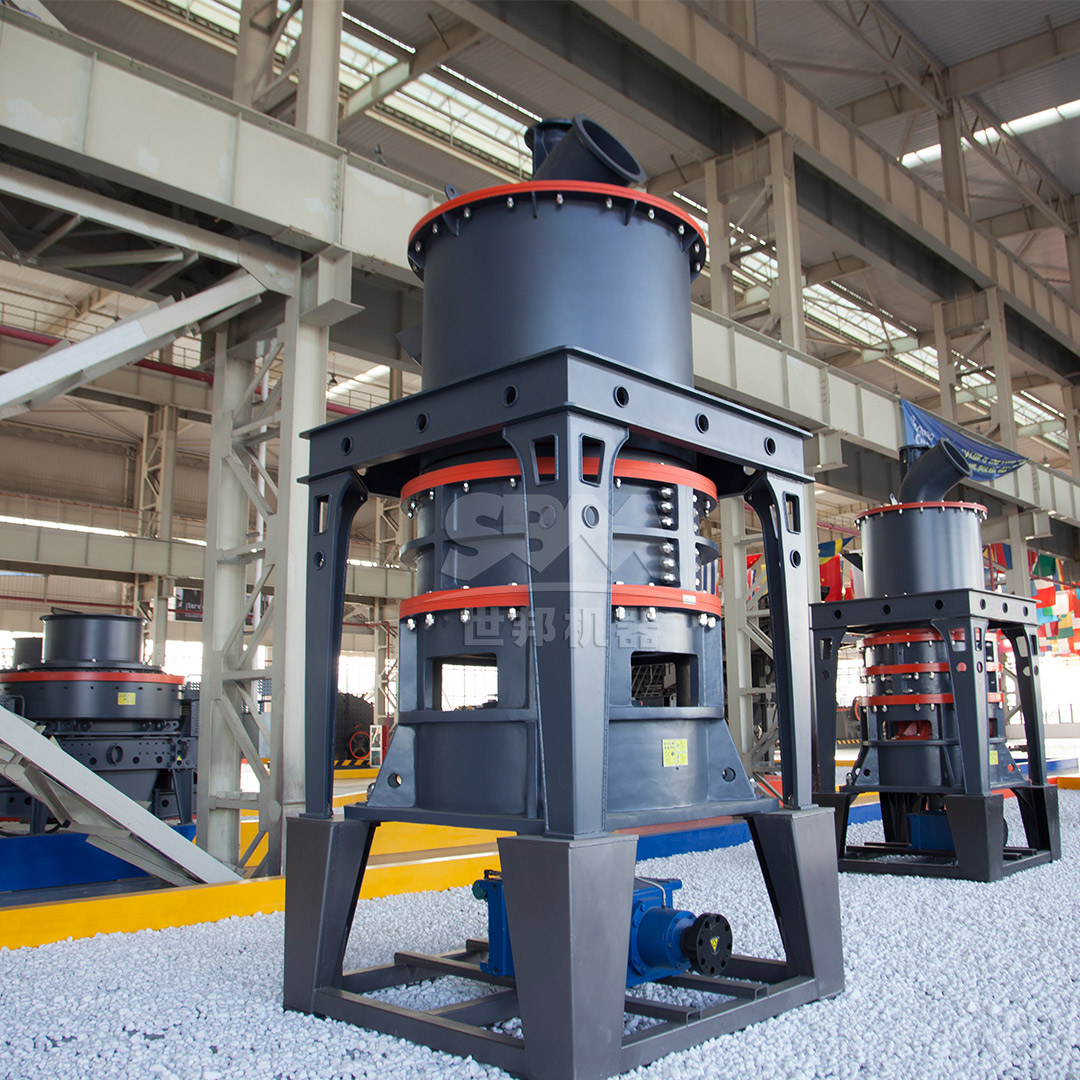
When your ceramic formulation demands the highest levels of fineness and purity—for advanced technical ceramics, electronic substrates, or high-gloss glaze opacifiers—the SCM Series Ultrafine Mill is the definitive choice. This mill excels in producing bauxite powder from 325 to an remarkable 2500 mesh (45-5μm). Its core advantage lies in the high-precision vertical turbine classifier, which ensures no coarse powder is mixed into the final product, delivering a uniform and narrow particle size distribution critical for premium ceramics.
The SCM mill operates with exceptional efficiency, offering twice the capacity of a jet mill while consuming 30% less energy. For purity-sensitive applications, its shaftless screw grinding chamber design promotes stable operation, and the special material rollers and rings provide exceptional durability, minimizing maintenance intervals and the risk of contamination. The integrated pulse dust collection system operates at efficiency levels exceeding international standards, ensuring a clean production environment. For developing next-generation ceramic additives, the SCM Ultrafine Mill provides the technological edge.
Making the final decision requires a systematic approach:
Selecting the best bauxite grinding mill for ceramic additive production is a critical investment in quality and efficiency. While traditional mills have their place, the future lies in high-efficiency, intelligent, and environmentally friendly technologies like Vertical Roller Mills and Ultrafine Mills. By carefully matching your technical requirements—whether for high-volume, consistent fine powder with the LM Series or for ultra-high-purity, superfine additives with the SCM Series—you can optimize your ceramic manufacturing process, enhance final product performance, and secure a strong competitive advantage in the market. A partnership with a knowledgeable equipment provider is the final step in transforming high-quality bauxite into a superior ceramic additive.