Illite, a non-expanding, dioctahedral potassium aluminosilicate clay mineral, is a critical raw material in numerous industries, including ceramics, paints, coatings, rubber, plastics, and agriculture. Its unique properties—such as high brightness, chemical inertness, and plate-like morphology—are highly dependent on particle size distribution and purity. Producing a consistent, high-quality 325 mesh (approximately 45 microns) illite powder is a fundamental requirement for many applications. This fineness represents a sweet spot, offering a balance between specific surface area, reactivity, and handling characteristics. However, achieving this target efficiently and cost-effectively hinges on selecting the optimal grinding and classification equipment. This comprehensive guide will walk you through the critical factors to consider and introduce you to high-performance solutions tailored for illite processing.
Before diving into equipment selection, it’s essential to understand the material itself. Illite is a layered silicate with a moderate hardness (Mohs hardness ~2-2.5). Its grinding behavior is influenced by:
These characteristics immediately rule out some technologies and highlight the importance of others that offer precise classification and controlled grinding force.
| Material Property | Impact on Grinding | Equipment Consideration |
|---|---|---|
| Moderate Hardness | Relatively easy to grind, but energy efficiency is key. | Choose mills with high grinding efficiency and low specific energy consumption. |
| Layered Structure | Requires shearing and compression forces for delamination. | Roller-based mills (e.g., vertical roller mills) are ideal. |
| Potential Moisture | Can cause packing and reduce airflow in dry mills. | Ensure the system has adequate drying capacity or consider a pre-drying stage. |
| 325 Mesh Target | Requires precise classification to avoid over-grinding. | Integrated, high-efficiency classifiers are non-negotiable. |
Selecting the right mill is a multi-variable optimization problem. The following factors must be evaluated holistically.
Your required hourly or annual output is the primary driver. Equipment must be sized correctly—neither underpowered (causing bottlenecks) nor grossly oversized (leading to high capital cost and inefficient part-load operation). The non-negotiable requirement is the ability to reliably produce 325 mesh powder. The equipment should offer easy adjustability within a range (e.g., 200-400 mesh) to allow for product flexibility.
Different mills employ different size reduction mechanisms: impact, attrition, compression, or shear. For the plate-like illite, a combination of compression and shear—as found in roller mills—is often most effective for efficient delamination. The grinding efficiency directly impacts your operational expenditure (OPEX), specifically energy costs, which can constitute up to 50% of total production costs.
This is arguably as important as the grinding mechanism itself. An integrated, high-precision classifier is essential for achieving the 325 mesh cut point. It separates fine, product-sized particles from the grinding zone, preventing over-grinding and ensuring a narrow particle size distribution. Dynamic classifiers with adjustable rotor speeds are preferred for their precision and flexibility.
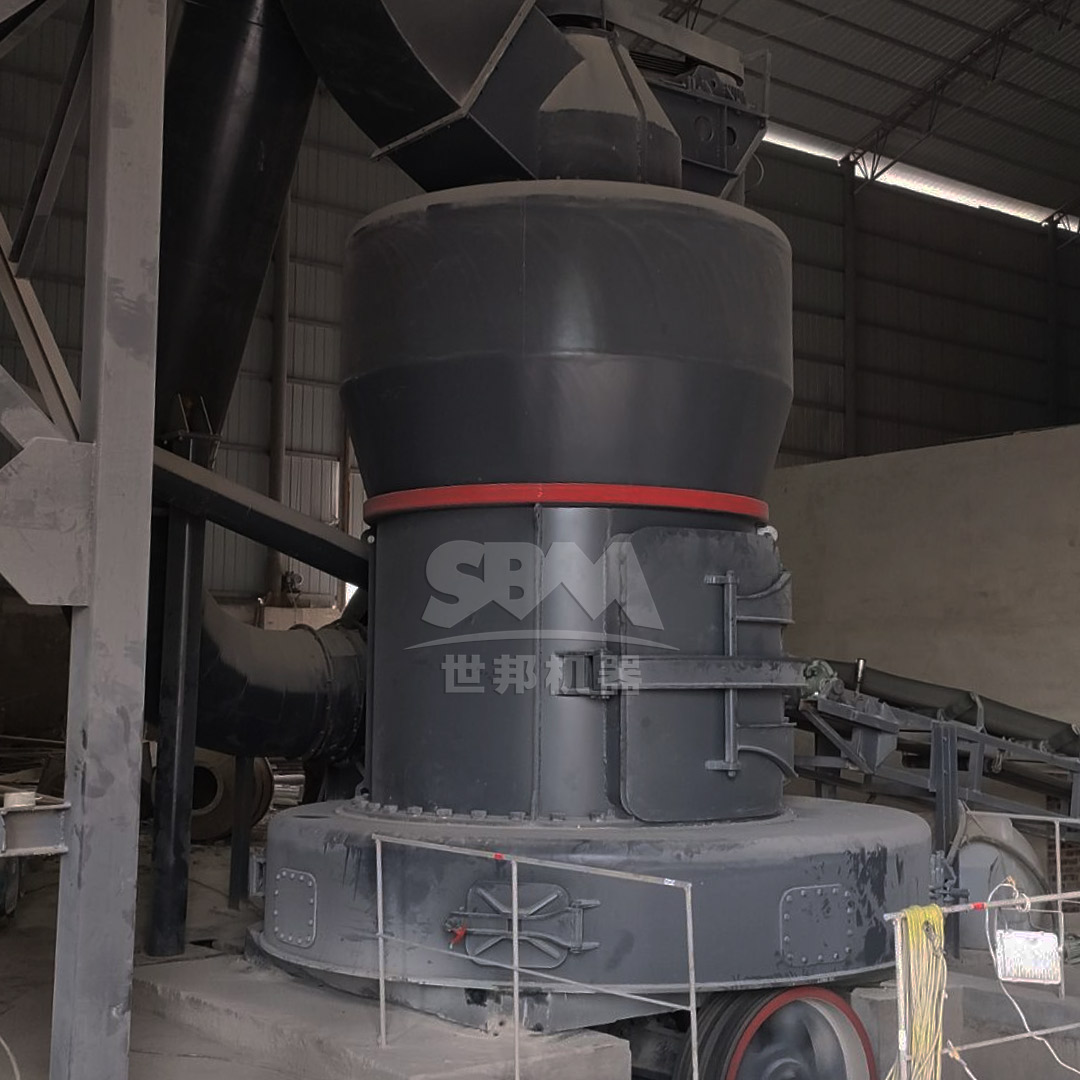
The abrasive nature of some clay impurities demands robust construction. Evaluate the wear protection on grinding elements (rollers, tables, liners) and the ease of their replacement. Modular designs that allow for quick roller changes can significantly reduce downtime.
A modern grinding plant is more than just a mill. It includes feeding, grinding, classification, product collection (cyclones, bag filters), dust removal, and control systems. Integrated designs that combine multiple functions into a single, compact unit save space, reduce installation complexity, and lower civil engineering costs.
Dust containment is critical. The system must operate under negative pressure to prevent dust leakage. Noise levels should be within acceptable limits. Furthermore, an automated control system that monitors key parameters (pressure, temperature, motor load) ensures stable operation, consistent product quality, and allows for remote monitoring.
Let’s examine common grinding technologies through the lens of illite processing.
A traditional workhorse. While capable of reaching 325 mesh, ball mills are generally less energy-efficient for fine grinding compared to newer technologies. They produce a broader particle size distribution and have higher wear rates. They are often better suited for wet grinding processes or as a secondary stage.
Suitable for coarser grinding in the 30-325 mesh range. For consistently producing 325 mesh illite, especially at higher capacities, it may struggle with efficiency and precise top-size control. It can be a cost-effective option for smaller-scale or lower-fineness requirements.
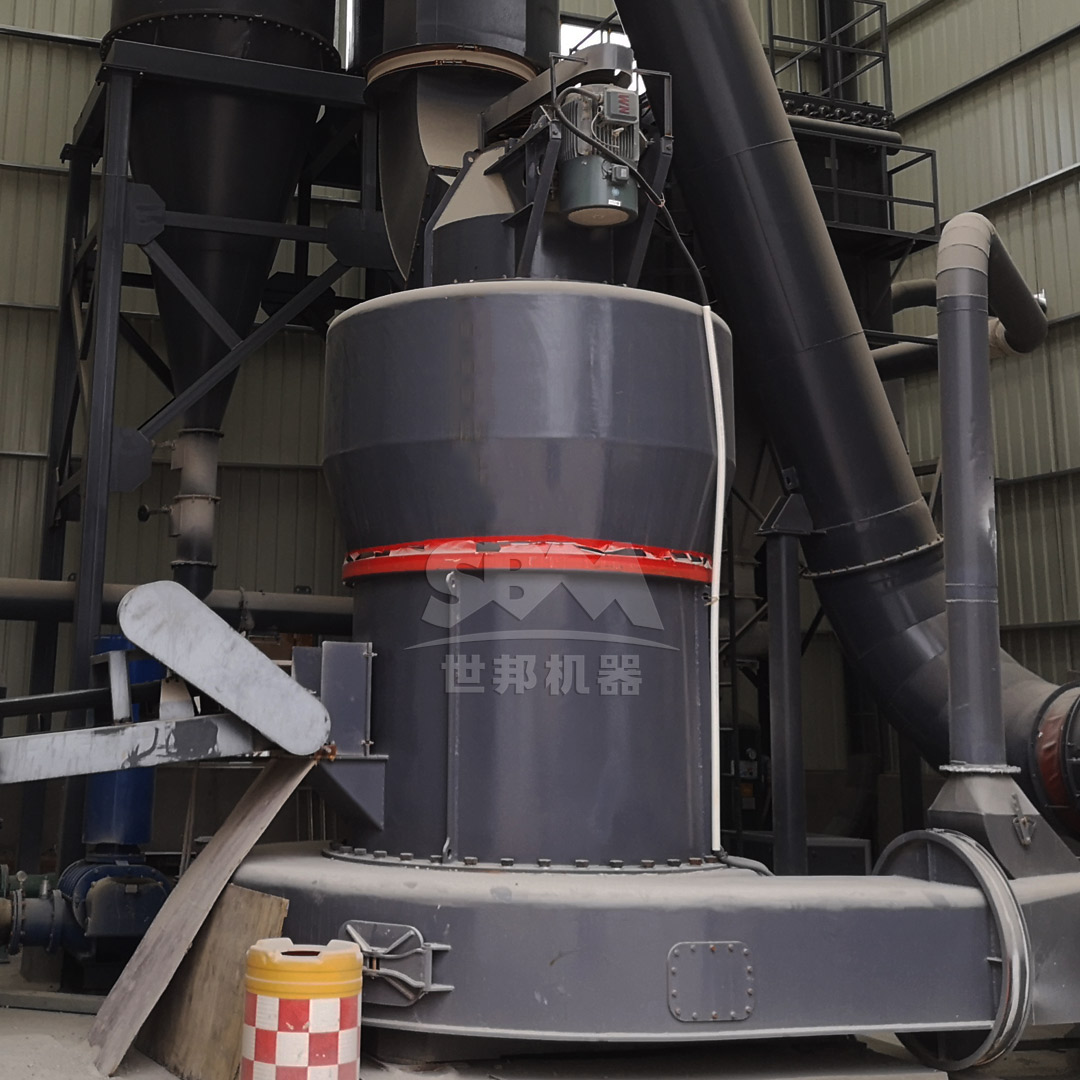
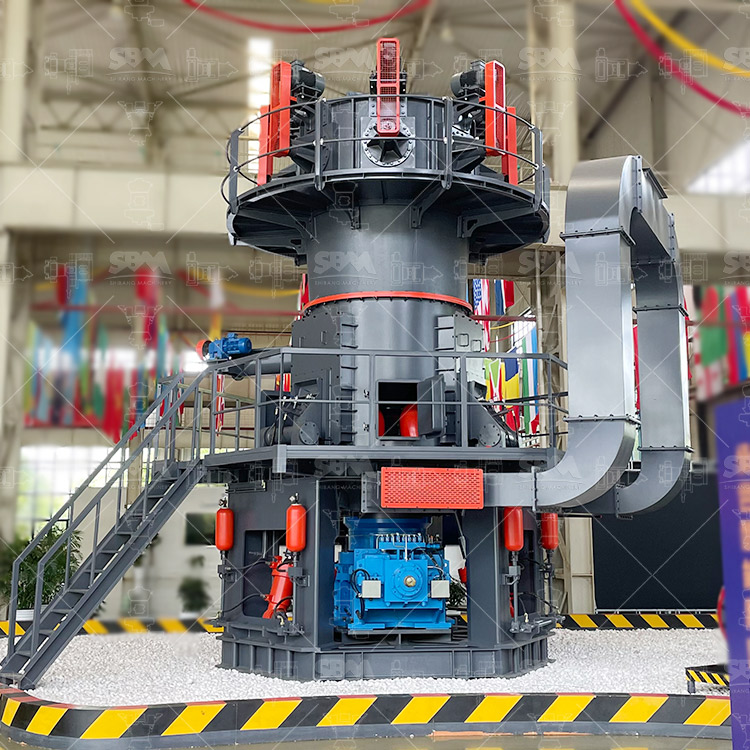
This technology has become a benchmark for efficient dry grinding of minerals like illite. It employs a bed-compression grinding principle where material is ground between rotating rollers and a stationary table. Key advantages include:
For Illite Production: High grinding efficiency (low energy consumption), excellent drying capability if hot air is introduced, ability to handle variations in feed moisture, and integrated classification for precise fineness control. Its footprint is also relatively small.
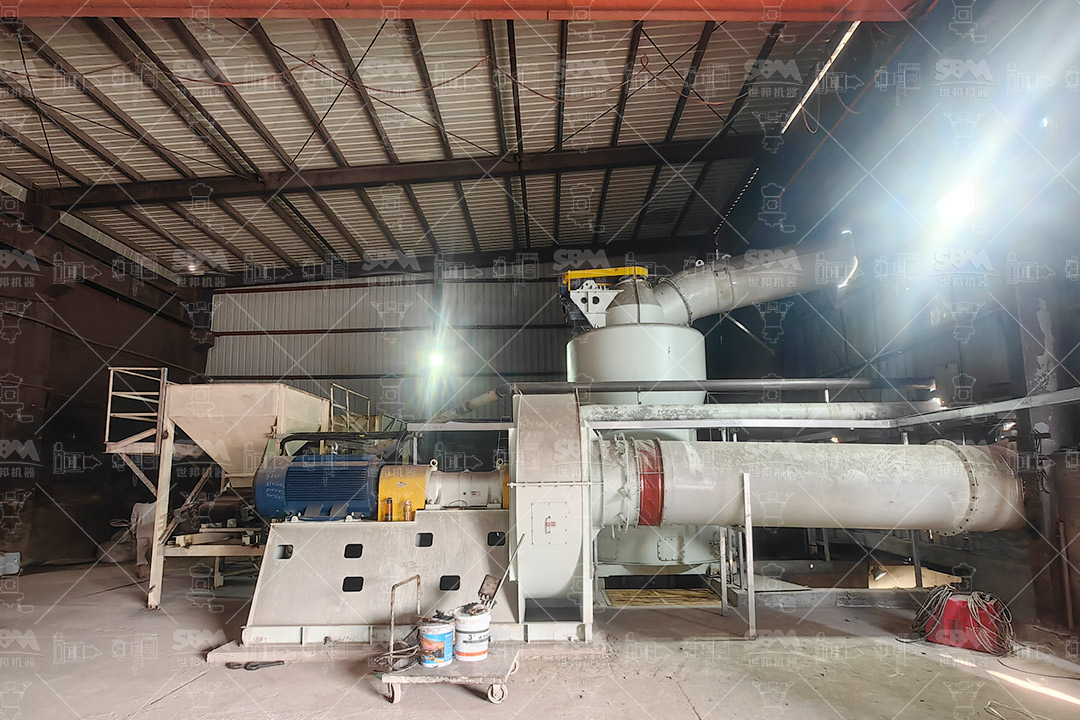
For applications demanding fineness beyond 325 mesh or exceptionally tight distributions at 325 mesh, specialized ultrafine mills are the answer. These mills often combine enhanced grinding mechanics with very high-precision turbine classifiers.
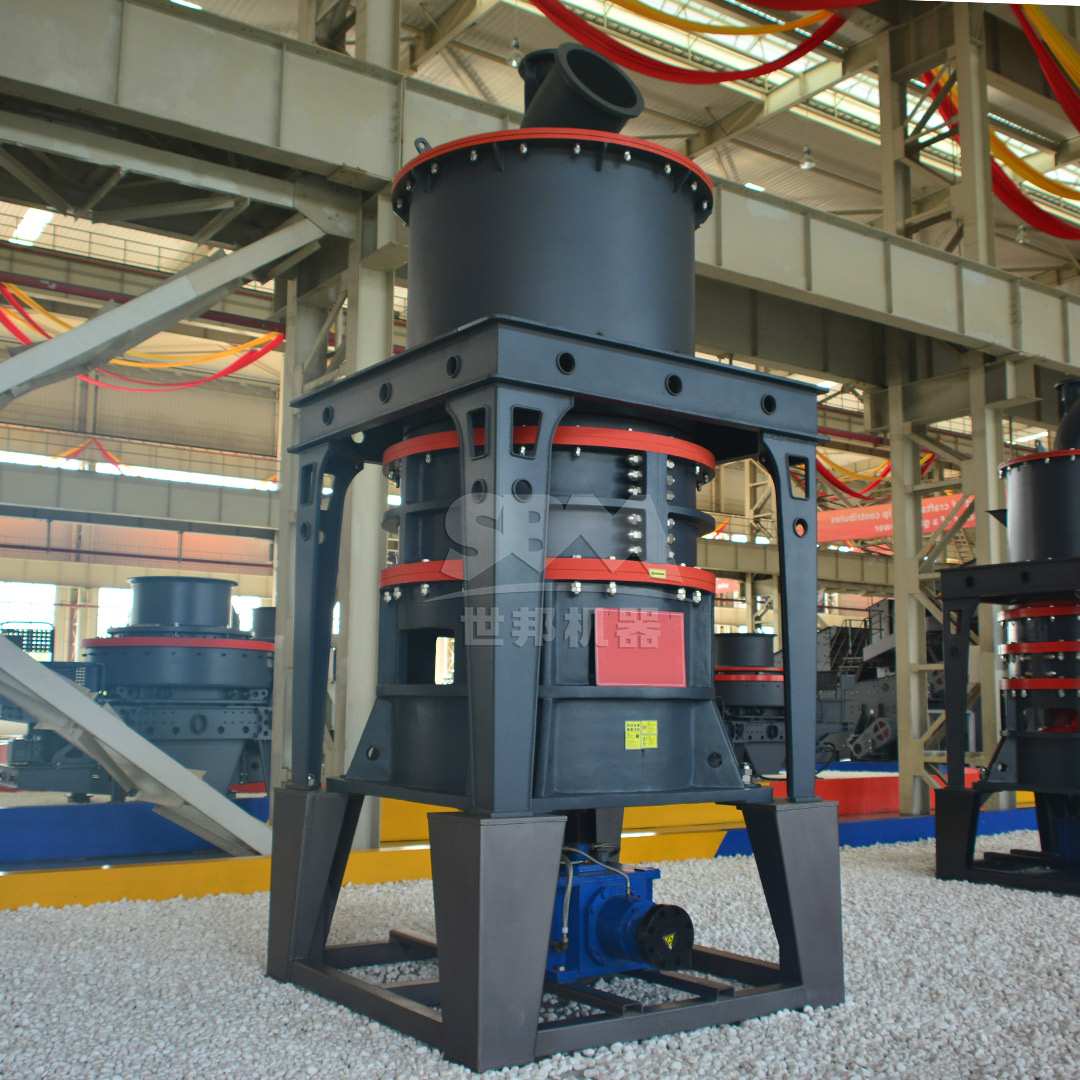
For producers targeting high-quality, consistent 325 mesh illite powder with an eye on efficiency and future product development, the SCM Series Ultrafine Mill stands out as an exemplary choice. This mill is engineered to excel precisely in the fineness range required for premium illite products.
Its design directly addresses the core selection criteria for illite:
| Model | Capacity (t/h) for Illite* | Main Power (kW) | Output Fineness | Suitability |
|---|---|---|---|---|
| SCM800 | 0.5 – 2.5 | 75 | 325-2500 mesh | Pilot plant, small-scale production |
| SCM1000 | 1.0 – 5.0 | 132 | 325-2500 mesh | Medium-scale dedicated line |
| SCM1250 | 2.5 – 8.0 | 185 | 325-2500 mesh | Ideal for standard mid-to-large scale 325 mesh production |
| SCM1680 | 5.0 – 15.0 | 315 | 325-2500 mesh | Large-scale, high-volume production |
*Capacity estimates are for producing 325 mesh illite powder and may vary based on moisture and feed size.
For operations with a broader product portfolio or where the primary target is firmly in the 30-325 mesh range with 325 mesh as the top end, the MTW Series European Trapezium Mill offers tremendous value and reliability. It incorporates advanced European grinding technology and is renowned for its durability and low maintenance costs, thanks to features like its anti-wear shovel design and integral bevel gear drive with 98% transmission efficiency. If your illite product specification is 200-325 mesh or you require a rugged, high-capacity mill for slightly coarser clay products, the MTW series is an excellent and cost-effective workhorse.
Choosing the right equipment for 325 mesh illite powder production is a strategic decision that impacts product quality, operational cost, and plant profitability. By thoroughly understanding illite’s properties and carefully evaluating equipment based on grinding principle, classification accuracy, energy efficiency, and system design, you can make an informed choice. For producers seeking an optimal balance of precision, efficiency, and reliability specifically for 325 mesh and finer applications, the SCM Series Ultrafine Mill represents a technologically advanced and proven solution. Its ability to deliver a tightly controlled particle size distribution at low operational cost makes it a cornerstone investment for building a competitive illite processing business. We recommend a detailed consultation and possibly a pilot test with your specific illite material to finalize the optimal model and configuration for your needs.