Attapulgite, a naturally occurring magnesium aluminum silicate clay mineral, has gained significant traction in the cosmetics industry due to its exceptional absorbent, thickening, and stabilizing properties. It is widely used in facial masks, powders, creams, and sunscreens. However, to unlock its full potential for cosmetic applications, raw attapulgite must undergo precise milling and classification to achieve a specific particle size distribution—typically ranging from 45 μm to 5 μm for premium-grade additives. This article explores the key machinery and processing solutions required for producing high-quality attapulgite powder for cosmetics, with a focus on efficiency, uniformity, and environmental compliance.
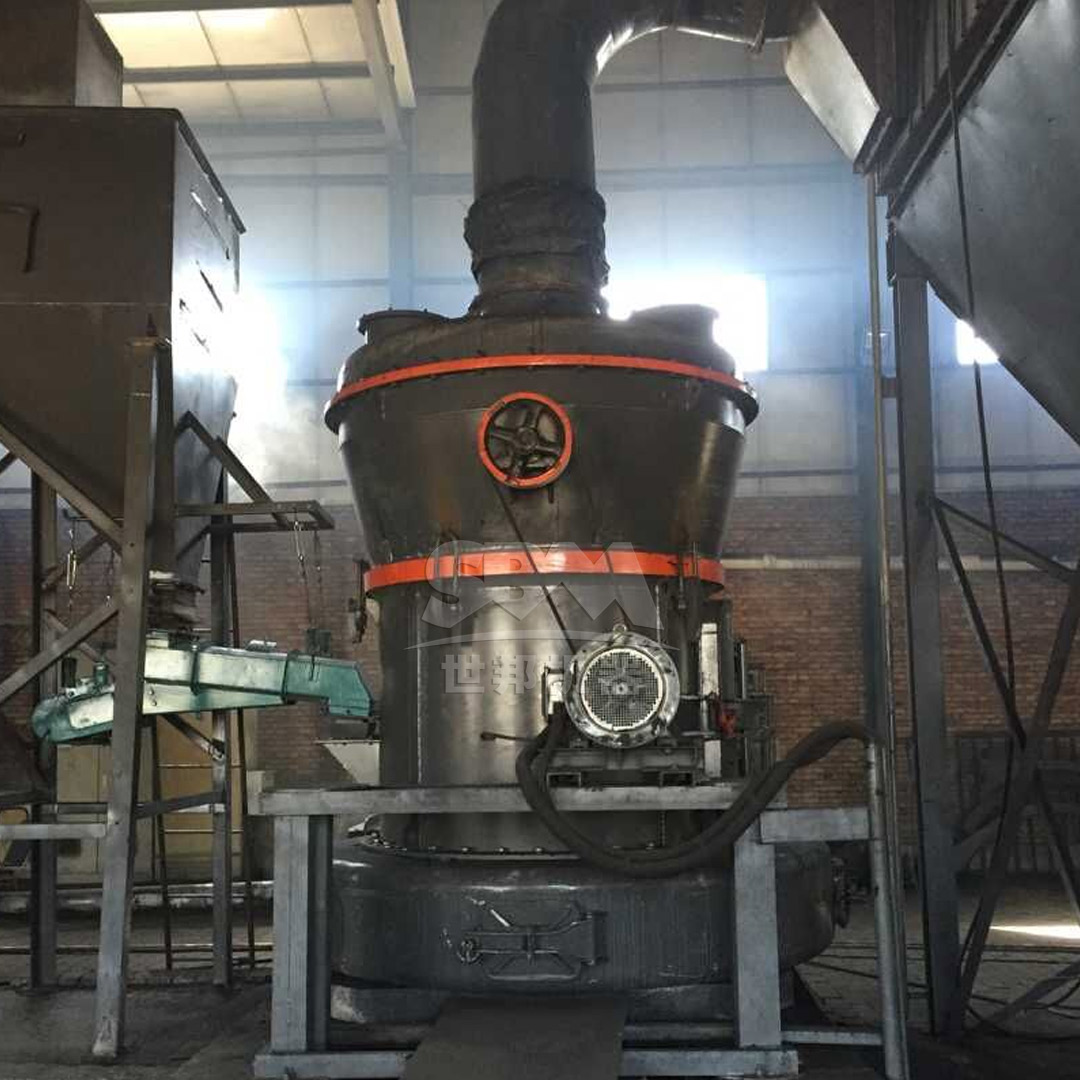
Cosmetic-grade attapulgite demands ultra-fine and consistent particle sizes. Impurities must be removed, and the clay must be activated or modified to enhance its functionality. The production line typically involves crushing, drying, grinding, classifying, and dust collection. The choice of grinding mill is critical, as it directly impacts the product’s fineness, throughput, and energy consumption.
In cosmetics, the tactile feel, spreadability, and absorption rate are directly influenced by particle size. Attapulgite particles finer than 10 μm (1250 mesh) provide a silky smooth texture, while coarser particles may cause a gritty feel. For high-end products like luxury face powders or liquid foundations, a fineness of 325–2500 mesh (45–5 μm) is often specified. This is where advanced ultrafine grinding technology becomes indispensable.
A complete attapulgite processing plant integrates several stages: primary crushing, drying, grinding, classification, and dust removal. Below, we detail the core equipment that ensures optimal performance.
The journey begins with reducing run-of-mine attapulgite to a manageable feed size. A Hammer Mill is typically employed for this task. Our hammer mills, such as the PC4008-75 model, can reduce feed material up to 40mm down to 0-3mm at a capacity of 8-15t/h. Its high manganese steel liners ensure durability when handling abrasive clay.
Attapulgite often contains high moisture content (up to 30%). A rotary dryer or flash dryer is used to reduce moisture to below 2% before grinding. This step is crucial to prevent clogging in the mill and to achieve the desired final powder properties.
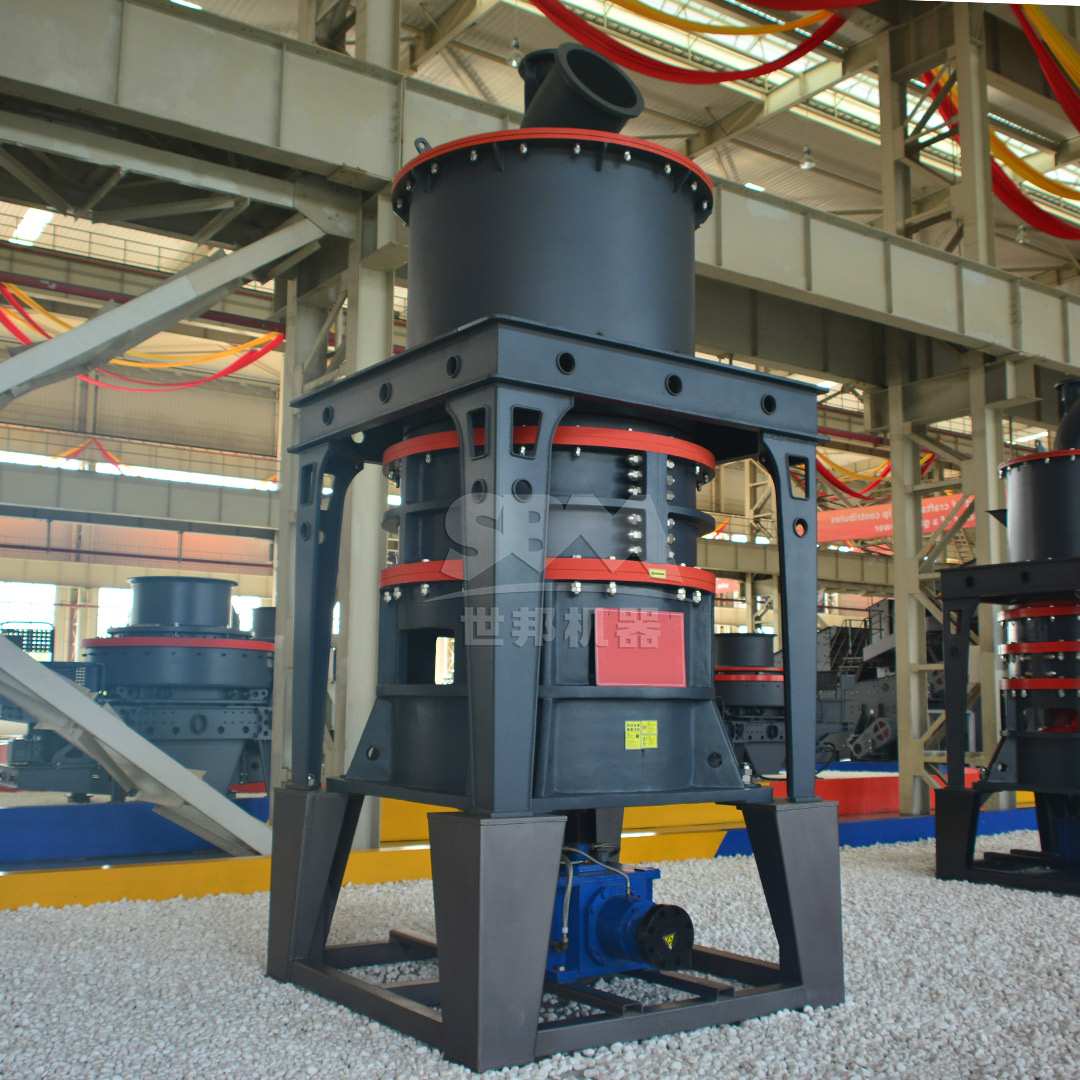
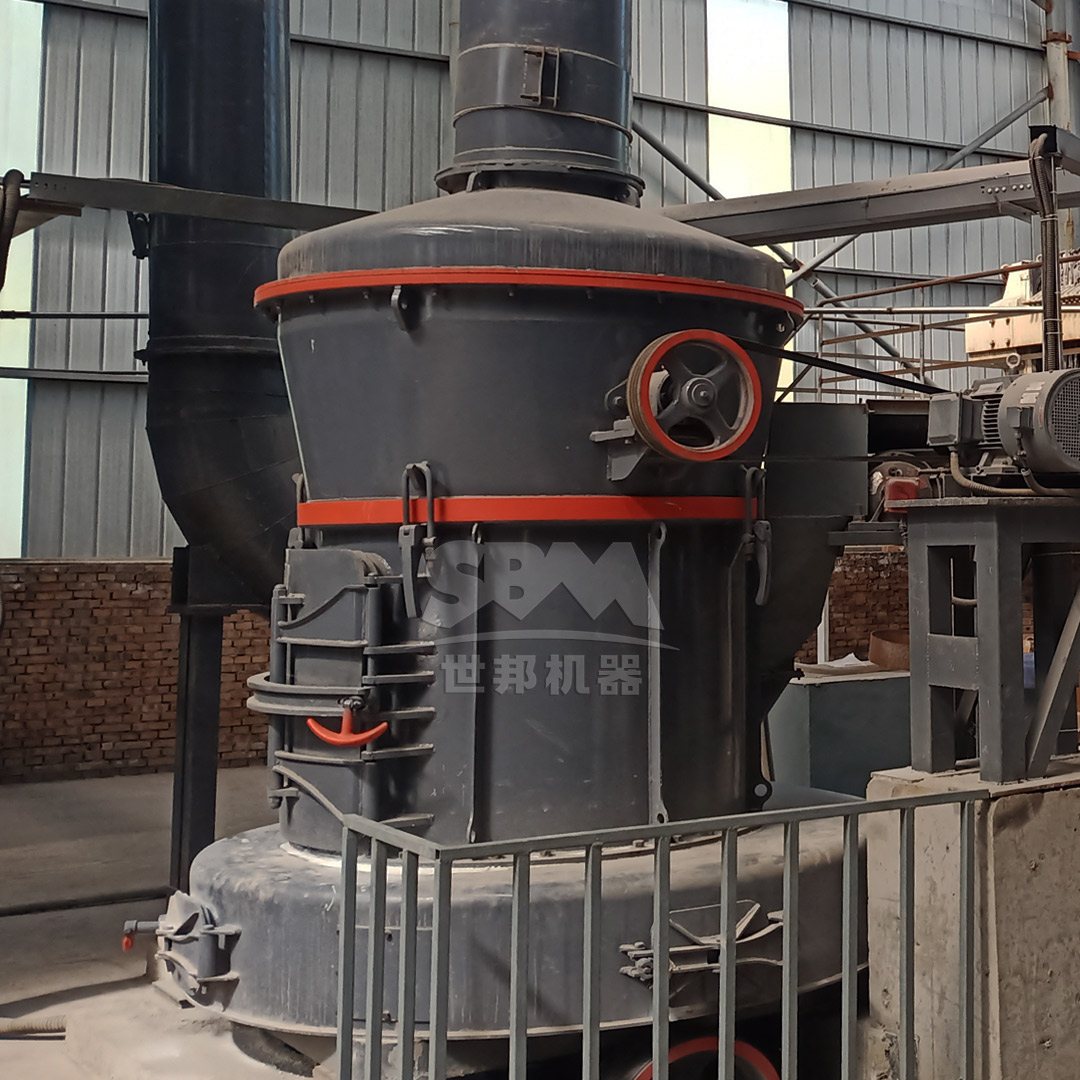
For cosmetic-grade attapulgite, the grinding stage must deliver high efficiency, precise classification, and ultra-fine output. Among the available technologies, the SCM Series Ultrafine Mill stands out as a superior solution.
| Model | Capacity (t/h) | Main Power (kW) | Feed Size (mm) | Fineness (mesh) |
|---|---|---|---|---|
| SCM800 | 0.5-4.5 | 75 | 0-20 | 325-2500 |
| SCM900 | 0.8-6.5 | 90 | 0-20 | 325-2500 |
| SCM1000 | 1.0-8.5 | 132 | 0-20 | 325-2500 |
| SCM1250 | 2.5-14 | 185 | 0-20 | 325-2500 |
| SCM1680 | 5.0-25 | 315 | 0-20 | 325-2500 |
With an input size of ≤20mm and output fineness ranging from 325 to 2500 mesh (45-5μm), the SCM mill is perfectly aligned with cosmetic requirements. Its capacity is twice that of jet mills while consuming 30% less energy. The vertical turbine classifier ensures no coarse powder mixing, delivering uniform products essential for consistent cosmetic formulations. Intelligent control with automatic finished product granularity feedback further enhances operational stability.
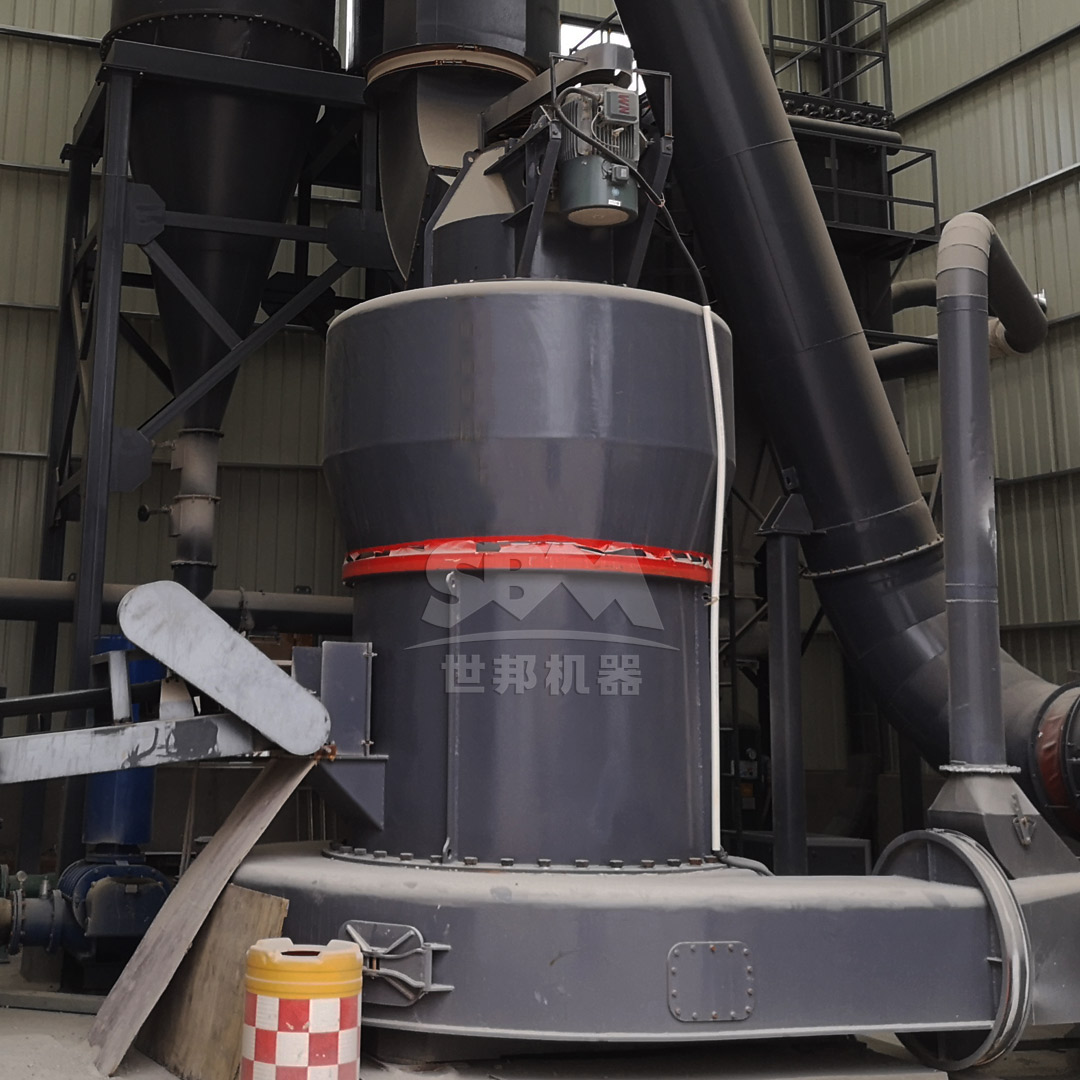
For applications requiring a slightly coarser range (30-325 mesh), such as bath powders or certain clay masks, the MTW Series European Trapezium Mill offers an excellent alternative. Its integral bevel gear drive achieves transmission efficiency of up to 98%, and the anti-wear shovel design significantly reduces maintenance costs.
| Model | Capacity (t/h) | Main Power (kW) | Feed Size (mm) | Fineness (mesh) |
|---|---|---|---|---|
| MTW110 | 3-9 | 55 | <30 | 10-325 |
| MTW138Z | 6-17 | 90 | <35 | 10-325 |
| MTW175G | 9.5-25 | 160 | <40 | 10-325 |
| MTW215G | 15-45 | 280 | <50 | 10-325 |
After grinding, the powder must be classified to ensure only particles of the desired size proceed to packaging. The SCM mill’s integrated vertical turbine classifier performs this task with high precision. For larger-scale operations, a separate dynamic classifier can be added to the system. The final powder is collected via a cyclone collector and pulse dust removal system, ensuring emissions meet international standards.
Beyond individual machines, the efficiency of an attapulgite processing plant depends on how well the equipment is integrated. A typical turnkey solution includes:
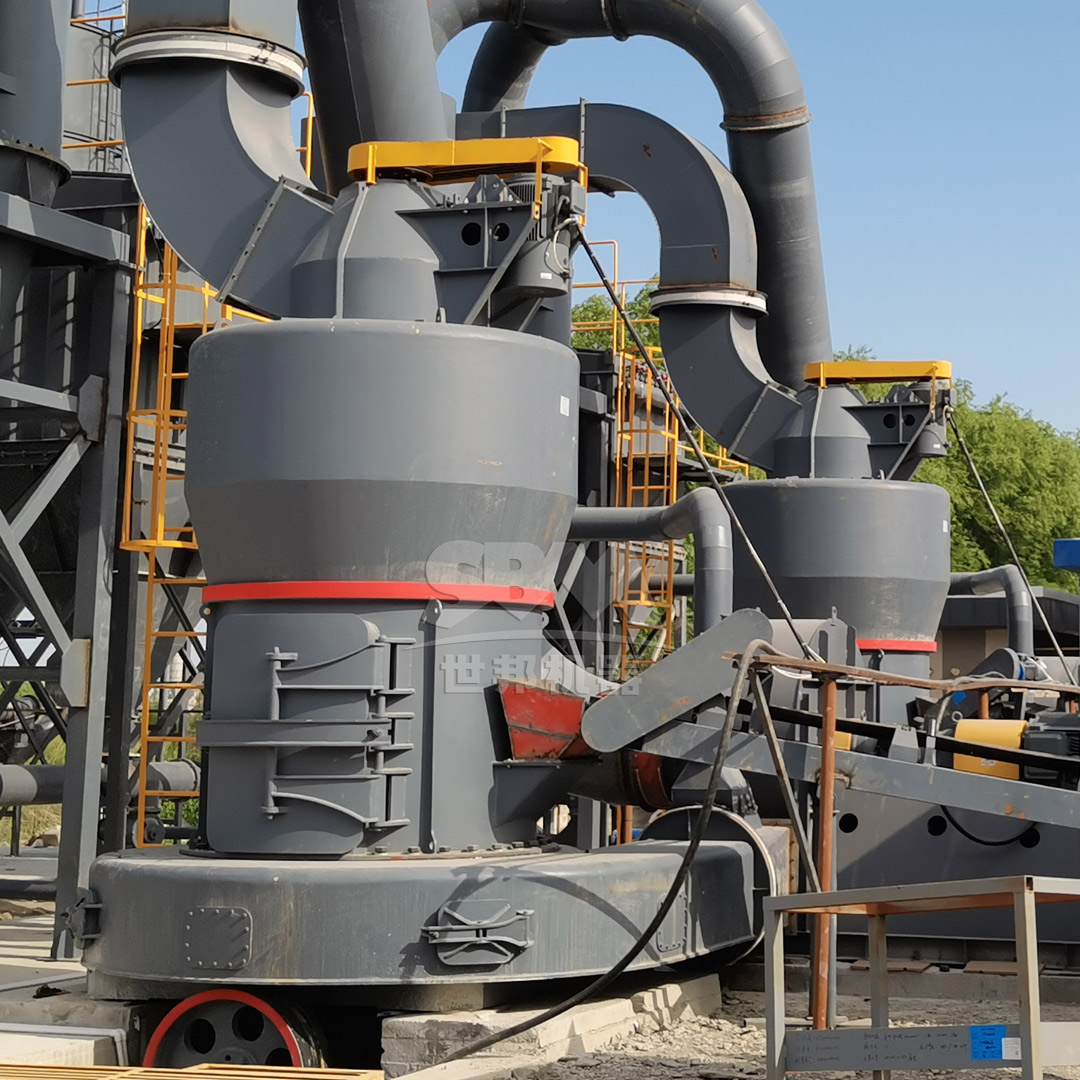
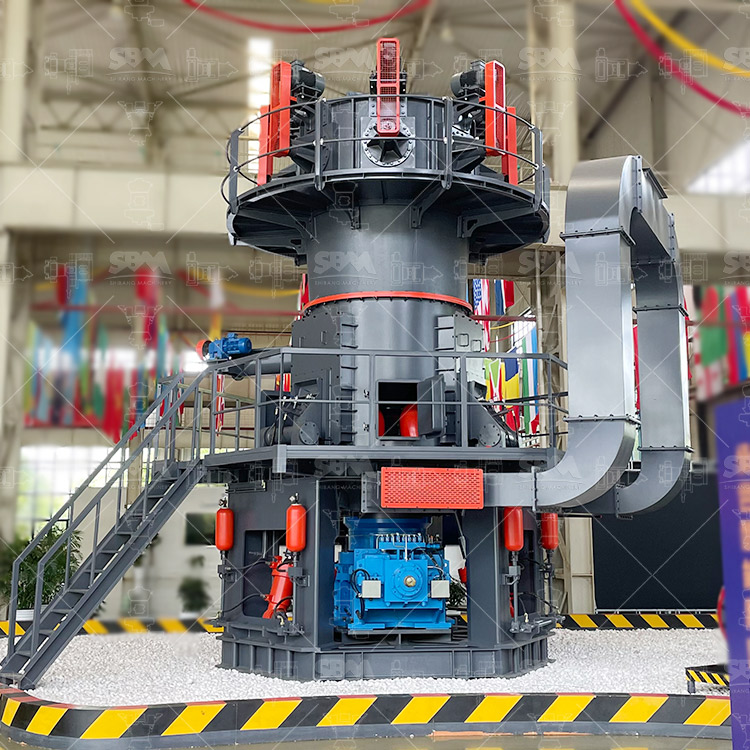
For high-capacity installations requiring up to 250 t/h, the LM Series Vertical Roller Mill provides an integrated solution combining crushing, grinding, drying, and classification in one unit. Its floor space is reduced by 50% compared to traditional systems, and energy consumption is 30-40% lower than ball mill systems. The LM series also supports outdoor installation, reducing infrastructure costs by 40%.
In cosmetics manufacturing, consistency is king. The milling system must maintain a tight particle size distribution batch after batch. Our mills achieve this through multi-stage classifier adjustment and intelligent control systems that monitor parameters remotely. For example, the SCM series can automatically adjust grinding pressure based on real-time feedback, ensuring uniform fineness even as the grinding rings wear.
Environmental compliance is equally important. All our mills are equipped with advanced pulse dust collection systems that maintain dust emissions below 30 mg/Nm³. Soundproof room designs keep noise levels under 85 dB(A), creating a safe and comfortable working environment.
Selecting the right production equipment for attapulgite additives in cosmetics is a strategic decision that impacts product quality, operational costs, and market competitiveness. The SCM Series Ultrafine Mill and MTW Series European Trapezium Mill represent the pinnacle of milling technology, offering unparalleled efficiency, precision, and reliability. For manufacturers aiming to produce premium cosmetic-grade attapulgite powder, investing in these advanced machines is not merely an option—it is a necessity.