Attapulgite clay, a naturally occurring magnesium aluminum phyllosilicate, has emerged as a critical functional additive in the coatings industry due to its unique rheological properties, thixotropic behavior, and high surface area. When processed to an optimal particle size distribution, attapulgite enhances suspension stability, improves sag resistance, and provides superior anti-settling performance in water-based and solvent-based coatings. However, achieving these benefits consistently depends heavily on the quality of the milling and classification equipment used during production. The selection of appropriate grinding technology directly influences particle fineness, shape, and uniformity – factors that determine the final coating performance.
This article explores the key production equipment essential for manufacturing high-performance attapulgite clay additives, focusing on how each machine’s design principles and technical advantages contribute to optimizing the additive’s functionality in coating formulations.
Before delving into specific equipment, it is essential to understand the processing challenges posed by attapulgite clay. The raw material typically contains agglomerates, impurities, and a broad particle size distribution. For coatings applications, the target fineness usually ranges from 325 mesh (44 microns) down to 2500 mesh (5 microns), depending on whether the additive is intended for thickening, anti-settling, or matting purposes. The grinding process must also avoid over-grinding, which can damage the fibrous structure responsible for the clay’s rheological benefits.
Key performance indicators for attapulgite processing equipment include:
– Precise particle size classification with minimal coarse particle contamination
– Energy-efficient operation to reduce production costs
– Durable construction to handle the abrasive nature of clay minerals
– Environmental compliance with dust control and noise regulations
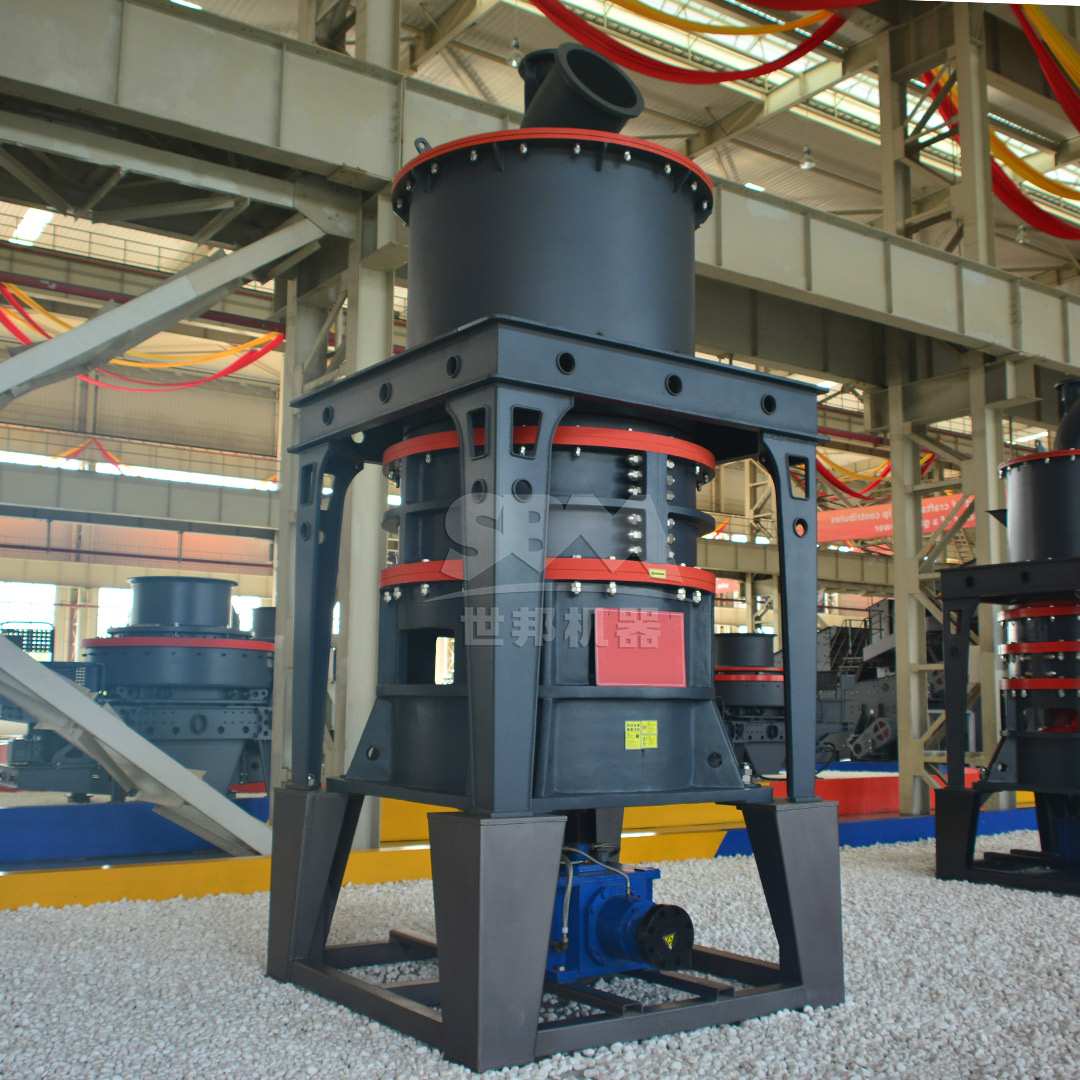
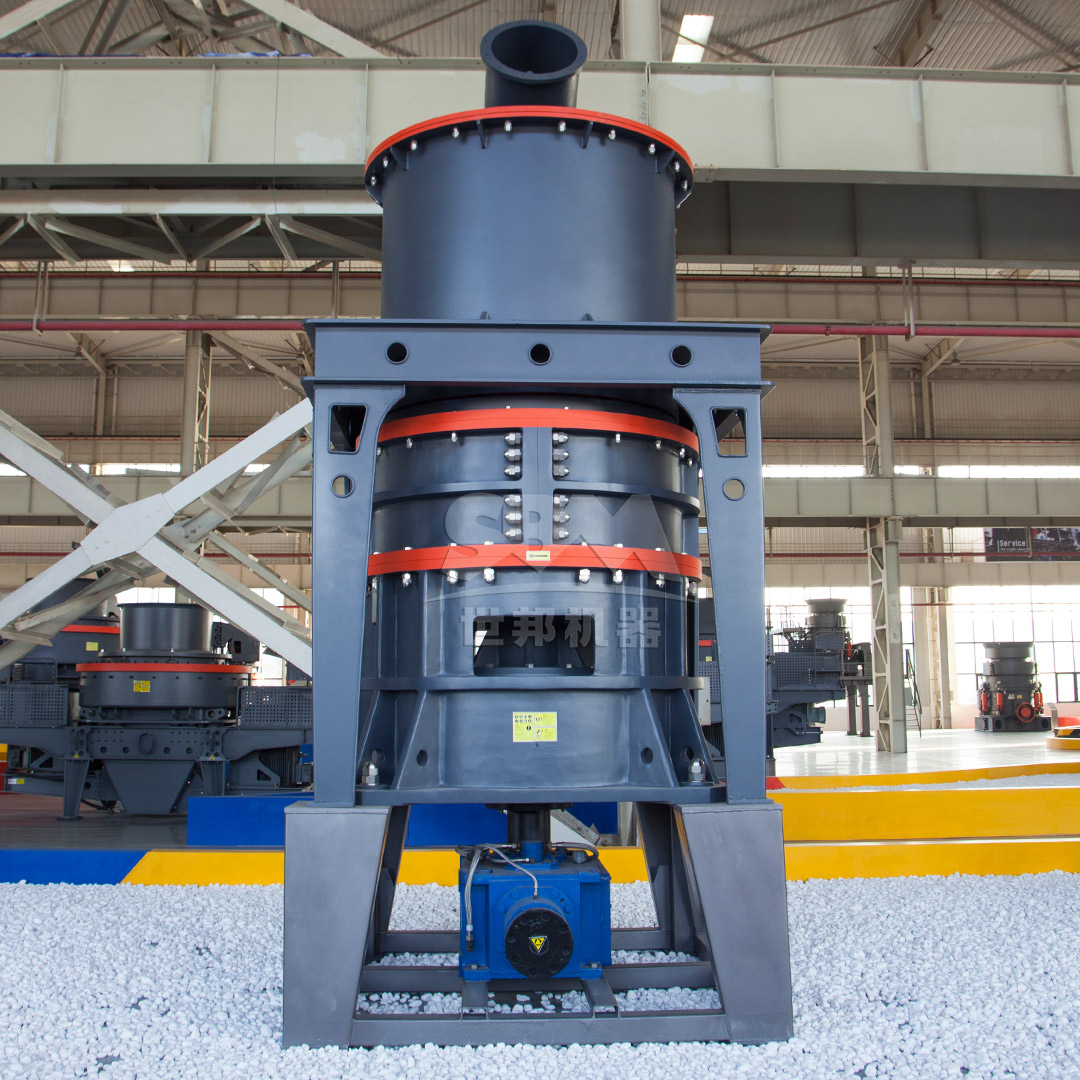
For applications requiring very fine attapulgite powders, such as high-gloss coatings or those demanding extreme smoothness, the SCM Series Ultrafine Mill stands out as an ideal solution. Engineered for output fineness from 325 to 2500 mesh (45 to 5 microns), this mill addresses the specific needs of fine particle processing with remarkable efficiency.
Technical Highlights Relevant to Attapulgite:
The working principle involves the main motor driving three layers of grinding rings to rotate. Materials are dispersed into the grinding path by centrifugal force, crushed by roller pressure, and ground layer by layer. This progressive grinding action is gentle enough to preserve the attapulgite’s fibrous structure while achieving the desired fineness.
Recommended Model: SCM1000
With a capacity of 1.0–8.5 t/h and main power of 132 kW, the SCM1000 is ideal for medium-scale attapulgite processing. Its ability to produce powders as fine as 2500 mesh (5 microns) makes it suitable for premium coating additives requiring exceptional suspension stability.
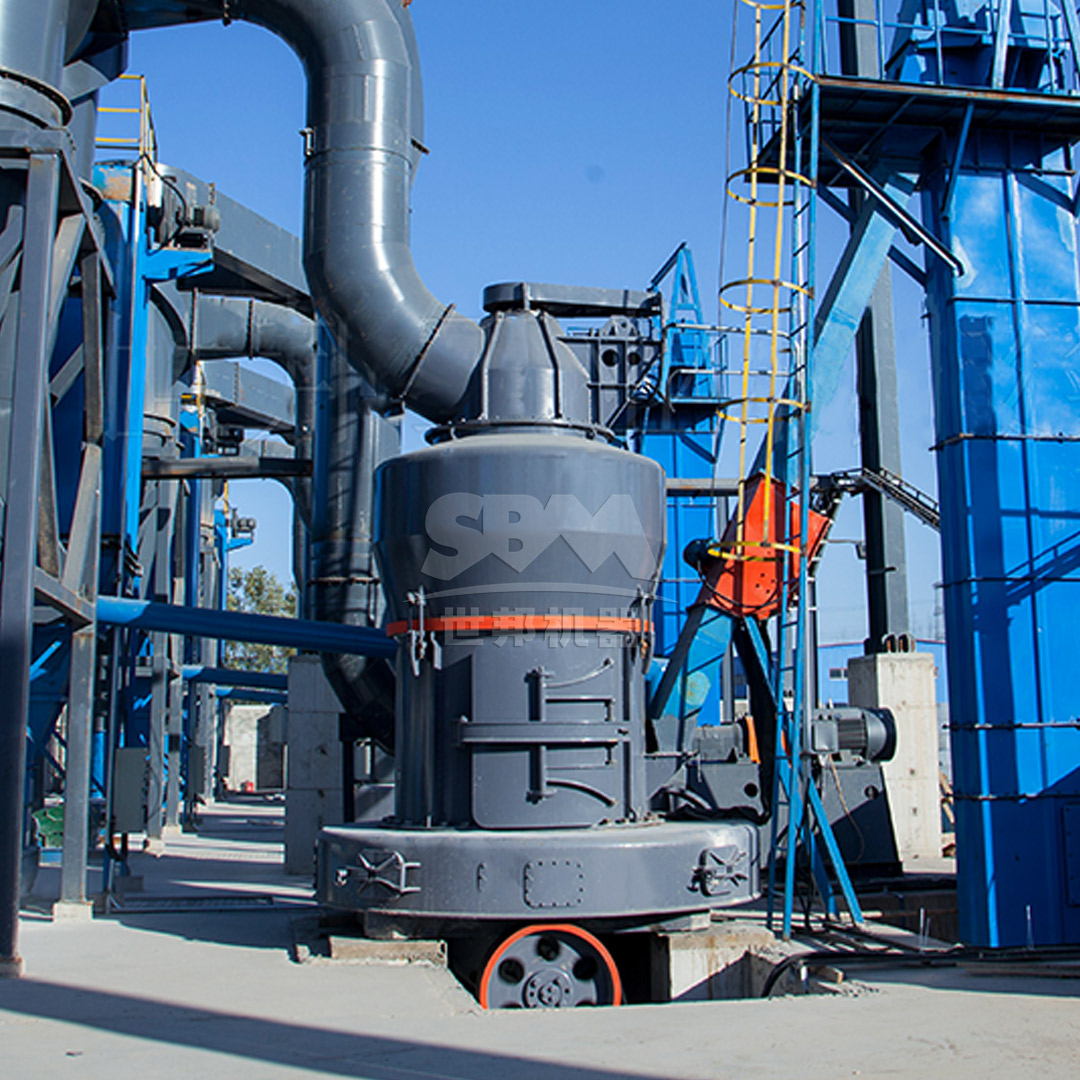
For attapulgite products targeting a fineness range of 30 to 325 mesh (600 to 45 microns), the MTW Series European Trapezium Mill offers robust performance and high throughput. This mill is particularly well-suited for producing standard-grade attapulgite additives used in architectural coatings and industrial paints where moderate fineness is sufficient.
Key Advantages for Attapulgite Processing:
The working principle features grinding rollers that revolve around a central axis while self-rotating to generate centrifugal force. Shovels throw materials between the ring and rollers to form a material layer, achieving efficient crushing through extrusion. The classification system precisely controls the finished product size.
Recommended Model: MTW138Z
With a capacity of 6–17 t/h and main power of 90 kW, the MTW138Z offers a balanced combination of throughput and energy efficiency. It can process attapulgite to fineness as low as 325 mesh (45 microns), making it versatile for both general-purpose and specialty coatings.
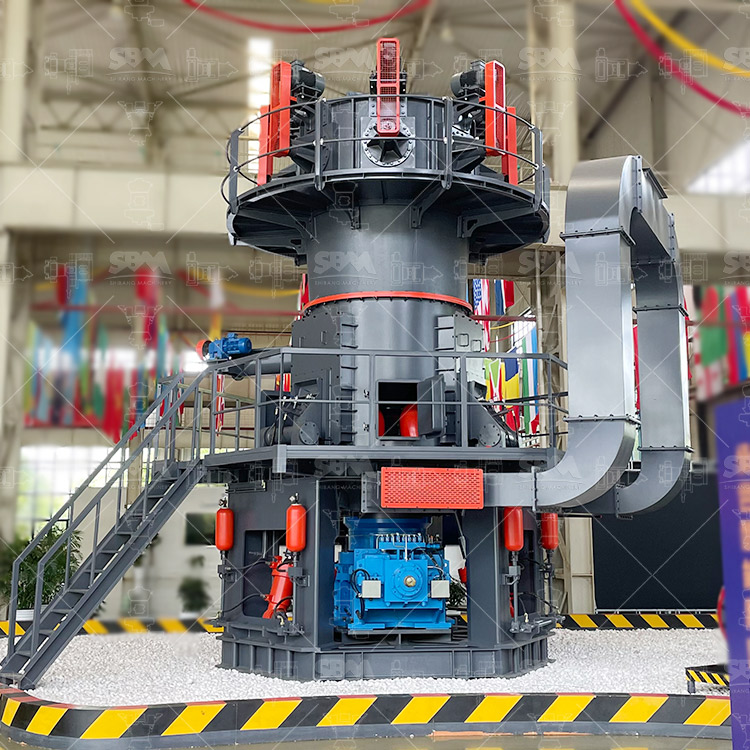
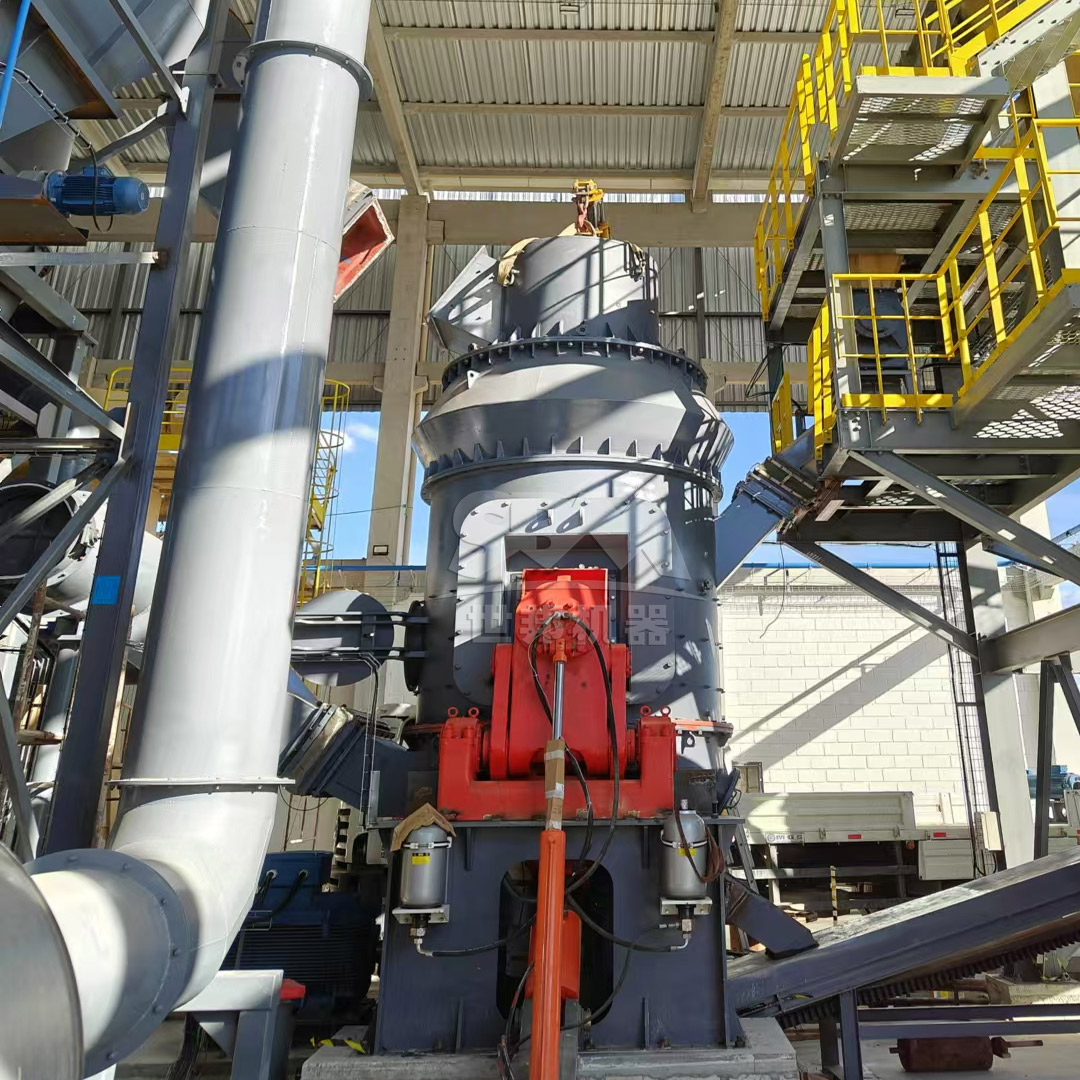
For producers requiring high-capacity attapulgite processing, the LM Series Vertical Roller Mill delivers unparalleled throughput ranging from 3 to 250 ton/h. This integrated system combines crushing, grinding, and selection in one unit, reducing floor space by 50% and infrastructure costs by 40%. The LM series is particularly advantageous for large grinding plants serving multiple coating manufacturers.
Advantages Specific to Attapulgite:
| Model | Table Diameter (mm) | Capacity (t/h) | Fineness (μm) | Main Power (kW) |
|---|---|---|---|---|
| LM130K | 1300 | 10–28 | 170–40 | 200 |
| LM150K | 1500 | 13–38 | 170–40 | 280 |
| LM170K | 1700 | 18–48 | 170–40 | 400 |
| LM190K | 1900 | 23–68 | 170–40 | 500 |
| LM220K | 2200 | 36–105 | 170–45 | 800 |
| LM280K | 2800 | 50–170 | 170–45 | 1250 |
The working principle involves the main motor driving the grinding table via a reducer. Materials enter through the central feed port and spread evenly via centrifugal force. Grinding rollers apply pressure to crush the material layer; qualified fines are carried by hot air to the classifier, while coarse powder returns to the table for re-grinding. This circulation ensures consistent product quality.
Beyond the primary mills, two other equipment types deserve mention for their specific advantages in attapulgite processing:
This mill features intelligent pressure regulation with a spring pressure system that automatically compensates for roller wear, extending roller and ring life by 30%. The innovative roller assembly with horizontal pull-rod connection protects main shaft bearings while handling large materials. With capacities from 3–22 t/h, the MTM series is an excellent choice for medium-scale operations seeking reliability and ease of maintenance.
The MRN pendulum mill offers a thin oil lubrication system that provides first-in-class maintenance-free design. Its efficient collector uses square pipes to reduce resistance, and the pulse dust collector ensures automatic, eco-friendly operation. The scientific configuration with a new classifier and isolated cyclone reduces energy consumption. Models range from MB5X98 (2.7–6.5 t/h) to MB5X298 (48–83 t/h), covering both small and large production needs.
When choosing equipment for attapulgite clay additive production, consider the following factors:
Optimizing coating performance with attapulgite clay additives requires a deep understanding of both the mineral’s properties and the capabilities of available grinding equipment. From the ultrafine precision of the SCM Series Ultrafine Mill to the high-capacity versatility of the MTW Series European Trapezium Mill, modern milling technology enables manufacturers to produce attapulgite powders with precisely controlled particle size distributions. This control translates directly into enhanced rheological properties, improved suspension stability, and ultimately, superior coating performance.
For companies seeking to establish or upgrade their attapulgite processing lines, investing in the right equipment is not merely a capital expense but a strategic decision that defines product quality and market competitiveness. By leveraging the technological advantages outlined above, manufacturers can unlock the full potential of attapulgite clay as a high-performance coating additive.