The global feed industry is undergoing a significant transformation, driven by the need for higher nutritional density, improved animal health, and cost-effective production. At the heart of this evolution lies the critical process of feed additive manufacturing. From vitamins and amino acids to enzymes and trace minerals, the efficacy of these additives is directly linked to their particle size, uniformity, and purity. This requires specialized, high-precision grinding and milling equipment that can consistently deliver the specified fineness without contamination.
Selecting the right machinery is not merely a matter of purchasing hardware; it is an investment in operational efficiency, product quality, and long-term profitability. The production of feed additives presents unique challenges: materials are often heat-sensitive, abrasive, and require extremely fine and narrow particle size distributions to ensure optimal bioavailability and mixing homogeneity. This article provides an in-depth look at the key machines essential for efficient feed additive manufacturing, focusing on their working principles, technical advantages, and how modern innovations are solving industry-wide problems.
Before delving into the specifics of machinery, it is crucial to understand why particle size matters in feed additives. Finer particles offer a larger surface area-to-volume ratio. This increased surface area leads to:
Meeting these demands requires a multi-faceted approach to size reduction, where the grinding mill is the central, but not the only, component of a holistic system.
The selection of a grinding mill is dictated by the target fineness, material characteristics, and throughput requirements. For feed additive production, the most common and effective machines fall into several categories, each offering distinct advantages.
For the most demanding applications, such as high-potency vitamins, certain enzymes, and flow agents, achieving an ultrafine particle size is non-negotiable. This is where specialized ultrafine mills excel. These machines are engineered to produce particles in the micron and sub-micron range with incredibly tight distribution curves. Traditional methods like jet milling, while effective, often suffer from high energy consumption and lower throughput.
Our Recommendation: The SCM Series Ultrafine Mill
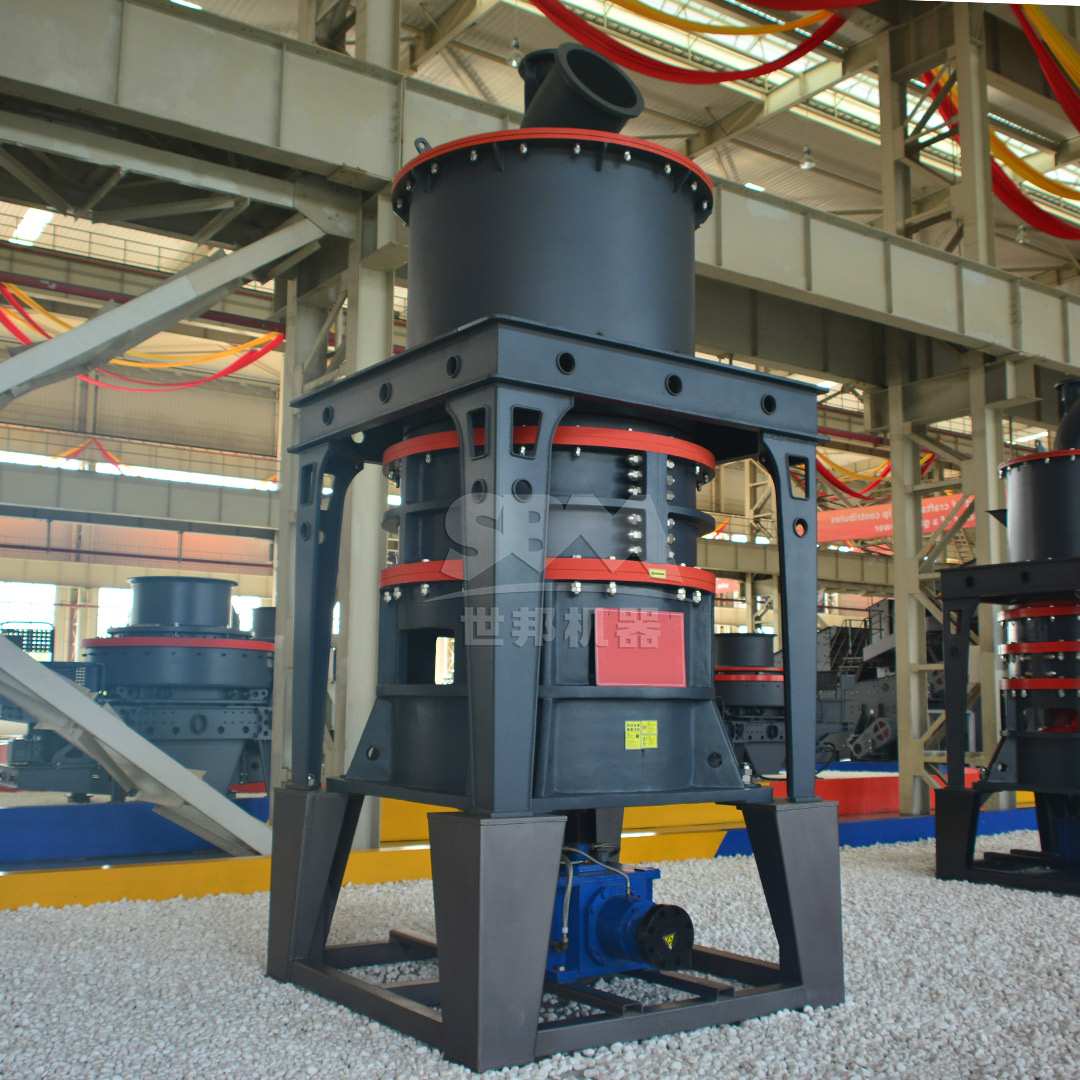
To meet the challenges of ultrafine grinding, we highly recommend the SCM Series Ultrafine Mill. This machine represents a leap forward in efficiency and precision. Unlike jet mills, which use high-speed gas streams with significant energy waste, the SCM Mill utilizes a layered grinding principle combined with a vertical turbine classifier. This results in a capacity that is up to 2 times that of traditional jet mills while consuming 30% less energy. Its intelligent control system provides automatic feedback on finished product granularity, ensuring consistent quality without constant operator oversight. The durable design, featuring special material rollers and rings, makes it ideal for the continuous, high-demand environment of a feed additive plant.
The SCM series guarantees no coarse powder mixing, which is critical for maintaining the precise formulation of premium additives.
For bulk feed additives like amino acids (Lysine, Methionine), phosphates, and common carriers, a robust and high-capacity mill is essential. The MTW Series European Trapezium Mill and LM Series Vertical Roller Mill are the workhorses of this production tier.
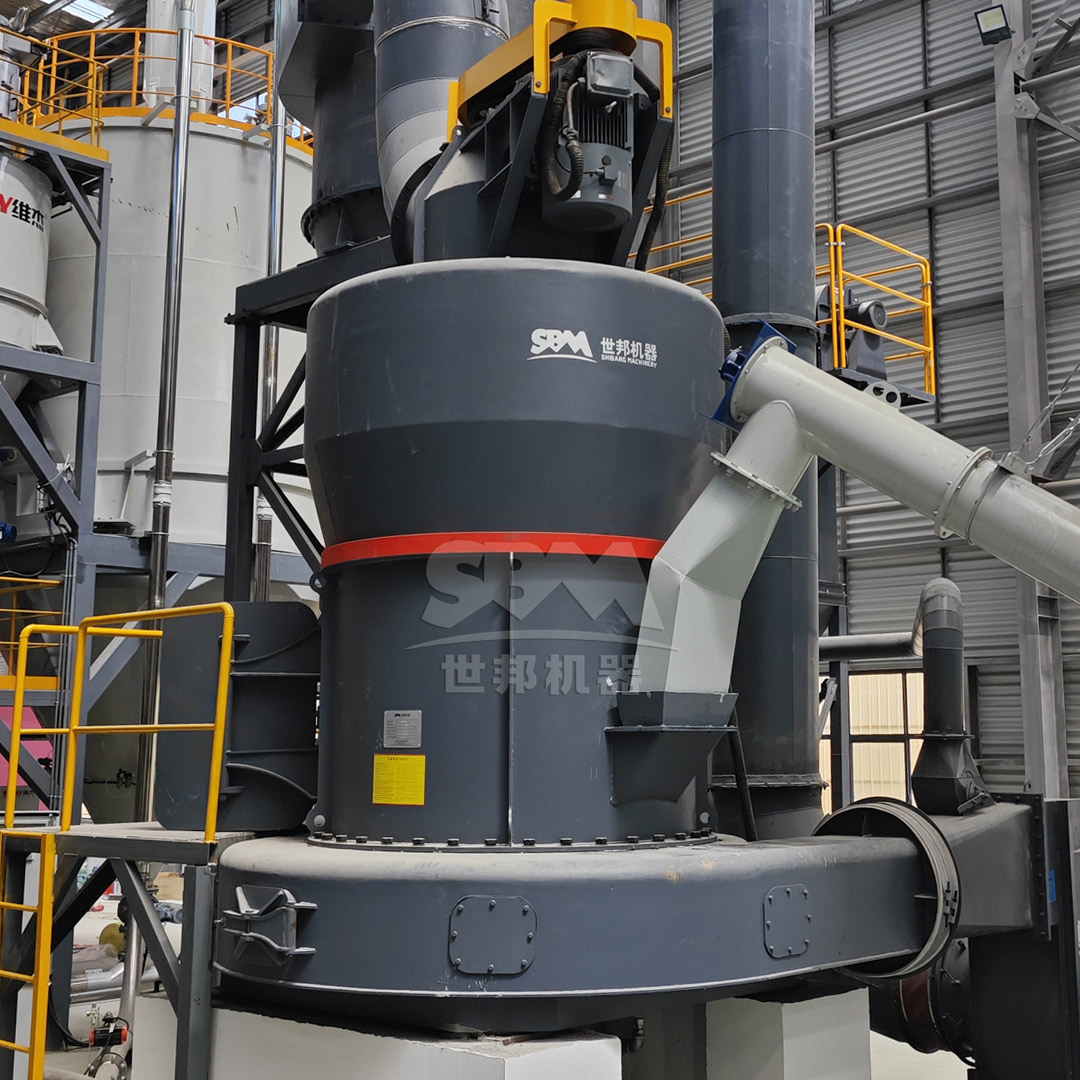
MTW Series European Trapezium Mill: This mill is prized for its low operating costs and anti-wear design. Its integral bevel gear drive achieves a transmission efficiency of up to 98%, significantly reducing energy bills. The optimized arc air duct and combined shovel blades minimize maintenance and prolong service life, making it a dependable choice for round-the-clock operations.
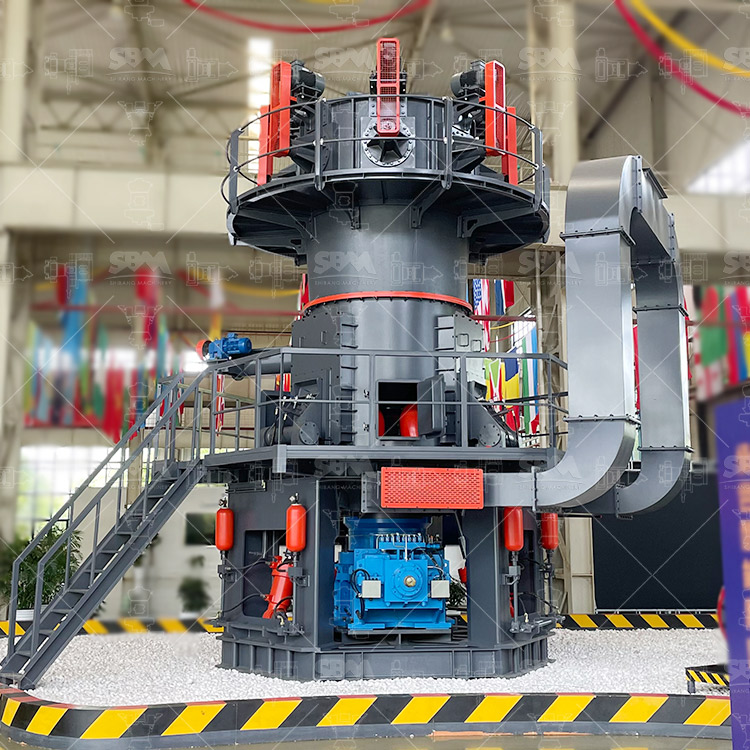
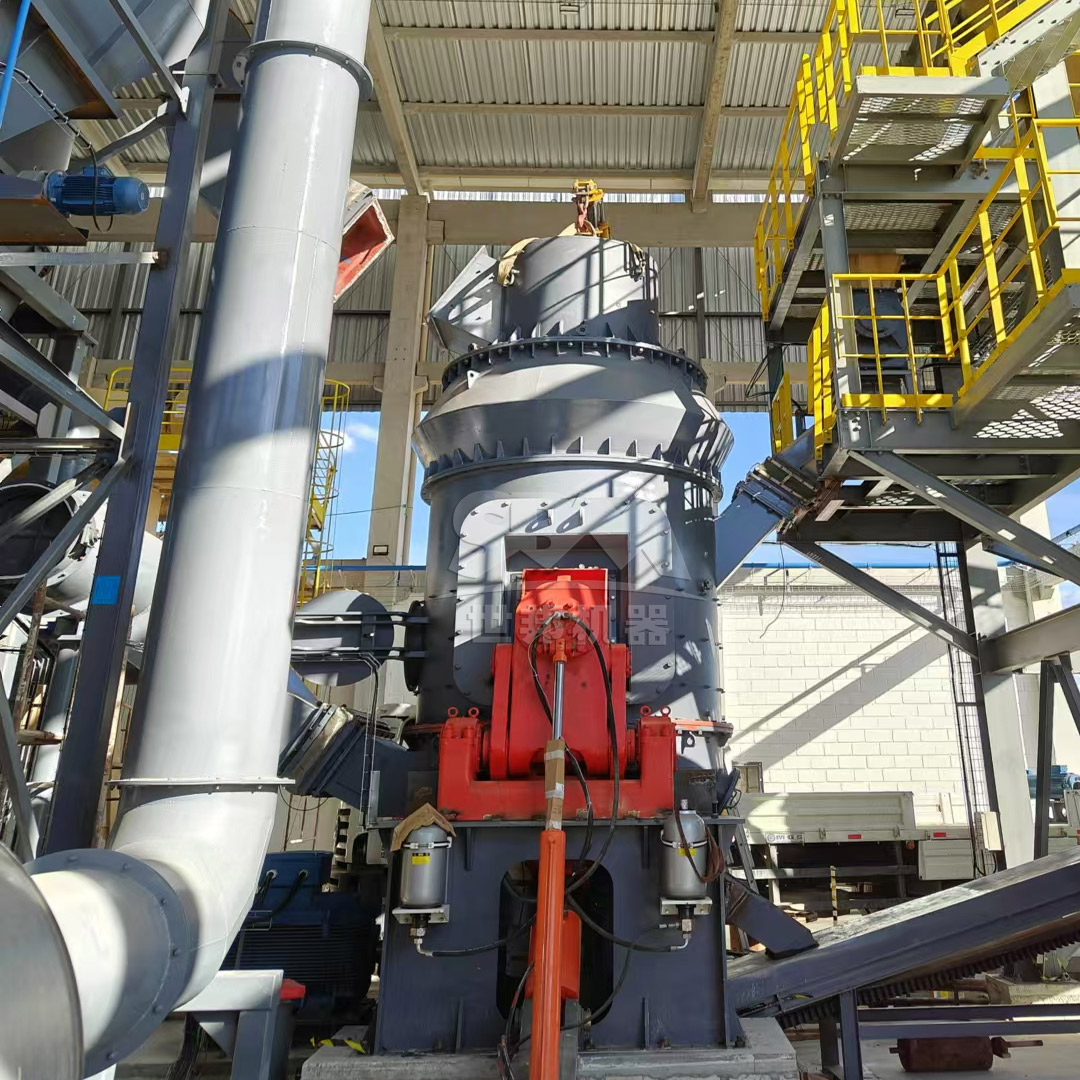
LM Series Vertical Roller Mill: For operations requiring the highest throughput and an integrated system approach, the LM Series Vertical Mill is unmatched. It integrates crushing, grinding, drying, and classification into a single unit, reducing floor space by an impressive 50%. Its operating cost is 30-40% lower than traditional ball mill systems, thanks to a non-contact roller and table design that extends wear part life by three times. The expert-level intelligent control system allows for remote monitoring and reduces manual intervention.
Depending on the specific additive or process, other mills play important roles:
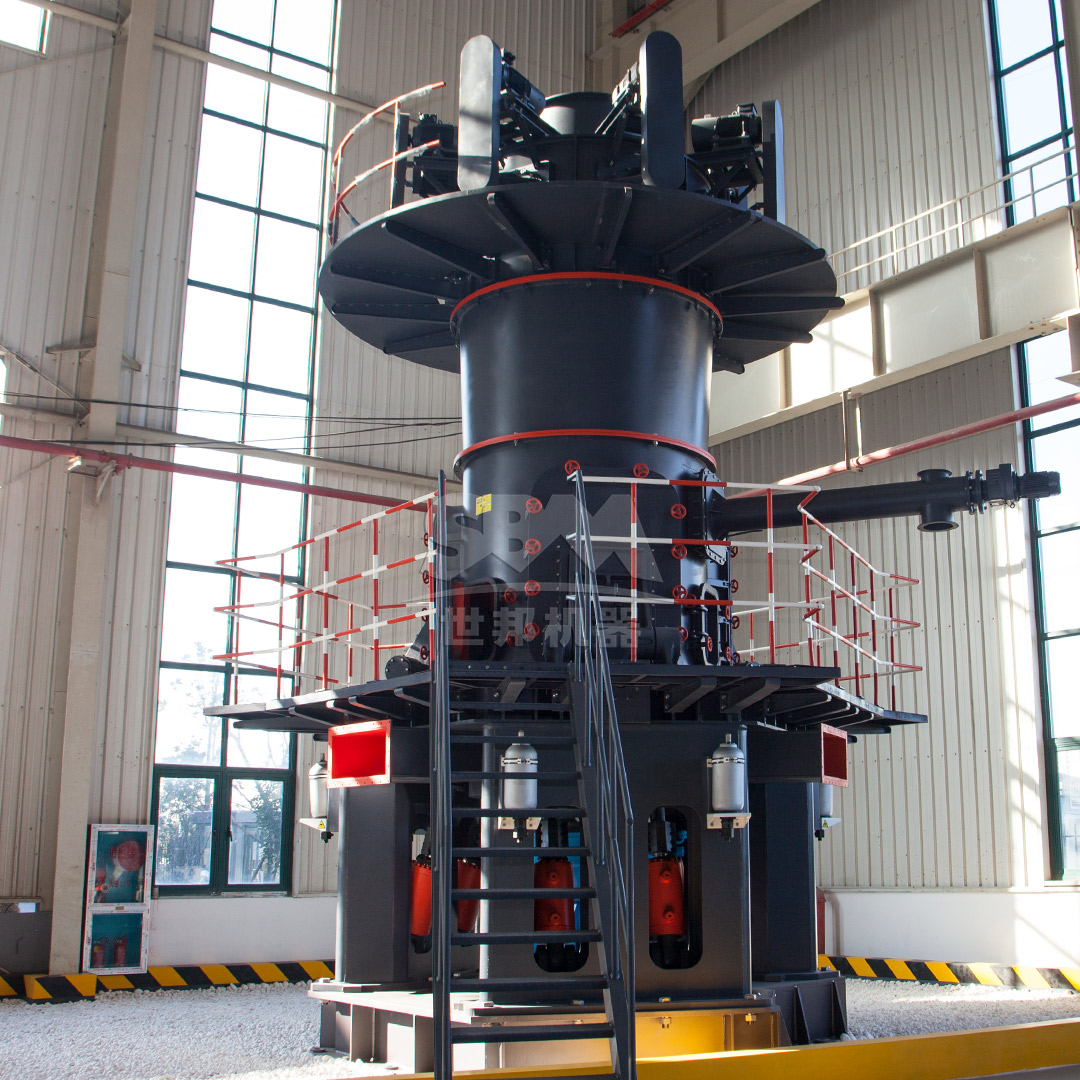
An efficient feed additive production line is more than just a mill. The complete system involves several critical auxiliary components that ensure smooth, clean, and efficient operation.
The classifier is arguably as important as the mill itself. It ensures that only particles of the desired size are collected, while oversized particles are returned for further grinding. High-precision classifiers, like the vertical turbine classifier in the SCM mill or the dynamic classifier in the LM mill, are essential for producing narrow particle size distributions. This prevents the common problem of coarse particle contamination in the final product.
Feed additive manufacturing generates fine dust, which is both a product loss and a health hazard. Modern pulse dust collectors are non-negotiable. They operate with high efficiency, often exceeding international standards, capturing 99.9% of airborne particles. Systems often include soundproof rooms to ensure noise levels remain within safe and comfortable limits, creating a safer work environment.
Consistent, controlled feeding is vital for mill performance. Volumetric or gravimetric feeders ensure a steady material flow into the grinding chamber. Synchronized screw conveyors and bucket elevators integrate the entire process from raw material storage to final product packaging.
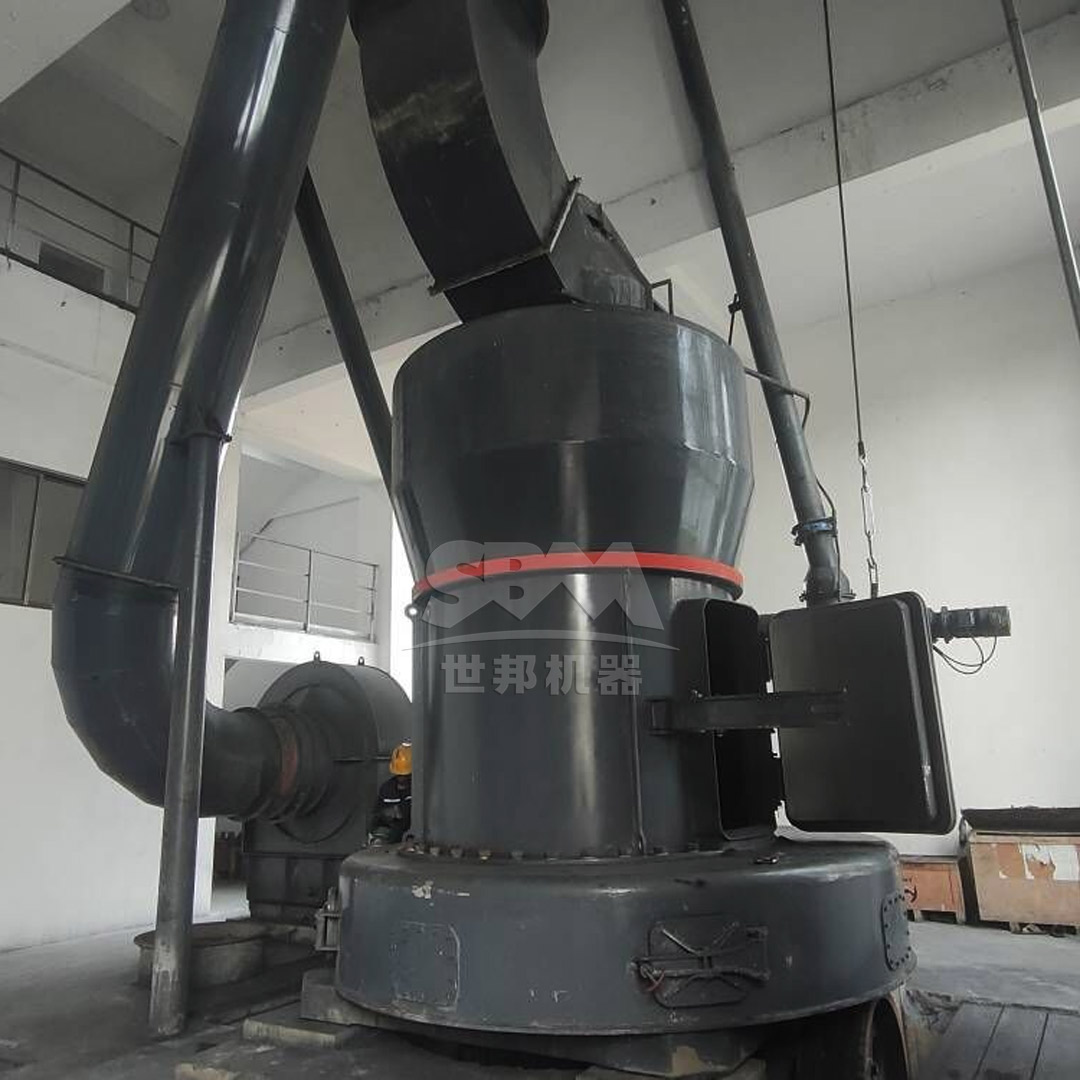
The production of high-quality feed additives is a science that demands precision engineering. The choice of equipment directly impacts not only the cost of production but also the nutritional value and safety of the final feed. From the energy-sipping, high-capacity LM Vertical Mill to the precision-driven SCM Ultrafine Mill, the modern manufacturer has a suite of powerful tools at its disposal.
Our Recommendation: The LM Series Vertical Roller Mill
For manufacturers looking to build a new, large-scale line or upgrade an existing one, the LM Series Vertical Roller Mill offers an unparalleled combination of low operating costs, high capacity, and intelligence. Its integrated design reduces capital expenditure on infrastructure, while its intelligent control system minimizes labor costs. For premium, ultra-fine products, the SCM Series Ultrafine Mill is the clear leader for quality and efficiency.
Investing in the right machinery is investing in the future of feed. By understanding the specific needs of the additive and leveraging the latest in milling, classification, and dust control technology, manufacturers can ensure they produce the safest, most effective, and most profitable products possible.
| Feature | SCM Series Ultrafine Mill | MTW Series Trapezium Mill | LM Series Vertical Mill |
|---|---|---|---|
| Target Fineness | 45-5μm (325-2500 mesh) | 600-45μm (30-325 mesh) | 600-45μm (30-325 mesh) |
| Max Feed Size | ≤20mm | ≤50mm | ≤50mm |
| Capacity Range | 0.5 – 25 t/h | 3 – 45 t/h | 3 – 250 t/h |
| Key Advantage | Highest fineness, energy efficient vs. jet mill | Low wear, 98% gear transmission efficiency | Lowest operational cost, integrated design |
| Best Application | Vitamins, enzymes, high-potency additives | Amino acids, phosphates, bulk carriers | High-volume, pre-grinding, slag/fly ash |