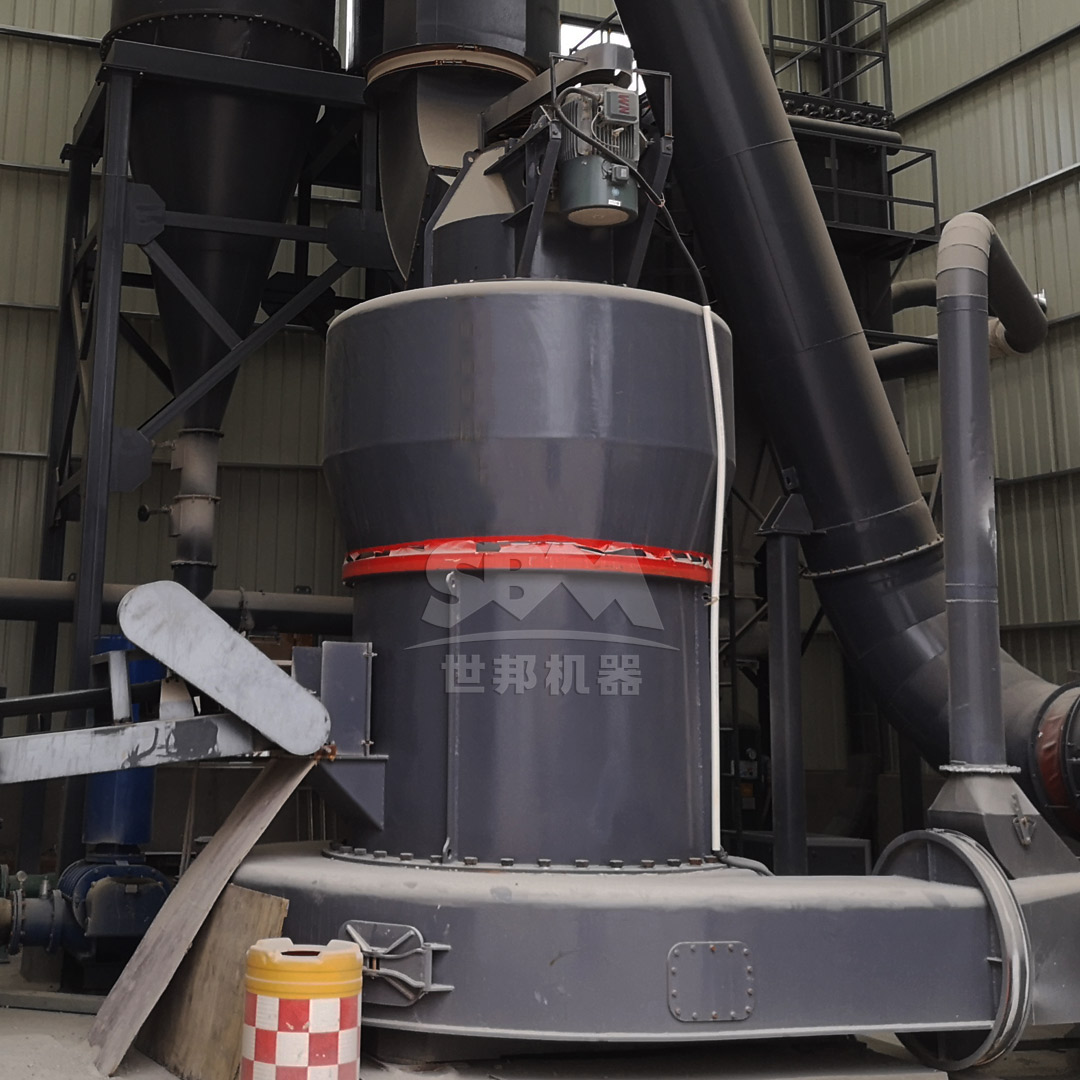
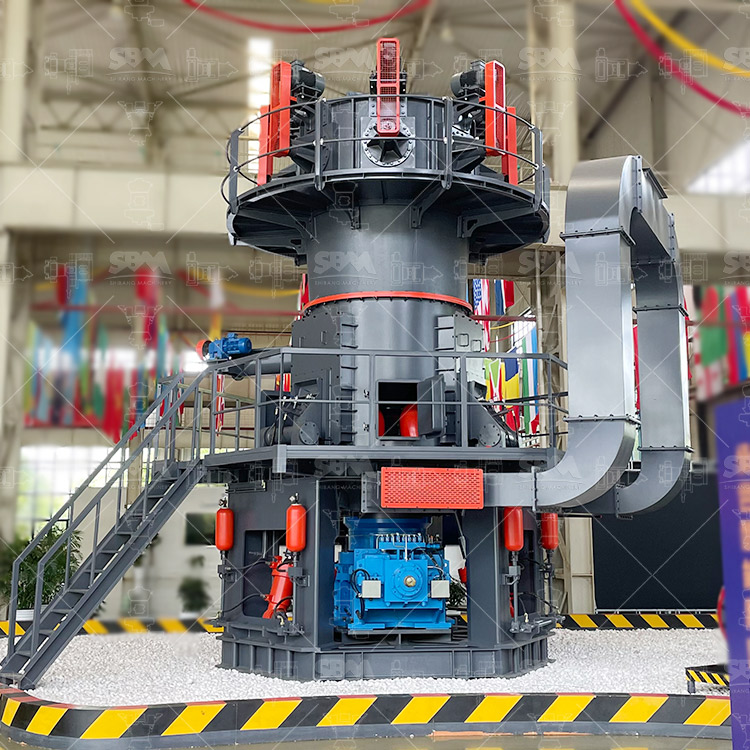
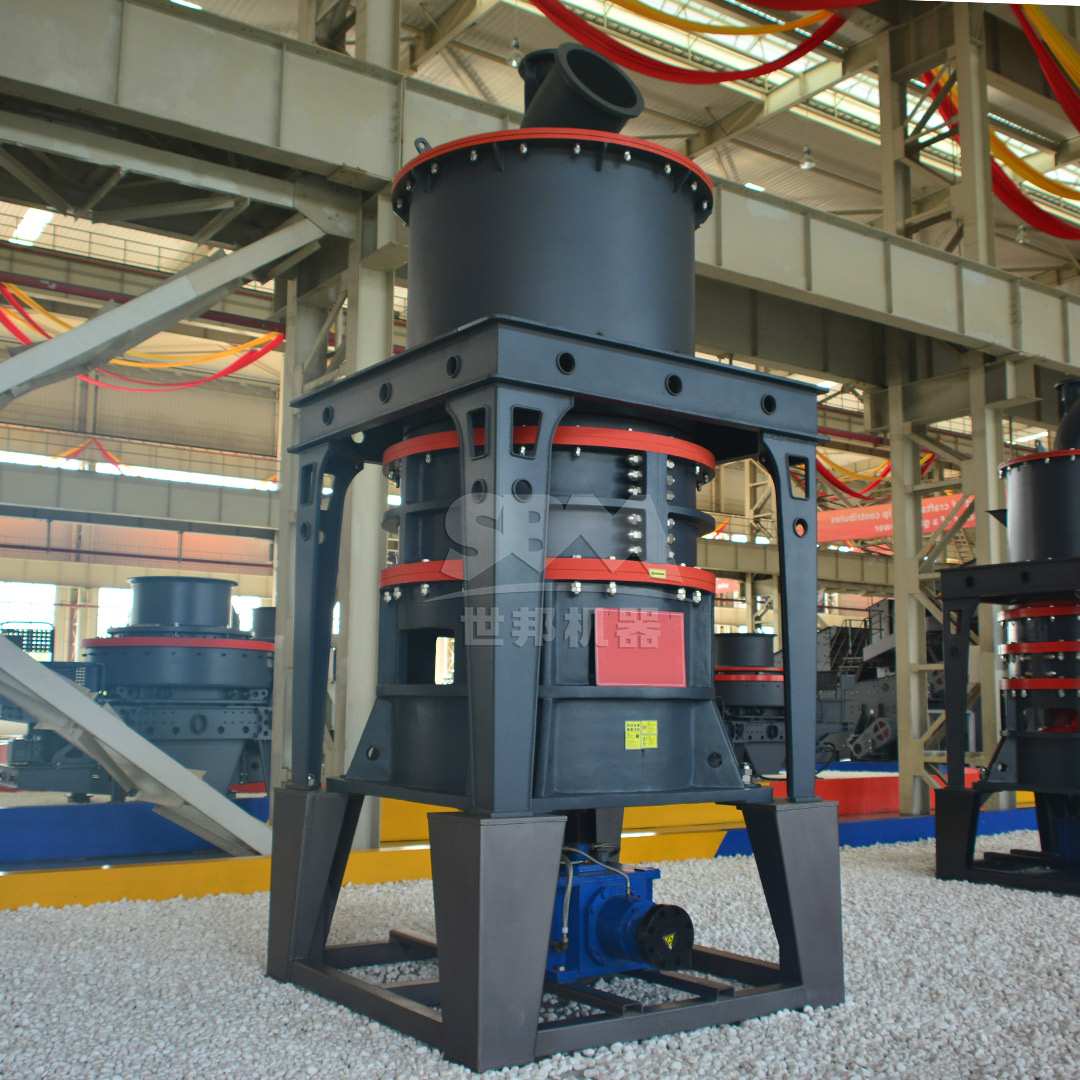
Calcite powder, particularly at 200 mesh (approximately 74 microns), is a fundamental raw material in industries ranging from plastics and paints to construction and agriculture. Achieving consistent, high-throughput production of 200 mesh calcite powder requires more than just any grinding mill; it demands a carefully selected piece of equipment that balances energy efficiency, particle size precision, and operational durability. This article provides a comprehensive overview of the critical factors to consider when selecting equipment for 200 mesh calcite powder production, focusing on the latest technological advancements that ensure efficient grinding and a superior return on investment.
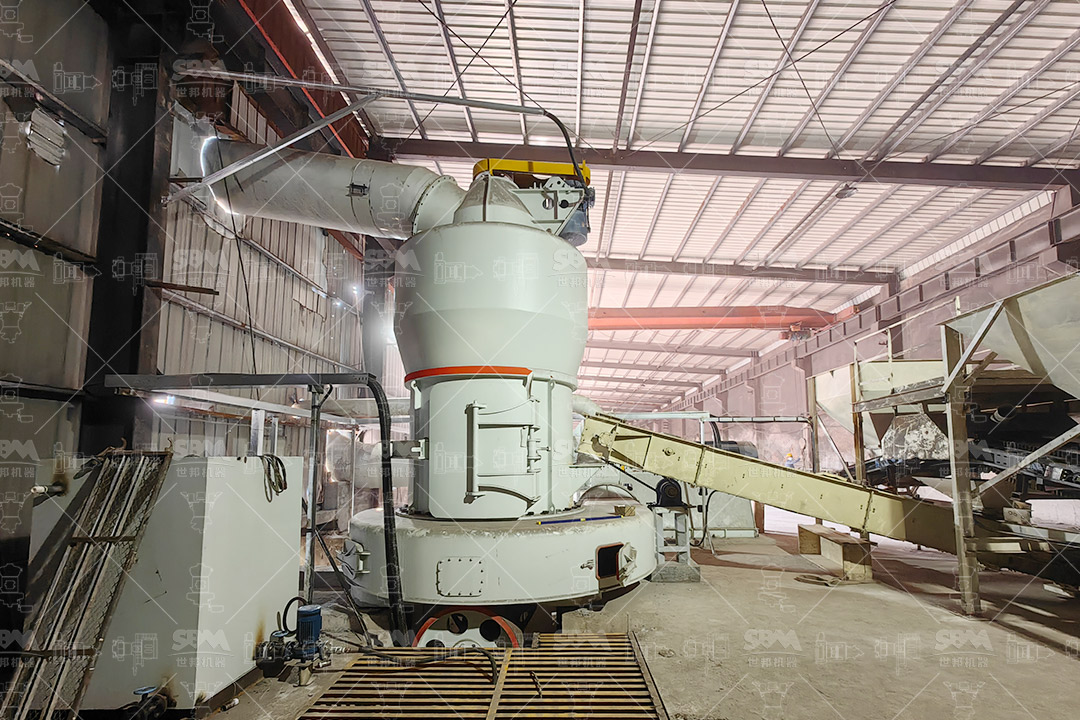
The hardness and input size of your calcite are the starting points. High-quality calcite typically has a Mohs hardness of 3. While it is relatively soft, the equipment must be robust enough to handle consistent throughput. For the 200 mesh target, a feed size of less than 20mm is ideal for ultrafine mills, while larger feeds (up to 50mm) can be more cost-effectively processed by European trapezium mills or vertical roller mills in a single pass. Understanding your material’s moisture content (ideally below 3%%) is also crucial, as excessive moisture can cause clogging in classifiers and grinding chambers.
While 200 mesh (74 microns) is the target, the goal is to produce a uniform product without oversize particles. The classification system is the heart of this process. Traditional mills often struggle with ‘coarse powder mixing,’ leading to product rejection. Modern equipment utilizes high-precision vertical turbine classifiers (as found in SCM Ultrafine Mills) that achieve precise particle size cutting. This technology ensures that the 200 mesh powder meets stringent industrial specifications, improving the quality of downstream products like PVC pipes, sealants, and paper coatings.
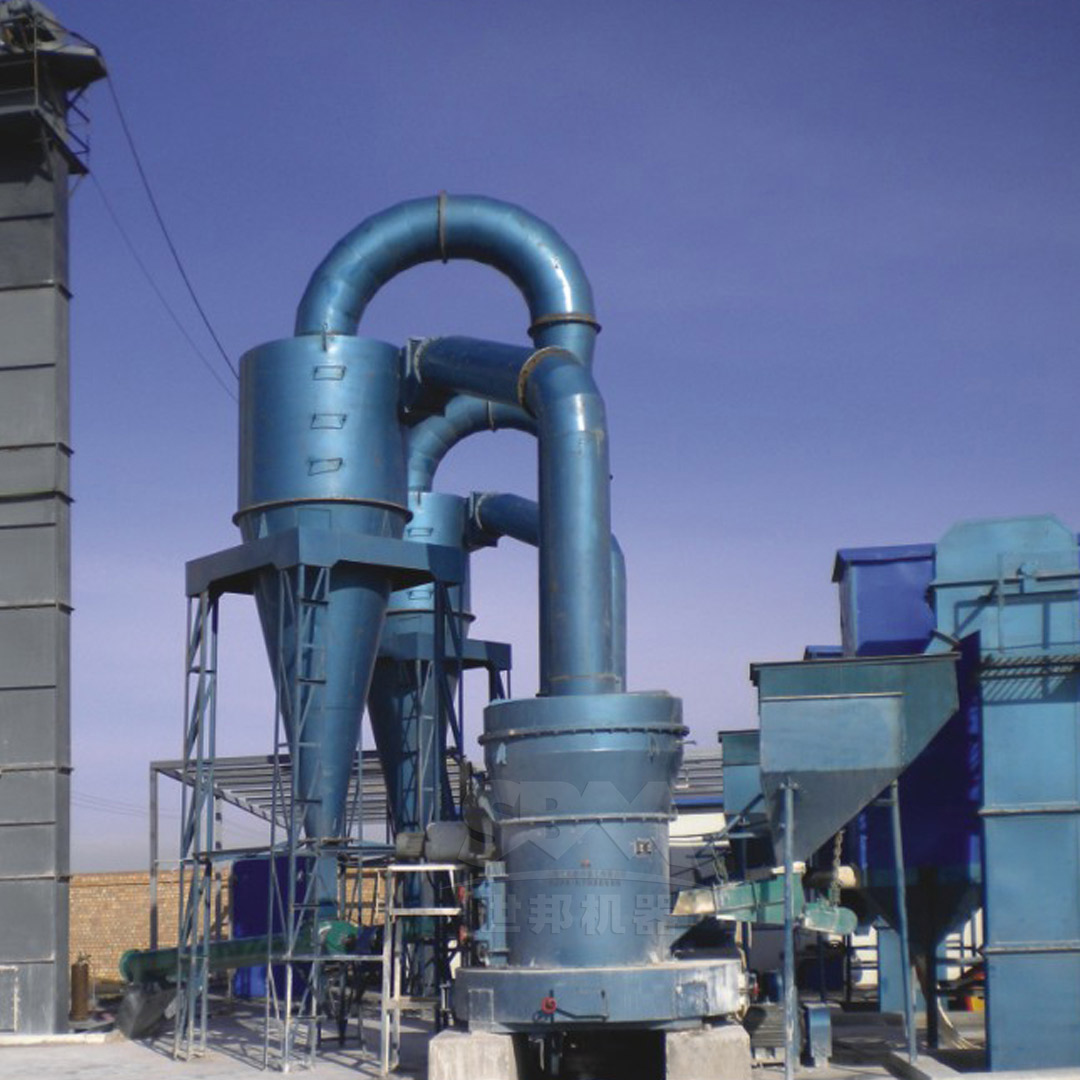
Grinding is an energy-intensive process. When comparing systems, the specific energy consumption (kWh per ton) is a critical metric. Jet mills, for instance, are precise but notoriously inefficient. For 200 mesh calcite, advanced roller mills can reduce energy consumption by up to 30%% compared to jet mills, while doubling capacity. Furthermore, environmental regulations are tightening globally. A modern grinding system must include a high-efficiency pulse dust collector to ensure that dust emissions are kept well below international standards, often achieving near-zero emissions. The soundproof room design in some models also helps maintain a noise level below 85dB, creating a safer work environment.
Based on your production capacity and specific requirements, two of our primary product lines offer the best solutions for 200 mesh calcite powder production. These machines incorporate all the key technologies mentioned above.
Although the SCM Series is capable of producing powders down to 2500 mesh, its design makes it exceptionally effective for a consistent 200 mesh product. With an input size of ≤20mm, the SCM Series is perfect for operations that require the highest level of fineness control and energy savings. Its capacity ranges from 0.5 to 25 tons per hour.
| Model | Capacity (t/h) | Main Power (kW) | Fineness (mesh) |
|---|---|---|---|
| SCM800 | 0.5-4.5 | 75 | 325-2500 |
| SCM1000 | 1.0-8.5 | 132 | 325-2500 |
| SCM1250 | 2.5-14 | 185 | 325-2500 |
| SCM1680 | 5.0-25 | 315 | 325-2500 |
Recommendation: For a production line strictly targeting 200 mesh (74 microns) with potential for future fine powder expansion, the SCM Series Ultrafine Mill is the ideal choice. Its intelligent control system provides automatic finished product granularity feedback, ensuring long-term stability and quality control.
If your primary focus is on high-volume, cost-effective production of 200 mesh (and coarser) calcite powder, the MTW Series is the industry benchmark. With a max feed size of 50mm and capacities up to 45 tons per hour, the MTW mill minimizes pre-processing. Its integral bevel gear drive achieves a transmission efficiency of up to 98%%, significantly reducing operating costs.
| Model | Capacity (t/h) | Main Power (kW) | Feed Size (mm) |
|---|---|---|---|
| MTW138Z | 6-17 | 90 | <35 |
| MTW175G | 9.5-25 | 160 | <40 |
| MTW215G | 15-45 | 280 | <50 |
Recommendation: For large-scale plants processing thousands of tons of 200 mesh calcite per day, the MTW Series European Trapezium Mill is unmatched in reliability and cost-per-ton efficiency. Its anti-wear shovel design and optimized arc air duct minimize maintenance downtime, ensuring continuous operation.
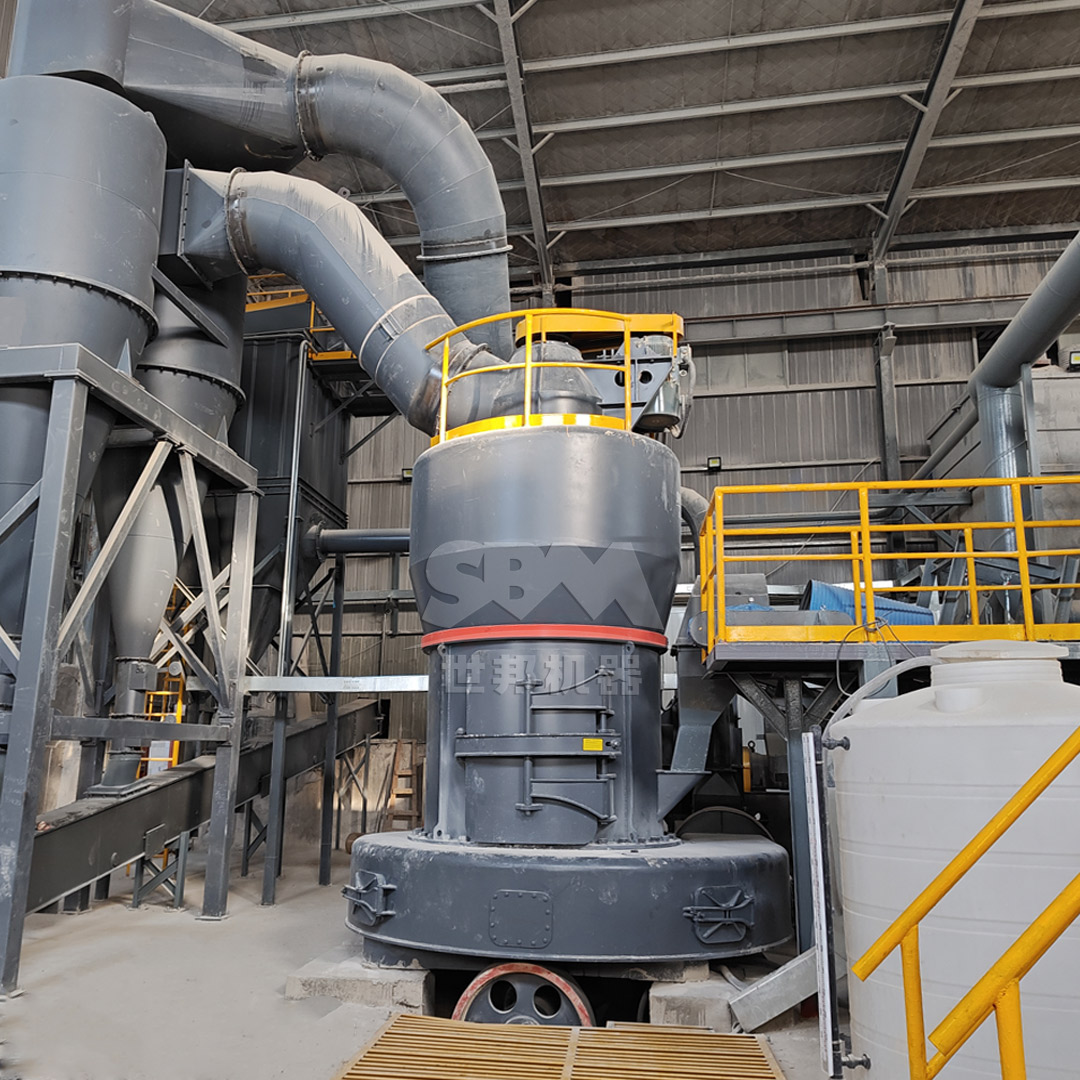
Understanding the grinding mechanism helps in selecting the right equipment. In a typical roller mill (like the SCM or MTW), the main motor drives the central axis and grinding rollers. The material is fed into the grinding chamber where shovels pick it up and throw it between the rollers and the grinding ring. The material layer is crushed and ground under high centrifugal force. An airflow system then carries the ground particles to the classifier. Coarse particles (larger than 200 mesh) are rejected and returned to the grinding chamber for another pass, while the qualified fine powder passes through and is collected by a cyclone collector or baghouse dust collector. This closed-loop system ensures maximum efficiency and a consistent final product.
Selecting the right equipment for 200 mesh calcite powder production is a decision that impacts your bottom line for years to come. Whether you require the ultra-precise classification of the SCM Series for high-value applications or the massive throughput and low operational costs of the MTW Series for bulk commodities, focusing on key parameters like energy consumption, classification precision, and wear-part durability is essential. By choosing a modern, intelligently controlled mill, you can achieve efficient grinding, superior product quality, and full environmental compliance.