Titanium dioxide (TiO2) and titanium-based colorants are essential ingredients in the plastics industry, providing whiteness, opacity, and vibrant color stability. However, the performance of these colorants in plastic products—ranging from masterbatch pellets to finished injection-molded parts—depends heavily on particle size distribution, uniformity, and dispersion quality. Achieving a consistent fineness of 325 mesh (45 microns) or finer, as required for high-gloss and high-coverage applications, demands specialized milling equipment. Choosing the wrong production equipment can lead to inconsistent color, increased pigment consumption, and higher energy costs. This guide provides a comprehensive framework for selecting the right titanium colorant production machinery, focusing on key technical parameters, cost efficiency, and product quality.
Titanium dioxide pigments are typically produced with a primary particle size of 200–350 nm, but in plastic applications, they are often supplied as agglomerates that need to be broken down. The first step in equipment selection is defining the required output fineness. For standard plastic masterbatch, a fineness of D90 < 45 microns (325 mesh) is common. For specialty films or fiber applications, ultrafine grinding down to 5–10 microns may be required.
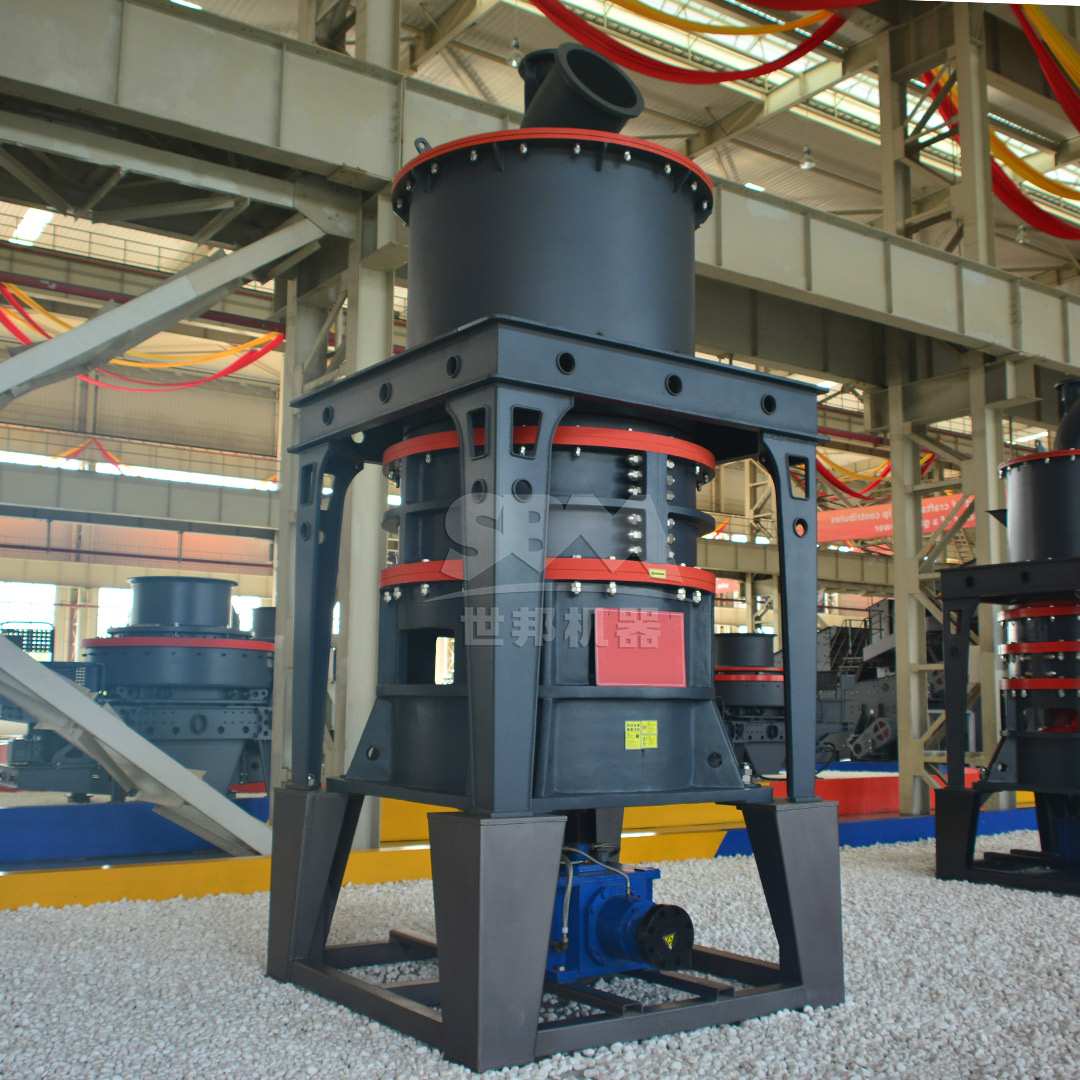
Our company’s SCM Series Ultrafine Mill is specifically designed for this range. With an output fineness of 325–2500 mesh (45–5 μm), it excels at producing the ultra-fine powders needed for high-end plastic colorants. The vertical turbine classifier ensures precise particle size cutting, eliminating coarse powder mixing that can cause surface defects in plastic products.

When evaluating equipment, three core parameters must be matched to your production scale and material characteristics:
| Parameter | SCM Ultrafine Mill | MTW Trapezium Mill | LM Vertical Mill |
|---|---|---|---|
| Input Size | ≤20mm | ≤50mm | ≤50mm |
| Output Fineness | 325-2500 mesh (5-45μm) | 30-325 mesh (45-600μm) | 30-325 mesh (45-600μm) |
| Capacity Range | 0.5-25 t/h | 3-45 t/h | 3-250 t/h |
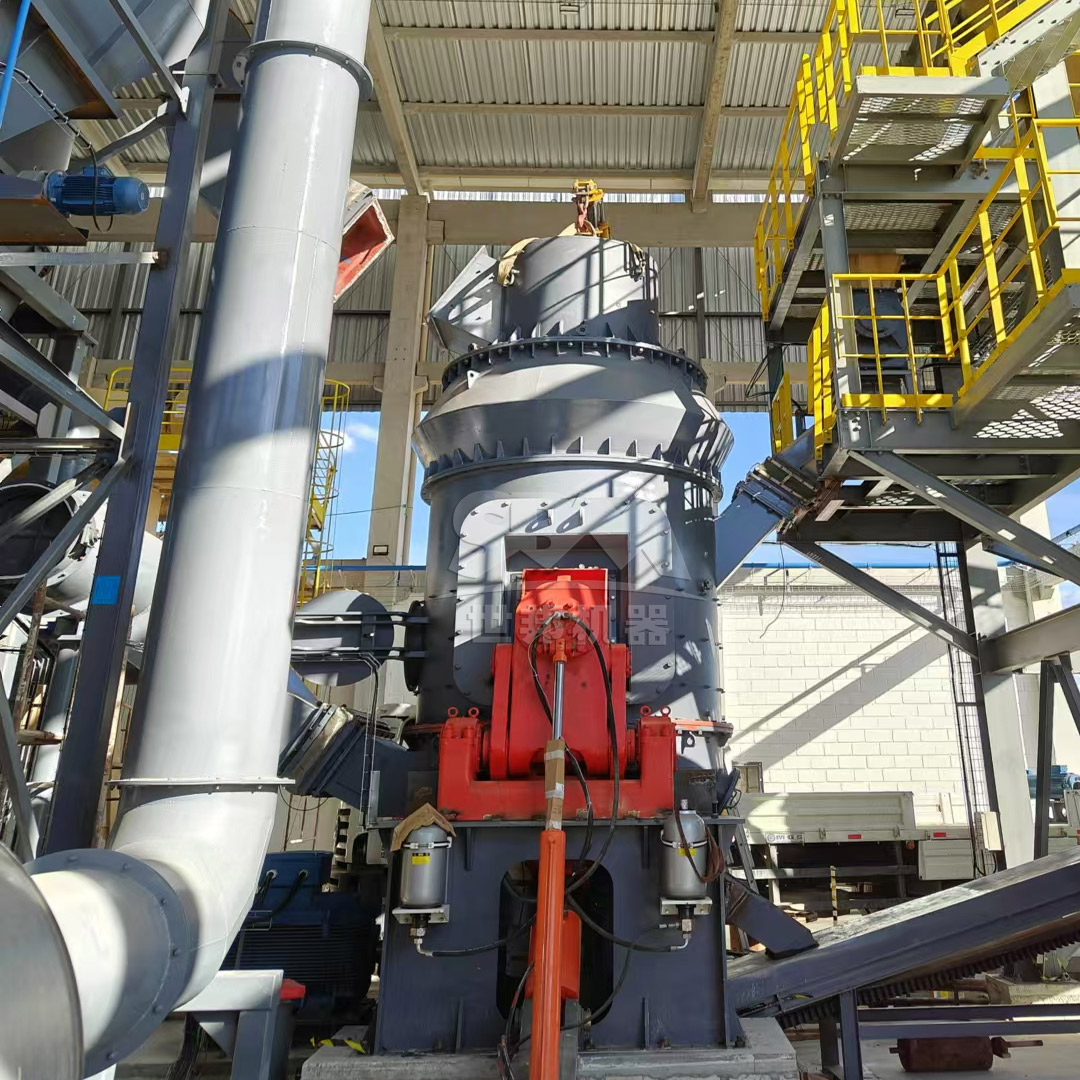
For titanium colorant production where fine particle size is critical, the SCM series offers the best fineness range. If your colorant formulation includes coarser carrier materials or if you require higher throughput for pre-grinding, the MTW or LM series may be more suitable.
Titanium dioxide agglomerates are relatively soft compared to mineral ores. A feed size of ≤20mm is generally acceptable for ultrafine mills. The SCM800 model, with a main power of 75kW and capacity of 0.5-4.5 t/h, is ideal for small to medium batch production. For larger operations, the SCM1680 (315kW, up to 25 t/h) can handle continuous industrial-scale colorant production.
In the competitive plastic additives market, energy consumption directly impacts profit margins. Traditional ball mills, while robust, consume 30–40% more energy than modern vertical roller mills or ultrafine mills. Our SCM series features intelligent control with automatic finished product granularity feedback, optimizing energy use in real-time. Compared to jet mills, the SCM achieves twice the capacity with 30% lower energy consumption. This is particularly important for titanium dioxide grinding, where the pigment’s hardness (Mohs 6-7) requires significant energy input for deagglomeration.
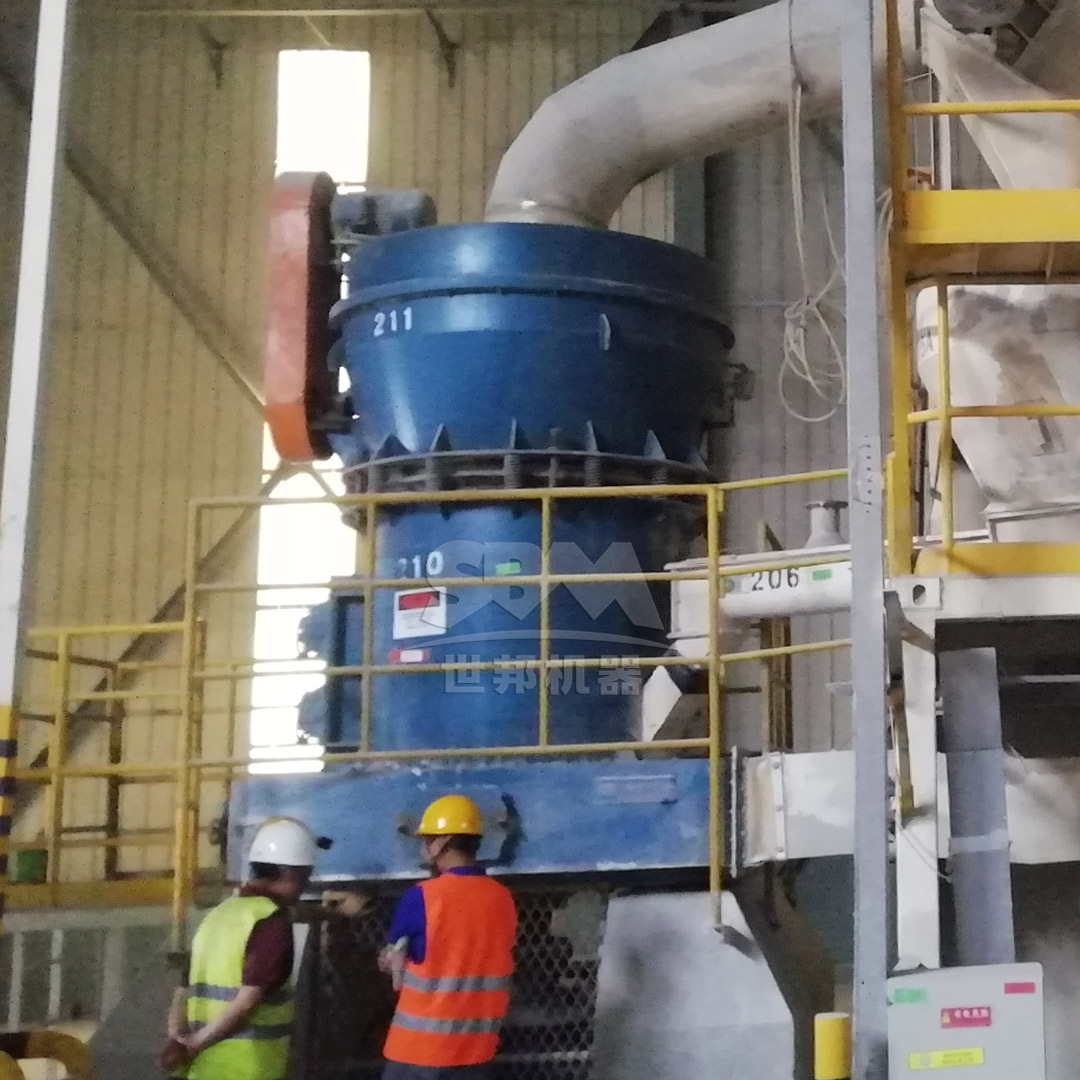
The quality of a plastic colorant is judged by its consistency. Inconsistent particle sizes lead to streaking, color variation, and increased additive dosage. The classification system is the heart of any grinding mill. Our SCM series employs a vertical turbine classifier that provides sharp cut points. For example, when targeting a D97 of 10 microns, the system can reject >95% of oversize particles, ensuring every batch of colorant powder meets the specification. This reduces waste and rework in the plastic compounding process.
Titanium dioxide is abrasive. Prolonged contact with grinding components can cause severe wear, leading to metal contamination that discolors light-colored plastics. The SCM series addresses this with specially formulated rollers and rings made from wear-resistant alloys, extending service life several times longer than standard manganese steel. Additionally, the shaftless screw grinding chamber design ensures stable operation without oil leakage, preventing contamination of the white pigment.
Based on the critical requirements of titanium colorant production—ultra-fine particle size, high classification precision, energy efficiency, and contamination-free operation—we strongly recommend the SCM Series Ultrafine Mill. Available in models from SCM800 (0.5-4.5 t/h) to SCM1680 (5-25 t/h), this mill is the optimal solution for plastic colorant manufacturers.
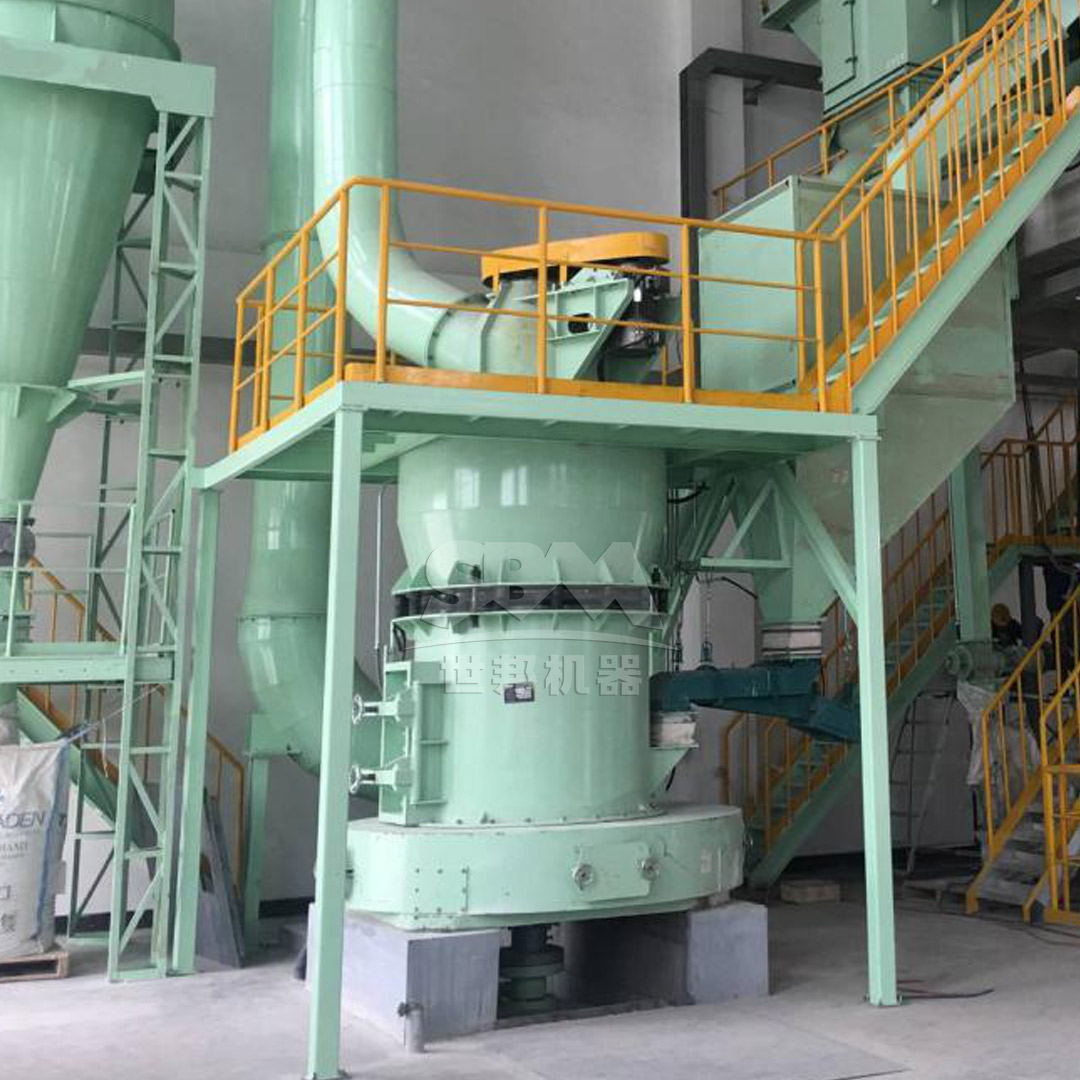
For producers requiring a broader fineness range (30-325 mesh) with higher throughput for pre-grinding or bulk carrier materials, the MTW Series European Trapezium Mill offers an excellent alternative. Its integral bevel gear drive achieves 98% transmission efficiency, and the anti-wear shovel design reduces maintenance frequency—critical for continuous production lines.

Modern plastic production facilities must comply with strict environmental regulations. The SCM series is designed with a pulse dust collection system that exceeds international standards, ensuring dust emissions are below 20 mg/m³. The soundproof room design keeps noise levels comfortable for operators. Furthermore, the entire system can be controlled via a PLC-based automation system, allowing remote monitoring of grinding pressure, classifier speed, and material temperature—all critical factors in maintaining consistent titanium colorant quality.
Selecting the right titanium colorant production equipment for plastic products is a strategic decision that affects product quality, production cost, and environmental compliance. By matching the mill’s fineness capability, energy efficiency, classification precision, and durability to your specific pigment characteristics and throughput requirements, you can achieve a competitive edge. The SCM Series Ultrafine Mill, with its proven 45-5μm output range and high-efficiency design, represents the gold standard for plastic masterbatch and compound manufacturers. Contact our engineering team to discuss a customized configuration that maximizes your ROI.