Calcite, a naturally abundant calcium carbonate mineral, is a cornerstone material in industries ranging from plastics and paints to rubber and construction. In recent years, the market demand for ultra-fine calcite powder, particularly the 800 mesh (approximately 15-18 microns) specification, has surged. This ultra-fine grade acts as a high-performance filler, enhancing product brightness, impact resistance, and smoothness. However, achieving consistent 800 mesh fineness on an industrial scale requires specialized 800 mesh calcite powder production equipment. The heart of such a system is the grinding mill. Selecting the incorrect mill can lead to high energy costs, poor particle size distribution, and frequent maintenance downtime. This article provides a professional guide to choosing the right grinding mill for ultra-fine calcite processing, focusing on key technical parameters and industry-proven solutions.
Before diving into machinery selection, it is crucial to define what “800 mesh” means in practical terms. In the mineral processing industry, mesh size refers to the number of openings per linear inch in a screen. 800 mesh corresponds to a particle size of approximately 15-16 microns (D97). For calcite, achieving this fineness requires a mill capable of high-intensity grinding combined with precise classification. Applications for 800 mesh calcite powder include:
The key challenge in producing 800 mesh powder is avoiding “over-grinding” (creating excessive ultra-fine dust below 5 microns) which increases energy consumption, and preventing “coarse particle contamination” (particles above 45 microns) which degrades product quality. Therefore, the ideal mill must combine efficient grinding energy with a high-efficiency classifier that sharply cuts particle size at the target threshold.
When evaluating 800 mesh calcite powder production equipment, several technical factors must be meticulously assessed. These criteria go beyond simple capacity figures and delve into operational efficiency and product quality.
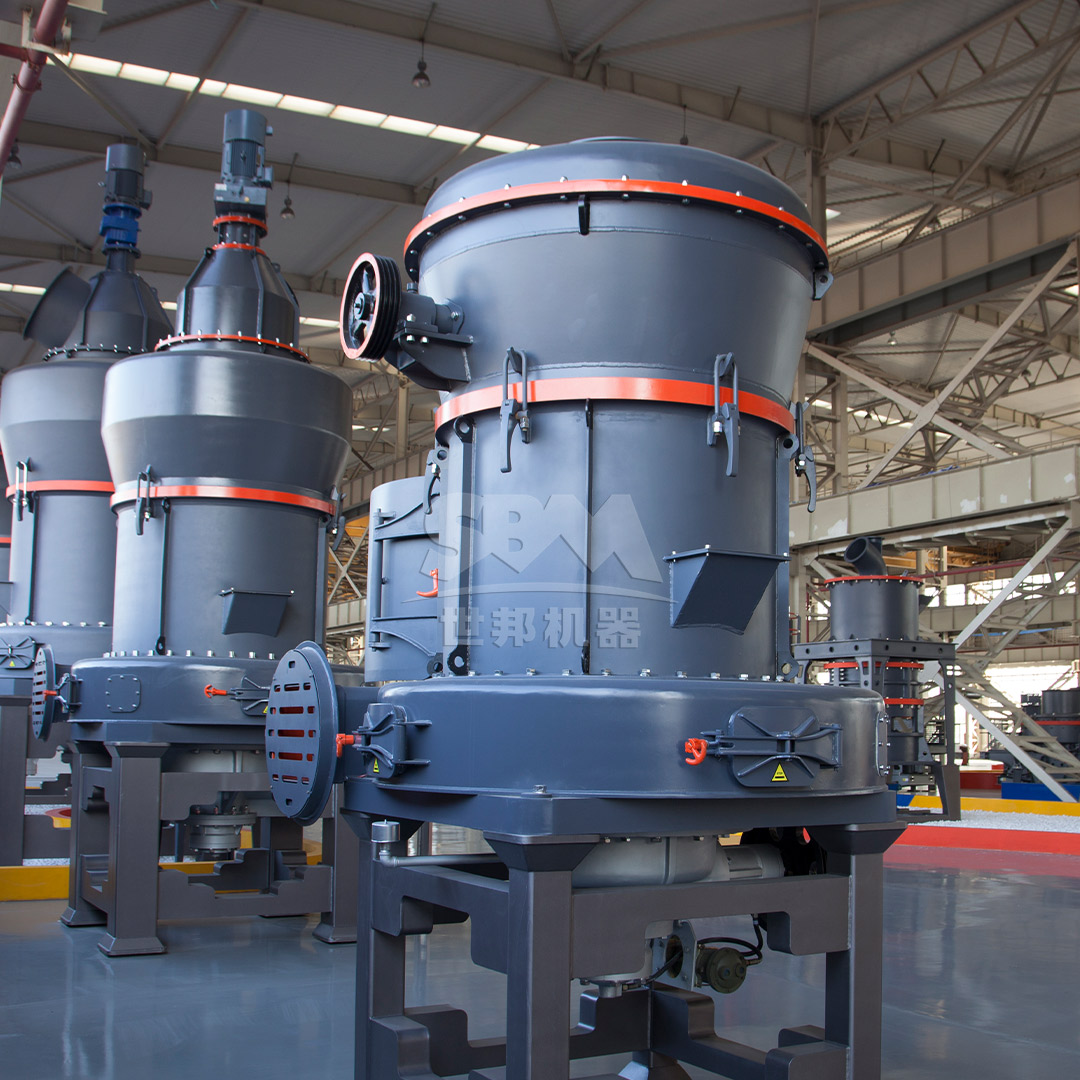
The grinding mechanism determines the mill’s ability to produce ultra-fine particles economically. Traditional ball mills, while robust, are notoriously inefficient for ultra-fine grinding, often requiring significant energy input and producing a wide particle size distribution. For 800 mesh applications, mills utilizing layer-by-layer compression and shear forces are superior. Technologies such as vertical roller mills and ring-roller mills (like the ultrafine mill) excel here. They use centrifugal force to press materials between rollers and a grinding ring, crushing the material in a controlled, layered manner. This “bed of material” grinding principle reduces direct metal-to-metal contact, saving energy and extending wear part life.
For a target of 800 mesh, the classifier is arguably as important as the grinding zone itself. A standard static classifier often cannot achieve the necessary cut point. You require a dynamic, high-speed classifier, such as a vertical turbine classifier. This component uses a rotating rotor to create a centrifugal field. Fine particles pass through the rotor blades, while coarse particles are thrown back to the grinding zone for further reduction. The precision of this mechanism directly affects the final product’s yield and consistency. Look for mills featuring intelligent control systems that can automatically adjust the classifier speed based on real-time particle size feedback.
Calcite, with a Mohs hardness of 3, is relatively soft, but processing high volumes of 800 mesh powder inevitably causes wear on grinding rollers and rings. Mills designed with special wear-resistant alloy materials on critical components offer significantly longer service lives. Features like shaftless screw grinding chambers and combined shovel blades can also reduce maintenance frequency and costs. A mill that requires frequent roller and ring replacement will quickly erode profitability.
Modern production facilities must meet strict environmental standards. The ideal 800 mesh calcite mill operates under negative pressure with a highly efficient pulse dust collector to ensure zero dust emission. Furthermore, soundproofing designs that keep operational noise below 85 dB are increasingly important. Mills with an integrated design that combines crushing, grinding, classifying, and conveying into a single system also save valuable floor space, reducing civil engineering costs.
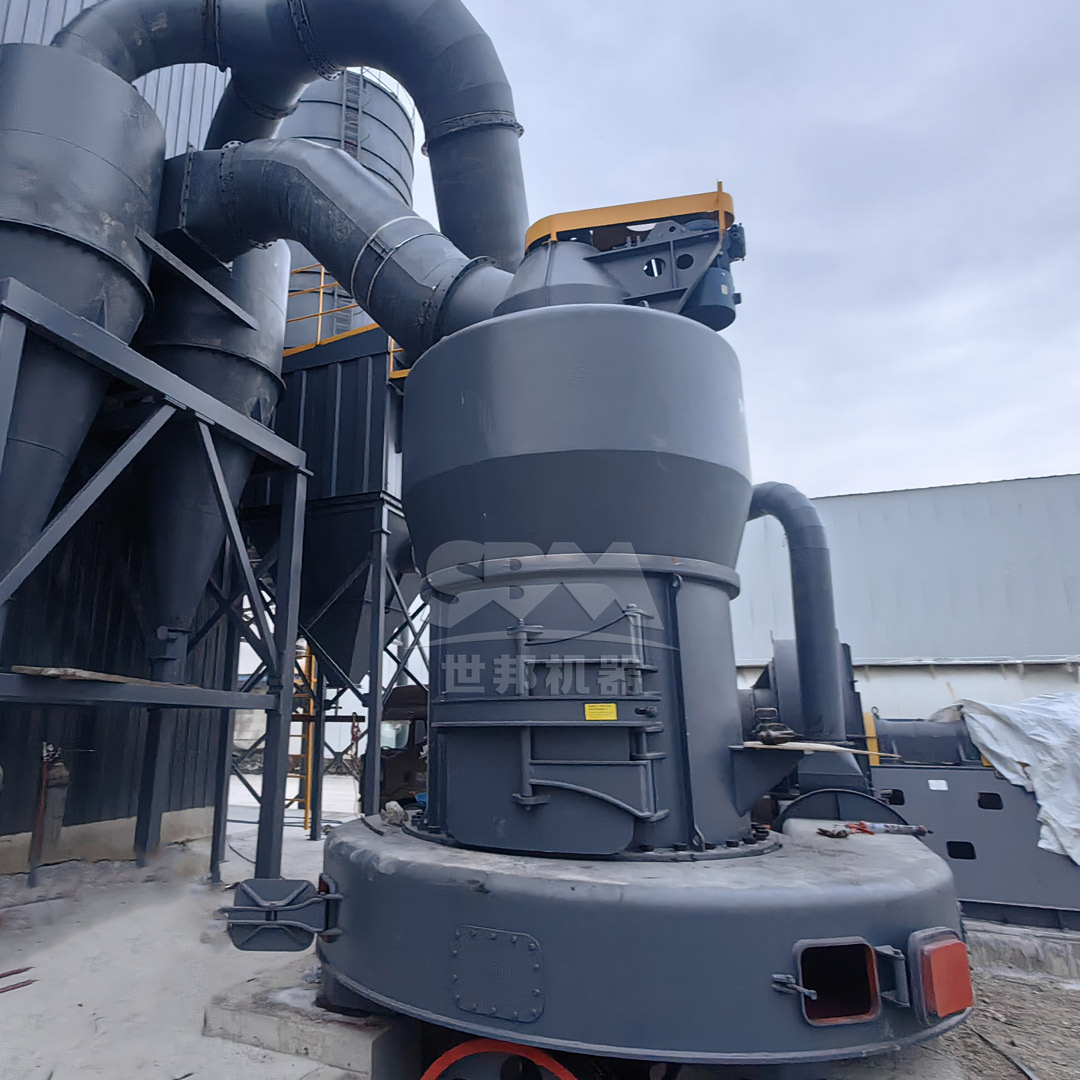
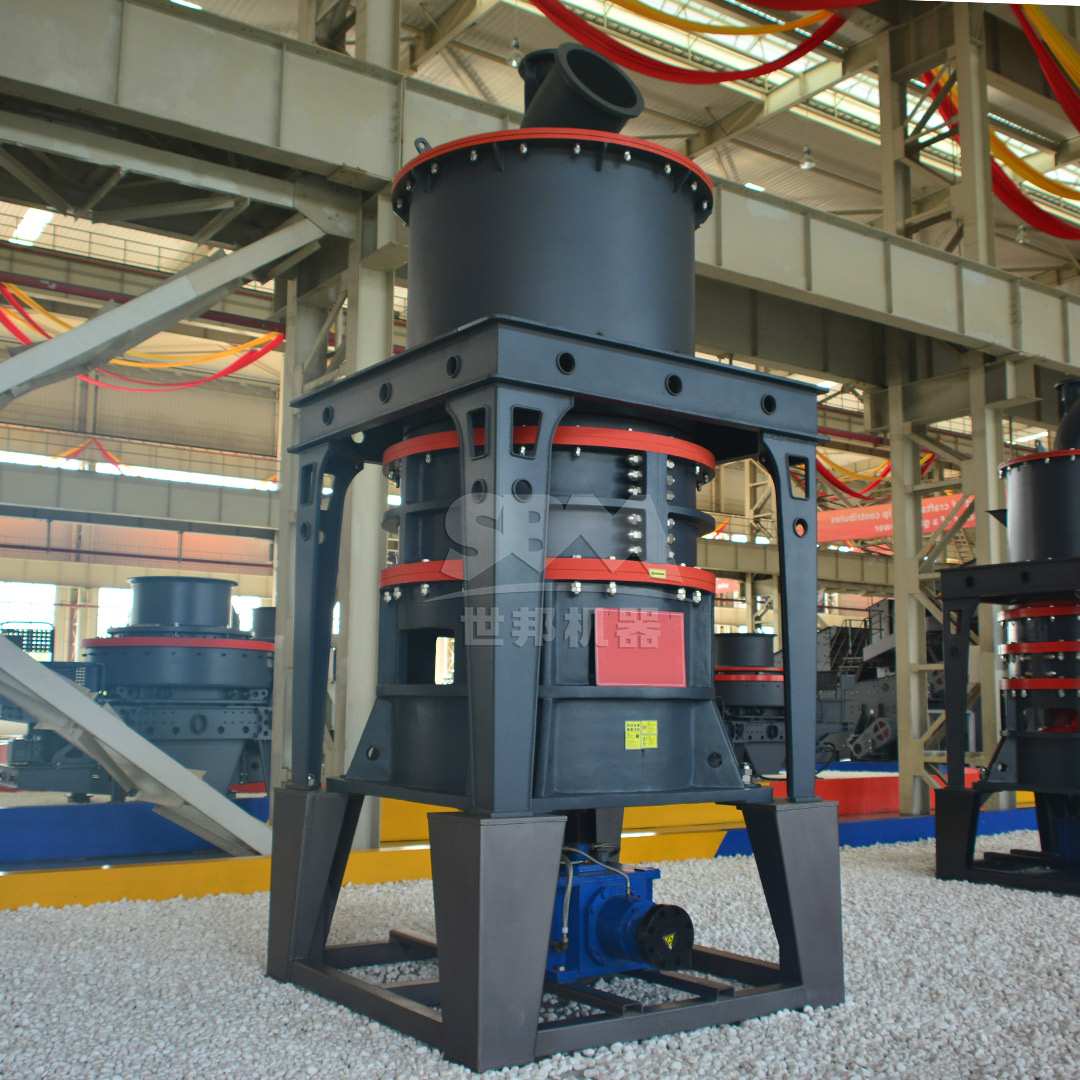
Based on the rigorous criteria above, the SCM Series Ultrafine Mill stands out as a premier solution for 800 mesh calcite powder production. This equipment is specifically engineered for the 325-2500 mesh range, making the 800 mesh target its sweet spot. Unlike general-purpose mills, the SCM series is optimized for ultra-fine output with unmatched efficiency.
Key Advantages for 800 Mesh Processing:
Let us examine a specific model suitable for medium-scale production. The SCM1000 offers a capacity of 1.0 to 8.5 tons per hour with a main power of 132 kW. For a feed size of 0-20mm, it can consistently produce 800 mesh powder. For larger operations, the SCM1680 model provides a capacity of 5.0 to 25 tons per hour, driven by a 315 kW main motor, perfect for large-scale masterbatch or paint manufacturers.
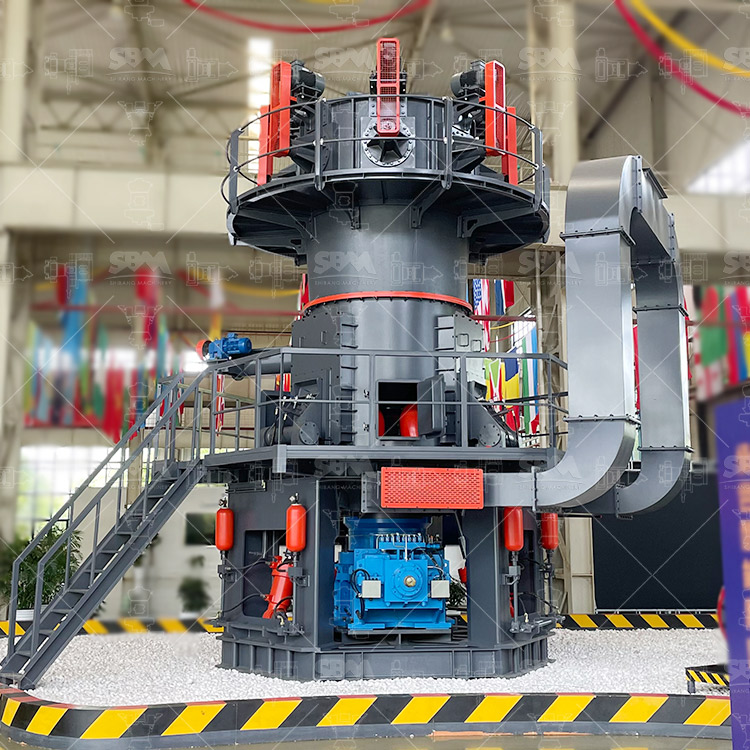
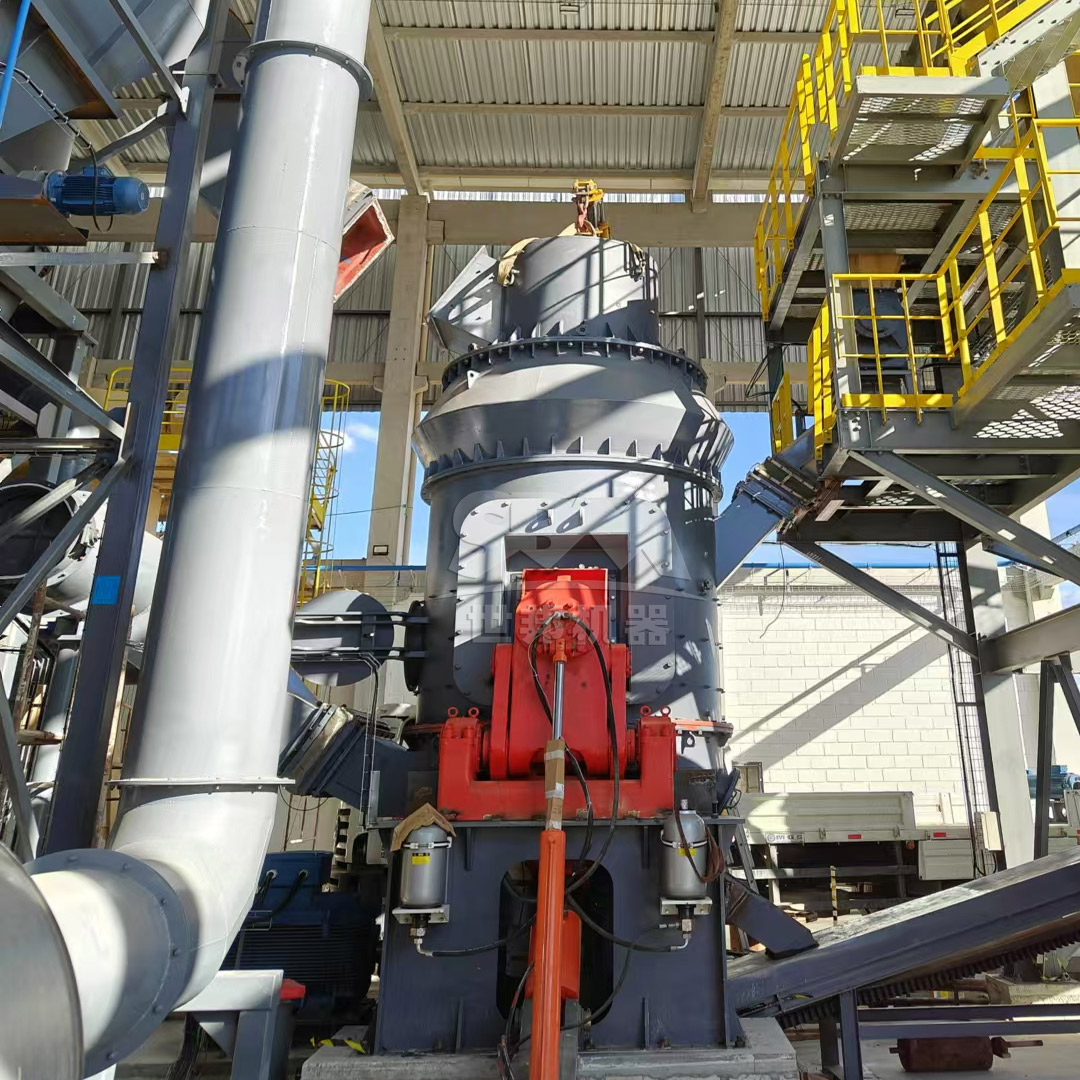
For operations that require an extremely high degree of automation and are processing very large quantities of feed material, the LUM Ultrafine Vertical Roller Mill is a world-class alternative. This mill also specializes in the 325-2500 mesh range (5-30 microns). Its unique roller and liner curves maximize grinding efficiency, while the multi-rotor classifier technology guarantees zero coarse particle carryover. The PLC automation system allows for unattended operation, monitoring all parameters in real-time. The LUM series is the ideal choice for a fully automated, ultra-fine mineral processing plant requiring capacities up to 15 tons per hour.
| Model | Type | Capacity (t/h) | Main Power (kW) | Fineness (mesh) |
|---|---|---|---|---|
| SCM1000 | Ring-Roller Mill | 1.0 – 8.5 | 132 | 325-2500 |
| SCM1680 | Ring-Roller Mill | 5.0 – 25 | 315 | 325-2500 |
| LUM1525 | Vertical Roller Mill | 1.6 – 11.5 | 220-250 | 325-2500 |
| LUM1836 | Vertical Roller Mill | 2.3 – 15 | 355-400 | 325-2500 |
A grinding mill does not operate in isolation. A complete 800 mesh calcite powder production line includes several crucial auxiliary components. The first is the feeder. A variable frequency drive (VFD) feeder ensures a consistent and controllable material feed rate to the mill, preventing blockages and optimizing grinding efficiency. Next is the classifier itself. As mentioned, the SCM mill includes an integrated high-precision classifier, but for standalone classifier upgrades, ensure compatibility. Finally, the dust collection system is paramount. A pulse jet baghouse filter with a high air-to-cloth ratio is essential to capture the ultra-fine calcite dust, ensuring both product yield and environmental compliance. The entire system should be run through a central PLC control cabinet, allowing for remote monitoring and automatic adjustment of parameters like classifier speed and feeder rate based on the target 800 mesh fineness.
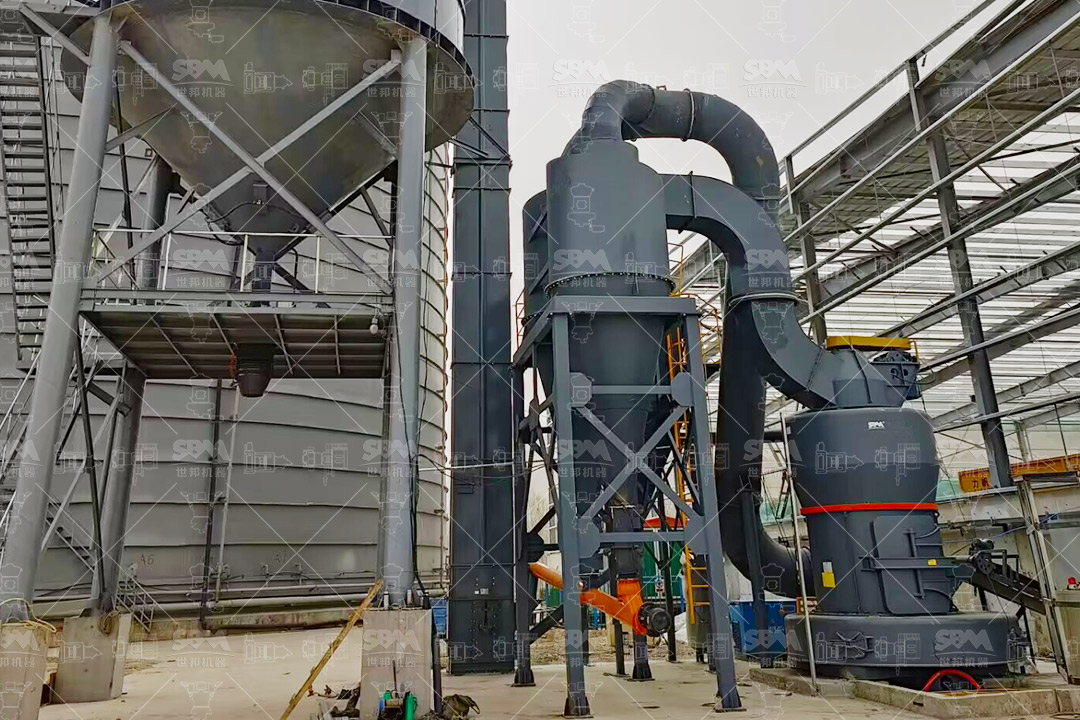
Choosing the right grinding mill for 800 mesh calcite production is a strategic decision that impacts product quality, operational cost, and market competitiveness. Avoid the pitfalls of using outdated or ill-suited technology. The requirements for ultra-fine, precise, and consistent grinding demand modern solutions that prioritize classification accuracy and energy savings. For most applications requiring high efficiency and product purity in the 800 mesh range, the SCM Series Ultrafine Mill offers the best balance of performance, durability, and cost. Its proven track record in the field makes it a safe and profitable investment. For those seeking the pinnacle of automation and large-scale capacity, the LUM Ultrafine Vertical Roller Mill represents the next generation of grinding technology. Whichever path you choose, investing in high-quality 800 mesh calcite powder production equipment from a reputable manufacturer will ensure your business remains at the forefront of the ultra-fine mineral processing industry.
To evaluate the options further, we strongly recommend conducting a material testing session with the actual calcite you intend to process. Most reputable manufacturers offer pilot-scale testing facilities. This will provide definitive data on energy consumption, wear rates, and final product particle size distribution. After testing, you can confidently select the correct model—be it an SCM or LUM—and configure the complete system. Our engineering team is ready to assist you in designing a turnkey solution for your specific 800 mesh calcite production needs, from material intake to final packaging.