In the modern industrial landscape, calcium carbonate (calcite) powder has become an indispensable raw material across a vast array of sectors, including plastics, papermaking, paints, coatings, rubber, building materials, and environmental protection. As market demands for product quality and performance continue to escalate, the requirement for finer and more precisely graded powders has become paramount. Among these, the production of 600 mesh (approximately 20-micron) calcite powder represents a critical threshold. Achieving this level of fineness consistently and economically requires advanced milling technology. This article delves into the intricacies of selecting the right grinding mill for high-fineness 600 mesh calcite processing, offering a comprehensive guide for manufacturers seeking to optimize their operations, reduce costs, and enhance product quality.
The choice of grinding equipment directly impacts not only the final product’s particle size distribution but also the overall operational efficiency, energy consumption, maintenance requirements, and environmental compliance of the plant. With a plethora of mill types available—from ball mills to various forms of roller mills and ultrafine mills—navigating this decision can be challenging. This guide will systematically compare the core technologies, advantages, and ideal applications of leading mill designs, with a specific focus on achieving that crucial 600 mesh output.
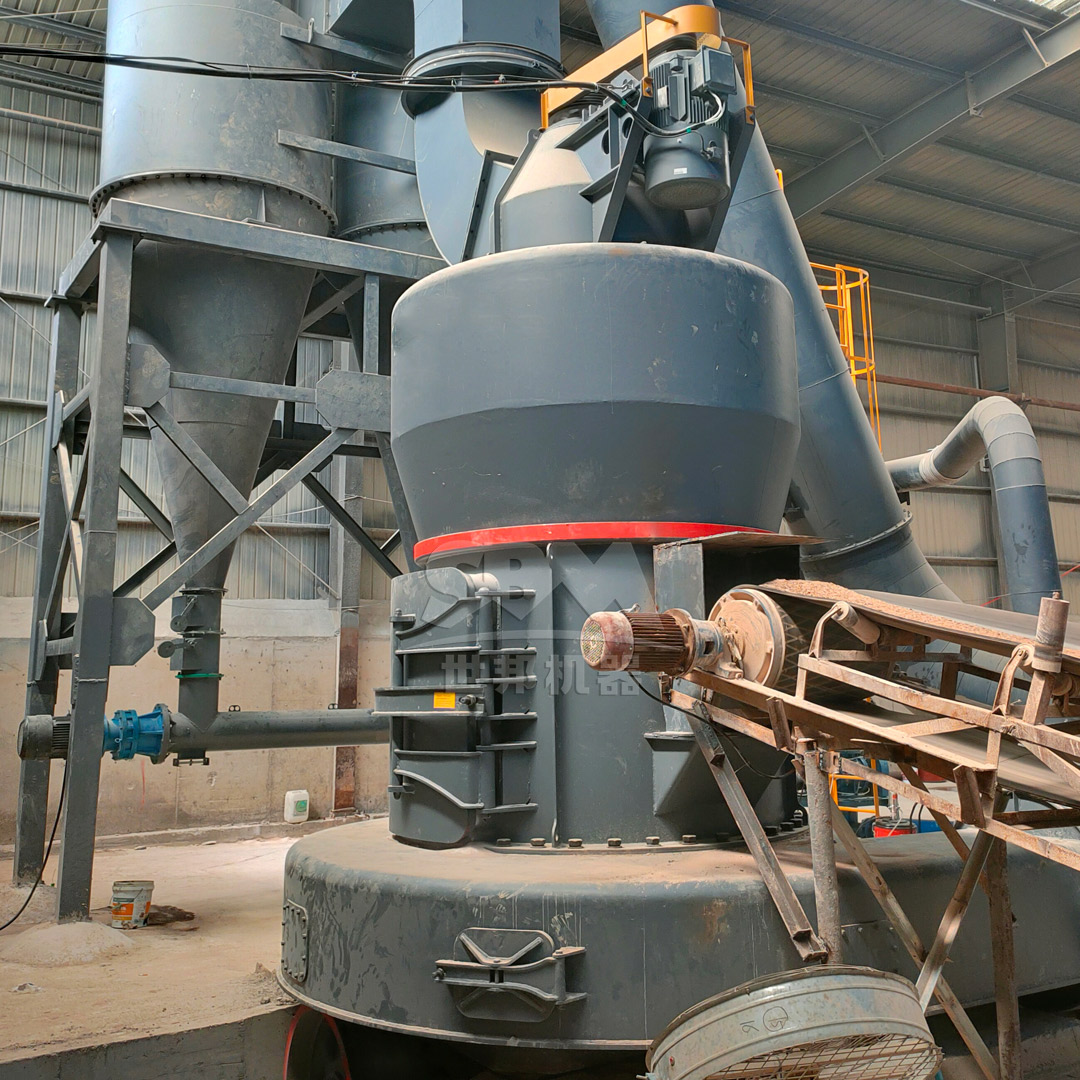
600 mesh refers to a particle size where 97% or more of the powder passes through a sieve with 600 openings per linear inch, equating to a particle diameter of roughly 20 microns (20μm). This fineness is a sweet spot for many applications. For instance, in the plastics industry, 600 mesh calcite enhances tensile strength and surface gloss while reducing production costs as a filler. In the paper industry, it provides excellent brightness and opacity. The challenge, however, is that processing calcite to this level requires intense grinding energy and a highly efficient classification system to ensure no coarse particles contaminate the final product. The equipment must be robust enough to handle the abrasive nature of calcite (Mohs hardness of 3) while maintaining high throughput and low operating costs.
To produce 600 mesh calcite powder effectively, several mill technologies can be considered. However, not all are equally suited for the task. Let’s examine the key options.
Ball mills are a traditional and reliable technology for grinding materials. They operate by rotating a cylinder filled with steel balls or other grinding media. The tumbling action crushes the calcite. While ball mills can achieve a fine product, they have significant drawbacks for high-fineness 600 mesh processing. They are notoriously energy-intensive, often consuming 30-40% more power than other modern systems. Their classification system is often external, requiring additional equipment like air classifiers, which adds complexity and footprint. Furthermore, the grinding media wear is substantial, leading to high maintenance costs and potential iron contamination of the calcite powder, which can discolor the final product. While suitable for bulk, coarse grinding, ball mills are generally not the most efficient or economical choice for producing high-value 600 mesh powder.
Traditional pendulum mills are a staple in many mineral processing plants. They offer a moderate capacity and are relatively simple to operate. However, when it comes to consistently producing 600 mesh powder, they often fall short. Their classification efficiency is limited, leading to a wider particle size distribution and the possibility of oversized particles mixing into the final product. The wear on grinding rollers and rings is accelerated at finer settings, requiring frequent part replacement. While they can be used for 325 mesh production, pushing them to 600 mesh often results in a significant drop in capacity and an increase in energy cost per ton, making them less viable for dedicated high-fineness production.
These mills represent an evolution of the traditional pendulum mill, incorporating significant design improvements. The MTW Series European Trapezium Mill features an optimized arc air duct and a bevel gear drive with up to 98% transmission efficiency. Its anti-wear shovel design extends maintenance intervals. The MTM Series Medium-speed Trapezium Mill uses an intelligent spring pressure system to compensate for roller wear, extending component life. Both of these series are excellent for grinding materials to a fineness of 325 mesh (45 microns). However, their standard design is optimized for the 30-325 mesh range. While they can be pushed to approach 600 mesh, their capacity drops significantly, and the classification system may not provide the razor-sharp particle size cut required for premium 600 mesh powder without additional equipment. They are best considered for applications where the final fineness is primarily 325 mesh or coarser.
| Mill Type | Optimal Fineness Range | Suitability for 600 Mesh | Key Limitation |
|---|---|---|---|
| Ball Mill | 80-400 mesh | Low | High energy & media cost |
| Traditional Pendulum Mill | 80-325 mesh | Low | Limited classification efficiency |
| MTW/MTM Series | 30-325 mesh | Moderate | Capacity drop at higher fineness |
| Vertical Roller Mill (LM Series) | 30-325 mesh (600 mesh special) | Good (with special model) | Higher initial investment for fine models |
| Ultrafine Vertical Roller Mill (LUM Series) | 325-2500 mesh | Excellent | Optimized for micron-level fines |
| SCM Series Ultrafine Mill | 325-2500 mesh | Excellent | Designed specifically for this range |
For consistent, economical production of 600 mesh calcite powder, specialized equipment designed for high-fineness applications is the clear winner. Two technologies stand out: the Vertical Roller Mills upgraded for fine grinding, and dedicated Ultrafine Mills.
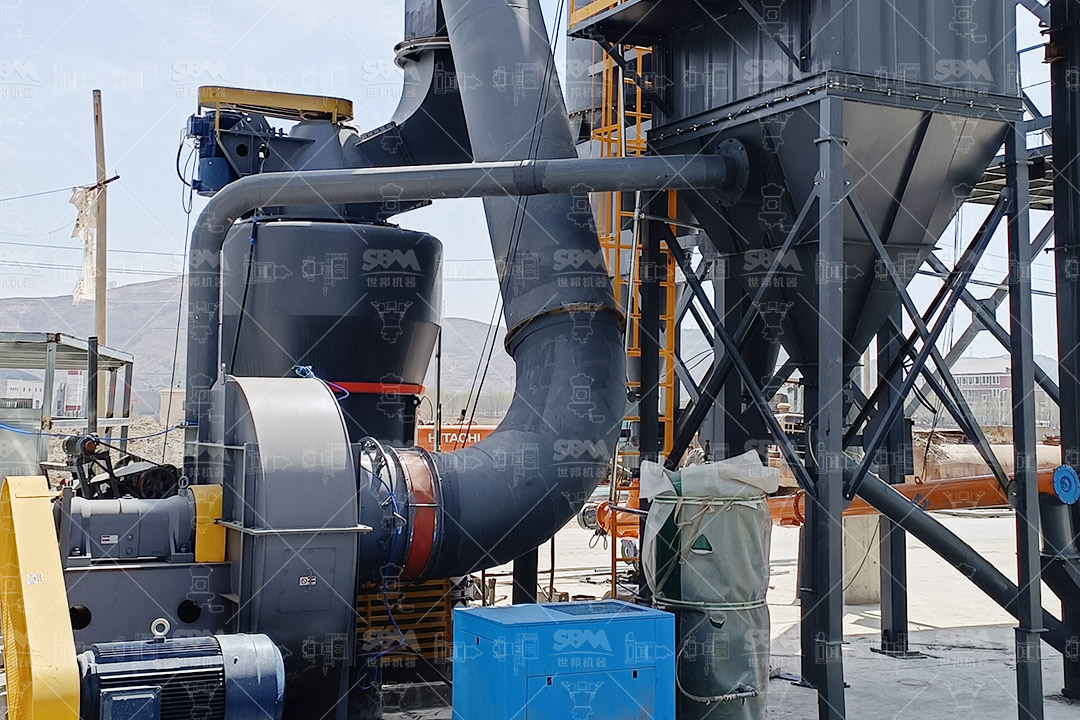
The LM Series Vertical Roller Mill is a powerhouse for large-scale operations. Its integrated design combines crushing, grinding, and classification in one unit, reducing the plant footprint by up to 50%. The non-contact design between rollers and table drastically extends wear part life. For 600 mesh applications, specific models like the LM130X-GX to LM220X-GX from the Vertical Fine-powder Mill series are engineered for feed sizes up to 20mm and fineness of 325-600 mesh, with capacities from 4 to 30 t/h. This demonstrates that a well-designed vertical roller mill can indeed achieve this target effectively.
However, the technology that is most synonymous with high-fineness processing (325-2500 mesh) is the Ultrafine Mill. Two outstanding representatives are the SCM Series Ultrafine Mill and the LUM Ultrafine Vertical Roller Mill.
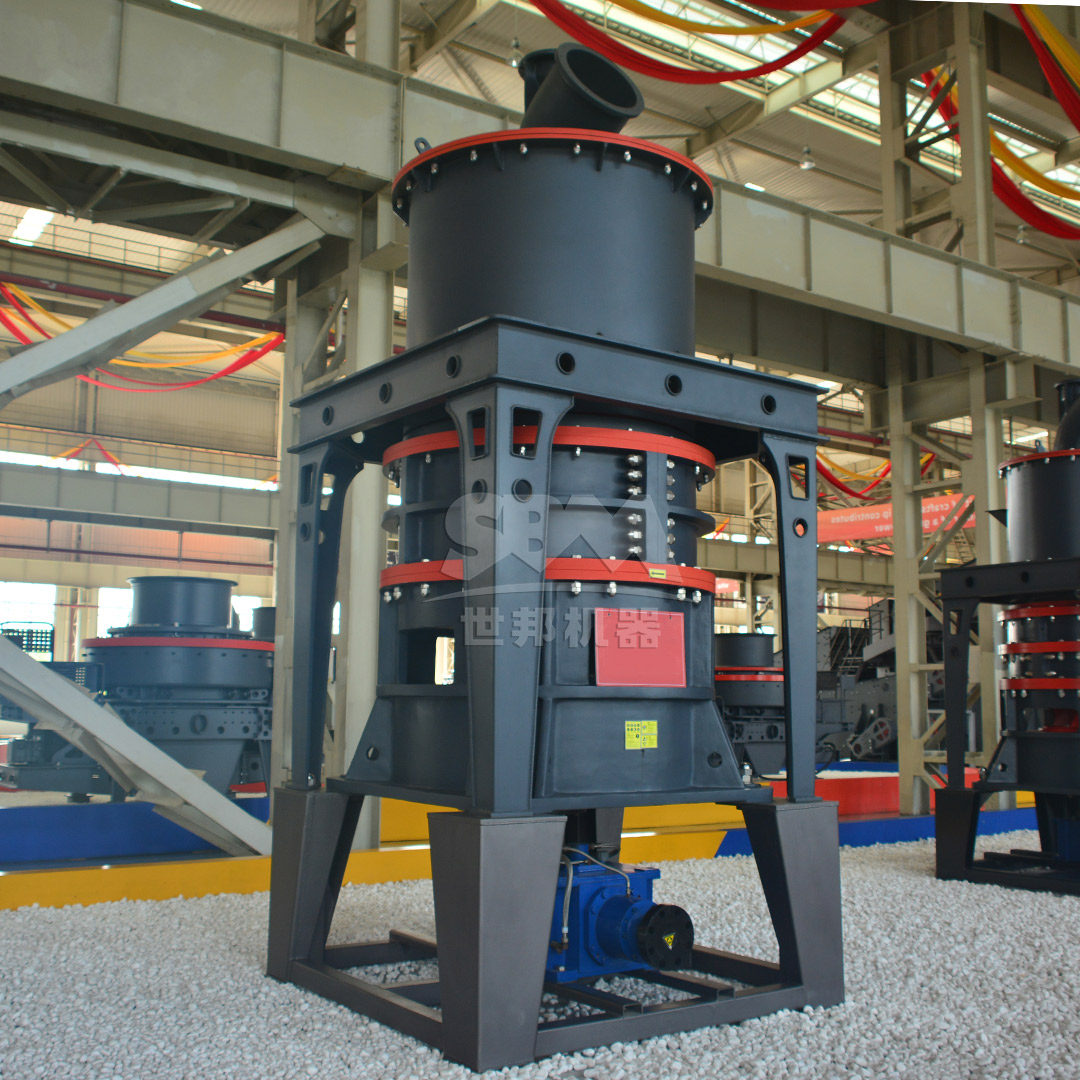
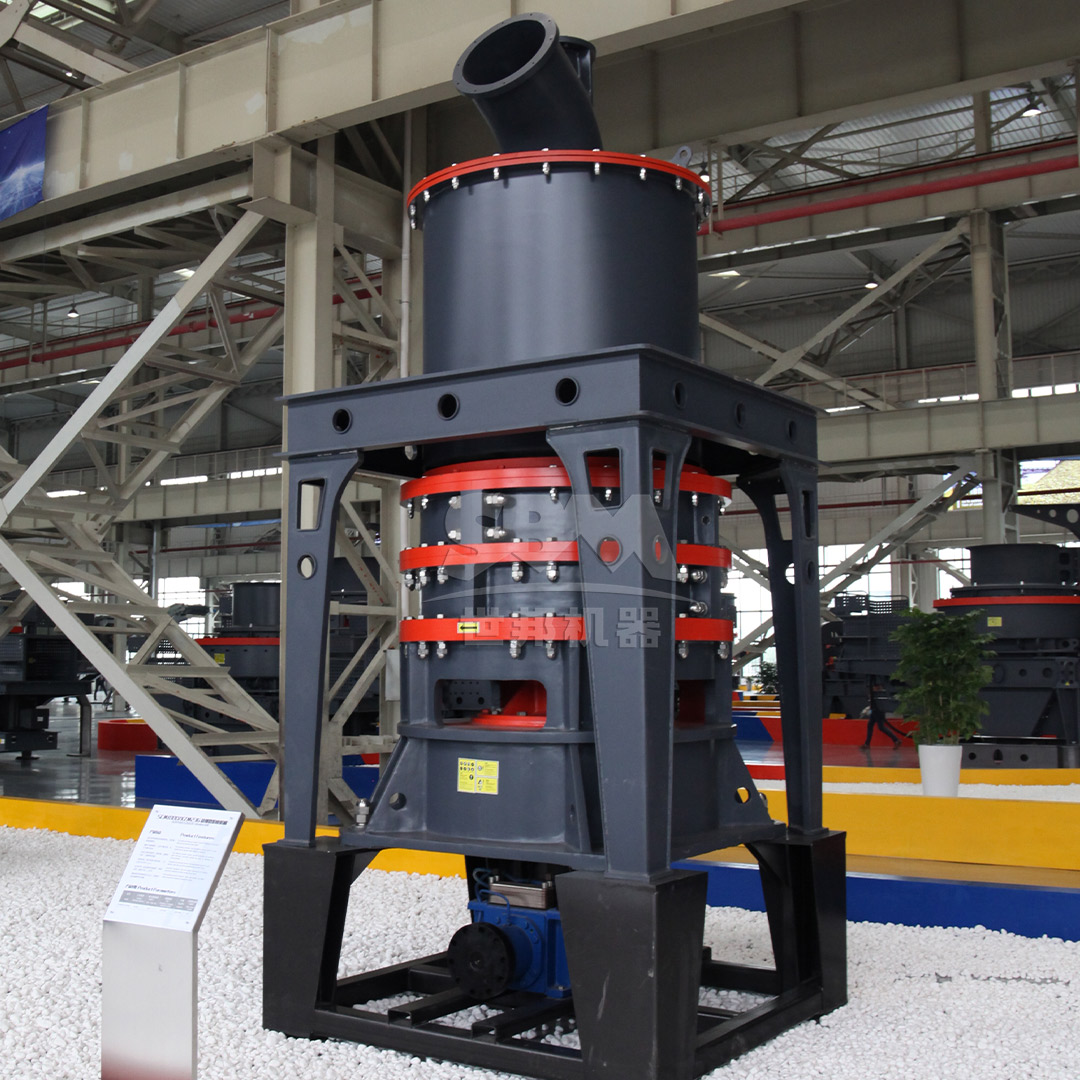
The SCM Series Ultrafine Mill is the flagship product for processing calcite into 600 mesh and beyond. Its core parameters are perfectly aligned with this application: it accepts materials up to 20mm in size and outputs a finished fineness ranging from 325 to 2500 mesh (45-5 microns). With a capacity between 0.5 and 25 tons per hour, it is scalable for diverse production needs.
The technical advantages of the SCM mill are compelling for a manufacturer. Our tests have shown its capacity is twice that of a traditional jet mill, yet its energy consumption is 30% lower. This is achieved through its unique three-layer grinding ring design and an intelligent control system that provides automatic finished product granularity feedback for consistent quality. The vertical turbine classifier is a marvel of engineering, ensuring precise particle size cutting with no coarse powder mixing, which is critical for a premium 600 mesh product. To ensure longevity and stable operation, the mill utilizes special materials for its rollers and rings, extending service life several times over a conventional mill. The shaftless screw grinding chamber adds to operational stability. Furthermore, the SCM series is designed for eco-friendliness, featuring a pulse dust collection system with efficiency exceeding international standards and a soundproof room that maintains noise levels at a comfortable level.
It is for these reasons that we highly recommend the SCM Series Ultrafine Mill for any operation that prioritizes high efficiency, product purity, and precise particle size control in the 600 mesh range.
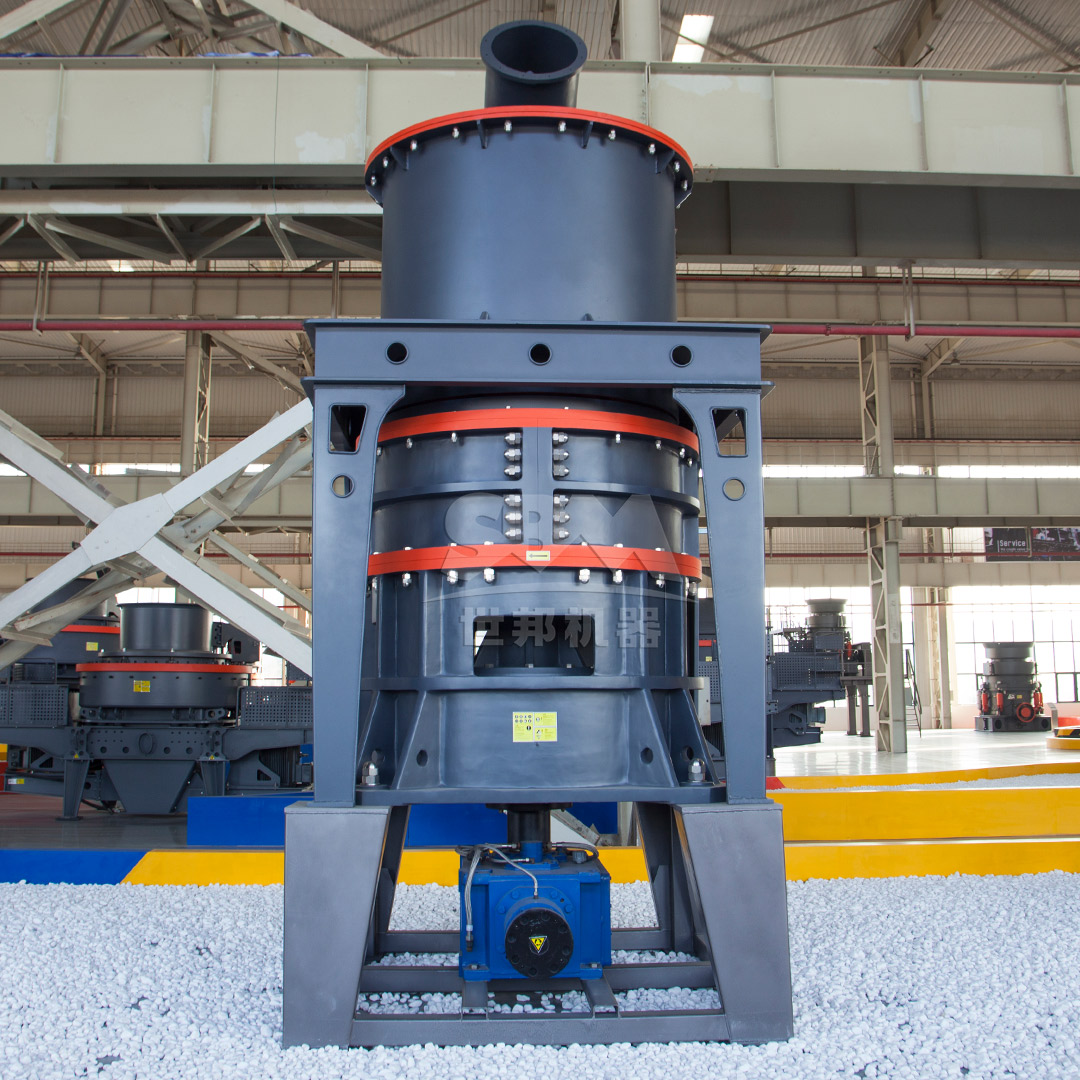
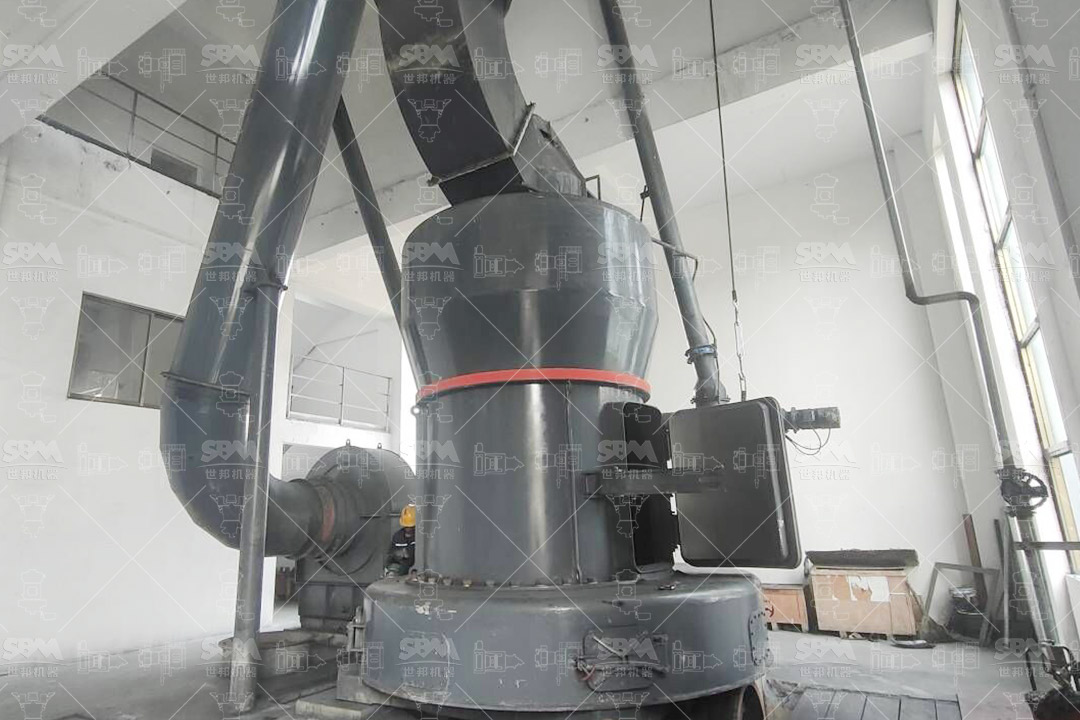
Another powerful option is the LUM Ultrafine Vertical Roller Mill. Like the SCM series, it is perfectly suited for 325-2500 mesh production. It accepts a feed size of 0-20mm. The LUM mill’s unique curved roller and liner profile maximizes grinding efficiency. Its multi-rotor classification technology ensures a high level of precision, guaranteeing that your final 600 mesh powder is free from any remaining coarse particles. The LUM mill features a PLC-based smart control system for fully automated, stable operation, and its fully sealed, negative-pressure design prevents any dust leakage. Models like the LUM1525, LUM1632, and LUM1836 offer capacities ranging from 1.6 to 15 t/h, making it an excellent choice for medium-scale operations.
Choosing between the SCM and LUM series (or a specialized LM model) depends on your specific needs. Here are the key factors to guide your decision:
In summary, the production of high-value 600 mesh calcite powder is not a task for just any grinding mill. It demands a machine that excels in high-fineness processing, energy efficiency, and classification precision. While ball mills and traditional Raymond mills can produce this fineness, they do so with significant penalties in cost, capacity, and product quality. The modern, intelligent designs of the SCM Series Ultrafine Mill and the LUM Ultrafine Vertical Roller Mill are head and shoulders above the rest for this specific application.
For manufacturers seeking a robust, proven, and highly efficient solution, the SCM Series Ultrafine Mill represents the pinnacle of grinding technology for the 45-5 micron range. Its combination of high output, low energy consumption, and ultraprecise classification makes it the ideal workhorse for a 600 mesh calcite plant. By carefully evaluating your production goals and consulting with our technical experts, you can select the perfect model—be it a compact SCM800 for a pilot plant or a high-capacity SCM1680 for a major industrial facility—and guarantee your success in the competitive market for high-fineness minerals.
Ultimately, the right investment in grinding technology is an investment in the quality, consistency, and profitability of your final product. We invite you to explore the technical specifications of our SCM Series Ultrafine Mill (SCM800, SCM900, SCM1000, SCM1250, SCM1680) and the LUM Ultrafine Vertical Roller Mill (LUM1525, LUM1632, LUM1836) to find the perfect partner for your 600 mesh calcite production line.