Superphosphate, a cornerstone of the global agricultural fertilizer industry, requires precise grinding to achieve optimal reactivity and application efficiency. For many production lines, the target fineness of 40-mesh (approximately 420 microns) represents a critical balance between nutrient availability and production cost. However, achieving this specification consistently while maximizing throughput and minimizing energy consumption is a significant engineering challenge. The choice of grinding mill directly impacts your facility’s operational expenditure, product quality, and overall profitability.
This article provides a comprehensive guide to selecting the ideal grinding mill for 40-mesh superphosphate powder production. We will analyze key factors such as material characteristics, capacity requirements, energy efficiency, and maintenance costs. By understanding the strengths of different mill technologies, you can make an informed decision that maximizes your return on investment.
Before selecting equipment, it is essential to understand the physical and chemical properties of superphosphate. This material is typically acidic, hygroscopic, and can be abrasive due to the presence of residual phosphate rock and gypsum. Key characteristics include:
These properties demand a grinding mill that offers robust construction, efficient drying capabilities (if needed), and a reliable classification system to prevent coarse particles from contaminating the final product.
When evaluating mills for 40-mesh superphosphate, consider the following performance indicators:
Your target hourly or daily production rate will narrow down the field. For small to medium-scale operations (3-15 tons per hour), a European trapezium mill or a pendulum mill may suffice. For large-scale industrial production (15-100+ TPH), a vertical roller mill (VRM) is often the most economical choice due to its high single-unit capacity.
Grinding is energy-intensive. Energy costs can represent 30-50% of the total production cost. Mills that utilize a ‘bed of material’ grinding principle, such as vertical roller mills, typically consume 30-50% less power than traditional ball mills. This is a critical factor for long-term cost reduction.
For a 40-mesh product, you need a classifier that can precisely cut at 420 microns while allowing minimal fines (which can cause caking) and zero oversize particles. High-efficiency dynamic classifiers are essential for achieving a steep PSD curve.
Abrasive superphosphate can quickly wear down grinding rollers and rings. Look for mills with durable liners (e.g., high-chrome or composite materials) and designs that allow for easy replacement of wear parts. Lower maintenance frequency translates directly to higher uptime.
If your feed material has high moisture, consider a mill that can integrate hot air for in-situ drying. Vertical roller mills and some trapezium mills are well-suited for this combined grinding and drying process, eliminating the need for a separate dryer.
Here is a comparison of the most common mill types suitable for 40-mesh superphosphate grinding:
| Mill Type | Typical Fineness (Mesh) | Capacity (TPH) | Energy Efficiency | Moisture Handling |
|---|---|---|---|---|
| Ball Mill | 20-200 | 0.65 – 450 | Low | Poor (requires dry feed) |
| MTW Trapezium Mill | 30-325 | 3 – 45 | Medium-High | Good (with hot air) |
| LM Vertical Roller Mill | 30-325 | 3 – 250 | High (Best) | Excellent (in-built drying) |
| Pendulum Mill (MRN) | 30-325 | 2.7 – 83 | Medium | Fair |
| SCM Ultrafine Mill | 325-2500 | 0.5 – 25 | Very High | Good |
As the table shows, for a specific target of 40-mesh with high throughput, the MTW European Trapezium Mill and the LM Vertical Roller Mill are the frontrunners. However, for extremely large capacities and lowest operating cost, the LM series is unmatched.
Based on our extensive experience in the fertilizer grinding industry, we recommend two primary solutions for maximum efficiency at 40-mesh.
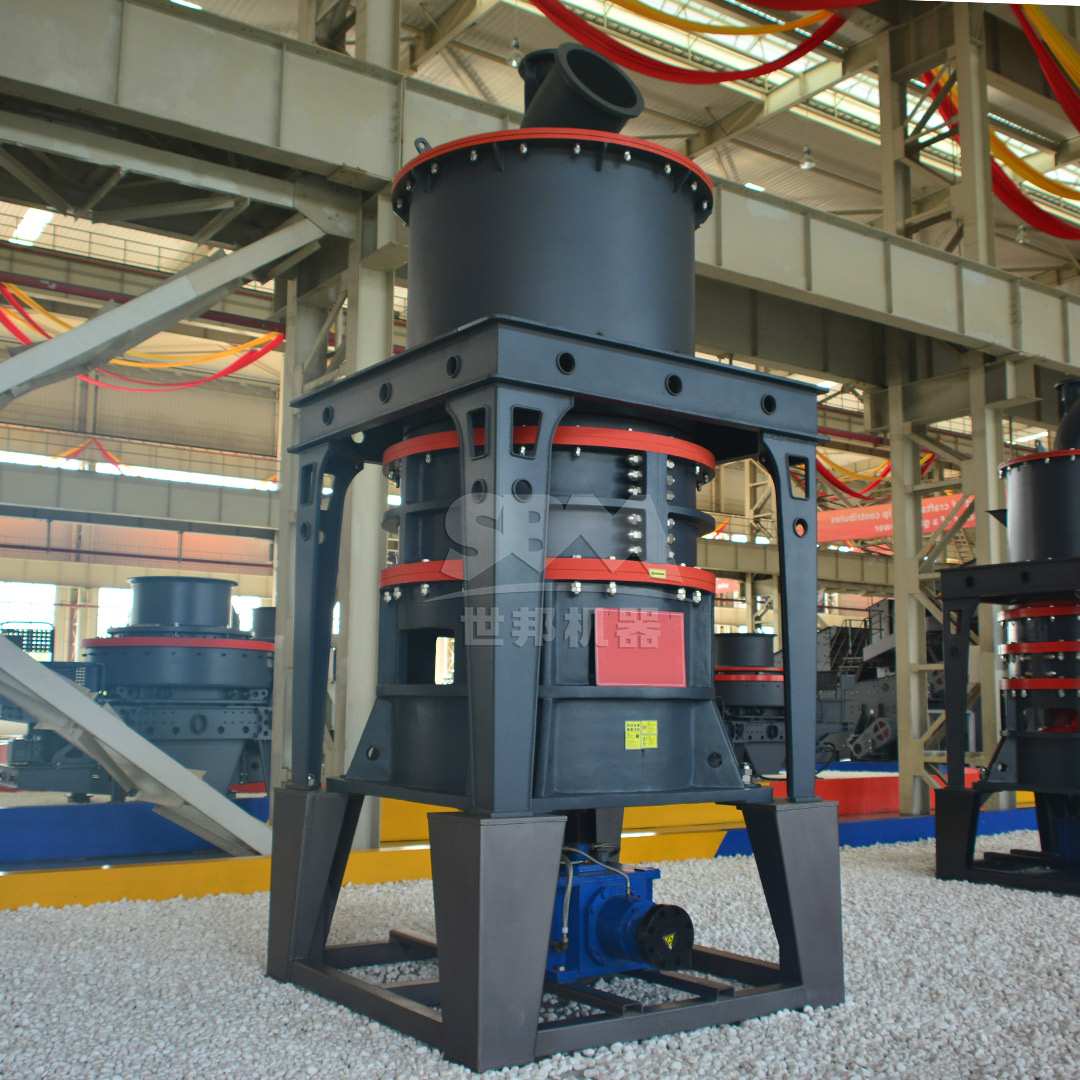
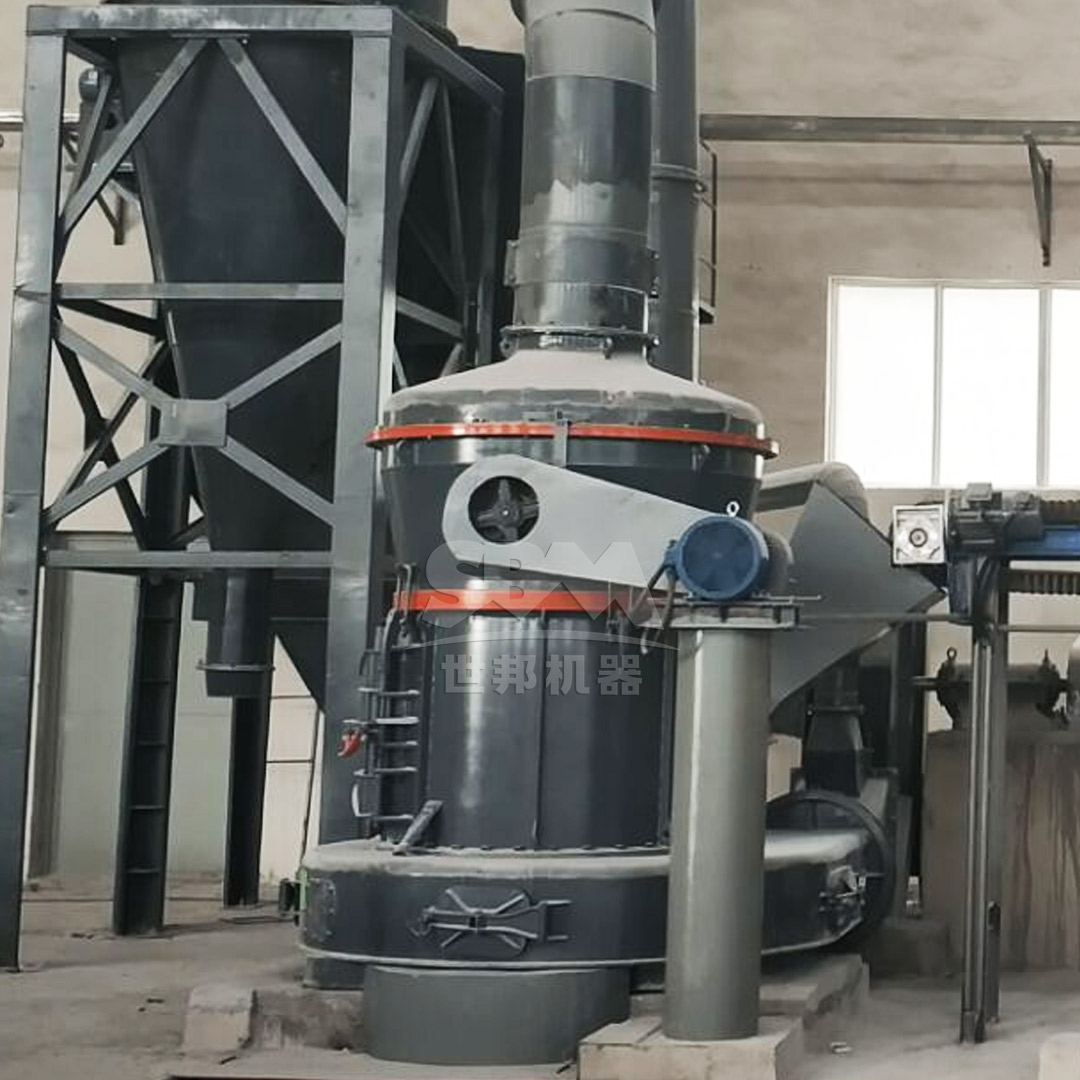
The MTW Series European Trapezium Mill is an excellent choice for medium-scale superphosphate producers. Its integral bevel gear drive achieves transmission efficiency up to 98%, directly reducing energy waste. The anti-wear shovel design and optimized arc air duct minimize maintenance costs and improve airflow efficiency. With a feed size of up to 50mm and a fineness range covering the 40-mesh target perfectly, the MTW mill provides a reliable and cost-effective grinding solution.
Key benefits for superphosphate include:
We strongly recommend the MTW Series for operations prioritizing a balance of low initial investment, moderate capacity, and proven reliability.
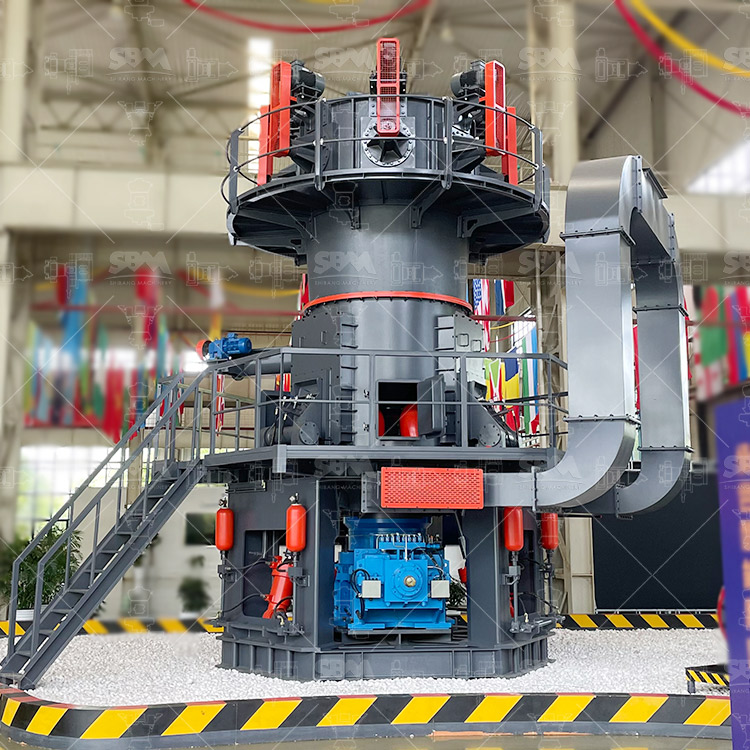
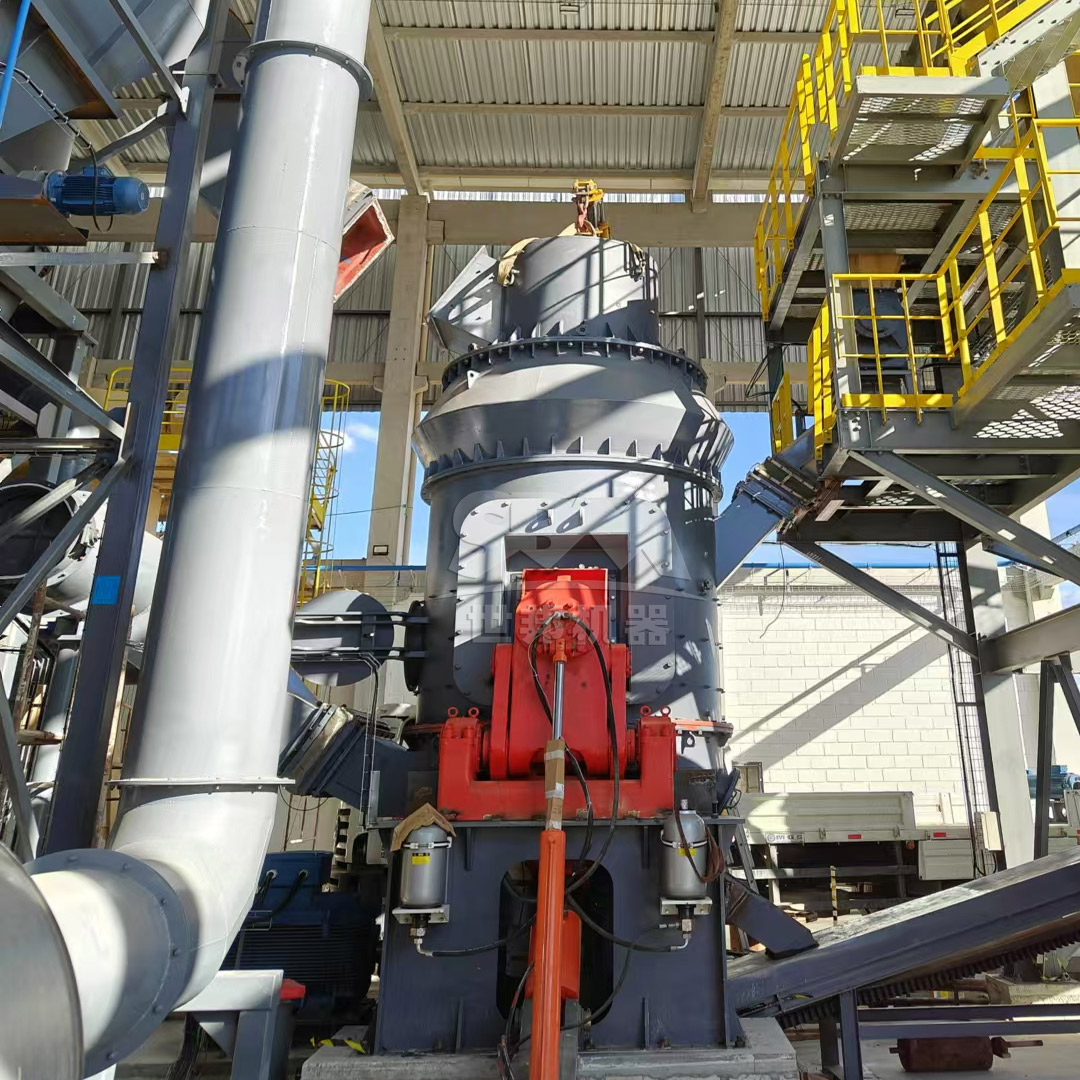
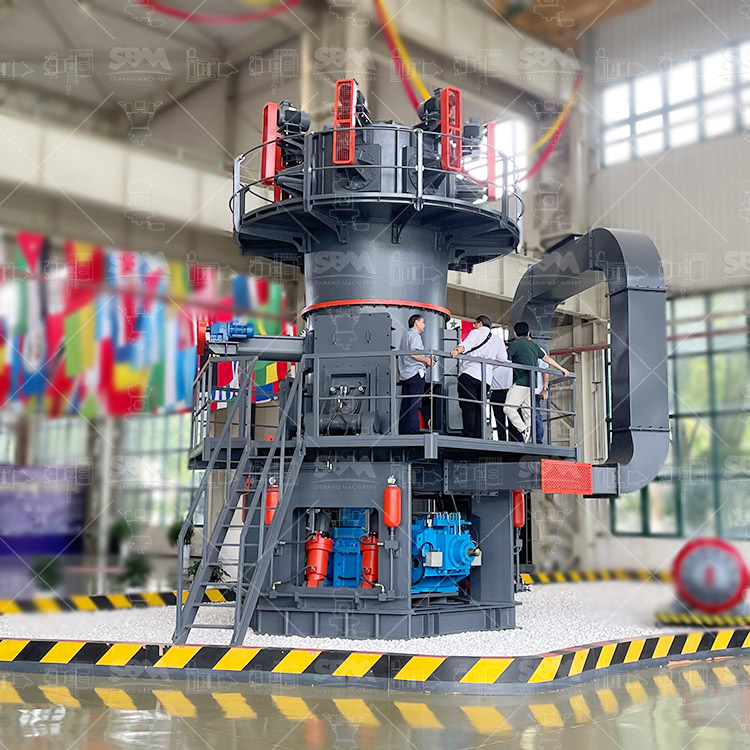
For large-scale superphosphate plants that require continuous, high-volume production with the lowest possible cost per ton, the LM Series Vertical Roller Mill is the premier choice. Its integrated design combines crushing, grinding, drying, and classification into a single system, reducing floor space by 50% and infrastructure costs by 40%. The bed-of-material grinding principle means non-contact between rollers and the table, extending wear part life by up to three times and reducing energy consumption by 30-40% compared to ball mills.
Key benefits for superphosphate include:
We strongly recommend the LM Series for operations focused on long-term cost reduction, high annual throughput, and production line simplicity.
While the MTW and LM series are ideal for most 40-mesh applications, other mills have specialized roles:
Let us compare a 20 TPH superphosphate line using a Ball Mill system vs. an LM Vertical Roller Mill.
| Factor | Ball Mill System | LM Vertical Roller Mill |
|---|---|---|
| Total Installed Power (kW) | ~1200 kW | ~750 kW |
| Annual Energy Cost (@$0.08/kWh, 8000 hrs) | $768,000 | $480,000 |
| Wear Parts Life (Rollers/Rings) | ~6 months | ~18 months |
| Annual Maintenance Cost (Estimated) | $50,000 | $20,000 |
| Annual Operating Cost Difference | Base | Savings of ~$318,000 |
This simplified analysis demonstrates how the higher initial investment in a VRM is quickly offset by dramatically lower operating costs.
Choosing the right grinding mill for 40-mesh superphosphate is a strategic decision that affects your plant’s profitability for years to come. By focusing on total cost of ownership—including energy, maintenance, and downtime—rather than just the purchase price, you can achieve maximum efficiency.
For most applications, the decision comes down to capacity and scale. Our MTW Series European Trapezium Mill provides an outstanding solution for medium capacities with a focus on reliability and build quality. For large-scale industrial production demanding the lowest operating cost and highest level of integration, the LM Series Vertical Roller Mill is the definitive choice. Contact our engineering team today for a detailed analysis of your specific material and a customized recommendation.