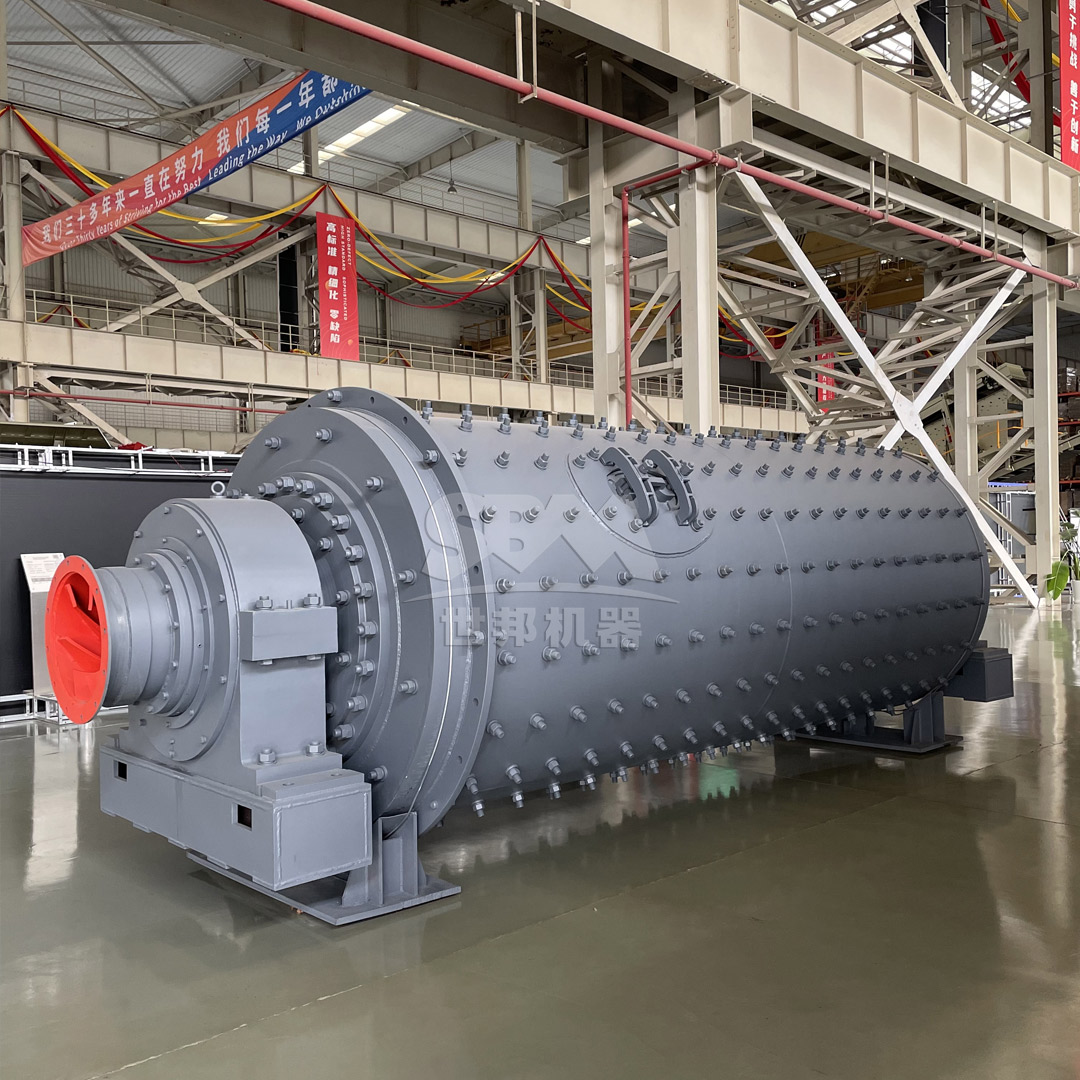
Molybdenum (Mo) is a critical alloying element in the production of high-strength, corrosion-resistant, and heat-resistant alloy steels. In alloy steel manufacturing, molybdenum is typically added in the form of molybdenum oxide (MoO₃) or ferromolybdenum (FeMo) during the melting process. The effectiveness of these additives relies heavily on their particle size, uniformity, and purity. Therefore, the grinding and processing of molybdenum ore into ultra-fine or fine powders are essential steps that directly influence the quality of the final alloy steel. To achieve this, specialized production equipment is required to handle the unique characteristics of molybdenum ore, including its hardness, abrasiveness, and high density. Manufacturers must invest in advanced milling solutions that offer precise particle size control, high throughput, and energy efficiency.
The fineness of molybdenum ore additives directly impacts the dissolution rate and uniform distribution within the molten steel. Coarse particles may not fully dissolve, leading to segregation and inconsistent mechanical properties in the final product. Conversely, overly fine powders can cause dusting losses and handling difficulties. Industry standards often require molybdenum additives to be ground to a fineness of between 45 microns (325 mesh) and 600 microns (30 mesh), depending on the specific application. For high-end alloy steel products, especially those used in aerospace, automotive, and tooling industries, finer particles in the range of 5 to 45 microns (325-2500 mesh) are preferred. This demand necessitates milling equipment capable of producing consistent, high-precision particle size distributions without contamination.
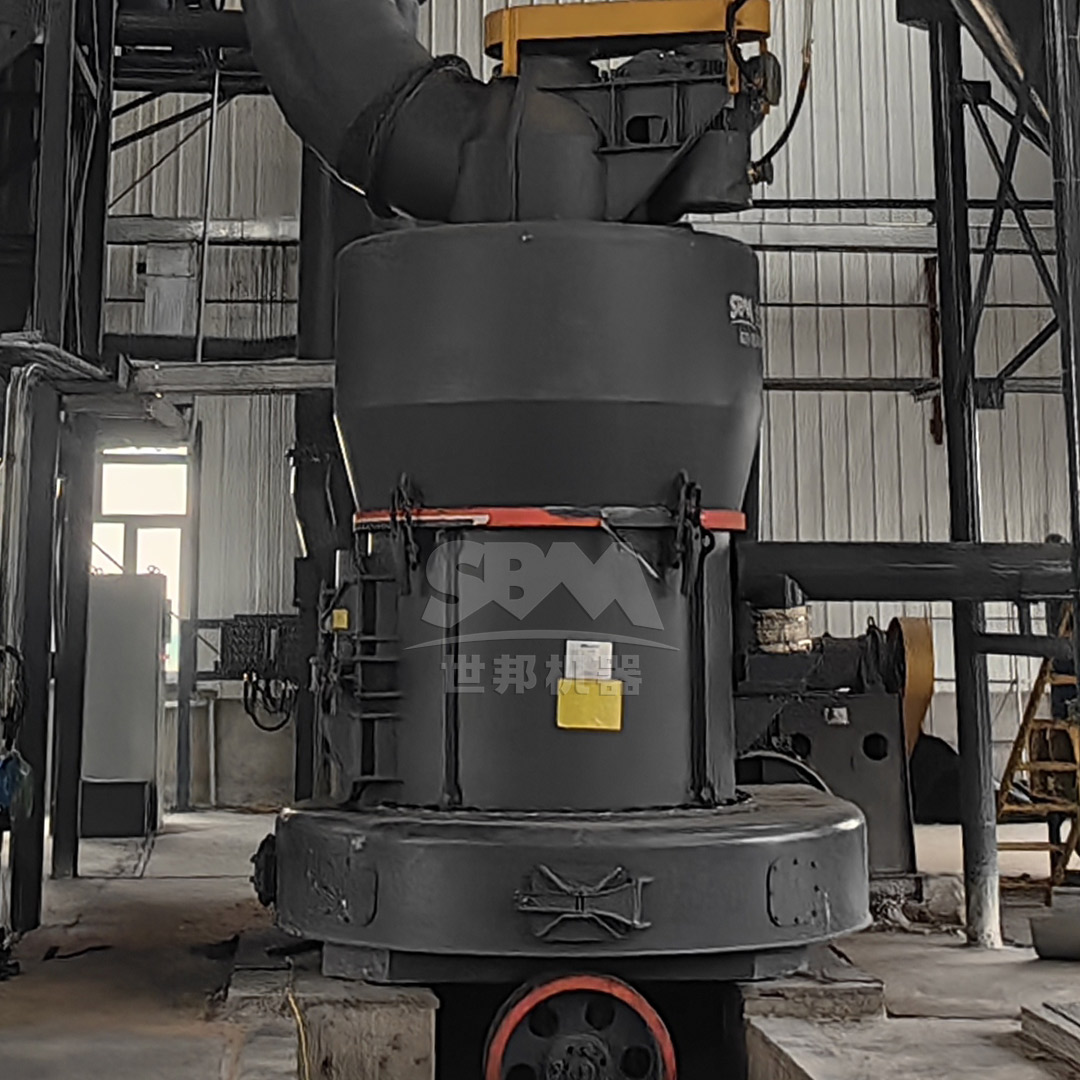
Several types of grinding mills are employed in the processing of molybdenum ore for alloy steel additives. These include ball mills, vertical roller mills, and ultra-fine grinding mills. Each type offers distinct advantages depending on the required fineness, capacity, and operational cost constraints. For large-scale production of standard fineness powders (30-325 mesh), the MTW Series European Trapezium Mill and LM Series Vertical Roller Mill are widely adopted due to their high capacity and lower energy consumption. For premium-grade alloy steels requiring ultra-fine molybdenum additives (325-2500 mesh), the SCM Series Ultrafine Mill and LUM Ultrafine Vertical Roller Mill are the preferred choices.
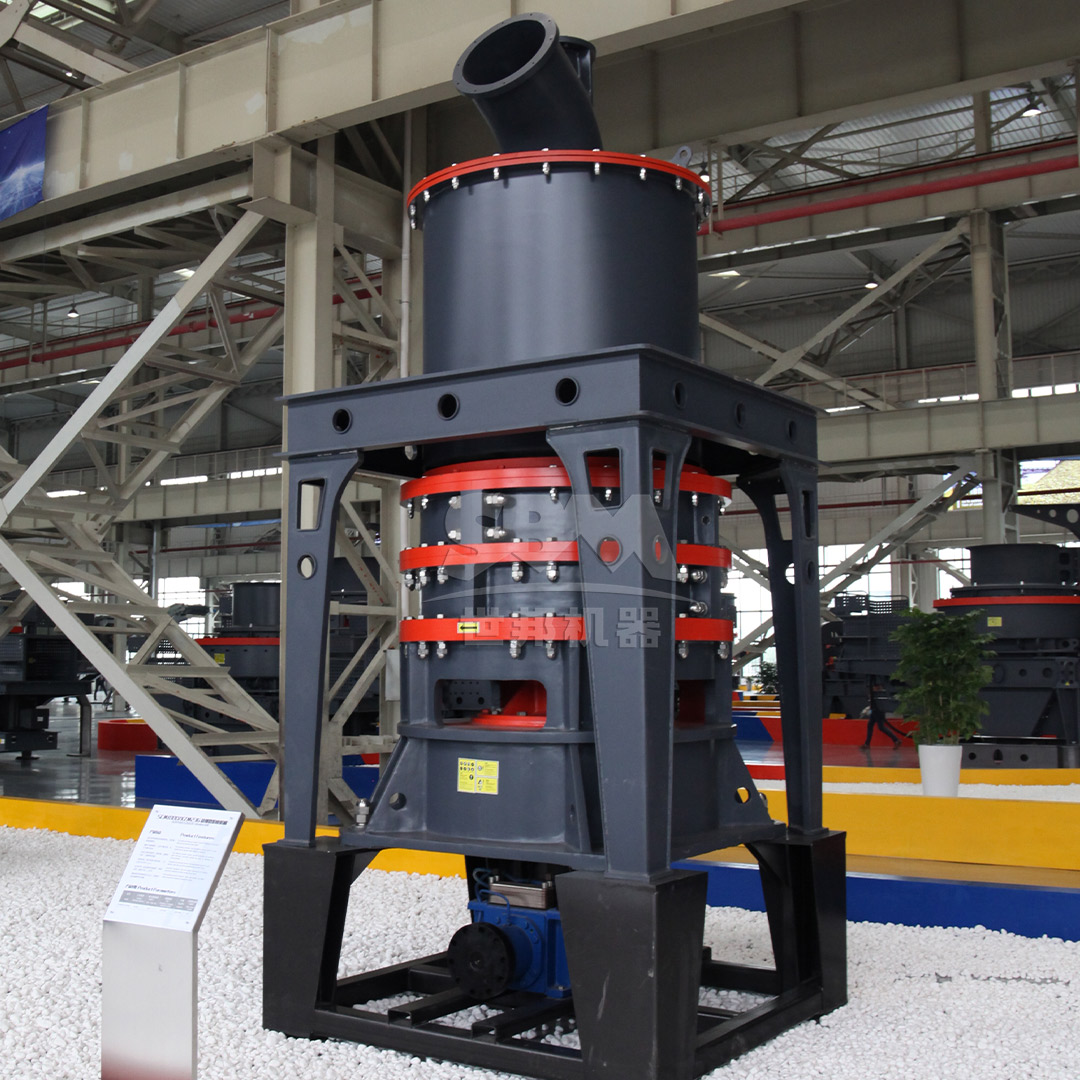
The SCM Series Ultrafine Mill is specifically designed to produce ultra-fine powders with a fineness range of 325 to 2500 mesh (5-45 microns). It offers a unique combination of high efficiency and energy savings, with capacity outputs up to 2 times that of jet mills while consuming 30% less energy. This is particularly advantageous for processing molybdenum ore, where electricity costs represent a significant portion of operational expenses. The vertical turbine classifier ensures a precise particle size cut-off, preventing coarse powder mixing and guaranteeing uniform particle distribution essential for consistent alloying results. The durable design features special material rollers and rings that extend service life, reducing maintenance downtime. With an input size of up to 20mm and models ranging from SCM800 to SCM1680, it can handle capacities from 0.5 to 25 tons per hour, making it suitable for both small specialty batches and large-scale industrial production.
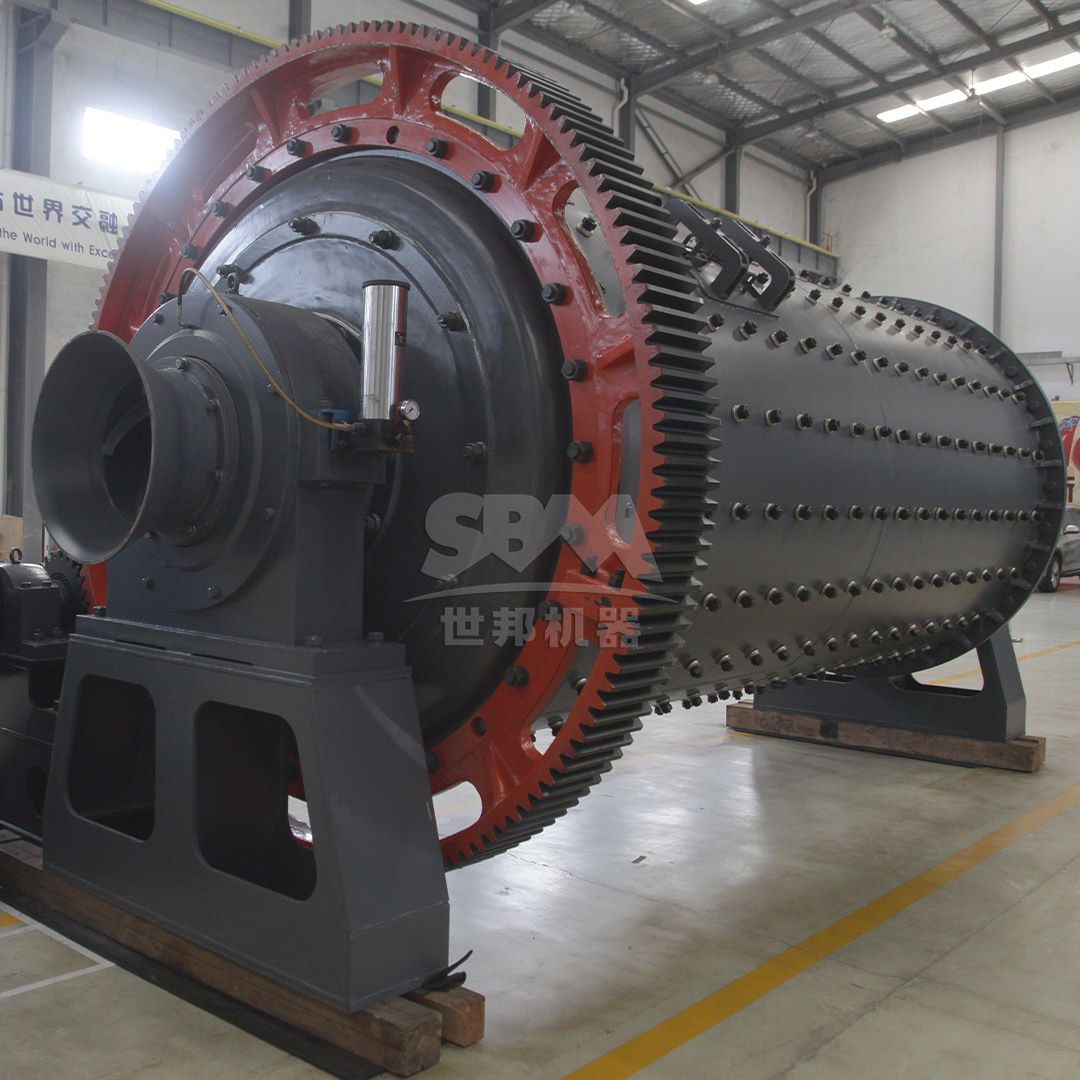
For manufacturers requiring high volumes of molybdenum ore additives in the 30-325 mesh (45-600 micron) range, the MTW Series European Trapezium Mill offers exceptional reliability and cost-effectiveness. Its integral bevel gear drive system achieves transmission efficiency of up to 98%, reducing energy waste. The anti-wear shovel design and curved grinding rollers extend the service life of consumable parts, which is critical when handling abrasive molybdenum ore. The MTW mill can accept feed sizes up to 50mm and offers capacities from 3 to 45 tons per hour, providing flexible solutions for different production scales. The patented internal suction oil lubrication system and advanced pulse dust removal technology ensure clean operation, meeting strict environmental standards.
| Mill Series | Best for Fineness | Capacity Range | Feed Size | Key Advantage |
| SCM Ultrafine Mill | 325-2500 mesh (5-45μm) | 0.5-25 t/h | ≤20mm | Ultra-fine precision, low energy |
| MTW Trapezium Mill | 30-325 mesh (45-600μm) | 3-45 t/h | ≤50mm | High capacity, wear-resistant |
| LM Vertical Roller Mill | 30-325 mesh (45-600μm) | 3-250 t/h | ≤50mm | Low operating cost, large scale |
Molybdenum ore is characterized by its high density (approximately 4.7 g/cm³ for MoO₃) and moderate hardness (Mohs hardness of 1-1.5 for MoO₃, but the parent ore can be harder). This means that grinding equipment must be robust enough to handle the weight and abrasive nature of the material without excessive wear. The LM Series Vertical Roller Mill excels in this regard with its non-contact design between rollers and table, which reduces wear part consumption by up to 3 times compared to ball mills. Additionally, its integrated design combines crushing, grinding, and selection in one unit, reducing floor space by 50% and infrastructure costs by 40% – a significant advantage for greenfield molybdenum processing plants.
Another critical factor is the control of moisture content. Molybdenum concentrates may contain residual moisture from flotation processes. Dry grinding mills must be equipped with efficient hot air systems to dry the material during grinding. The LM Series Vertical Roller Mill, with its hot air circulation energy-saving system, is particularly well-suited for processing slightly moist materials. The fully sealed negative pressure operation also prevents dust leakage, which is crucial when handling fine molybdenum powders that can be a health hazard if inhaled.
Selecting the right mill requires careful analysis of production targets and quality specifications. For a typical alloy steel plant needing 5-10 tons per hour of molybdenum additives with a target fineness of 325-500 mesh, the SCM1000 or SCM1250 model is ideal. These models offer a main power of 132-185 kW and can achieve capacities of 1.0-14 t/h while maintaining the desired ultra-fine output. If the requirement shifts to a coarser product (100-200 mesh) at a higher throughput of 15-20 t/h, the MTW175G or MTW215G model from the MTW series would be more appropriate, delivering 9.5-45 t/h with significantly lower specific energy consumption.
For very large-scale operations, such as integrated steel mills with captive molybdenum processing units, the LM220K or LM280K vertical roller mill can handle capacities up to 170 t/h. These mills are equipped with advanced expert-level auto-control systems that monitor parameters in real-time, reducing manual intervention and ensuring consistent product quality. The modular grinding roller assembly quick-change system further minimizes downtime during maintenance.
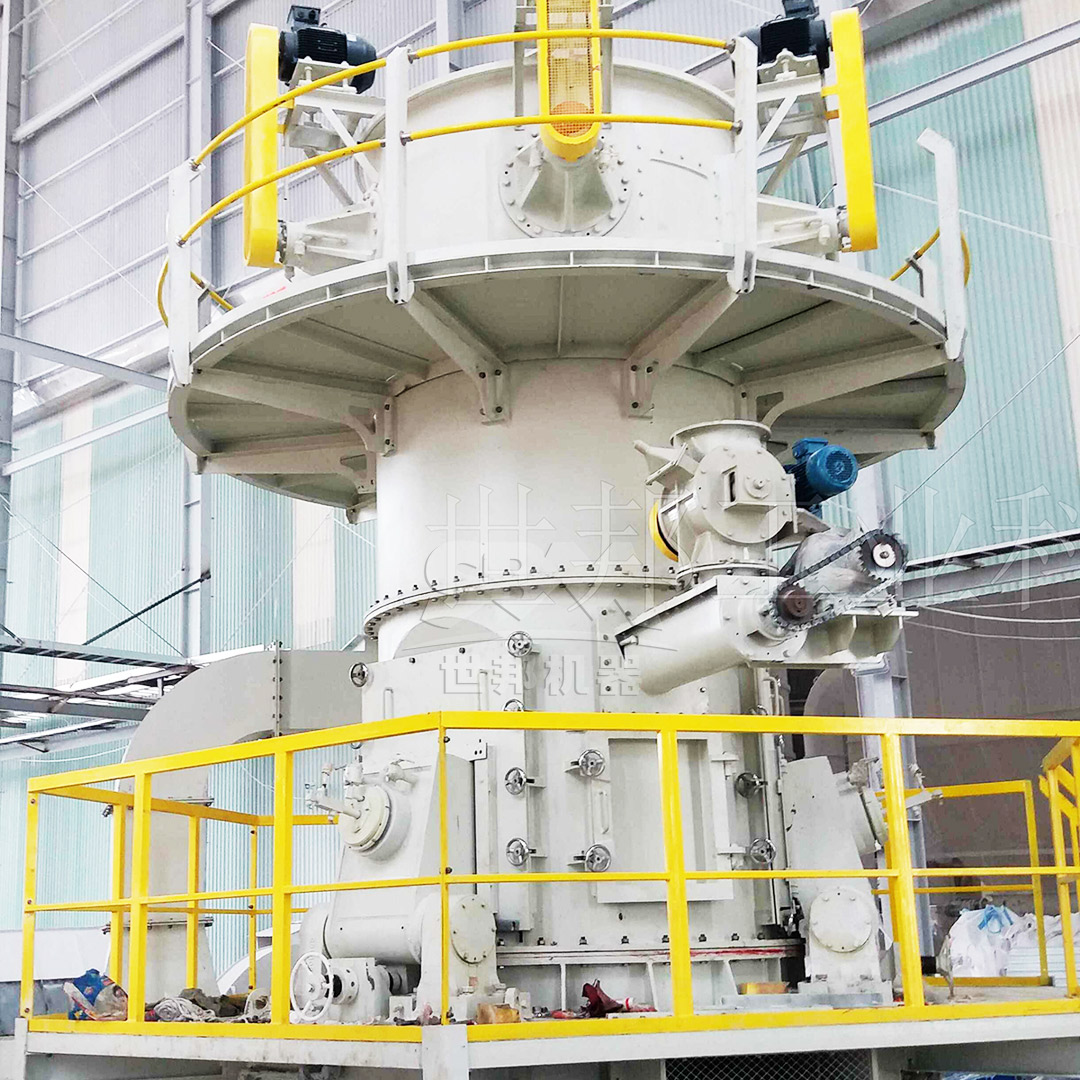
Modern milling equipment for molybdenum ore additives is designed with environmental compliance as a core objective. Pulse dust collection systems in SCM and MTW mills achieve filtration efficiencies that exceed international standards, capturing 99.9% of particles. The soundproof room design in SCM mills ensures noise levels remain below 85 dB, creating a safer working environment. Economically, the energy savings offered by these mills are substantial. For instance, the LM Series consumes 30-40% less energy than traditional ball mill systems for the same grinding task. Over a year of continuous operation, these savings can translate into hundreds of thousands of dollars, making the investment in premium milling technology highly cost-effective.
The production of high-quality molybdenum ore additives is a critical step in the manufacturing of premium alloy steels. The choice of grinding equipment directly influences the consistency of particle size, the efficiency of the melting process, and the final mechanical properties of the steel. Our comprehensive range of milling solutions, including the SCM Series Ultrafine Mill for ultra-fine applications and the MTW Series European Trapezium Mill for high-volume production, provides alloy steel manufacturers with the precision, durability, and efficiency required to maintain a competitive edge. By selecting the appropriate equipment and leveraging advanced features such as intelligent control systems and wear-resistant components, manufacturers can achieve superior product quality while reducing operational costs and environmental impact.