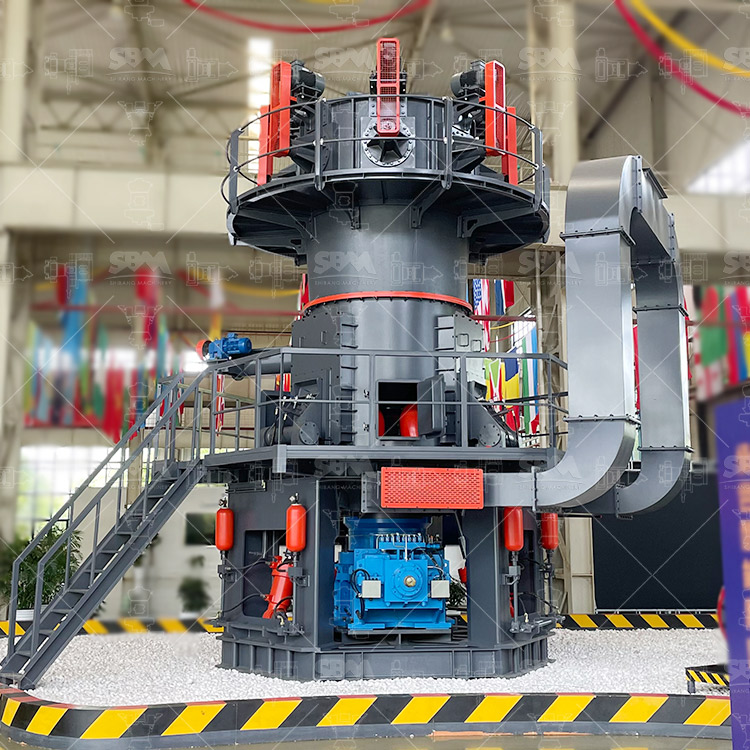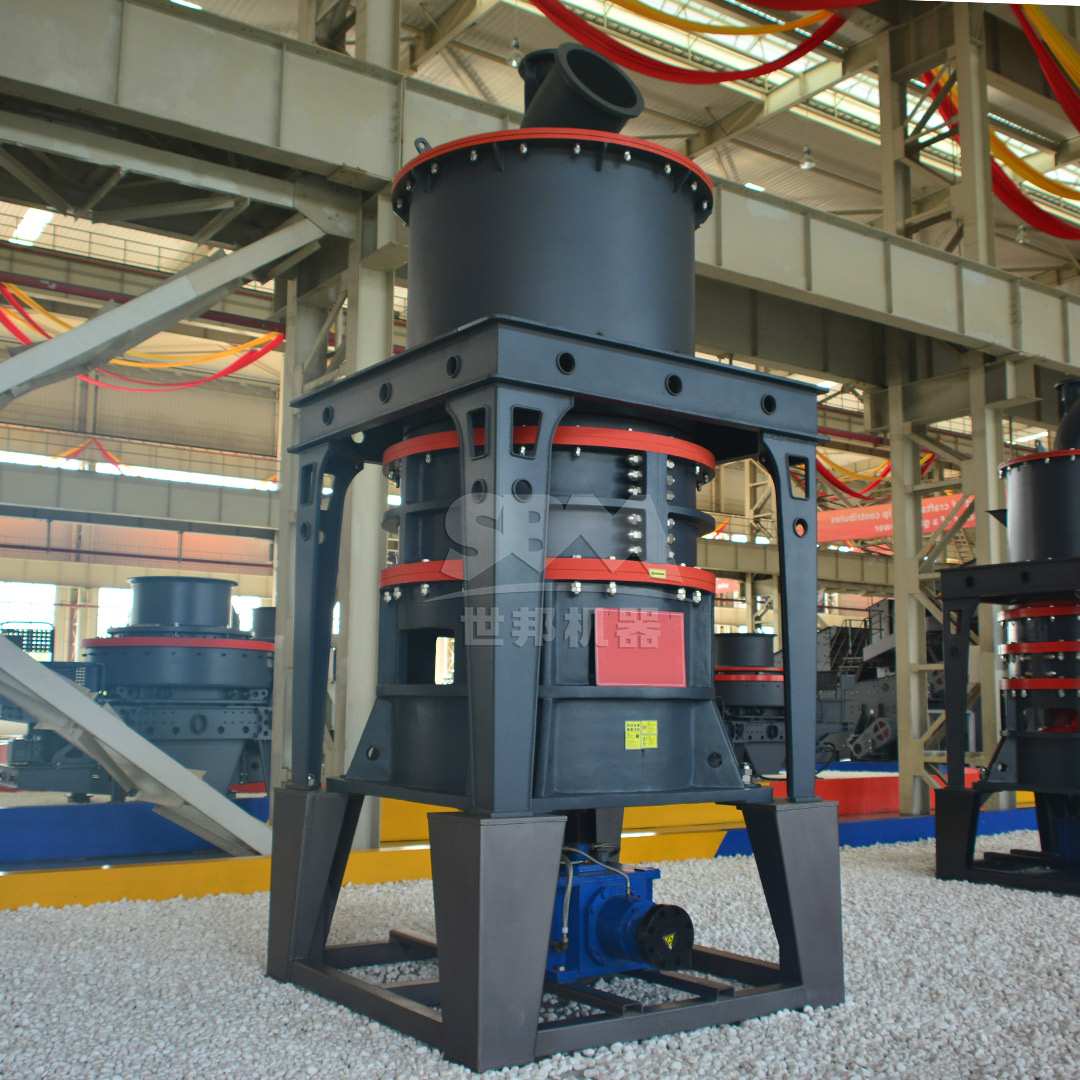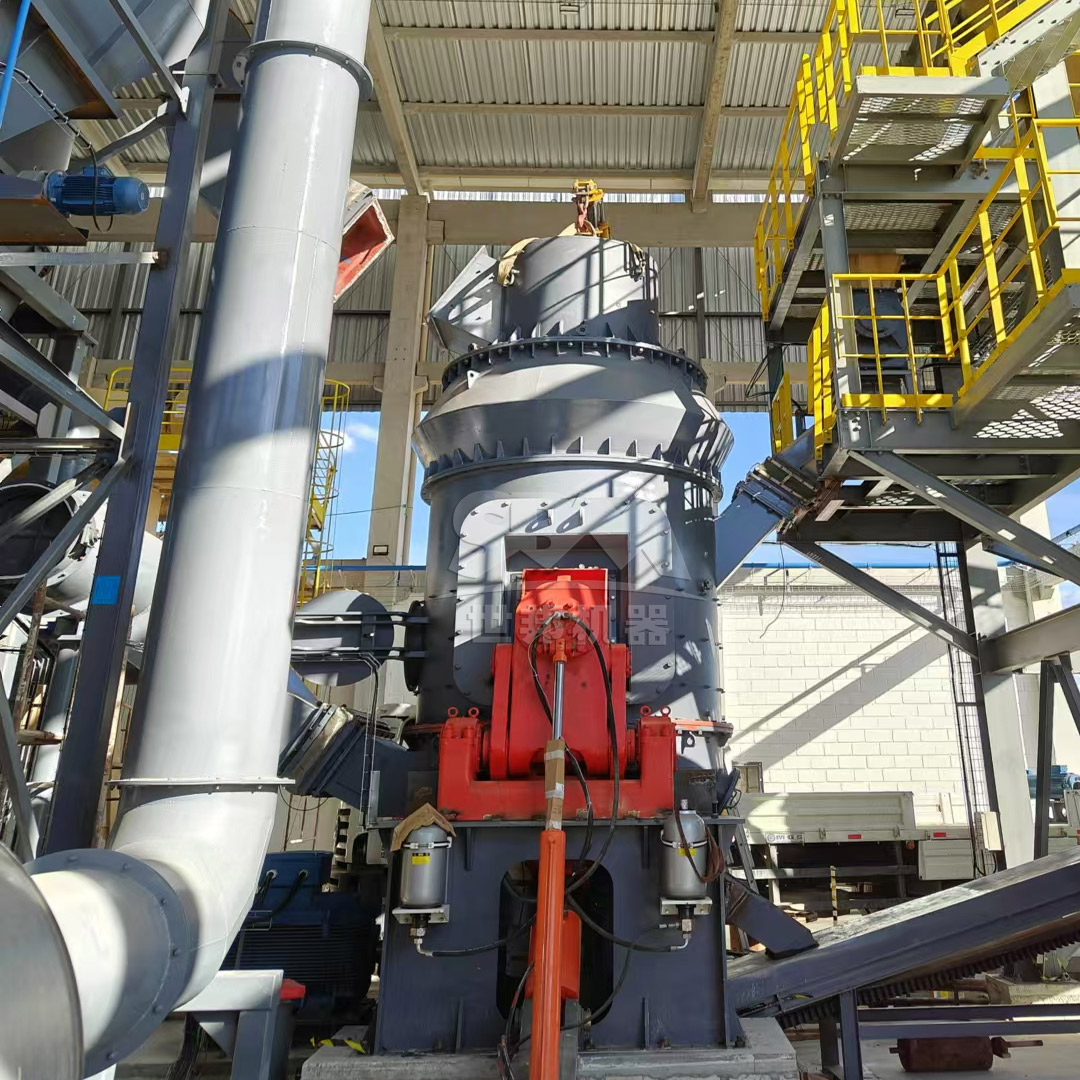
In the metallurgical industry, the processing of molybdenum ore into high-quality powder is a critical step that directly impacts downstream smelting and alloy production. Metallurgical grade molybdenum ore powder requires specific fineness, purity, and consistency to meet the demanding standards of steelmaking and other industrial applications. Choosing the right grinding mill is essential for achieving high efficiency, low energy consumption, and stable production. This article provides a comprehensive guide to selecting the appropriate grinding equipment for metallurgical grade molybdenum ore powder production, with a focus on key technical parameters and operational advantages.
Molybdenum ore, typically extracted as molybdenite (MoS₂), possesses unique physical properties that influence the choice of grinding equipment. Its moderate hardness (Mohs scale 1.0-1.5) and layered crystal structure make it relatively easy to grind, but the ore often contains gangue minerals such as quartz and silicates that require careful handling. The target fineness for metallurgical grade molybdenum powder typically ranges from 100 to 325 mesh (149-45 μm), with some specialized applications requiring ultrafine powder down to 2500 mesh (5 μm). Understanding these parameters is the first step in selecting the most efficient grinding solution.
The production capacity needed is the primary factor when choosing a grinding mill. Small-scale operations may require 0.5 to 5 tons per hour, while large industrial plants often demand 10 to 45 tons per hour or more. For metallurgical grade molybdenum ore, both medium and high-capacity mills are available, making it crucial to match the machine’s capacity with the plant’s throughput goals.
The feed size of crushed molybdenum ore typically ranges from 0 to 50 mm. The selected mill must efficiently handle this feed while achieving the desired final fineness. For standard metallurgical applications (100-325 mesh), medium-speed mills and vertical roller mills are excellent choices. For ultrafine molybdenum powder (325-2500 mesh), dedicated ultrafine mills are necessary.
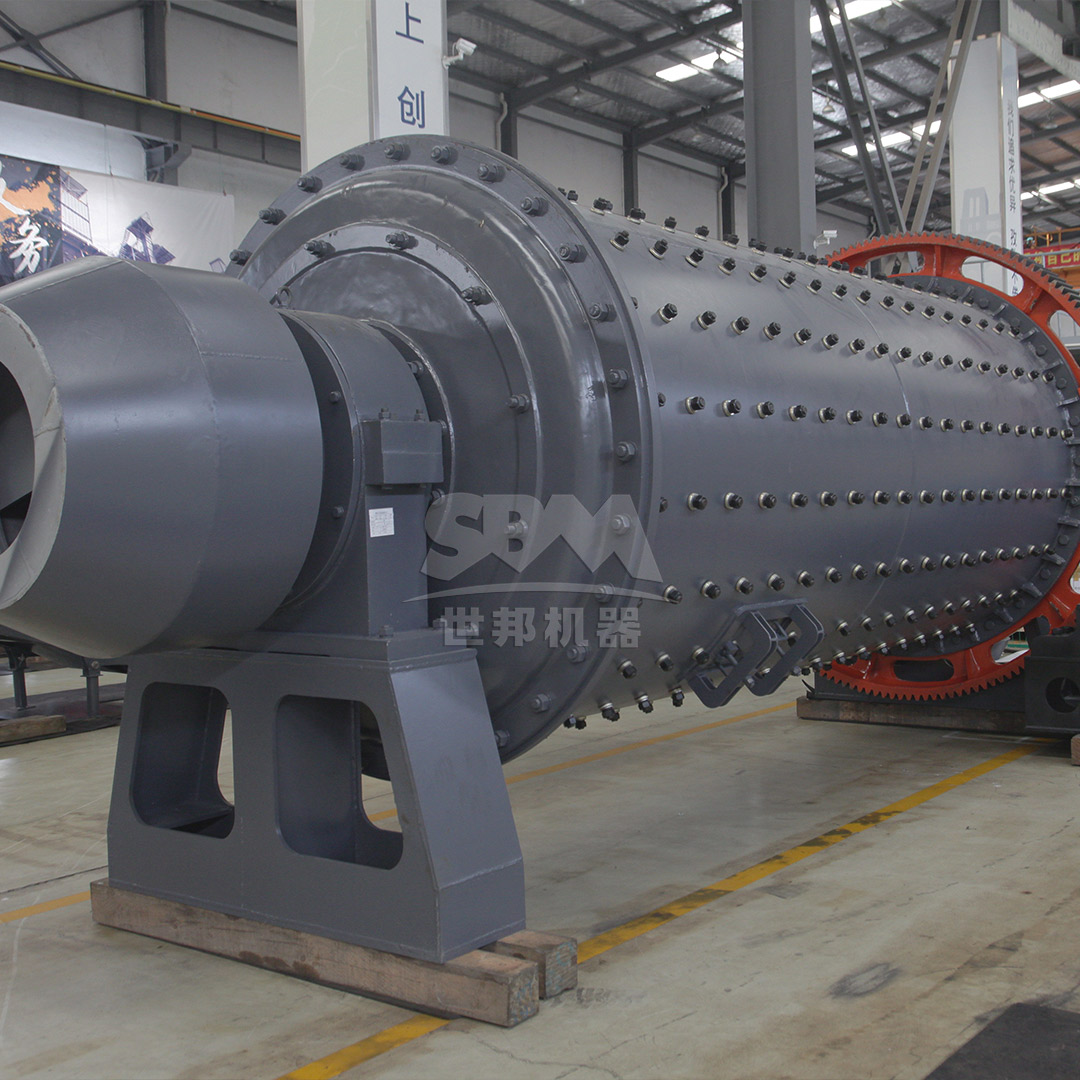
Energy consumption is a major cost component in grinding operations. Modern mills with advanced technologies can reduce energy consumption by 30-50% compared to traditional ball mills. Features such as intelligent control systems, optimized air ducts, and wear-resistant components significantly lower overall operating costs.
Grinding molybdenum ore, despite its relative softness, still causes wear on grinding components. Mills with special material rollers, rings, and liners offer extended service life. Easy access to wearing parts and reduced maintenance downtime are critical for continuous production.
Modern environmental regulations require grinding equipment to operate with minimal dust emission and low noise levels. Mills equipped with efficient pulse dust collectors and soundproof designs ensure compliance with international standards while protecting operator health.
Based on extensive industry experience and advanced engineering, two mill series are particularly well-suited for metallurgical grade molybdenum ore powder production: the MTW Series European Trapezium Mill and the SCM Series Ultrafine Mill. These products offer distinct advantages depending on the required fineness and capacity.
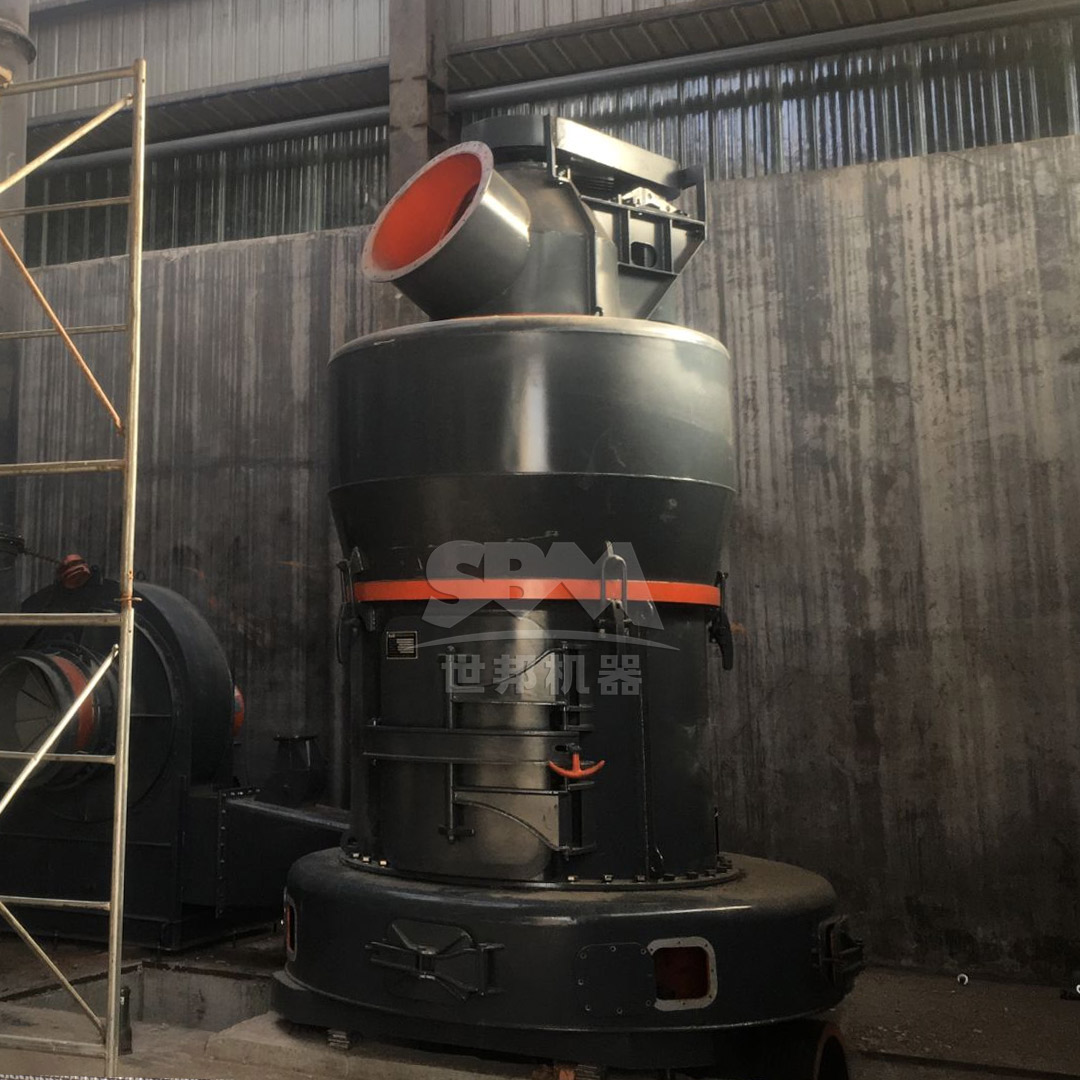
The MTW series is an ideal choice for standard metallurgical grade molybdenum powder production requiring fineness between 30 and 325 mesh. With a feed size capacity of up to 50 mm and a maximum capacity of 45 tons per hour, it delivers exceptional efficiency for medium to large-scale operations. Key features beneficial for molybdenum ore processing include:
For a typical medium-scale molybdenum ore processing plant requiring 6-17 tons per hour of 100-200 mesh powder, the MTW138Z model is an excellent recommendation. Its main power of 90 kW, combined with a feed size capacity of under 35 mm, ensures reliable and efficient operation.
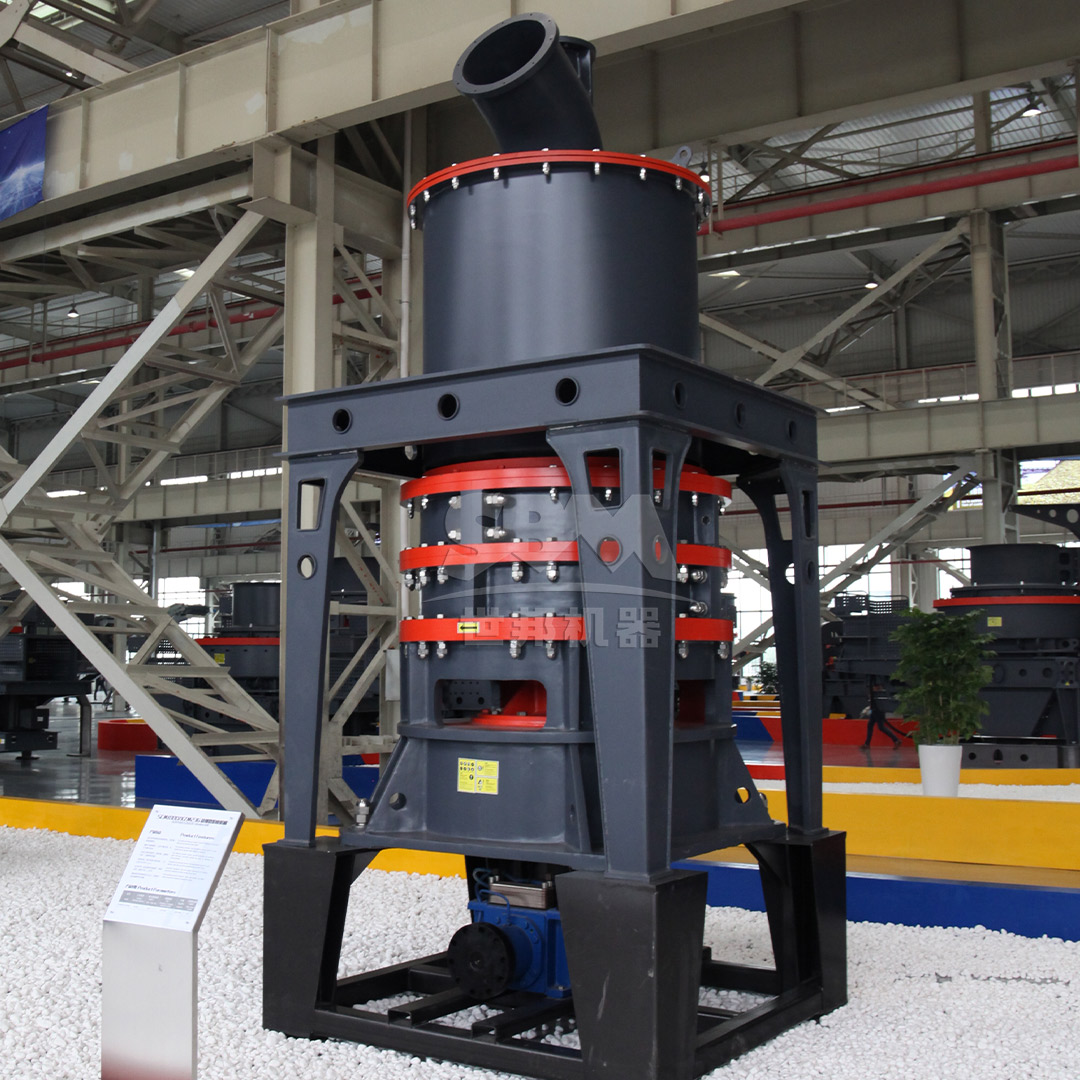
For applications requiring ultrafine metallurgical grade molybdenum powder (325-2500 mesh), the SCM series ultrafine mill is the optimal solution. This mill series is specifically designed for high-precision classification and ultra-fine grinding, offering the following advantages:
For a small to medium-scale molybdenum ore ultrafine powder production line requiring 1.0-8.5 tons per hour, the SCM1000 model is highly recommended. Its 132 kW main power, feed size capacity of 0-20 mm, and fineness range of 325-2500 mesh make it perfectly suited for premium quality metallurgical grade powder.
| Parameter | MTW Series (Recommended: MTW138Z) | SCM Series (Recommended: SCM1000) |
|---|---|---|
| Feed Size (mm) | ≤35 | ≤20 |
| Output Fineness (mesh) | 10-325 | 325-2500 |
| Capacity (t/h) | 6-17 | 1.0-8.5 |
| Main Power (kW) | 90 | 132 |
| Energy Savings vs Ball Mill | 30% | 50% (vs jet mill) |
| Application | Standard metallurgical powder | Ultrafine metallurgical powder |
The main motor drives the grinding rollers to revolve around the central axis while simultaneously self-rotating to generate centrifugal force. Shovels mounted on the shovel holder throw the molybdenum ore materials between the grinding ring and rollers, forming a stable material layer. Through continuous extrusion and grinding, the ore particles are efficiently crushed. The classification system, featuring a high-precision dynamic classifier, precisely controls the finished product size within the target mesh range. Qualified powder passes through the classifier and is collected by the cyclone collector and pulse dust removal system.
The main motor drives three layers of grinding rings to rotate at high speed. Molybdenum ore materials, fed through the feeder, are dispersed into the grinding path by centrifugal force. Under the pressure of grinding rollers, the materials are crushed layer by layer, ensuring uniform particle size reduction. The vertical turbine classifier then separates the fine particles, with qualified powder collected by the cyclone collector and pulse dust removal system. Coarse particles are returned to the grinding chamber for further processing.
Ensure that the feed size does not exceed the maximum rated size of the selected mill. Using a primary crusher (such as a hammer mill or jaw crusher) to reduce molybdenum ore to ≤50 mm for MTW mills or ≤20 mm for SCM mills ensures smooth operation and extends wear part life.
For metallurgical grade molybdenum powder, the classifier speed must be precisely calibrated to achieve the desired fineness. The intelligent control systems on both MTW and SCM series mills allow for real-time adjustment, ensuring consistent product quality even with variations in feed characteristics.
Despite the durable design of modern mills, regular inspection of grinding rollers, rings, and classifiers is essential. The anti-wear shovel design of MTW mills and the special material rollers of SCM mills significantly reduce replacement frequency, but scheduled maintenance ensures maximum uptime.
Selecting the right grinding mill for metallurgical grade molybdenum ore powder production is a decision that significantly impacts efficiency, product quality, and profitability. For standard 100-325 mesh applications with high capacity requirements, the MTW Series European Trapezium Mill delivers outstanding performance with energy savings and durability. For premium ultrafine molybdenum powder (325-2500 mesh), the SCM Series Ultrafine Mill offers unmatched precision and efficiency. Both series incorporate advanced technologies for environmental compliance and low operating costs, making them the preferred choice for modern molybdenum processing plants. By carefully evaluating feed characteristics, target fineness, and production scale, operators can confidently select the optimal mill to achieve high efficiency in their molybdenum ore powder production.