In modern industrial flue gas desulfurization (FGD) systems, particularly in coal-fired power plants and large industrial boilers, the use of finely ground coal powder as a fuel source or as a reagent for in-furnace desulfurization has become a critical process. The quality and fineness of the coal powder directly impact the combustion efficiency and the effectiveness of sulfur dioxide (SO₂) capture. Producing high-quality coal powder requires specialized grinding equipment that can handle the abrasive nature of coal while delivering consistent particle size distribution. This article explores the key machines involved in coal powder production for desulfurization systems and provides a comprehensive selection guide to help industry professionals make informed decisions.
The primary goal of a coal powder preparation system is to grind raw coal to a specific fineness, typically ranging from 45 micrometers (325 mesh) to 600 micrometers (30 mesh), depending on the combustion or gasification technology used. The equipment must be robust, energy-efficient, and capable of continuous operation under demanding conditions. Below, we analyze the most common types of mills used in this application.
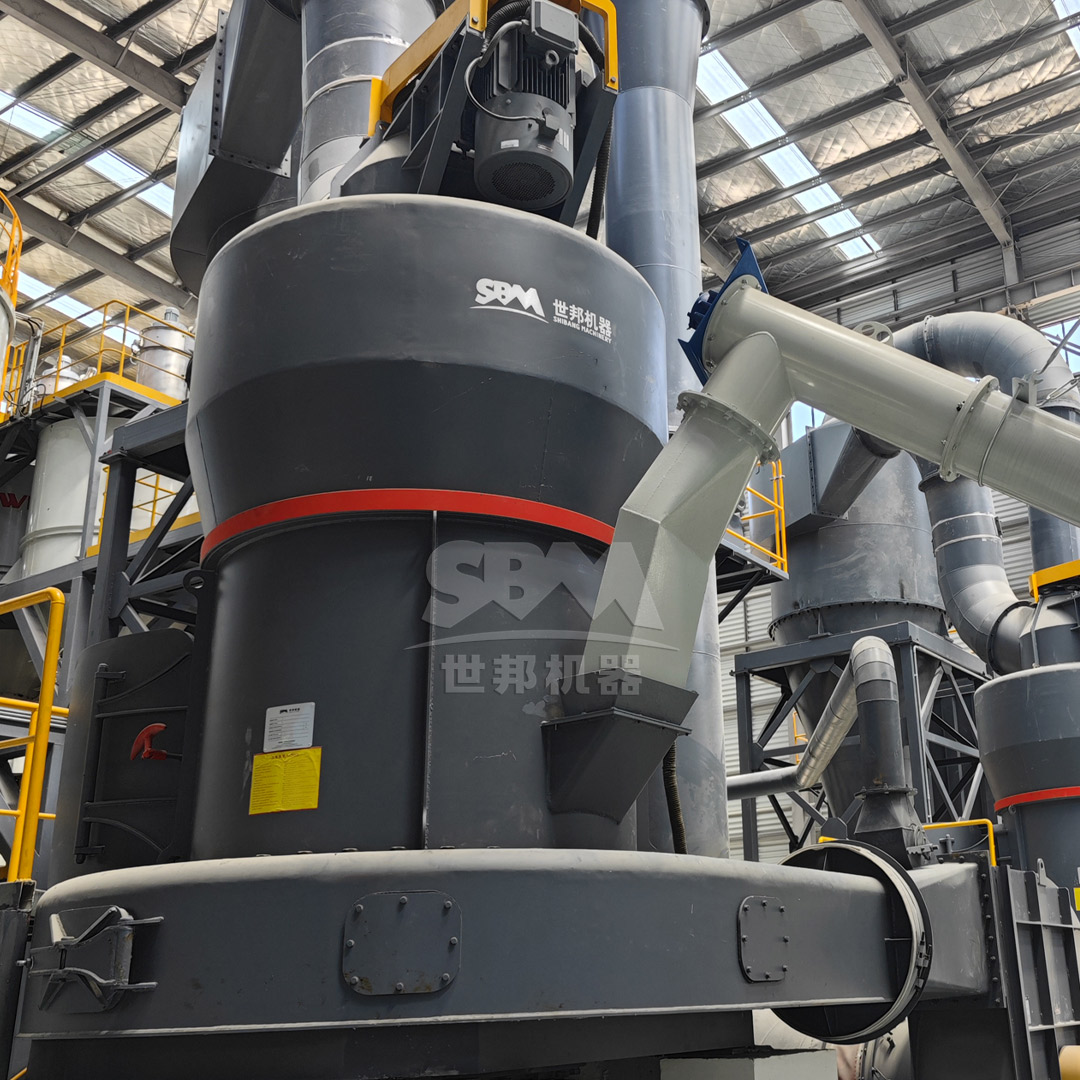
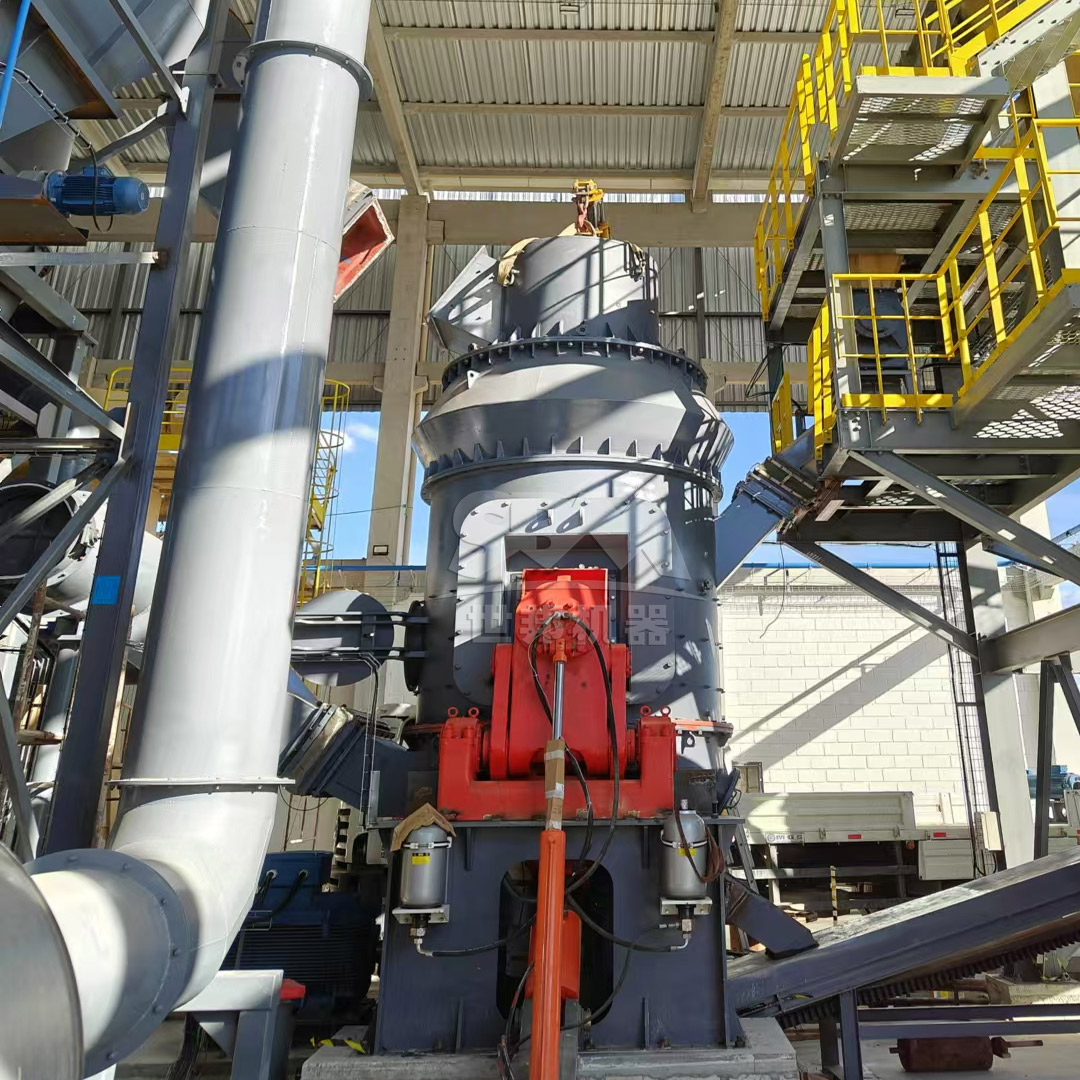
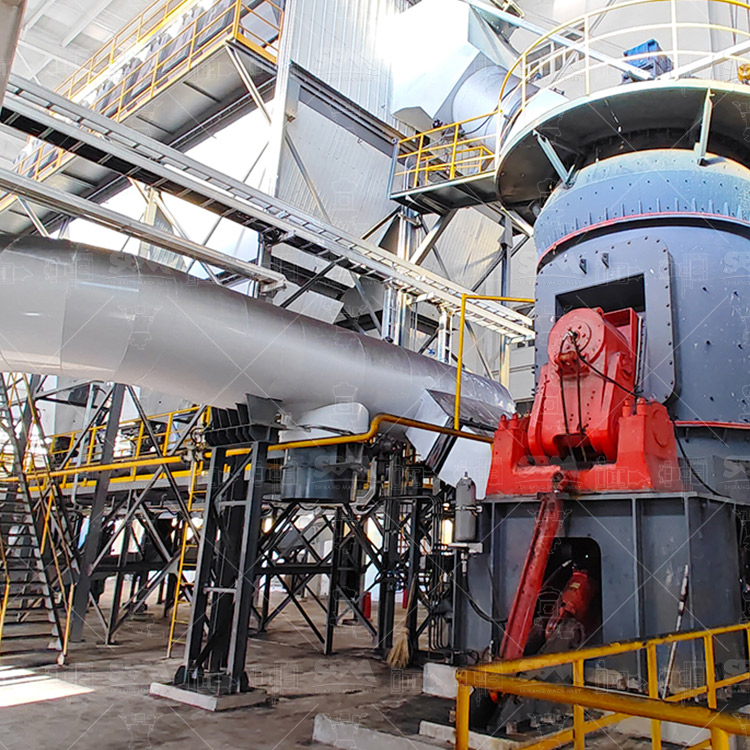
Vertical Roller Mills are the industry standard for coal grinding in large-scale power plants due to their high capacity, energy efficiency, and integrated classification system. The LM Series Vertical Roller Mill is a prime example of this technology. It combines crushing, grinding, drying, and classification into a single unit, significantly reducing the footprint of the grinding system. The working principle involves a rotating grinding table and stationary rollers that apply hydraulic pressure to crush the coal bed. Hot air is introduced to dry the coal and transport the fine particles to the dynamic classifier. Coarse particles fall back to the table for re-grinding, ensuring a consistent product fineness.
The LM Series offers a capacity range from 3 to 250 tons per hour, making it suitable for a wide variety of plant sizes. Its non-contact design between rollers and table extends wear part life by three times compared to traditional mills. For desulfurization systems requiring a fineness of 5-20% residue on a 0.08mm sieve, the LM Series coal mills (LM80M to LM280M) are specifically engineered for this task, with main power configurations from 55kW to 900kW.
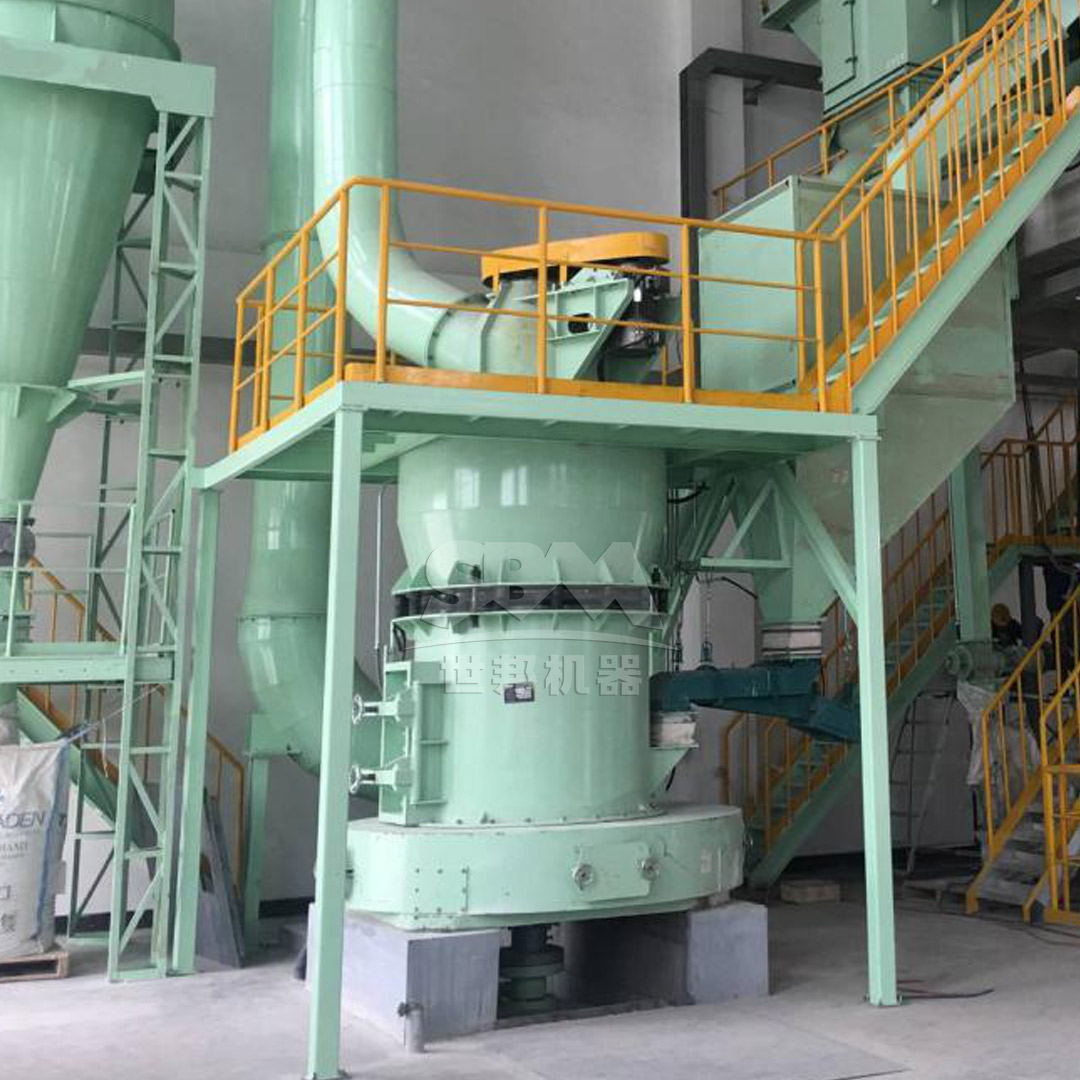
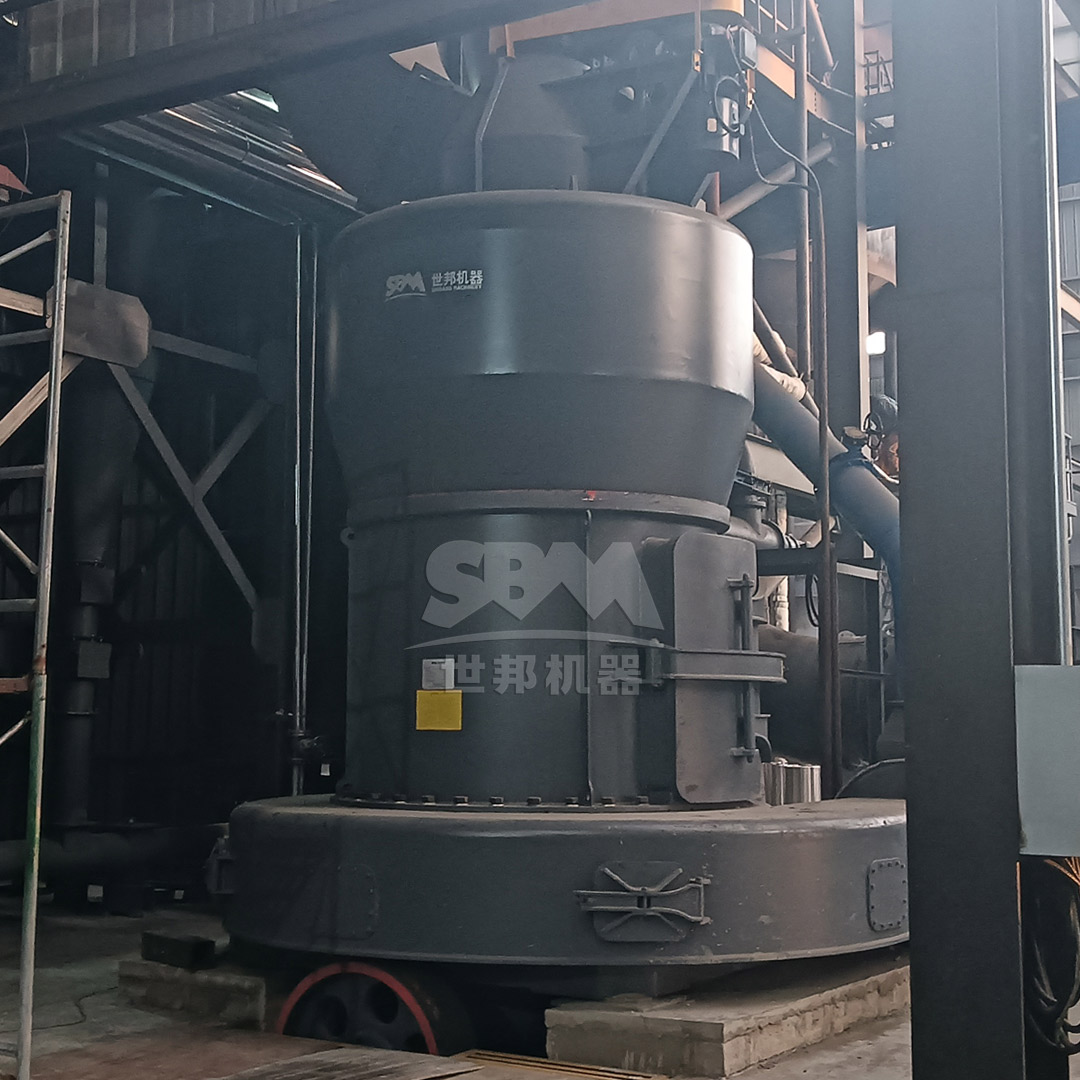
For medium-capacity applications where flexibility and efficiency are paramount, the MTW Series European Trapezium Mill provides an excellent solution. Its unique trapezium-shaped roller and ring design increases grinding efficiency by creating a larger contact area. The integral bevel gear drive system offers transmission efficiency up to 98%, which translates to lower energy consumption. This mill is particularly effective for grinding coal with a feed size up to 50mm down to a fineness of 30-325 mesh (600-45μm). The optimized arc air duct reduces airflow energy loss, making it a cost-effective choice for medium-sized desulfurization plants. Models like the MTW175G, with a capacity of 9.5-25 t/h, are popular for dedicated coal powder preparation systems.
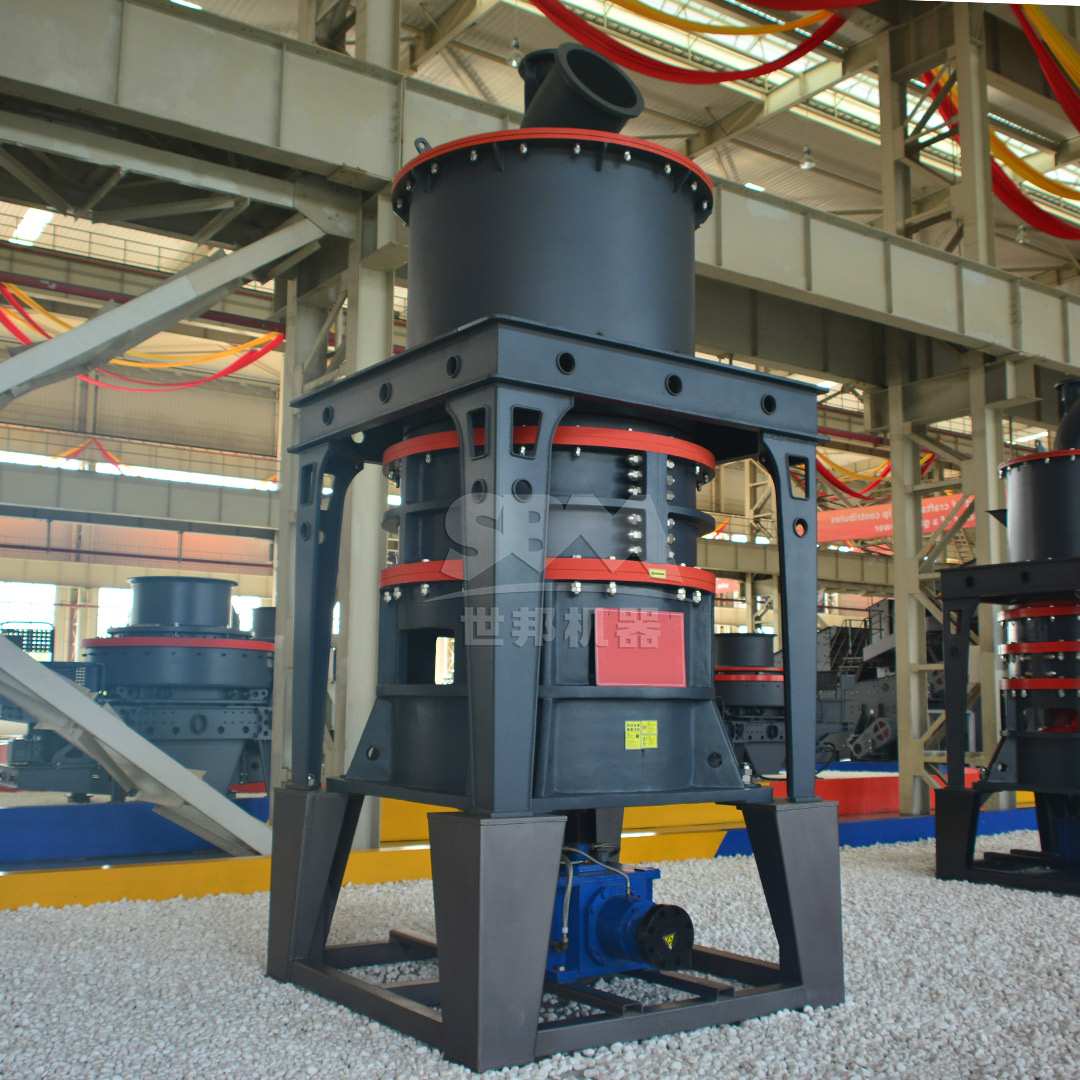
In some advanced desulfurization processes, such as circulating fluidized bed (CFB) boilers or systems requiring ultra-fine coal powder for enhanced reactivity, the SCM Series Ultrafine Mill is the equipment of choice. Capable of producing powder with a fineness of 325-2500 mesh (45-5μm), this mill utilizes a multi-layer grinding ring system that works in conjunction with a vertical turbine classifier to ensure precise particle size cutting with no coarse powder mixing. Its intelligent control system provides automatic finished product granularity feedback, adjusting the grinding pressure to optimize energy use. The capacity ranges from 0.5 to 25 tons per hour, catering to smaller, high-precision production lines.
For primary crushing or pre-processing stages, Hammer Mills offer a robust solution for reducing raw coal from sizes up to 40mm down to 0-3mm. They are not typically used for final grinding in desulfurization but are essential in multi-stage grinding circuits. Pendulum Mills, such as the MRN Series, provide a middle ground with capacities up to 83 t/h and fineness down to 30 mesh, suitable for coarse powder production in systems with less stringent fineness requirements.
Choosing the right mill for a coal desulfurization system involves analyzing several critical factors. The following table summarizes the key selection parameters based on equipment class.
| Parameter | LM Series VRM | MTW Series Mill | SCM Ultrafine Mill |
|---|---|---|---|
| Input Size | ≤50mm | ≤50mm | ≤20mm |
| Output Fineness | 30-325 mesh | 30-325 mesh | 325-2500 mesh |
| Capacity (t/h) | 3 – 250 | 3 – 45 | 0.5 – 25 |
| Key Advantage | Highest capacity & integration | High efficiency & drive | Ultra-fine & precise classification |
| Application | Large power plants | Medium plants / steel mills | High-reactivity / CFB systems |
Beyond the mill type, the selection process must also consider the coal’s hardness (HGI), moisture content, and abrasiveness. For high-moisture coal, the vertical roller mill’s ability to utilize hot air for simultaneous drying and grinding is a major advantage. For highly abrasive coals, wear-resistant liner materials, such as high manganese steel or specialized ceramics, become critical. The specific energy consumption (kWh/t) is another vital metric; modern mills like the LM Series can achieve 30-40% lower energy consumption compared to older ball mill systems.
Based on our extensive experience in supplying equipment for flue gas treatment, we highly recommend two specific machines for coal powder production that offer the best balance of performance, durability, and cost-efficiency.
First, the SCM Series Ultrafine Mill is our premier solution for operations requiring a very fine and consistent coal powder (45-5μm). Its capacity is double that of traditional jet mills, with 30% lower energy consumption. The intelligent automatic control system with finished product granularity feedback ensures that your desulfurization reagent quality remains stable, regardless of variations in raw coal feed. The vertical turbine classifier guarantees that no coarse particles mix into the final product, which is crucial for maximizing the surface area reaction in desulfurization processes. For a typical small to medium-scale system requiring 0.5 to 8.5 tons per hour, the SCM800 or SCM1000 models are ideal, offering main motor powers from 75kW to 132kW.
Second, the MTW Series European Trapezium Mill is the workhorse for larger, continuous operations. With a robust capacity ranging from 3 to 45 tons per hour, this machine excels in producing coal powder for utility boilers. The integral bevel gear drive ensures that transmission efficiency hits 98%, saving significant electricity over the lifecycle of the equipment. The combined shovel blade design and wear-resistant volute structure reduce maintenance costs by up to 30%, ensuring high uptime. The MTW175G model, with a 160kW main motor and capacity of 9.5-25 t/h, is a perfect fit for a dedicated coal mill system in a mid-sized power plant. Both machines offer the reliability required for continuous 24/7 operation in harsh industrial environments.
Investing in the correct coal powder production equipment is essential for the efficiency and reliability of any desulfurization system. The choice between a high-capacity Vertical Roller Mill, a versatile European Trapezium Mill, or a precision Ultrafine Mill depends on the specific requirements of the plant, including capacity, fineness, and budget. By prioritizing energy efficiency, durability, and intelligent control, operators can significantly reduce operating costs while meeting stringent environmental emission standards. The SCM and MTW series mills represent the cutting edge of this technology, offering proven solutions for both new projects and upgrades to existing facilities. Proper selection and maintenance of these key machines will lead to a more efficient, environmentally friendly, and profitable operation.