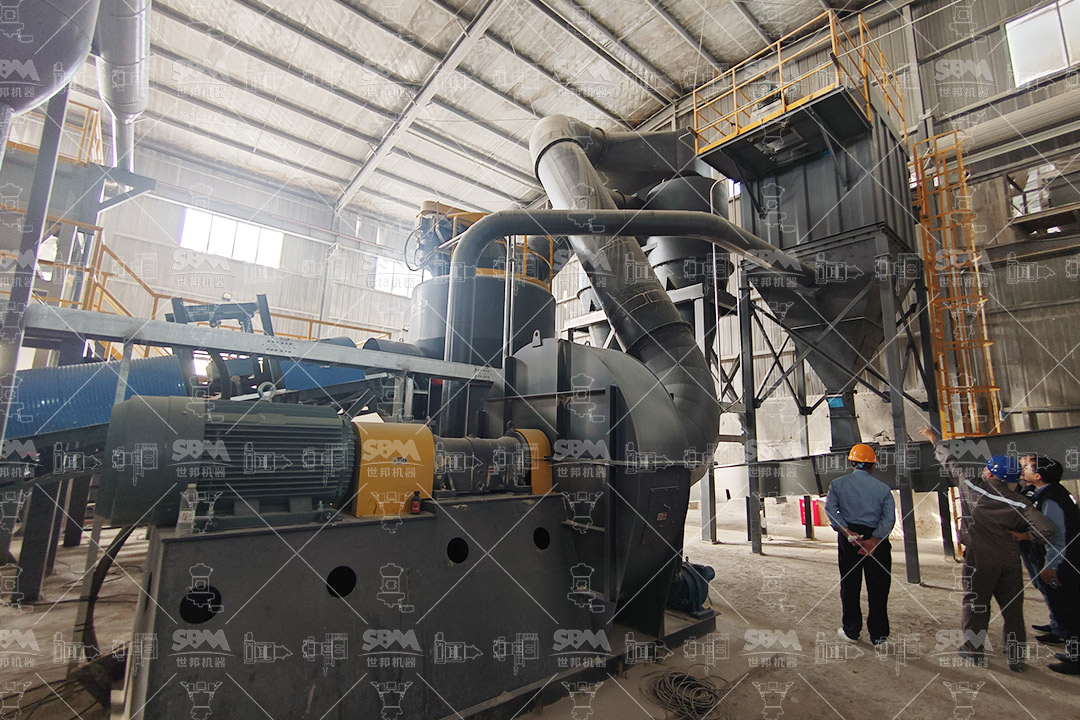
In the modern construction and building materials industry, quartz powder stands as a critical raw material for producing high-end terrazzo, engineered stone, decorative coatings, and high-performance concrete. The quality of quartz powder directly determines the strength, durability, and aesthetic appeal of the final product. As a result, selecting the right production equipment is not merely a technical decision—it is a strategic investment. This guide provides a comprehensive overview of building-grade quartz powder production equipment, focusing on key selection criteria, processing workflows, and advanced milling technologies that ensure optimal output fineness, energy efficiency, and operational reliability.
Whether you are a plant manager aiming to upgrade your production line or a consultant evaluating new machinery, understanding the nuances of each milling system is essential. We will explore the core stages of quartz processing, from primary crushing to ultrafine grinding, and introduce industry-leading solutions designed to maximize your return on investment.
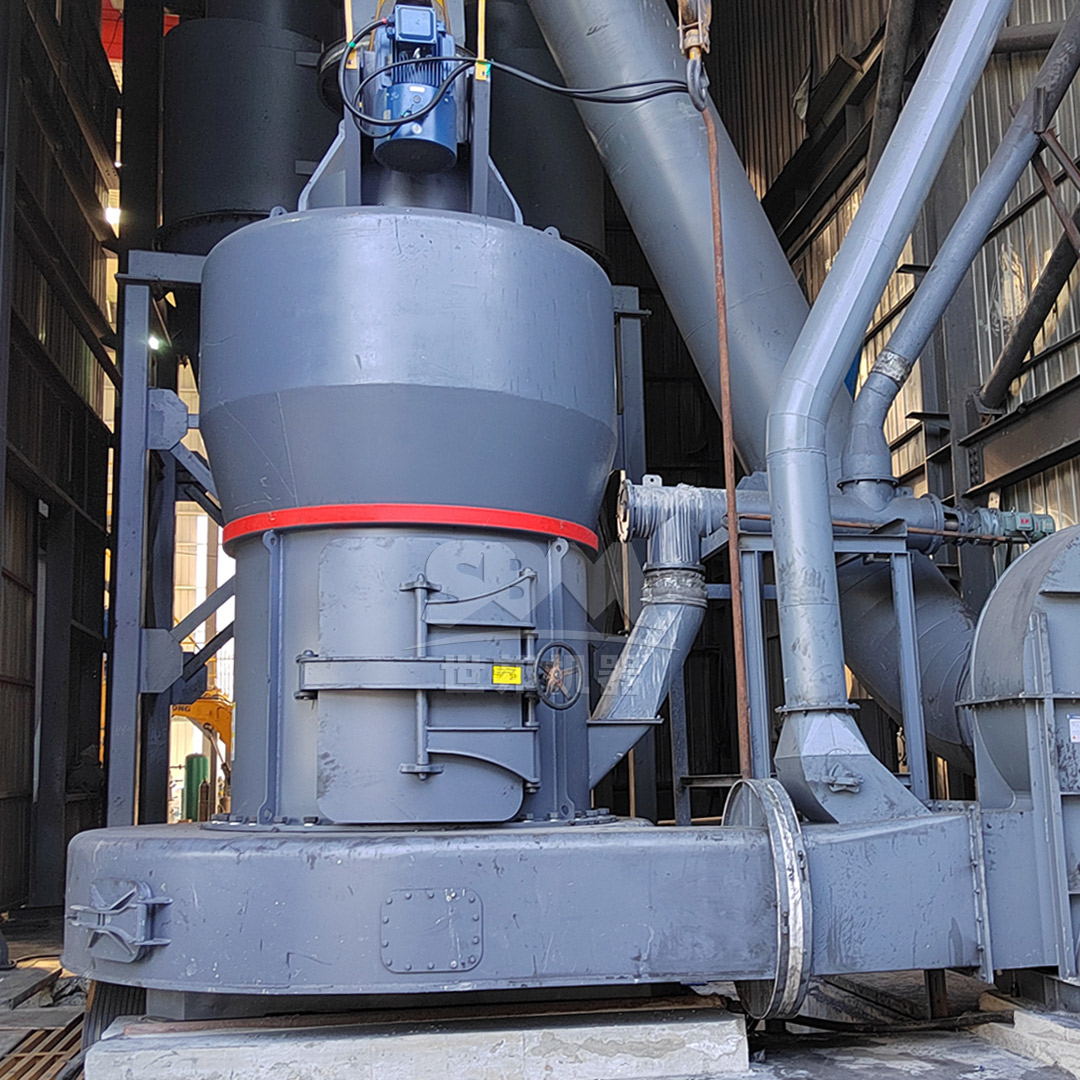
Before diving into equipment selection, it is crucial to define the target product specifications. Building-grade quartz powder typically requires a fineness ranging from 30 mesh (for coarse aggregates) to 2500 mesh (for ultra-fine fillers). The key quality parameters include:
The selection of milling equipment must align with these specifications. For instance, producing a fine powder of 325 mesh (45 μm) for terrazzo tiles requires a different approach than producing a coarse 80 mesh (180 μm) material for concrete aggregates.
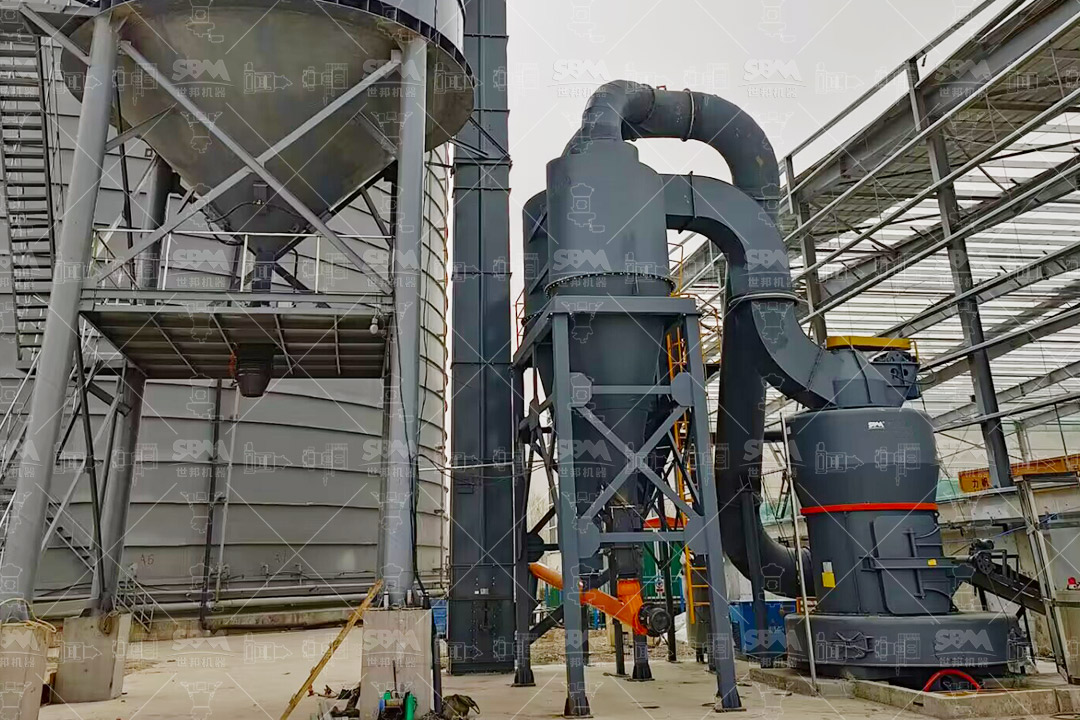
The journey from raw quartz rock (typically 200-500mm) to fine powder begins with primary crushing. Jaw crushers and hammer mills are commonly used to reduce the feed size to below 20-50mm, making it suitable for subsequent grinding stages. A Hammer Mill is particularly effective for medium-hard materials like quartz, offering a high reduction ratio and a compact footprint.
For example, our PC series hammer mills can process feed material up to 40mm and reduce it to 0-3mm in a single pass, with capacities ranging from 8 to 70 tons per hour. This pre-grinding step not only enhances the efficiency of the main mill but also reduces wear on downstream equipment.
The heart of any quartz powder production line is the main grinding mill. The choice between different mill types depends on the target fineness, capacity requirements, and energy budget. Below we analyze the most effective systems for building-grade quartz.
For applications requiring a fineness of 30 to 325 mesh, the MTW Series European Trapezium Mill is a benchmark solution. Its integral bevel gear drive achieves up to 98% transmission efficiency, significantly reducing energy consumption. The optimized arc air duct minimizes airflow resistance, while anti-wear shovel designs extend service life. With a capacity reaching 45 tons per hour, this mill is ideal for large-scale production of standard-grade quartz powder used in medium-level building materials.
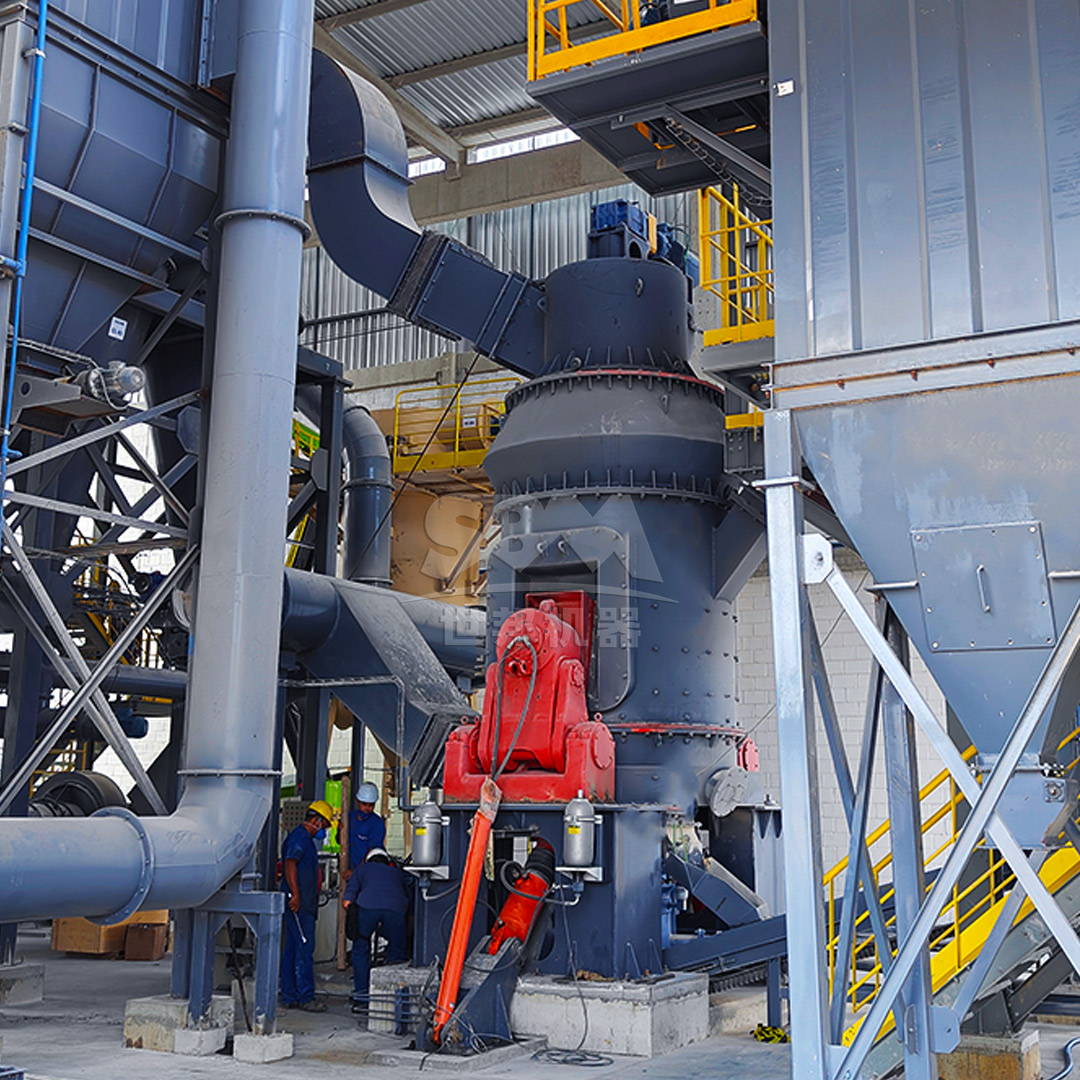
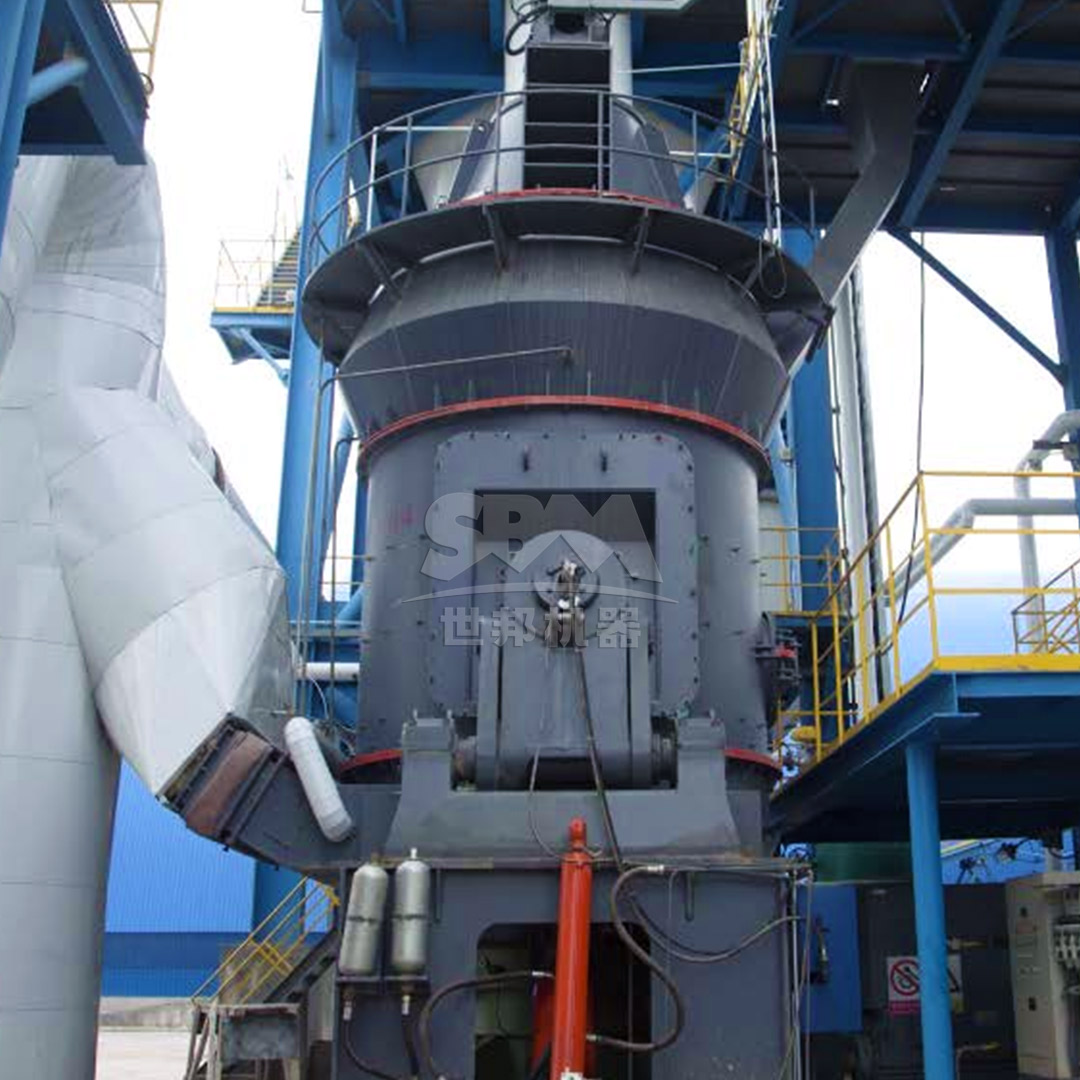
When capacity demands exceed 50 tons per hour, the LM Series Vertical Roller Mill becomes the preferred choice. Its integrated design combines crushing, grinding, drying, and classification into a single unit, reducing floor space by 50% and infrastructure costs by 40%. The non-contact design between rollers and table means wear parts last up to three times longer than traditional systems. For cement pre-grinding and quartz sand processing, the LUM vertical mill models (such as LUM1525 and LUM1836) offer precise classification down to 2500 mesh, making them suitable for high-end specifications.
For the most demanding applications—such as high-gloss coatings and premium engineered stone—ultrafine quartz powder with a fineness of 325 to 2500 mesh is required. This is where the SCM Series Ultrafine Mill excels. With an input size of ≤20mm and a capacity of 0.5 to 25 tons per hour, the SCM mill offers twice the capacity of jet mills while consuming 30% less energy. The vertical turbine classifier ensures precise particle size cutting with zero coarse powder mixing, guaranteeing uniform finished products. Its shaftless screw grinding chamber and special material rollers provide exceptional durability, making it a reliable workhorse for continuous production.
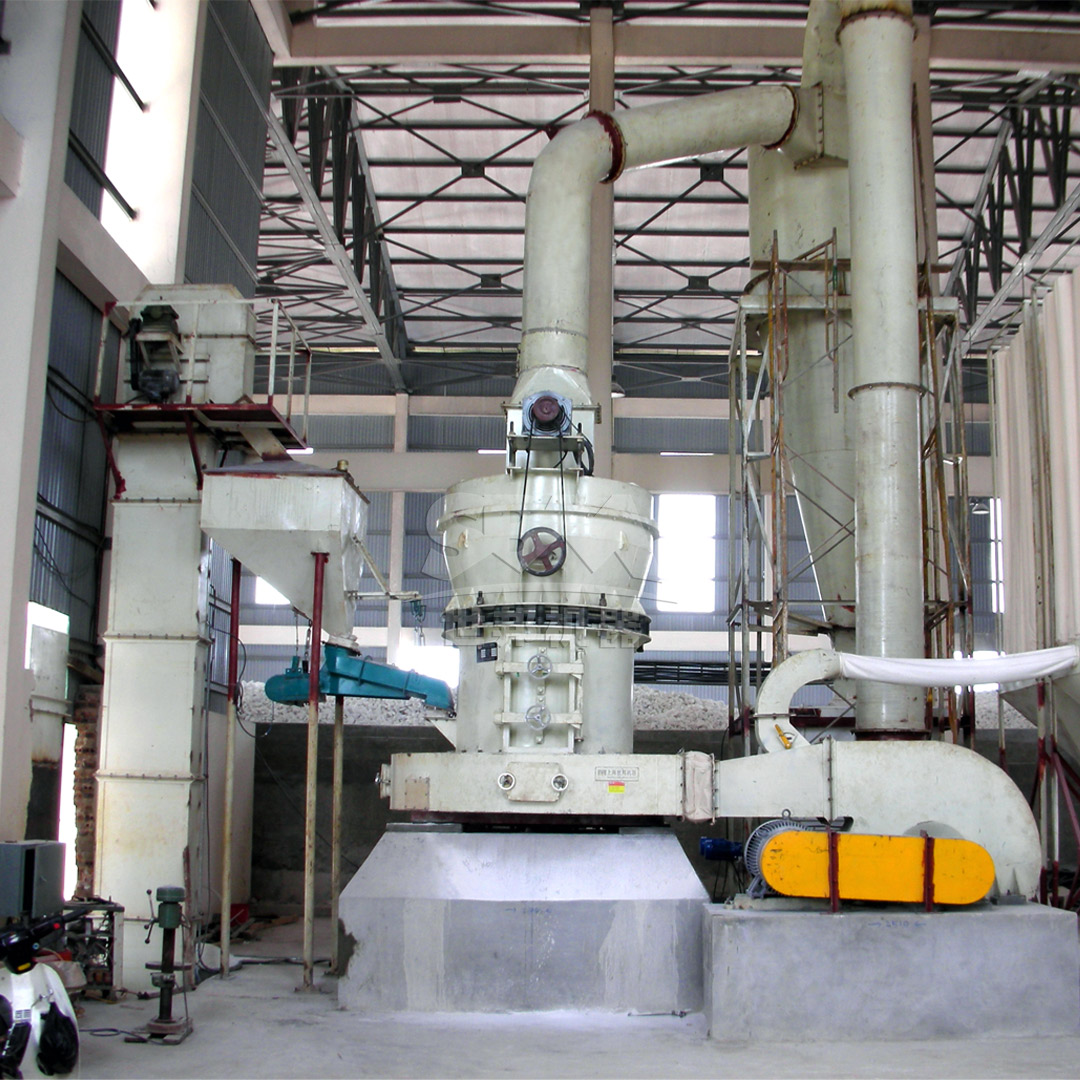
| Model | Capacity (t/h) | Main Power (kW) | Fineness (mesh) |
|---|---|---|---|
| SCM800 | 0.5-4.5 | 75 | 325-2500 |
| SCM900 | 0.8-6.5 | 90 | 325-2500 |
| SCM1000 | 1.0-8.5 | 132 | 325-2500 |
| SCM1250 | 2.5-14 | 185 | 325-2500 |
| SCM1680 | 5.0-25 | 315 | 325-2500 |
After grinding, the powder must be classified to ensure the precise particle size meets building material standards. Modern classifiers, such as the vertical turbine type found in our LUM and SCM mills, utilize multi-rotor technology to achieve sharp separation. No coarse particles are allowed to pass, ensuring a uniform product that improves the workability of cement and the finish of terrazzo.
Dust collection is equally critical. Pulse dust removal systems with efficiency exceeding international standards not only protect the environment but also allow for the recovery of valuable fine powder. Pulse dust collectors with automatic bag cleaning reduce emissions to nearly zero, while soundproof room designs keep noise levels below 85 dB, creating a safer working environment.
For building material manufacturers targeting the high-end market, we highly recommend the SCM Series Ultrafine Mill. Its ability to produce powders from 325 to 2500 mesh with precise particle size distribution makes it the ideal solution for producing quartz filler used in high-gloss polymers and premium coatings. The intelligent control system automatically adjusts settings based on finished product granularity feedback, ensuring consistent quality without constant manual intervention.
In addition to the SCM series, the MTW European Trapezium Mill remains the top choice for medium-scale operations requiring a fineness of 30-325 mesh. Its robust construction, energy-saving arc air duct, and ease of maintenance provide a balanced solution for producers who need reliable output without the complexity of ultrafine systems. For example, the MTW215G model can process 15-45 tons per hour of quartz, making it a versatile workhorse for standard building applications.
Understanding the working principle of these mills helps in making an informed selection. In a typical SCM mill, the main motor drives three layers of grinding rings to rotate. Materials are fed centrally, dispersed into the grinding path by centrifugal force, and crushed layer by layer between the rollers and rings. The powder is then lifted by airflow to the classifier for separation. Qualified fines pass through, while coarse particles return to the grinding chamber. The final product is collected by a cyclone collector and a pulse dust removal system, ensuring a clean, dry powder ready for packaging.
For a complete quartz powder production line, we recommend the following flow: Raw Quartz → Jaw Crusher → Hammer Mill (optional) → Storage Bin → Vibrating Feeder → SCM Ultrafine Mill or MTW Trapezium Mill → Classifier → Cyclone Collector → Dust Collector → Finished Product Silo.
When selecting equipment, consider not only the initial purchase price but also the total cost of ownership (TCO). Factors such as energy consumption, wear part replacement, maintenance downtime, and product yield significantly affect profitability. The LM Series Vertical Roller Mill offers a 30-40% reduction in energy consumption compared to ball mill systems, while SCM mills use 30% less energy than jet mills of equivalent output. Additionally, the long-life wear parts in these mills reduce annual maintenance costs by up to 30%.
Our patented technologies—such as the internal suction oil lubrication system and modular grinding roller assemblies—further reduce downtime and extend equipment life. For building contractors and material suppliers, this translates into consistent production schedules and higher margins.
Selecting the right building-grade quartz powder production equipment is a multifaceted decision that requires balancing capacity, fineness, energy efficiency, and capital investment. From primary hammer mills to high-precision ultrafine classifiers, each piece of equipment plays a vital role in delivering the quality needed for modern construction materials. We invite you to evaluate the SCM Series Ultrafine Mill and MTW European Trapezium Mill as core components of your next project.
Contact our team today for a detailed consultation, sample testing, and a customized solution designed to meet your specific production requirements.