Titanium dioxide (TiO2) is a critical white pigment used extensively in paints, coatings, plastics, paper, and cosmetics. The production of high-quality titanium dioxide powder requires precision grinding and classification equipment to achieve the desired particle size distribution, whiteness, and purity. From the sulfate process to the chloride process, the final stage of TiO2 manufacturing involves milling the intermediate product into a fine, uniform powder. Selecting the right titanium powder production equipment is paramount for maximizing yield, reducing energy consumption, and ensuring consistent product quality.
Modern titanium dioxide manufacturing facilities rely on a range of advanced milling technologies, including ball mills, vertical roller mills, and ultrafine grinding mills. Each type of equipment offers distinct advantages depending on the feed material characteristics, target fineness, and production capacity. This comprehensive guide explores the key machinery involved in titanium dioxide powder production, providing technical insights into their working principles, advantages, and optimal application scenarios.
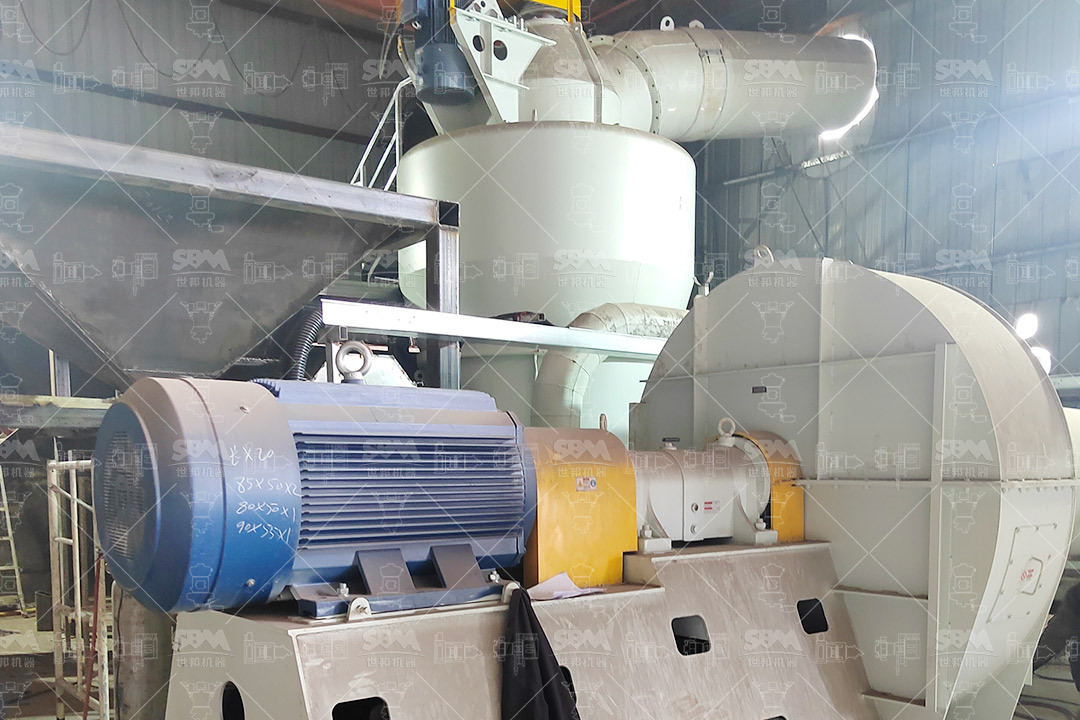
The performance of titanium dioxide as a pigment is directly linked to its particle size. Optimal particle sizes typically range from 200 to 400 nanometers for maximum light scattering and opacity. However, intermediate grinding stages often require coarser powders in the 45 micron (325 mesh) to 600 micron range before further processing or surface treatment. The grinding process must achieve tight particle size distributions while minimizing contamination and maintaining high throughput.
Key challenges in TiO2 powder production include:
• Achieving ultra-fine particle sizes (down to 5 microns or less) for specialty applications
• Maintaining consistent whiteness and brightness by avoiding iron contamination
• Managing high abrasion rates due to the hardness of titanium dioxide
• Reducing energy consumption which represents a significant operating cost
• Meeting strict environmental regulations for dust emissions and noise levels
Advanced milling equipment addresses these challenges through innovative designs incorporating wear-resistant materials, intelligent control systems, and efficient classification technologies.
Ball mills remain a workhorse in the titanium dioxide industry, particularly for primary grinding and large-volume processing. These robust machines utilize rotating cylinders filled with grinding media (typically high-chrome steel balls) to crush and grind material through impact and attrition. Their simple design and proven reliability make them suitable for continuous operation in large manufacturing plants.
| Parameter | GMQG2445 | GMQY3660 | GMQY3685 |
|---|---|---|---|
| Effective Volume | 14 m³ | 43 m³ | 56 m³ |
| Grinding Media Load | 37 tons | 102 tons | 131 tons |
| Main Motor Power | 400 kW | 1250 kW | 1500 kW |
| Capacity (TiO2) | 5.5-10.5 t/h | 28-34 t/h | 40-45 t/h |
| Discharge Size | 0.074-0.8 mm | 0.074-0.8 mm | 0.074-0.8 mm |
Ball mills offer several advantages for titanium dioxide production. They can handle large feed sizes up to 25mm and achieve high crushing ratios exceeding 300:1. The fineness is continuously adjustable, making them versatile for different product specifications. Their robust construction and proven technology ensure stable, reliable operation with reduced downtime. However, ball mills consume significant energy and may require more floor space compared to newer technologies. For large-scale TiO2 plants producing hundreds of tons per day, ball mills remain a cost-effective solution for primary and secondary grinding stages.
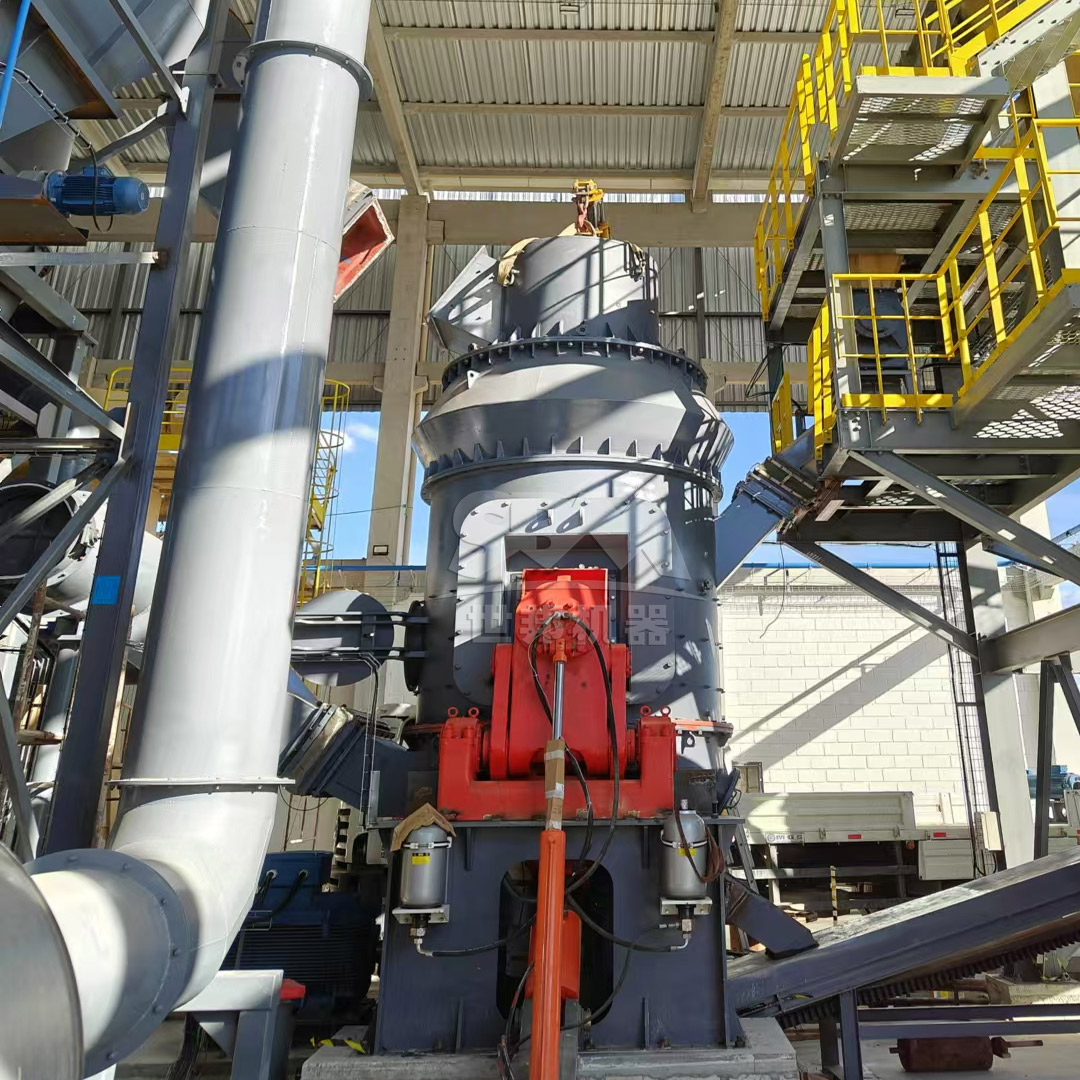
Vertical roller mills (VRMs) have gained widespread acceptance in TiO2 production due to their integrated design that combines crushing, grinding, classification, and drying in a single unit. This integrated approach significantly reduces floor space requirements by up to 50% and infrastructure costs by 40%. The LM series vertical roller mills exemplify this technology, offering capacities ranging from 3 to 250 tons per hour.
The working principle of a VRM involves a rotating grinding table and stationary grinding rollers that apply pressure to crush the material layer. Hot air or gas carries the finely ground particles to an integrated classifier, where oversized particles are separated and returned for regrinding while the fine product is collected. This closed-loop system provides precise control over product fineness and reduces energy consumption by 30-40% compared to traditional ball mill systems.
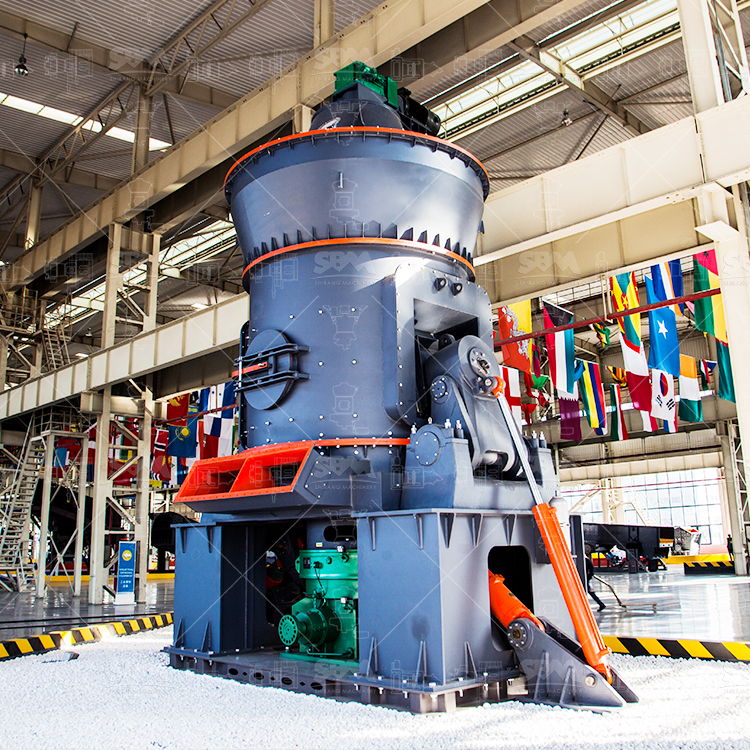
Non-contact design between rollers and grinding table extends wear part life by three times, while intelligent expert control systems enable remote monitoring and automatic adjustment of process parameters. For specialized TiO2 applications requiring specific surface areas or moisture content, the LM series offers dedicated configurations including fine-powder models (LM130X-GX to LM220X-GX) capable of achieving 325-600 mesh fineness and slag mill variants for processing byproducts with unique moisture requirements.
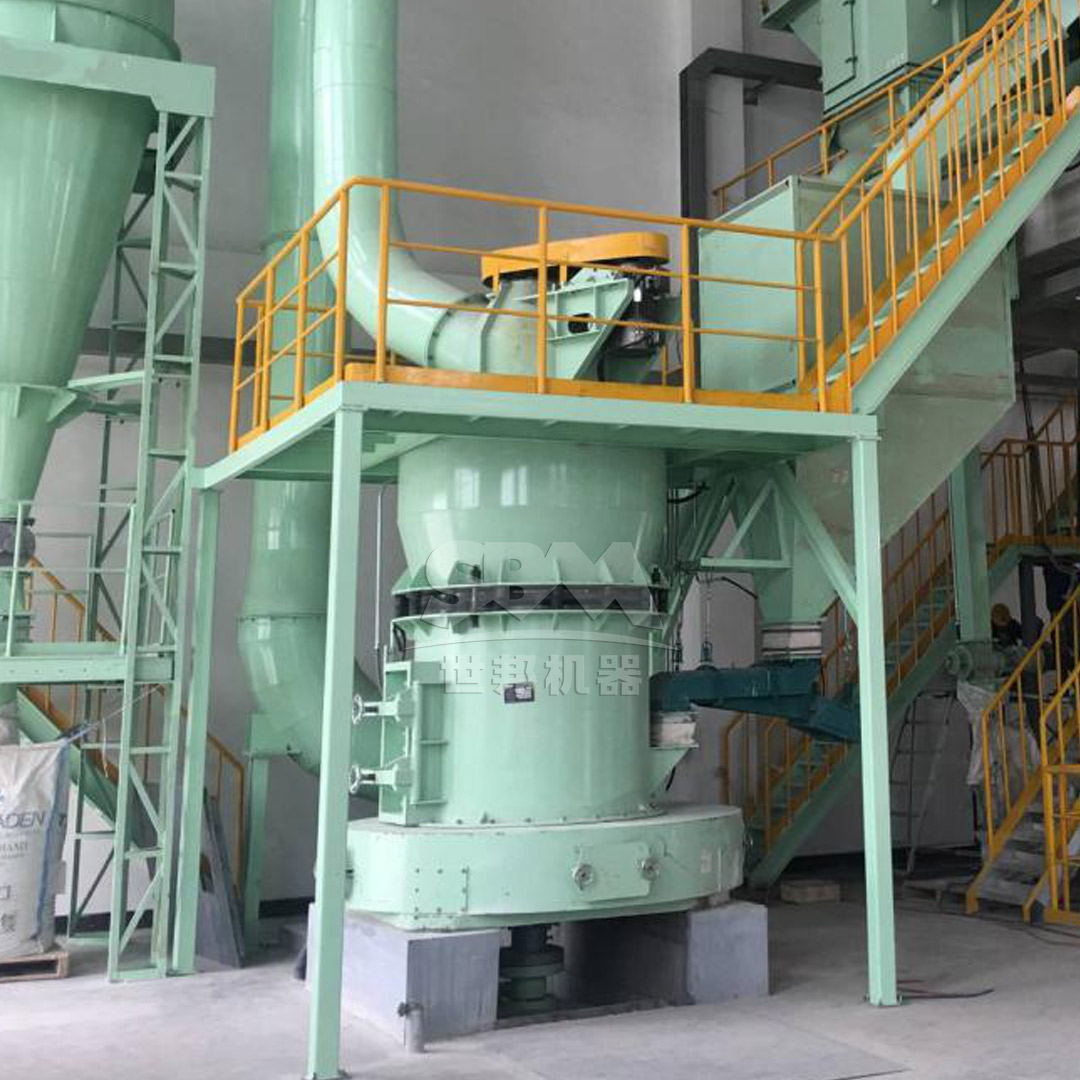
Medium-speed mills like the MTM series trapezium mill and MRN pendulum mill serve important roles in titanium dioxide powder production. The MTM series features innovative roller assembly designs with horizontal pull-rod connections that protect main shaft bearings, combined with automatic spring pressure systems that compensate for roller wear, extending service life by 30%.
The MRN pendulum mill incorporates first-in-class thin oil lubrication systems for maintenance-free operation, along with scientific configurations featuring new classifiers and isolated cyclones that reduce energy consumption. These mills are particularly suited for producing TiO2 powders in the 30-325 mesh range with capacities up to 83 tons per hour. Their compact footprint and intelligent pressure regulation systems make them attractive for mid-capacity production lines where flexibility and consistent quality are priorities.
Key technical specifications for the MTM series include:
• Feed size: ≤35mm
• Output fineness: 45-325 mesh (down to 0.038mm)
• Capacity: 3-22 tons per hour
• Dual reduction via damping springs and sealing strips for noise control
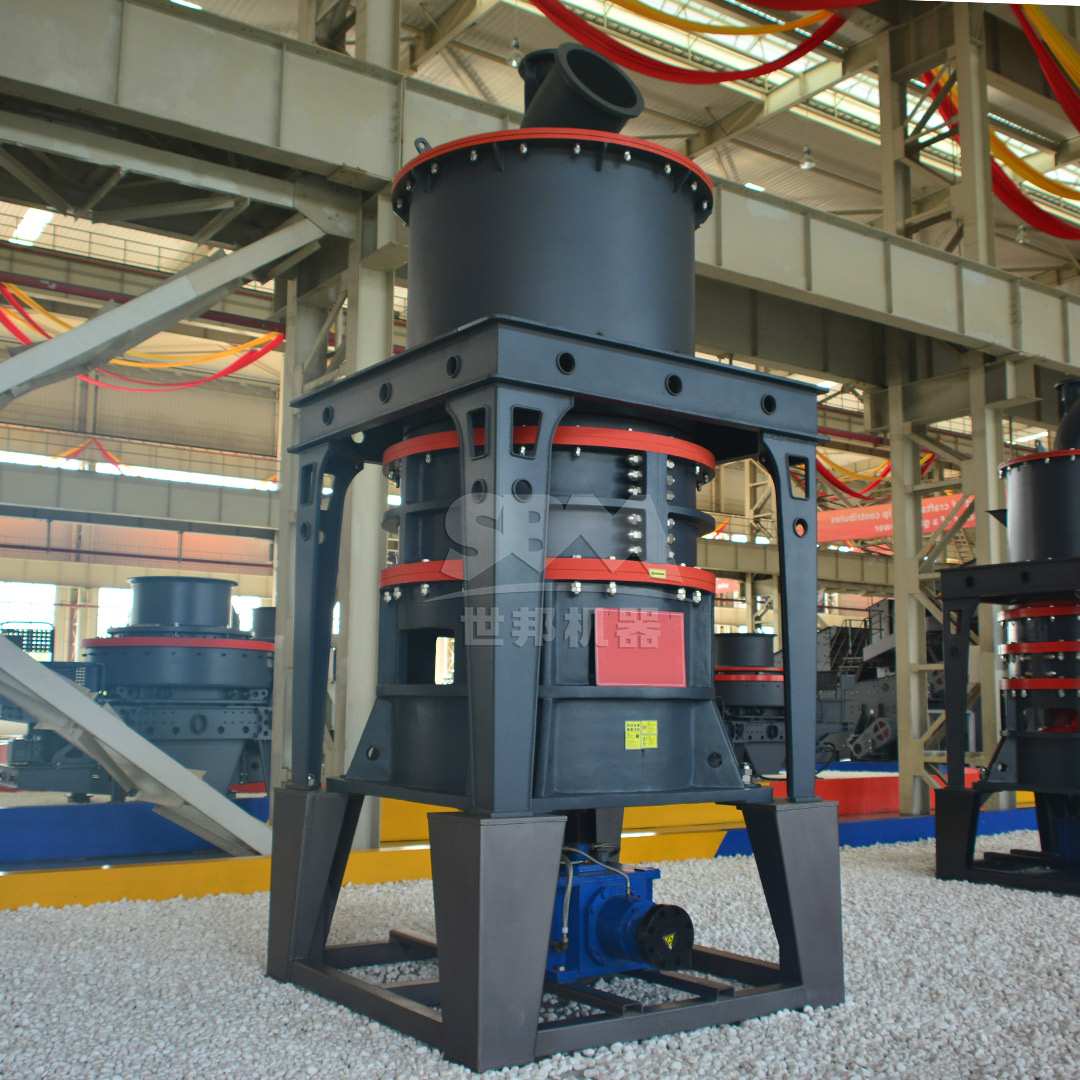
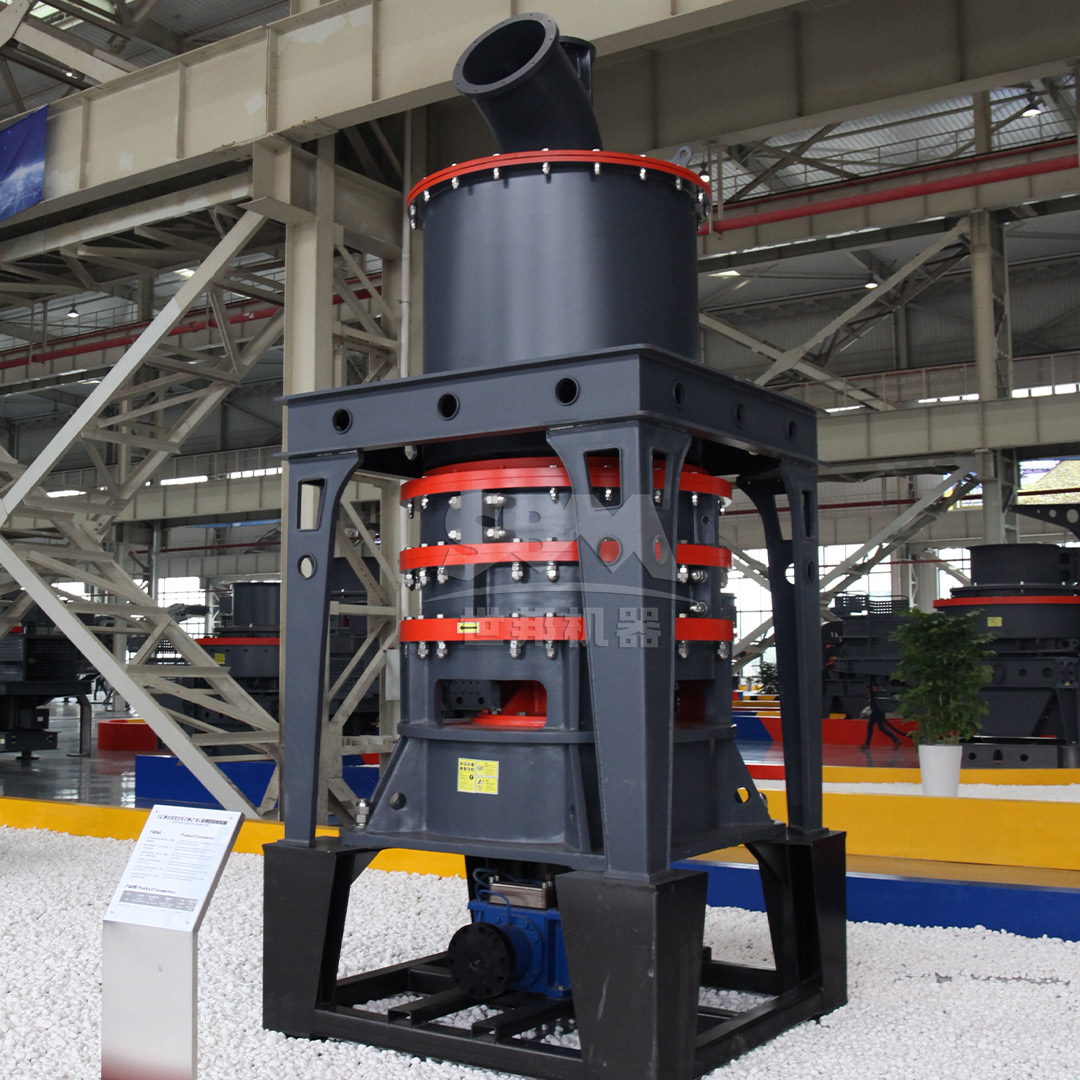
Specialty titanium dioxide applications, including cosmetics, high-performance coatings, and electronic materials, require ultrafine particles in the 325-2500 mesh range (5-45 microns). The SCM series ultrafine mill and LUM ultrafine vertical roller mill are specifically designed for this demanding application.
| Model | Capacity (t/h) | Main Power (kW) | Feed Size (mm) | Fineness (mesh) |
|---|---|---|---|---|
| SCM800 | 0.5-4.5 | 75 | 0-20 | 325-2500 |
| SCM1000 | 1.0-8.5 | 132 | 0-20 | 325-2500 |
| SCM1250 | 2.5-14 | 185 | 0-20 | 325-2500 |
| SCM1680 | 5.0-25 | 315 | 0-20 | 325-2500 |
The SCM series achieves twice the capacity of jet mills while consuming 30% less energy, thanks to its unique three-layer grinding ring design and vertical turbine classifier that provides precise particle size cutting without coarse powder mixing. Special material rollers and rings extend service life several times over, while the shaftless screw grinding chamber ensures stable operation even during continuous high-volume production.
For titanium dioxide manufacturers seeking to optimize their ultrafine grinding operations, the SCM1680 Ultrafine Mill represents the pinnacle of efficient, high-capacity fine powder production. With a feed size tolerance of up to 20mm and output fineness adjustable from 325 to 2500 mesh, this machine delivers exceptional throughput of 5-25 t/h while maintaining the tight particle size distributions required for premium TiO2 products.
The LUM series offers complementary capabilities with unique roller and liner curves that improve grinding efficiency, multi-rotor classification technology that eliminates coarse particles, and PLC automation for consistently stable operation under negative pressure conditions. Both series are designed for environmental compliance, incorporating pulse dust collection systems that exceed international standards and soundproof enclosures that maintain noise levels within regulatory limits.
Pre-grinding plays a crucial role in optimizing the overall efficiency of TiO2 powder production lines. The LM-Y vertical pre-grinding roller mill is specifically designed for this purpose, handling feed sizes up to 20mm and delivering pre-ground material to downstream mills. Its bed grinding principle reduces power consumption by 30-50% compared to conventional crushing methods, while the hydraulic quick-change system facilitates rapid roller replacement during maintenance.
Hammer mills also find application in titanium dioxide processing, particularly for initial size reduction of bulk materials. The PC series hammer mills feature wear-resistant high-manganese steel liners and rotors with 18-32 hammers depending on the model. With capacities ranging from 8 to 70 tons per hour and output sizes adjustable from 0 to 3mm, they provide an efficient pre-processing step for large-scale operations.
The choice of titanium powder production equipment depends on several factors including raw material characteristics, target product specifications, production capacity requirements, and budget constraints. A typical TiO2 grinding circuit may combine multiple technologies in series: hammer mills for primary crushing, ball mills or VRMs for intermediate grinding, and ultrafine mills for final product finishing.
For manufacturers requiring maximum flexibility across a range of TiO2 fineness specifications, the MTW215G European Trapezium Mill offers an exceptional balance of capacity and precision. This model handles feed sizes up to 50mm while delivering output fineness from 10 to 325 mesh at rates of 15-45 tons per hour. Its integral bevel gear drive system achieves 98% transmission efficiency, while the anti-wear shovel design with combined blades reduces maintenance costs and extends grinding roller life.
Key considerations in equipment selection include:
• Feed material hardness and abrasiveness
• Required particle size distribution and uniformity
• Moisture content and drying requirements
• Available floor space and infrastructure
• Energy costs and environmental regulations
• Maintenance capabilities and spare parts availability
Advanced features such as intelligent control systems, wear-resistant components, and integrated classification can significantly impact total cost of ownership and product quality consistency. Partnering with experienced equipment manufacturers who understand the specific requirements of titanium dioxide production is essential for successful project implementation.
As the global demand for high-quality titanium dioxide continues to grow, manufacturers must invest in advanced milling technologies that deliver superior product quality while minimizing operational costs. The evolution from traditional ball mills to integrated vertical roller mills, medium-speed mills, and ultrafine grinding systems has transformed the TiO2 production landscape, enabling tighter particle size control, higher energy efficiency, and reduced environmental impact.
From the robust reliability of ball mills handling hundreds of tons per day to the precision of ultrafine mills achieving sub-micron particle sizes, modern titanium powder production equipment offers solutions for every scale and specification. By carefully evaluating process requirements and selecting appropriate machinery from the comprehensive range of available options, TiO2 manufacturers can achieve competitive advantages in product quality, production efficiency, and sustainability.