Limestone is the primary raw material for cement production, accounting for approximately 70-80% of the raw meal composition. Selecting the optimal processing equipment is critical to ensuring high production efficiency, consistent product quality, and low operating costs. The best equipment depends on several factors, including the required fineness of the final product, the desired capacity, the moisture content of the limestone, and the overall energy efficiency goals of the plant.
Before diving into specific equipment types, it is essential to understand the key parameters that define the ‘best’ solution for a cement plant. These include:
Several mill types are commonly used in the cement industry for limestone processing. Each has its specific strengths and ideal application scenarios.
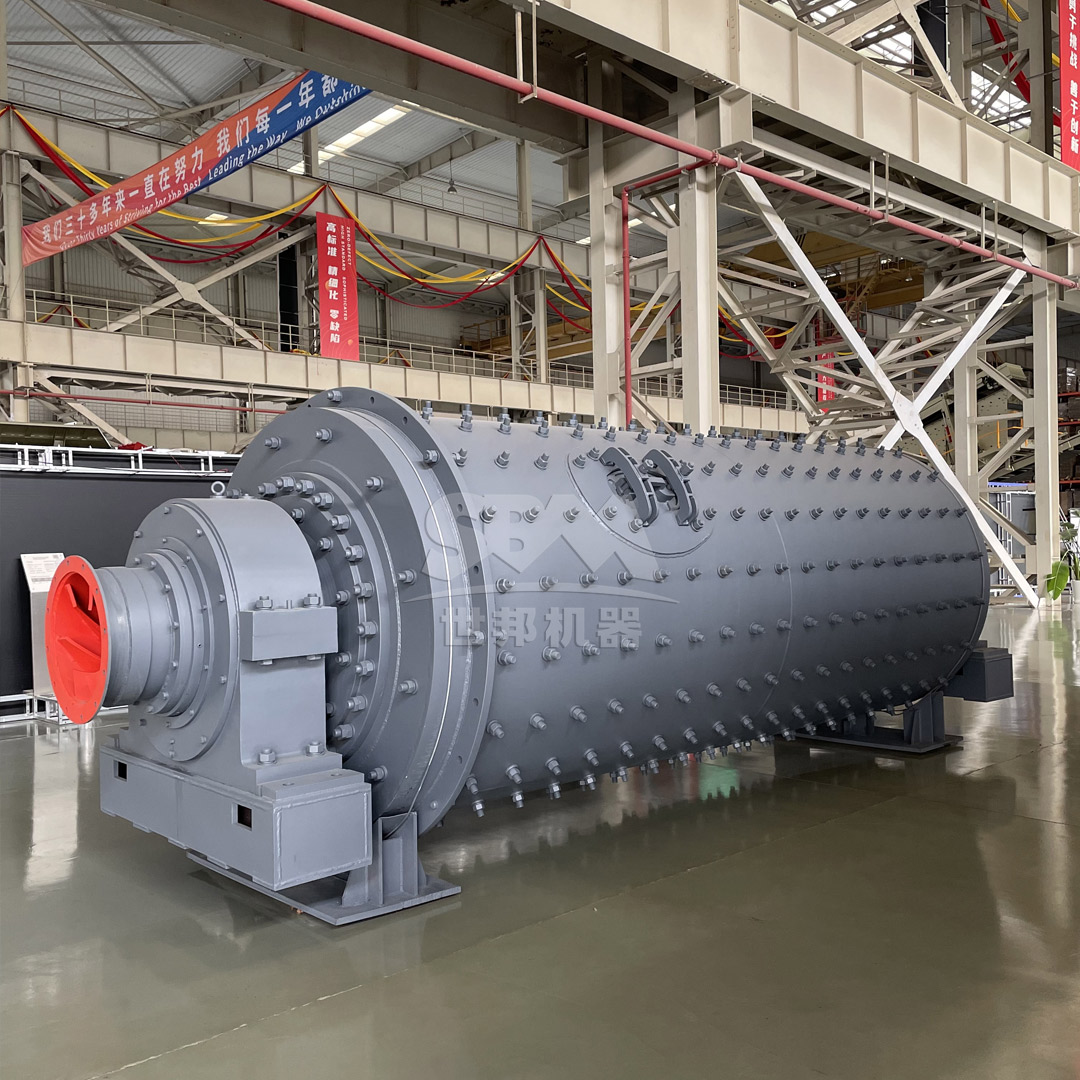
Traditional ball mills are a proven technology with a wide application range. They offer high crushing ratios and can handle both dry and wet grinding. However, they are known for high energy consumption and a large footprint. A ball mill is suitable for coarse grinding where capacity is prioritized over energy efficiency.
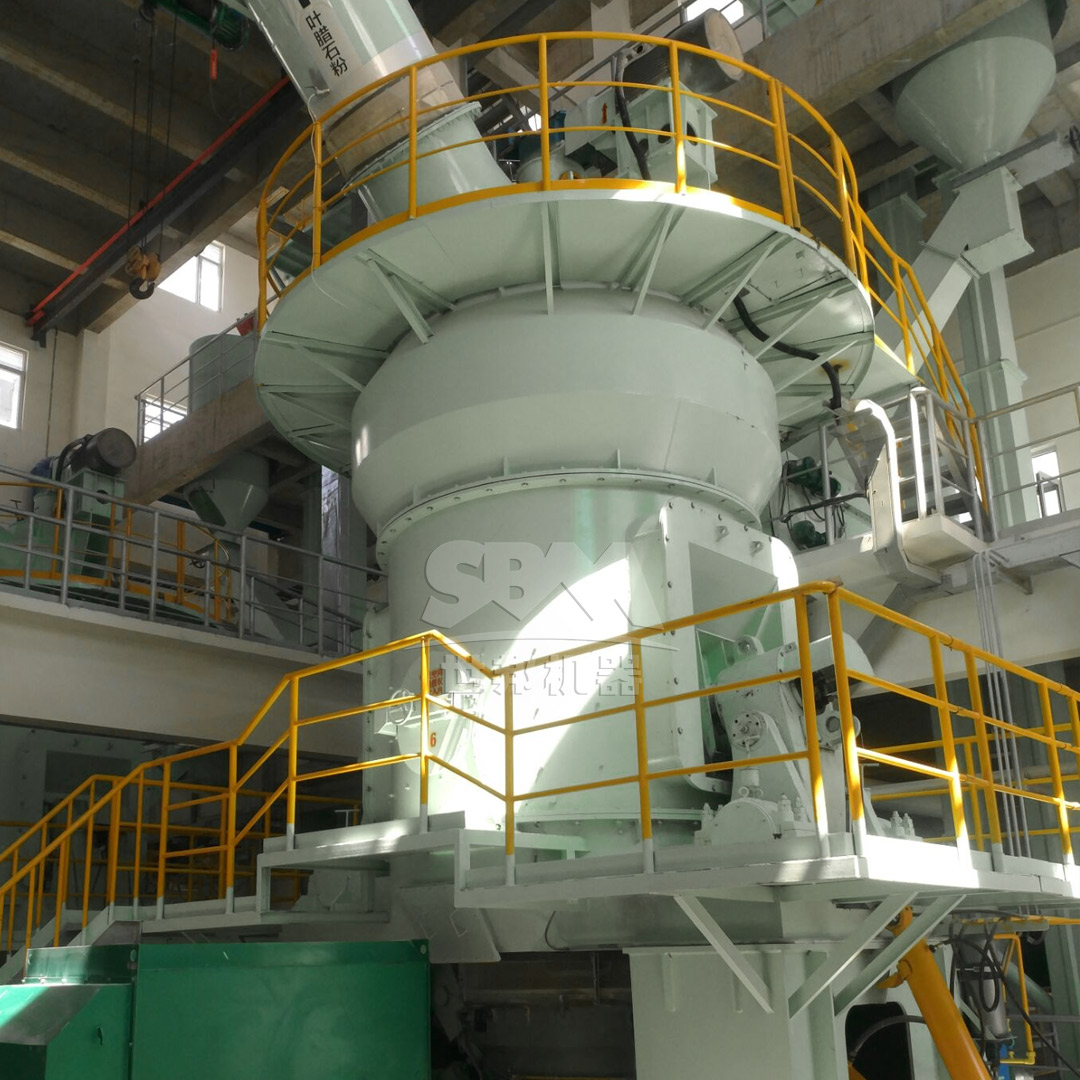
Vertical roller mills have become the industry standard for modern cement plants. Unlike ball mills, VRMs use a bed-grinding principle, which significantly reduces energy consumption by 30-40%. They also integrate drying, grinding, and classification into a single unit, reducing floor space by up to 50% and simplifying the process flow. For applications requiring a product fineness of 30-325 mesh, a VRM is often the most efficient choice.
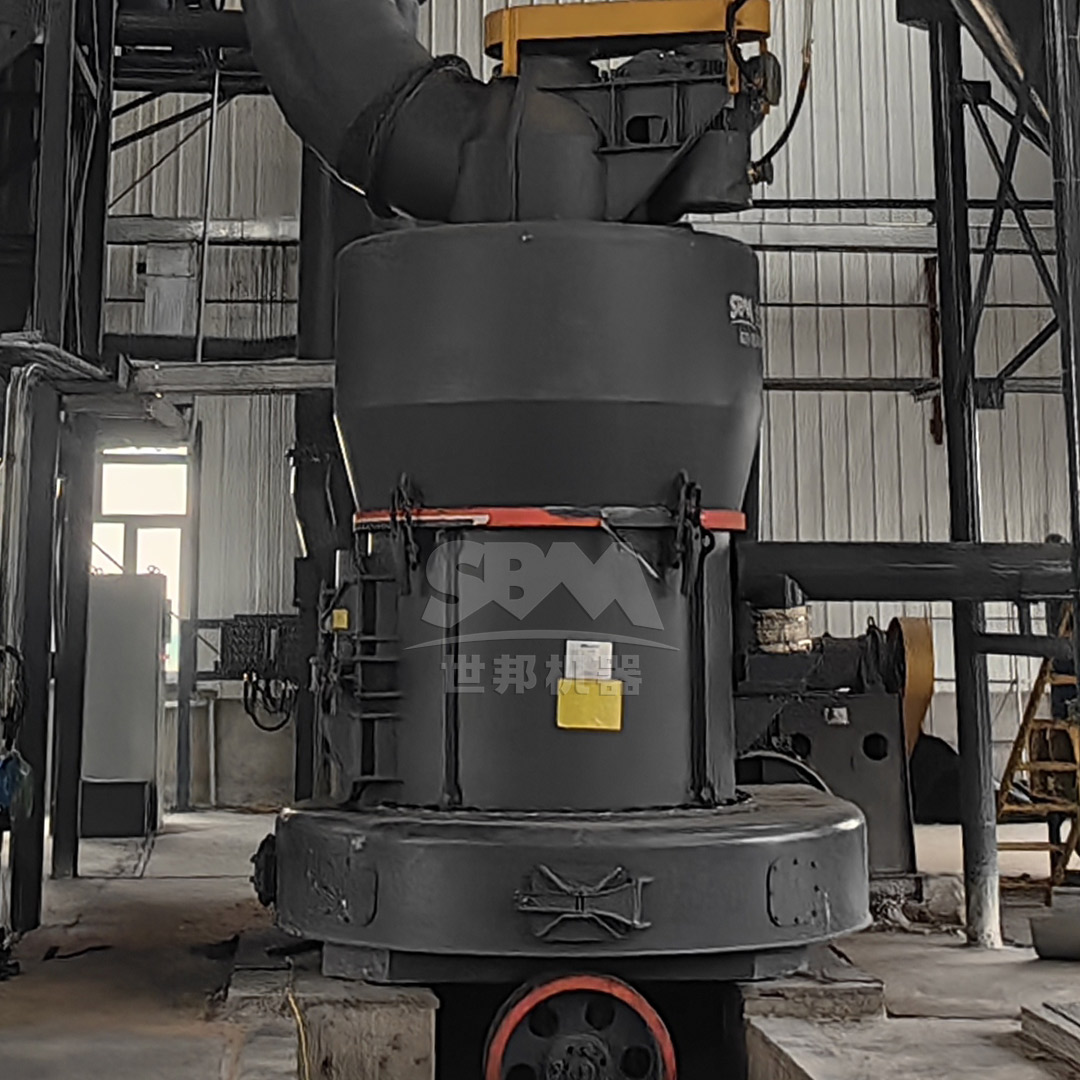
For medium to large-scale production where fineness ranges between 30-325 mesh, the European Trapezium Mill offers a balance of performance and cost. Its integral bevel gear drive achieves up to 98% transmission efficiency, and the optimized arc air duct reduces energy loss. This type of mill is particularly advantageous for plants seeking a lower initial investment without sacrificing significant operational efficiency.
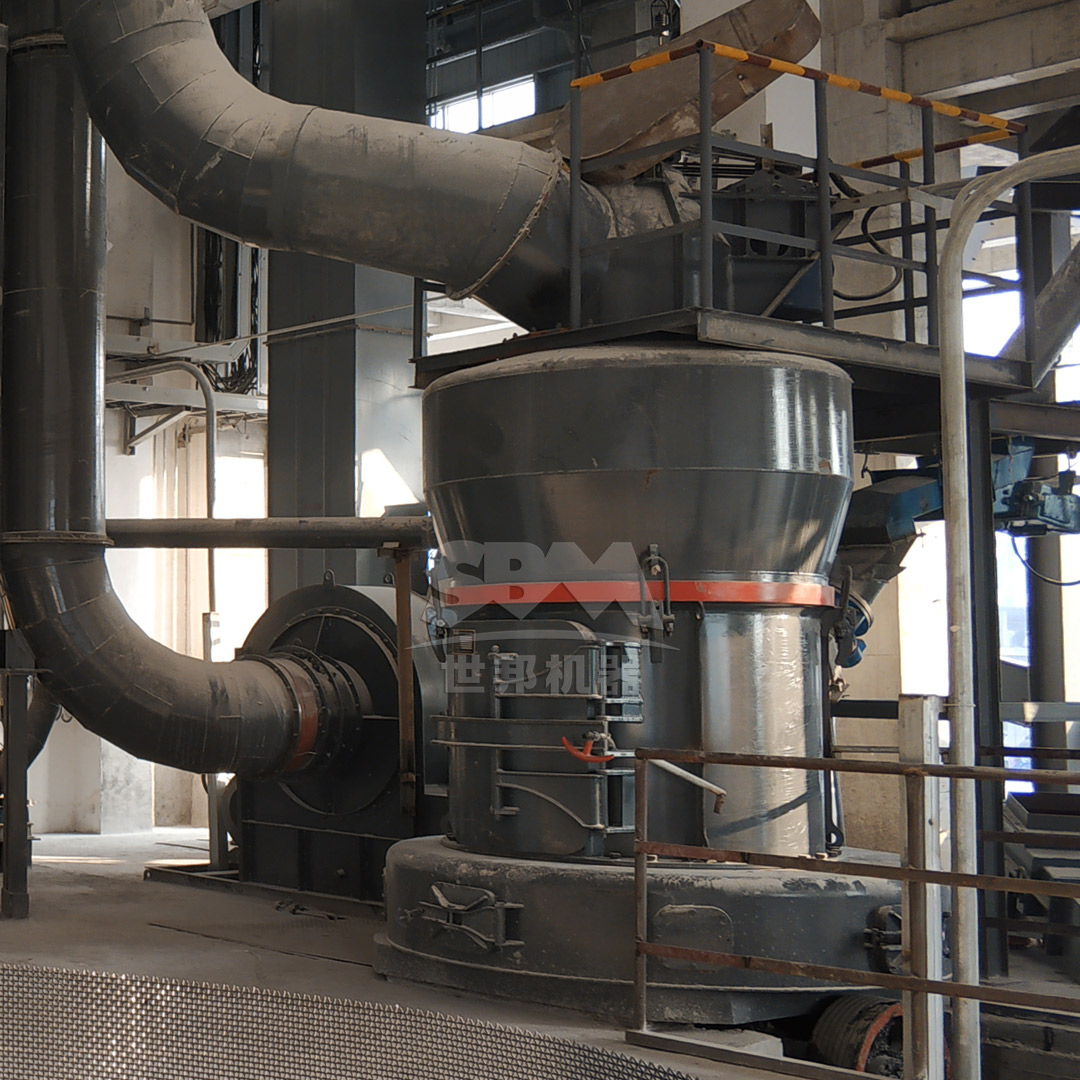
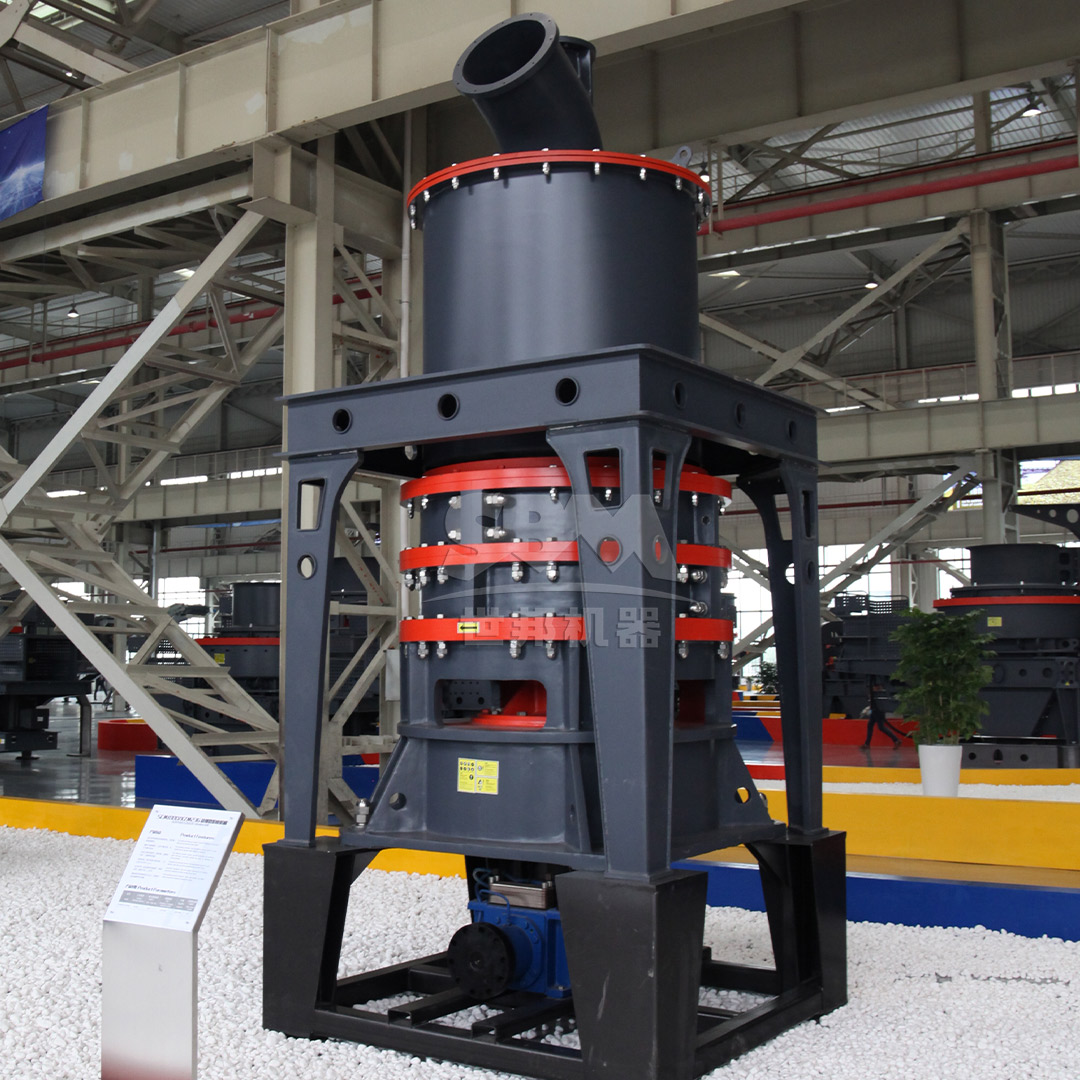
When the application demands a high-value product, such as limestone powder for concrete admixtures or desulfurization agents, ultrafine mills are the best option. These mills achieve fineness from 325 mesh up to 2500 mesh (5 microns). They are essential for premium markets where particle size precision is critical.
For standard cement raw meal production requiring a fineness of 200-325 mesh and high throughput (3-250 TPH), the LM Series Vertical Roller Mill is the ideal choice. Its integrated design reduces infrastructure costs by 40%, and its intelligent control system ensures stable, unattended operation. The non-contact roller-table design increases wear part life threefold compared to traditional mills, making it the most cost-effective solution for large-scale cement plants.
| Model | Capacity (t/h) | Fineness | Main Power (kW) |
|---|---|---|---|
| LM130K | 10-28 | 170-40μm | 200 |
| LM220K | 36-105 | 170-45μm | 800 |
| LM280K | 50-170 | 170-45μm | 1250 |
If your goal is to produce high-grade limestone powder for specialized applications like plastics, rubber, or high-end paints, the SCM Series Ultrafine Mill is the top performer. It offers twice the capacity of a jet mill while consuming 30% less energy. Its vertical turbine classifier ensures no coarse powder mixing, delivering a consistently uniform final product. For plants targeting the premium filler market, the SCM series provides the highest value per ton of product.
| Model | Capacity (t/h) | Fineness (mesh) | Main Power (kW) |
|---|---|---|---|
| SCM1000 | 1.0-8.5 | 325-2500 | 132 |
| SCM1250 | 2.5-14 | 325-2500 | 185 |
| SCM1680 | 5.0-25 | 325-2500 | 315 |
Before fine grinding, limestone often undergoes crushing to reduce the feed size. Hammer mills and jaw crushers are common in this stage. For plants looking to maximize the efficiency of their VRM or ball mill, a pre-grinding roller press (like the LM-Y series) can be utilized. This equipment crushes the material using high pressure, creating micro-cracks within the particles. When this pre-crushed material enters the main mill, it grinds much faster, increasing overall system capacity by 30-50% and lowering specific energy consumption.
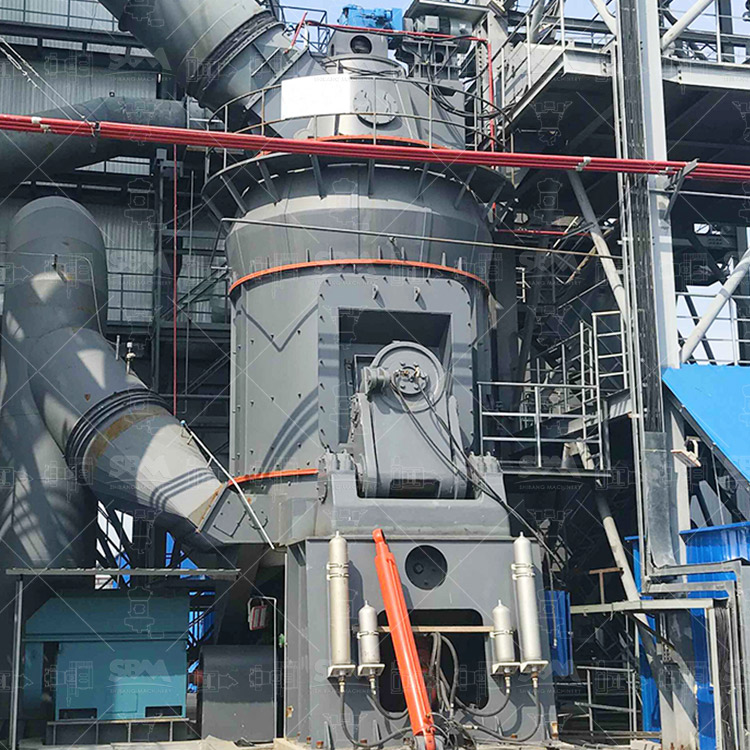
The ‘best’ limestone cement raw material processing equipment is not a one-size-fits-all solution. For massive, modern cement lines requiring high efficiency and low operational costs, the LM Vertical Roller Mill is the premier choice. For niche markets demanding extremely fine and uniform powder, the SCM Ultrafine Mill offers unmatched precision and energy savings. By carefully aligning your specific fineness, capacity, and investment goals with the strengths of these advanced mill technologies, you can optimize your plant’s performance and profitability.