Limestone is a critical raw material in the production of glass, providing calcium oxide (CaO) as a flux to reduce melting temperature and improve the chemical durability of the final product. In float glass, container glass, and fiberglass manufacturing, limestone powder must meet stringent specifications for particle size distribution, chemical purity, and consistency. The processing of limestone from run-of-mine rock to a fine, uniform powder requires a series of mechanical stages—crushing, grinding, classifying, and dust collection—each demanding high-efficiency equipment to maintain product quality and operational economy.
Before fine grinding, limestone must be reduced to a manageable feed size. Primary jaw crushers and secondary hammer mills are commonly used to break down large rocks. Our Hammer Mill is an ideal solution for the pre-crushing stage. With a feed size of 0-40mm and output size of 0-3mm, it offers high crushing ratio and compact structure, making it suitable for integration into existing production lines. The high manganese steel wear-resistant liners ensure long service life under high-throughput conditions.
| Model | Capacity (t/h) | Main Power (kW) | Rotor Diameter (mm) | Number of Hammers |
|---|---|---|---|---|
| PC4008-75 | 8-15 | 75 | 750×800 | 18 |
| PC4012-90 | 15-40 | 90 | 900×1200 | 32 |
| PC4015-132 | 40-70 | 132 | 1150×1500 | 32 |
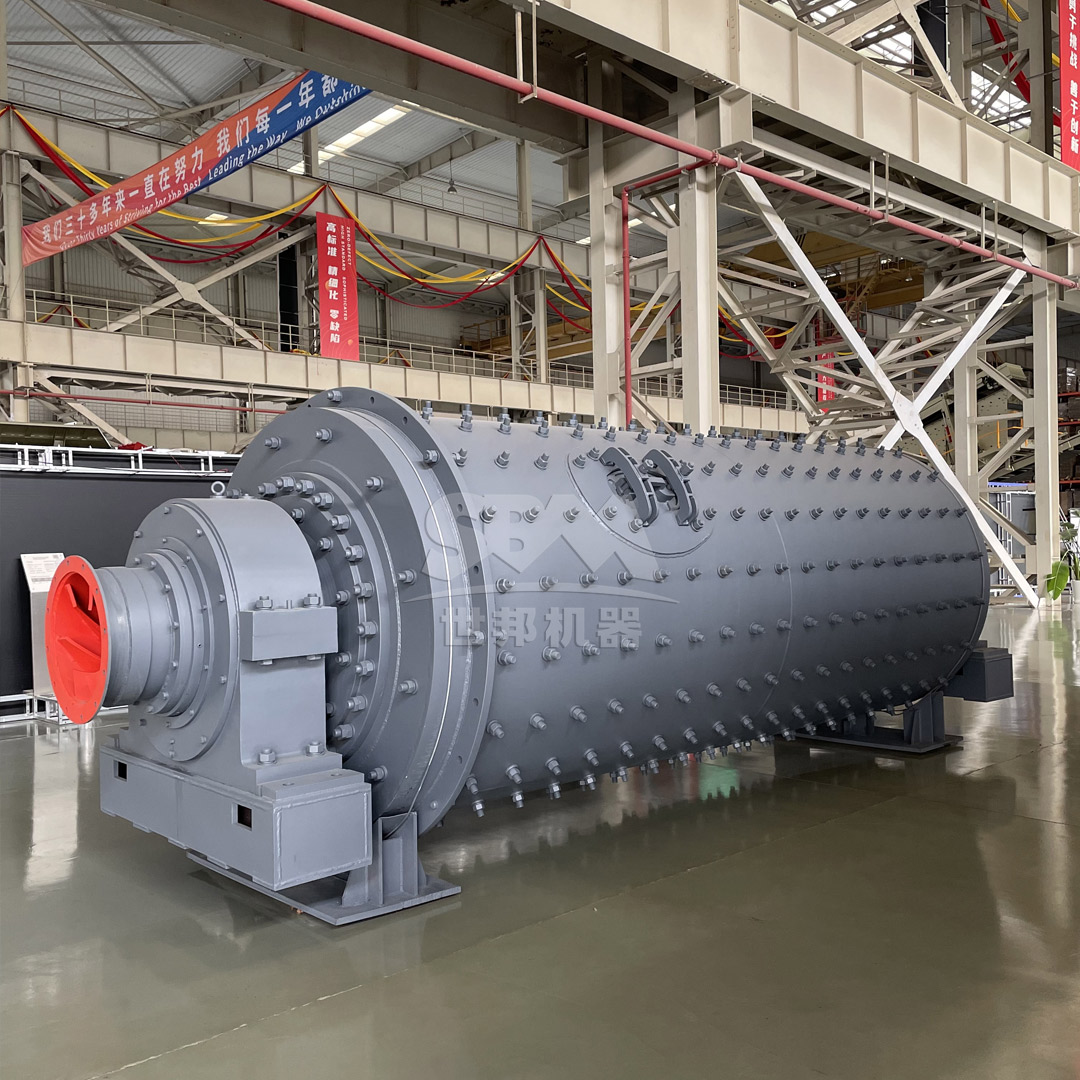
After primary crushing, limestone must be ground to a fineness typically between 100 and 600 mesh for glass batch preparation. The choice of grinding mill depends on capacity requirements, energy efficiency, and final particle size distribution. Several mill types are available, each with distinct advantages.
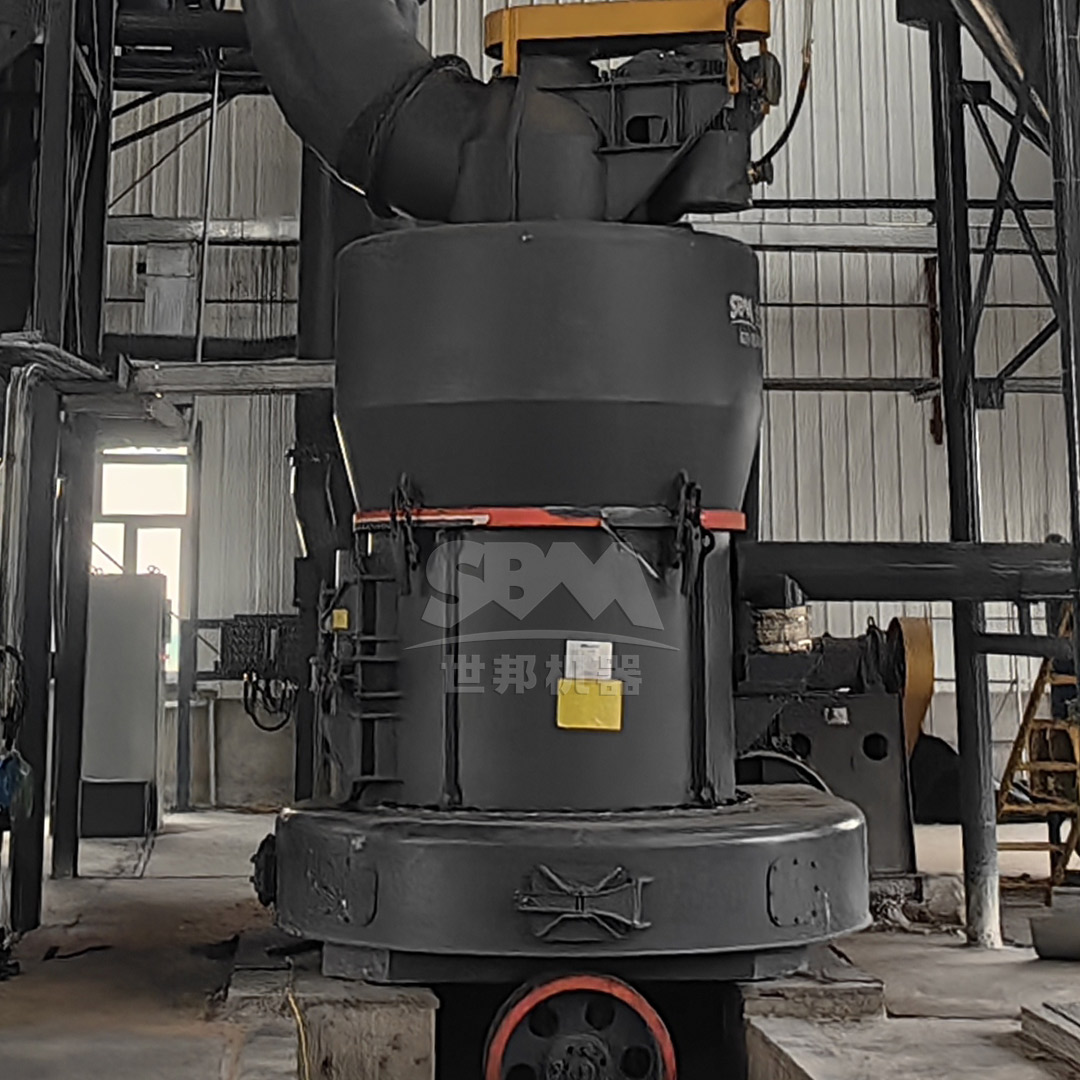
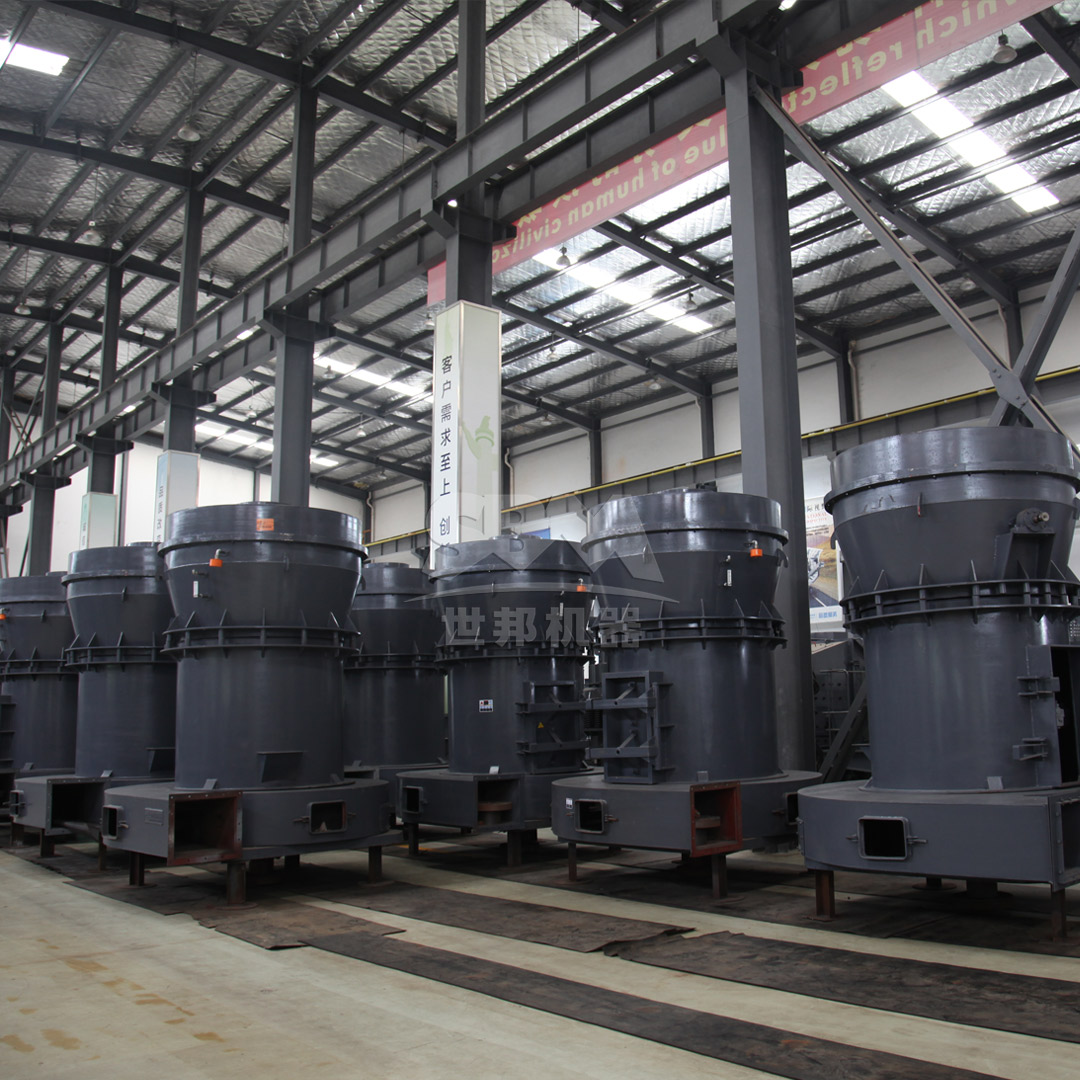
The MTW Series European Trapezium Mill is engineered for high-capacity limestone grinding with output fineness ranging from 30 to 325 mesh. Its integral bevel gear drive achieves transmission efficiency up to 98%, while the optimized arc air duct reduces energy loss. The anti-wear shovel design and curved grinding rollers extend service life, making it a cost-effective choice for medium to large glass manufacturing plants.
| Model | Capacity (t/h) | Main Power (kW) | Feed Size (mm) | Fineness (mesh) |
|---|---|---|---|---|
| MTW110 | 3-9 | 55 | <30 | 10-325 |
| MTW138Z | 6-17 | 90 | <35 | 10-325 |
| MTW175G | 9.5-25 | 160 | <40 | 10-325 |
| MTW215G | 15-45 | 280 | <50 | 10-325 |
For large-scale operations requiring consistent product quality and low energy consumption per ton, the LM Series Vertical Roller Mill excels. It integrates crushing, grinding, and classification into a single unit, reducing floor space by 50% and infrastructure costs by 40%. The non-contact roller-table design extends wear part life by three times, and the intelligent control system monitors parameters in real time to ensure stable limestone powder quality.
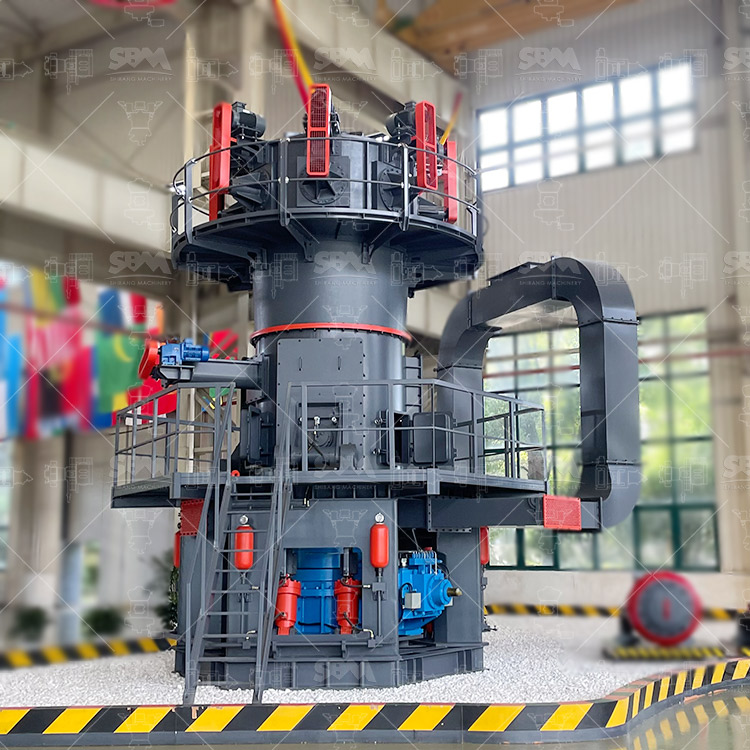
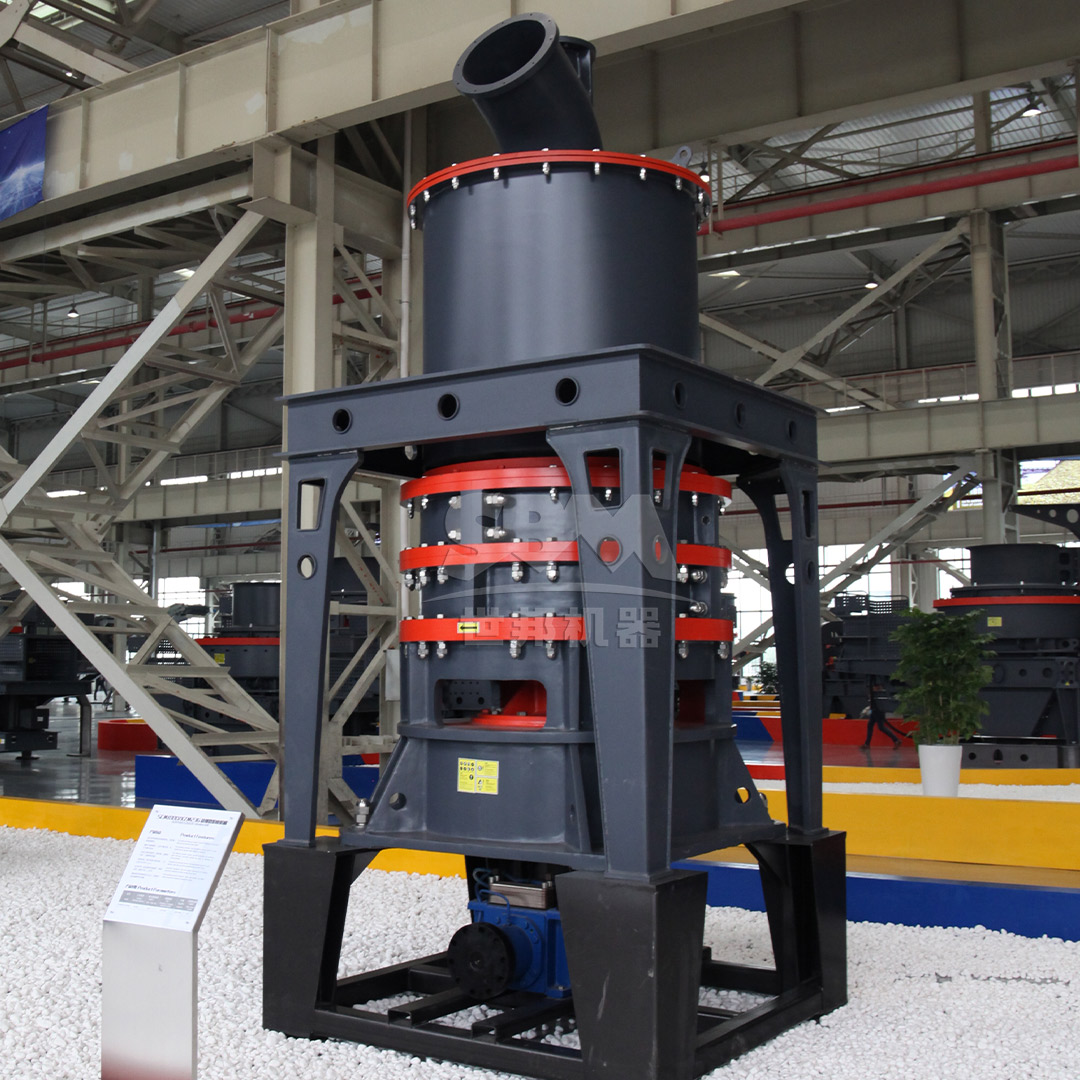
Certain glass types—such as specialty optical glass, borosilicate glass, or high-clarity container glass—require limestone powder with a fineness of 325 to 2500 mesh (5 to 45 microns). For these demanding applications, our SCM Series Ultrafine Mill is the recommended solution. Designed for feed sizes up to 20mm, it achieves a capacity of 0.5 to 25 t/h with output fineness adjustable from 325 to 2500 mesh. Its vertical turbine classifier ensures precise particle size cutting without coarse powder mixing, while the intelligent automatic feedback system maintains consistent product granularity. Energy consumption is 30% lower than traditional jet mills, and the pulse dust collection system exceeds international environmental standards.
| Model | Capacity (t/h) | Main Power (kW) | Feed Size (mm) | Fineness (mesh) |
|---|---|---|---|---|
| SCM800 | 0.5-4.5 | 75 | 0-20 | 325-2500 |
| SCM900 | 0.8-6.5 | 90 | 0-20 | 325-2500 |
| SCM1000 | 1.0-8.5 | 132 | 0-20 | 325-2500 |
| SCM1250 | 2.5-14 | 185 | 0-20 | 325-2500 |
| SCM1680 | 5.0-25 | 315 | 0-20 | 325-2500 |
For glass manufacturers seeking an alternative ultrafine grinding solution with vertical mill architecture, the LUM Ultrafine Vertical Roller Mill offers similar fineness (325-2500 mesh) with PLC automation and multi-rotor classifying technology, ensuring no coarse particles contaminate the final product.
Efficient classification is essential to remove oversize particles and ensure uniform glass batch composition. Modern mills integrate dynamic classifiers that adjust rotor speed to control particle size distribution. Our MTM Series Medium-speed Trapezium Mill, for example, incorporates a spring pressure system that automatically compensates for roller wear, maintaining consistent grinding pressure and extending roller life by 30%. Its classifier can be tuned to produce limestone powder from 45 to 325 mesh.
Dust collection is another critical aspect of limestone processing. The negative-pressure operation of our vertical roller mills and ultrafine mills, combined with pulse dust collectors, ensures emissions far below international standards, protecting both personnel and the environment. Soundproof enclosures further reduce noise levels, making the equipment suitable for urban or sensitive locations.
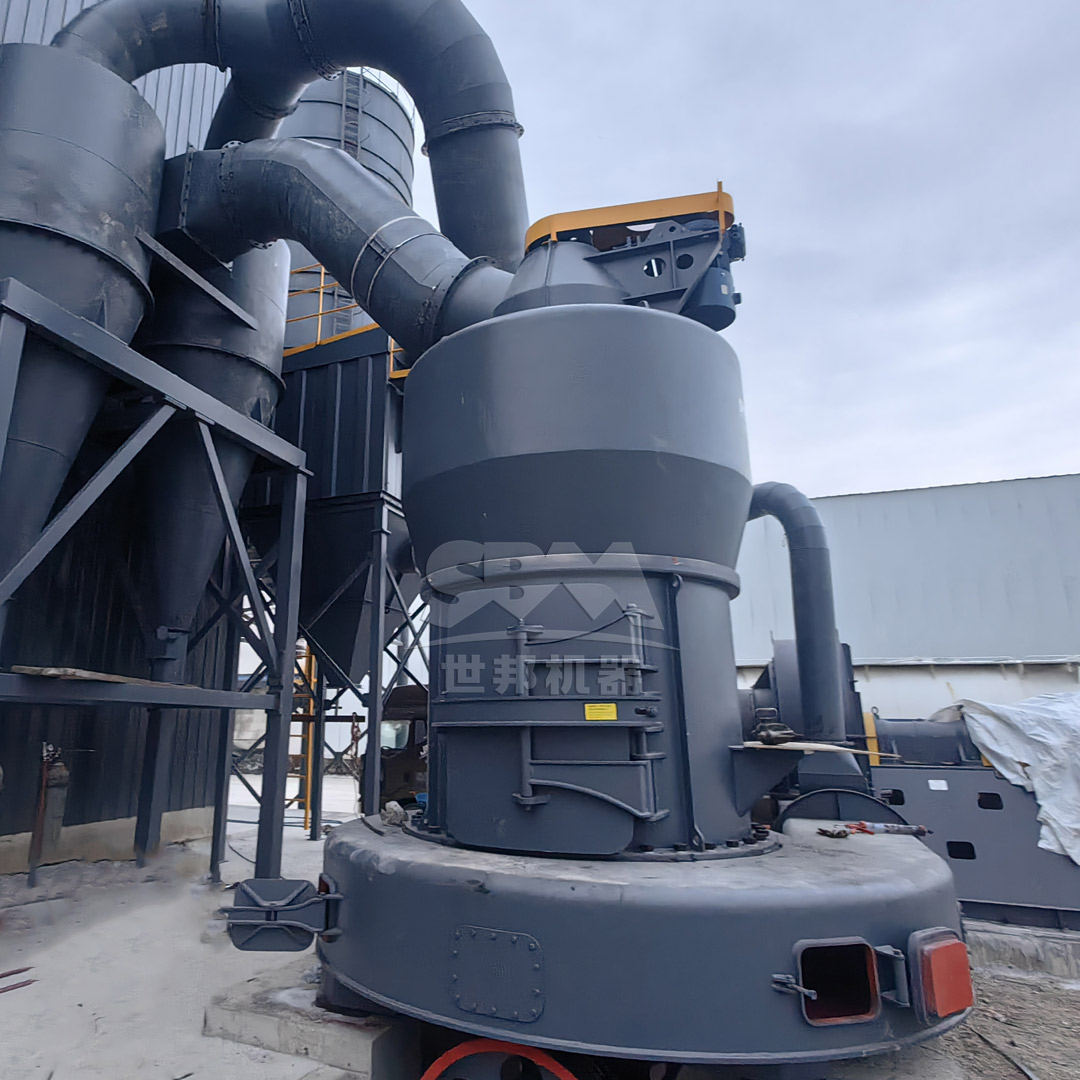
The selection of limestone raw material processing equipment for glass manufacturing depends on the required throughput, fineness, energy budget, and plant layout. For standard glass production requiring 100-325 mesh powder, the MTW Series or LM Series provide robust performance with low operating costs. For specialty glass needing ultrafine powder (325-2500 mesh), the SCM Series Ultrafine Mill or LUM Ultrafine Vertical Roller Mill delivers the precision and efficiency demanded by high-value applications.
Our company offers comprehensive solutions from primary crushing to final classification, backed by patented technologies, intelligent control systems, and a global service network. Contact us to discuss your specific limestone grinding requirements and discover how our equipment can optimize your glass manufacturing process.