In the production of high-quality sealants, the selection of limestone filler processing equipment is a critical decision that directly impacts product performance, production efficiency, and operational costs. Limestone filler, when ground to precise particle sizes, serves as a functional extender that improves the rheological properties, adhesion, and durability of sealants. However, achieving the optimal fineness—typically ranging from 45 micrometers to 600 micrometers—requires a deep understanding of both the material characteristics and the available milling technologies.
This article provides a comprehensive guide to selecting the appropriate mill for your sealant limestone filler production line. We will analyze key factors such as feed size, required output fineness, capacity demands, and energy efficiency. By the end, you will have a clear roadmap to match your production goals with the right equipment, ensuring maximum return on investment.
Limestone filler (calcium carbonate) is one of the most widely used mineral additives in the sealant industry. It serves multiple functions: it acts as a bulking agent to reduce cost, improves the mechanical strength of the cured sealant, and enhances the thixotropic behavior necessary for vertical application. The key performance indicator is the particle size distribution. For example, a filler with a top cut of 100 mesh (150 µm) might be suitable for construction sealants, while automotive or aerospace applications often demand fineness above 325 mesh (45 µm) or even ultrafine grades up to 2500 mesh (5 µm).
The wrong choice of mill can lead to inconsistent particle size, high energy consumption, and excessive wear on equipment. Therefore, understanding the processing characteristics of different mills is the first step toward optimization.
When choosing a mill for limestone filler processing, several interrelated factors must be evaluated:
Limestone typically has a Mohs hardness of 3-4. Most standard mills can handle feed sizes up to 50mm. However, if your raw material comes in larger chunks, a primary crusher (such as a hammer mill) may be required upstream. For instance, our PC Series Hammer Mill can reduce 40mm feed down to 0-3mm, preparing the material for finer grinding stages.
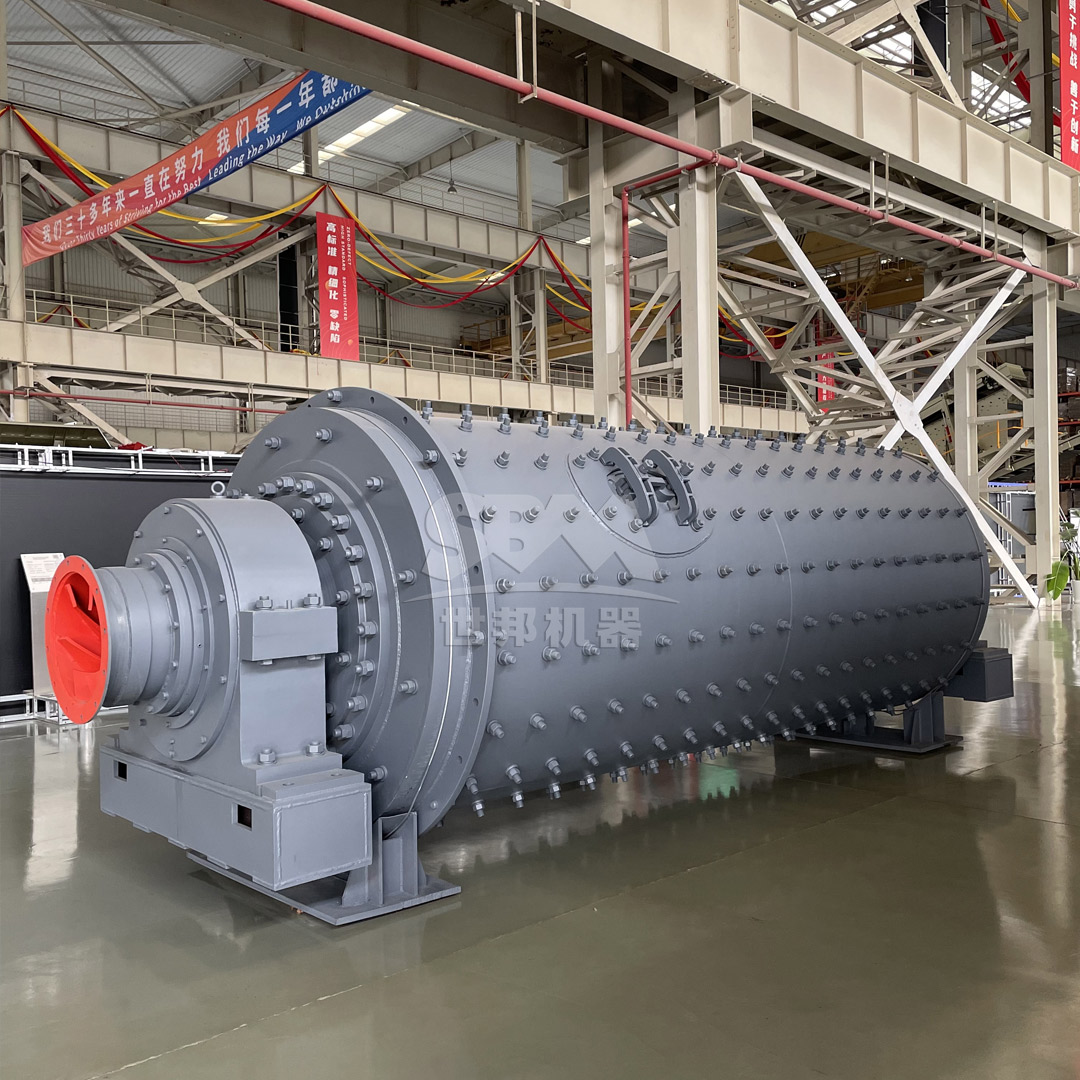
This is the most critical parameter. For coarse fillers (30-100 mesh), a pendulum mill or trapezium mill is often sufficient. For fine powders (100-325 mesh), vertical roller mills or ball mills excel. For ultrafine applications (325-2500 mesh), specialized equipment like ultrafine mills or vertical ultrafine mills are necessary.
Production throughput, measured in tons per hour (t/h), dictates the scale of machinery. A small plant might need 1-5 t/h, while large centralized processing centers may require over 100 t/h. Your mill must be capable of meeting these demands without excessive downtime.
Grinding is energy-intensive. Energy consumption can account for 30-60% of total production costs. Modern mills incorporate features like intelligent control systems, optimized airflows, and high-efficiency classifiers to reduce power consumption by 20-40% compared to traditional designs.
While dry grinding is standard, some limestone may contain surface moisture. Vertical roller mills with hot air circulation systems can simultaneously dry and grind materials, simplifying the process flow.
Let’s delve into the specific mill types that are most applicable to sealant limestone filler production.
Pendulum mills are a classic choice for grinding non-metallic minerals. They operate by swinging grinding rollers against a fixed ring. The MRN Pendulum Mill Series is particularly noteworthy for its thin oil lubrication system, which reduces maintenance frequency. With a feed size up to 50mm and output fineness from 30 to 325 mesh, these mills are ideal for medium-fine filler production. The MB5X98 model, capable of 2.7-6.5 t/h, is a workhorse for small to medium lines.
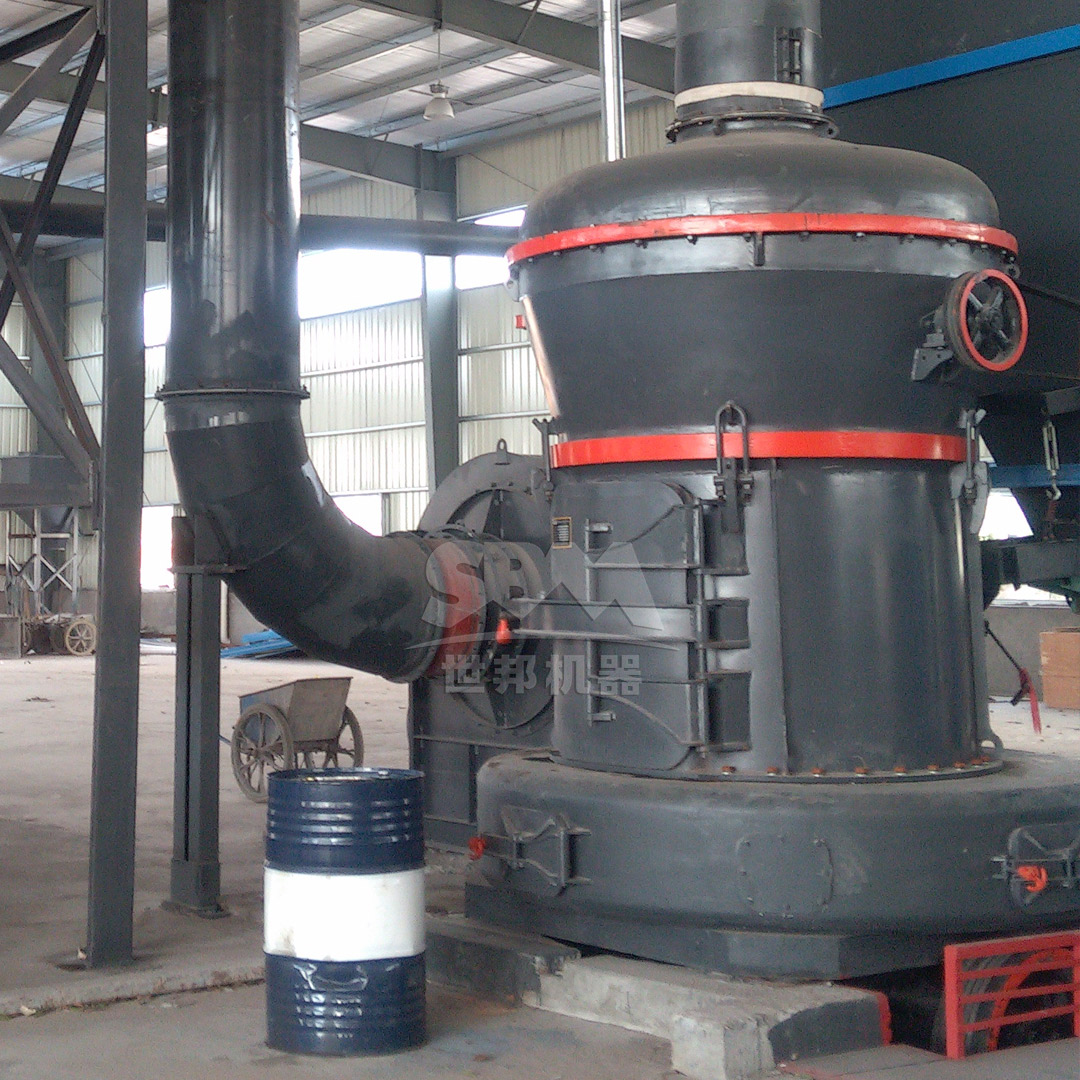
The MTW Series European Trapezium Mill represents an evolution of the traditional Raymond mill. Its key advantages include an integral bevel gear drive with 98% transmission efficiency and an optimized arc air duct that reduces energy loss. The MTW215G model offers a capacity of 15-45 t/h with an output fineness of 10-325 mesh (600-45µm). This makes it a top contender for large-scale production lines requiring consistent 325-mesh filler for premium sealants.
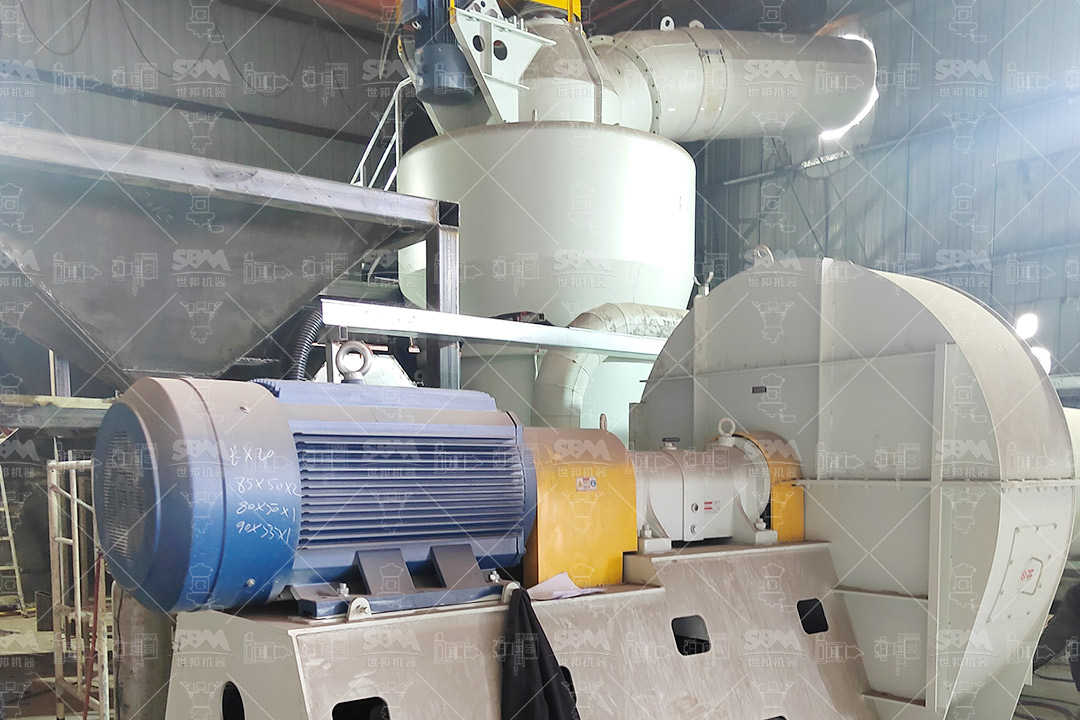
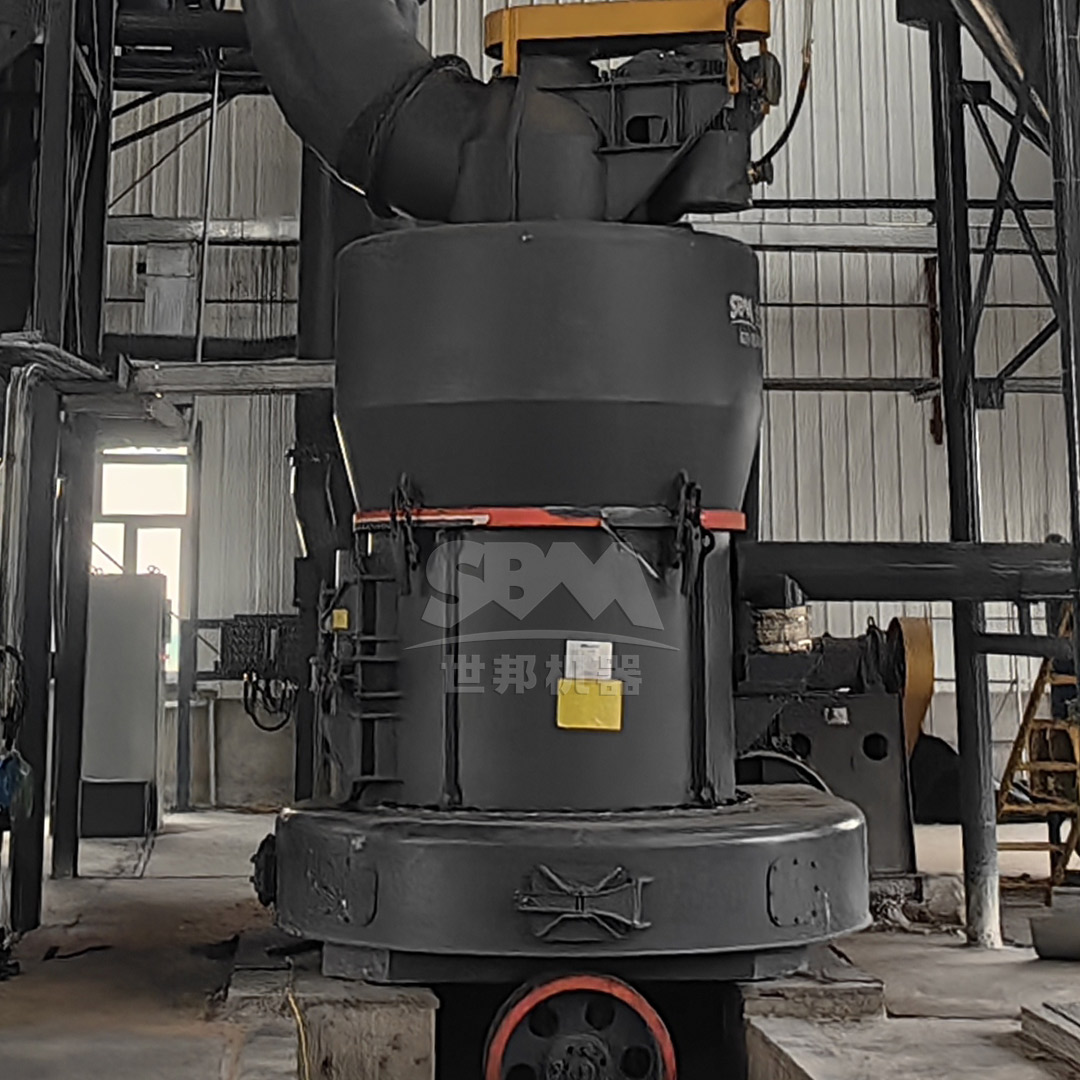
For operations seeking the lowest total cost of ownership, the LM Series Vertical Roller Mill is unmatched. Its integrated design combines crushing, grinding, and classification, reducing floor space by 50%. The non-contact design between rollers and table extends wear part life threefold. The LM170K model, with a table diameter of 1700mm, can process 18-48 t/h of limestone to a fineness of 170-40µm. Furthermore, the LM Series offers specialized configurations for fine powder (LMX-GX) and pre-grinding (LM-Y), providing extreme flexibility. The patented modular roller assembly quick-change system dramatically reduces maintenance downtime.
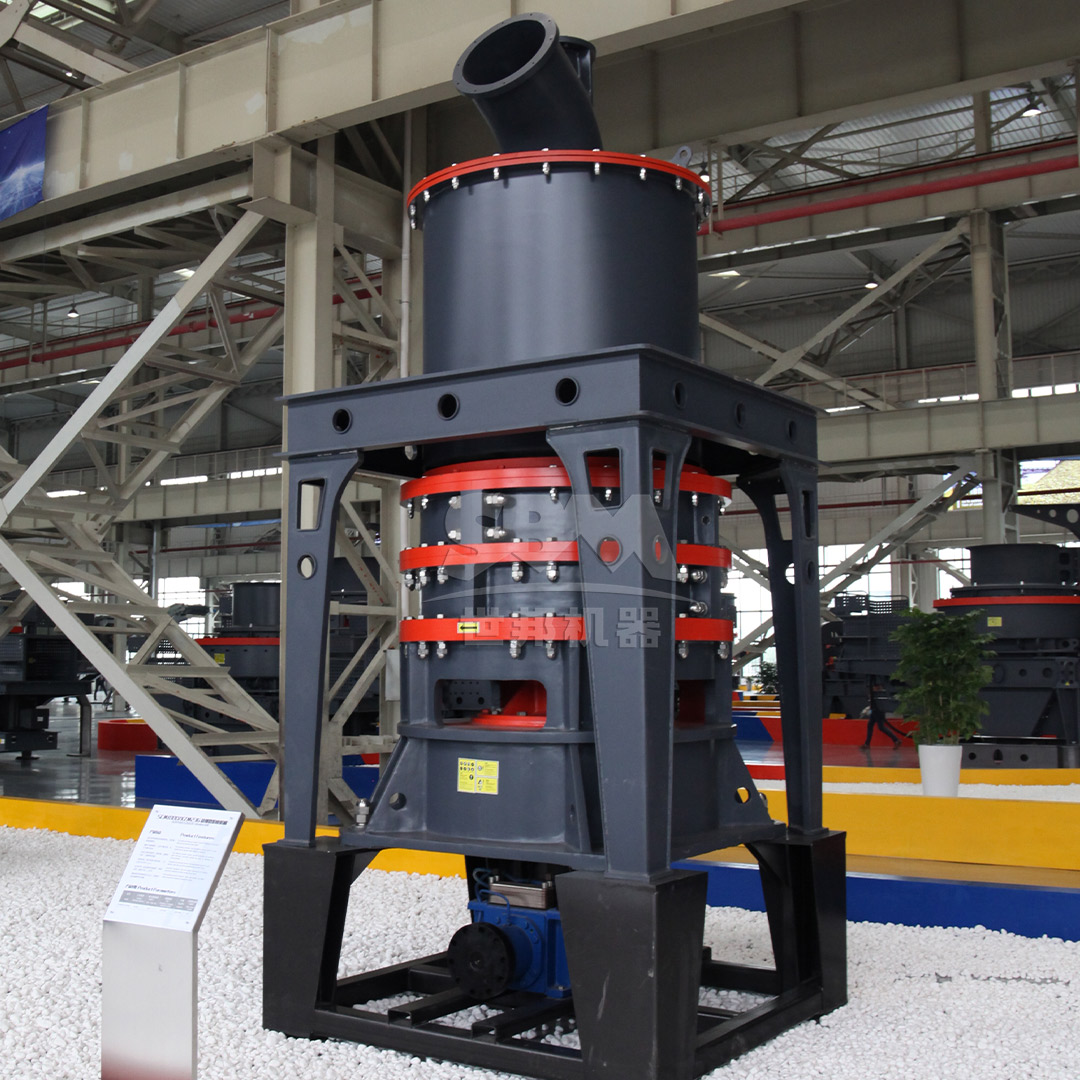
When your sealant formula demands a particle size below 45µm (325 mesh), entering the realm of ultrafine powder (5-45µm), you require specialized equipment. The SCM Series Ultrafine Mill is a stellar choice. With a capacity up to 2x that of jet mills and 30% lower energy consumption, it is engineered for high-efficiency ultrafine grinding. The vertical turbine classifier achieves precise particle size cutting without coarse powder mixing. The SCM1680 model can produce 5-25 t/h of 325-2500 mesh powder. Similarly, the LUM Ultrafine Vertical Roller Mill uses a multi-rotor classifier to guarantee that no coarse particles contaminate the final product, achieving fineness down to 5µm. Both are excellent for producing high-value, micronized fillers.
Consider a manufacturer who needs to produce 10 tons per hour of 325 mesh (45µm) limestone filler. We can compare two viable solutions:
| Parameter | Option A: MTW138Z Trapezium Mill | Option B: SCM1250 Ultrafine Mill |
|---|---|---|
| Capacity (t/h) | 6-17 | 2.5-14 |
| Feed Size (mm) | <35 | <20 |
| Fineness (mesh) | 10-325 | 325-2500 |
| Main Power (kW) | 90 | 185 |
| Energy Consumption | Lower per ton (coarse end) | Higher per ton, but finer product |
| Best Application | Standard 325 mesh filler | Premium 325-600 mesh filler |
Option A (MTW138Z) is more cost-effective if the primary goal is to consistently hit 325 mesh at high throughput. However, if the market demands a finer product (e.g., d97 < 20µm) for specialty sealants, Option B (SCM1250) provides the necessary capability and flexibility. An integrated line might even use an MTW mill for bulk production and an SCM mill for a premium product stream.
Based on the analysis above, we recommend two optimal solutions for different production scales:
For mid-to-large scale production of standard 325 mesh filler (10-45 t/h): The MTW215G European Trapezium Mill. Its high-capacity capability (15-45 t/h), combined with low maintenance costs due to the combined shovel blades and integral bevel gear drive, ensures high profitability. It is the backbone of many modern mineral processing plants.
For high-precision, ultrafine filler production (1-25 t/h, 325-2500 mesh): The SCM1680 Ultrafine Mill. It delivers the highest fineness with unparalleled energy efficiency compared to jet mills. Its intelligent control system with automatic granularity feedback ensures that every batch meets the stringent specifications required for high-performance sealants.
Both options are backed by our commitment to quality and global service support. By selecting the correct mill, you not only optimize your current production but also future-proof your line against evolving market demands.
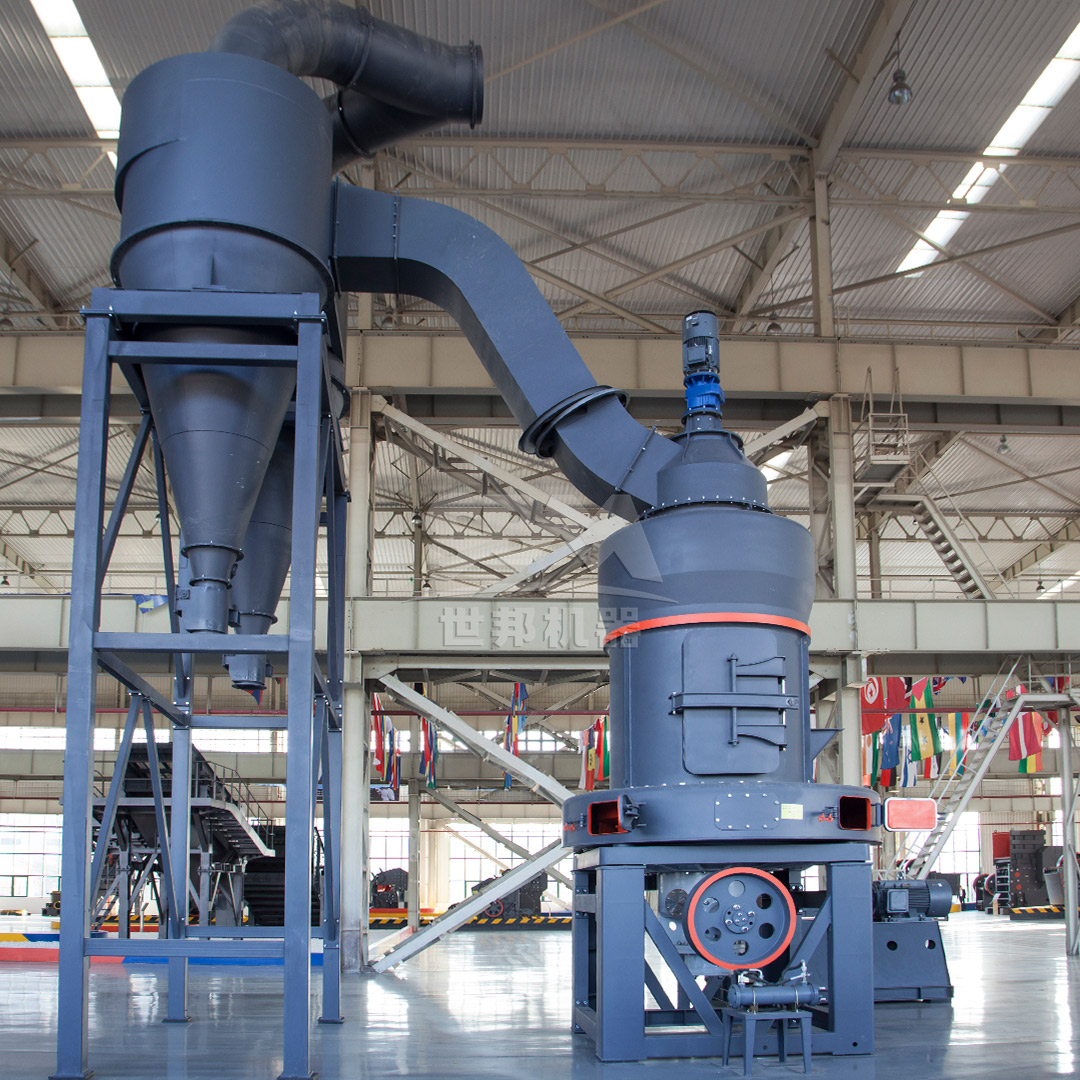
Choosing the right mill for sealant limestone filler processing is a multifaceted decision that balances feed characteristics, desired fineness, capacity, and operational costs. From the robust MTW Series for standard applications to the precision-engineered SCM Ultrafine Mill for top-tier products, we offer a complete spectrum of technologies. We encourage you to consult with our application engineers to perform a detailed material test to confirm the best match. With the right equipment, your sealant production line will achieve new levels of efficiency and product quality.