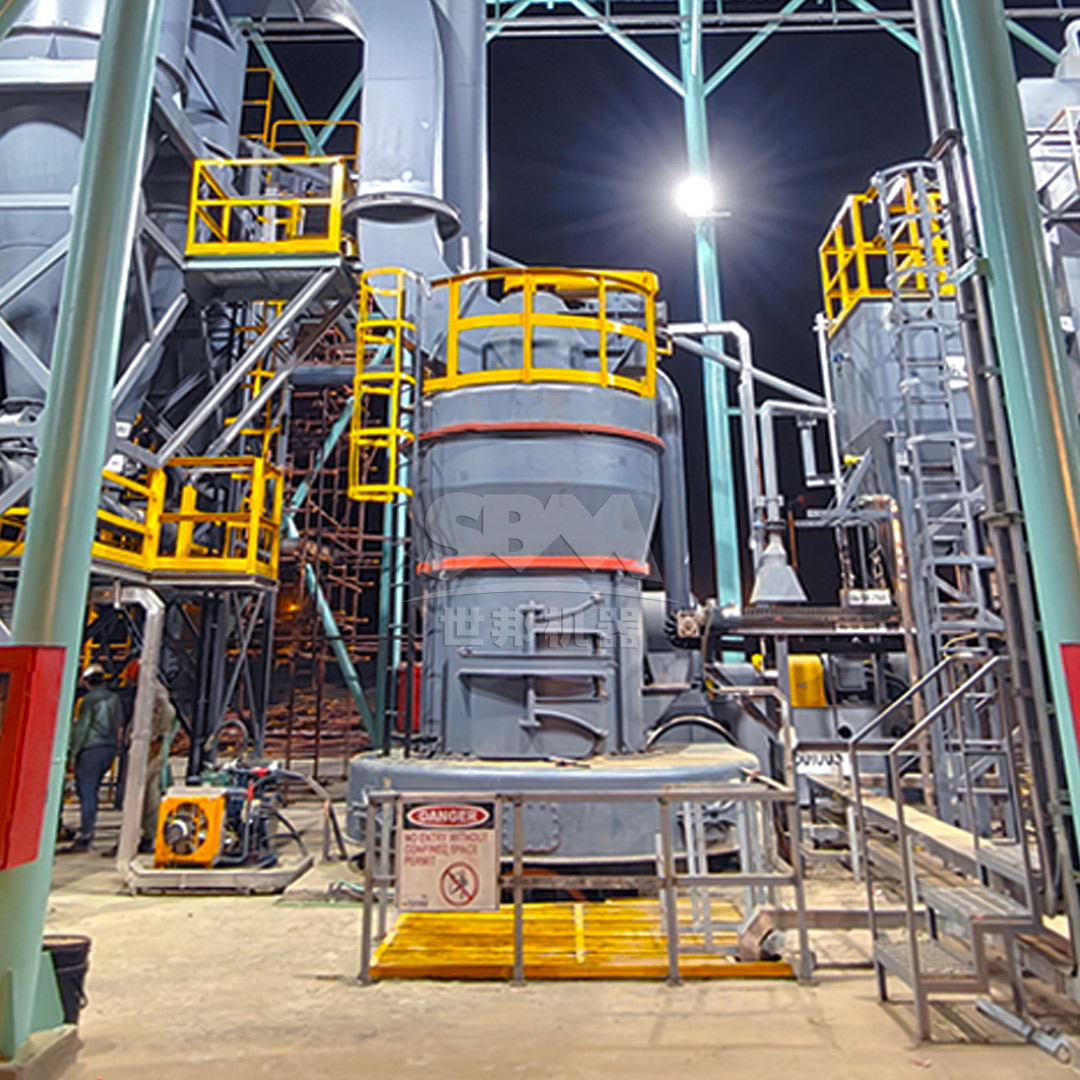
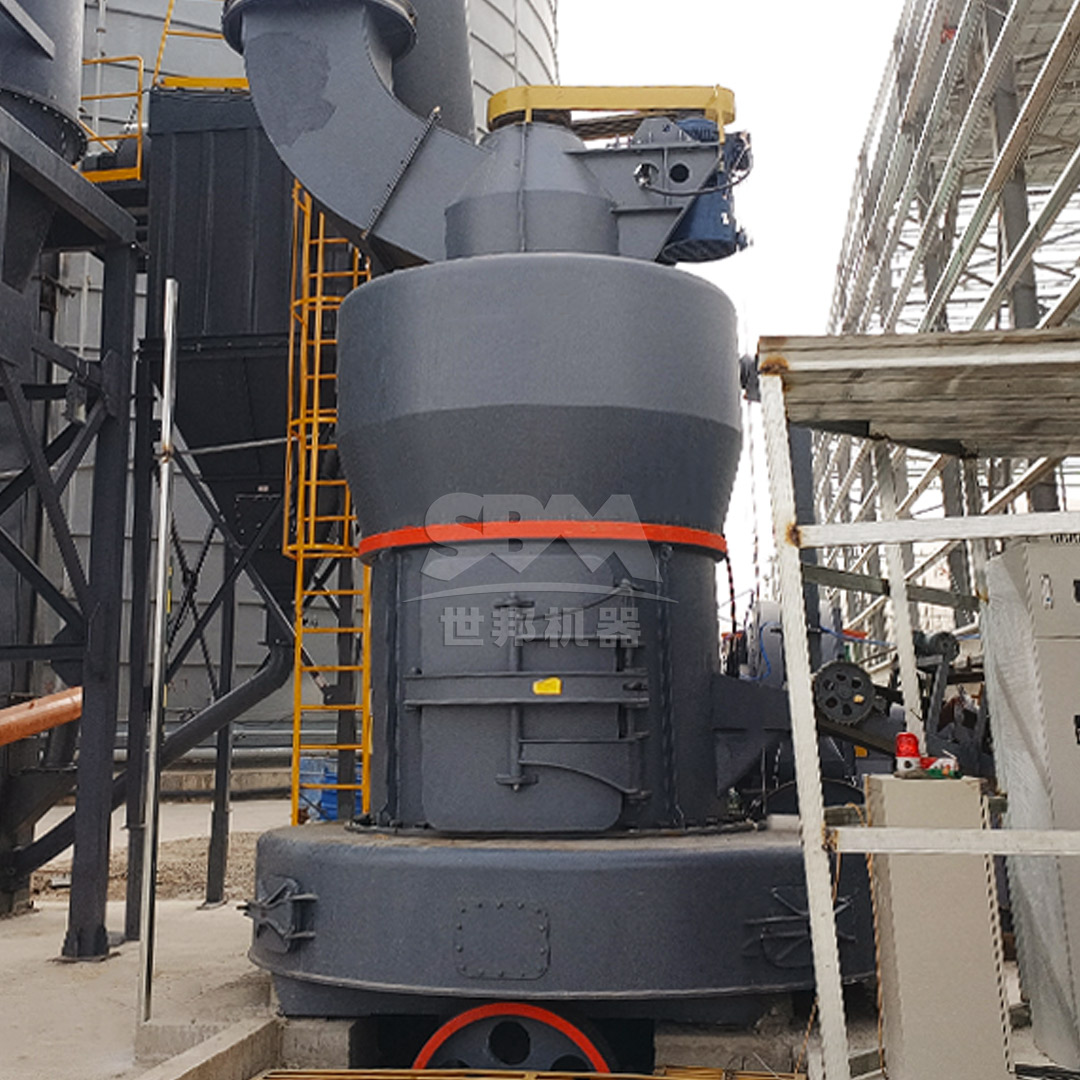
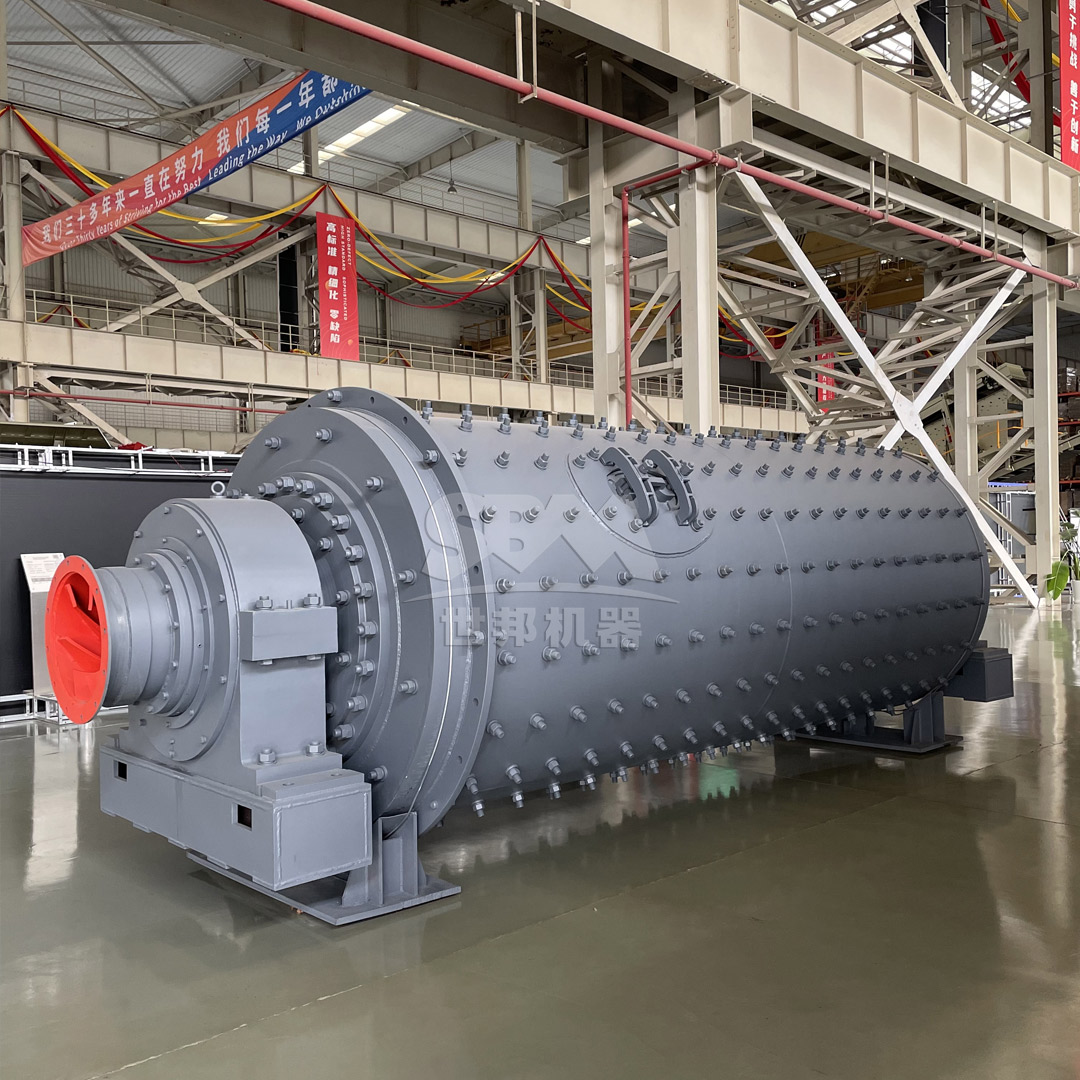
In the production of adhesives, limestone filler plays a crucial role as a functional extender and reinforcing agent. The processing of this mineral into fine, uniform powder requires specialized equipment that can deliver consistent particle size distribution, high throughput, and energy efficiency. From large-scale manufacturing plants to compact production lines, selecting the right machinery is essential to ensure product quality, cost-effectiveness, and environmental compliance. This article provides a comprehensive overview of the key machines used in adhesive limestone filler processing, highlighting their working principles, technical advantages, and model specifications.
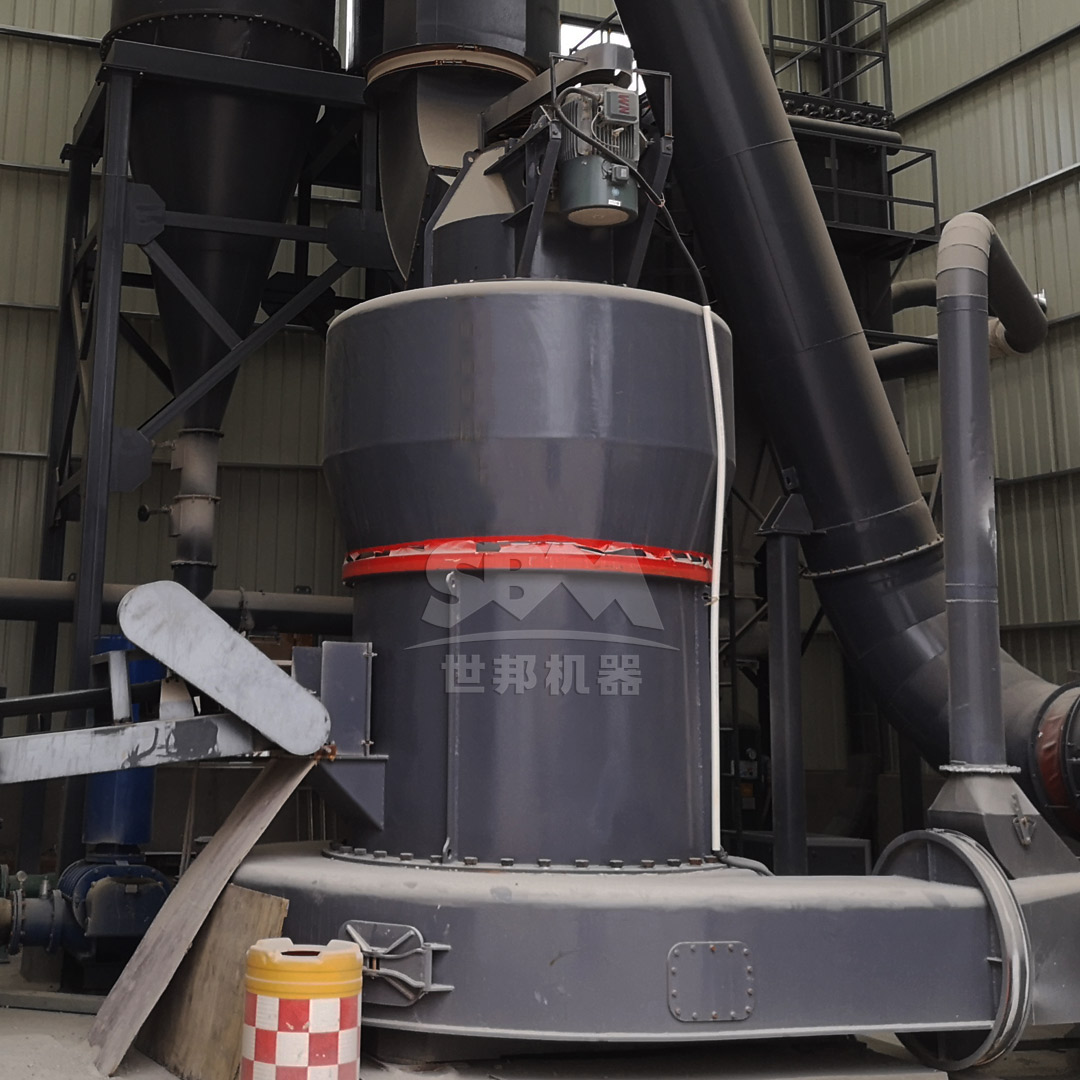
Before fine grinding, limestone must be reduced to a manageable size. The initial stage typically involves a Hammer Mill, which is designed for secondary crushing of materials with a feed size up to 40mm and output size of 0-3mm. This equipment operates on the principle of high-speed rotating hammers that impact the material, breaking it along natural fracture lines until particles are small enough to pass through the bottom screen.
| Model | Capacity (t/h) | Main Power (kW) | Rotor Specification | Number of Hammers |
|---|---|---|---|---|
| PC4008-75 | 8-15 | 75 | Φ750×800 mm | 18 |
| PC4012-90 | 15-40 | 90 | Φ900×1200 mm | 32 |
| PC4015-132 | 40-70 | 132 | Φ1150×1500 mm | 32 |
After primary size reduction, limestone must be ground to the fineness required for adhesive fillers, typically between 45μm and 5μm. Several mill types can achieve this, each offering unique benefits in terms of energy consumption, output quality, and operational flexibility.
Our MTW Series European Trapezium Mill is a flagship product for medium-fine grinding (30-325 mesh, down to 0.038mm). It features an integral bevel gear drive with up to 98% transmission efficiency, reducing energy loss and operational costs. The optimized arc air duct and anti-wear shovel design significantly extend the lifespan of wear parts, making it a robust choice for continuous industrial operation. With capacities ranging from 3 to 45 t/h and feed sizes up to 50mm, this mill is ideal for medium-to-large scale adhesive filler production.
| Model | Capacity (t/h) | Main Power (kW) | Feed Size (mm) | Fineness (mesh) |
|---|---|---|---|---|
| MTW110 | 3-9 | 55 | <30 | 10-325 |
| MTW138Z | 6-17 | 90 | <35 | 10-325 |
| MTW175G | 9.5-25 | 160 | <40 | 10-325 |
| MTW215G | 15-45 | 280 | <50 | 10-325 |
For applications requiring ultra-fine powders (325-2500 mesh), the SCM Series Ultrafine Mill is the preferred solution. It operates with three layers of grinding rings, dispersing material by centrifugal force and crushing it layer-by-layer. The vertical turbine classifier ensures precise particle size cutting without coarse powder mixing, achieving a uniform final product. Its capacity is twice that of jet mills while consuming 30% less energy, making it an eco-friendly and cost-effective option.
| Model | Capacity (t/h) | Main Power (kW) | Feed Size (mm) | Fineness (mesh) |
|---|---|---|---|---|
| SCM800 | 0.5-4.5 | 75 | 0-20 | 325-2500 |
| SCM900 | 0.8-6.5 | 90 | 0-20 | 325-2500 |
| SCM1000 | 1.0-8.5 | 132 | 0-20 | 325-2500 |
| SCM1250 | 2.5-14 | 185 | 0-20 | 325-2500 |
| SCM1680 | 5.0-25 | 315 | 0-20 | 325-2500 |
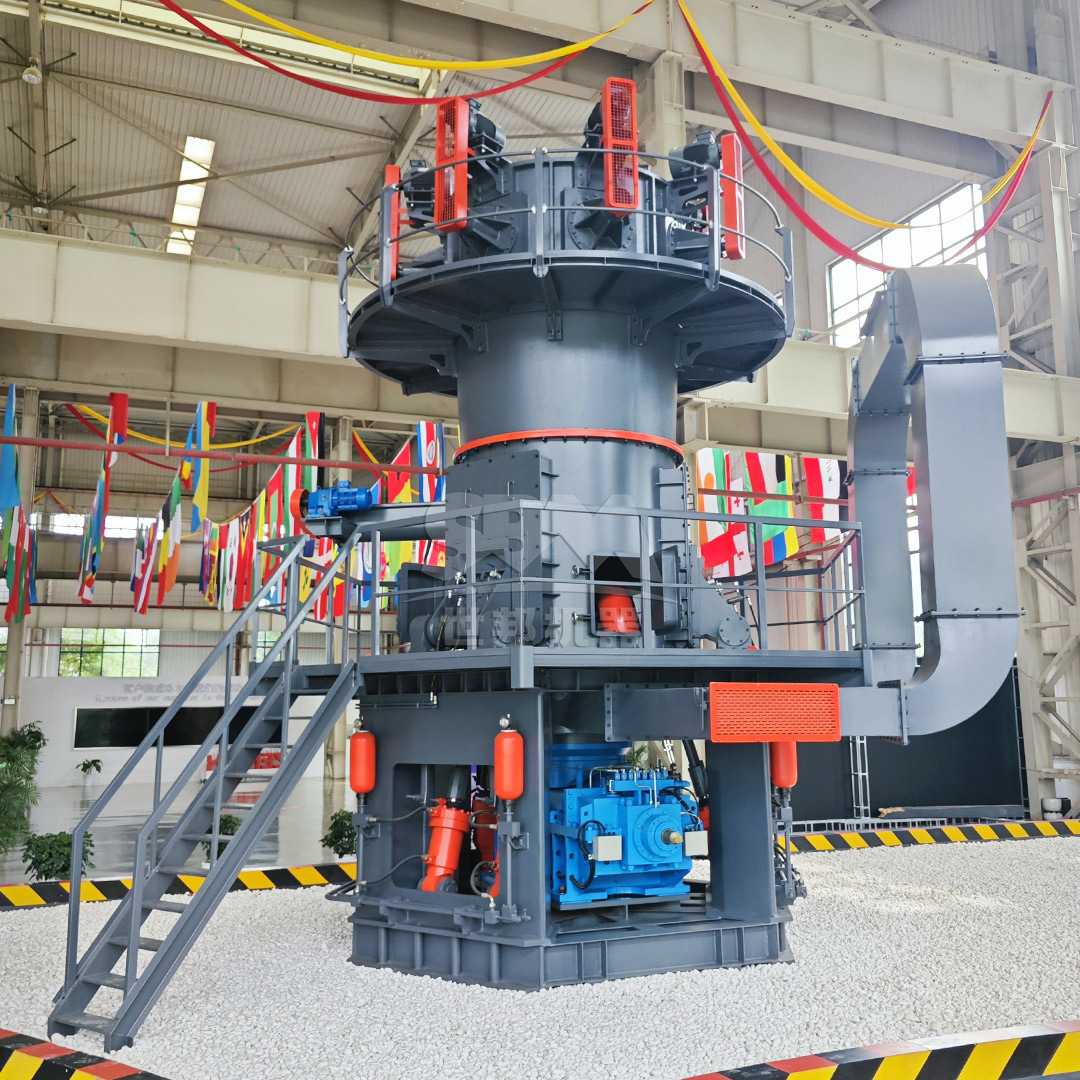
When high capacity and low energy consumption are paramount, the LM Series Vertical Roller Mill is an excellent choice. Its integrated design combines crushing, grinding, and selection in a single unit, reducing floor space by 50% and infrastructure costs by 40%. The non-contact design between rollers and table extends wear part life by three times compared to ball mills, while energy consumption is 30-40% lower. Available in multiple configurations (K for minerals, M for coal, N for slag, X-GX for fine powder, Y for pre-grinding), this mill offers unmatched versatility for adhesive filler production lines with capacities up to 250 t/h.
| Model | Table Diameter (mm) | Capacity (t/h) | Fineness (μm) | Feed Size (mm) | Main Power (kW) |
|---|---|---|---|---|---|
| LM130K | Φ1300 | 10-28 | 170-40 | ≤38 | 200 |
| LM150K | Φ1500 | 13-38 | 170-40 | ≤40 | 280 |
| LM190K | Φ1900 | 23-68 | 170-40 | ≤45 | 500 |
| LM280K | Φ2800 | 50-170 | 170-45 | ≤50 | 1250 |
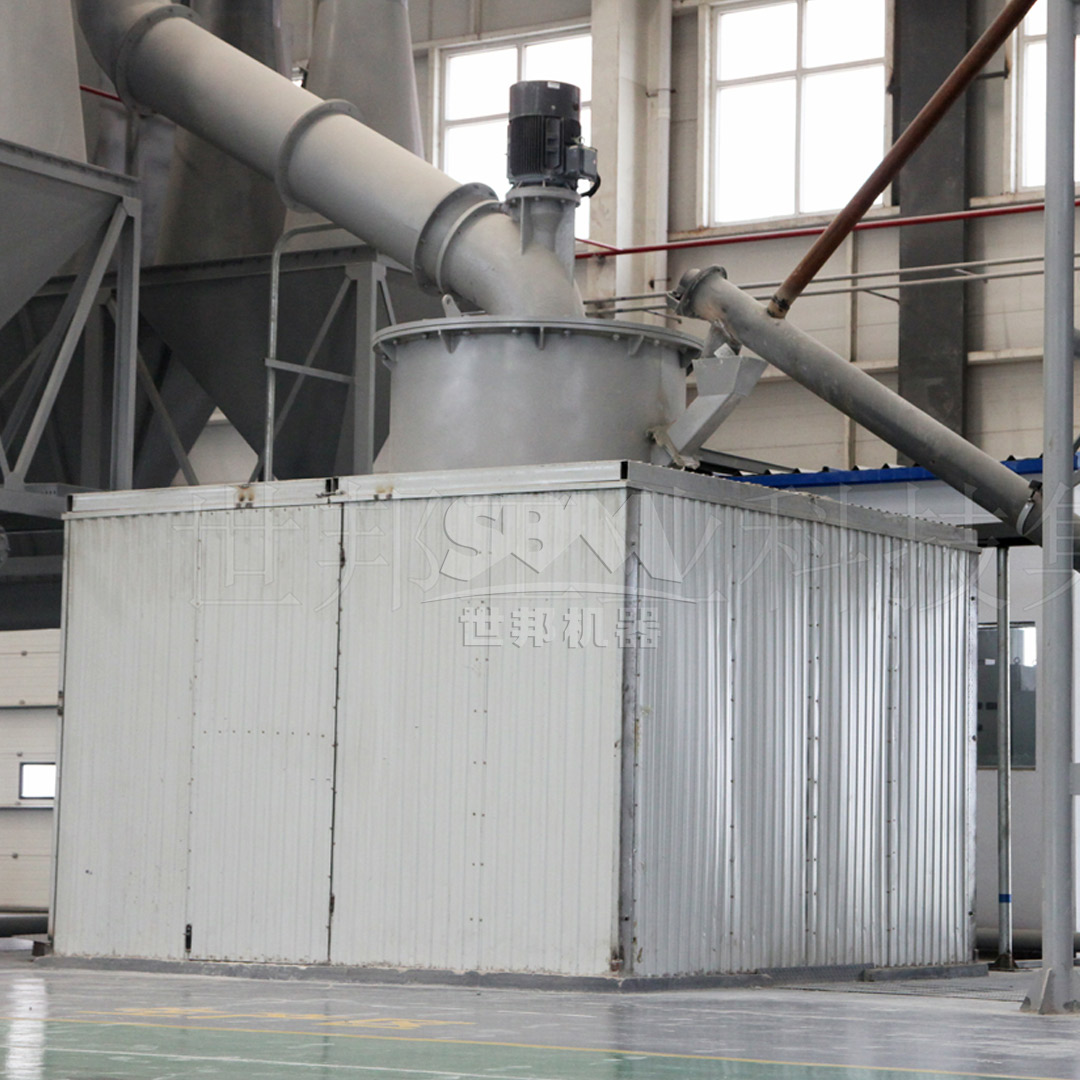
In limestone filler production, the classifier is as critical as the mill itself. It ensures the final powder meets strict particle size distribution requirements. Many of our mills, including the SCM and LM series, are equipped with vertical turbine classifiers that offer high-precision separation. For standalone applications, we also offer specialized classifier systems that can be retrofitted to existing mills.
Our classifiers utilize multi-stage adjustment technology, allowing operators to fine-tune the fineness without stopping the production line. Real-time monitoring and expert-level auto-control systems simplify operation and reduce manual intervention, ensuring consistent product quality. The fully sealed negative pressure operation prevents dust leakage, meeting the most stringent environmental standards.
Beyond the main grinding units, an efficient adhesive limestone filler processing line requires auxiliary equipment such as feeders, crushers, and dust collectors. Pulse dust collection systems, for example, are essential for capturing fine particles and maintaining air quality. Our range includes high-efficiency collectors that exceed international emission standards, ensuring eco-friendly operation.
For large installations, the LM-Y Vertical Pre-grinding Roller Mill can be integrated before the main mill to increase overall throughput. This machine operates on a bed grinding principle, reducing power consumption by 30-50% and producing excellent sand grading. With a maximum feed size of 20mm and capacities from 6 to 330 t/h, it is ideal for cement clinker and limestone pre-grinding.
Selecting the right processing equipment depends on several factors: desired fineness, capacity, energy consumption, and plant footprint. For adhesive fillers requiring a median particle size of 10-20 μm, the SCM Ultrafine Mill is recommended. For coarser powders (less than 325 mesh), the MTW Trapezium Mill or LM Vertical Mill are more appropriate due to their higher throughput.
It is also important to consider the hardness and abrasiveness of the limestone. All our mills are equipped with special material rollers and rings that extend service life several times over, reducing downtime and maintenance costs. The intelligent control systems on our machines provide automatic finished product granularity feedback, ensuring stable operation even in varying feed conditions.
Adhesive limestone filler production demands the highest standards of grinding precision and operational efficiency. The equipment described above—from hammer mills for primary crushing to advanced ultrafine and vertical roller mills—provides a complete solution for any production scale. Our company specializes in manufacturing these machines with cutting-edge technology and robust engineering, ensuring longevity and performance.
Recommended Product: For customers seeking a versatile and cost-effective solution for medium-fine grinding, we recommend the MTW Series European Trapezium Mill. Its proven design, patented technology, and low energy consumption make it an excellent investment for adhesive filler producers. Alternatively, for ultra-fine grades, the SCM Series Ultrafine Mill offers unmatched precision and efficiency.
We encourage you to contact our engineering team to discuss your specific requirements and obtain a customized equipment configuration. With over decades of experience in mineral processing, we are confident in delivering the best solution for your adhesive filler production line.