White cement production demands exceptionally high purity and controlled physical properties in every raw material. Bentonite, a clay mineral rich in montmorillonite, plays a critical role in white cement manufacturing—primarily as a plasticizer, water-retention agent, and rheology modifier in the raw meal preparation stage. However, the presence of iron, titanium, and other colored oxides in standard bentonite can compromise the whiteness of the final product. Therefore, selecting the right bentonite processing equipment is not merely a matter of achieving particle size reduction; it is about ensuring chemical purity, consistent fineness, and energy-efficient production without introducing contamination.
This article provides a comprehensive technical guide to selecting bentonite processing equipment for white cement plants. We will examine key selection criteria—from feed size and moisture content to target fineness and capacity—and explain why advanced grinding technologies outperform conventional systems in this demanding application. We will also highlight specific equipment models engineered to meet the stringent requirements of white cement production.
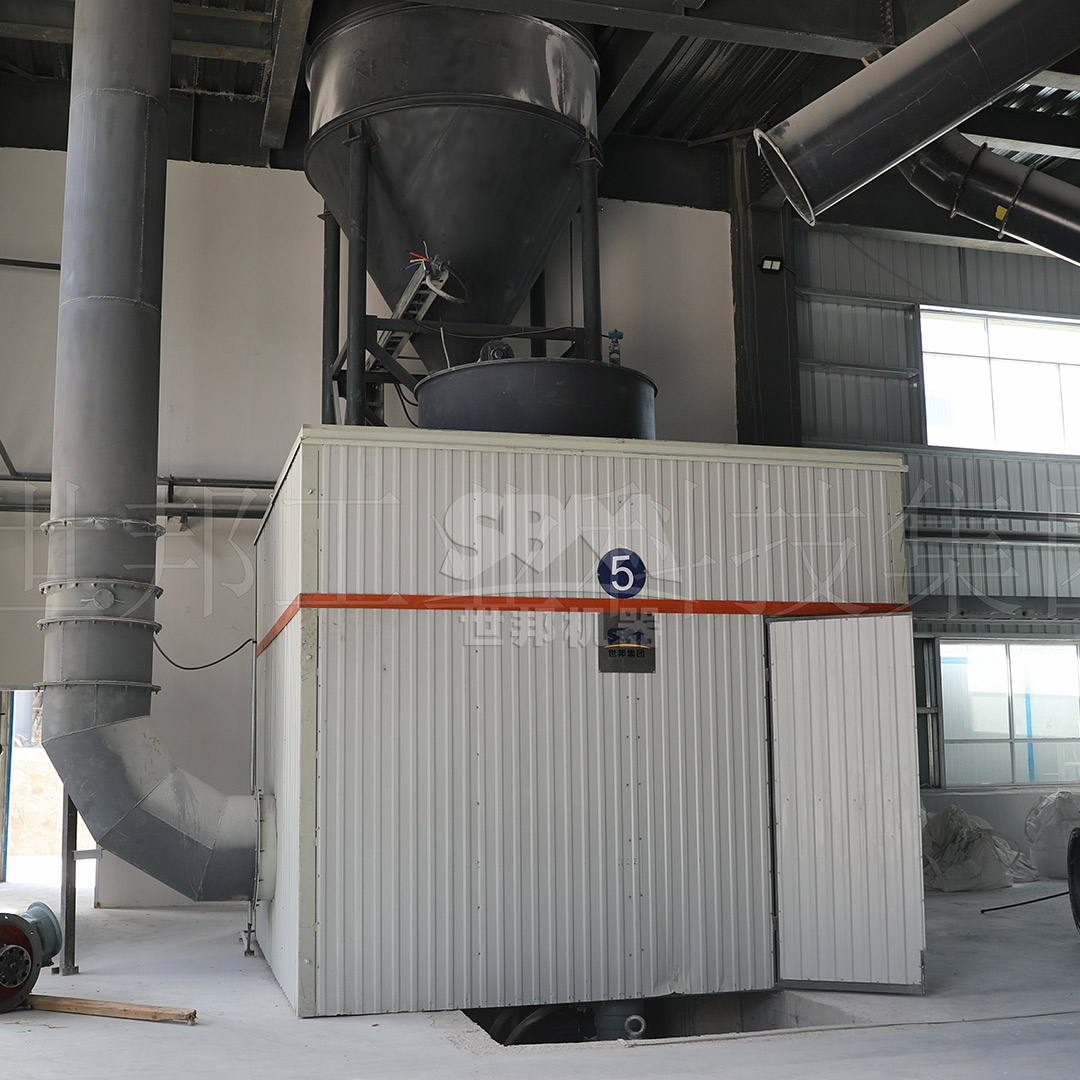
Before selecting any machinery, it is essential to understand the material characteristics of bentonite that directly influence equipment choice. Raw bentonite often arrives with a moisture content of 15–25% and an input size up to 50mm after primary crushing. Its layered silicate structure makes it highly abrasive when dry, which accelerates wear on grinding components. For white cement applications, thermal activation or drying is typically required to reduce moisture below 5%, followed by grinding to a fineness ranging from 45μm to 5μm depending on the production stage.
Three major challenges dominate bentonite processing for white cement: (1) Abrasiveness—the high silica and alumina content accelerates wear on standard steel parts; (2) Fineness control—ultrafine particles (below 10μm) are often required to maximize surface area and reactivity, demanding classifiers with high precision; and (3) Contamination control—iron abraded from grinding media and liners can cause discoloration in white cement, making wear-resistant materials and design features non-negotiable.
The spec sheet for white cement often specifies bentonite powder with a residue of less than 1% on a 325 mesh (45μm) screen, or even finer for special applications like oil-well cement. This requirement directly determines whether you need a medium-speed mill (45–325 mesh) or an ultrafine mill (325–2500 mesh). Classification accuracy is equally critical. A classifier that fails to cut particles sharply will allow coarse grains to pass, leading to poor hydration and inconsistent cement quality. Vertical turbine classifiers, as found in many modern grinding mills, provide precise particle size control because they adjust rotor speed without interrupting the grinding process.
Bentonite has a strong affinity for water, and its swelling property can clog conventional mills. If the incoming material has more than 8% moisture, the grinding mill must be equipped with a hot air system or integrated drying chamber. Vertical roller mills (VRM) and ultrafine vertical mills are particularly advantageous here because they use hot air from a separate furnace or the kiln exhaust to dry the material inside the grinding chamber while classifying. For standard trapezium mills, a separate rotary dryer might be necessary before grinding, which increases capital expenditure.
Since iron contamination is a primary threat to white cement whiteness, the grinding equipment must incorporate high-chromium alloy or ceramic-lined components. In many low-cost mills, the grinding rollers and rings are made of ordinary manganese steel, which wears quickly and liberates iron particles into the powder. Instead, look for mills that offer special material rollers and rings with service life several times longer than conventional parts. Also, consider shovels designed in combined structures that reduce metal-to-metal contact and allow quick replacement without dismantling the whole assembly.
Grinding is among the most energy-intensive operations in a cement plant, often consuming 30–50% of the facility’s electrical power. For bentonite, a material with relatively soft but layered structure, the specific energy consumption can be optimized using bed-of-material grinding principles rather than impact crushing. Modern vertical roller mills can reduce energy consumption by 30–40% compared to traditional ball mill systems, because rollers grind the material layer on a rotating table, rather than steel balls crushing individual particles.
| Equipment Type | Output Fineness | Capacity (t/h) | Energy Consumption Vs Ball Mill | Iron Contamination Risk |
|---|---|---|---|---|
| Ball Mill | 0.074–0.8mm | 0.65–450 | Baseline (100%) | High (steel balls) |
| MTW Trapezium Mill | 30–325 mesh | 3–45 | -30% (approx.) | Moderate |
| LM Vertical Roller Mill | 30–325 mesh | 3–250 | 30–40% lower | Low (roller/table contact) |
| SCM Ultrafine Mill | 325–2500 mesh | 0.5–25 | -30% vs jet mill | Low (special material rollers) |
| LUM Ultrafine Vertical Mill | 325–2500 mesh | 1.6–15 | Highest efficiency | Very low (PLC controlled) |
Ball mills have been the backbone of cement grinding for over a century. Their advantages lie in simplicity, reliability, and the ability to process large throughputs up to 450 t/h. For bentonite used in white cement, a ball mill can achieve a fineness of 0.074–0.8mm, which is sufficient for ordinary Portland cement but marginal for premium white cement that requires higher surface area. The major drawback is the high energy consumption and significant iron contamination from the grinding media. Each ton of bentonite ground in a ball mill can abrade several hundred grams of steel balls, introducing Fe₂O₃ that degrades whiteness. Therefore, ball mills are only recommended when the bentonite is used for non-color-critical applications or when a subsequent magnetic separation step is included.
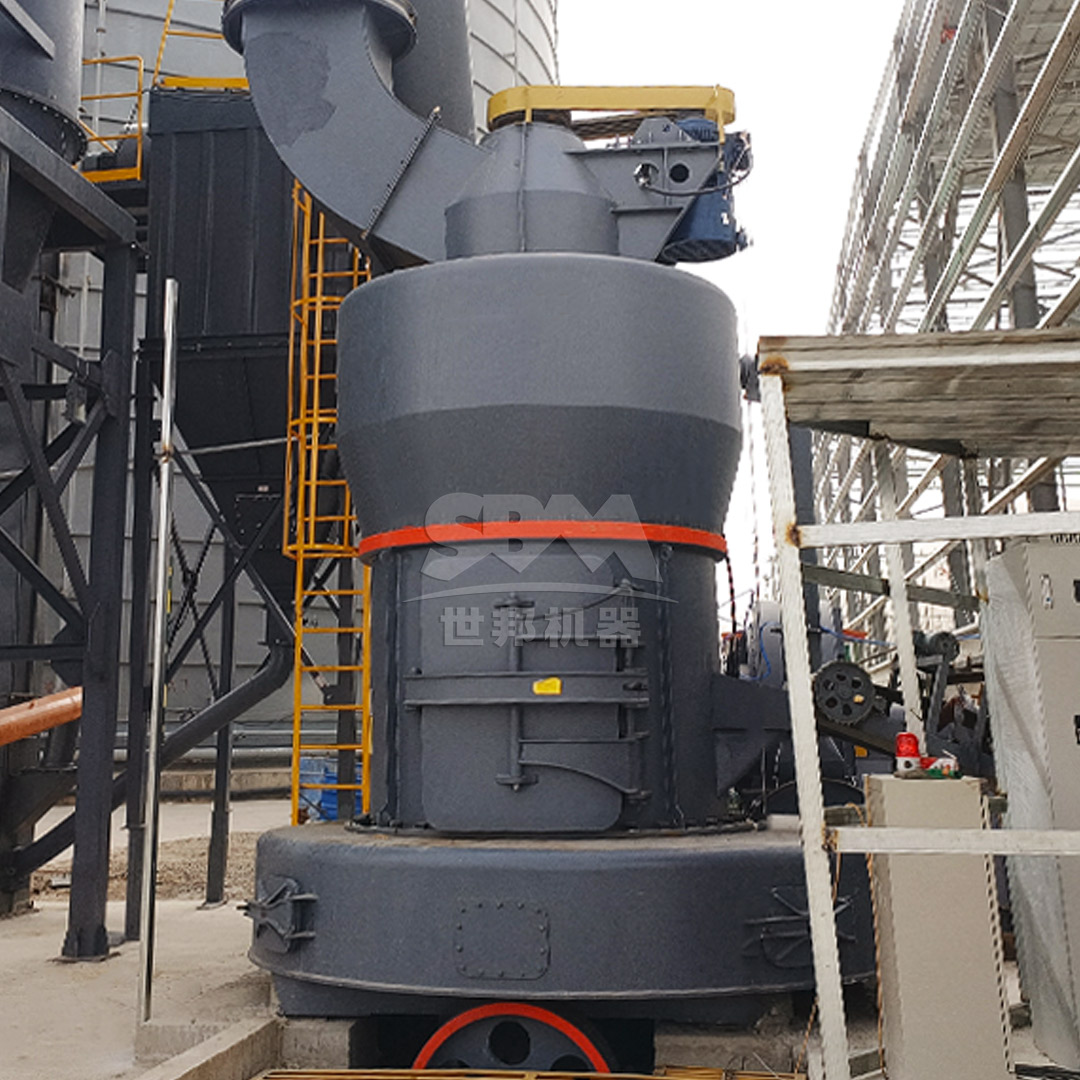
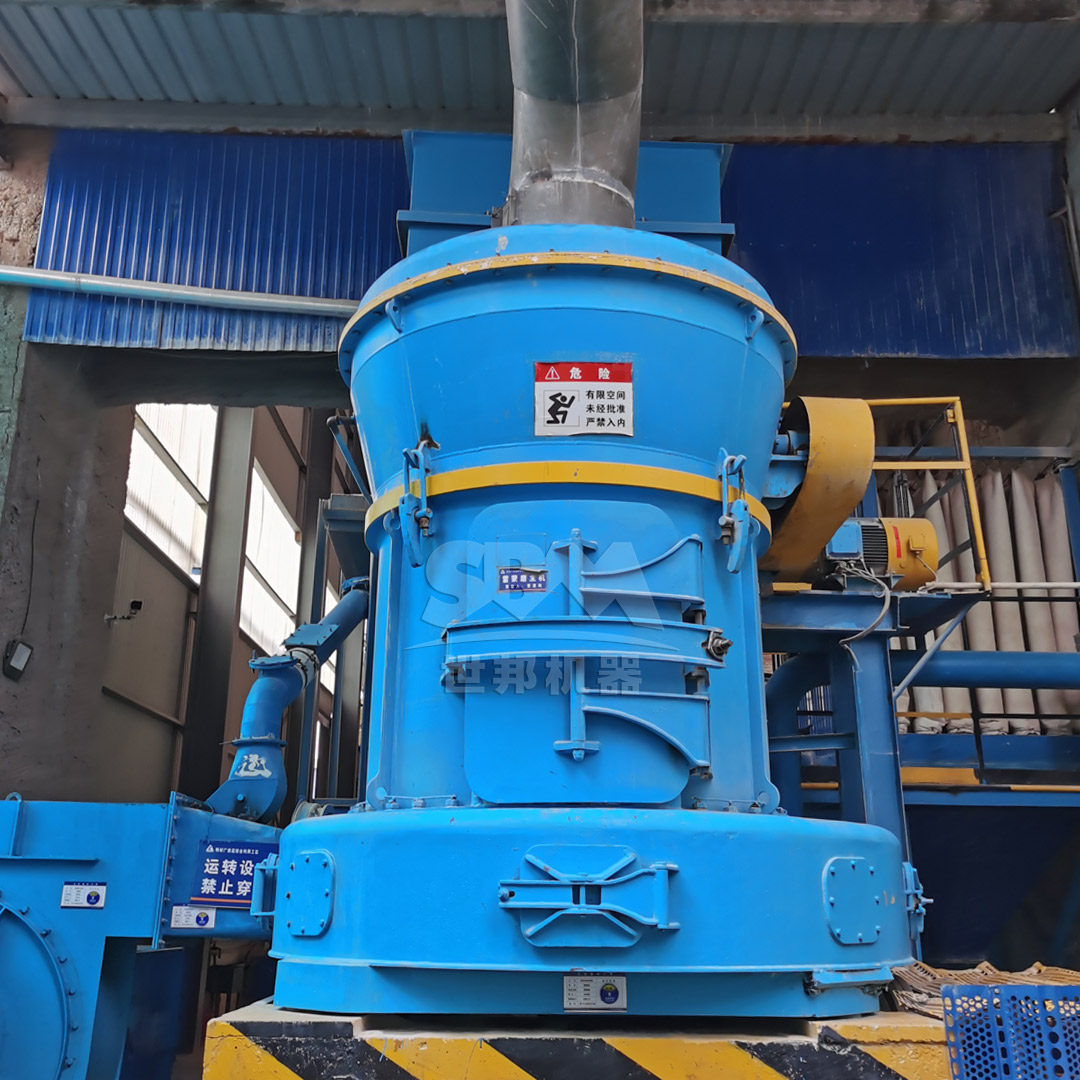
The MTW series represents a significant advancement over traditional Raymond mills. It features an integral bevel gear drive with transmission efficiency up to 98%, and a curved shovel design that extends the service life of the grinding roller. Its output fineness ranges from 30–325 mesh, which covers the typical bentonite requirements for white cement raw meal. The anti-wear volute structure reduces airflow resistance and improves selection efficiency. With models like MTW175G offering a capacity up to 25 t/h, this mill is well-suited for medium-sized white cement plants. However, achieving fineness below 200 mesh requires careful adjustment of the classifier speed, and the wear parts must be specified in high-chrome alloy to minimize iron pickup.
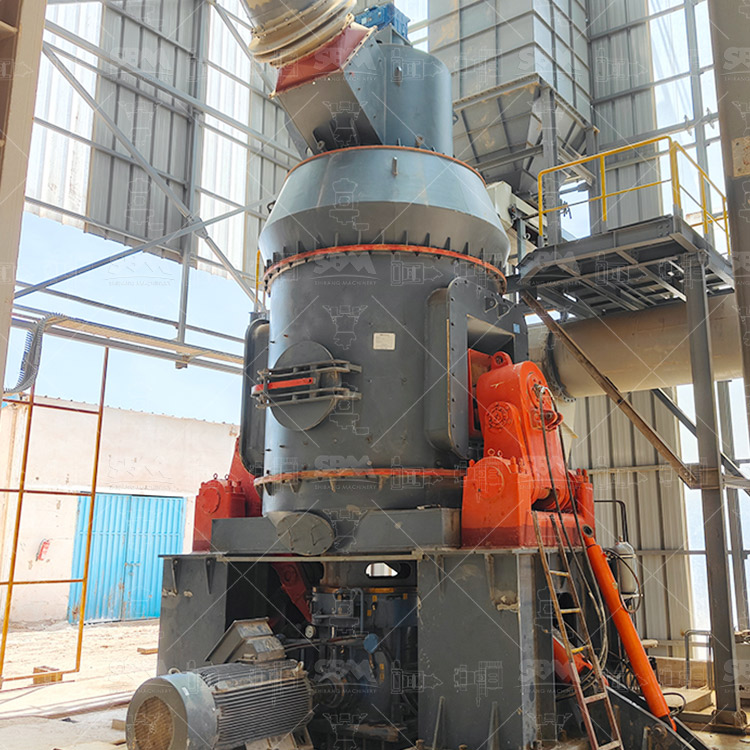
For large-capacity white cement plants (above 100 t/h of raw meal), the LM vertical roller mill is the preferred choice. The grinding principle—material layer grinding between rollers and a horizontal table—naturally limits metal-to-metal contact, thereby reducing iron contamination. The integrated design combines drying, grinding, and classification in a single unit, which can reduce floor space by 50% and infrastructure costs by 40%. The LM130K to LM280K models provide capacities from 10 to 170 t/h with fineness from 170 to 40μm (approximately 90–350 mesh). Furthermore, the hot air circulation system efficiently dries bentonite with moisture up to 20%, eliminating the need for a separate dryer. The quick-change modular grinding roller assembly allows maintenance downtimes of minutes rather than hours, which is critical for continuous cement production.
As white cement producers increasingly add supplementary cementitious materials (SCMs) or require bentonite for special oil-well white cement grades, there is a growing demand for ultrafine powder with a fineness of 325–2500 mesh (5–45μm). The SCM Ultrafine Mill is engineered for this specific challenge. It utilizes three layers of grinding rings rotated by a main motor; materials are dispersed by centrifugal force onto the grinding path and crushed layer-by-layer by the rollers. Its vertical turbine classifier achieves precise particle size cutting without coarse powder mixing. The capacity is twice that of jet mills with 30% lower energy consumption, making it the most economical solution for ultra-fine grinding. Models such as the SCM1250 and SCM1680 offer capacities up to 25 t/h, which is ample for a dedicated bentonite ultrafine production line feeding the white cement finish mill.
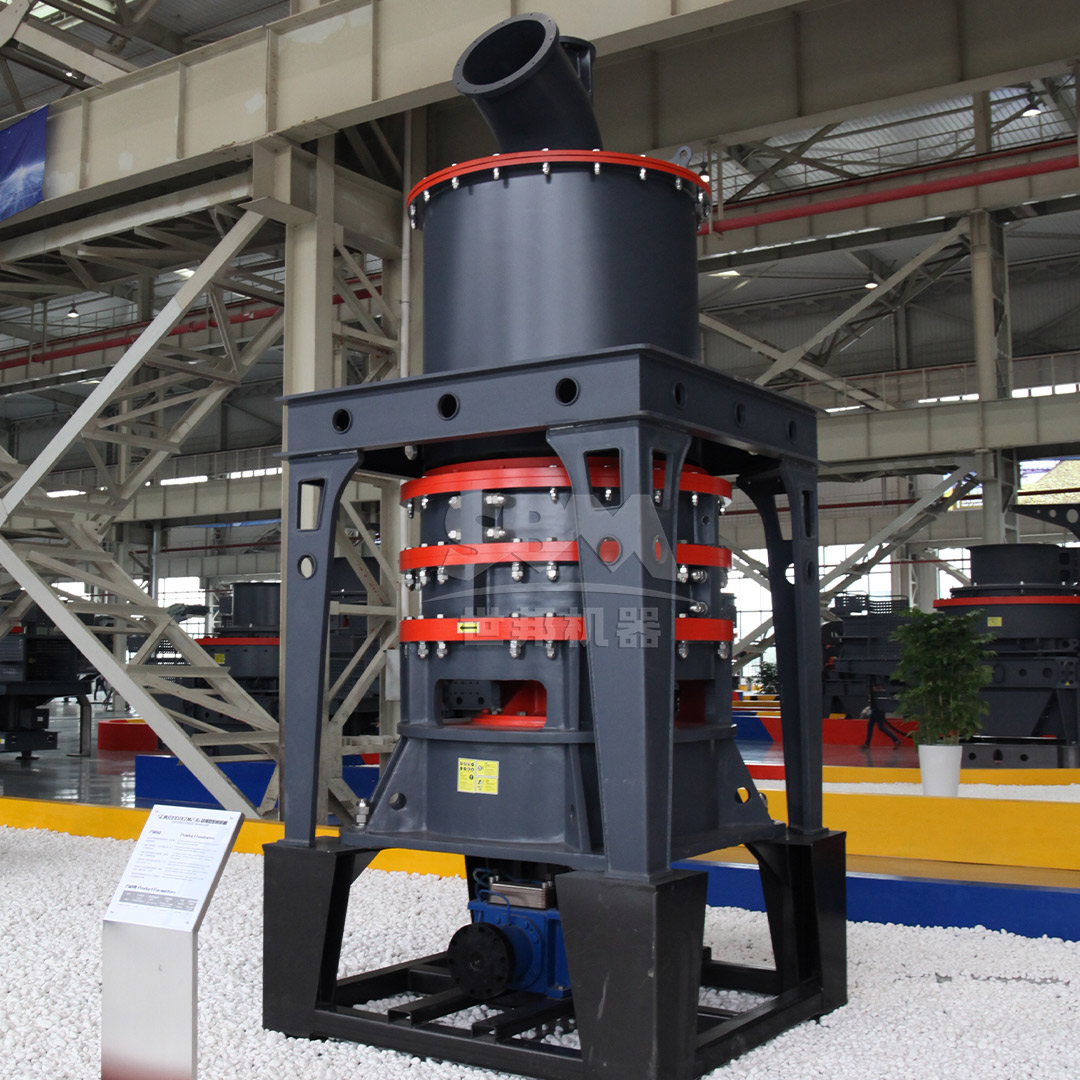
Based on the technical challenges described above, we recommend two complementary products from our portfolio, each suited to a distinct production stage or capacity requirement. For white cement plants that need a dedicated bentonite preparation line with high whiteness retention and a fineness range of 325–2500 mesh, the SCM Series Ultrafine Mill is our primary choice. With input size up to 20mm and a capacity range of 0.5–25 t/h across models from SCM800 to SCM1680, it allows precise adjustment of finished powder granularity using intelligent control systems. The special material rollers and rings extend service life several folds, and the pulse dust collector ensures emissions below international standards. The shaftless screw grinding chamber design guarantees stable operation even when processing bentonite with slight moisture variations.
Alternatively, for plant expansions requiring high throughput and simultaneous drying, the LM Series Vertical Roller Mill stands out. Its integrated grinding and classification system processes up to 250 t/h (LM370N) while consuming 30–40% less energy than a ball mill system. The contactless design between rollers and table not only reduces wear but also minimizes iron contamination, preserving the brightness of white cement. The expert-level auto-control system supports remote monitoring, and the negative-pressure sealed operation prevents dust leakage. For cement producers targeting operational excellence and environmental compliance, the LM model offers the best lifecycle cost.
Start by specifying the bentonite product fineness (e.g., d90 = 30μm), capacity (t/h), moisture content of the feed, and acceptable Fe₂O₃ contamination limit (e.g., below 0.5%). Also determine whether the bentonite will be dried separately or inside the mill.
For a fair economic comparison, calculate the specific energy consumption (kWh/t) for each candidate mill based on the Bond Work Index of bentonite (typically 8–12 kWh/t). Add the cost of grinding media and liners per ton of product. A mill with lower energy consumption but higher wear parts cost may be less attractive unless the wear parts have extended life due to design improvements, such as the curved shovels in the MTW or the special alloy rollers in the SCM.
For white cement, the particle size distribution of bentonite directly affects the rheology of the cement paste. A sharp cut in the classifier means fewer oversized or undersized particles. Vertical turbine classifiers (as in SCM and LM mills) offer higher precision than centrifugal classifiers found on older Raymond mills. Ask for a particle size distribution curve from the equipment manufacturer based on your specific bentonite sample.
space constraints and the existing plant layout. vertical roller mills can be installed outdoors, saving building costs. If you need to process multiple materials (e.g., bentonite and limestone) with the same equipment, choose a mill with quick change-over capabilities like the MTW or LM models.
| Mill Model | Feed Size | Fineness Range | Capacity (t/h) | Main Power (kW) | Ideal Application |
|---|---|---|---|---|---|
| SCM1250 | ≤20mm | 325-2500 mesh | 2.5-14 | 185 | Ultrafine bentonite for special cement |
| SCM1680 | ≤20mm | 325-2500 mesh | 5.0-25 | 315 | Large-scale ultrafine powder line |
| LM170K | ≤42mm | 170-40μm | 18-48 | 400 | Main raw meal grinding for white cement |
| LM220K | ≤50mm | 170-45μm | 36-105 | 800 | Large plant, high throughput |
A typical mid-sized white cement plant producing 5000 tons per day requires approximately 3–5 tons per hour of bentonite powder with a fineness of 85% passing 325 mesh. The plant currently used a ball mill with a capacity of 8 t/h but faced two issues: high energy consumption (45 kWh/t) and gray discoloration of cement due to iron contamination from the grinding media. After a thorough evaluation, the plant replaced the ball mill with a LM130K vertical roller mill (capacity 10–28 t/h, power 200kW). The results were immediate:
This case illustrates that the initial investment in a more advanced grinding technology is quickly recovered through lower operating costs and superior product quality, which commands a higher market price.
Choosing the right bentonite processing equipment for white cement production is a multi-criteria decision that must balance fineness capability, energy efficiency, wear resistance, and contamination control. For most new installations, the LM vertical roller mill offers the best overall value when capacity exceeds 10 t/h and moisture removal is required. For smaller volumes or when ultrafine powders are needed, the SCM ultrafine mill is unmatched in efficiency and precision. Both product lines are available with backup from our engineering team for system design, installation, and after-sales service. We encourage cement producers to submit a representative bentonite sample for a grindability test and a particle size distribution analysis, allowing us to recommend the exact model and configuration that will optimize their white cement quality and production economy.
Contact us today to discuss your specific project requirements or to arrange a pilot test with your material. Our milling specialists are ready to assist you in achieving the highest standards of white cement manufacturing.