In the cement manufacturing process, the preparation of raw materials is a pivotal stage that directly influences clinker quality, energy consumption, and overall plant efficiency. Limestone, clay, and gypsum constitute the primary raw materials, each presenting distinct physical and chemical characteristics that demand tailored milling solutions. Limestone is abrasive and moderately hard; clay is soft, sticky, and moisture-laden; gypsum is relatively soft but requires precise dehydration control during grinding. Selecting the wrong mill can lead to excessive wear, high power consumption, inconsistent product fineness, and unplanned downtime.
This article provides a comprehensive guide to choosing the right milling equipment for cement-grade raw materials, drawing on advanced technologies and real-world parameters to help engineers and project managers make informed decisions.
Limestone (CaCO3) typically exhibits a Mohs hardness of 3–4 and can be highly abrasive due to silica content. Its grindability index varies widely, and moisture content may range from 1% to 8%. For raw meal preparation, fineness targets are usually 80 μm residue 10–15% (approximately 200 mesh). Mills must handle high throughputs (up to 400 t/h in large plants) while resisting wear. Vertical roller mills (VRM) and trapezium mills are often preferred for their drying capacity and energy efficiency.
Clay minerals (e.g., kaolinite, illite) are soft (Mohs 2–2.5) but notoriously difficult to grind due to plasticity and high moisture (up to 20%). Clay tends to clog conventional hammer mills and ball mills. Drying during grinding is essential. Vertical roller mills with hot gas generators and integrated classifiers excel here, as do specialized pre-grinding systems.
Gypsum (CaSO4·2H2O) is soft (Mohs 2) but requires careful temperature control during grinding to avoid premature dehydration, which affects cement setting time. Typical fineness for gypsum in cement is 300–400 m2/kg Blaine. Ball mills with low-temperature operation or vertical mills with precise temperature regulation are suitable. For ultrafine gypsum (e.g., for special cements), ultrafine mills are needed.
Plant scale dictates mill capacity. Small plants (500–1500 tpd clinker) may require 50–150 t/h raw meal, while large plants (5000–10000 tpd) need 300–600 t/h. Mills must be sized with 10–15% margin for future upgrades.
Raw meal fineness affects burnability. Typically, 80 μm sieve residue 12–16% is optimal. Gypsum fineness may need 2–5% residue on 80 μm. Ultrafine products (<45 μm) require specialized mills.
Grinding accounts for 60–70% of total electrical energy in cement plants. Vertical roller mills consume 30–40% less energy than ball mills. Ultrafine mills and trapezium mills offer further savings.
Abrasive materials demand wear-resistant liners and rollers. Modular designs and hydraulic systems reduce downtime. Mills with thin oil lubrication and automatic pressure regulation extend service life.
Clay and gypsum may contain free moisture. Mills with integrated hot gas supply and high airflow are advantageous. Vertical mills can handle up to 15% moisture.
Dust emission limits are tightening globally. Pulse-jet dust collectors and negative pressure operation are mandatory. Noise levels should be below 85 dB.
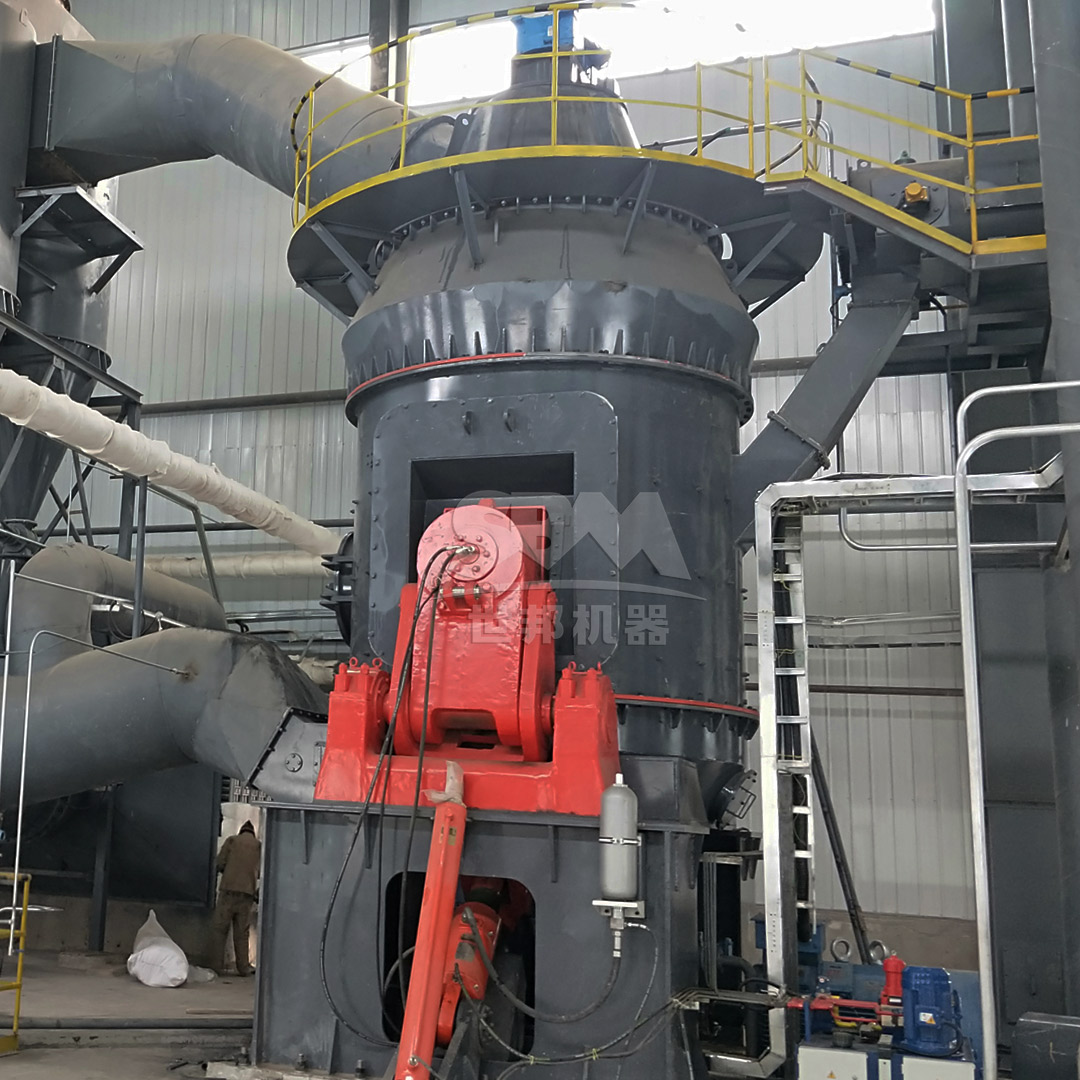
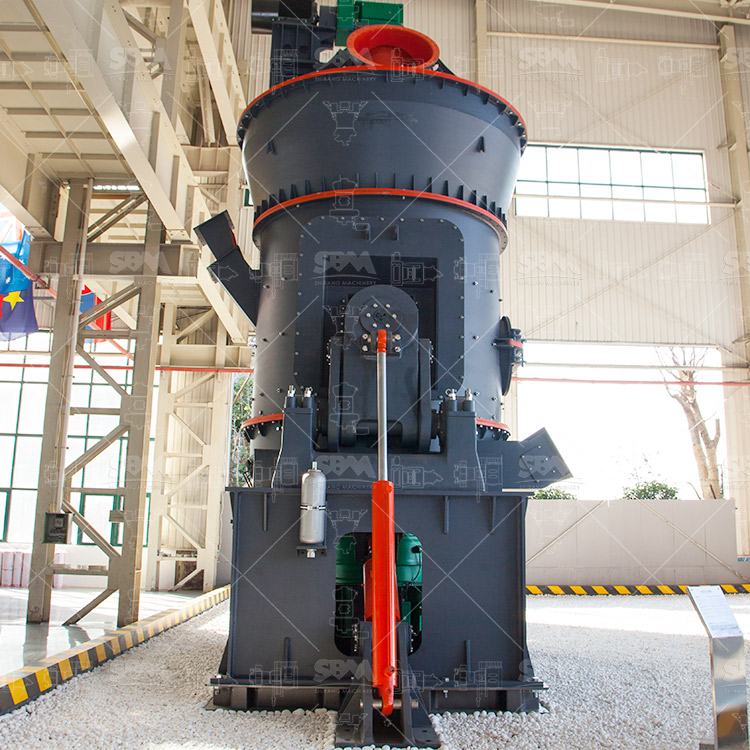
VRMs have become the industry standard for raw meal grinding due to their high efficiency, drying capacity, and compact footprint. The LM Series Vertical Roller Mill from our company is a prime example, offering capacities from 3 to 250 t/h and fineness up to 600 mesh. Its integrated design combines crushing, grinding, and classification, reducing floor space by 50% and infrastructure costs by 40%. The non-contact roller-table design extends wear part life by three times, and energy consumption is 30–40% lower than ball mill systems. Intelligent control enables remote monitoring and automatic adjustment.
For limestone and clay, the LM series excels. For gypsum, special models with temperature control are available. The LM series also offers specialized versions: LM-K for minerals, LM-M for coal, LM-N for slag, LM-X for ultrafine powder, and LM-Y for pre-grinding.
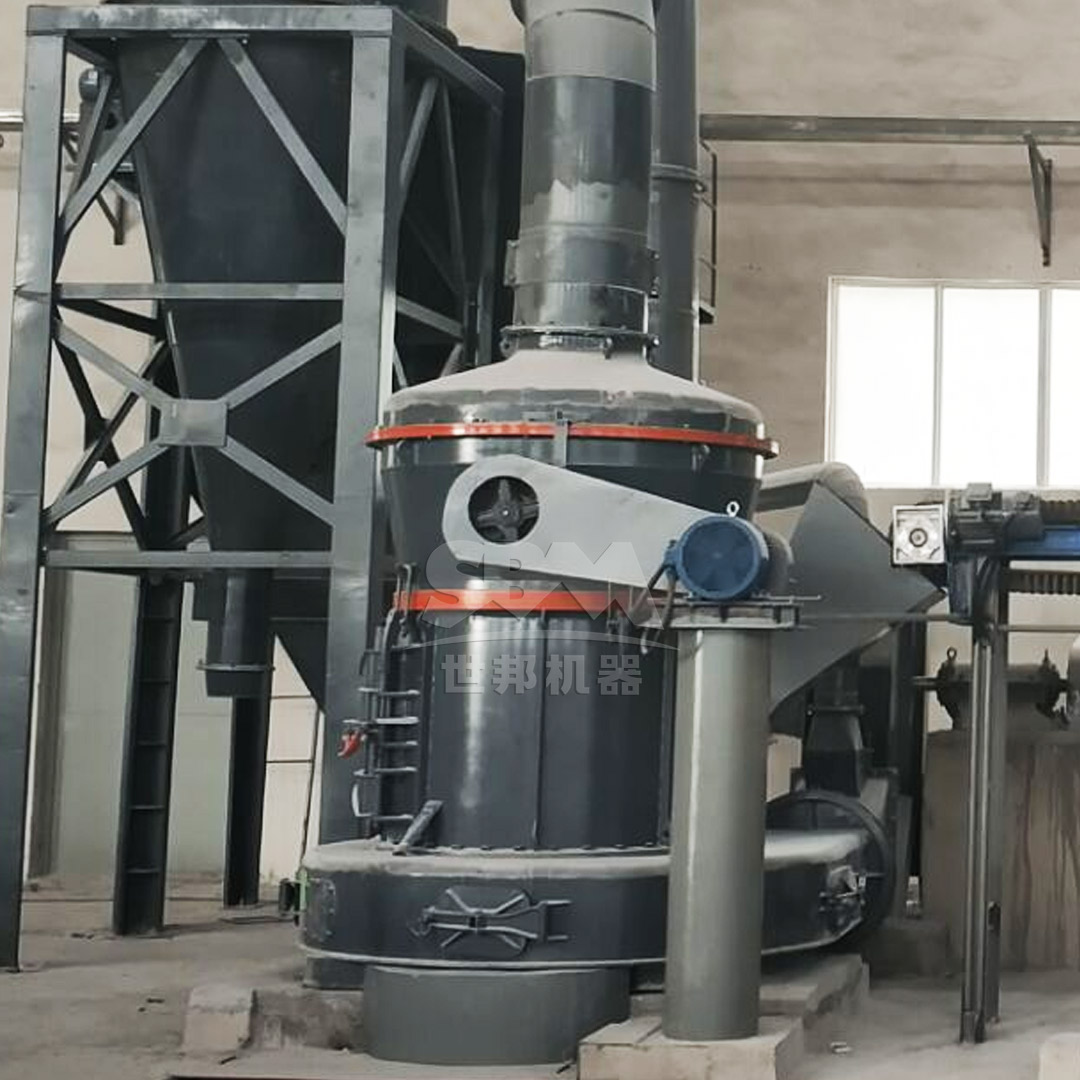
The MTW Series European Trapezium Mill is another robust solution for medium-fine grinding (30–325 mesh). With capacities up to 45 t/h, it is ideal for small to medium plants or for grinding gypsum and clay. Its anti-wear shovel design and curved rollers reduce maintenance costs. The integral bevel gear drive achieves 98% transmission efficiency. The MTW mill is particularly effective for gypsum grinding when combined with a hot air system to control dehydration.
For specialty cements or gypsum requiring high fineness (325–2500 mesh), the SCM Series Ultrafine Mill is recommended. It delivers 2x the capacity of jet mills with 30% lower energy consumption. The vertical turbine classifier ensures precise particle size cutting without coarse powder mixing. The SCM mill is ideal for producing high-value gypsum products or fine limestone fillers. Models range from SCM800 (0.5–4.5 t/h) to SCM1680 (5–25 t/h).
Although being replaced by VRMs, ball mills remain viable for small capacities or when grinding very abrasive materials. Our ball mills (GMQG series) offer capacities from 0.65 to 450 t/h and can operate in dry or wet mode. They are reliable but energy-intensive.
For pre-crushing limestone or clay before fine grinding, hammer mills (PC series) with capacities up to 70 t/h reduce feed size to 0–3 mm. The LM-Y Vertical Pre-grinding Roller Mill is a multi-functional solution that integrates sand making and grinding, with capacities up to 330 t/h and 30–50% lower power consumption.
| Mill Type | Feed Size (mm) | Fineness | Capacity (t/h) | Best for |
|---|---|---|---|---|
| LM Vertical Roller Mill | ≤50 | 30–325 mesh | 3–250 | Limestone, clay |
| MTW Trapezium Mill | ≤50 | 30–325 mesh | 3–45 | Gypsum, clay |
| SCM Ultrafine Mill | ≤20 | 325–2500 mesh | 0.5–25 | Fine gypsum, limestone |
| Ball Mill | ≤25 | 0.074–0.8 mm | 0.65–450 | Abrasive materials |
The LM Series is our flagship product for cement raw meal grinding. Its advanced features include:
With models from LM130K (10–28 t/h) to LM280K (50–170 t/h), the LM series can match any plant capacity. For pre-grinding, the LM-Y series offers circulation capacities up to 1000 t/h.
The MTW Series is ideal for medium-fine grinding with capacities up to 45 t/h. Key advantages:
For gypsum, the MTW mill can be equipped with a hot air generator to control temperature and prevent dehydration.
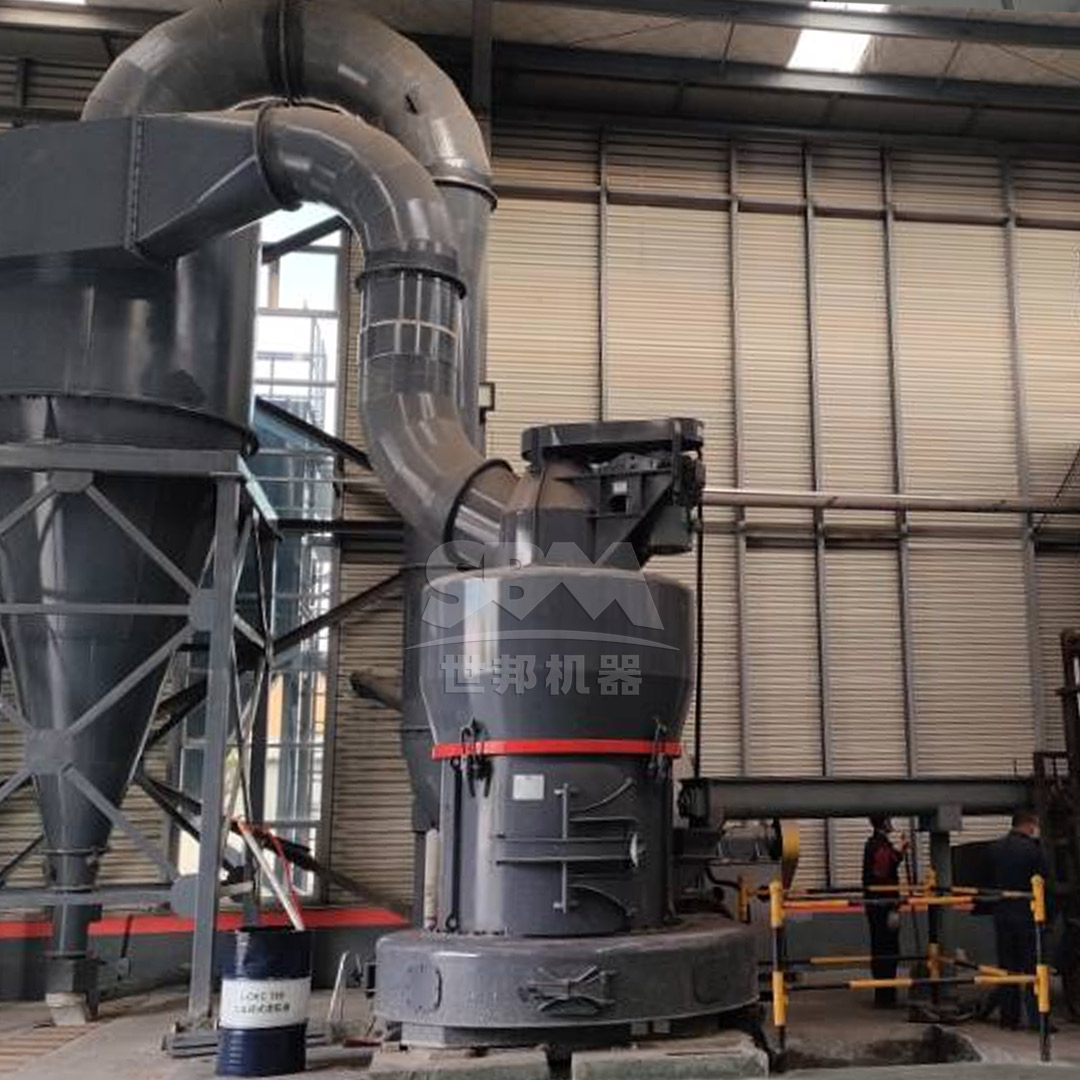
A 3000 tpd cement plant in Southeast Asia required a raw meal mill for limestone (70%), clay (20%), and gypsum (10%) with moisture up to 8%. The target fineness was 80 μm residue 12%, and capacity 180 t/h. After evaluation, an LM190K vertical roller mill (23–68 t/h) was initially considered but found insufficient. Two LM220K mills (36–105 t/h each) were selected, providing redundancy and future expansion. The mills were installed outdoors, reducing civil works. Energy consumption was 18 kWh/t, compared to 28 kWh/t for a ball mill circuit. The plant reported a 35% reduction in power costs and minimal maintenance.
For abrasive limestone, use high-chrome rollers and ceramic liners. Our LM series offers modular roller assembly for quick changes. MTW mills feature curved rollers that distribute wear evenly.
For clay with high moisture, ensure hot gas supply (up to 350°C) and proper insulation. Vertical mills with integrated drying chambers are preferred.
Adjust classifier speed and airflow to achieve target fineness. The SCM series offers automatic finished product granularity feedback.
Pulse-jet collectors with PTFE membranes ensure emission <10 mg/m³. Our mills are equipped with internationally advanced pulse dust removal technology.
Digitalization, AI-based optimization, and hydrogen-ready grinding systems are emerging. Our R&D focuses on reducing specific energy consumption to below 15 kWh/t for raw meal. The integration of renewable energy and waste heat recovery will further enhance sustainability. Ultrafine grinding for alternative cements (e.g., limestone calcined clay) will gain prominence.
Selecting the right milling solution for limestone, clay, and gypsum requires a holistic approach—balancing capacity, fineness, energy, wear, and environmental factors. For most cement plants, the LM Series Vertical Roller Mill offers the best combination of efficiency, drying capability, and low maintenance. For medium-scale or gypsum-specific needs, the MTW Series European Trapezium Mill is an excellent choice. For ultrafine products, the SCM Series Ultrafine Mill delivers superior precision and energy savings.
By partnering with us, you gain access to patented technologies, global service support, and customized solutions. Contact our engineers to conduct a feasibility study and select the optimal mill for your raw materials.
For more information on our milling solutions, please visit our website or consult our technical team.