Dolomite, a naturally occurring mineral composed of calcium magnesium carbonate (CaMg(CO₃)₂), plays a critical role in the glass manufacturing industry. As a glass flux, dolomite contributes magnesium oxide (MgO) and calcium oxide (CaO) to the glass batch, lowering the melting temperature and improving the chemical durability and mechanical strength of the final glass product. Whether producing container glass, flat glass, or specialty glass, the quality and particle size distribution of dolomite powder significantly influence melting efficiency, energy consumption, and product quality.
However, raw dolomite must undergo precise processing—crushing, grinding, and classification—to meet the stringent specifications required by glass manufacturers. Typically, glass-grade dolomite powder requires a fineness ranging from 80 to 325 mesh (180 to 45 microns), with strict control over particle size distribution and iron content. Choosing the right milling solution is therefore essential for achieving consistent product quality, minimizing production costs, and maintaining environmental compliance.
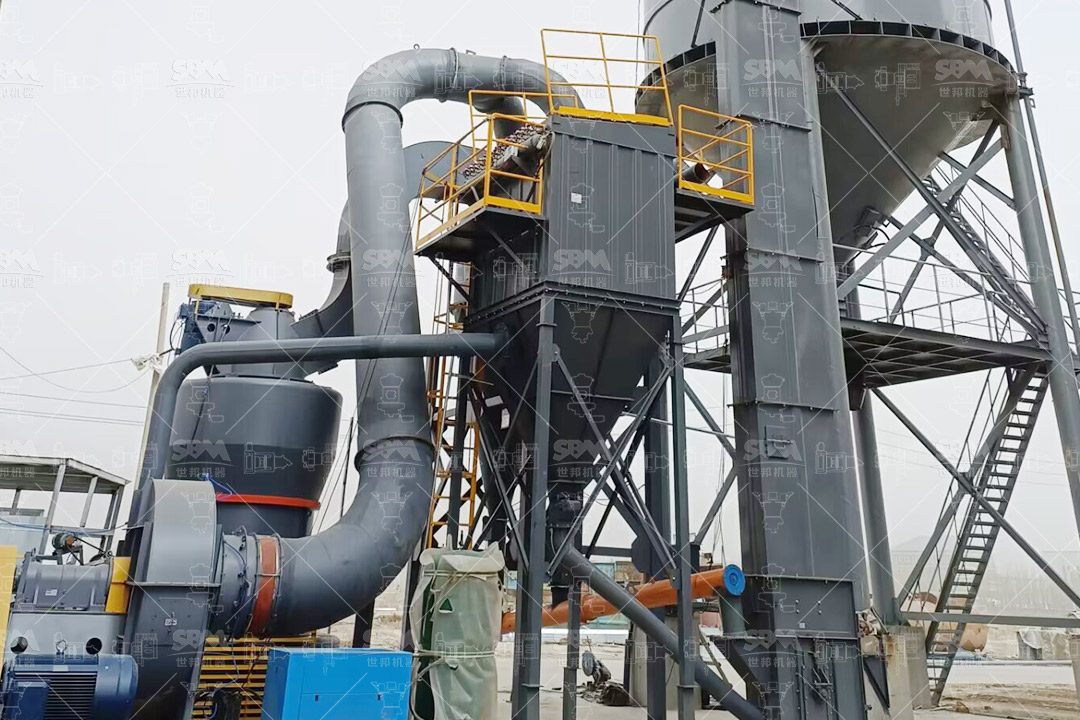
Figure 1: Dolomite raw ore ready for processing into glass flux powder
Before selecting a milling solution, it is important to understand the specific requirements of dolomite powder used as a glass flux. These requirements guide the choice of equipment and process configuration.
The fineness of dolomite powder directly affects its reactivity in the glass melt. Coarse particles may not fully dissolve, leading to defects such as stones or cords in the finished glass. Conversely, excessively fine particles can cause dusting and segregation during batch mixing. Most glass manufacturers require dolomite powder with a fineness of 100–200 mesh (150–75 microns), though some specialty glass applications may require up to 325 mesh (45 microns).
Iron content is a critical parameter, especially for clear and low-iron glass production. Dolomite used in glass flux should typically contain less than 0.1% Fe₂O₃. Contamination during grinding—particularly from wear of grinding media and liners—must be minimized. This makes the selection of wear-resistant materials and proper equipment design essential.
Excessive moisture in dolomite powder can cause clumping and affect batch uniformity. The milling system should either incorporate drying capability or be paired with a dryer to ensure the final product has a moisture content below 1%.
Glass manufacturers often require dolomite powder at scale—ranging from a few tons per hour for small specialty glass operations to over 30 tons per hour for large float glass plants. The milling solution must be matched to the required throughput to avoid bottlenecks.
Dolomite grinding generates significant dust. Modern milling systems must incorporate efficient dust collection and noise reduction measures to comply with environmental regulations and ensure a safe working environment.
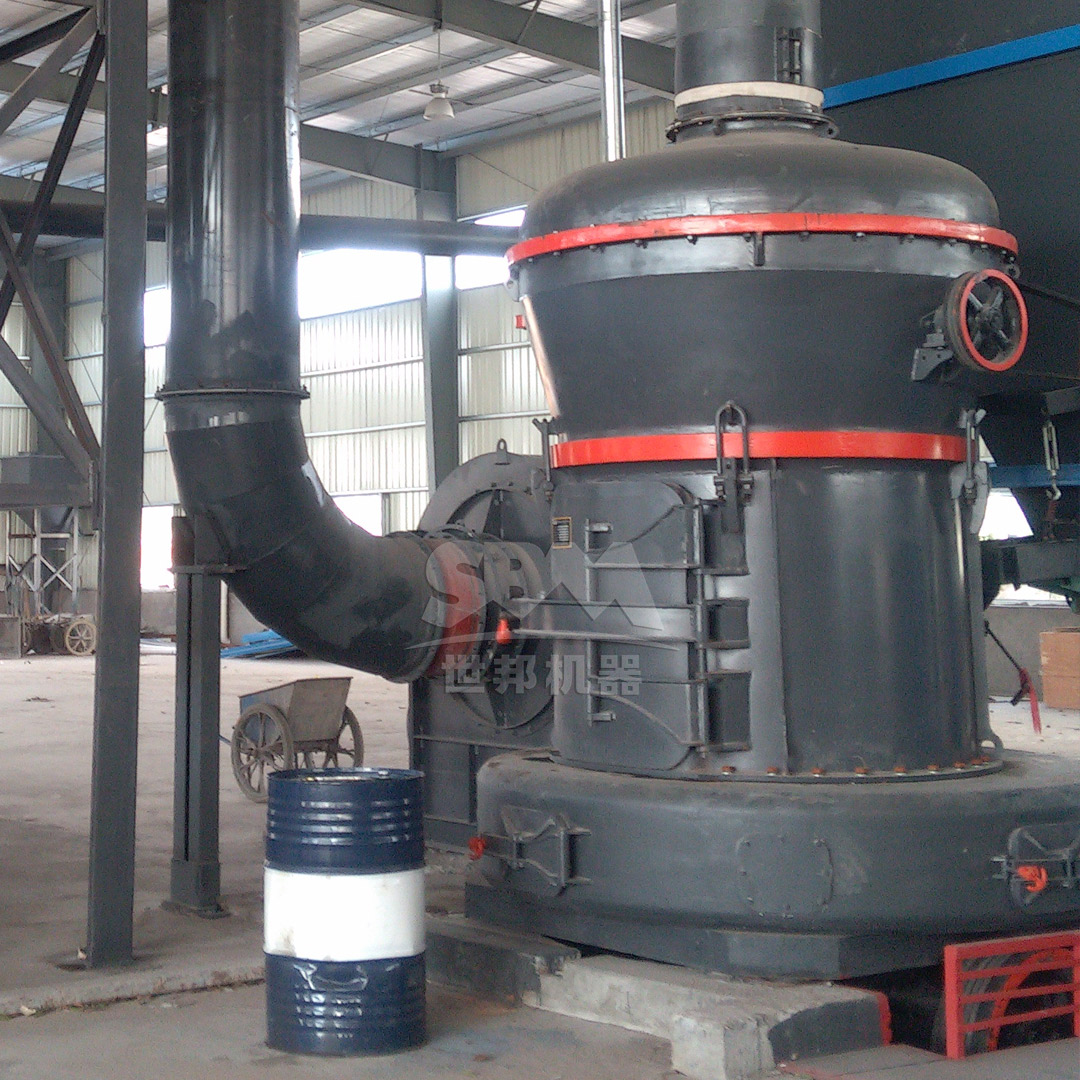
Figure 2: Various milling solutions for dolomite processing in glass flux applications
Several types of grinding mills are commonly used for dolomite processing. Each has distinct advantages and limitations depending on the required fineness, capacity, and capital investment.
Traditional Raymond mills are widely used for dolomite grinding in the 80–325 mesh range. They offer moderate capacity and relatively low investment. However, they may struggle with harder dolomite ores and typically have higher maintenance requirements due to wear on rollers and rings.
Ball mills can grind dolomite to fine sizes but are energy-intensive and have large footprints. They are better suited for large-scale operations where the grinding circuit can be optimized with classification equipment. Ball mills are less efficient for producing the narrow particle size distributions often required for glass flux.
Vertical roller mills (VRMs) have gained popularity for dolomite grinding due to their high efficiency, compact footprint, and ability to handle large capacities. They integrate grinding, drying, and classification in a single unit, making them ideal for large-scale glass flux production. VRMs can achieve fineness up to 325 mesh with excellent particle shape control.
For specialty glass applications requiring ultra-fine dolomite powder (down to 2500 mesh), ultrafine mills such as the SCM series offer precise particle size control. These mills use high-precision classifiers to ensure narrow particle size distribution, which is critical for consistent glass melting behavior.
European trapezium mills, such as the MTW series, offer a balance between capacity and fineness. They are suitable for medium-scale dolomite processing and feature improved wear resistance and energy efficiency compared to traditional Raymond mills.
Start by determining the required fineness (mesh or micron), particle size distribution, and chemical purity of the dolomite powder. For glass flux, the typical specification is 100–200 mesh with low iron content. If your glass formula requires a specific MgO/CaO ratio, ensure the dolomite source is consistent and the grinding process does not introduce contamination.
Calculate the hourly throughput needed based on your glass production rate and batch composition. Dolomite typically constitutes 2–5% of the glass batch by weight. For a 500 t/day float glass plant, this translates to approximately 10–25 t/day of dolomite, or about 0.5–1.5 t/h. However, larger plants may require 5–20 t/h. Choose a mill with a capacity margin of 20–30% above your calculated requirement to accommodate future expansion.
Dolomite hardness typically ranges from 3.5 to 4 on the Mohs scale, but impurities such as silica and iron oxide can increase abrasiveness. If your raw dolomite has high silica content or is particularly hard, choose a mill with wear-resistant components, such as the MTW series with its anti-wear shovel design or the LM series with its durable grinding rollers.
Energy consumption is a major operating cost in dolomite processing. Vertical roller mills and ultrafine mills are generally more energy-efficient than ball mills. For example, the LM series vertical roller mill consumes 30–40% less energy than a ball mill system of comparable capacity. Additionally, consider maintenance costs: mills with long-wearing components and easy access for replacement will reduce downtime and labor costs.
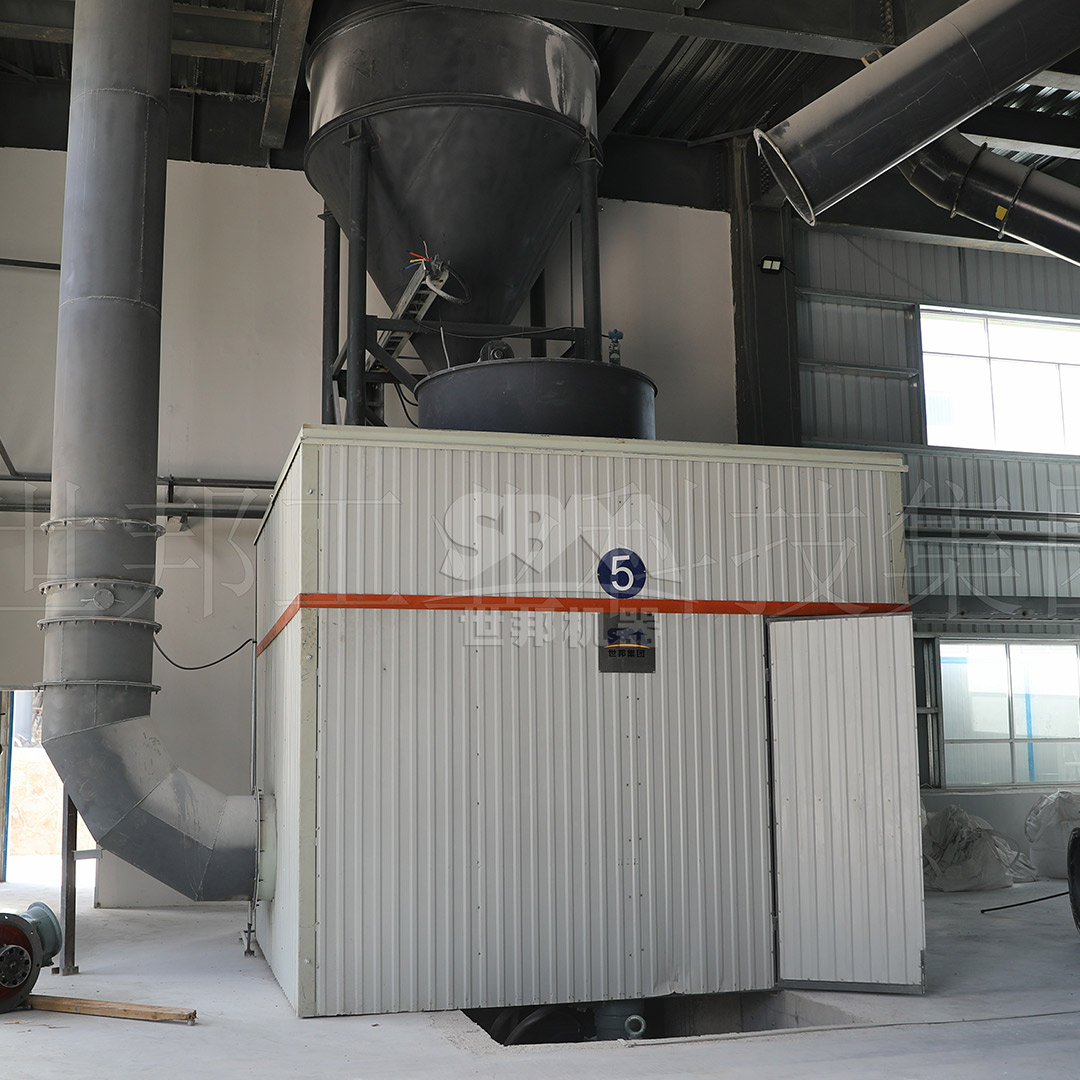
Ensure the mill system includes effective dust collection (e.g., pulse dust collectors) and noise reduction features. The SCM series ultrafine mill, for instance, features a pulse dust collection system that exceeds international standards and a soundproof room design that keeps noise levels low. For regions with strict environmental regulations, these features are not optional but essential.
Choose a supplier with proven experience in dolomite processing and glass industry applications. Look for companies that offer testing, custom process design, installation support, and readily available spare parts. A reliable partner can help you optimize the grinding circuit and troubleshoot issues quickly.
Based on decades of experience in mineral processing, we recommend the following two milling solutions for dolomite processing in glass flux applications. Both are engineered for high efficiency, precise classification, and environmental compliance.
The SCM Series Ultrafine Mill is an excellent choice for producing fine and ultra-fine dolomite powder for specialty glass applications. With an output fineness of 325–2500 mesh and a capacity of 0.5–25 t/h, it can meet the most demanding specifications.
Key advantages for dolomite processing:
Working Principle: The main motor drives three layers of grinding rings to rotate. Materials are dispersed into the grinding path by centrifugal force, crushed by roller pressure, and ground layer by layer. Finally, powder collection is completed by a cyclone collector and a pulse dust removal system.
| Model | Capacity (t/h) | Main Power (kW) | Feed Size (mm) | Fineness (mesh) |
|---|---|---|---|---|
| SCM800 | 0.5–4.5 | 75 | 0–20 | 325–2500 |
| SCM900 | 0.8–6.5 | 90 | 0–20 | 325–2500 |
| SCM1000 | 1.0–8.5 | 132 | 0–20 | 325–2500 |
| SCM1250 | 2.5–14 | 185 | 0–20 | 325–2500 |
| SCM1680 | 5.0–25 | 315 | 0–20 | 325–2500 |
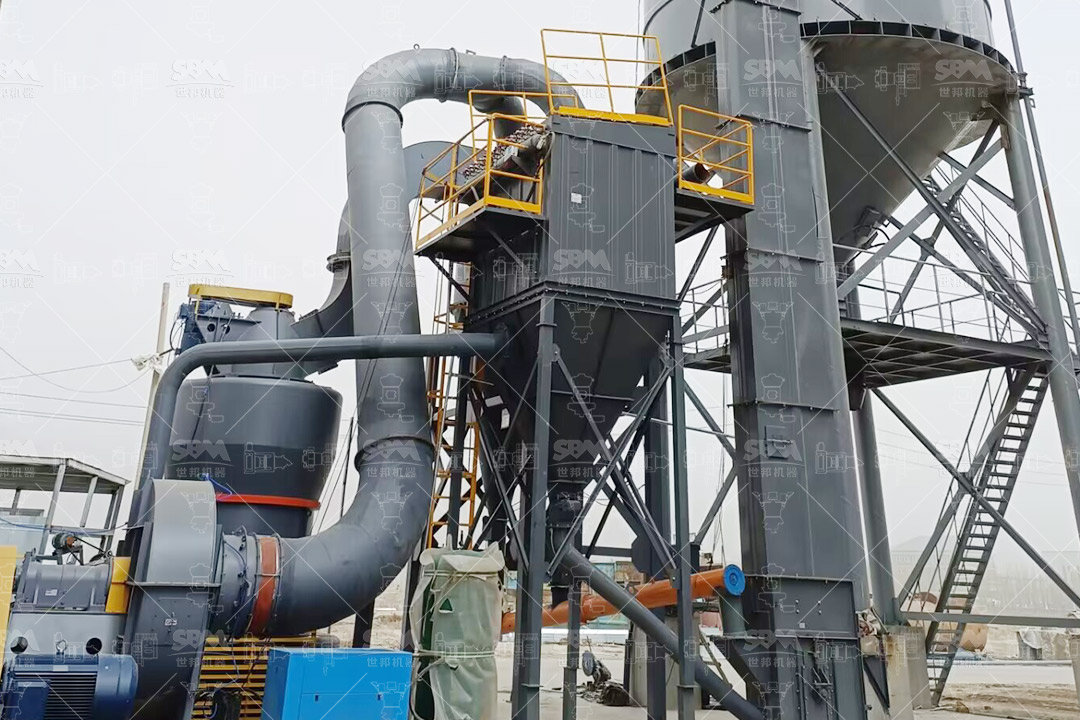
For large-scale dolomite processing, the LM Series Vertical Roller Mill is a proven and reliable solution. With a capacity of 3–250 t/h and an output fineness of 30–325 mesh, it is ideal for glass plants requiring high-volume dolomite powder production.
Key advantages for dolomite processing:
Working Principle: The main motor drives the grinding table via a reducer. Materials enter through the central feed port and spread evenly via centrifugal force. Grinding rollers apply pressure to crush the material layer; qualified fines are carried by hot air to the classifier, while coarse powder returns to the table for re-grinding.
| Model | Table Diameter (mm) | Capacity (t/h) | Fineness (μm) | Feed Size (mm) | Power (kW) |
|---|---|---|---|---|---|
| LM130K | Φ1300 | 10–28 | 170–40 | ≤38 | 200 |
| LM150K | Φ1500 | 13–38 | 170–40 | ≤40 | 280 |
| LM170K | Φ1700 | 18–48 | 170–40 | ≤42 | 400 |
| LM190K | Φ1900 | 23–68 | 170–40 | ≤45 | 500 |
| LM220K | Φ2200 | 36–105 | 170–45 | ≤50 | 800 |
| LM280K | Φ2800 | 50–170 | 170–45 | ≤50 | 1250 |
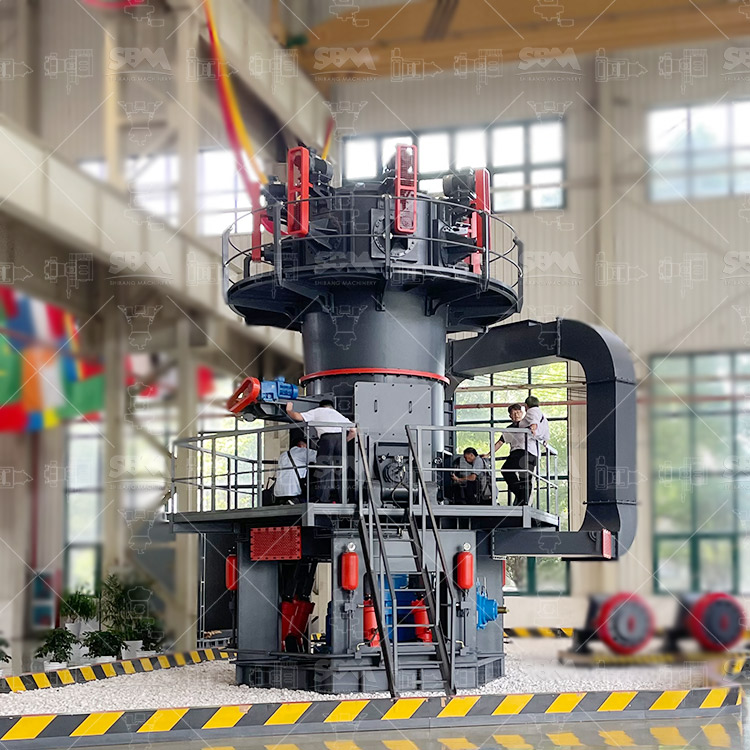
Figure 3: LM Series Vertical Roller Mill installed at a dolomite processing plant
| Feature | SCM Series Ultrafine Mill | LM Series Vertical Roller Mill |
|---|---|---|
| Fineness Range | 325–2500 mesh (45–5μm) | 30–325 mesh (600–45μm) |
| Capacity Range | 0.5–25 t/h | 3–250 t/h |
| Best For | Specialty glass, ultra-fine powder | Large-scale glass plants, high capacity |
| Energy Efficiency | 30% lower than jet mills | 30–40% lower than ball mills |
| Footprint | Compact | 50% smaller than ball mill systems |
| Dust Collection | Pulse dust collection, exceeds standards | Fully sealed negative pressure |
Choosing the right milling solution for dolomite processing in glass flux applications requires careful consideration of product specifications, capacity requirements, feed material characteristics, energy efficiency, and environmental compliance. While traditional Raymond mills and ball mills remain options, modern vertical roller mills and ultrafine mills offer significant advantages in terms of efficiency, product quality, and operational cost.
For glass manufacturers seeking ultra-fine dolomite powder with precise particle size control, the SCM Series Ultrafine Mill is an ideal choice. For large-scale operations requiring high capacity and energy efficiency, the LM Series Vertical Roller Mill delivers proven performance. Both solutions are backed by our extensive experience in mineral processing and our commitment to customer success.
We invite you to contact our technical team to discuss your specific dolomite processing requirements. With our laboratory testing capabilities and custom process design services, we can help you select and configure the optimal milling solution for your glass flux production line.