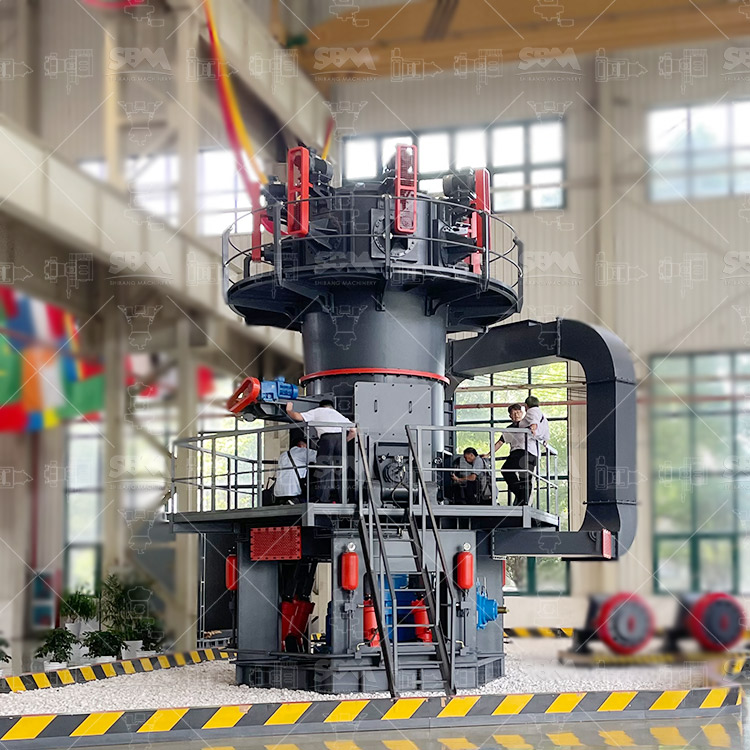
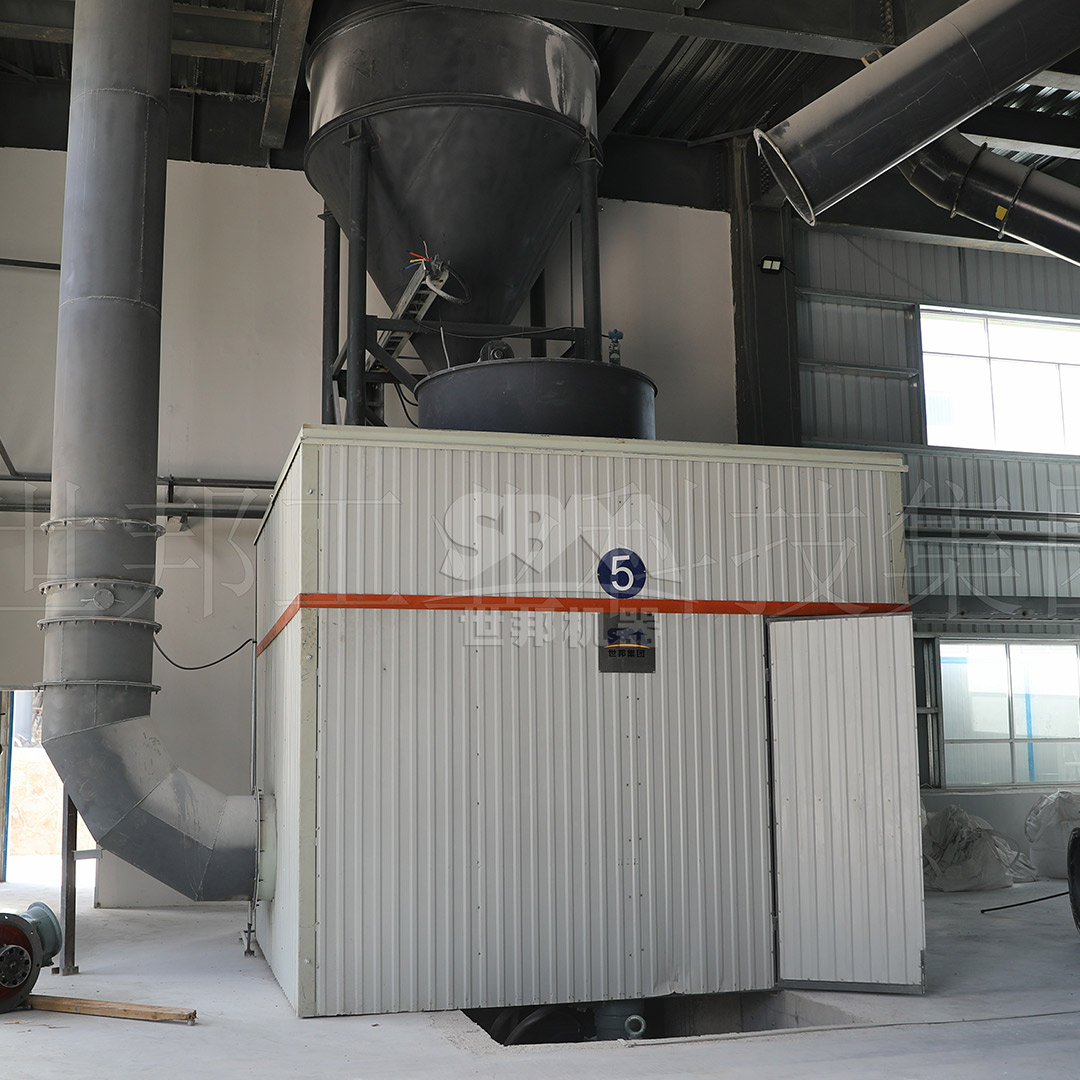
Dolomite (CaMg(CO₃)₂) is a naturally occurring double carbonate mineral that has become increasingly important in modern water treatment and purification systems. Its unique chemical composition—rich in both calcium and magnesium—makes it highly effective for neutralizing acidic water, removing heavy metal ions, and adjusting water hardness. As global demand for clean water rises, industries, municipalities, and environmental engineering firms are turning to dolomite-based filtration and treatment solutions. However, the performance of dolomite in water purification depends heavily on its particle size, surface area, and purity—factors that are directly determined by the milling equipment used during processing.
This article explores the key considerations for selecting the right dolomite milling solution for water purification applications. It will guide engineers, plant managers, and procurement specialists through the technical criteria and introduce some of the most advanced industrial milling technologies available today.
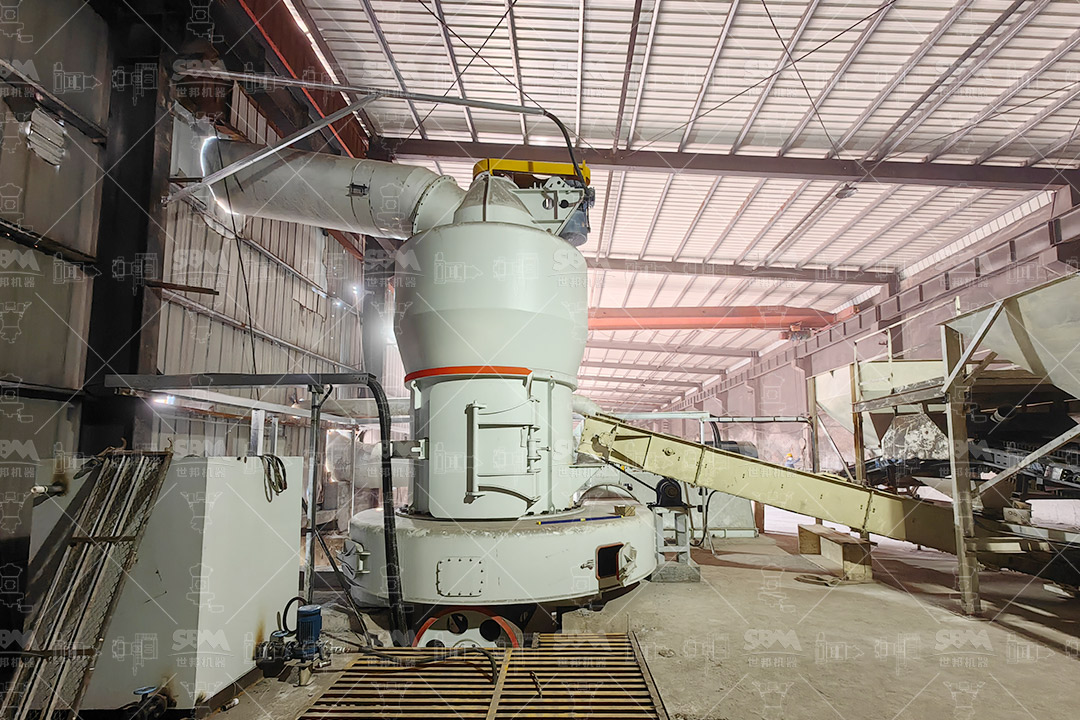
The effectiveness of dolomite in water treatment is closely tied to its fineness. For most water purification processes—such as acid neutralization or heavy metal adsorption—the ideal particle size ranges from 200 to 325 mesh (approximately 45–75 μm). Finer particles increase reactive surface area, which improves reaction kinetics. However, excessively fine powders can cause clogging in filtration beds and are harder to handle. Therefore, precise control over particle size distribution is essential.
During milling, contamination from iron, wear metals, or dust can degrade dolomite’s treatment efficiency. Equipment that minimizes wear and is designed with eco-friendly dust collection is preferred. The mill must also be compatible with downstream processes such as calcination or blending with other filter media.
Dolomite is mildly hygroscopic. In water purification plants, the material is often used in slurry form. Thus, the mill’s output characteristics—flowability, bulk density, and moisture absorption—must be consistent. Dry grinding systems are typically preferred, followed by controlled humidification if needed.
Large-scale water treatment facilities require continuous, high-capacity dolomite processing. A mill that delivers high throughput per kilowatt-hour reduces operating costs and environmental footprint. Energy consumption is often the largest cost component in mineral processing, making efficiency a top priority.
Selecting the optimal dolomite mill for water purification involves evaluating several technical and operational factors. Below is a practical framework.
Determine the required mesh size for your water treatment process. For acid neutralization, 100–200 mesh is often sufficient. For heavy metal removal, 325 mesh or finer may be necessary. If your target is 325–2500 mesh, an ultrafine mill is required. For 30–325 mesh, a trapezium or vertical roller mill is ideal.
Small municipal plants may need 0.5–5 t/h, while industrial-scale operations can require 20–100 t/h. Matching mill capacity to your production schedule avoids bottlenecks and excessive energy use.
Dolomite typically has a Mohs hardness of 3.5–4. Feed size may range from 0–20 mm (fine crushing) to 0–50 mm (coarse feed). Mills with robust roller or ring assemblies can handle harder impurities without excessive wear.
Will the mill discharge directly into a slurry mixer, a bagging system, or a calciner? Choose a mill with appropriate discharge configuration, dust collection, and automation interfaces.
Dust emissions, noise levels, and maintenance requirements must comply with local regulations. Mills with pulse dust collectors and soundproof designs are strongly recommended.
Initial price is only part of the picture. Energy consumption, wear part life, maintenance downtime, and automation features all impact long-term costs. A higher-priced mill with superior efficiency can pay for itself within a few years.
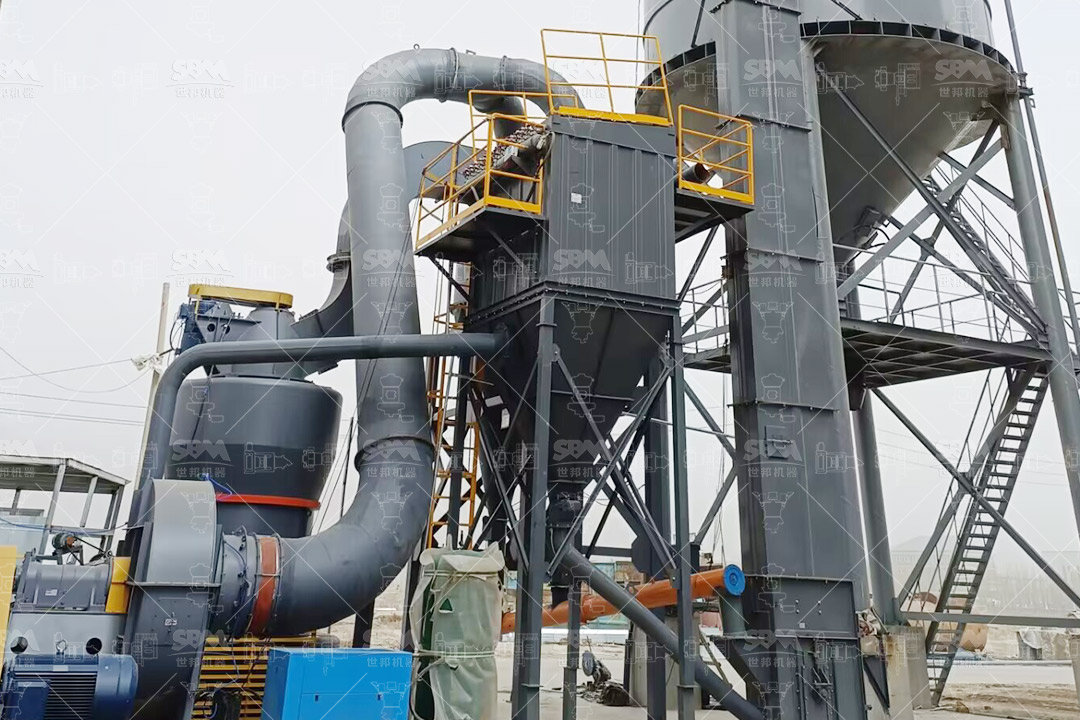
Based on the criteria above, we present two of our most advanced milling solutions that are particularly well-suited for dolomite processing in water purification applications.
The SCM Series Ultrafine Mill is an ideal choice when high-precision, ultrafine dolomite powder is required for advanced water treatment—such as adsorption of trace heavy metals or catalytic ozonation enhancement.
Core Parameters:
| Parameter | Value |
|---|---|
| Input Size | ≤20 mm |
| Output Fineness | 325–2500 mesh (45–5 μm) |
| Capacity | 0.5–25 t/h (depending on model) |
Technical Advantages:
• High Efficiency & Energy Saving: Capacity is twice that of jet mills, with 30% lower energy consumption. Intelligent control with automatic finished product granularity feedback.
• High-Precision Classification: Vertical turbine classifier achieves precise particle size cutting. No coarse powder mixing, ensuring uniform finished products.
• Durable Design: Special material rollers and rings extend service life several times over. Shaftless screw grinding chamber ensures stable operation.
• Eco-friendly & Low Noise: Pulse dust collection efficiency exceeds international standards. Soundproof room design ensures noise levels are minimized.
Working Principle: The main motor drives three layers of grinding rings to rotate. Materials are dispersed into the grinding path by centrifugal force, crushed by roller pressure, and ground layer by layer. Finally, powder collection is completed by a cyclone collector and a pulse dust removal system.
Models & Specifications:
| Model | Capacity (t/h) | Main Power (kW) | Feed Size (mm) | Fineness (mesh) |
|---|---|---|---|---|
| SCM800 | 0.5–4.5 | 75 | 0–20 | 325–2500 |
| SCM900 | 0.8–6.5 | 90 | 0–20 | 325–2500 |
| SCM1000 | 1.0–8.5 | 132 | 0–20 | 325–2500 |
| SCM1250 | 2.5–14 | 185 | 0–20 | 325–2500 |
| SCM1680 | 5.0–25 | 315 | 0–20 | 325–2500 |
The SCM Series is particularly recommended for water purification plants that require ultrafine dolomite for high-reactivity filtration media or for blending with activated carbon and other adsorbents.
For medium-to-large scale dolomite processing where fineness between 30 and 325 mesh is sufficient, the MTW Series European Trapezium Mill offers an excellent balance of capacity, efficiency, and reliability.
Core Parameters:
| Parameter | Value |
|---|---|
| Input Size | ≤50 mm |
| Output Fineness | 30–325 mesh (down to 0.038 mm) |
| Capacity | 3–45 t/h (depending on model) |
Technical Advantages:
• Anti-wear Shovel Design: Combined shovel blades reduce maintenance costs. Curved design extends grinding roller life.
• Optimized Arc Air Duct: Reduces airflow energy loss and improves transmission efficiency. High-strength guard plates protect the air duct working surface.
• Integral Bevel Gear Drive: Transmission efficiency up to 98%. Saves space and reduces installation costs.
• Wear-resistant Volute Structure: Non-resistance flow design improves air selection efficiency. Maintenance costs reduced by 30%.
Working Principle: The main motor drives the grinding rollers to revolve around the central axis while self-rotating to generate centrifugal force. Shovels throw materials between the ring and rollers to form a material layer, achieving efficient crushing through extrusion. The classification system precisely controls the finished product size.
Models & Specifications:
| Model | Capacity (t/h) | Main Power (kW) | Feed Size (mm) | Fineness (mesh) |
|---|---|---|---|---|
| MTW110 | 3–9 | 55 | <30 | 10–325 |
| MTW110Z | 3–10 | 55 | <30 | 10–325 |
| MTW138Z | 6–17 | 90 | <35 | 10–325 |
| MTW175G | 9.5–25 | 160 | <40 | 10–325 |
| MTW215G | 15–45 | 280 | <50 | 10–325 |
The MTW Series is ideal for water treatment facilities that need a reliable, high-capacity mill with low maintenance and excellent dust control. Its patented internal suction oil lubrication system and internationally advanced pulse dust removal technology make it a top choice for environmentally sensitive sites.
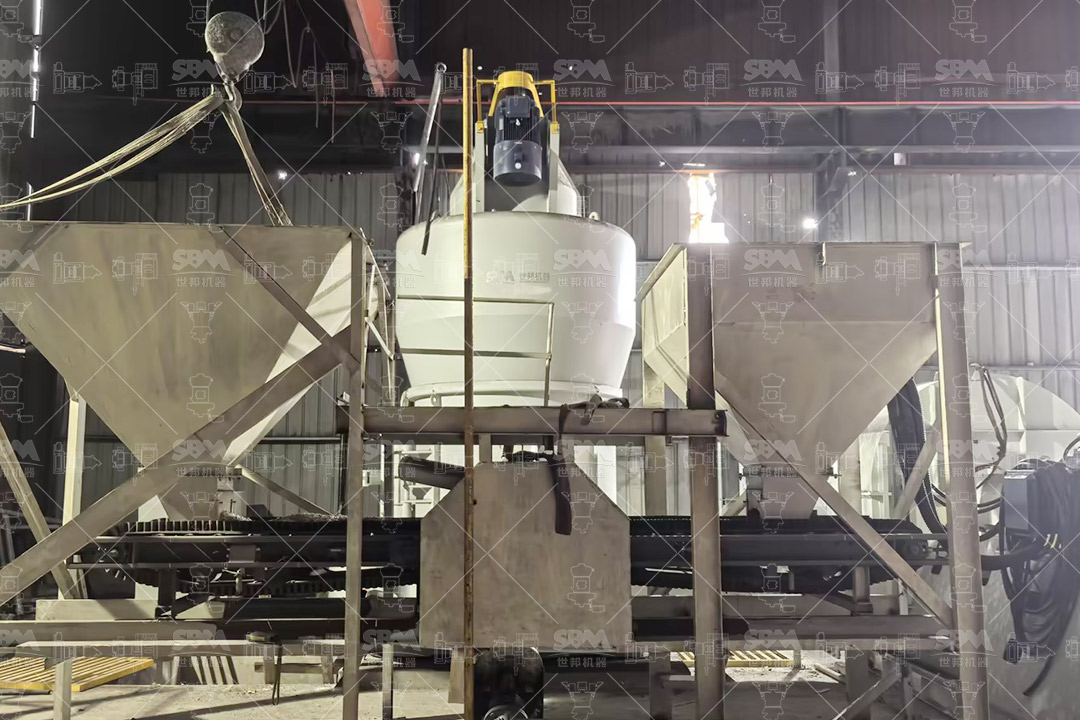
Dolomite should be stored in a dry, covered area to prevent moisture absorption. A vibrating feeder or belt feeder with variable speed control ensures consistent feed rate to the mill. Magnetic separators should be installed upstream to remove tramp iron that could damage rollers or rings.
Both SCM and MTW mills come with integrated pulse dust collectors. For water purification applications, it is advisable to use a secondary HEPA or cartridge filter to capture fine particles below 5 μm. The air classifier should be adjustable to switch between different product grades without shutting down the mill.
Modern mills feature PLC-based control systems with touchscreen interfaces. Key parameters such as mill load, classifier speed, and fan current should be monitored continuously. Automatic feedback on finished product fineness (as offered by the SCM Series) helps maintain consistent quality for water treatment media.
Rollers and rings are the primary wear parts. Choose mills with reversible or replaceable wear liners. The SCM Series uses special material rollers and rings that last several times longer than standard components. The MTW Series features combined shovel blades that reduce maintenance frequency.
A mid-sized municipal water treatment plant in Southeast Asia required dolomite powder at 200 mesh for acid neutralization in its primary treatment stage. The plant needed 8 t/h of finished product with less than 5% oversize. After evaluating several options, the plant selected an MTW138Z European Trapezium Mill. The mill delivered 10–12 t/h at 200 mesh, with a dust emission concentration below 10 mg/m³. Energy consumption was 30% lower than the ball mill previously used. The plant reported a payback period of 2.5 years due to reduced energy and maintenance costs.
For a specialty chemical company producing high-purity magnesium compounds from dolomite, an SCM1000 ultrafine mill was installed to produce 325–1250 mesh powder. The precise particle size control and low contamination from wear parts ensured that the final magnesium products met pharmaceutical-grade purity standards.
Choosing the right dolomite milling solution for water purification is a strategic decision that impacts treatment efficiency, operating costs, and environmental compliance. The key is to match the mill’s output fineness, capacity, and contamination control to your specific water treatment process. For ultrafine, high-reactivity applications, the SCM Series Ultrafine Mill offers unmatched precision and energy efficiency. For medium-to-large scale production with robust reliability, the MTW Series European Trapezium Mill is a proven performer.
By following the step-by-step selection framework outlined in this article and considering the technical advantages of modern milling equipment, you can optimize your dolomite processing line for maximum performance in water purification. Investing in the right mill today will pay dividends in cleaner water, lower costs, and a smaller environmental footprint for years to come.