Kaolin, also known as china clay, is one of the most widely used mineral ingredients in the cosmetic and personal care industry. Its unique properties—including excellent oil absorption, gentle abrasive action, superior mattifying effect, and natural whiteness—make it indispensable in products ranging from loose powders and pressed foundations to facial masks, deodorants, and even toothpaste. However, not all kaolin is created equal. The performance of kaolin as a cosmetic filler depends heavily on its particle size distribution, purity, and surface characteristics. Among these, fineness is arguably the most critical parameter, as it directly influences texture, spreadability, opacity, and skin feel.
For cosmetic-grade kaolin, ultrafine grinding—typically targeting a fineness range of 325 to 2500 mesh (approximately 45 to 5 micrometers)—is essential. Achieving this level of fineness consistently and economically requires specialized milling equipment capable of precise particle size control, high throughput, and contamination-free operation. This article explores the key considerations for selecting the right mill for ultrafine kaolin processing in cosmetic filler applications and highlights two industry-leading solutions from our company that are particularly well-suited to this demanding task.
The cosmetic industry demands raw materials that meet stringent quality standards. Ultrafine kaolin offers several advantages over coarser grades:
Achieving these benefits requires milling equipment that can consistently produce particles in the 5–45 μm range while avoiding contamination, minimizing energy consumption, and maintaining high throughput. The choice of mill technology is therefore a strategic decision that impacts product quality, production cost, and operational efficiency.
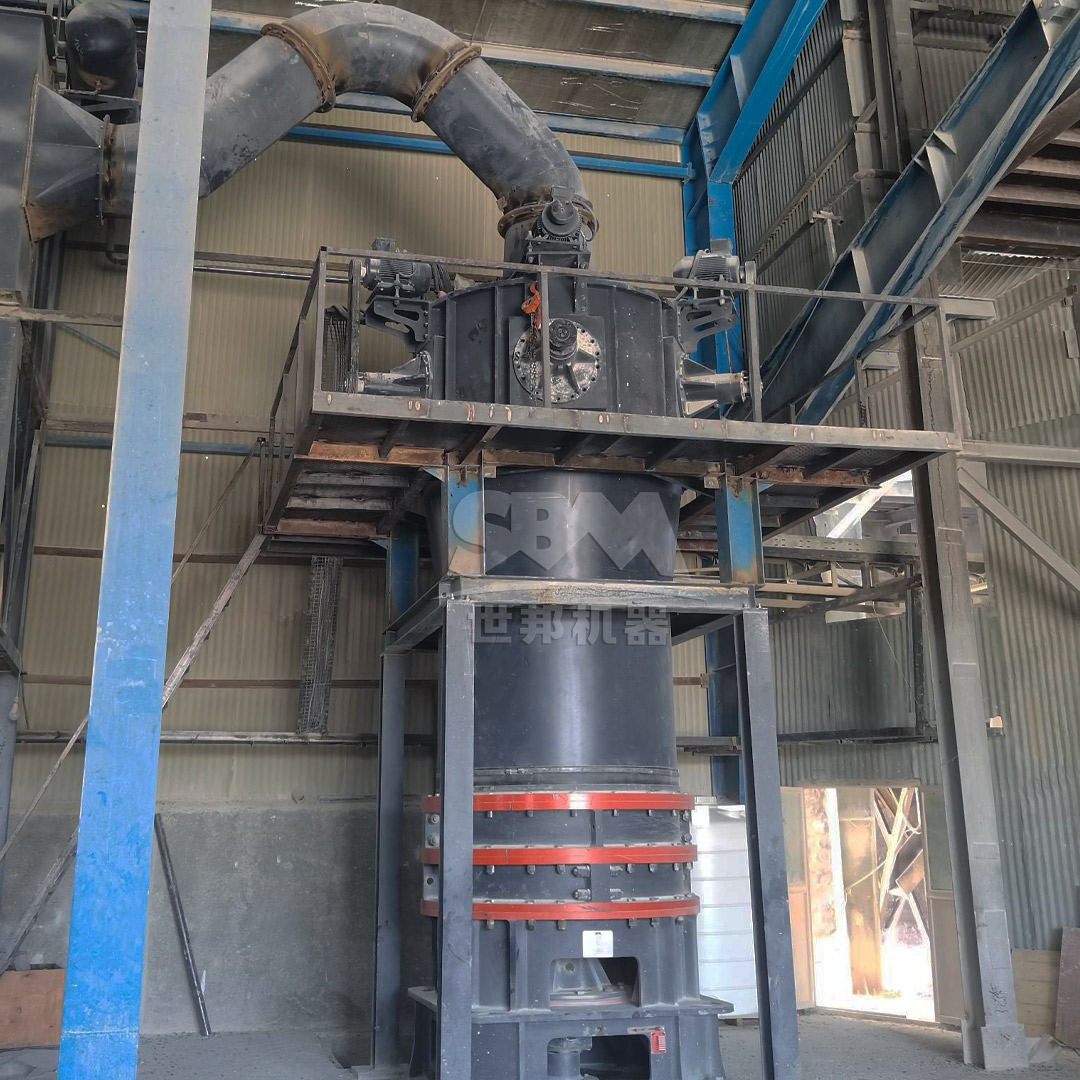
The primary requirement is the ability to grind kaolin to the desired fineness. For cosmetic fillers, the target is typically 325–2500 mesh (45–5 μm). However, achieving a specific top size is not enough; the particle size distribution must be narrow and consistent. A mill with a high-precision classifier ensures that coarse particles are not mixed into the finished product, which is critical for maintaining batch-to-batch consistency.
Cosmetic-grade kaolin must be free from heavy metal contamination and other impurities. The milling equipment should be designed to minimize wear and prevent metal transfer from grinding elements to the product. Mills that use ceramic or specially coated wear parts, or those that operate with a bed-grinding principle (where material grinds against material), are preferred.
Ultrafine grinding is inherently energy-intensive. The selected mill should deliver high capacity per unit of energy consumed. Modern mills with intelligent control systems, optimized airflow design, and efficient classification can reduce energy consumption by 30% or more compared to traditional ball mills or jet mills.
Kaolin can undergo dehydroxylation at elevated temperatures, which may alter its properties. The milling process should minimize heat generation, and any integrated drying or classification system should operate at controlled temperatures. Mills with efficient air circulation and cooling capabilities are advantageous.
As cosmetic manufacturers scale up production, the mill must be capable of delivering consistent results at higher capacities. Automated control systems that monitor and adjust fineness, feed rate, and airflow in real time are essential for maintaining quality and reducing manual intervention.
Dust emissions and noise are significant concerns in mineral processing. Mills equipped with high-efficiency pulse dust collectors and soundproof enclosures ensure a safe and compliant working environment.
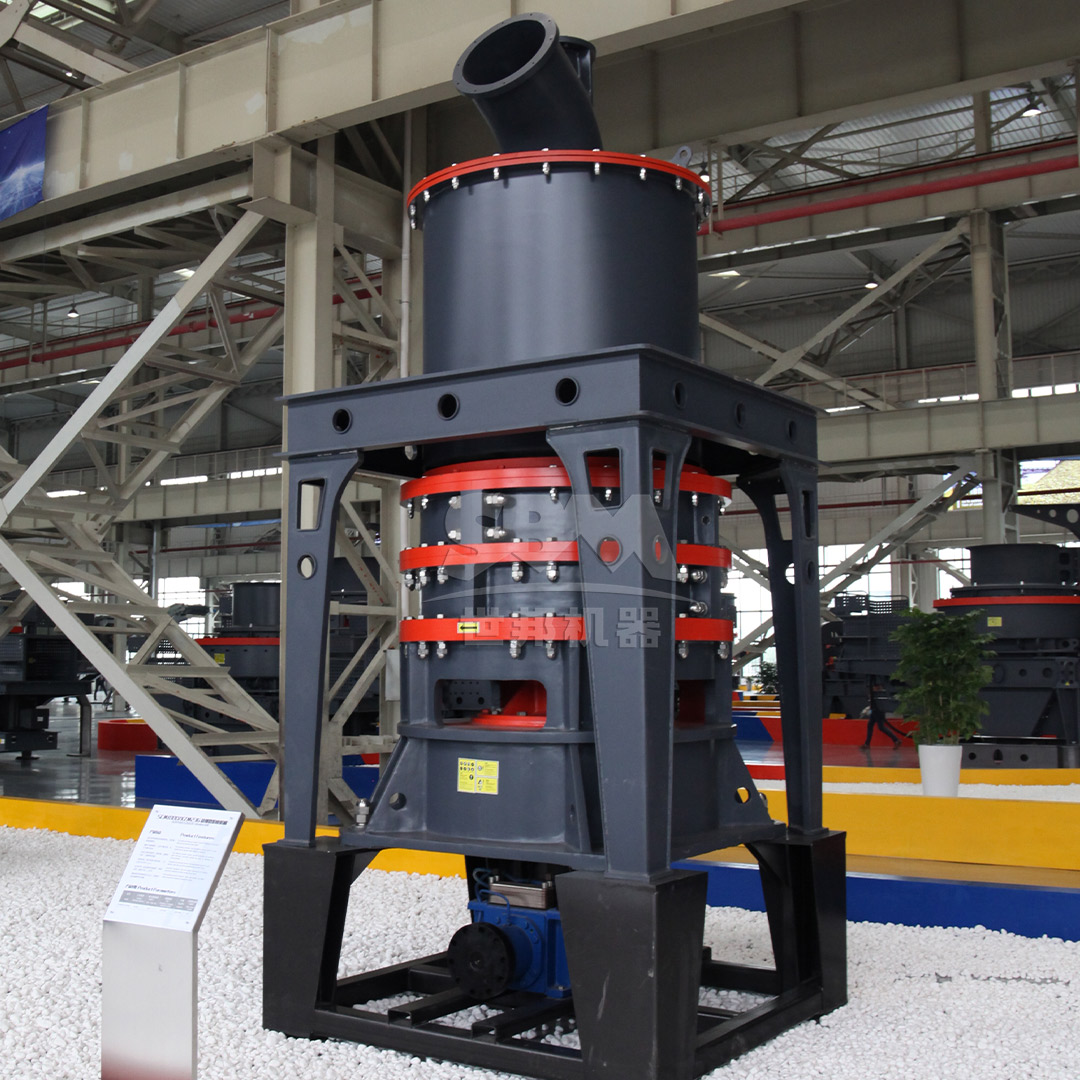
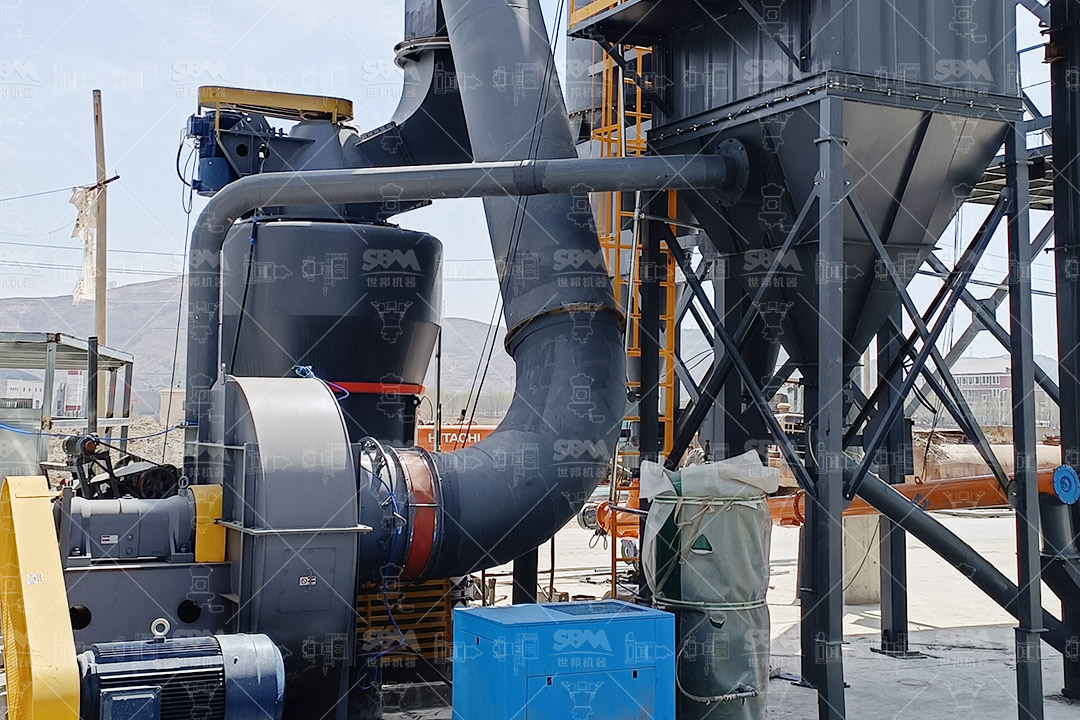
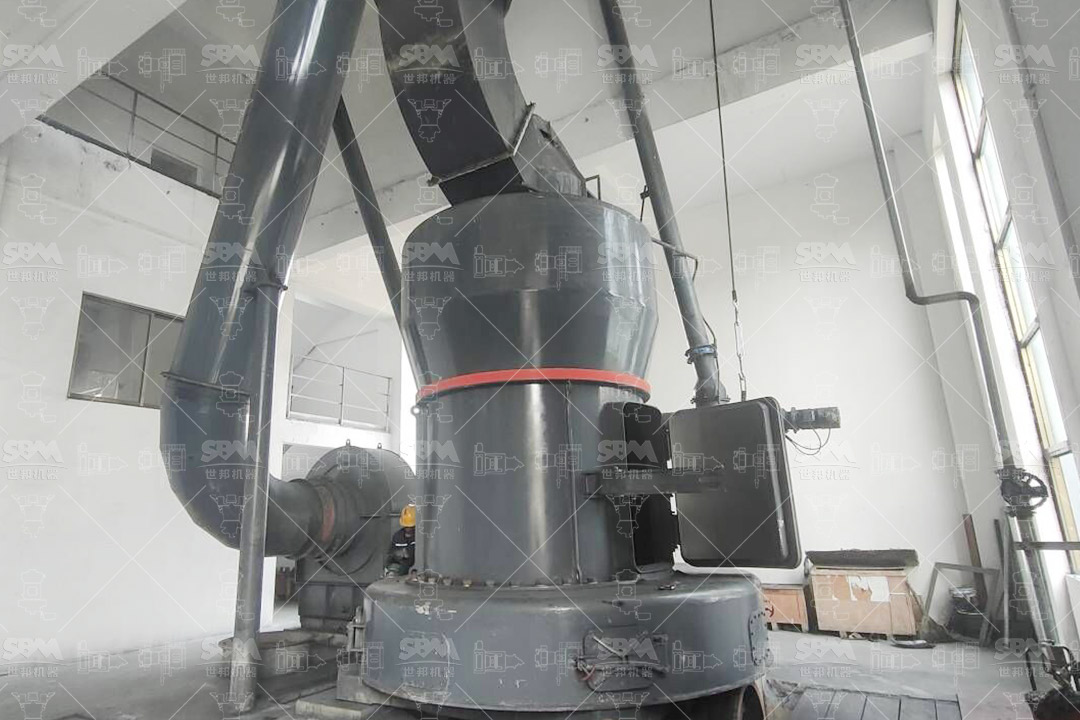
Based on the criteria outlined above, our company offers two outstanding mill series that are ideally suited for producing ultrafine kaolin for cosmetic fillers: the SCM Series Ultrafine Mill and the LUM Ultrafine Vertical Roller Mill. Both are engineered to deliver precise fineness, high efficiency, and reliable operation, but they serve slightly different production scales and preferences.
The SCM Series Ultrafine Mill is a flagship product designed specifically for ultrafine grinding. With an output fineness range of 325–2500 mesh and a capacity of 0.5–25 tons per hour (depending on model), it is an excellent choice for cosmetic kaolin producers who require high precision and consistent quality.
Key advantages of the SCM Series include:
The working principle of the SCM Series involves a main motor driving three layers of grinding rings to rotate. Materials are dispersed into the grinding path by centrifugal force, crushed by roller pressure, and ground layer by layer. The powder collection is completed by a cyclone collector and a pulse dust removal system.
| Model | Capacity (t/h) | Main Power (kW) | Feed Size (mm) | Fineness (mesh) |
|---|---|---|---|---|
| SCM800 | 0.5-4.5 | 75 | 0-20 | 325-2500 |
| SCM900 | 0.8-6.5 | 90 | 0-20 | 325-2500 |
| SCM1000 | 1.0-8.5 | 132 | 0-20 | 325-2500 |
| SCM1250 | 2.5-14 | 185 | 0-20 | 325-2500 |
| SCM1680 | 5.0-25 | 315 | 0-20 | 325-2500 |
For cosmetic kaolin producers targeting medium to large-scale production with stringent quality requirements, the SCM Series is a proven and reliable choice.
The LUM Ultrafine Vertical Roller Mill represents the latest advancement in vertical grinding technology. With a feed size of 0–20 mm and an output fineness of 325–2500 mesh (5–30 μm), it is particularly well-suited for producing high-value ultrafine kaolin for premium cosmetic applications.
Key advantages of the LUM Series include:
The LUM Series is available in several models, including:
| Model | Power (kW) | Capacity (t/h) | Fineness (μm) |
|---|---|---|---|
| LUM1525 | 220–250 | 1.6–11.5 | 5–30 |
| LUM1632 | 280–315 | 2–13.5 | 5–30 |
| LUM1836 | 355–400 | 2.3–15 | 5–30 |
For cosmetic manufacturers seeking the highest level of fineness and product consistency, the LUM Series offers unparalleled performance.
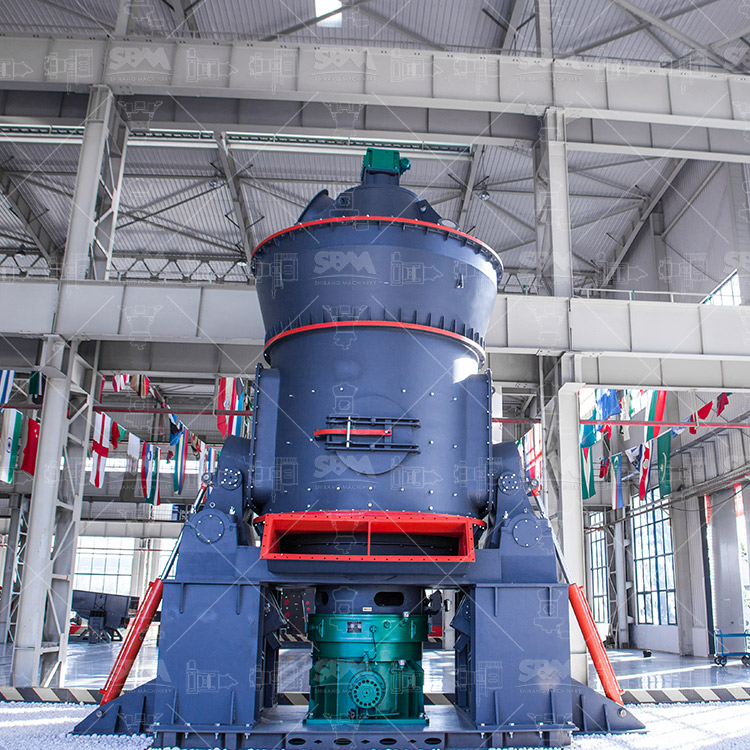
Both the SCM and LUM series are capable of producing ultrafine kaolin suitable for cosmetic fillers. The choice between them depends on several factors:
Ultimately, the best choice depends on your specific production requirements, budget, and product specifications. Our technical team can help you evaluate your needs and select the optimal mill for your kaolin processing line.
Producing ultrafine kaolin for cosmetic fillers requires a deep understanding of both mineral processing and cosmetic formulation science. The right mill can make the difference between a product that meets specifications and one that exceeds customer expectations. With the SCM Series Ultrafine Mill and the LUM Ultrafine Vertical Roller Mill, our company offers two powerful solutions that deliver the precision, efficiency, and reliability needed to succeed in this competitive market.
Whether you are establishing a new kaolin processing plant or upgrading existing equipment, our team of experts is ready to assist you in selecting the ideal mill for your application. Contact us today to learn more about how our advanced milling technology can help you produce superior cosmetic-grade kaolin.