Attapulgite, a naturally occurring hydrated magnesium aluminum silicate clay mineral, has emerged as a highly valued functional filler in the production of wall panel materials. Its unique needle-like crystal morphology, high surface area, and excellent adsorption properties make it indispensable in modern construction materials. When incorporated into wall panels—whether fiber cement boards, gypsum panels, or composite wall systems—attapulgite enhances mechanical strength, improves dimensional stability, provides superior fire resistance, and contributes to moisture regulation within interior environments.
The processing of attapulgite from raw ore to a suitable filler for wall panel applications requires a carefully designed sequence of crushing, drying, grinding, and classification operations. Each stage demands specific equipment capable of handling the material’s fibrous structure without excessive degradation. This comprehensive guide examines the complete processing chain, from primary crushing to ultrafine grinding, and highlights the critical equipment selections that ensure optimal product quality and operational efficiency.
Wall panel materials—including fiber-reinforced cement boards, calcium silicate boards, and gypsum-based panels—require fillers with consistent particle size distribution, high whiteness, low moisture content, and minimal contamination. Attapulgite’s fibrous nature presents unique challenges during processing: excessive grinding can destroy the needle-like structure that provides reinforcement, while insufficient grinding fails to achieve the fine particle sizes needed for uniform dispersion within the panel matrix.
Furthermore, the final filler must be free of coarse particles that could create surface defects in wall panels. The processing line must therefore incorporate precise classification technology capable of cutting at specific micron ranges, typically between 45μm and 5μm (325 to 2500 mesh), depending on the specific wall panel formulation. Energy efficiency, dust control, and equipment durability are also critical considerations, as attapulgite’s abrasive characteristics can accelerate wear on grinding components.
| Parameter | Typical Requirement | Impact on Wall Panel Performance |
|---|---|---|
| Fineness | 325–2500 mesh | Dispersion, surface smoothness, mechanical reinforcement |
| Particle Size Distribution | Narrow, no coarse tail | Uniform strength, defect-free surface |
| Moisture Content | <1% | Prevents cracking, improves adhesion |
| Whiteness | >85 | Aesthetic appearance of finished panels |
| Oil Absorption | Controlled range | Resin demand, workability |
The first stage in attapulgite processing involves reducing run-of-mine ore from lump sizes of up to 40mm down to approximately 3mm or finer. Hammer mills are ideally suited for this application due to their high reduction ratio, simple operation, and ability to handle the moderately fibrous structure of attapulgite without excessive compaction.
For wall panel filler production, the hammer mill must deliver consistent output with minimal fines generation that could bypass subsequent grinding stages. The equipment should also be equipped with wear-resistant liners and hammers to withstand the abrasive nature of the clay mineral. A properly configured hammer mill ensures a uniform feed to the downstream drying and grinding circuits, which is essential for stable operation and consistent product quality.
| Model | Capacity (t/h) | Power (kW) | Rotor Dimensions (mm) | Hammers |
|---|---|---|---|---|
| PC4008-75 | 8–15 | 75 | Φ750×800 | 18 |
| PC4012-90 | 15–40 | 90 | Φ900×1200 | 32 |
| PC4015-132 | 40–70 | 132 | Φ1150×1500 | 32 |
These hammer mills feature a compact structure, low investment cost, and high manganese steel liners that extend service life. The optimized crushing cavity ensures a high reduction ratio while minimizing over-crushing, which is particularly important for preserving the fibrous morphology of attapulgite that contributes to reinforcement in wall panels.
Following primary crushing and drying, the attapulgite must be ground to the final filler fineness and precisely classified to remove any coarse particles. This stage is the most critical for ensuring product quality and process economics. Several mill technologies are available, each with distinct advantages for attapulgite processing.
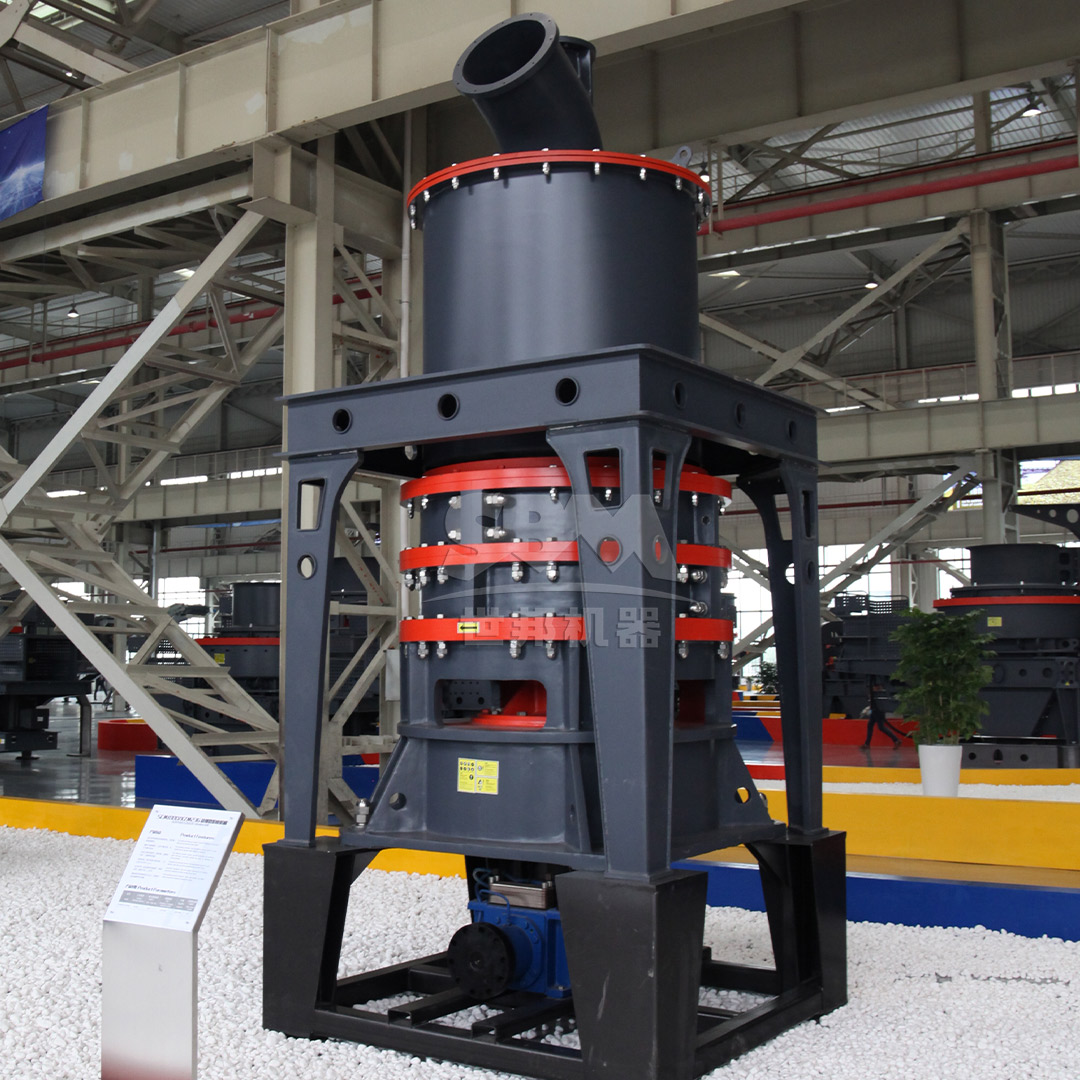
For wall panel applications demanding the finest fillers—typically in the range of 325 to 2500 mesh—the SCM Series Ultrafine Mill represents the state of the art. This mill is engineered to deliver exceptional fineness with a narrow particle size distribution, making it an ideal choice for producing attapulgite fillers that enhance both the mechanical properties and surface quality of wall panels.
The SCM mill’s vertical turbine classifier provides precise particle size cutting, ensuring that no coarse powder contaminates the finished product. This is vital for wall panels, where even small amounts of oversize particles can cause surface imperfections or stress concentrations. The intelligent control system continuously monitors and adjusts the finished product granularity, providing consistent quality without operator intervention.
Energy efficiency is another hallmark of the SCM Series. Compared to jet mills, the SCM delivers twice the capacity with 30% lower energy consumption. The special material rollers and rings extend service life several times over, reducing maintenance downtime. The shaftless screw grinding chamber ensures stable operation, while the pulse dust collection system exceeds international standards for emission control. With models ranging from 0.5 to 25 t/h, there is an SCM mill suitable for any scale of attapulgite filler production.
| Model | Capacity (t/h) | Main Power (kW) | Feed Size (mm) | Fineness (mesh) |
|---|---|---|---|---|
| SCM800 | 0.5–4.5 | 75 | 0–20 | 325–2500 |
| SCM900 | 0.8–6.5 | 90 | 0–20 | 325–2500 |
| SCM1000 | 1.0–8.5 | 132 | 0–20 | 325–2500 |
| SCM1250 | 2.5–14 | 185 | 0–20 | 325–2500 |
| SCM1680 | 5.0–25 | 315 | 0–20 | 325–2500 |
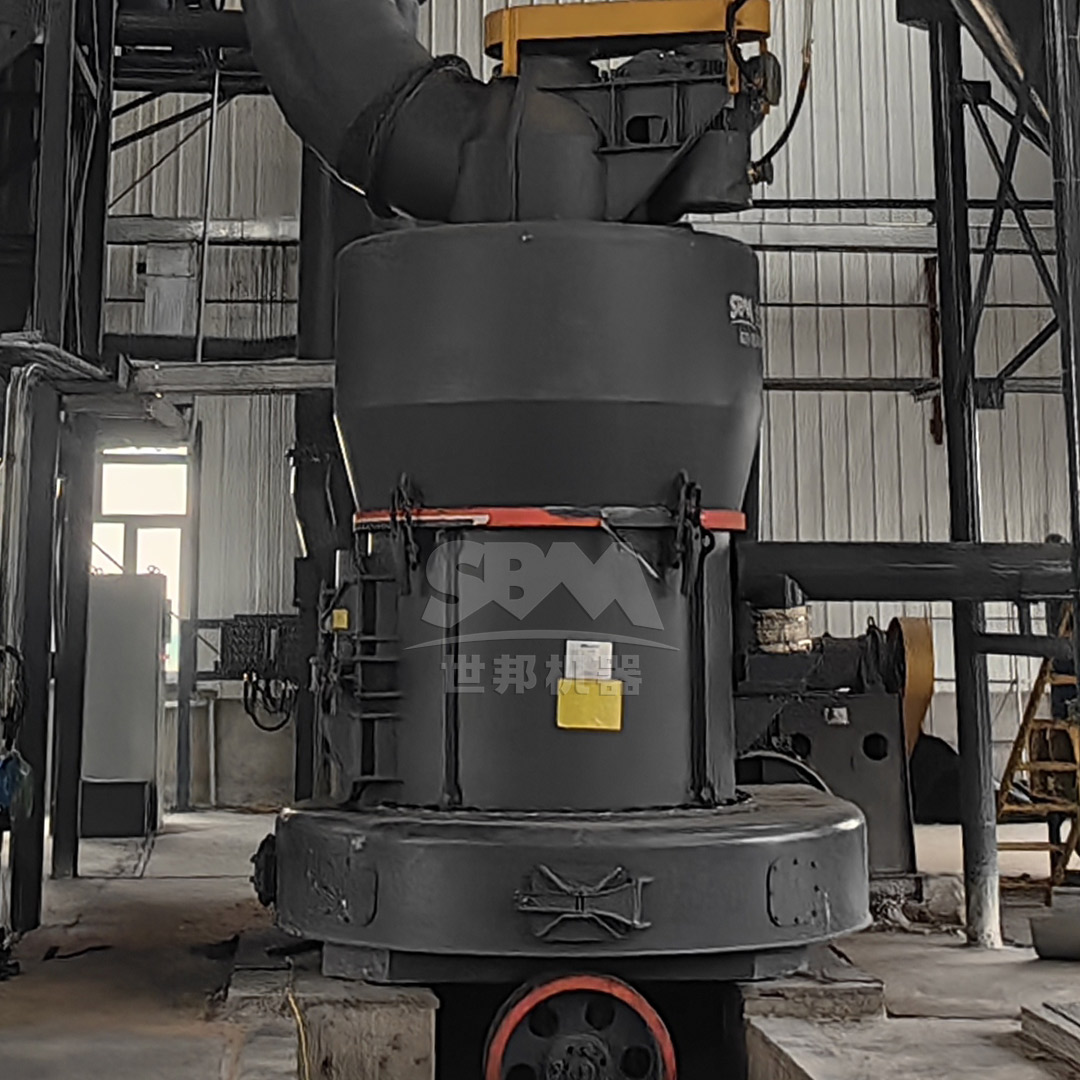
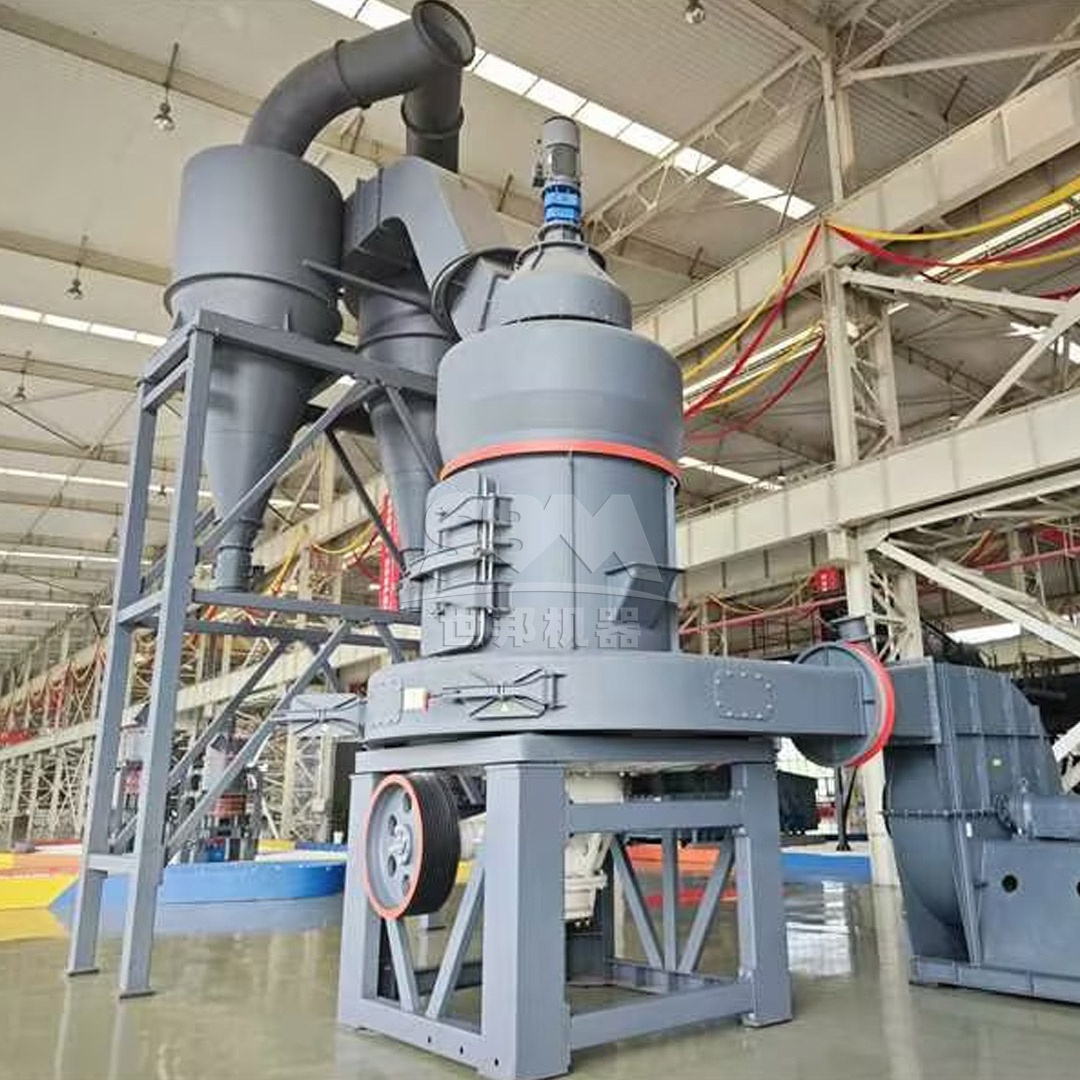
For wall panel manufacturers requiring attapulgite fillers in the 30 to 325 mesh range, the MTW Series European Trapezium Mill offers an excellent combination of capacity, efficiency, and reliability. This mill is particularly well-suited for producing fillers for fiber cement boards and other composite panels where a balance between fineness and cost-effectiveness is desired.
The MTW mill features an innovative anti-wear shovel design with combined blades that reduce maintenance costs and extend grinding roller life. The optimized arc air duct reduces airflow energy loss and improves transmission efficiency, while the integral bevel gear drive achieves transmission efficiency up to 98%. The wear-resistant volute structure with non-resistance flow design improves air selection efficiency and reduces maintenance costs by 30%.
With models ranging from 3 to 45 t/h, the MTW Series can accommodate virtually any production scale. The mill’s classification system precisely controls the finished product size, ensuring consistent quality for wall panel applications. The internal suction oil lubrication system and internationally advanced pulse dust removal technology further enhance operational reliability and environmental compliance.
| Model | Capacity (t/h) | Main Power (kW) | Feed Size (mm) | Fineness (mesh) |
|---|---|---|---|---|
| MTW110 | 3–9 | 55 | <30 | 10–325 |
| MTW138Z | 6–17 | 90 | <35 | 10–325 |
| MTW175G | 9.5–25 | 160 | <40 | 10–325 |
| MTW215G | 15–45 | 280 | <50 | 10–325 |
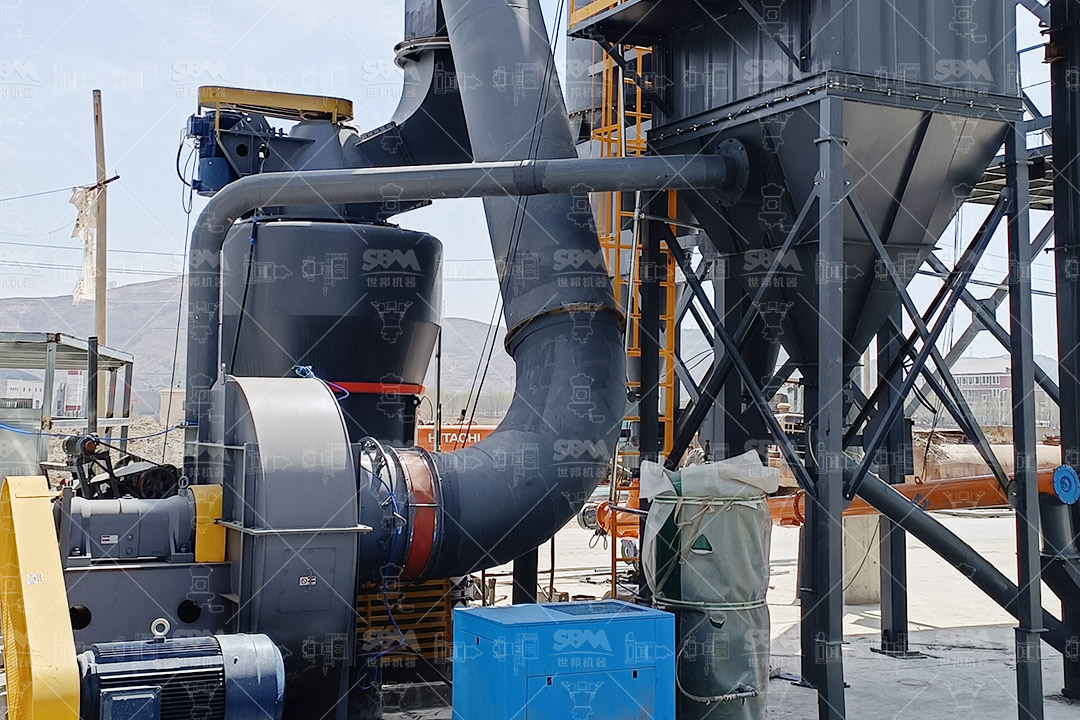
When attapulgite filler production demands exceptionally high capacities—up to 250 t/h—the LM Series Vertical Roller Mill is the preferred solution. Its integrated design combines crushing, grinding, and selection in a single unit, reducing floor space by 50% and allowing outdoor installation that cuts infrastructure costs by 40%.
The LM mill’s non-contact design between rollers and table increases wear part life by three times compared to conventional mills. Energy consumption is 30–40% lower than ball mill systems, making it an economically and environmentally sound choice. The expert-level auto-control system supports remote and local switching, with real-time monitoring of parameters to reduce manual intervention. Fully sealed negative pressure operation ensures dust emission compliance and low noise levels.
For attapulgite filler production, the LM mill’s ability to handle feed sizes up to 50mm and deliver fineness from 30 to 325 mesh (with special models reaching 600 mesh) makes it a versatile workhorse. The hot air circulation energy-saving system further reduces operating costs, while the modular grinding roller assembly quick-change system minimizes downtime.
| Model | Table Diameter (mm) | Capacity (t/h) | Fineness (μm) | Feed Size (mm) | Power (kW) |
|---|---|---|---|---|---|
| LM130K | Φ1300 | 10–28 | 170–40 | ≤38 | 200 |
| LM150K | Φ1500 | 13–38 | 170–40 | ≤40 | 280 |
| LM170K | Φ1700 | 18–48 | 170–40 | ≤42 | 400 |
| LM190K | Φ1900 | 23–68 | 170–40 | ≤45 | 500 |
| LM220K | Φ2200 | 36–105 | 170–45 | ≤50 | 800 |
| LM280K | Φ2800 | 50–170 | 170–45 | ≤50 | 1250 |
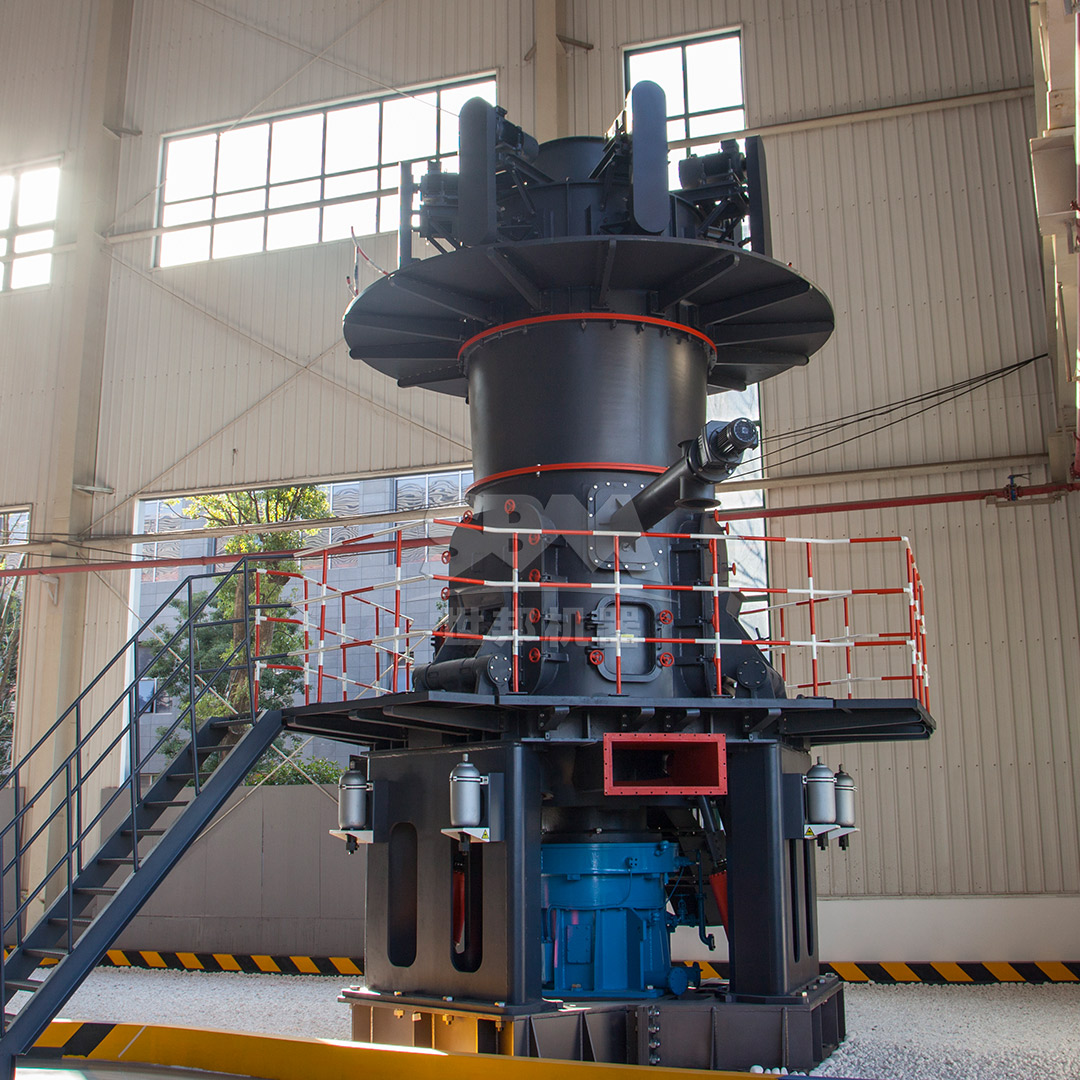
A complete attapulgite filler processing line for wall panel materials requires more than just crushing and grinding equipment. Drying, conveying, dust collection, and packaging systems all play critical roles in ensuring product quality and operational efficiency.
Attapulgite ore typically contains high moisture content, which can impede grinding efficiency and cause caking in downstream equipment. Rotary dryers or flash dryers are commonly employed to reduce moisture to less than 1% before grinding. The dryer must be designed to handle the fibrous nature of attapulgite without causing excessive degradation.
Attapulgite processing generates significant amounts of dust, which poses health risks and environmental concerns. Pulse dust collectors with high-efficiency filter bags are essential for capturing airborne particles. The SCM and MTW mills both feature integrated pulse dust removal systems that exceed international standards, ensuring compliance with increasingly stringent environmental regulations.
Belt conveyors, screw conveyors, and pneumatic conveying systems are used to transport material between processing stages. Storage silos with proper aeration and discharge systems ensure a continuous feed to the grinding circuit and provide buffer capacity between production and packaging.
Finished attapulgite filler is typically packaged in 25kg or 50kg bags, or in bulk tankers for large-volume customers. Automatic weighing and bagging systems ensure accurate fill weights and minimize product loss.
Choosing the optimal equipment configuration for attapulgite filler production requires careful evaluation of several factors:
1. Target Product Fineness: Wall panel formulations vary widely in their filler requirements. High-performance panels may demand fillers as fine as 2500 mesh, necessitating an ultrafine mill such as the SCM Series. Standard panels may only require 200–325 mesh fillers, for which the MTW or LM Series is more cost-effective.
2. Production Capacity: The scale of operation dictates equipment size. Small to medium producers can rely on the SCM or MTW Series, while large-scale operations may require the LM Series or multiple grinding lines.
3. Energy Efficiency: Rising energy costs make efficiency a top priority. The SCM Series offers 30% lower energy consumption than jet mills, while the LM Series reduces energy use by 30–40% compared to ball mills.
4. Maintenance and Wear: Attapulgite’s abrasiveness accelerates wear on grinding components. Mills with wear-resistant materials—such as the SCM’s special material rollers and rings, or the MTW’s anti-wear shovel design—offer lower total cost of ownership.
5. Environmental Compliance: Dust and noise emissions must be controlled to meet regulatory requirements. Equipment with integrated dust collection and soundproofing—such as the SCM Series with its soundproof room design—simplifies permitting and reduces community impact.
6. Automation and Control: Modern processing lines benefit from intelligent control systems that optimize grinding parameters in real time. The SCM’s automatic finished product granularity feedback and the LM’s expert-level auto-control system are examples of advanced automation that improves consistency and reduces labor costs.
The production of high-quality attapulgite filler for wall panel materials is a complex undertaking that requires carefully selected, well-integrated equipment. From primary crushing with hammer mills to ultrafine grinding with the SCM Series, each stage must be optimized to preserve the unique properties of attapulgite while achieving the particle size distribution, purity, and consistency demanded by wall panel manufacturers.
Investing in advanced grinding technology—such as the SCM Series Ultrafine Mill or the MTW Series European Trapezium Mill—provides significant advantages in product quality, energy efficiency, and operational reliability. These mills are engineered to meet the exacting standards of the wall panel industry, delivering fillers that enhance mechanical performance, improve surface finish, and contribute to the durability and sustainability of modern construction materials.
As the construction industry continues to demand higher-performance, more environmentally friendly wall panel products, the role of attapulgite as a functional filler will only grow. Producers who equip themselves with the right processing technology will be well-positioned to capture this growing market and deliver value to their customers.
For more information on our complete range of attapulgite processing equipment, including the SCM Series Ultrafine Mill and MTW Series European Trapezium Mill, please contact our technical sales team. We offer custom-engineered solutions tailored to your specific wall panel filler requirements, from individual mills to complete turnkey processing lines.