Attapulgite, also known as palygorskite, is a naturally occurring hydrated magnesium aluminum silicate mineral with a unique needle-like crystal structure. This distinctive morphology gives attapulgite exceptional colloidal, adsorptive, and thixotropic properties, making it one of the most versatile industrial minerals in modern agriculture and manufacturing. In the animal feed industry, attapulgite serves as a highly effective feed binder, pelletizing aid, and anti-caking agent. Its high surface area and cation exchange capacity allow it to absorb excess moisture, bind mycotoxins, and improve the durability and integrity of feed pellets during transportation and storage.
As global demand for compound animal feed continues to rise — driven by expanding livestock and aquaculture industries — the need for high-quality attapulgite powder has increased substantially. To meet this demand, processors require advanced grinding equipment capable of producing fine, uniform attapulgite powder at competitive energy costs and high throughput rates. This article explores the processing characteristics of attapulgite, the key requirements for grinding equipment, and introduces two proven industrial mill solutions optimized for efficient attapulgite powder production.
Attapulgite processing presents several unique challenges that distinguish it from grinding conventional minerals such as limestone, calcite, or barite. Understanding these characteristics is essential for selecting the appropriate grinding mill and optimizing production efficiency.
The needle-like crystal habit of attapulgite means that excessive grinding force can destroy the beneficial fibrous structure. Over-grinding reduces the material’s binding capacity, surface area, and adsorptive properties. Therefore, grinding equipment must deliver precise particle size control while preserving the structural integrity of the mineral fibers.
Attapulgite typically contains 10–15% moisture after mining and initial processing. High moisture content can cause agglomeration, clogging, and reduced grinding efficiency. Effective drying integration within the grinding system — or pre-drying before milling — is often necessary for stable operation.
For feed binder applications, attapulgite powder is typically ground to 200–400 mesh (38–74 μm), with some premium grades requiring fineness up to 600–1250 mesh. The particle size distribution must be narrow and consistent to ensure uniform binding performance in feed formulations.
Feed-grade attapulgite must meet strict purity standards. Iron contamination from grinding media wear and dust leakage must be minimized. Equipment with wear-resistant liners, sealed grinding chambers, and efficient dust collection systems is essential.
Selecting the right grinding mill for attapulgite processing involves balancing several critical factors:
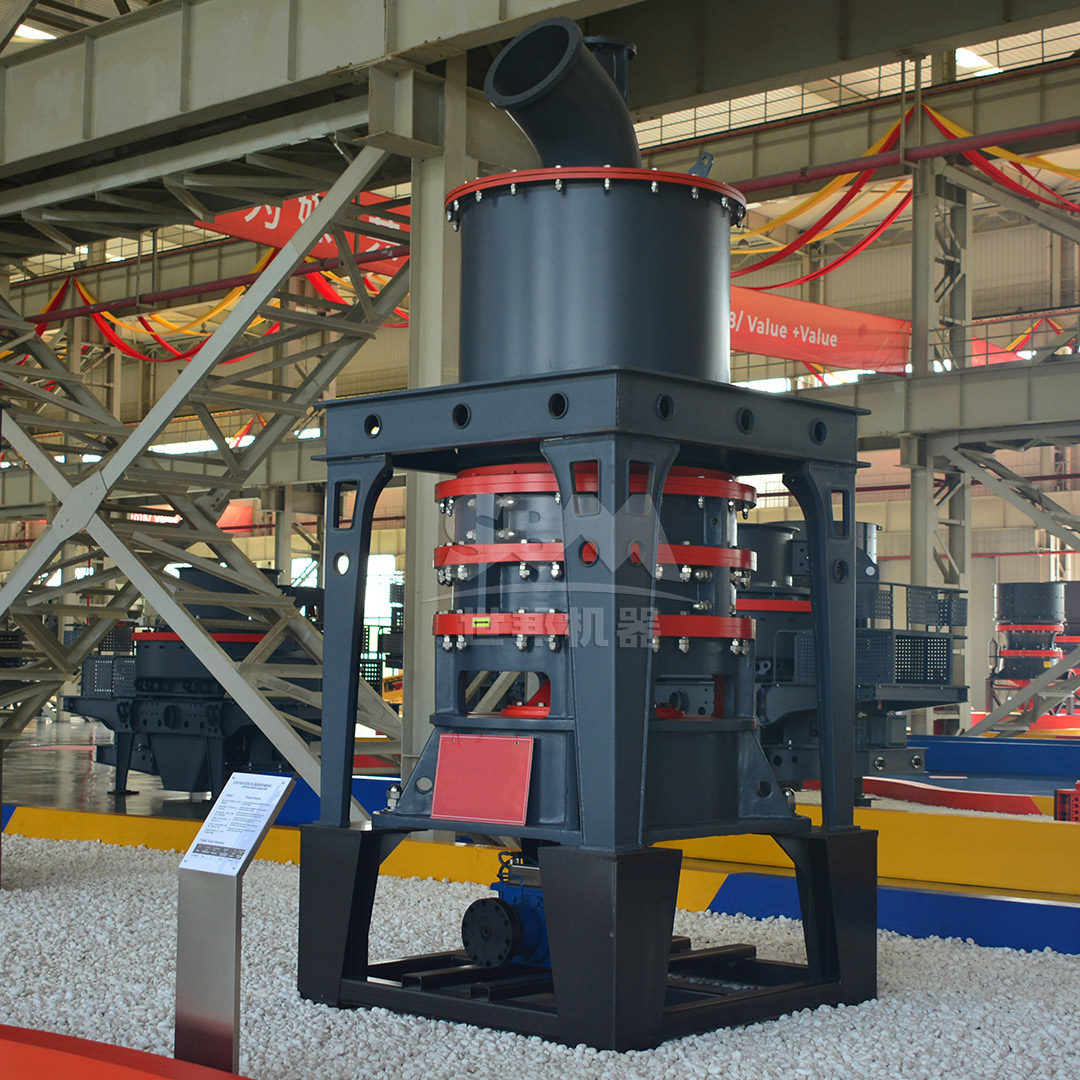
For processors targeting ultra-fine, high-purity attapulgite powder for premium feed binder applications, the SCM Series Ultrafine Mill stands out as an ideal solution. This advanced mill is engineered to produce powder in the 325–2500 mesh range with exceptional precision and efficiency.
1. High-Precision Classification for Uniform Particles
The SCM Series features a vertical turbine classifier that achieves precise particle size cutting. For attapulgite feed binder production, this means no coarse powder mixing and highly uniform finished products — critical for consistent binding performance in feed pellets.
2. High Efficiency and Energy Savings
The SCM Series delivers approximately twice the capacity of conventional jet mills while consuming 30% less energy. With intelligent control and automatic finished product granularity feedback, operators can maintain optimal grinding parameters without constant manual adjustment. This translates to lower production costs per ton of attapulgite powder.
3. Durable Grinding Components
Special wear-resistant material rollers and rings extend service life several times over, reducing maintenance downtime and replacement costs. The shaftless screw grinding chamber ensures stable, vibration-free operation even when processing fibrous minerals like attapulgite.
4. Eco-Friendly Design
The pulse dust collection system exceeds international efficiency standards, ensuring a clean working environment and minimal product loss. Soundproof room design keeps noise levels low, meeting modern industrial environmental requirements.
5. Proven Working Principle
The main motor drives three layers of grinding rings to rotate. Attapulgite material is dispersed into the grinding path by centrifugal force, crushed by roller pressure, and ground layer by layer. The cyclone collector and pulse dust removal system then complete powder collection efficiently.
| Model | Capacity (t/h) | Main Power (kW) | Feed Size (mm) | Fineness (mesh) |
|---|---|---|---|---|
| SCM800 | 0.5–4.5 | 75 | 0–20 | 325–2500 |
| SCM900 | 0.8–6.5 | 90 | 0–20 | 325–2500 |
| SCM1000 | 1.0–8.5 | 132 | 0–20 | 325–2500 |
| SCM1250 | 2.5–14 | 185 | 0–20 | 325–2500 |
| SCM1680 | 5.0–25 | 315 | 0–20 | 325–2500 |
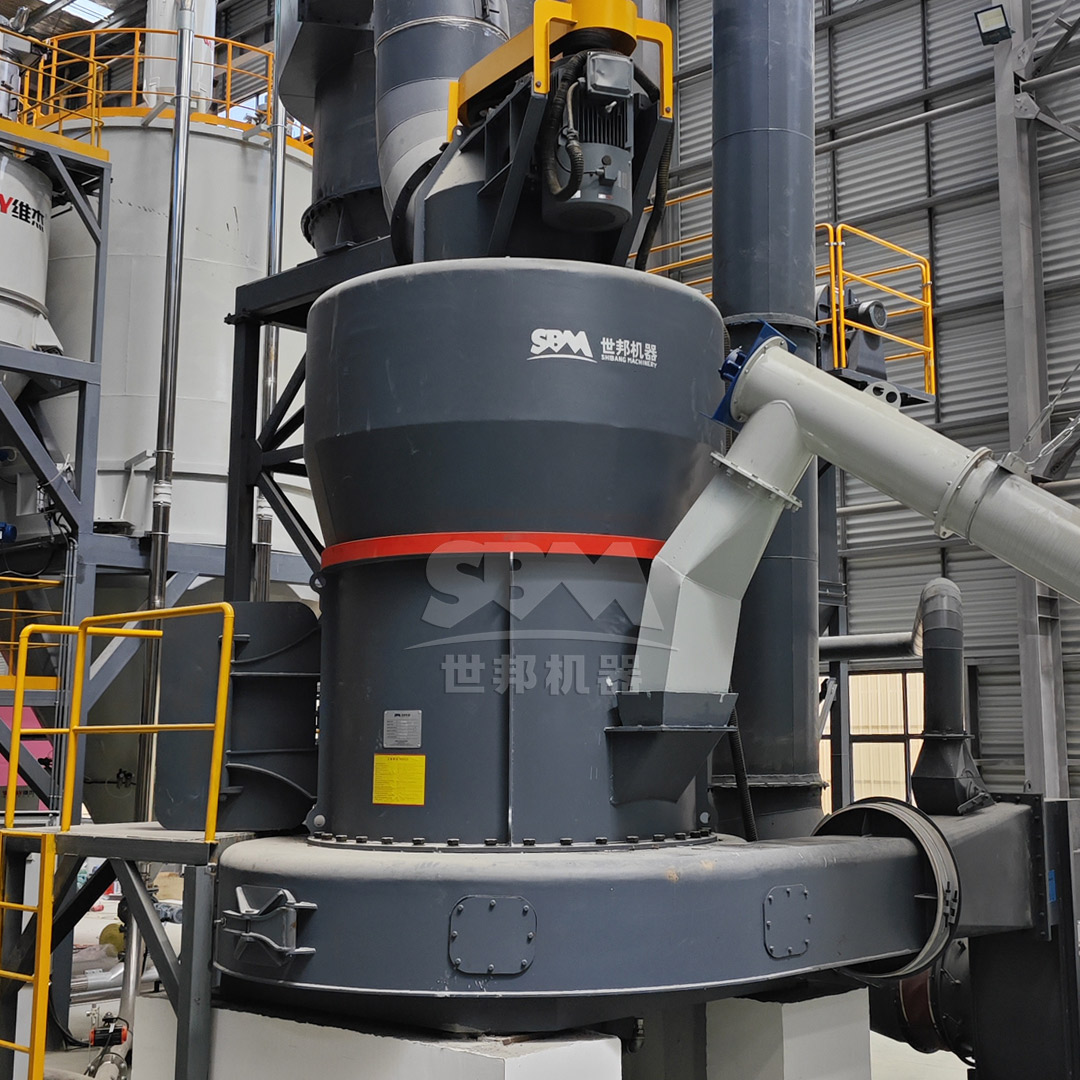
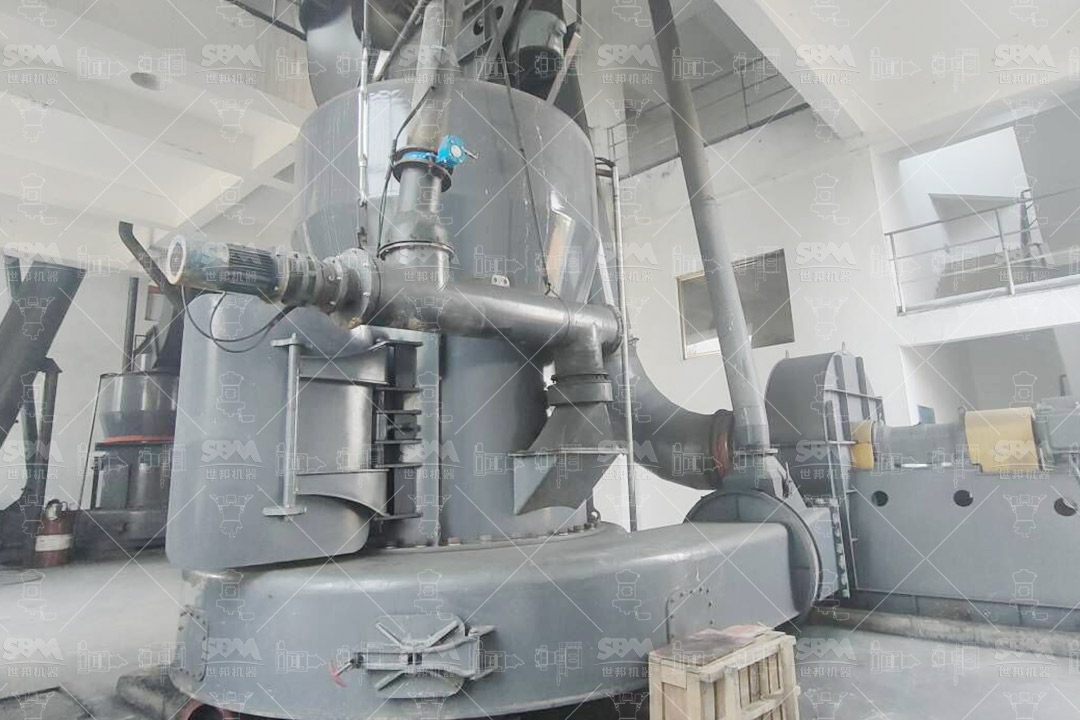
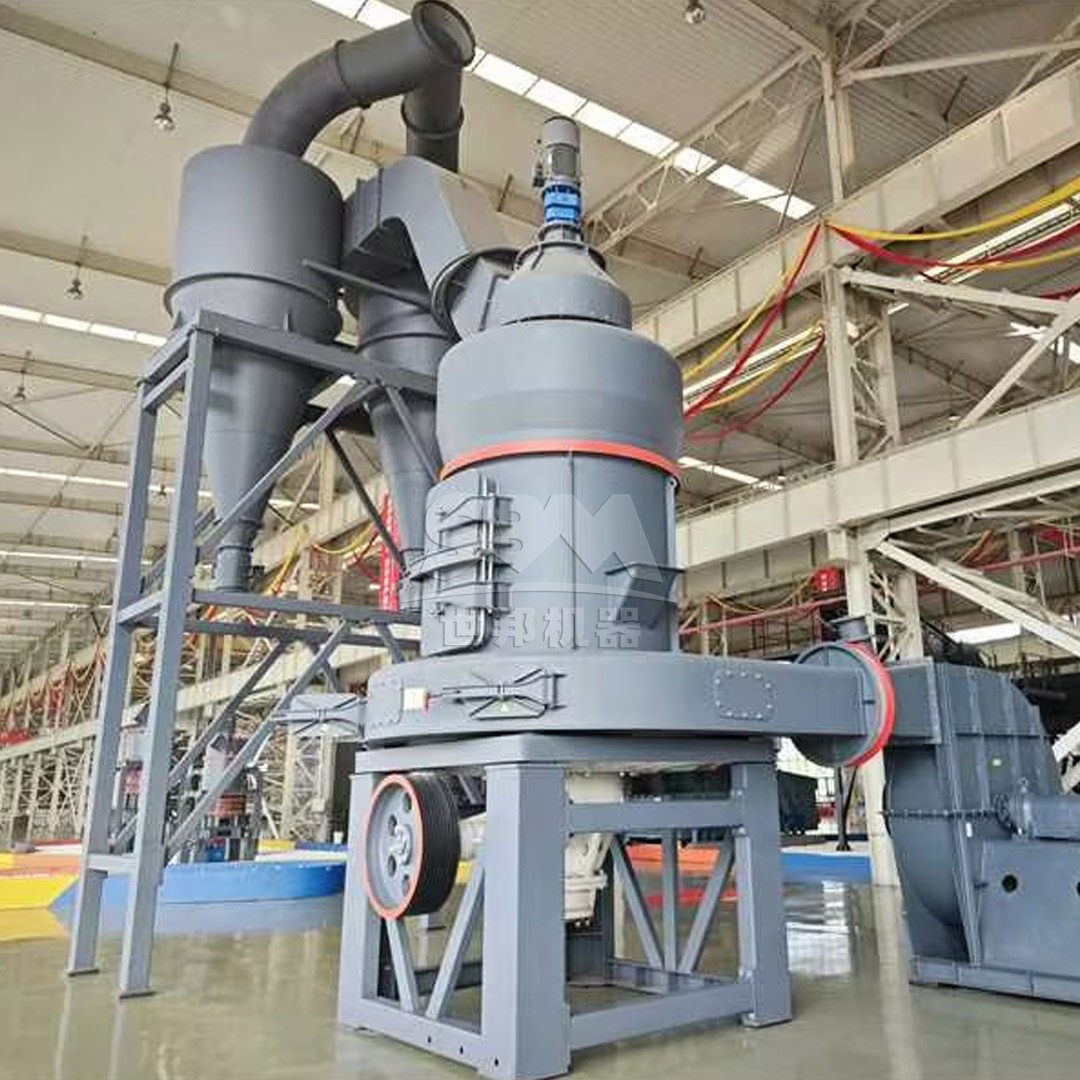
For processors requiring medium-fine attapulgite powder in the 30–325 mesh range with large production capacity, the MTW Series European Trapezium Mill offers an optimal combination of throughput, efficiency, and reliability.
1. Anti-Wear Shovel Design
The MTW Series incorporates combined shovel blades that reduce maintenance costs and a curved design that extends grinding roller life. This is particularly important when processing mildly abrasive attapulgite, where wear parts represent a significant operating cost.
2. Optimized Arc Air Duct
The optimized arc air duct reduces airflow energy loss and improves transmission efficiency. High-strength guard plates protect the air duct working surface, ensuring stable performance over extended production runs.
3. Integral Bevel Gear Drive
With transmission efficiency up to 98%, the integral bevel gear drive saves space and reduces installation costs — an important consideration for new attapulgite processing plants or capacity expansion projects.
4. Wear-Resistant Volute Structure
The non-resistance flow design improves air selection efficiency, while maintenance costs are reduced by approximately 30% compared to conventional mill designs.
| Model | Capacity (t/h) | Main Power (kW) | Feed Size (mm) | Fineness (mesh) |
|---|---|---|---|---|
| MTW110 | 3–9 | 55 | <30 | 10–325 |
| MTW138Z | 6–17 | 90 | <35 | 10–325 |
| MTW175G | 9.5–25 | 160 | <40 | 10–325 |
| MTW215G | 15–45 | 280 | <50 | 10–325 |
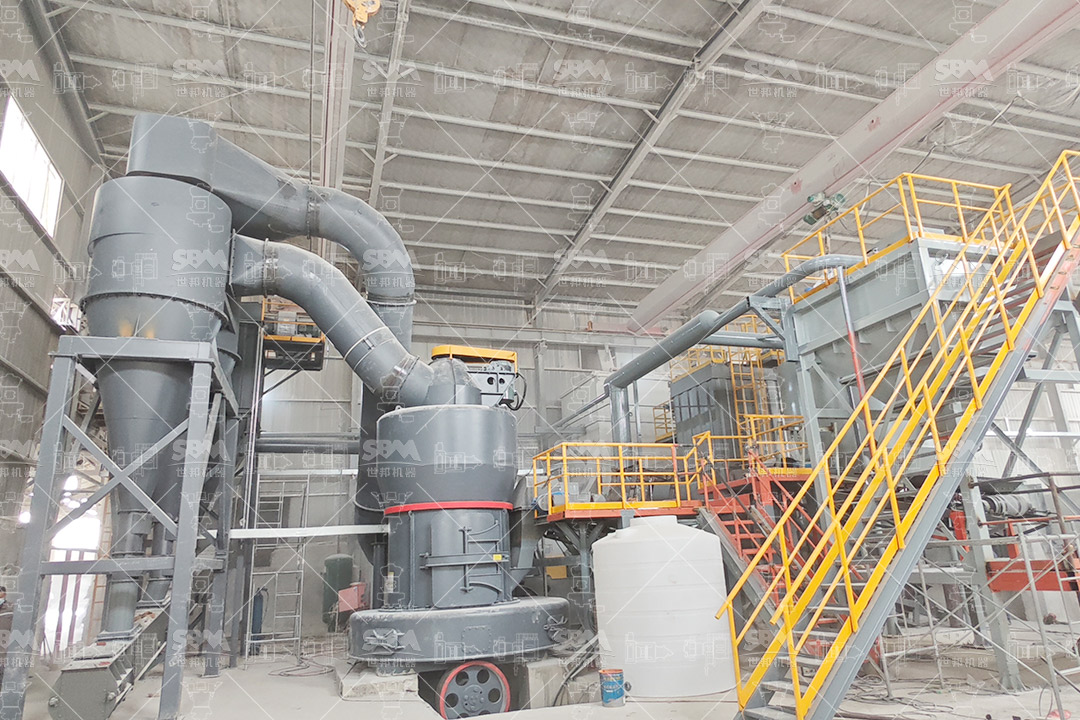
A complete attapulgite powder production line for feed binder applications typically includes the following stages:
Raw attapulgite ore is first crushed by a hammer mill or jaw crusher to reduce feed size to below 20–50 mm, depending on the selected grinding mill. The Hammer Mill (0–3 mm output) is an excellent choice for pre-crushing attapulgite, offering high crushing ratio and stable operation with wear-resistant high manganese steel liners.
The crushed attapulgite is fed into the selected grinding mill (SCM Series or MTW Series) where it is ground and classified simultaneously. The integrated classifier ensures that only particles meeting the target fineness exit the mill, while oversize particles are returned for further grinding.
Ground attapulgite powder is carried by airflow to a pulse dust collector or cyclone collector, where it is separated from the air stream and collected as finished product. Advanced pulse dust removal technology ensures emission levels well below environmental standards.
Finished attapulgite powder is typically packed into 25 kg bags, 500 kg jumbo bags, or bulk tankers, depending on customer requirements. Moisture-proof storage is recommended to preserve product quality.
| Parameter | SCM Series Ultrafine Mill | MTW Series European Trapezium Mill |
|---|---|---|
| Fineness Range | 325–2500 mesh | 30–325 mesh |
| Capacity Range | 0.5–25 t/h | 3–45 t/h |
| Feed Size | ≤20 mm | ≤50 mm |
| Best For | Ultra-fine, premium feed binder grades | Medium-fine, high-volume production |
| Classification | Vertical turbine classifier | High-efficiency dynamic classifier |
| Energy Efficiency | 30% lower than jet mills | Optimized airflow design |
| Wear Protection | Special material rollers and rings | Anti-wear shovel and curved rollers |
| Dust Collection | Pulse dust collection (international standards) | Patented pulse dust removal technology |
To achieve maximum efficiency and product quality when grinding attapulgite for feed binder applications, consider the following operational recommendations:
Ideally, feed material moisture should be below 5% for optimal grinding. If raw attapulgite contains higher moisture, integrate a drying system or use hot air in the grinding circuit to evaporate excess moisture during milling.
Adjust the classifier speed to achieve the target particle size distribution. For feed binder applications, a narrower particle size distribution generally improves binding performance. The SCM Series’ automatic granularity feedback system makes this adjustment highly precise and repeatable.
Sudden fluctuations in feed rate can cause vibration, reduced grinding efficiency, and inconsistent product fineness. Use a variable-speed feeder (such as GZ series electromagnetic feeder) to maintain steady material flow into the mill.
Inspect rollers, rings, and shovel blades regularly for wear. Replacing worn parts promptly maintains grinding efficiency and prevents contamination of the finished attapulgite powder with iron particles from excessive metal-to-metal contact.
Check pulse dust collector bags or cartridges periodically and replace when pressure drop exceeds recommended levels. Efficient dust collection is essential for both environmental compliance and maximum product recovery.
Attapulgite powder produced by the SCM and MTW Series mills serves multiple functions in animal feed formulations:
Attapulgite is a valuable mineral resource for the feed industry, and its processing requires equipment that balances fineness control, capacity, energy efficiency, and product purity. The SCM Series Ultrafine Mill and MTW Series European Trapezium Mill represent two complementary solutions:
Both mills are backed by advanced engineering, robust construction, and proven performance in mineral processing applications worldwide. By selecting the appropriate grinding equipment and optimizing operational parameters, attapulgite processors can achieve efficient, cost-effective production of high-quality feed binder powder that meets the demanding requirements of the global animal nutrition industry.
For more information on equipment selection, system configuration, or technical support for your attapulgite processing project, please contact our engineering team. We provide customized solutions tailored to your specific raw material characteristics, capacity requirements, and product specifications.