Attapulgite, also known as palygorskite, is a naturally occurring hydrated magnesium aluminum silicate mineral with a unique chain-layer crystal structure. This distinctive fibrous morphology endows attapulgite with exceptional colloidal properties, high specific surface area, remarkable adsorption capacity, and excellent thermal stability. These characteristics make it an indispensable raw material in the production of molecular sieves, particularly for applications requiring precise pore structure control and selective adsorption capabilities.
Molecular sieves synthesized from attapulgite-based precursors are widely employed in petrochemical catalysis, gas separation, drying processes, and environmental remediation. The quality of the final molecular sieve product depends heavily on the particle size distribution, purity, and structural integrity of the processed attapulgite powder. Consequently, selecting the appropriate grinding equipment for attapulgite processing is a critical decision that directly impacts product quality, operational efficiency, and overall production economics.
When processing attapulgite for molecular sieve raw materials, several critical factors must be considered during equipment selection:
Molecular sieve synthesis typically requires attapulgite powder with a fineness range of 200 to 1250 mesh, depending on the specific zeolite type being produced. Precise control over particle size distribution is essential to ensure consistent reactivity during the hydrothermal synthesis process. Coarse particles may lead to incomplete reaction, while excessively fine particles can cause agglomeration and structural defects in the final product.
The fibrous crystal structure of attapulgite must be preserved during grinding to maintain its unique adsorption properties. Excessive mechanical force or thermal generation during the grinding process can destroy the crystal lattice, reducing the material’s effectiveness as a molecular sieve precursor. Therefore, grinding equipment must achieve target fineness without causing structural degradation.
Iron contamination is particularly detrimental to molecular sieve performance, as it can poison active sites and reduce catalytic selectivity. Grinding equipment must be designed with wear-resistant materials that minimize metal transfer to the product. The use of high-chromium alloys, ceramic liners, or special composite materials in grinding zones is essential.
Attapulgite typically contains significant moisture, ranging from 10% to 30% depending on the source and pre-treatment. The grinding system must be capable of handling materials with varying moisture levels, either through integrated drying capabilities or compatibility with pre-dried feed materials.
The selected mill must reliably achieve the target fineness range while maintaining consistent output quality. For molecular sieve applications requiring ultrafine powders (800-1250 mesh), specialized ultrafine grinding equipment is necessary. For standard molecular sieve grades (200-400 mesh), medium-speed mills may suffice.
Production capacity should match the overall plant throughput requirements, with consideration for future expansion. The grinding system should offer flexible capacity adjustment without compromising product quality.
Grinding is typically the most energy-intensive operation in mineral processing. Selecting energy-efficient equipment can significantly reduce operational costs over the equipment’s lifetime. Modern mills with optimized grinding mechanisms and intelligent control systems can achieve substantial energy savings compared to traditional ball mills.
Integrated or external classification systems must provide sharp cut points to ensure narrow particle size distributions. The classifier should effectively eliminate coarse particles while minimizing over-grinding of fine fractions.
Given the abrasive nature of attapulgite and associated minerals, wear parts must be constructed from durable materials. Easy maintenance access and quick-change component designs reduce downtime and improve overall equipment effectiveness.
Dust generation during grinding operations must be controlled through effective containment and collection systems. Compliance with environmental regulations regarding particulate emissions is mandatory for sustainable operations.
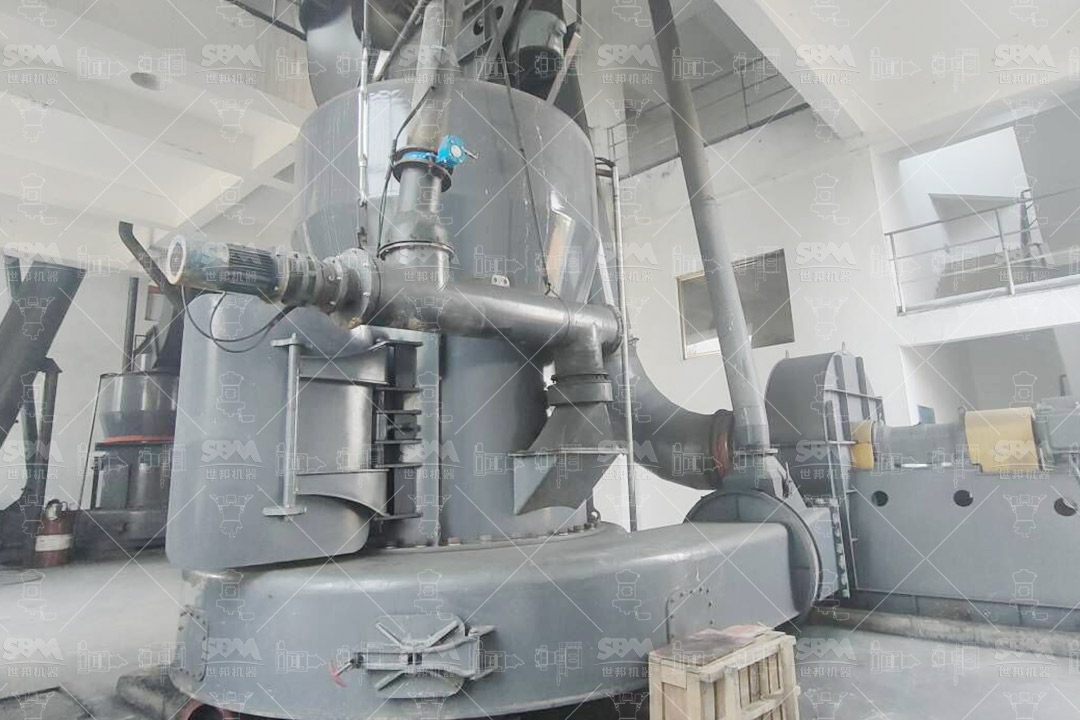
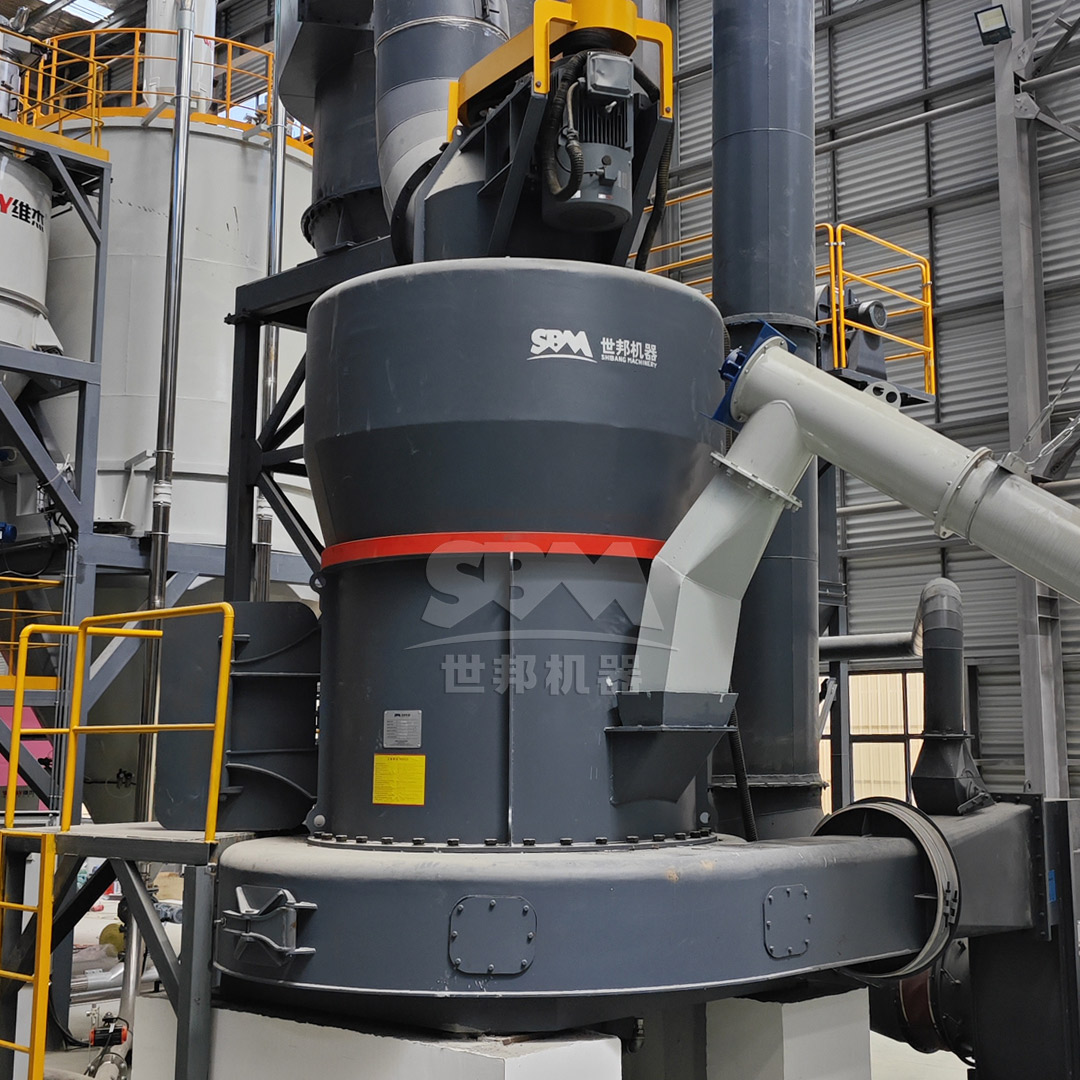
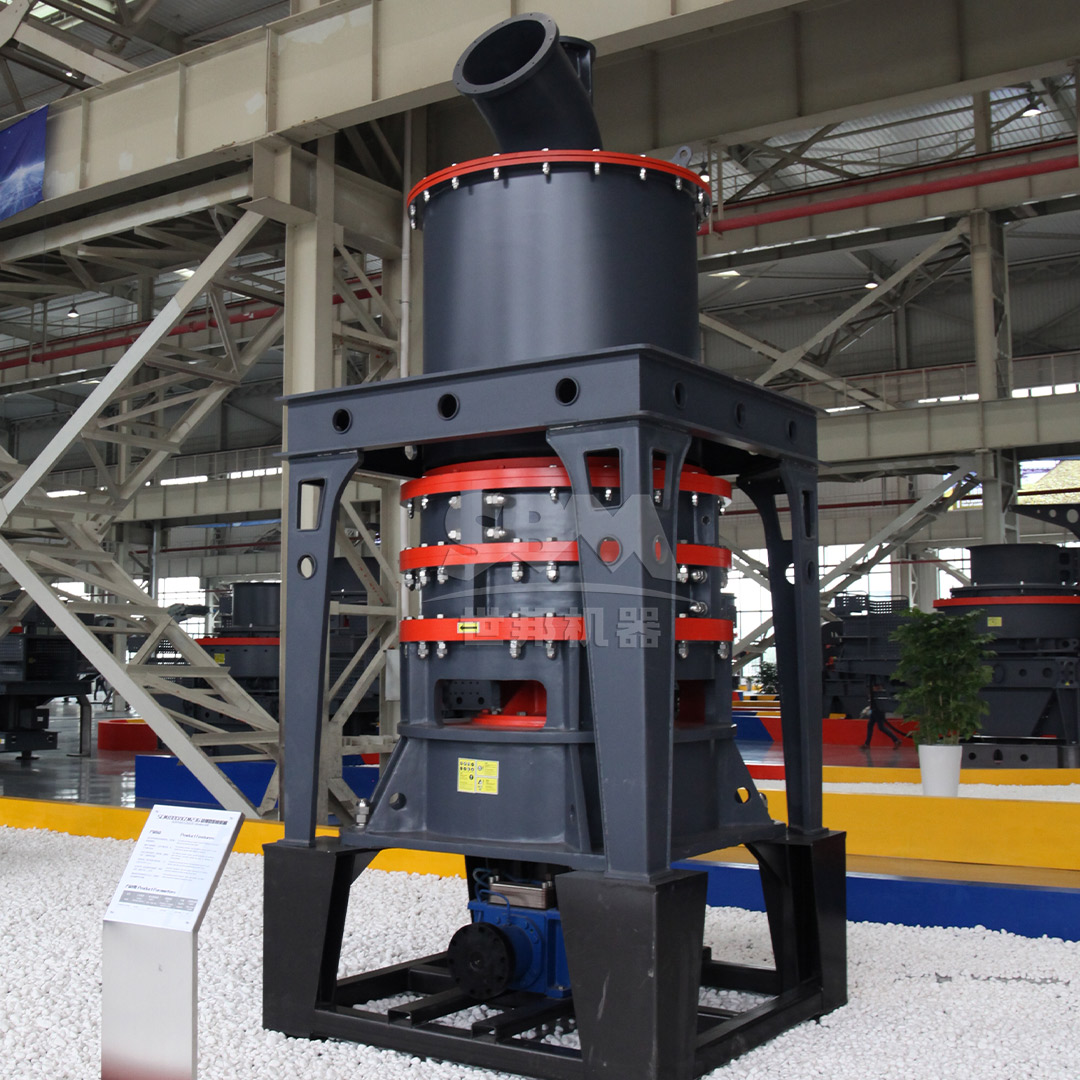
For attapulgite processing targeting molecular sieve raw materials, the SCM Series Ultrafine Mill represents an optimal solution. This equipment is specifically designed to produce ultrafine powders in the 325-2500 mesh range, making it ideal for producing high-quality attapulgite powders suitable for molecular sieve synthesis.
The SCM Series Ultrafine Mill offers several features particularly beneficial for attapulgite processing:
| Model | Capacity (t/h) | Main Power (kW) | Feed Size (mm) | Fineness (mesh) |
|---|---|---|---|---|
| SCM800 | 0.5-4.5 | 75 | 0-20 | 325-2500 |
| SCM900 | 0.8-6.5 | 90 | 0-20 | 325-2500 |
| SCM1000 | 1.0-8.5 | 132 | 0-20 | 325-2500 |
| SCM1250 | 2.5-14 | 185 | 0-20 | 325-2500 |
| SCM1680 | 5.0-25 | 315 | 0-20 | 325-2500 |
For medium-scale molecular sieve production facilities requiring capacities between 2.5 and 14 tons per hour, the SCM1250 model offers an excellent balance of capacity, fineness capability, and energy efficiency. Larger operations targeting high-volume production should consider the SCM1680, which delivers up to 25 tons per hour while maintaining the same precision classification capabilities.
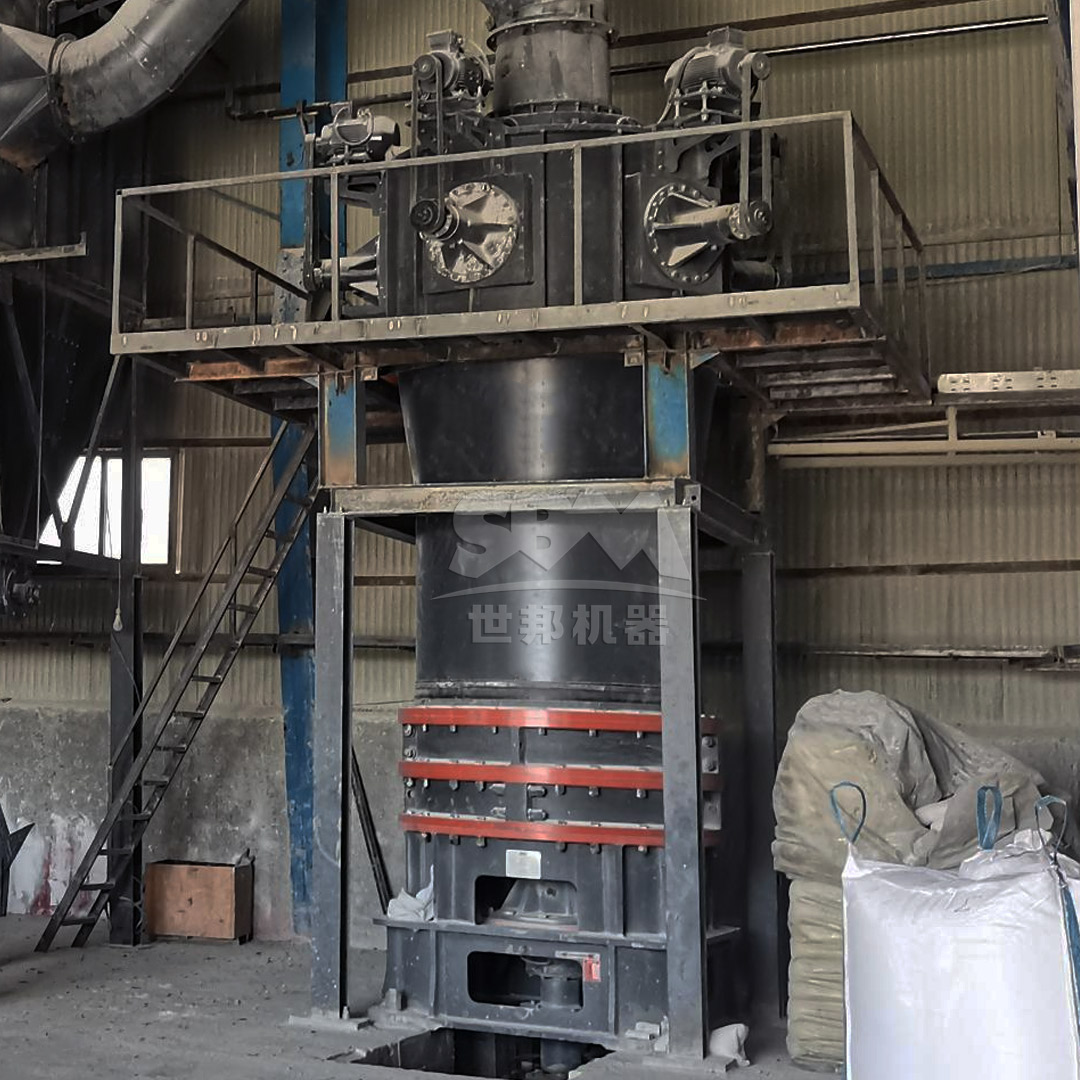
For applications requiring slightly coarser attapulgite powders (30-325 mesh) or operations prioritizing higher throughput over ultrafine grinding, the MTW Series European Trapezium Mill provides an excellent alternative. This mill is particularly suitable for producing attapulgite powders for molecular sieve grades that require moderate fineness with high production capacity.
The MTW Series incorporates several innovative design features that benefit attapulgite processing:
| Model | Capacity (t/h) | Main Power (kW) | Feed Size (mm) | Fineness (mesh) |
|---|---|---|---|---|
| MTW110 | 3-9 | 55 | <30 | 10-325 |
| MTW138Z | 6-17 | 90 | <35 | 10-325 |
| MTW175G | 9.5-25 | 160 | <40 | 10-325 |
| MTW215G | 15-45 | 280 | <50 | 10-325 |
The MTW215G model, with its 15-45 ton per hour capacity and 280 kW main motor, is particularly well-suited for large-scale attapulgite processing operations where molecular sieve production requires substantial volumes of moderately fine raw material. Its ability to handle feed sizes up to 50mm reduces the need for extensive pre-crushing, simplifying the overall process flow.
Before grinding, attapulgite ore should undergo primary crushing to reduce feed size to acceptable limits for the selected mill. Jaw crushers or hammer mills are typically employed for this purpose. The Hammer Mill, with its capacity range of 8-70 t/h and output size of 0-3mm, provides an effective primary crushing solution for attapulgite processing lines.
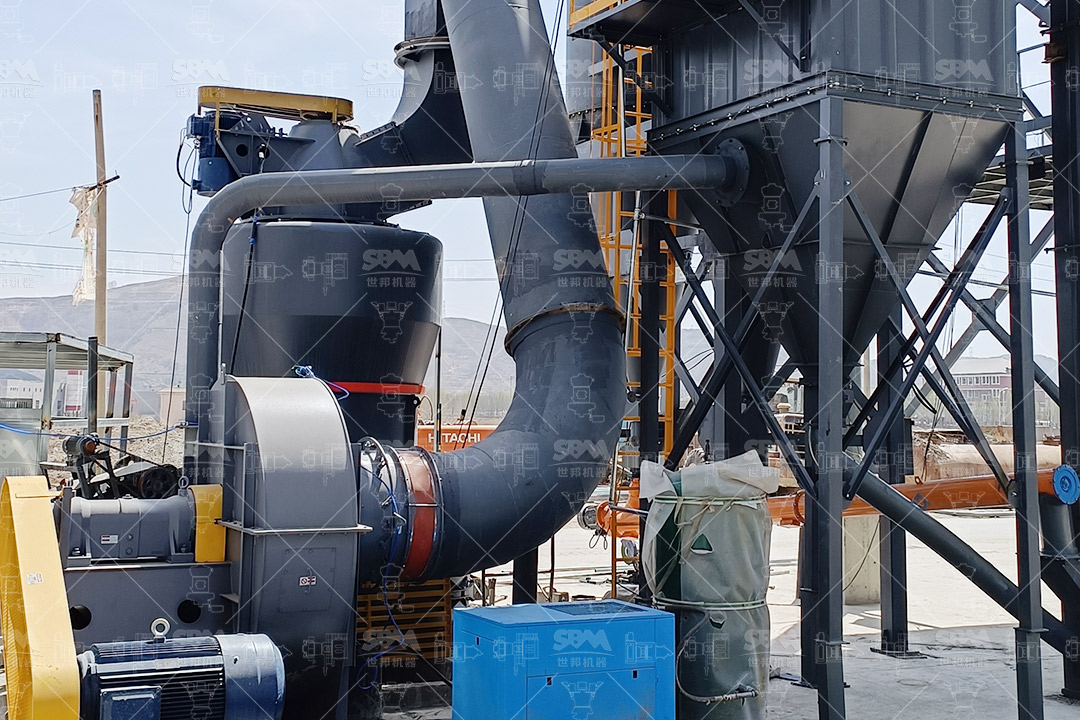
If the attapulgite feed material contains high moisture, pre-drying may be necessary to prevent mill clogging and ensure efficient grinding. The LM Series Vertical Roller Mill offers integrated drying capability, making it suitable for processing materials with moderate moisture content.
Post-grinding classification ensures that only particles within the target size range proceed to molecular sieve synthesis. Modern grinding mills typically incorporate dynamic classifiers that can be adjusted to achieve precise cut points. The collected fines are then transported to storage or directly to the synthesis reactor.
Selecting the appropriate grinding equipment for attapulgite processing is crucial for producing high-quality molecular sieve raw materials. The SCM Series Ultrafine Mill offers superior fineness capability and precise classification for applications demanding ultrafine powders, while the MTW Series European Trapezium Mill provides higher capacity for operations requiring moderate fineness at greater throughput.
Both equipment lines incorporate advanced features that address the specific challenges of attapulgite processing, including wear resistance, contamination prevention, and energy efficiency. By carefully evaluating production requirements, target specifications, and operational constraints, manufacturers can select the optimal grinding solution to ensure consistent, high-quality attapulgite powder for molecular sieve production.
For comprehensive technical consultation and equipment selection support, our engineering team is available to assist with detailed process design and equipment specification tailored to your specific attapulgite processing requirements.