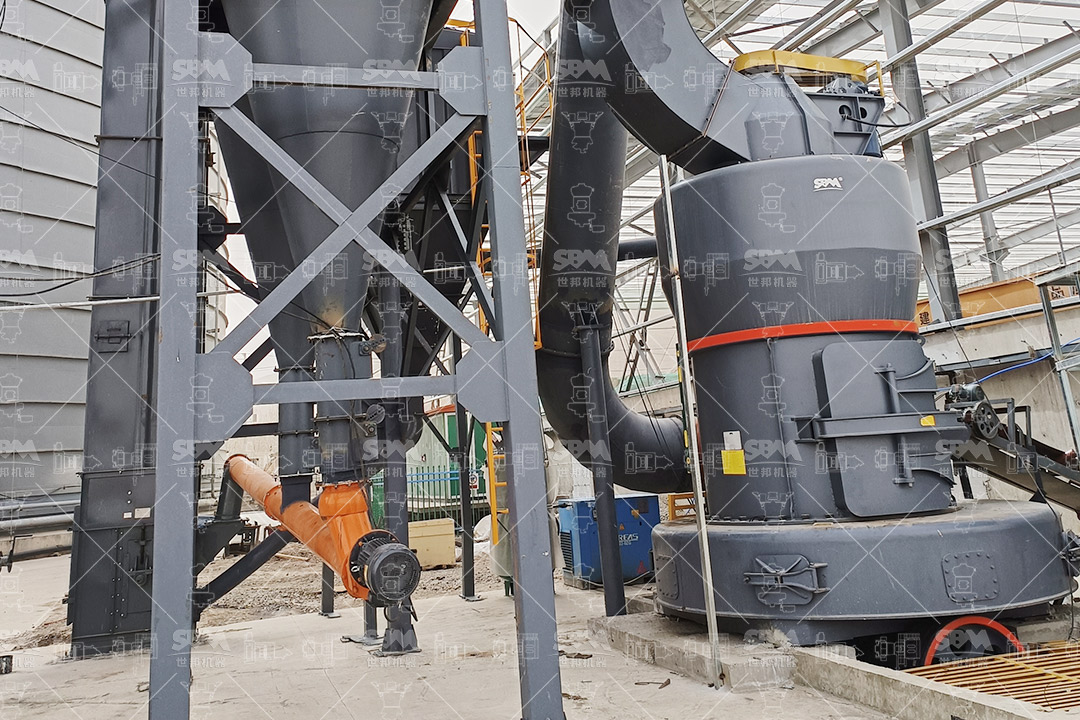
Attapulgite, also known as palygorskite, is a naturally occurring hydrated magnesium aluminum silicate clay mineral with a unique chain-like layered crystal structure. This distinctive morphology gives attapulgite exceptional adsorption properties, high specific surface area, and remarkable colloidal stability, making it one of the most versatile and cost-effective materials in modern water treatment processes. From removing heavy metal ions such as lead, cadmium, and arsenic to eliminating organic pollutants, dyes, and turbidity, attapulgite-based adsorbents and flocculants have become indispensable in municipal and industrial wastewater purification systems.
However, the performance of attapulgite in water treatment applications depends heavily on its particle size distribution, surface activation, and structural integrity. Raw attapulgite ore must undergo precise grinding and processing to unlock its full adsorption potential. The choice of grinding mill is therefore one of the most critical decisions for any attapulgite processing plant dedicated to water treatment applications. This article provides a comprehensive guide to selecting the right grinding equipment, covering key technical considerations, material characteristics, and recommended solutions from our extensive product portfolio.
Attapulgite belongs to the hormite group of clay minerals and is characterized by needle-like or fibrous crystals typically ranging from 0.2 to 2 micrometers in length and 10 to 40 nanometers in width. This fibrous structure creates abundant internal channels and surface active sites that can adsorb water molecules and various contaminants. In water treatment, attapulgite is commonly used as:
For optimal performance, attapulgite must be processed to achieve specific particle size distributions, typically in the range of 100 to 2500 mesh (approximately 5 to 150 micrometers), depending on the target application. Thermal activation, acid treatment, and organic modification are often employed after grinding, but the initial grinding step determines the baseline physicochemical properties.
Attapulgite exhibits several properties that directly influence mill selection:
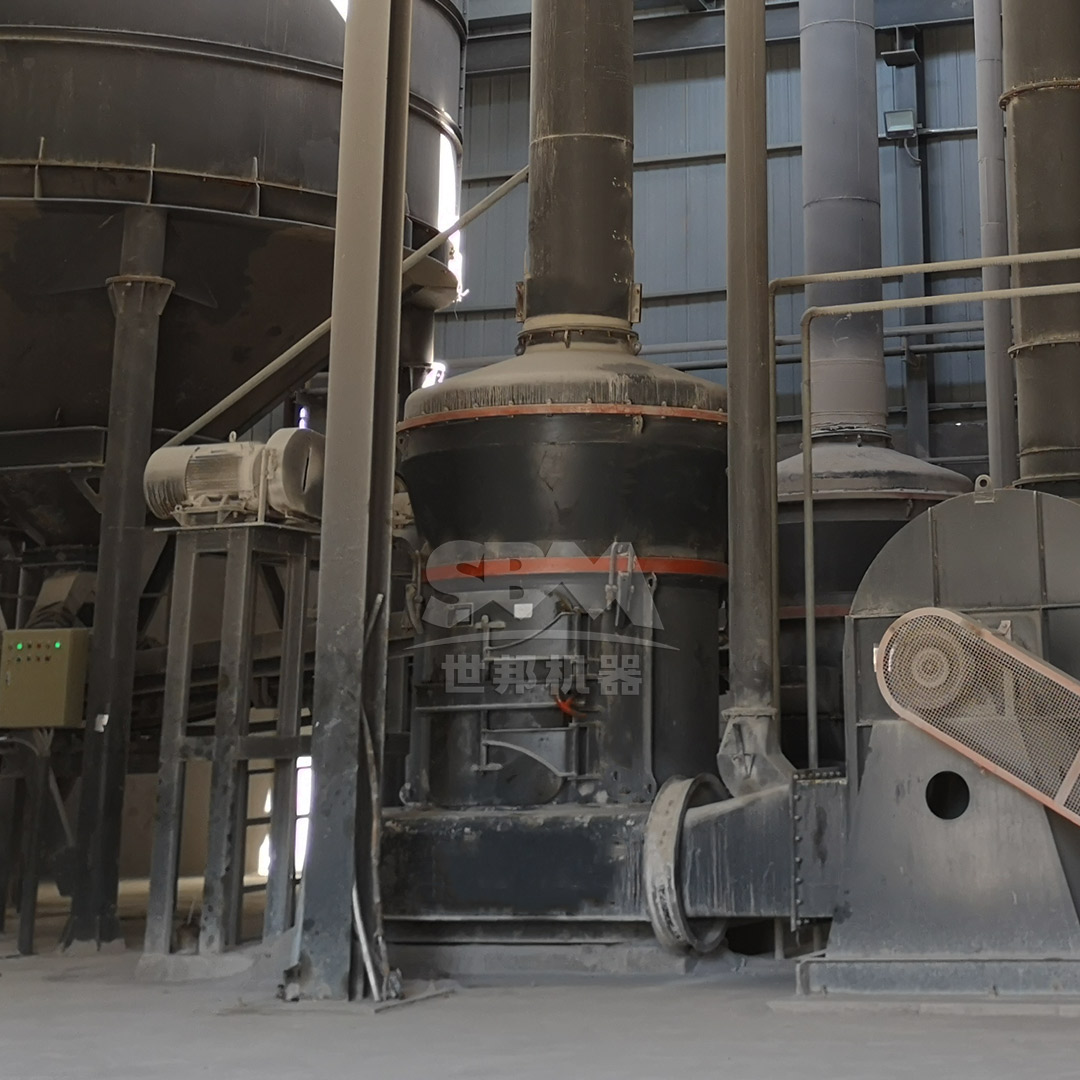
Selecting the right mill involves balancing fineness requirements, capacity, energy efficiency, wear resistance, and product purity. Below are the primary criteria.
Different water treatment applications demand different fineness levels:
The mill must deliver a narrow particle size distribution to ensure consistent adsorption kinetics. Over-grinding can destroy the fibrous structure, reducing adsorption capacity, while under-grinding leaves valuable surface area untapped.
Attapulgite processing plants range from small (0.5 t/h) to large-scale operations (25+ t/h). The mill’s capacity must align with production targets without compromising fineness. For water treatment applications, typical capacities vary between 1 and 15 t/h for fine powders.
Grinding is energy-intensive. Mills that offer high grinding efficiency and low power consumption per ton are essential for economic viability. Advanced classification systems, such as vertical turbine classifiers, can reduce over-grinding and recirculation loads, cutting energy use by 30% or more compared to traditional ball mills.
Attapulgite, despite its low hardness, contains quartz and other abrasive minerals. Grinding components must be made from wear-resistant materials (e.g., high-chrome alloys, ceramic composites) to minimize downtime and maintain product purity. Mills with easy access for roller or ring replacement are preferred.
For high-purity water treatment applications, iron contamination from steel grinding media can be detrimental. Mills with ceramic liners or non-metallic contact surfaces may be required. Additionally, dust emission must be controlled to prevent product loss and environmental hazards.
Attapulgite can be processed dry or wet. Dry grinding is preferred for adsorbent powders, but if the feed moisture exceeds 5–8%, drying may be integrated into the mill system (e.g., hot air sweep in vertical roller mills). Wet grinding is rarely used for attapulgite due to subsequent drying costs.
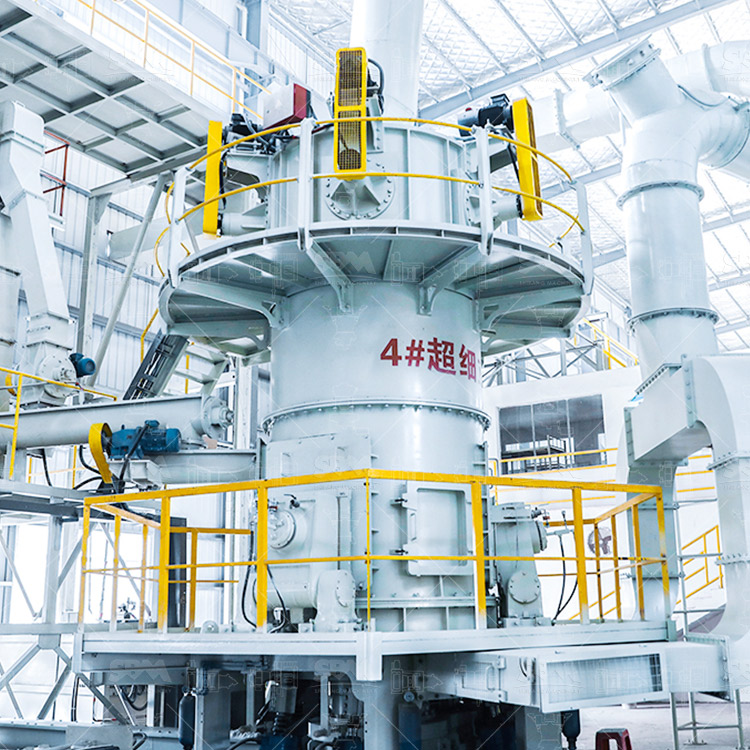
Based on the above criteria, we recommend two flagship products from our company that excel in attapulgite processing for water purification: the SCM Series Ultrafine Mill and the MTW Series European Trapezium Mill. Both are engineered to deliver superior performance, energy efficiency, and product quality.
The SCM Series Ultrafine Mill is a state-of-the-art solution for producing ultrafine attapulgite powders (325–2500 mesh) with exceptional precision. Its advanced design addresses the unique challenges of fibrous clay minerals.
Core Parameters:
Technical Advantages for Attapulgite:
Working Principle: The main motor drives three layers of grinding rings to rotate. Materials are dispersed into the grinding path by centrifugal force, crushed by roller pressure, and ground layer by layer. Finally, powder collection is completed by a cyclone collector and a pulse dust removal system. This gentle grinding action preserves the fibrous structure of attapulgite, maximizing its adsorptive capacity.
Models & Specifications:
| Model | Capacity (t/h) | Main Power (kW) | Feed Size (mm) | Fineness (mesh) |
|---|---|---|---|---|
| SCM800 | 0.5–4.5 | 75 | 0–20 | 325–2500 |
| SCM900 | 0.8–6.5 | 90 | 0–20 | 325–2500 |
| SCM1000 | 1.0–8.5 | 132 | 0–20 | 325–2500 |
| SCM1250 | 2.5–14 | 185 | 0–20 | 325–2500 |
| SCM1680 | 5.0–25 | 315 | 0–20 | 325–2500 |
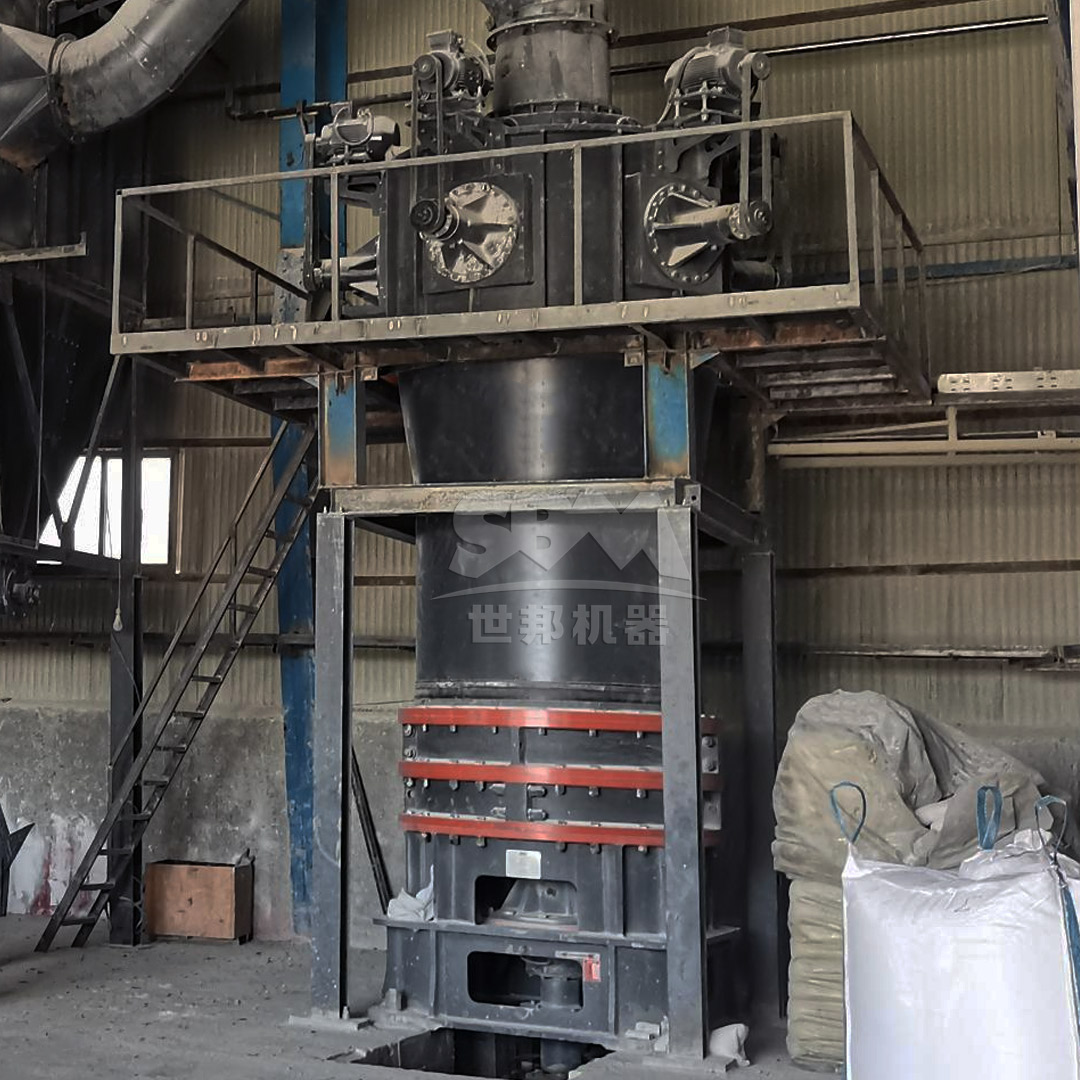
For applications requiring 30–325 mesh attapulgite powders, the MTW Series European Trapezium Mill offers an excellent balance of capacity, efficiency, and reliability. Its robust design handles the abrasive nature of attapulgite while delivering consistent product quality.
Core Parameters:
Technical Advantages for Attapulgite:
Working Principle: The main motor drives the grinding rollers to revolve around the central axis while self-rotating to generate centrifugal force. Shovels throw materials between the ring and rollers to form a material layer, achieving efficient crushing through extrusion. The classification system precisely controls the finished product size.
Models & Specifications:
| Model | Capacity (t/h) | Main Power (kW) | Feed Size (mm) | Fineness (mesh) | Fan Power (kW) | Classifier Power (kW) |
|---|---|---|---|---|---|---|
| MTW110 | 3–9 | 55 | <30 | 10–325 | 55 | 7.5 |
| MTW110Z | 3–10 | 55 | <30 | 10–325 | 55 | 11 |
| MTW138Z | 6–17 | 90 | <35 | 10–325 | 110 | 18.5 |
| MTW175G | 9.5–25 | 160 | <40 | 10–325 | 200 | 22 |
| MTW215G | 15–45 | 280 | <50 | 10–325 | 315 | 55 |
| MRN158 | 7–21 | 132 | <40 | 10–325 | 132 | 22 |
| MRN198 | 12–33 | 220 | <45 | 10–325 | 250 | 37 |
| MRN218 | 15–45 | 280 | <50 | 10–325 | 315 | 55 |
Patented Technology: Independent intellectual property rights, internal suction oil lubrication system, and internationally advanced pulse dust removal technology ensure reliable, clean operation.
To aid in decision-making, the following table summarizes key differences:
| Criteria | SCM Series Ultrafine Mill | MTW Series European Trapezium Mill |
|---|---|---|
| Fineness Range | 325–2500 mesh | 30–325 mesh |
| Capacity Range | 0.5–25 t/h | 3–45 t/h |
| Best For | High-performance adsorbents, nanocomposites | Standard adsorbents, flocculants, cost-sensitive projects |
| Energy Consumption | Very low (30% less than jet mills) | Low (optimized airflow design) |
| Wear Parts Life | Extended several times over | Extended by 30% with curved rollers |
| Footprint | Compact, integrated system | Moderate, requires foundation |
Regardless of the mill chosen, proper installation and operation are vital:
Attapulgite is a powerful tool in the fight against water pollution, but its effectiveness hinges on proper processing. The grinding mill you choose directly impacts the adsorption capacity, cost efficiency, and environmental footprint of your water treatment products. For ultrafine, high-performance adsorbents, the SCM Series Ultrafine Mill delivers unmatched precision and energy savings. For medium-fine, large-scale production of standard adsorbents and flocculants, the MTW Series European Trapezium Mill offers robust reliability and low operating costs.
By carefully evaluating your target fineness, capacity needs, and budget, and by leveraging our advanced grinding technologies, you can unlock the full potential of attapulgite for cleaner, safer water. Contact our technical team today to discuss your specific application and receive a customized recommendation.