Attapulgite clay, also known as palygorskite, is a naturally occurring hydrated magnesium aluminum silicate mineral with a unique needle-like or fibrous crystal structure. This distinctive morphology gives attapulgite exceptional colloidal, absorptive, and catalytic properties, making it one of the most versatile industrial minerals in modern applications. Among its many uses, one of the most significant is as a binding agent in the production of iron ore pellets, animal feed pellets, and various other agglomerated products.
In the pellet binder industry, attapulgite clay serves as an essential additive that enhances the mechanical strength, thermal stability, and reducibility of pellets. Its high surface area and fibrous structure allow it to absorb large amounts of water and form strong bonds between particles, resulting in pellets with superior green strength and dry strength. For iron ore pelletizing specifically, attapulgite-based binders have largely replaced bentonite in many operations due to their lower dosage requirements, reduced silica contamination, and improved metallurgical performance.
However, to fully unlock the potential of attapulgite clay as a pellet binder, proper processing is critical. The raw clay must be crushed, dried, ground, and classified to achieve the optimal particle size distribution and surface characteristics. This guide provides a comprehensive overview of the equipment required for processing attapulgite clay for pellet binder applications, covering each stage of the production process and highlighting the most suitable machinery for achieving high-quality finished products.
The first stage in processing attapulgite clay involves reducing the raw material from large lumps (typically 200-400mm) to a manageable feed size for downstream grinding equipment. Because attapulgite clay can be relatively soft but also contain hard impurities, the crushing circuit must be robust and adaptable.
A typical crushing circuit for attapulgite processing includes a primary jaw crusher followed by a hammer mill or impact crusher for secondary crushing. The goal is to reduce the material to less than 40mm, and preferably to less than 20mm, before it enters the grinding mill.
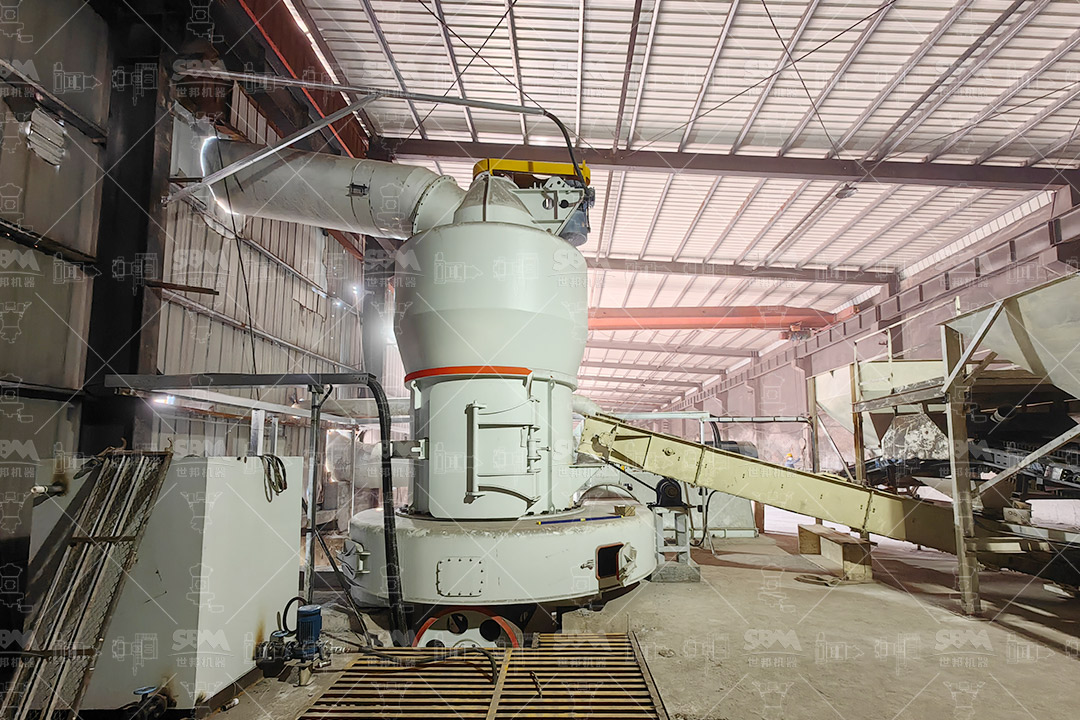
For this application, we recommend the Hammer Mill (0-3mm). This equipment is specifically designed for high-performance crushing with a high reduction ratio. Its optimized crushing cavity and unique working principle ensure stable operation even with materials that have varying hardness. The hammer mill’s compact structure results in a small footprint and low investment cost, making it an ideal choice for small to medium-scale attapulgite processing operations. The wear-resistant high manganese steel liners ensure long service life and minimal maintenance downtime.
Available models include:
| Model | Capacity (t/h) | Power (kW) | Rotor Size (mm) | Number of Hammers |
|---|---|---|---|---|
| PC4008-75 | 8-15 | 75 | Φ750×800 | 18 |
| PC4012-90 | 15-40 | 90 | Φ900×1200 | 32 |
| PC4015-132 | 40-70 | 132 | Φ1150×1500 | 32 |
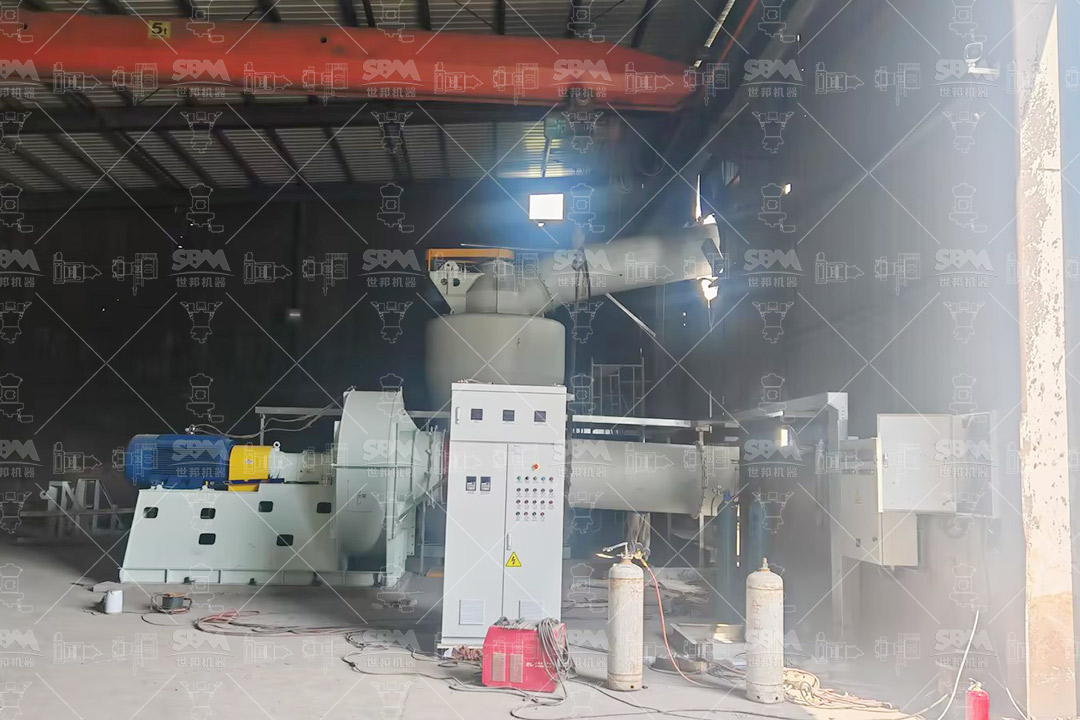
Attapulgite clay typically contains high moisture content, often ranging from 15% to 30% depending on the mining location and weather conditions. Before grinding, the material must be dried to a moisture content of less than 5% to ensure efficient grinding and prevent clogging in the mill. Rotary dryers are commonly used for this purpose, and in some integrated systems, the grinding mill itself can be equipped with a hot air generator to simultaneously dry and grind the material.
This is the most critical stage in the processing of attapulgite clay for pellet binders. The grinding process must achieve the optimal particle size distribution (PSD) that balances binding performance with cost efficiency. For pellet binder applications, the typical target fineness is between 200 and 400 mesh (38-75μm), although some specialized applications may require finer grinding down to 600 mesh or even 1250 mesh.
The choice of grinding equipment significantly impacts the quality of the final product, energy consumption, and overall production costs. Below, we examine the most suitable mills for attapulgite clay processing.
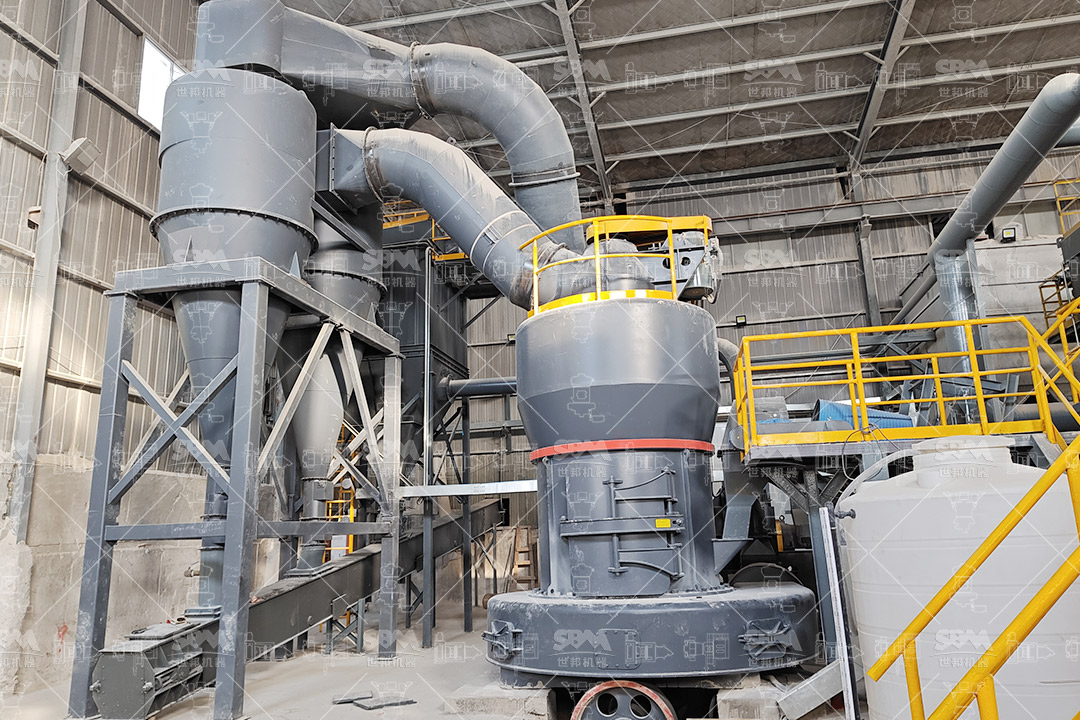
When the application requires ultrafine attapulgite powder for high-performance pellet binders, the SCM Series Ultrafine Mill is the ideal solution. This advanced mill is capable of producing powder with fineness ranging from 325 to 2500 mesh, with a capacity of 0.5 to 25 tons per hour depending on the model.
The SCM Series Ultrafine Mill stands out for its exceptional efficiency and energy savings. Its capacity is twice that of traditional jet mills while consuming 30% less energy. The intelligent control system with automatic finished product granularity feedback ensures consistent product quality with minimal operator intervention.
The high-precision vertical turbine classifier achieves precise particle size cutting, eliminating coarse powder mixing and ensuring uniform finished products. This is particularly important for pellet binder applications where consistent particle size distribution directly affects binding performance.
Durability is another key advantage of the SCM Series. Special material rollers and rings extend service life several times over compared to conventional grinding elements. The shaftless screw grinding chamber ensures stable operation and reduces maintenance requirements. Additionally, the pulse dust collection system exceeds international environmental standards, and the soundproof room design ensures noise levels remain well within acceptable limits.
| Model | Capacity (t/h) | Main Power (kW) | Feed Size (mm) | Fineness (mesh) |
|---|---|---|---|---|
| SCM800 | 0.5-4.5 | 75 | 0-20 | 325-2500 |
| SCM900 | 0.8-6.5 | 90 | 0-20 | 325-2500 |
| SCM1000 | 1.0-8.5 | 132 | 0-20 | 325-2500 |
| SCM1250 | 2.5-14 | 185 | 0-20 | 325-2500 |
| SCM1680 | 5.0-25 | 315 | 0-20 | 325-2500 |
The working principle of the SCM Series Ultrafine Mill is both elegant and efficient. The main motor drives three layers of grinding rings to rotate at high speed. Materials are dispersed into the grinding path by centrifugal force, crushed by roller pressure, and ground layer by layer. Finally, powder collection is completed by a cyclone collector and a pulse dust removal system.
For operations requiring a balance between capacity and fineness, the MTW Series European Trapezium Mill offers an excellent solution. With a capacity range of 3 to 45 tons per hour and output fineness from 30 to 325 mesh, this mill is well-suited for producing standard-grade attapulgite pellet binders.
The MTW Series features an innovative anti-wear shovel design with combined shovel blades that reduce maintenance costs. The curved design of the blades extends grinding roller life, while the optimized arc air duct reduces airflow energy loss and improves transmission efficiency. High-strength guard plates protect the air duct working surface, further enhancing durability.
The integral bevel gear drive system achieves transmission efficiency of up to 98%, saving space and reducing installation costs. The wear-resistant volute structure with non-resistance flow design improves air selection efficiency and reduces maintenance costs by 30%.
With internationally advanced pulse dust removal technology and independent intellectual property rights, the MTW Series represents a reliable and efficient choice for attapulgite clay processing.
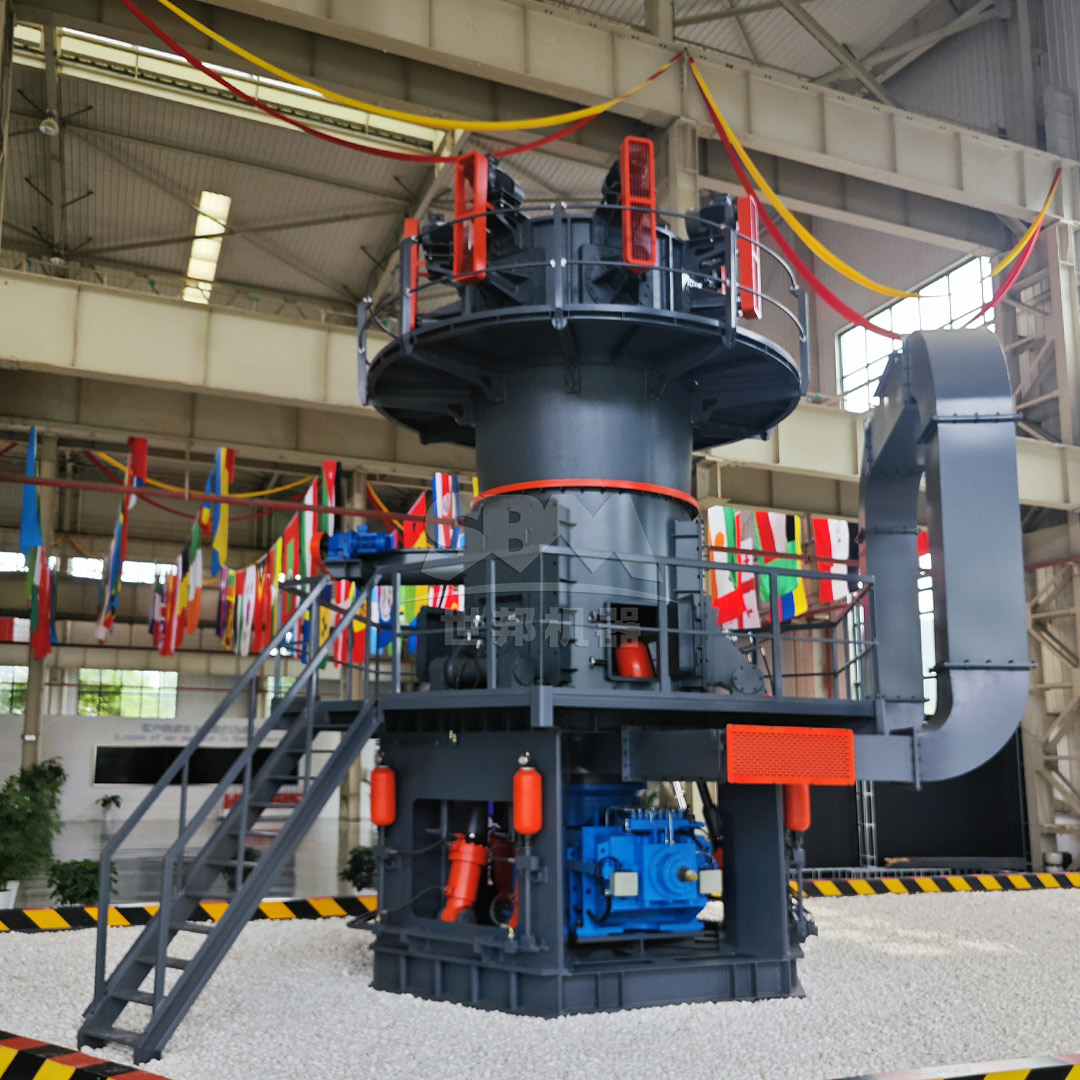
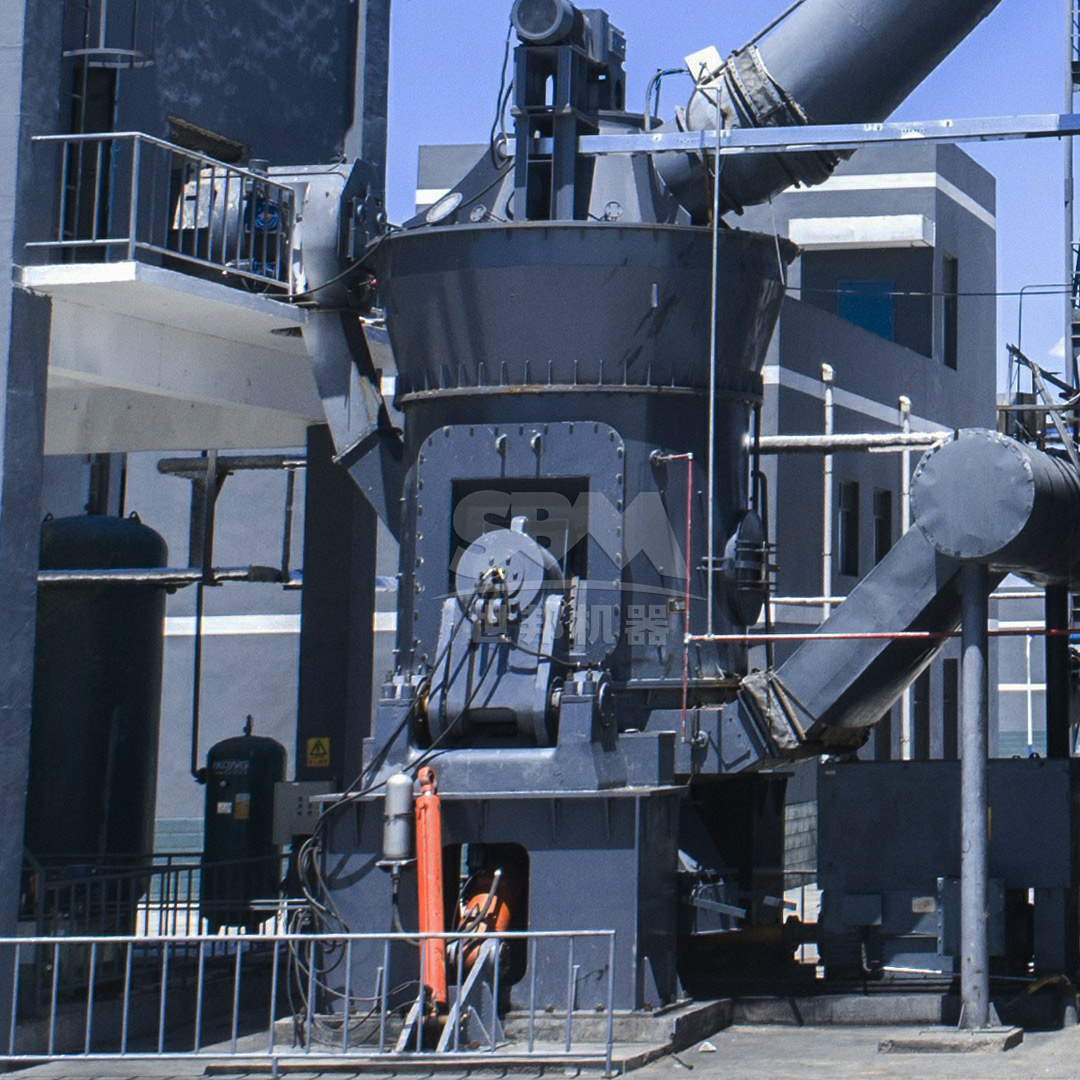
When production scale demands high capacity, the LM Series Vertical Roller Mill delivers outstanding performance with capacities ranging from 3 to 250 tons per hour. Its integrated design combines crushing, grinding, and classification into a single compact unit, reducing floor space by 50% compared to traditional systems.
The LM Series can be installed outdoors, reducing infrastructure costs by 40%. Its low operating cost is achieved through a non-contact design between rollers and table, which increases wear part life by three times. Energy consumption is 30-40% lower than ball mill systems, making it an economically and environmentally superior choice for large-scale attapulgite processing.
The intelligent control system supports both remote and local operation modes, with real-time monitoring of parameters to reduce manual intervention. The fully sealed negative pressure operation ensures dust emissions meet the strictest environmental standards.
After grinding and classification, the finished attapulgite powder must be efficiently collected and stored. Modern grinding systems are equipped with advanced pulse dust collectors and cyclone separators that capture fine particles with high efficiency. The collected powder is then transported via pneumatic conveying systems to storage silos or directly to packaging lines.
For pellet binder applications, the finished product is typically stored in moisture-controlled silos to prevent absorption of atmospheric moisture, which could affect flowability and binding performance. The powder is then packaged in 25kg, 50kg, or 1000kg bulk bags depending on customer requirements.
Quality control is paramount in the production of attapulgite clay for pellet binders. Key parameters that must be monitored include:
Processing attapulgite clay for pellet binder applications requires a carefully designed flow sheet that integrates crushing, drying, grinding, classification, and product collection. The choice of grinding equipment is the single most important factor affecting product quality, energy consumption, and operational costs.
For high-fineness applications requiring particles down to 2500 mesh, the SCM Series Ultrafine Mill offers unmatched efficiency and precision. For medium to large-scale operations needing a balance of capacity and fineness, the MTW Series European Trapezium Mill provides an optimal solution. And for the largest-scale production requirements, the LM Series Vertical Roller Mill delivers exceptional capacity with minimal operating costs.
By selecting the right equipment for each stage of the process, attapulgite clay producers can achieve consistent, high-quality pellet binders that meet the demanding requirements of the iron ore, animal feed, and other industries that rely on these essential materials.
For more information on our complete range of grinding equipment for attapulgite clay and other industrial minerals, please contact our technical sales team. We provide customized solutions, on-site installation, and comprehensive after-sales support to ensure your processing plant operates at peak efficiency.