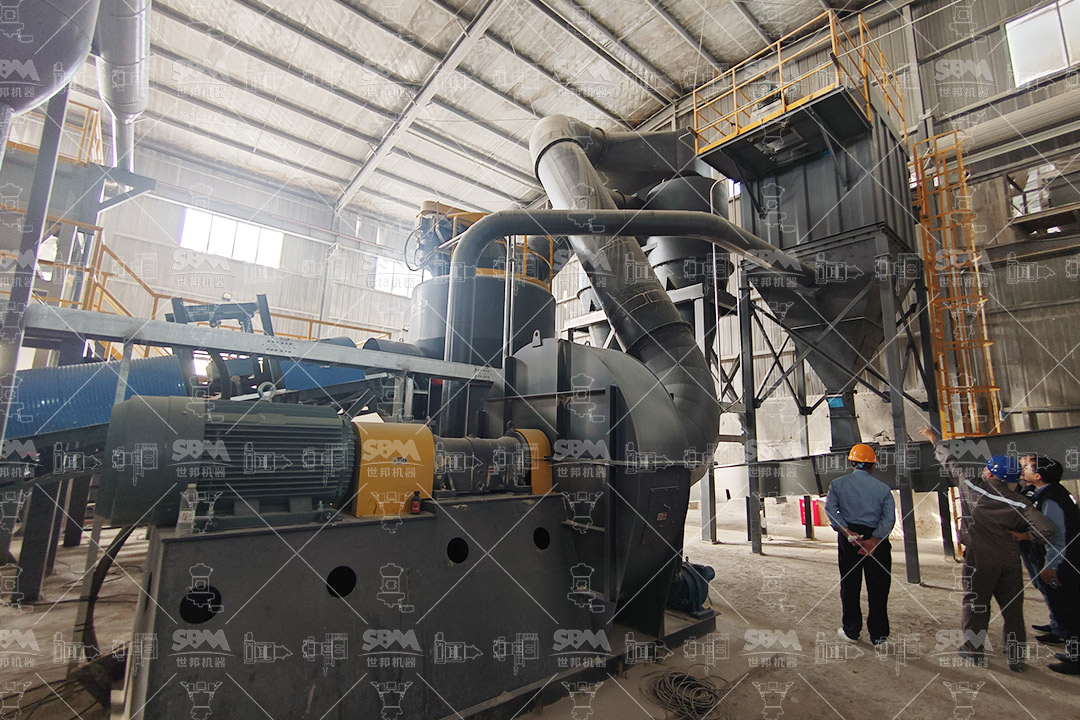
Magnesium, the lightest structural metal, has become indispensable in modern industry. From automotive lightweighting and aerospace alloys to refractory materials and pharmaceutical applications, the global demand for magnesium continues to rise. The cornerstone of efficient magnesium extraction lies in the proper preparation of magnesia ore raw materials—and at the heart of this preparation is the grinding mill.
Magnesia ore, primarily consisting of magnesite (MgCO₃), dolomite (CaMg(CO₃)₂), and serpentine, requires precise size reduction to facilitate subsequent calcination, leaching, or electrolytic reduction processes. The fineness of the ground ore directly impacts reaction kinetics, energy consumption, and overall magnesium recovery rates. Selecting the appropriate grinding equipment is therefore a critical capital and operational decision.
This article provides a comprehensive guide to choosing the right grinding mill for magnesia ore processing, examining key selection criteria, comparing available technologies, and recommending specific equipment solutions.
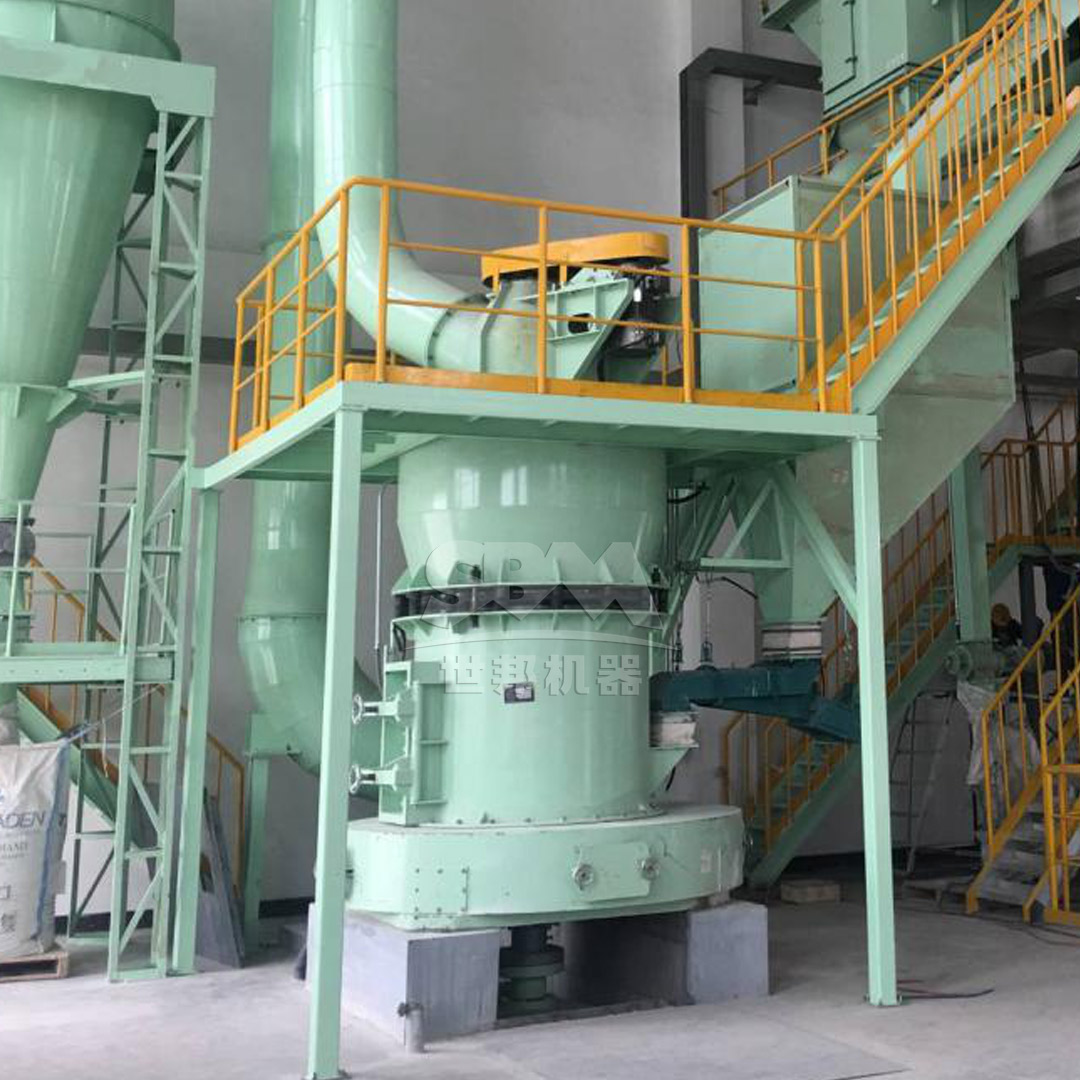
Magnesia ore varies significantly in composition and physical properties depending on its geological origin:
| Ore Type | Primary Mineral | Mohs Hardness | Typical MgO Content | Grinding Characteristics |
|---|---|---|---|---|
| Magnesite | MgCO₃ | 3.5-4.5 | 45-48% | Medium-hard, brittle |
| Dolomite | CaMg(CO₃)₂ | 3.5-4.0 | 18-22% | Medium-hard, crystalline |
| Serpentine | Mg₃Si₂O₅(OH)₄ | 2.5-4.0 | 25-35% | Softer, fibrous tendency |
| Brucite | Mg(OH)₂ | 2.5-3.0 | 55-60% | Soft, easy to grind |
| Olivine | (Mg,Fe)₂SiO₄ | 6.5-7.0 | 40-50% | Hard, abrasive |
For magnesium extraction, the target particle size typically ranges from 100 mesh (150 μm) for calcination feed to 325 mesh (45 μm) or finer for hydrometallurgical processes. Key considerations include:
The required product fineness is the primary determinant in mill selection. Different magnesium extraction routes demand different particle sizes:
| Application | Typical Fineness | Particle Size | Recommended Mill Type |
|---|---|---|---|
| Rotary Kiln Calcination | 100-200 mesh | 74-150 μm | LM Vertical Mill, MTW Trapezium Mill |
| Fluidized Bed Calcination | 200-325 mesh | 45-74 μm | MTW Trapezium Mill, MTM Medium-speed Mill |
| Acid Leaching | 325-500 mesh | 25-45 μm | SCM Ultrafine Mill, LUM Vertical Mill |
| Alkaline Leaching | 200-400 mesh | 38-74 μm | MTW Trapezium Mill, SCM Ultrafine Mill |
| Electrolytic Reduction | 100-200 mesh | 74-150 μm | LM Vertical Mill, MTM Medium-speed Mill |
Magnesia processing plants range from small-scale operations (5-10 t/h) to large industrial complexes (100+ t/h). Capacity requirements influence:
Grinding operations typically account for 30-50% of total mineral processing energy consumption. Modern grinding mills offer significant improvements:
Magnesia ore may contain varying moisture levels. Some deposits require drying during grinding:
Magnesia ore can be abrasive, particularly dolomite and olivine. Equipment wear affects:
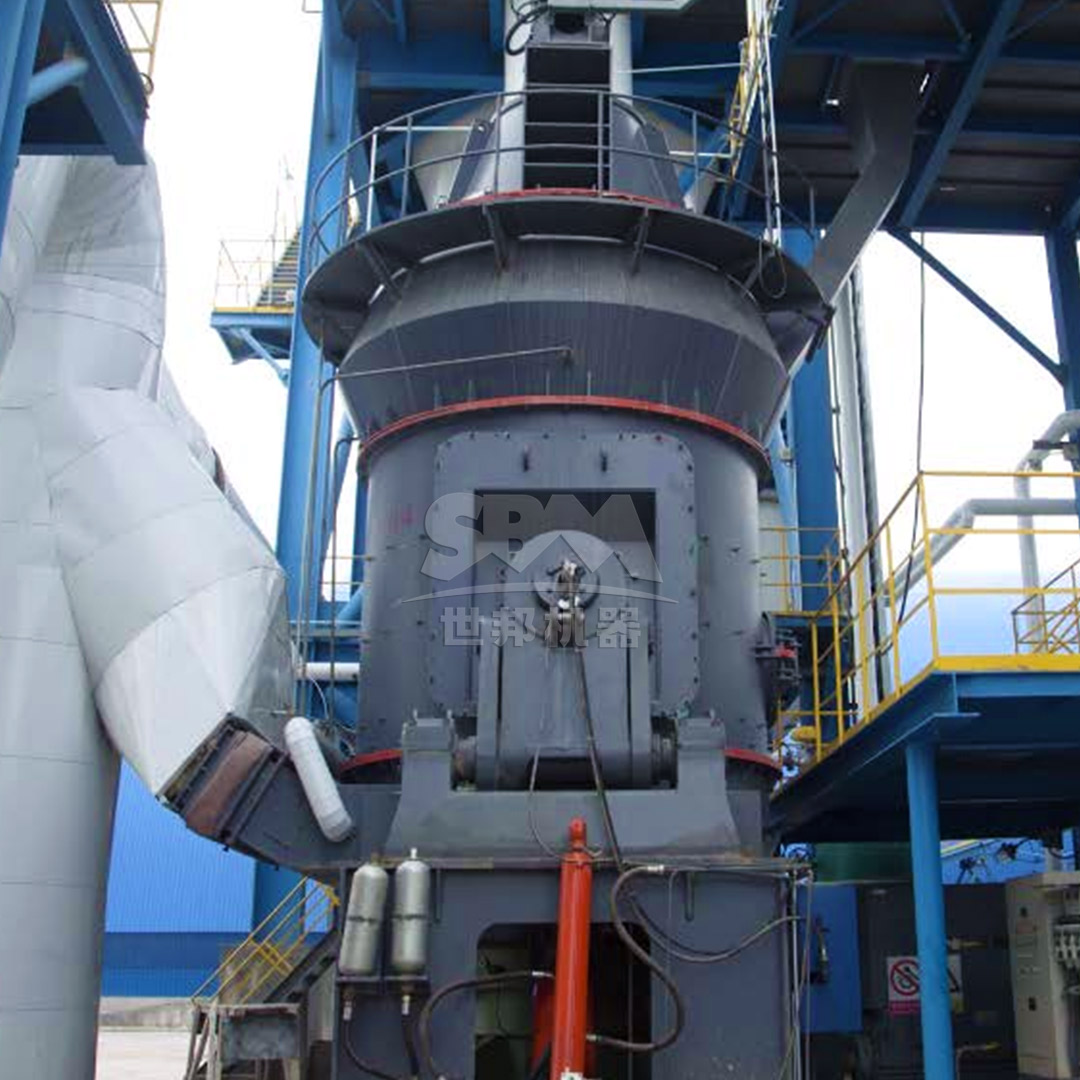
Vertical roller mills have become the preferred choice for medium to large-scale magnesia processing due to their excellent energy efficiency and integrated drying capability.
Advantages:
Typical Applications: Large-scale magnesia calcination feed preparation, dolomite grinding for magnesium production
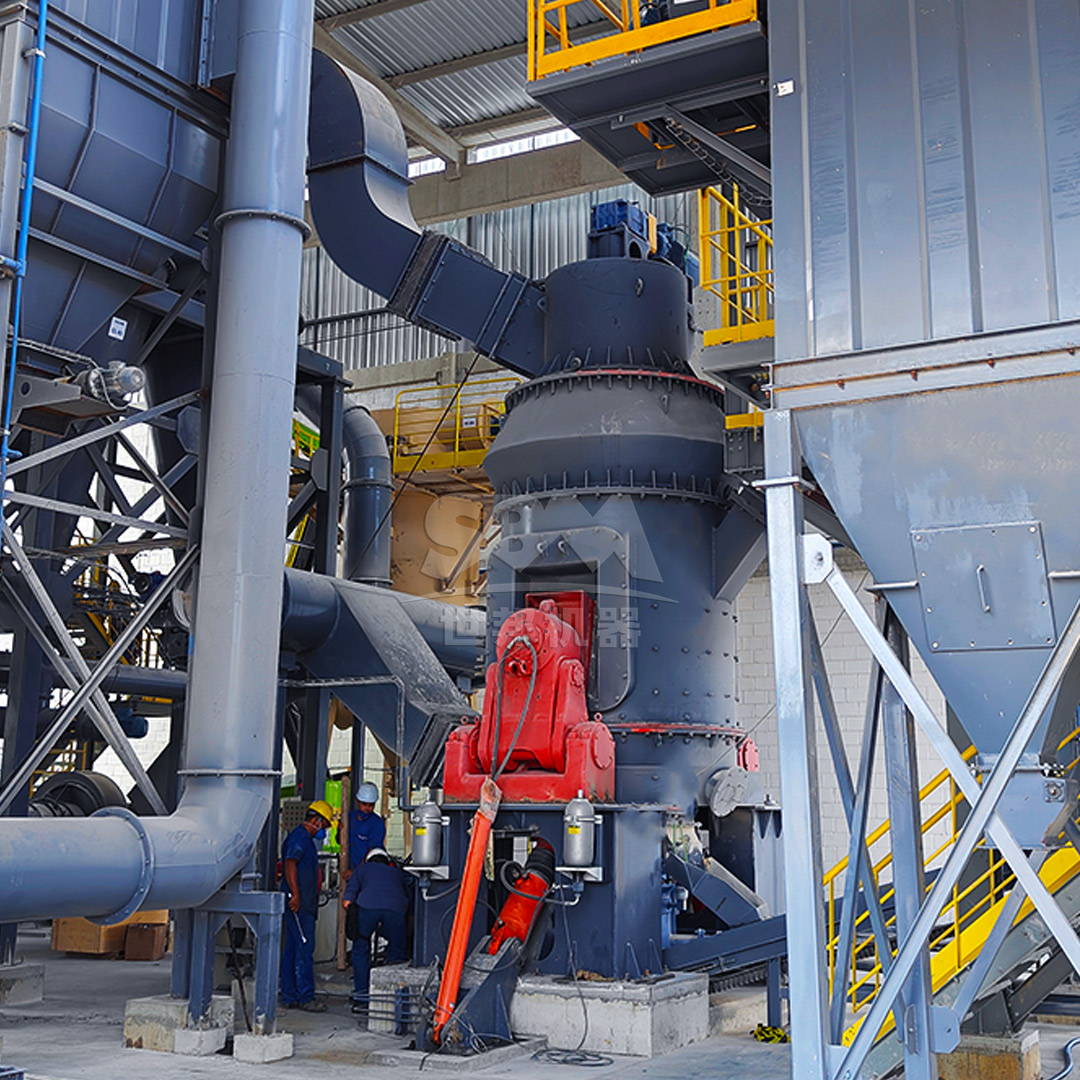
Trapezium mills offer a balance between capacity and fineness, suitable for medium-scale operations.
MTW European Trapezium Mill Advantages:
MTM Medium-speed Trapezium Mill Advantages:
For advanced magnesium extraction processes requiring very fine grinding, ultrafine mills provide the necessary performance.
SCM Series Ultrafine Mill:
LUM Ultrafine Vertical Roller Mill:
Ball mills remain widely used for their simplicity and versatility, particularly in smaller operations or where wet grinding is required.
Advantages:
Limitations:
For most magnesia ore processing applications, we strongly recommend the LM Series Vertical Roller Mill. This equipment offers the optimal combination of capacity, efficiency, and product quality for magnesium extraction feed preparation.
Key Specifications:
| Model | Table Diameter | Capacity (t/h) | Fineness (μm) | Feed Size (mm) | Power (kW) |
|---|---|---|---|---|---|
| LM130K | Φ1300mm | 10-28 | 170-40 | ≤38 | 200 |
| LM150K | Φ1500mm | 13-38 | 170-40 | ≤40 | 280 |
| LM170K | Φ1700mm | 18-48 | 170-40 | ≤42 | 400 |
| LM190K | Φ1900mm | 23-68 | 170-40 | ≤45 | 500 |
| LM220K | Φ2200mm | 36-105 | 170-45 | ≤50 | 800 |
| LM280K | Φ2800mm | 50-170 | 170-45 | ≤50 | 1250 |
Why LM Series for Magnesia Ore?
For medium-scale operations or when ultrafine grinding is not required, the MTW European Trapezium Mill offers an excellent alternative with lower capital investment.
Key Specifications:
| Model | Capacity (t/h) | Main Power (kW) | Feed Size (mm) | Fineness (mesh) |
|---|---|---|---|---|
| MTW110 | 3-9 | 55 | <30 | 10-325 |
| MTW138Z | 6-17 | 90 | <35 | 10-325 |
| MTW175G | 9.5-25 | 160 | <40 | 10-325 |
| MTW215G | 15-45 | 280 | <50 | 10-325 |
Advantages for Magnesia Processing:
While vertical roller mills have higher initial capital costs, their superior energy efficiency and lower maintenance requirements typically result in lower total cost of ownership over the equipment lifecycle. For operations processing more than 10 t/h, the payback period for vertical mill investment is often less than two years.
Magnesia ore deposits can vary significantly in hardness, moisture, and composition. Equipment should be selected with adequate flexibility to handle expected variations. Vertical roller mills excel in this regard, while ball mills offer the greatest tolerance for feed variability.
Downstream magnesium extraction processes have specific requirements for particle size distribution. Ultrafine mills (SCM, LUM series) provide the tightest control over product fineness, essential for advanced leaching processes.
Modern grinding equipment must comply with stringent dust and noise regulations. Vertical roller mills and trapezium mills with pulse dust collection systems consistently meet international environmental standards.
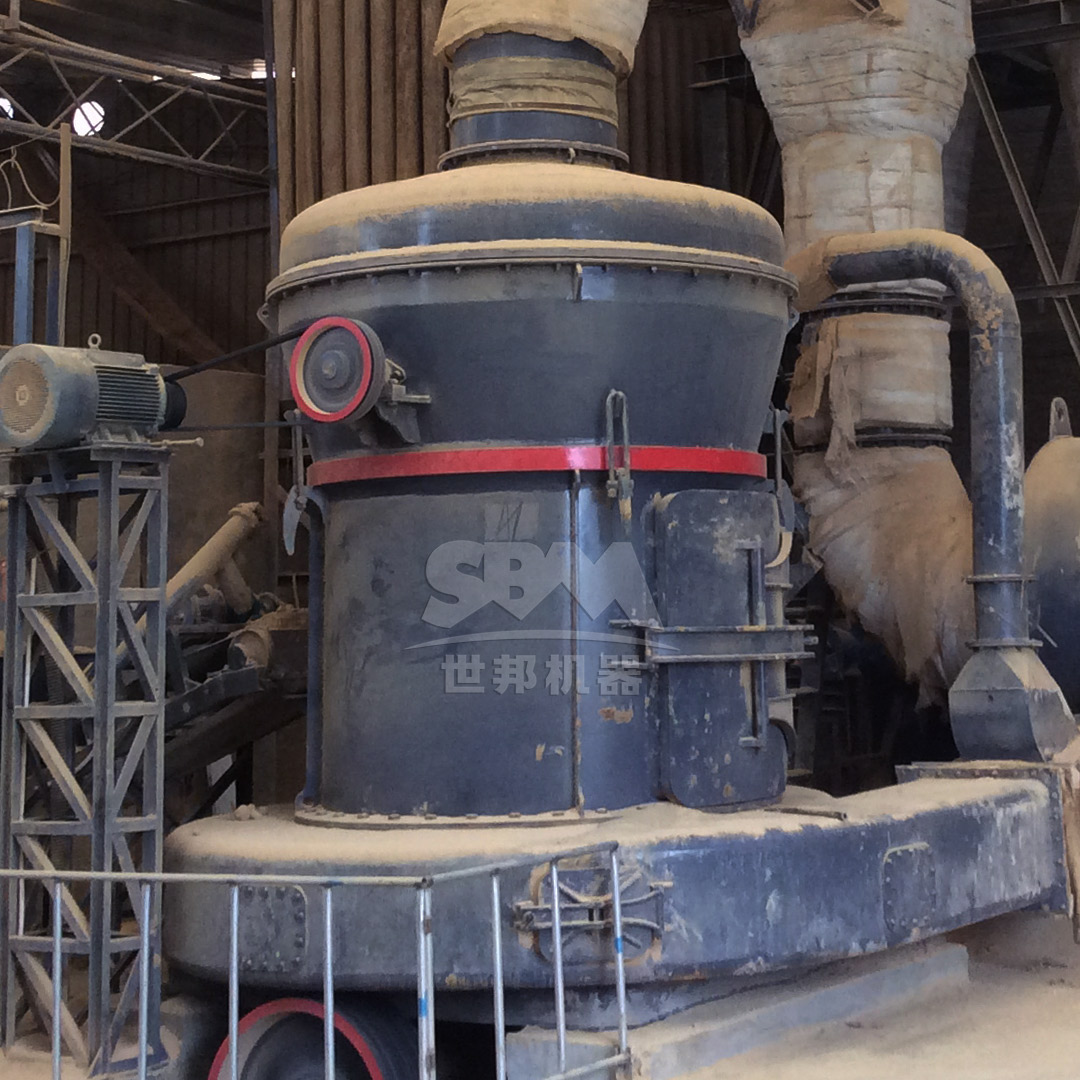
Selecting the right grinding mill for magnesia ore processing requires careful consideration of fineness requirements, production capacity, energy efficiency, and total cost of ownership. Based on our extensive experience in mineral processing, we offer the following recommendations:
For Large-Scale Operations (>20 t/h): The LM Series Vertical Roller Mill is the optimal choice, offering superior energy efficiency, integrated drying capability, and excellent product quality control.
For Medium-Scale Operations (5-20 t/h): The MTW European Trapezium Mill provides an excellent balance of capacity, fineness, and investment cost, with proven reliability in magnesia processing applications.
For Ultrafine Grinding Requirements (<45 μm): The SCM Series Ultrafine Mill or LUM Ultrafine Vertical Roller Mill deliver the precise particle size control needed for advanced magnesium extraction processes.
Our engineering team can provide customized solutions based on your specific ore characteristics, production requirements, and site conditions. Contact us today to discuss how our grinding equipment can optimize your magnesia ore processing operations.
With decades of experience in mineral processing equipment manufacturing, we are committed to providing the most efficient, reliable, and environmentally responsible grinding solutions for the global magnesium industry.