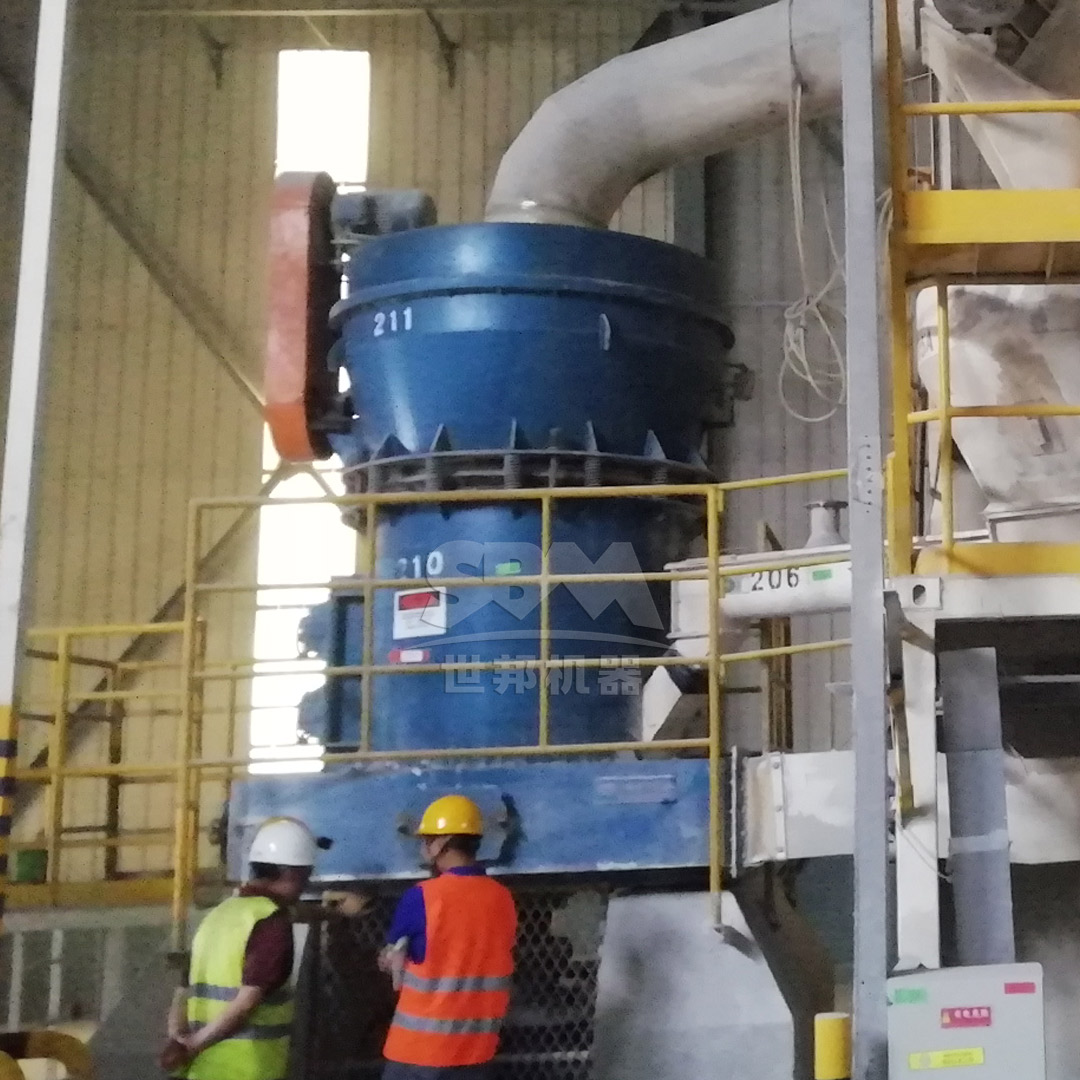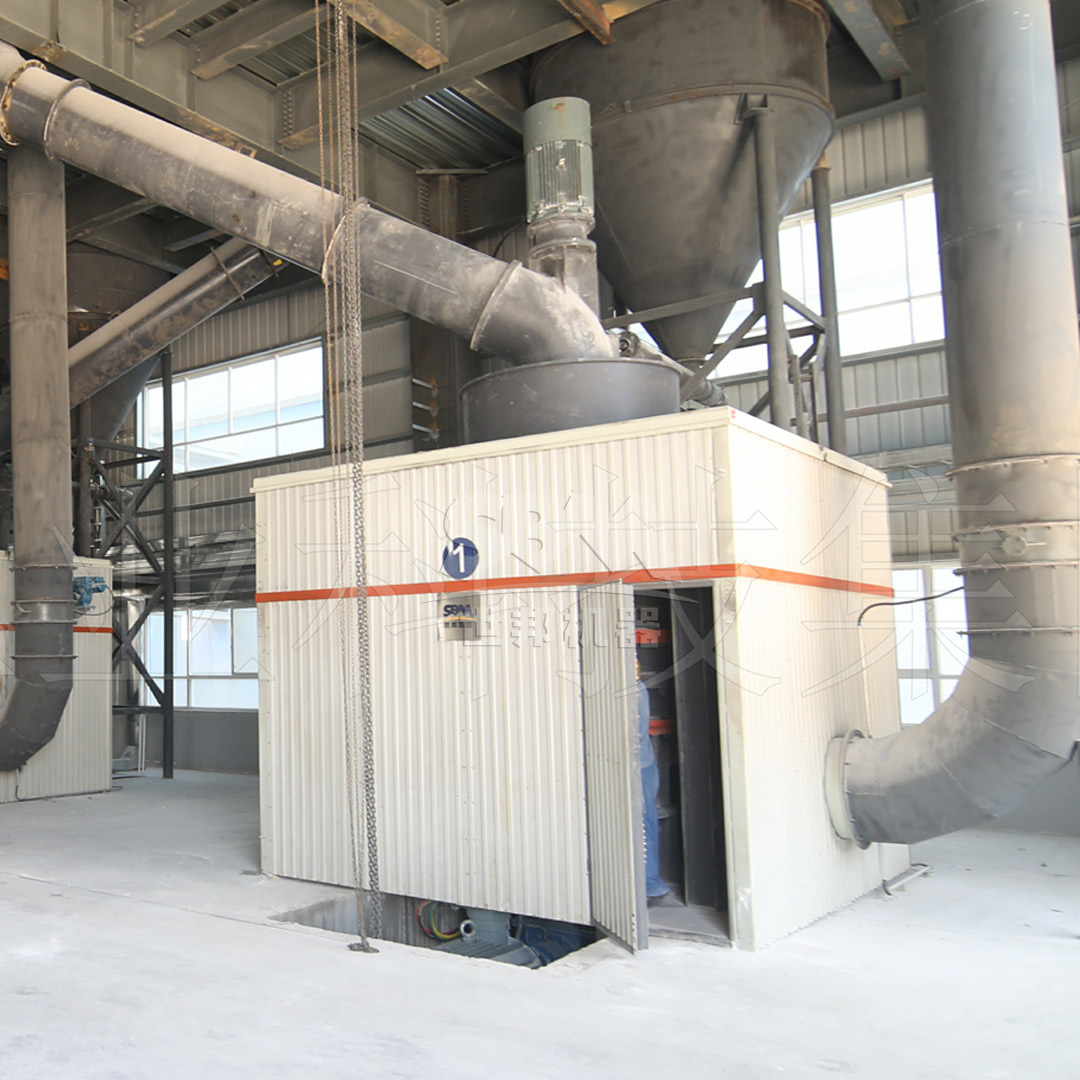
Cobalt is a critical element in the production of high-performance permanent magnet alloys, particularly samarium-cobalt (SmCo) and neodymium-iron-boron (NdFeB) magnets. These magnets demand ultra-fine, uniformly sized cobalt powders to achieve optimal magnetic properties, including high coercivity and energy density. The processing of cobalt from raw ore or recycled scrap into suitable alloy components requires a series of carefully engineered steps: crushing, milling, and classification. Each stage must be precisely controlled to maintain purity, minimize oxidation, and achieve the target particle size distribution.
This article explores the key equipment solutions for cobalt processing, with a focus on crushing, milling, and classification technologies. We will highlight how advanced mills from our portfolio—such as the SCM Series Ultrafine Mill and the MTW Series European Trapezium Mill—can be integrated into a cobalt processing line to deliver consistent, high-quality powders for permanent magnet alloy production.
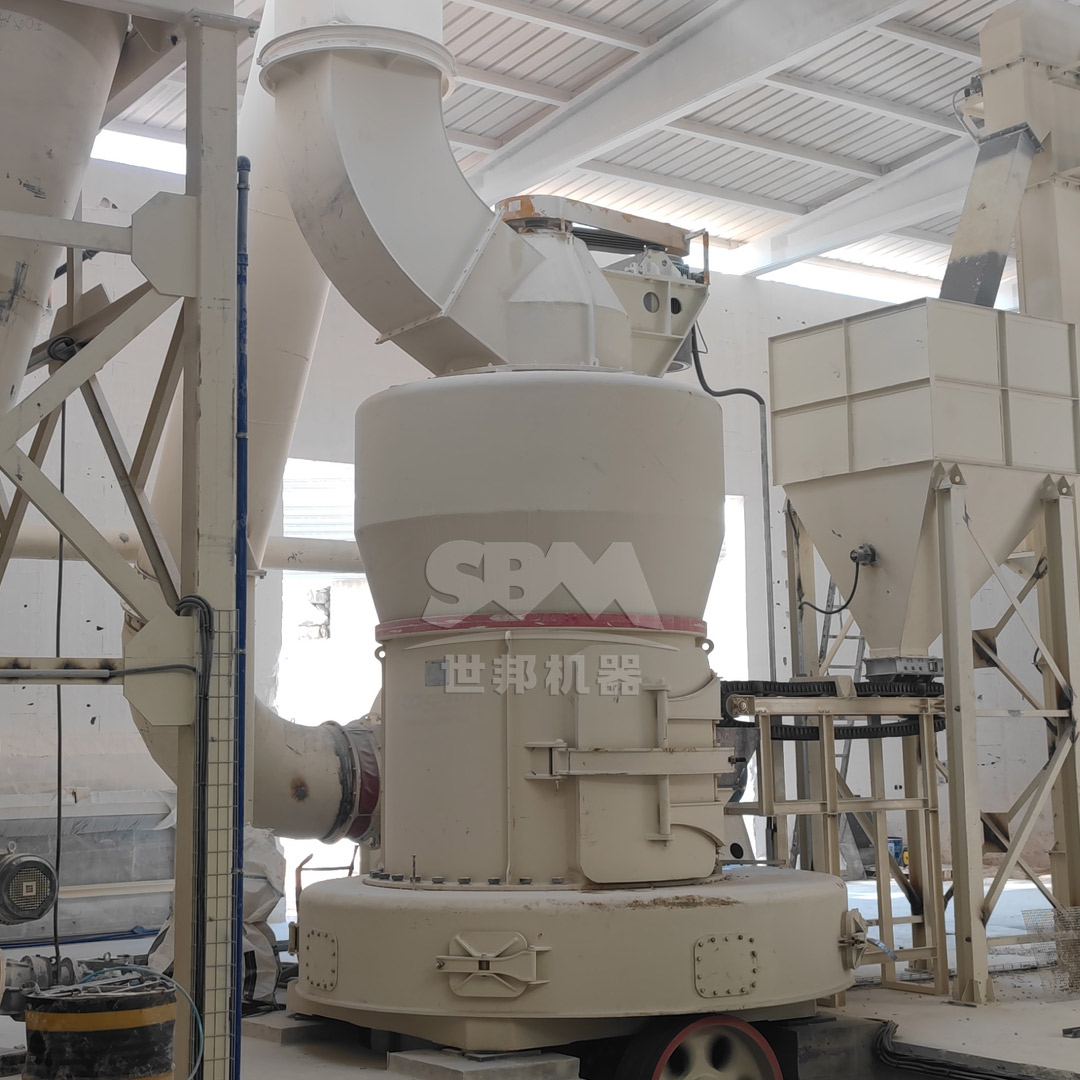
Figure 1: Crushing and screening of cobalt ore prior to milling
Cobalt-based permanent magnets, such as SmCo5 and Sm2Co17, offer excellent thermal stability and corrosion resistance, making them indispensable in aerospace, automotive, and high-temperature applications. The magnetic performance of these alloys is highly sensitive to the microstructure, which is largely determined by the particle size and purity of the starting powders. For instance, ultra-fine cobalt powders with a narrow particle size distribution (typically in the range of 1–10 μm) are required to ensure homogeneous alloying and optimal sintering behavior.
Moreover, the milling process must avoid contamination from wear debris and atmospheric oxygen, as impurities can drastically reduce magnetic properties. Therefore, the selection of crushing and milling equipment that minimizes wear and enables inert gas or closed-loop operation is paramount.
Raw cobalt ore, typically in the form of cobaltite or heterogenite, or recycled cobalt scrap, must be reduced from large lumps (up to several hundred millimeters) to a size suitable for milling (usually less than 20–30 mm). Crushing is typically performed in multiple stages: primary crushing (jaw crusher or gyratory crusher), secondary crushing (cone crusher or hammer mill), and tertiary crushing (hammer mill or roller mill) to achieve the desired feed size for the grinding mill.
For permanent magnet alloy production, a hammer mill is often employed as a secondary or tertiary crusher due to its high reduction ratio and ability to produce a relatively fine product (0–3 mm). Our company offers the PC Series Hammer Mill, which is designed for robust performance and low maintenance. The key advantages include:
For example, the PC4012-90 model can process 15–40 t/h with a 90 kW motor, producing a product size of 0–3 mm, which is an ideal feed for subsequent fine grinding.
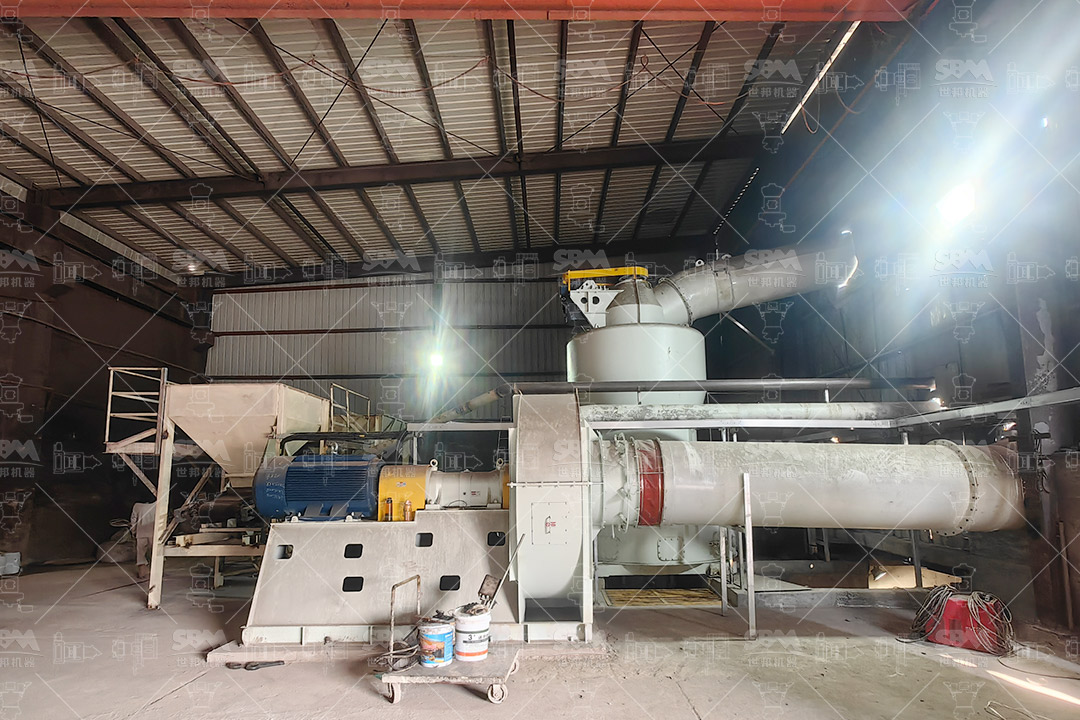
Figure 2: PC Series Hammer Mill for cobalt crushing
Milling is the heart of cobalt processing for permanent magnet alloys. The goal is to reduce the crushed material (typically <20 mm) to a fine powder with a controlled particle size distribution, often in the range of 1–20 μm. Depending on the required fineness and throughput, different mill types can be employed. For ultra-fine grinding (down to 5 μm), the SCM Series Ultrafine Mill is an excellent choice. For medium-fine grinding (45–600 μm), the MTW Series European Trapezium Mill offers high efficiency and reliability.
The SCM Series Ultrafine Mill is a state-of-the-art solution for producing ultra-fine cobalt powders. With a fineness range of 325–2500 mesh (approximately 45–5 μm) and a capacity of 0.5–25 t/h, it is well-suited for both small-scale and industrial production of permanent magnet alloys.
Key technical advantages include:
The working principle of the SCM mill involves a main motor driving three layers of grinding rings to rotate. Materials are dispersed into the grinding path by centrifugal force, crushed by roller pressure, and ground layer by layer. The powder is then collected by a cyclone collector and a pulse dust removal system. This gentle grinding action minimizes heat generation and oxidation, preserving the purity of cobalt powders.
For cobalt processing, we recommend the SCM1000 model, which offers a capacity of 1.0–8.5 t/h and a main power of 132 kW, with a fineness range of 325–2500 mesh. This model balances throughput and precision, making it ideal for producing SmCo and NdFeB alloy powders.
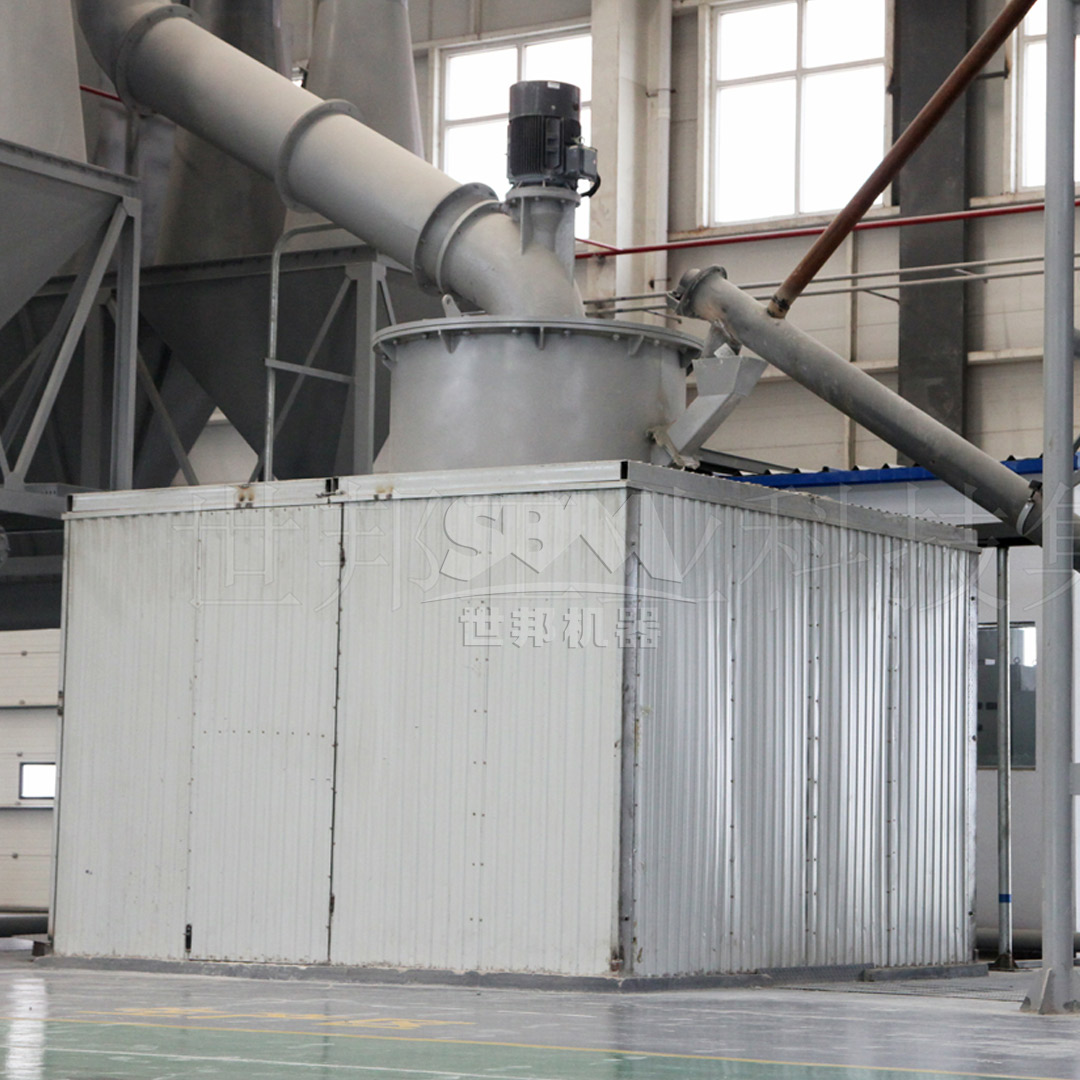
Figure 3: SCM Series Ultrafine Mill for ultra-fine cobalt grinding
For applications requiring a slightly coarser powder (30–325 mesh, i.e., 45–600 μm), the MTW Series European Trapezium Mill is an excellent choice. It is designed for high capacity (3–45 t/h) and can handle feed sizes up to 50 mm, making it suitable for direct milling of crushed cobalt ore without additional fine crushing.
Key technical advantages include:
The MTW mill operates by driving grinding rollers around the central axis while they self-rotate, generating centrifugal force. Shovels throw materials between the ring and rollers to form a material layer, achieving efficient crushing through extrusion. The classification system precisely controls the finished product size. This mill is particularly effective for pre-grinding cobalt alloys before final ultra-fine milling, or for producing powders for less demanding magnetic applications.
For cobalt processing, the MTW138Z model is recommended, with a capacity of 6–17 t/h, main power of 90 kW, and fineness adjustable from 10 to 325 mesh. It can be used as a standalone mill or in combination with the SCM mill for a two-stage grinding circuit.
Classification is essential to ensure that the final cobalt powder meets the stringent particle size requirements for permanent magnet alloys. Inefficient classification can lead to coarse particles that hinder sintering or fine particles that cause excessive shrinkage and porosity.
Both the SCM and MTW mills incorporate advanced classification systems. The SCM mill features a vertical turbine classifier that provides precise particle size cutting, ensuring no coarse powder mixing. The MTW mill utilizes a high-efficiency classifier with multi-stage adjustment, allowing real-time control of product fineness. For even higher precision, our LUM Ultrafine Vertical Roller Mill offers multi-rotor classifying technology, achieving fineness down to 5–30 μm with no coarse particles.
In a typical cobalt processing line, the mill is integrated with a cyclone collector and a pulse dust collector to recover fine powders and maintain a clean environment. The use of negative pressure operation prevents dust leakage and oxidation, which is crucial for reactive cobalt powders.
To illustrate the application of these technologies, consider a hypothetical cobalt processing plant for permanent magnet alloy production. The line consists of:
This configuration achieves a throughput of 5 t/h with a specific energy consumption of less than 50 kWh/t, significantly lower than traditional ball mill circuits. The resulting cobalt powder has a purity of >99.5% and a particle size distribution suitable for SmCo magnet production.
| Equipment | Model | Capacity (t/h) | Fineness | Power (kW) |
|---|---|---|---|---|
| Hammer Mill | PC4012-90 | 15–40 | 0–3 mm | 90 |
| Ultrafine Mill | SCM1000 | 1.0–8.5 | 325–2500 mesh | 132 |
| Trapezium Mill | MTW138Z | 6–17 | 10–325 mesh | 90 |
The production of high-quality cobalt powders for permanent magnet alloys demands a carefully designed crushing, milling, and classification circuit. Our company offers a comprehensive range of equipment to meet these challenges, from the robust PC Series Hammer Mill for crushing to the precision SCM Series Ultrafine Mill and the versatile MTW Series European Trapezium Mill for milling. By integrating these technologies, manufacturers can achieve consistent particle size, high purity, and energy-efficient operation, ensuring the superior magnetic performance of SmCo and NdFeB magnets.
For further information on how our equipment can optimize your cobalt processing line, please contact our technical team.