Cobalt is a critical colorant in the glass industry, renowned for imparting deep, brilliant blue hues to glass products ranging from decorative art pieces to automotive and architectural glass. The intensity and consistency of the blue color depend heavily on the particle size, purity, and dispersion of the cobalt-based colorants—typically cobalt oxide (CoO) or cobalt aluminate (CoAl2O4). To achieve optimal color development and minimize costly defects, glass manufacturers must carefully select milling equipment that can deliver precise particle size distribution and maintain batch homogeneity. This article explores the key factors in choosing a milling solution for cobalt processing and highlights two robust systems from our portfolio that excel in this demanding application.
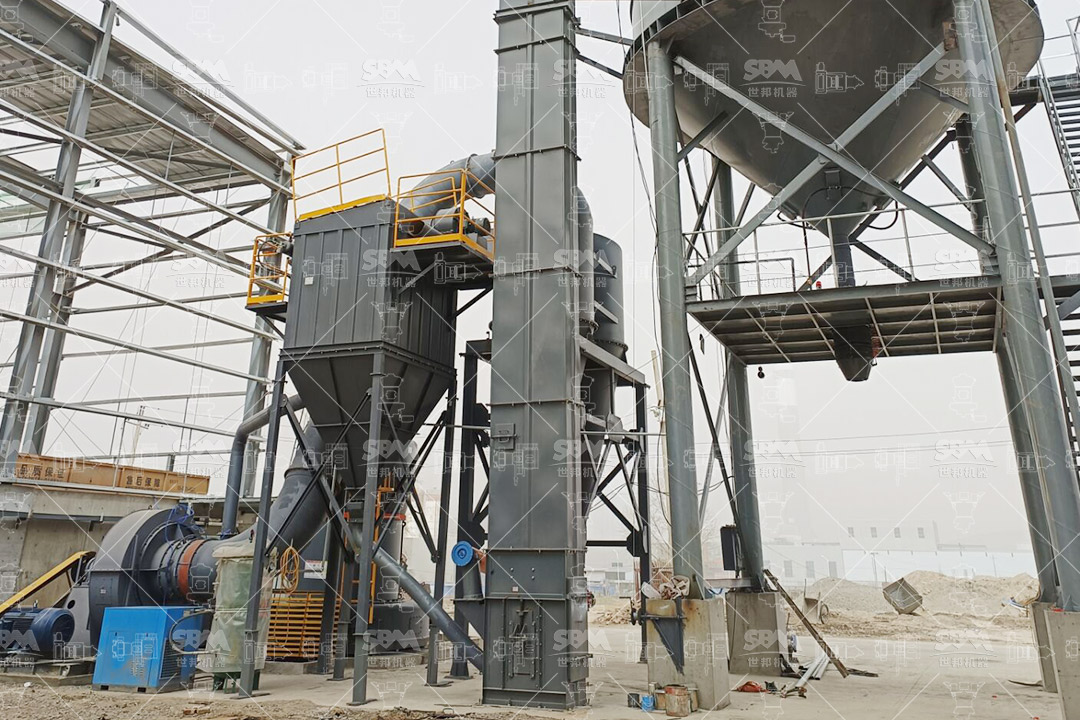
When milling cobalt materials for colored glass, several parameters directly influence final product quality and production efficiency:
Cobalt colorants must be finely ground, typically to a D50 between 5 and 20 microns, to ensure even dispersion and full color development. Over-grinding can lead to agglomeration, while under-grinding results in streaking and weak color. A narrow PSD is essential for consistent shade reproducibility.
Even trace amounts of iron or other transition metals can shift the hue or create defects. Therefore, the milling system must minimize wear and prevent cross-contamination. Wear-resistant materials and closed-loop operation are critical.
Cobalt compounds are relatively hard and abrasive. The chosen mill must deliver high grinding efficiency while keeping energy consumption in check. Throughput should align with production scale, from small batch campaigns to continuous large-scale operations.
Glass manufacturers often produce multiple colors and formulations. The milling system should allow quick changeover, easy cleaning, and precise control over fineness. Automated controls reduce operator error and ensure batch-to-batch consistency.
Dust generation during milling must be contained. Efficient dust collection and noise reduction are mandatory for a safe, compliant workplace.
Based on the specific requirements of cobalt processing for colored glass, we recommend two of our advanced mills that offer distinct advantages for this application.
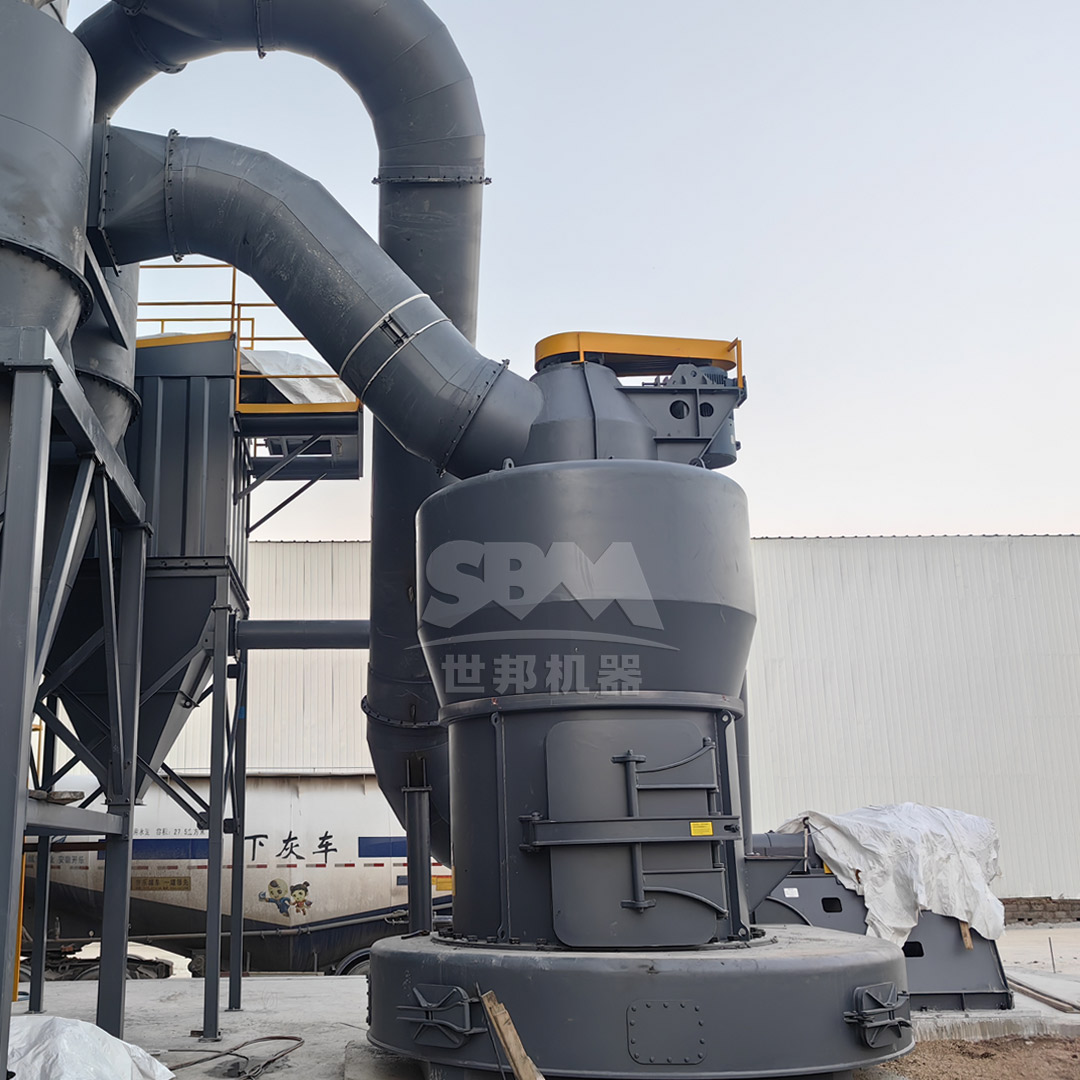
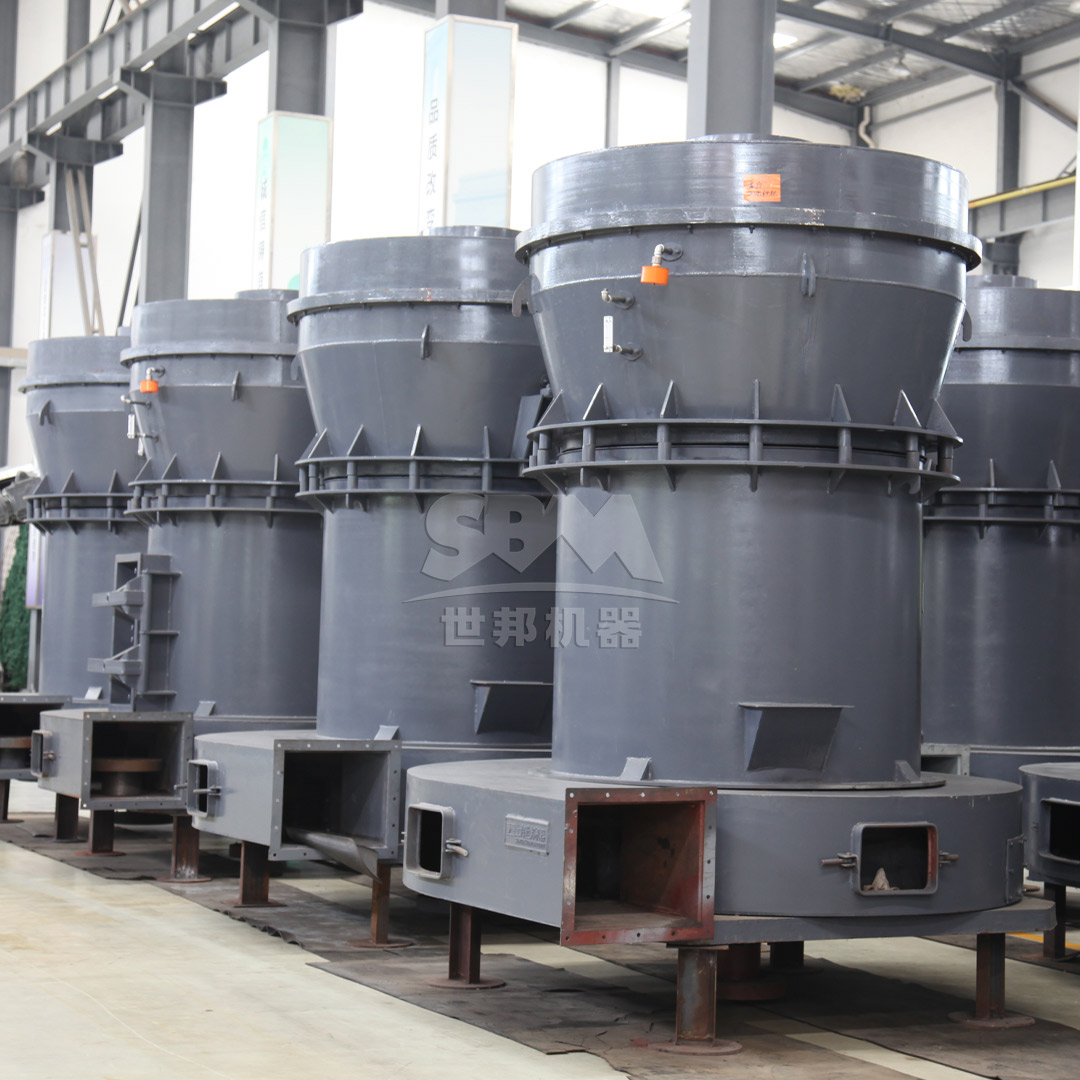
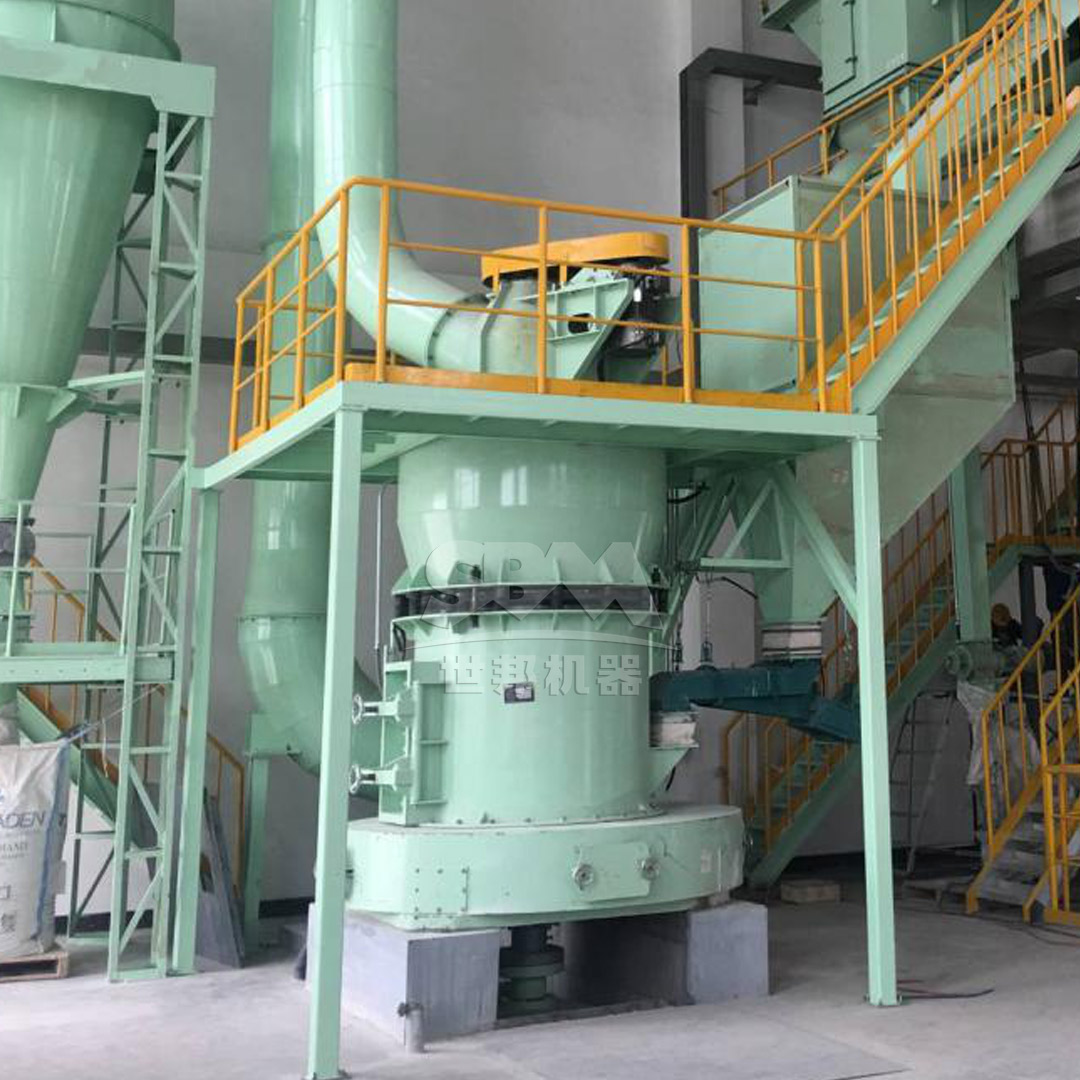
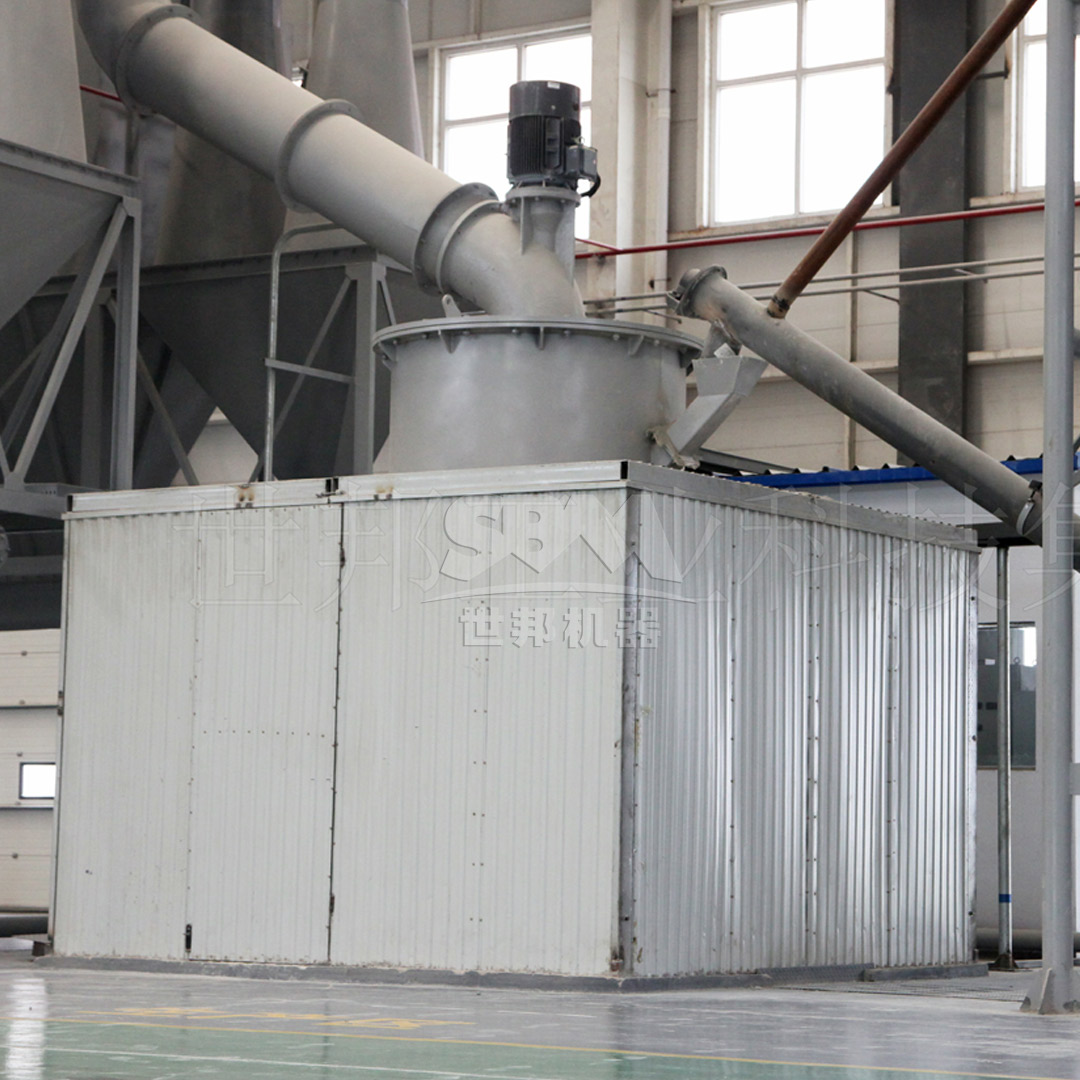
The SCM Series Ultrafine Mill is an ideal choice for producing the fine, uniform cobalt powders required for high-quality colored glass. With an output fineness adjustable from 325 to 2500 mesh (approximately 45 to 5 microns), it can achieve the precise particle size needed for optimal color strength. Its vertical turbine classifier ensures precise particle size cutting, eliminating coarse powder mixing and guaranteeing uniform finished products—a critical factor for consistent blue coloration.
Key benefits for cobalt processing include:
With models ranging from SCM800 (0.5–4.5 t/h) to SCM1680 (5–25 t/h), the SCM Series can be scaled to match any production capacity. Its working principle—involving three layers of grinding rings, centrifugal dispersion, and layer-by-layer crushing—ensures gentle yet effective size reduction, preserving the colorant’s properties.
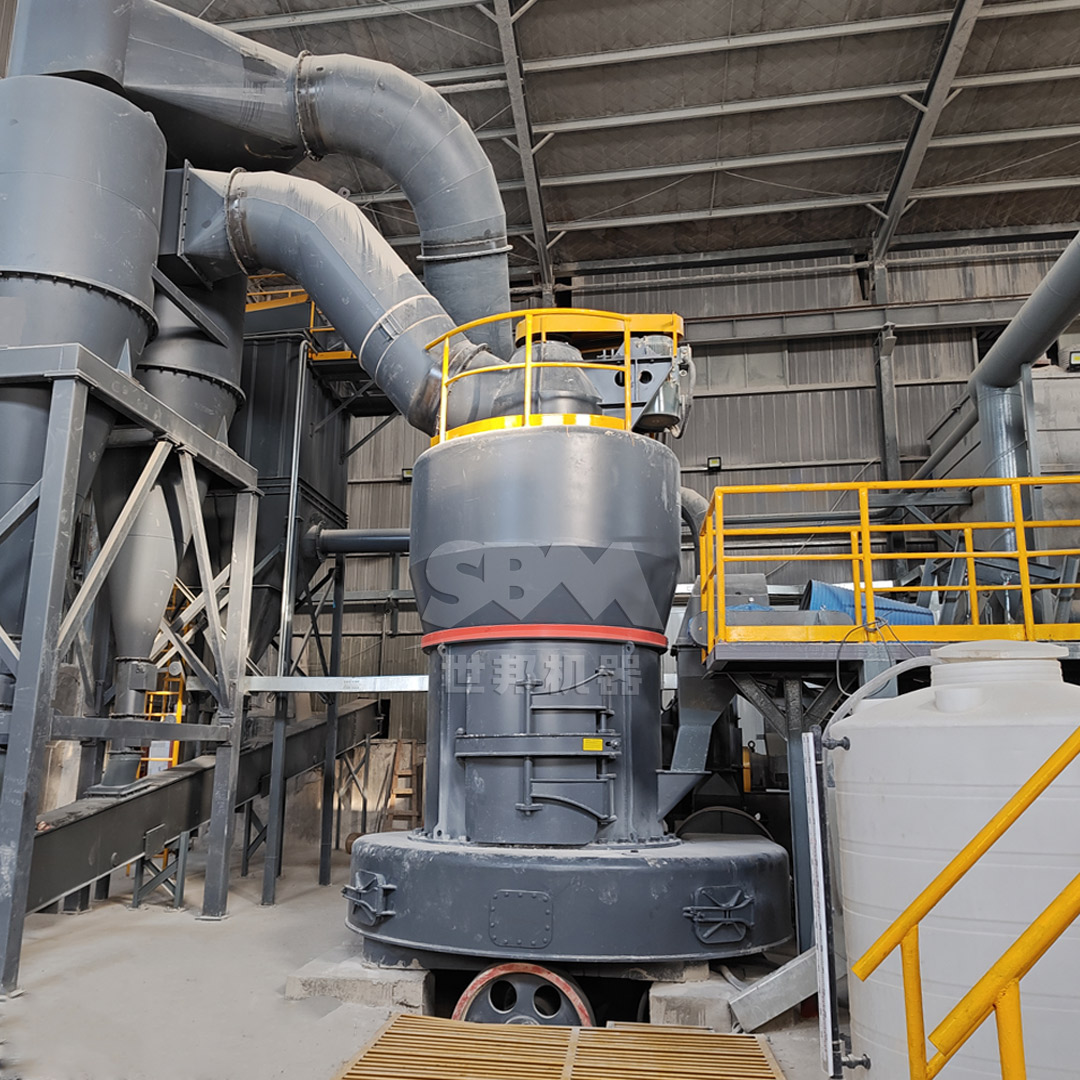
For operations requiring slightly coarser particles (down to 30–325 mesh or 0.038 mm) with high throughput, the MTW Series European Trapezium Mill offers an excellent balance of performance and cost. Its robust design and anti-wear features make it well-suited for the abrasive nature of cobalt compounds.
Advantages for cobalt milling include:
The MTW Series offers a wide range of models from MTW110 (3–9 t/h) to MTW215G (15–45 t/h), with feed sizes up to 50 mm. Its classification system precisely controls finished product size, and the patented internal suction oil lubrication system ensures reliable operation. For glass manufacturers producing cobalt colorants at medium fineness, the MTW Series provides a cost-effective, reliable solution.
To aid in selecting between the SCM and MTW Series, consider the following:
| Criteria | SCM Series Ultrafine Mill | MTW Series European Trapezium Mill |
|---|---|---|
| Fineness Range | 325–2500 mesh (45–5 μm) | 30–325 mesh (600–45 μm) |
| Capacity Range | 0.5–25 t/h | 3–45 t/h |
| Energy Efficiency | 2x capacity of jet mill, 30% lower energy | Optimized air duct, high transmission efficiency |
| Contamination Control | Durable rollers/rings, shaftless screw chamber | Anti-wear shovel, volute structure |
| Automation | Intelligent control with feedback | Standard control system |
| Best For | Ultrafine, high-precision colorants | Medium-fine, high-throughput colorants |
For glass formulations requiring the deepest, most intense blue, the SCM Series’ ability to achieve sub-10 micron particles with narrow PSD is advantageous. For standard blue glass or where slightly coarser particles are acceptable, the MTW Series offers higher throughput and lower capital cost per ton.
Proper installation and operation are key to maximizing mill performance and product quality:
Selecting the right milling solution for cobalt processing in colored glass is a strategic decision that impacts color quality, production efficiency, and operational costs. The SCM Series Ultrafine Mill and MTW Series European Trapezium Mill from our company represent two proven, high-performance options tailored to different fineness and capacity requirements. By understanding your specific color targets and production scale, you can choose the mill that delivers optimal results. Our team of experts is available to assist with material testing and system configuration to ensure your success. For more information or to request a quote, please contact us.