Cobalt-based pigments—including cobalt blue, cobalt violet, cobalt green, and cobalt black—have long been prized in the ceramics, glass, coatings, and plastics industries for their exceptional color stability, thermal resistance, and chemical inertness. Unlike many organic pigments, cobalt pigments retain their vivid hue even under high-temperature firing and prolonged UV exposure, making them indispensable in high-end applications such as porcelain enamels, architectural coatings, and automotive finishes.
However, the performance of a cobalt pigment is only as good as the particle size distribution achieved during processing. Raw cobalt ores and synthesized cobalt compounds must be reduced to a precisely controlled fineness—typically between 5 μm and 45 μm—to ensure optimal color strength, dispersion stability, and gloss. Oversized particles cause color streaking and settling, while excessively fine particles can lead to agglomeration and diminished opacity. Therefore, selecting the right milling equipment is not merely a matter of throughput; it directly determines the quality, consistency, and market competitiveness of the final pigment product.
This article examines the key criteria for choosing cobalt processing equipment for pigment production lines and introduces proven milling solutions that balance fineness, capacity, energy efficiency, and environmental compliance.
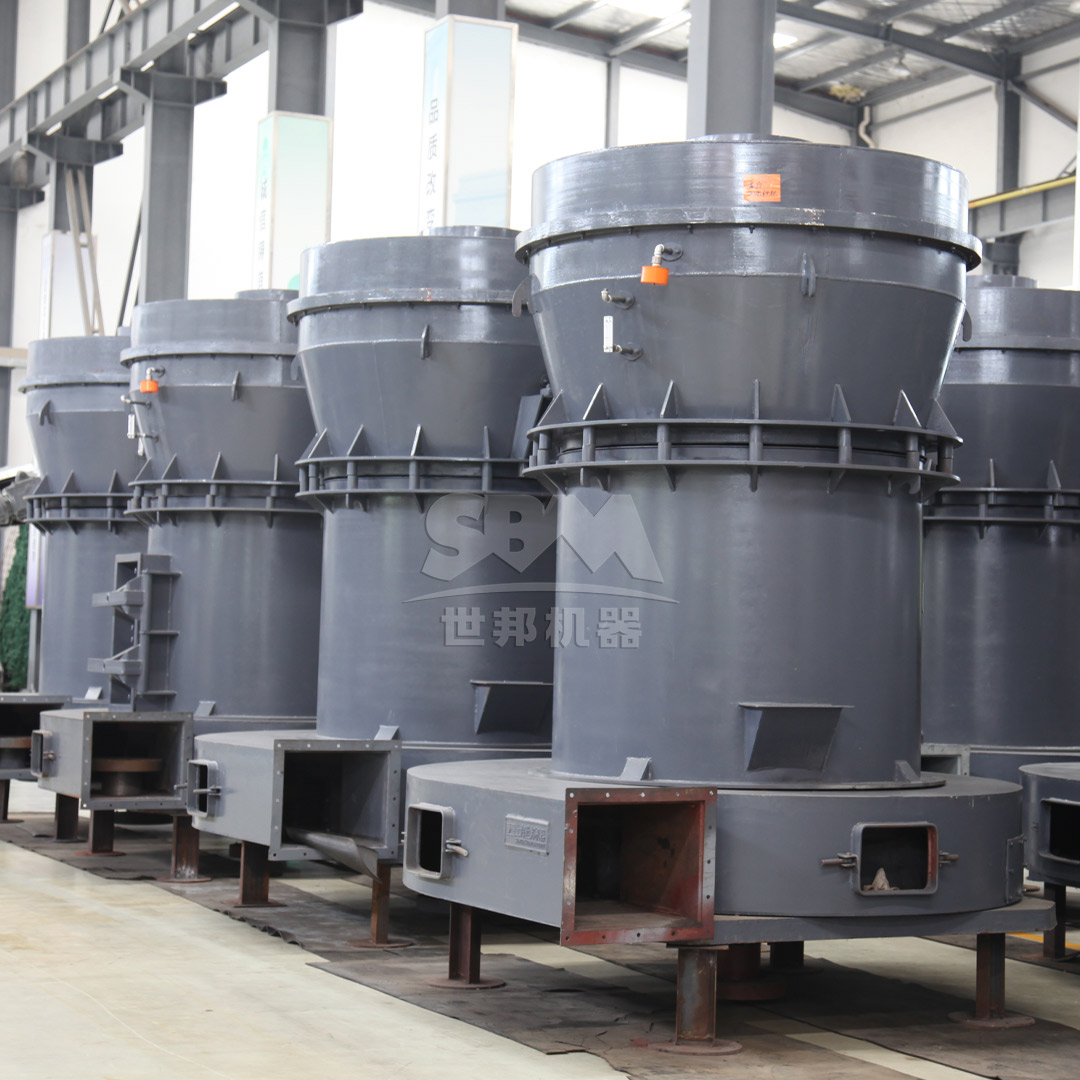
Figure 1: Raw cobalt ore and synthesized pigment samples awaiting size reduction
Cobalt pigments for ceramic glazes typically require a fineness of 200–400 mesh (38–75 μm), while high-grade coatings and inks may demand 800–2500 mesh (5–18 μm). The selected mill must not only achieve the target fineness but also deliver a narrow particle size distribution (PSD) to ensure batch-to-batch color consistency. Equipment with integrated high-precision classifiers—such as vertical turbine or multi-rotor dynamic classifiers—is strongly preferred because it prevents coarse particle contamination and eliminates the need for secondary screening.
Production scale varies widely, from laboratory-scale pigment development (a few kilograms per hour) to industrial lines exceeding 20 tons per hour. The mill should be selected with a capacity range that accommodates current demand while allowing for future expansion. Modular designs and adjustable classifier speeds enable a single mill to serve multiple product grades, reducing capital expenditure and changeover time.
Grinding is among the most energy-intensive steps in pigment manufacturing. Traditional ball mills, while reliable, consume 30–50% more energy than modern roller-based or stirred media mills for equivalent fineness. Evaluating specific energy consumption (kWh per ton of product) is essential. Mills featuring intelligent control systems with automatic granulinity feedback can further optimize energy use by adjusting grinding pressure and classifier speed in real time.
Cobalt pigments are sensitive to iron and other metallic contamination, which can shift color tone and reduce brightness. Grinding chamber components—rollers, rings, and liners—should be constructed from wear-resistant materials such as high-chrome alloys or ceramic composites. Additionally, the mill should feature a sealed, negative-pressure design to prevent dust ingress and cross-contamination between batches.
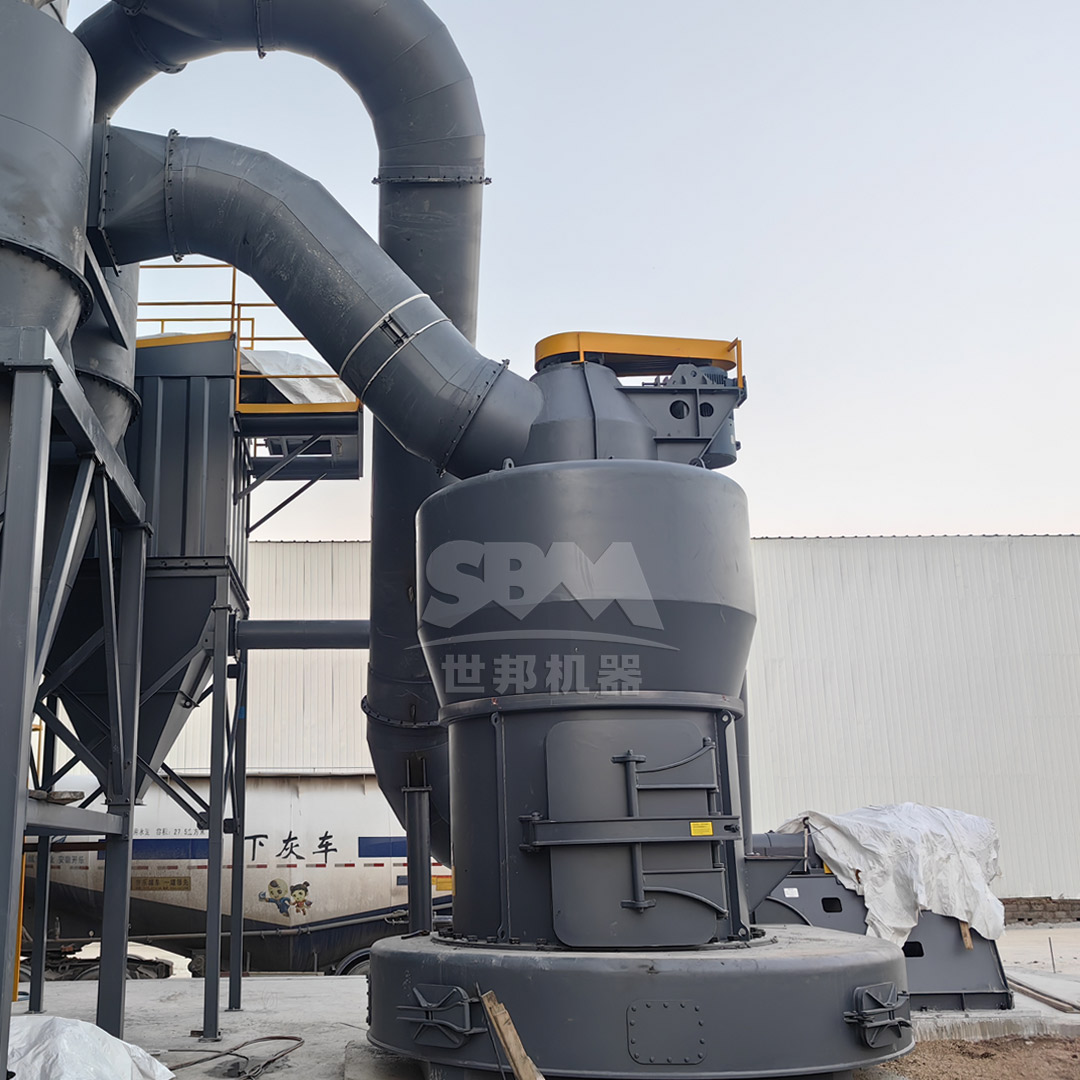
Modern pigment plants must comply with stringent dust emission and noise regulations. Pulse-jet dust collection systems with filtration efficiency exceeding 99.9% are standard requirements. Soundproof enclosures and vibration-damping designs further reduce operational noise to acceptable levels, protecting worker health and meeting community standards.
Downtime in a pigment line can cost thousands of dollars per hour. Quick-change roller assemblies, externally adjustable classifiers, and centralized lubrication systems minimize maintenance time. The mill should also offer remote diagnostics and predictive maintenance capabilities to prevent unexpected failures.
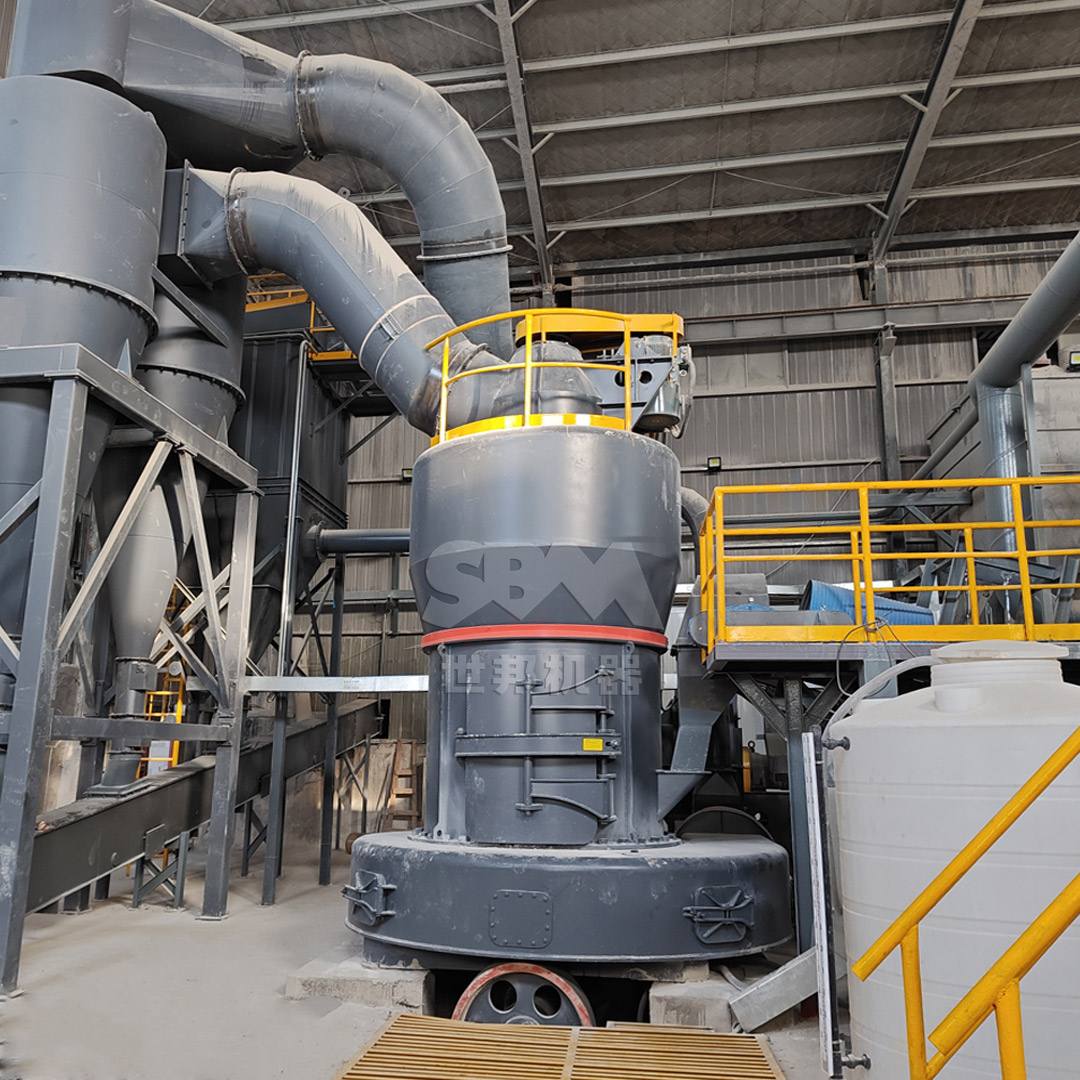
Figure 2: Integrated milling system with dynamic classifier and pulse dust collector
For pigment manufacturers targeting the high-end coatings, inks, and specialty ceramics markets, the SCM Series Ultrafine Mill delivers exceptional performance in the 325–2500 mesh (45–5 μm) range. Its vertical turbine classifier provides precise particle size cutting, ensuring that no coarse powder mixes into the finished product—a critical requirement for cobalt blue and cobalt violet pigments where color uniformity is paramount.
The SCM mill’s capacity is approximately twice that of conventional jet mills, while energy consumption is 30% lower, translating to significant operational savings at scale. The intelligent control system continuously monitors finished product granulinity and automatically adjusts grinding parameters, reducing operator intervention and ensuring consistent quality. Special material rollers and rings extend service life several times over compared to standard components, and the shaftless screw grinding chamber ensures stable, vibration-free operation.
Available models range from the SCM800 (0.5–4.5 t/h, 75 kW) to the SCM1680 (5.0–25 t/h, 315 kW), allowing pigment producers to match capacity precisely to their production requirements. The pulse dust collection system exceeds international emission standards, and the soundproof room design keeps noise levels well within regulatory limits.
| Model | Capacity (t/h) | Main Power (kW) | Feed Size (mm) | Fineness (mesh) |
|---|---|---|---|---|
| SCM800 | 0.5–4.5 | 75 | 0–20 | 325–2500 |
| SCM900 | 0.8–6.5 | 90 | 0–20 | 325–2500 |
| SCM1000 | 1.0–8.5 | 132 | 0–20 | 325–2500 |
| SCM1250 | 2.5–14 | 185 | 0–20 | 325–2500 |
| SCM1680 | 5.0–25 | 315 | 0–20 | 325–2500 |
For manufacturers requiring a broader fineness range (30–325 mesh, down to 0.038 mm) and higher feed size tolerance (up to 50 mm), the MTW Series European Trapezium Mill offers an ideal combination of flexibility and reliability. Its anti-wear shovel design with combined blades reduces maintenance costs, while the curved grinding roller profile extends service life—both critical factors when processing abrasive cobalt compounds.
The optimized arc air duct minimizes airflow energy loss and improves transmission efficiency, and the integral bevel gear drive achieves up to 98% transmission efficiency, saving space and reducing installation costs. The wear-resistant volute structure features a non-resistance flow design that improves air selection efficiency and reduces maintenance costs by 30%.
With models ranging from the MTW110 (3–9 t/h, 55 kW) to the MTW215G (15–45 t/h, 280 kW), the MTW series accommodates both small-batch specialty pigment production and large-scale continuous operations. The patented internal suction oil lubrication system ensures reliable operation, and the internationally advanced pulse dust removal technology guarantees environmental compliance.
| Model | Capacity (t/h) | Main Power (kW) | Feed Size (mm) | Fineness (mesh) |
|---|---|---|---|---|
| MTW110 | 3–9 | 55 | <30 | 10–325 |
| MTW138Z | 6–17 | 90 | <35 | 10–325 |
| MTW175G | 9.5–25 | 160 | <40 | 10–325 |
| MTW215G | 15–45 | 280 | <50 | 10–325 |
Before fine grinding, cobalt ore and synthesized compounds often require pre-crushing to 0–3 mm to maximize mill throughput and reduce wear on grinding components. The Hammer Mill series offers high capacity and crushing ratio in a compact footprint, with wear-resistant high-manganese steel liners ensuring long service life. Models range from the PC4008-75 (8–15 t/h, 75 kW) to the PC4015-132 (40–70 t/h, 132 kW), providing a reliable front-end solution for any cobalt pigment production line.
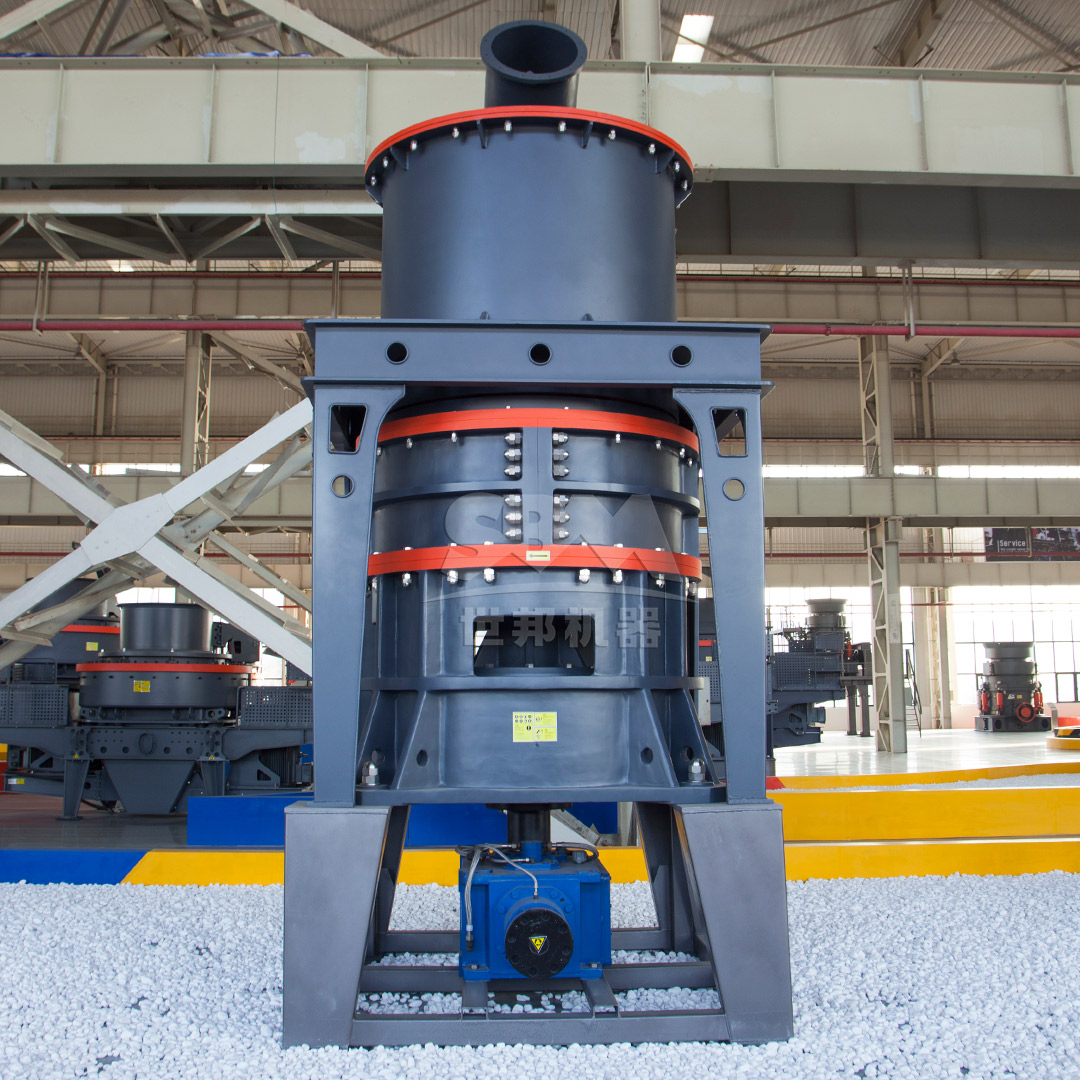
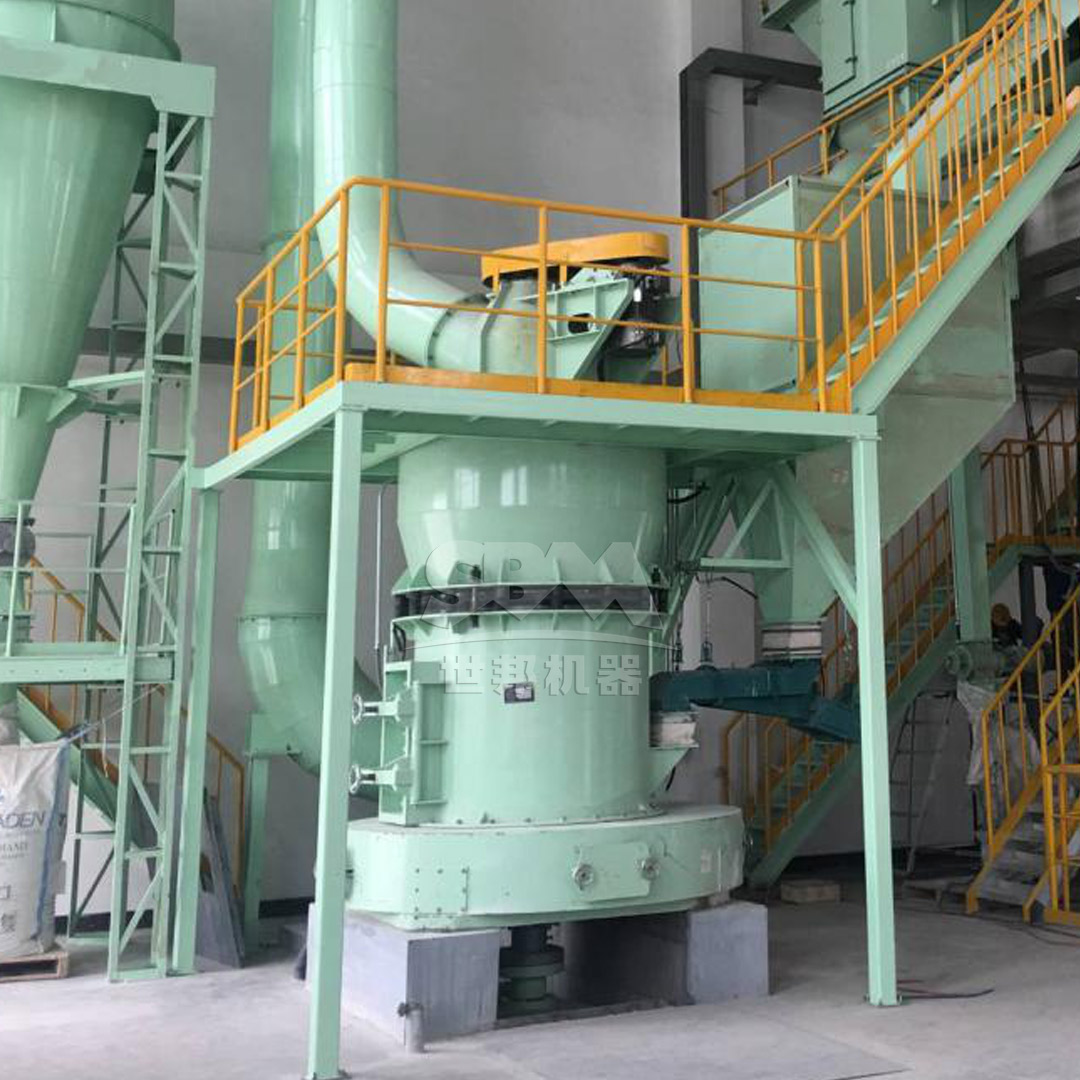
Figure 3: Complete cobalt pigment production line—from pre-crushing to ultrafine grinding and collection
When integrating milling equipment into an existing or new cobalt pigment production line, several practical factors deserve attention:
Choosing the right milling solution for cobalt pigment production requires a careful balance of fineness capability, capacity, energy efficiency, contamination control, and environmental compliance. The SCM Series Ultrafine Mill excels in high-fineness applications where precise particle size cutting and color uniformity are non-negotiable, while the MTW Series European Trapezium Mill offers greater flexibility across a broader fineness range and higher feed sizes. For operations requiring pre-crushing, the Hammer Mill series provides a reliable and cost-effective front-end solution.
By selecting equipment that matches the specific requirements of your pigment formulation—and by partnering with a supplier that offers comprehensive technical support, spare parts availability, and process optimization expertise—you can achieve consistent, high-quality cobalt pigment production that meets the demanding standards of the ceramics, coatings, and specialty chemical markets.
For detailed specifications, capacity calculations, and customized line design recommendations, please consult our technical team. We are committed to helping you build a cobalt pigment production line that delivers superior color performance, operational efficiency, and long-term profitability.