Cobalt-based catalysts are indispensable in a wide range of chemical processes, including Fischer-Tropsch synthesis, hydrodesulfurization, and the production of fine chemicals. The performance of these catalysts is profoundly influenced by the particle size, particle size distribution (PSD), and morphology of the cobalt precursor or the final catalytic material. In catalyst preparation, achieving a precise and consistent particle size—typically in the micron or sub-micron range—is not merely a matter of convenience; it is a fundamental determinant of catalytic activity, selectivity, and lifespan. Consequently, selecting the appropriate milling system for cobalt processing is a strategic decision that impacts product quality, operational efficiency, and overall production economics. This article provides a comprehensive guide to choosing the right milling equipment for cobalt catalyst applications, drawing on our extensive portfolio of advanced grinding solutions.
Before examining specific equipment, it is essential to understand the unique characteristics of cobalt-based catalyst materials and the requirements they impose on a milling system.
Catalyst performance is highly sensitive to particle size. A narrow PSD with a controlled median particle size (D50) is often required to maximize surface area while avoiding excessive fines that can cause pressure drop issues in reactors. Cobalt precursors such as cobalt oxide (Co3O4) or cobalt hydroxide often need to be milled to a fineness of 5–45 μm or even finer for certain applications. The chosen milling system must reliably achieve and maintain this target.
Cobalt compounds can range from moderately soft to relatively hard and abrasive. This necessitates milling equipment with wear-resistant components to ensure long service life and to prevent product contamination from worn parts. The use of special materials for rollers, rings, and liners is a critical factor.
Some cobalt precursors may be sensitive to heat generated during the milling process. Systems that operate with lower grinding temperatures or that can be easily integrated with cooling systems are preferred to prevent unwanted phase transformations or degradation.
For catalyst applications, even trace levels of contamination from milling equipment wear can be detrimental. Systems designed with minimal wear and effective sealing are essential. Additionally, the ability to operate under an inert atmosphere or with dust collection systems that prevent cross-contamination is beneficial.
From laboratory-scale research to pilot plants and full-scale industrial production, the milling system must be scalable. The equipment should offer a range of models with varying capacities to match the required throughput without compromising fineness or PSD consistency.
Modern catalyst manufacturing demands energy-efficient processes and compliance with stringent environmental regulations. Milling systems that consume less power per ton of product and incorporate effective dust collection and noise reduction features are highly advantageous.
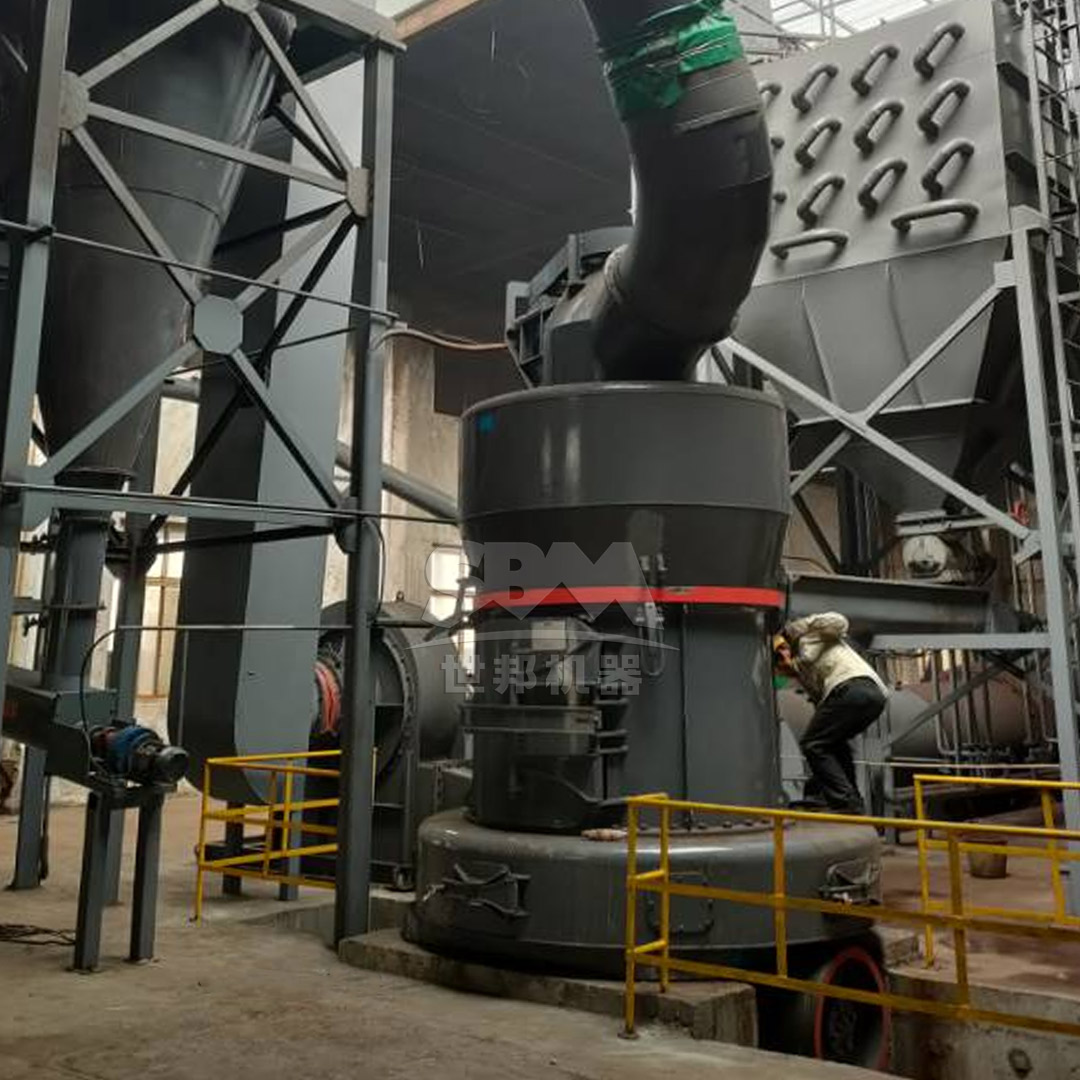
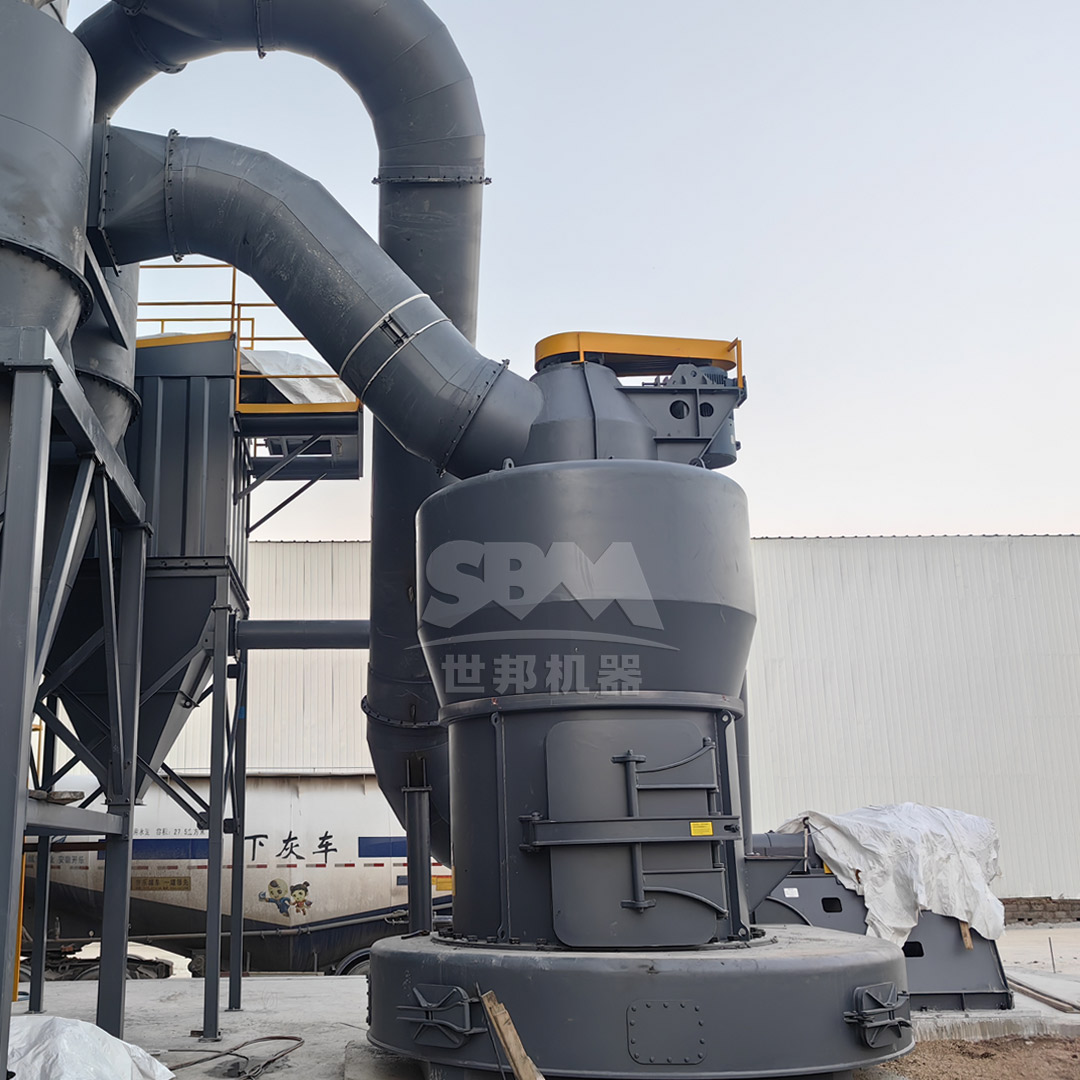
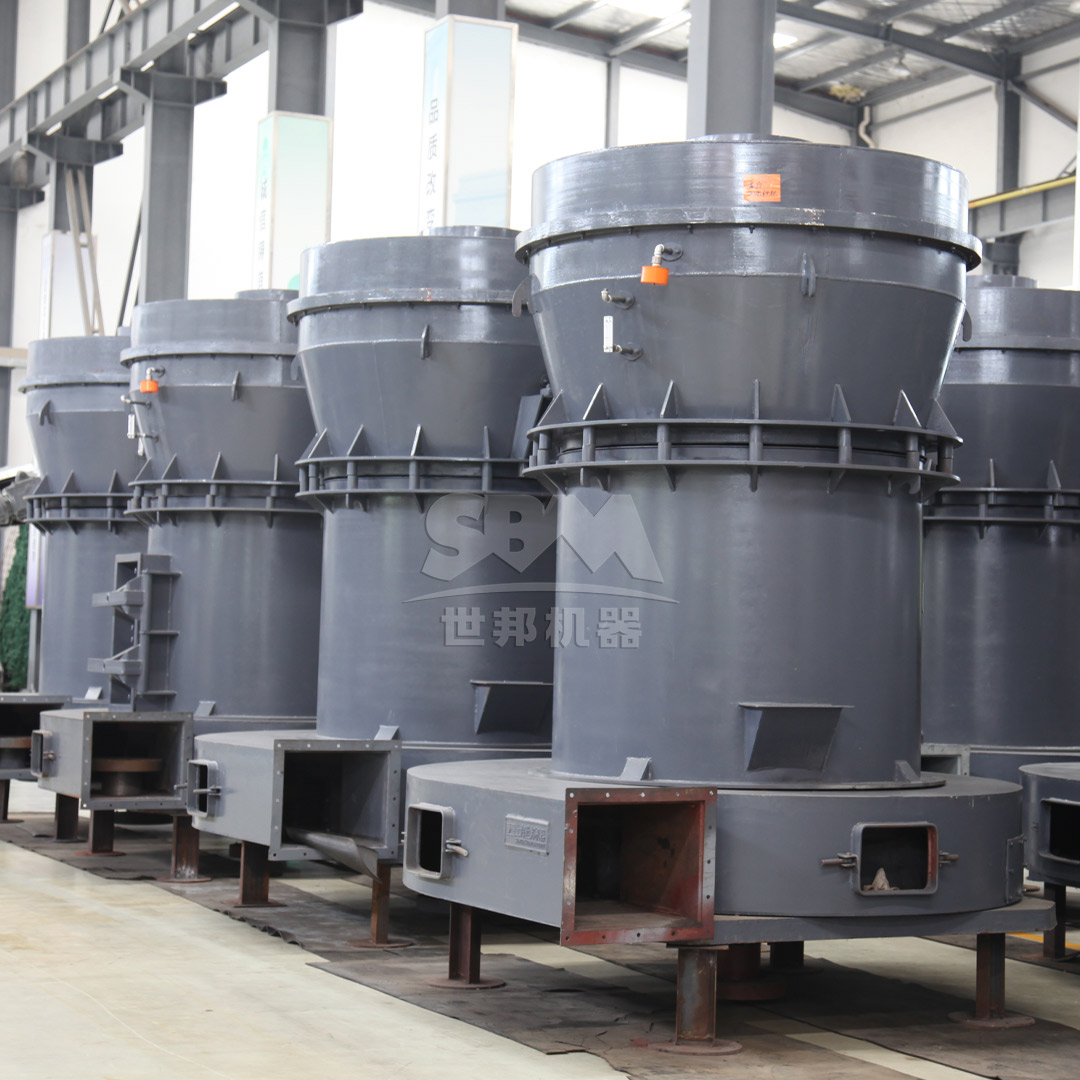
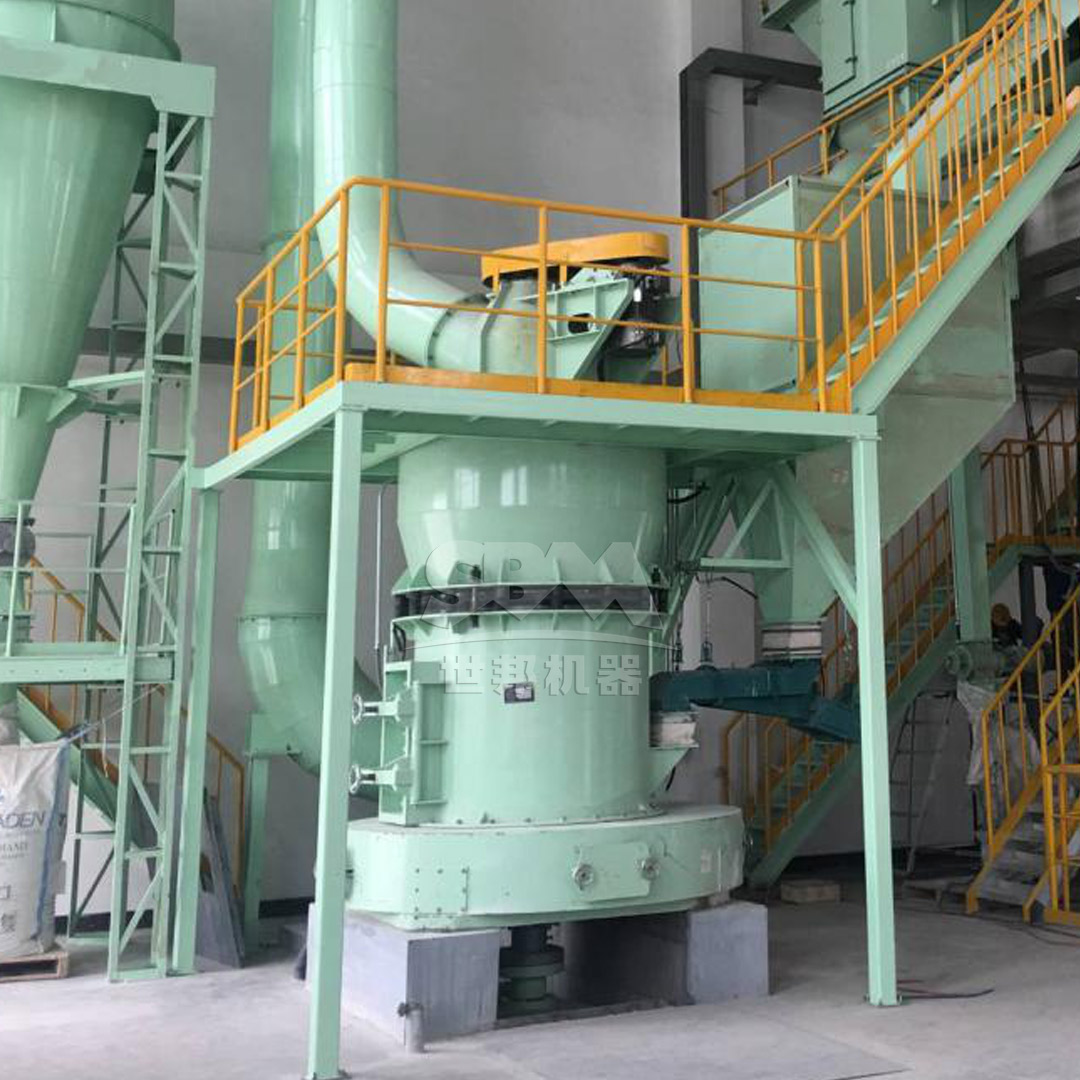
Our company offers a diverse range of milling equipment, each with distinct advantages for different stages of cobalt catalyst processing. Below, we highlight two standout products that are particularly well-suited for this demanding application.
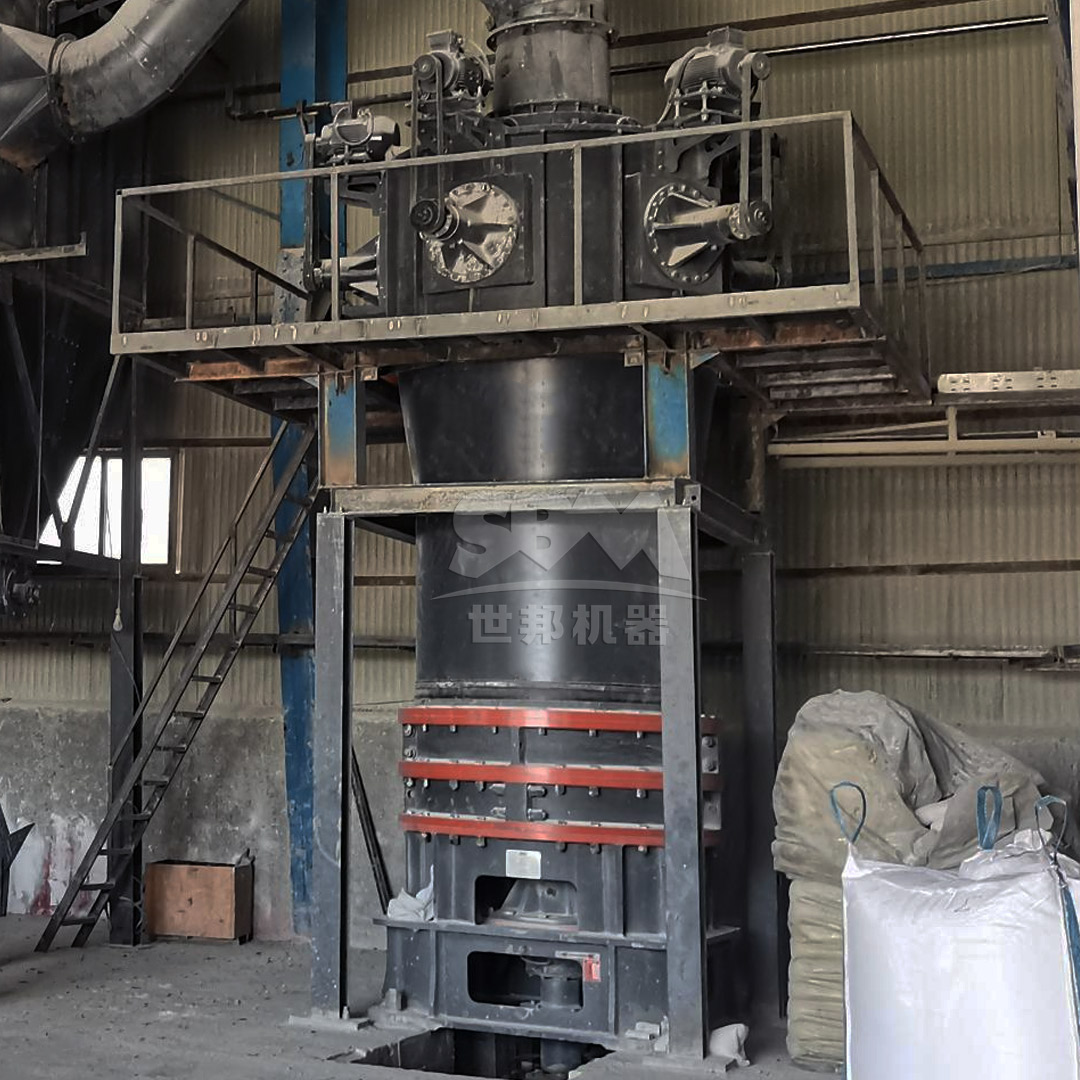
For catalyst applications requiring ultrafine grinding with exceptional precision, the SCM Series Ultrafine Mill is an outstanding choice. This system is engineered to deliver high-efficiency, energy-saving performance while maintaining strict particle size control.
Core Parameters:
Technical Advantages for Cobalt Catalysts:
Working Principle: The main motor drives three layers of grinding rings to rotate. Materials are dispersed into the grinding path by centrifugal force, crushed by roller pressure, and ground layer by layer. Finally, powder collection is completed by a cyclone collector and a pulse dust removal system.
Models & Specifications (Partial):
| Model | Capacity (t/h) | Main Power (kW) | Feed Size (mm) | Fineness (mesh) |
|---|---|---|---|---|
| SCM800 | 0.5–4.5 | 75 | 0–20 | 325–2500 |
| SCM900 | 0.8–6.5 | 90 | 0–20 | 325–2500 |
| SCM1000 | 1.0–8.5 | 132 | 0–20 | 325–2500 |
| SCM1250 | 2.5–14 | 185 | 0–20 | 325–2500 |
| SCM1680 | 5.0–25 | 315 | 0–20 | 325–2500 |
For applications requiring a robust, versatile mill capable of handling larger feed sizes and producing a wide range of fineness levels, the MTW Series European Trapezium Mill is an excellent solution. It combines high capacity with advanced engineering for reliable performance.
Core Parameters:
Technical Advantages for Cobalt Catalysts:
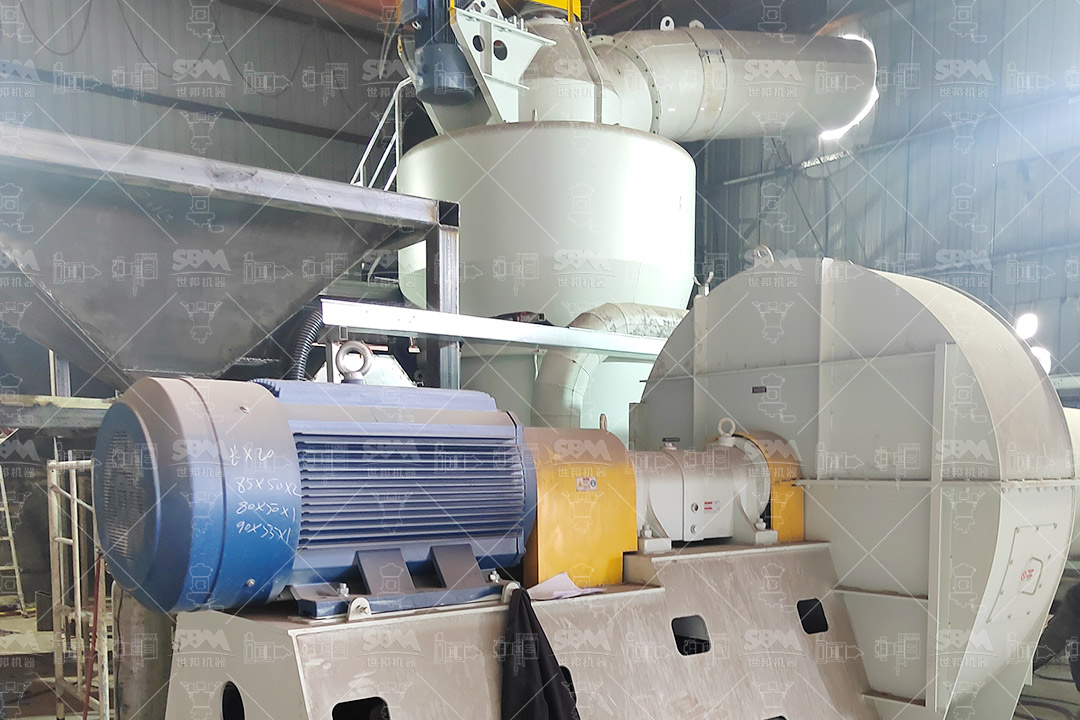
Working Principle: The main motor drives the grinding rollers to revolve around the central axis while self-rotating to generate centrifugal force. Shovels throw materials between the ring and rollers to form a material layer, achieving efficient crushing through extrusion. The classification system precisely controls the finished product size.
Models & Specifications (Partial):
| Model | Capacity (t/h) | Main Power (kW) | Feed Size (mm) | Fineness (mesh) |
|---|---|---|---|---|
| MTW110 | 3–9 | 55 | <30 | 10–325 |
| MTW138Z | 6–17 | 90 | <35 | 10–325 |
| MTW175G | 9.5–25 | 160 | <40 | 10–325 |
| MTW215G | 15–45 | 280 | <50 | 10–325 |
While the SCM and MTW series are our primary recommendations, other mills in our portfolio may also be suitable depending on specific process requirements:
To choose the right milling system for your cobalt catalyst application, consider the following decision framework:
Selecting the right milling system for cobalt catalyst processing is a multifaceted decision that balances fineness requirements, capacity, material characteristics, and operational costs. Our SCM Series Ultrafine Mill and MTW Series European Trapezium Mill represent two of the most advanced and reliable solutions available, each excelling in different aspects of catalyst production. By carefully evaluating your specific needs against the capabilities of these and other mills in our portfolio, you can optimize your process for maximum efficiency, product quality, and profitability. For a tailored recommendation, we invite you to consult with our technical experts to discuss your unique application.