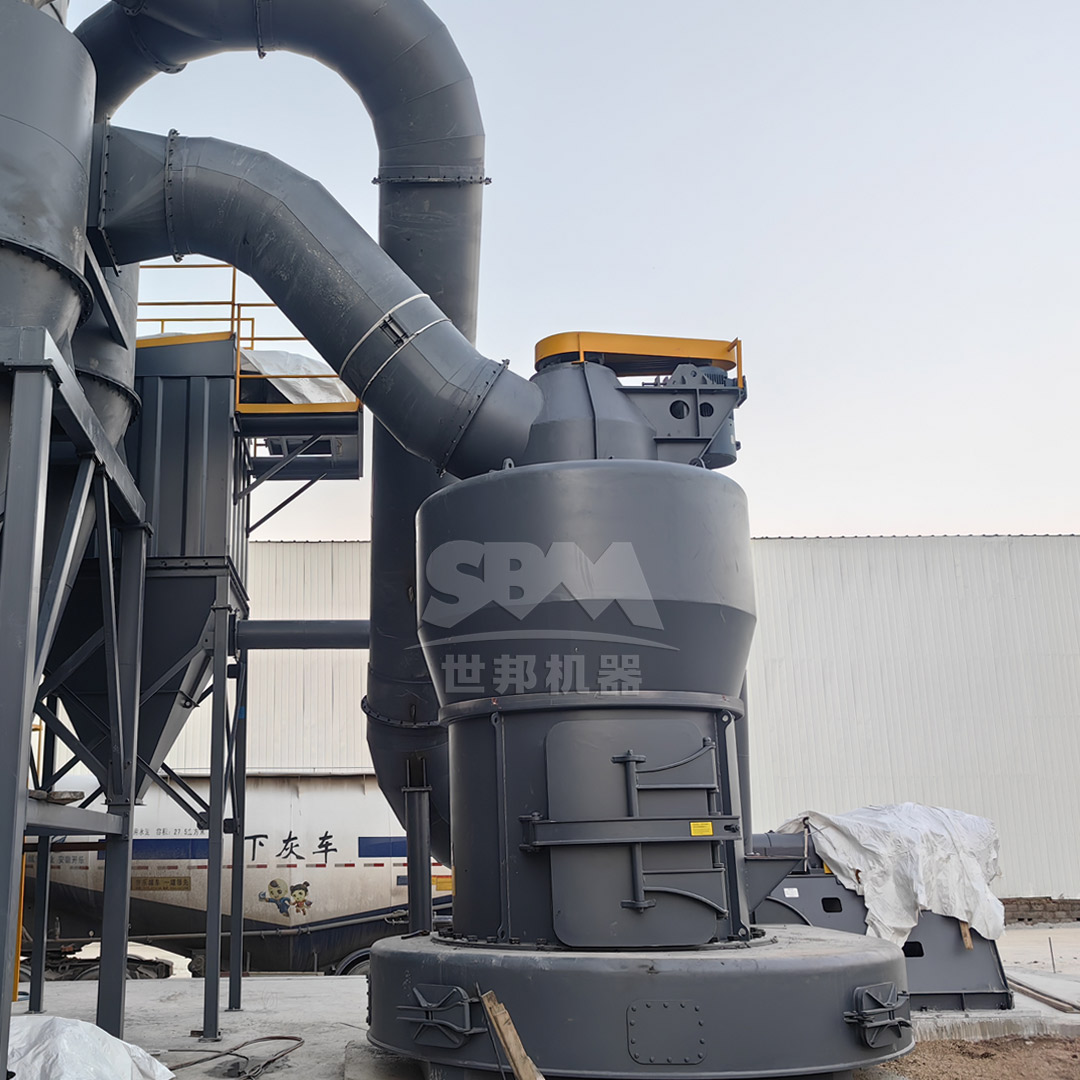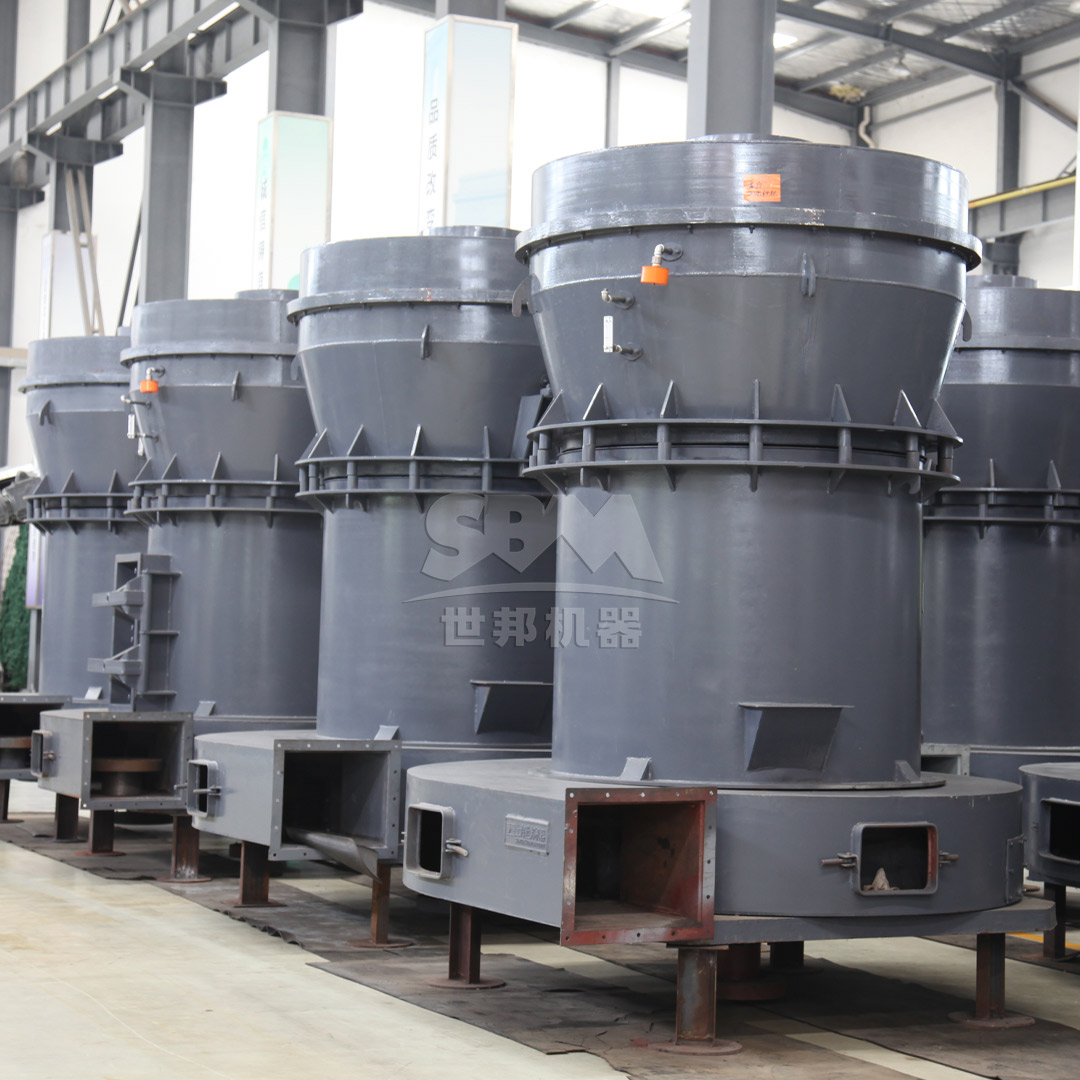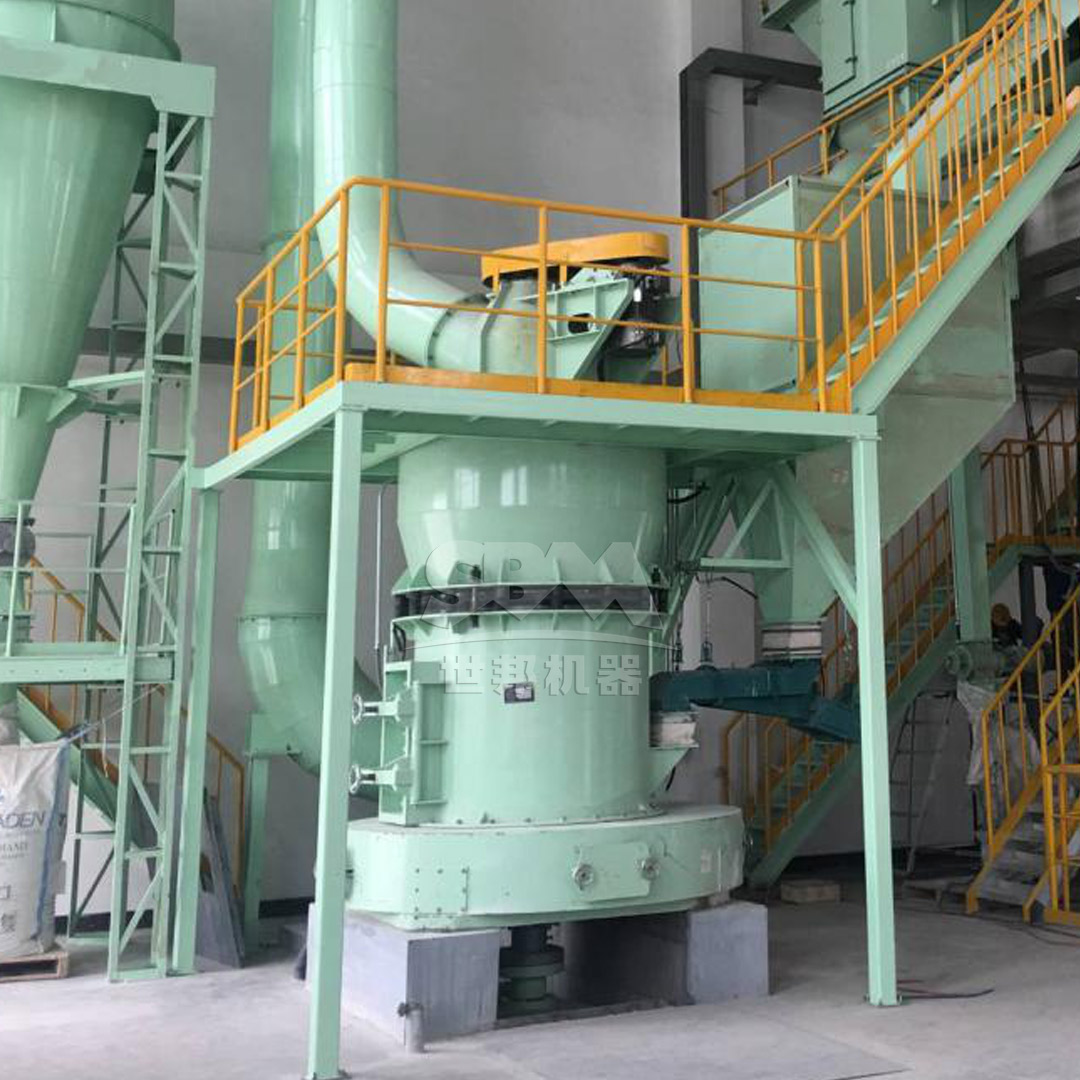
Cobalt is a critical metal in the modern economy, indispensable for lithium-ion batteries, superalloys, and hard-facing materials. As demand for electric vehicles and renewable energy storage surges, the efficient extraction and processing of cobalt ore have become more important than ever. Whether you are processing cobaltite, heterogenite, or cobalt-bearing copper-nickel ores, the first and most energy-intensive step in the beneficiation and hydrometallurgical flowsheet is comminution—specifically, fine grinding. Selecting the right milling solution directly impacts recovery rates, downstream efficiency, and overall operational costs. This article provides a professional guide to choosing the appropriate milling equipment for your cobalt ore, drawing on our extensive portfolio of advanced grinding technologies.
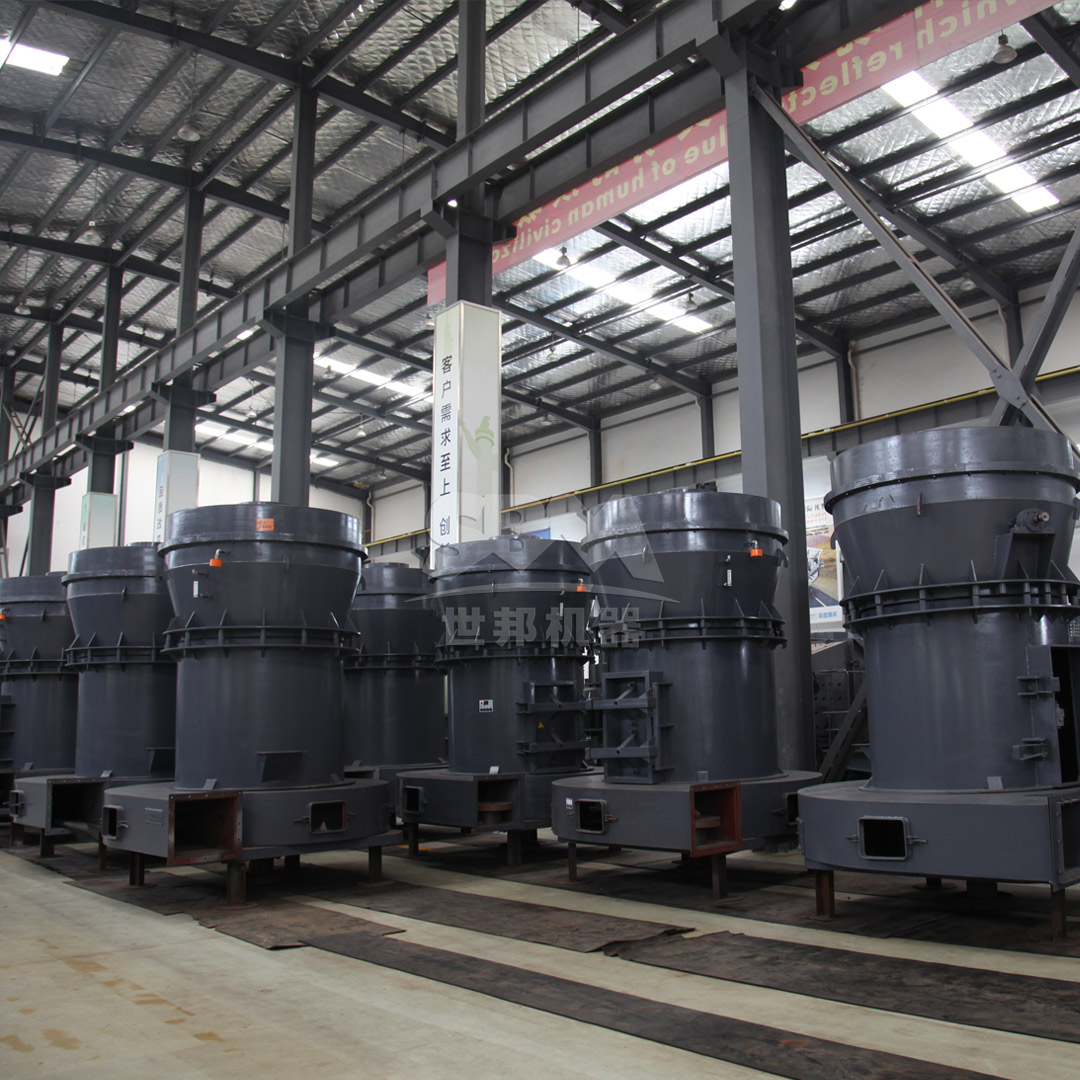
Cobalt ores vary widely in mineralogy and hardness. Primary cobalt sulfides (e.g., cobaltite, skutterudite) are often associated with iron, nickel, and arsenic, requiring liberation at relatively coarse sizes (P80 of 75–150 µm). Oxide ores (heterogenite) and lateritic deposits tend to be softer but may require finer grinding to liberate cobalt from iron oxides. The Bond Work Index for cobalt ores typically ranges from 12–18 kWh/t, indicating moderate to hard grinding conditions. Key selection criteria include:
Our product range covers multiple milling principles to match diverse cobalt ore characteristics and project scales:
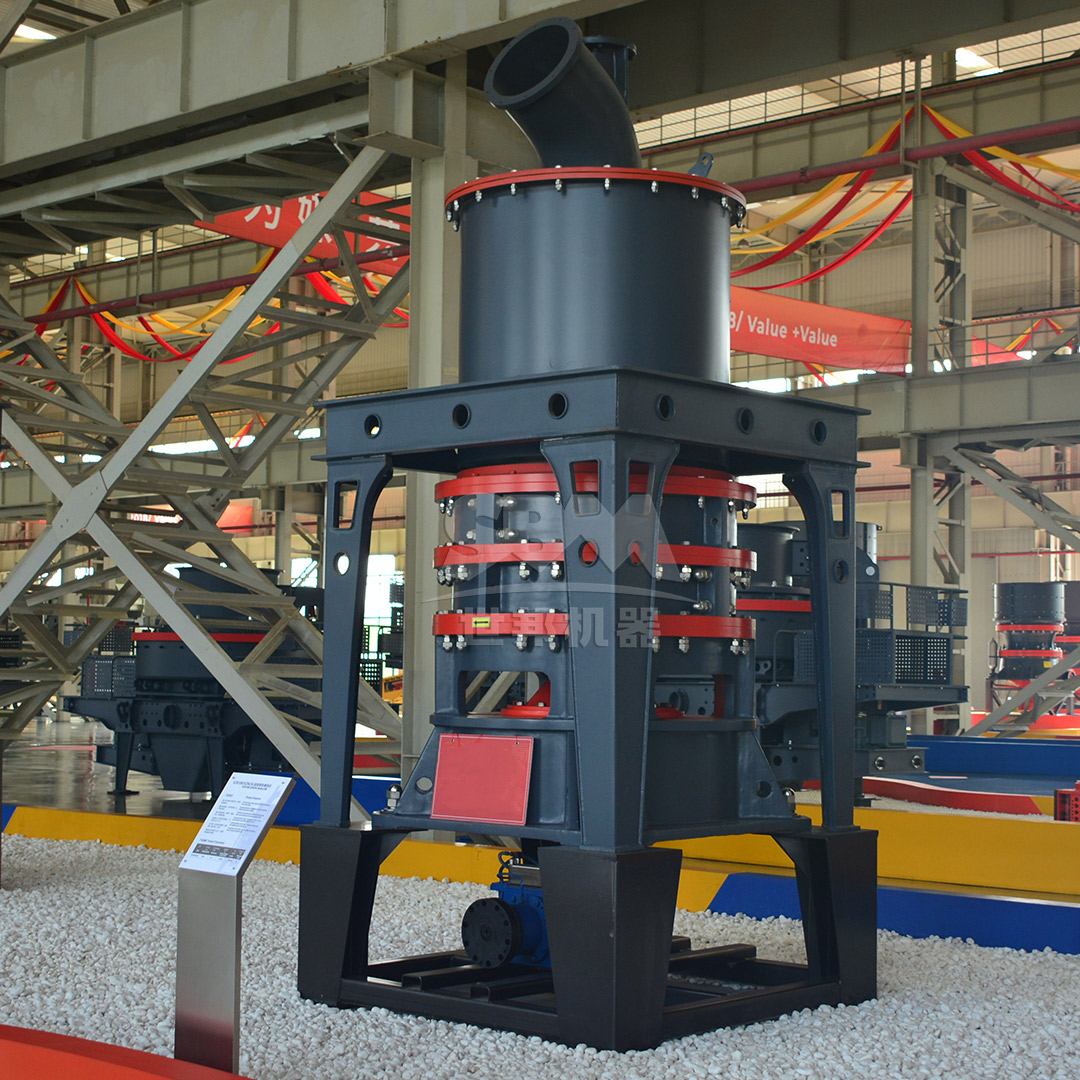
For conventional cobalt flotation or gravity concentration, ball mills remain the workhorse. Our GMQG and GMQY series ball mills offer capacities from 0.65 to 450 t/h and can operate in dry or wet mode. With a crushing ratio up to 300:1 and discharge sizes of 0.074–0.8 mm, they reliably liberate cobalt minerals from gangue. The high-chrome or manganese steel media (HRC58–62) ensure long wear life. For pre-crushing, our PC series hammer mills reduce run-of-mine ore to 0–3 mm, preparing a consistent feed for downstream grinding.
When your cobalt ore requires finer liberation (e.g., 45–100 µm) or when you need a compact, low-investment solution, the MTW series is an excellent choice. With capacities of 3–45 t/h and fineness down to 0.038 mm (325 mesh), it features an integral bevel gear drive (98% efficiency) and wear-resistant volute structure that reduces maintenance by 30%. The MTM series (3–22 t/h, 45–325 mesh) offers intelligent pressure regulation and damping springs for stable operation with lower noise. For many cobalt concentrators, these mills provide the best balance of capital cost and performance.
For downstream production of cobalt salts or battery-grade cobalt oxide, particle sizes below 20 µm are often demanded. The SCM series ultrafine mill is purpose-built for this task, achieving 325–2500 mesh with capacities of 0.5–25 t/h. Its vertical turbine classifier ensures precise particle size cutting with no coarse powder mixing, while the intelligent control system automatically adjusts for finished product granularity. Energy consumption is 30% lower than jet mills. Alternatively, the LUM ultrafine vertical roller mill (325–2500 mesh, 1.6–15 t/h) offers multi-rotor classifying and PLC automation for continuous, dust-free operation. Both are ideal for cobalt hydroxide or cobalt oxide fine grinding prior to sintering or battery precursor synthesis.
For large-scale cobalt operations (e.g., 50–250 t/h), the LM series vertical roller mill is the most energy-efficient option. With integrated crushing, grinding, and classification, it reduces floor space by 50% and energy consumption by 30–40% compared to ball mills. The non-contact roller-table design extends wear-part life by 3x, and the expert control system enables remote monitoring. Models from LM130K to LM280K deliver fineness of 170–45 µm, ideal for cobalt ore beneficiation and subsequent leaching.
| Mill Type | Recommended Cobalt Ore Application | Feed Size (mm) | Product Fineness | Capacity (t/h) |
|---|---|---|---|---|
| Ball Mill | Primary grinding for flotation/gravity | ≤25 | 0.074–0.8 mm | 0.65–450 |
| MTW Trapezium Mill | Medium-fine liberation | ≤50 | 30–325 mesh | 3–45 |
| SCM Ultrafine Mill | Ultrafine for battery chemicals | ≤20 | 325–2500 mesh | 0.5–25 |
| LM Vertical Mill | High-capacity dry grinding | ≤50 | 30–325 mesh | 3–250 |
Based on our extensive experience in mineral processing, we recommend two products that excel in cobalt ore applications:
The SCM series is the ultimate solution when your cobalt processing requires ultrafine particles. With a capacity of 0.5–25 t/h and fineness adjustable from 325 to 2500 mesh, it is ideal for producing battery-grade cobalt oxide or cobalt hydroxide. Key advantages include:
For a typical cobalt hydroxide plant targeting D50 of 5–10 µm, the SCM800 or SCM900 models provide reliable, energy-efficient performance.
When your cobalt ore requires grinding to 45–200 µm at moderate throughput, the MTW series offers an exceptional balance of price and performance. Models from MTW110 to MTW215G deliver 3–45 t/h with fineness down to 0.038 mm. The anti-wear shovel design and curved roller profile reduce maintenance costs, while the integral bevel gear drive saves space and energy. For a 10 t/h cobalt flotation plant, the MTW138Z (6–17 t/h) is a proven choice, providing consistent particle size for optimal liberation.
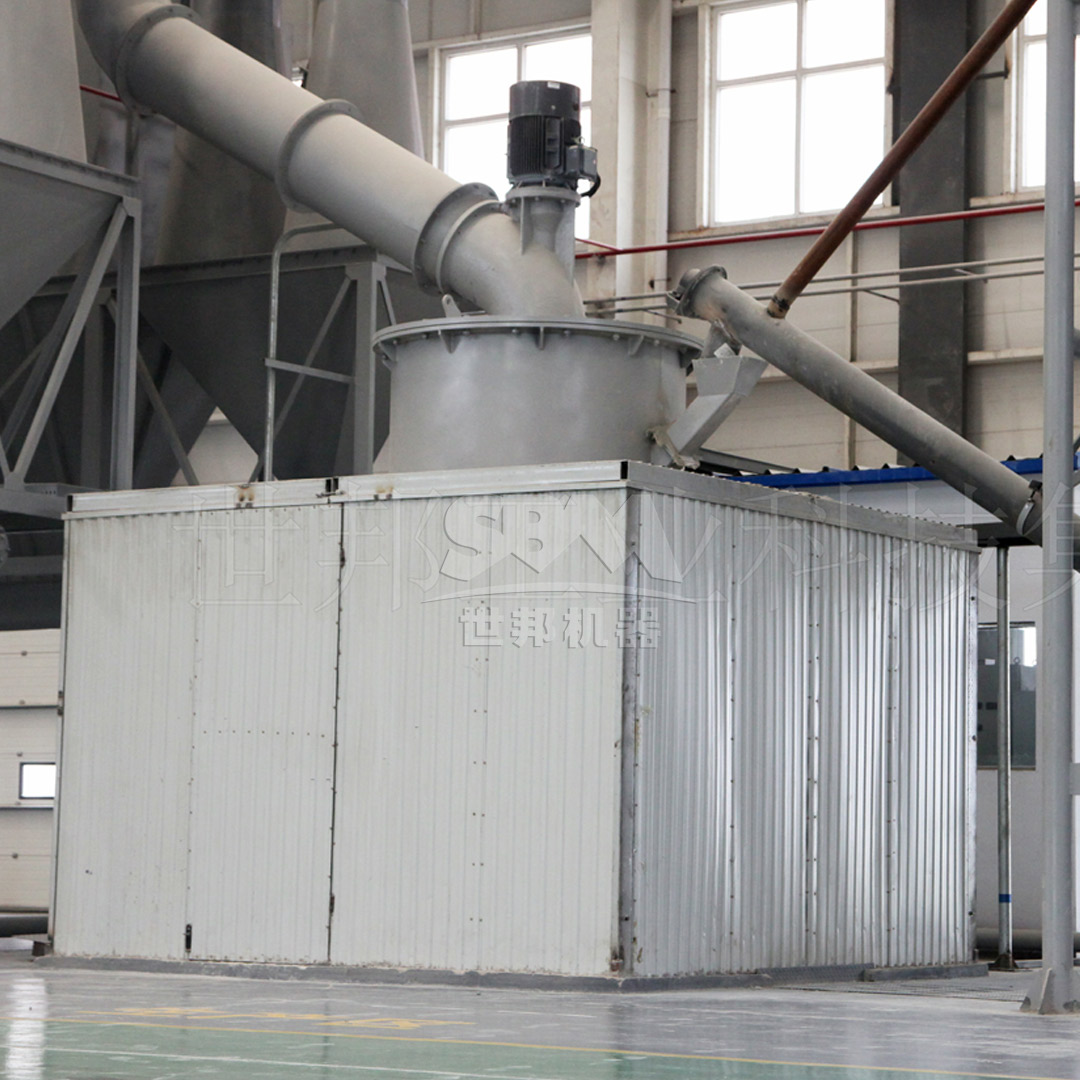
When selecting a milling solution for cobalt ore, consider the following:
Choosing the right milling solution for cobalt ore requires a careful balance of liberation requirements, throughput, energy efficiency, and maintenance costs. Our comprehensive range—from ball mills and hammer mills to advanced vertical roller and ultrafine mills—ensures that we can tailor a solution to your specific project. Whether you are developing a small-scale cobalt concentrator or a large hydrometallurgical plant, our application engineers are ready to assist with mill selection, flowsheet design, and after-sales support. Contact us today to discuss how our SCM ultrafine mill or MTW trapezium mill can enhance your cobalt processing performance.