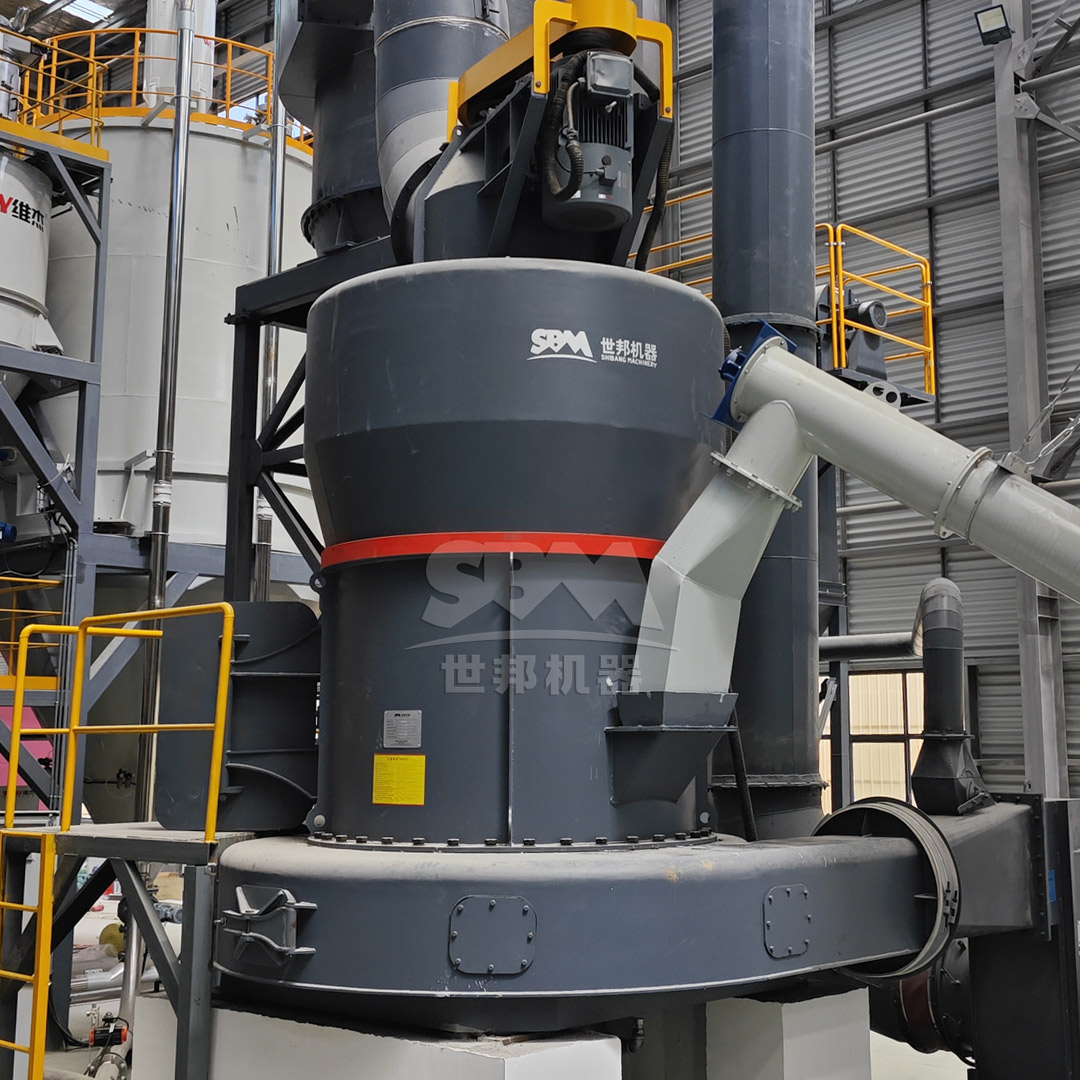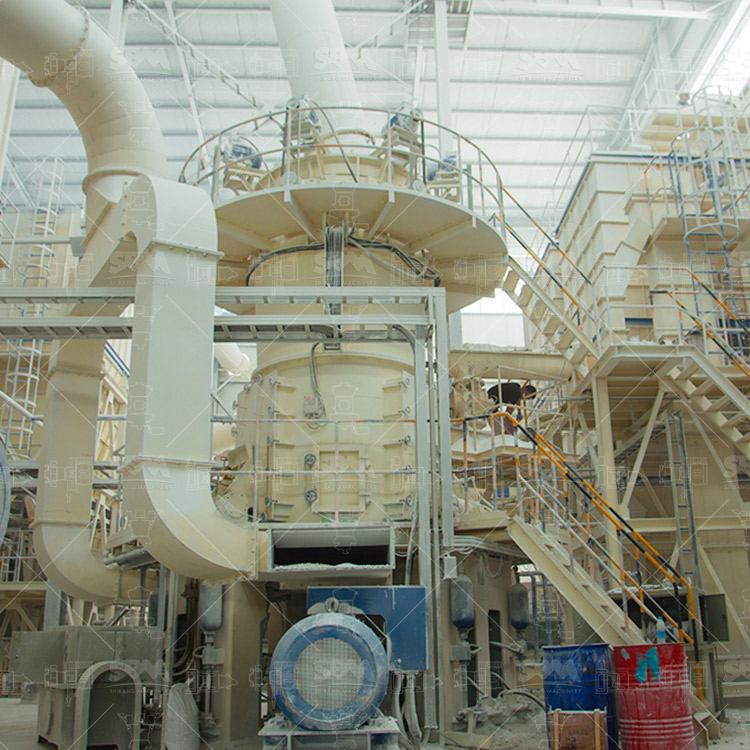
Secondary fly ash, recovered from landfill sites, ash ponds, or downstream collection systems, represents a significant yet underutilized resource in the global push toward sustainable construction materials. When processed to 325 mesh (approximately 45 μm), this fine ash can be effectively recycled as a supplementary cementitious material (SCM) in concrete, as a filler in polymer composites, or as a raw material in geopolymer synthesis. However, the physical characteristics of secondary fly ash—variable particle size distribution, residual carbon content, and often agglomerated structure—make fine grinding a technically demanding operation. Selecting the right grinding mill for 325 mesh secondary fly ash processing is therefore critical to achieving consistent product quality, energy efficiency, and long-term operational reliability.
This article provides a professional guide to choosing grinding equipment for fine ash recycling at 325 mesh, comparing the technical merits of several mill types and recommending specific solutions for different production scenarios.
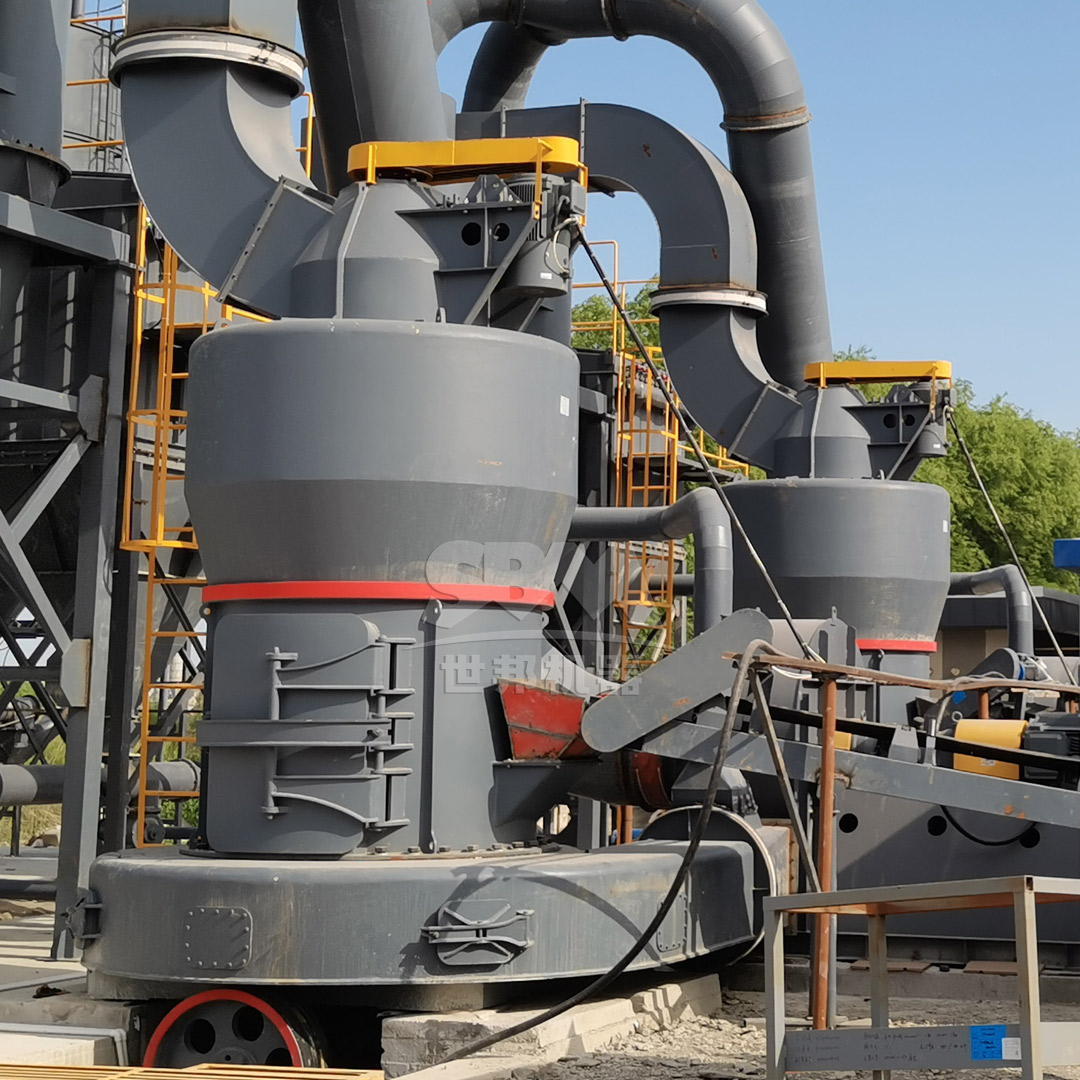
In ASTM C618 and EN 450 standards, fly ash fineness is commonly expressed as the percentage retained on a 45 μm (No. 325) sieve. A 325 mesh specification typically corresponds to less than 12–20% residue on the 45 μm sieve, depending on the application standard. For secondary fly ash, achieving this fineness delivers several performance benefits:
Because secondary ash often contains coarser agglomerates and contaminants compared with freshly collected ash, the grinding circuit must be robust enough to handle feed variability while maintaining a tight 325 mesh cut.
When evaluating grinding equipment for secondary fly ash processing at 325 mesh, engineers should consider the following factors:
The mill must reliably produce a product with a controlled top size around 45 μm. High-efficiency dynamic classifiers—particularly vertical turbine or multi-rotor designs—are essential to prevent coarse particle bypass and ensure uniform product fineness.
Secondary ash recycling operations range from small regional facilities (0.5–5 t/h) to large centralized processing plants (20–50 t/h or more). The selected mill must match the required capacity without excessive energy penalty.
Fine grinding is energy-intensive. Mills with integrated classification, bed-grinding principles, or high-efficiency roller systems can reduce specific energy consumption by 30–50% compared with traditional ball mills.
Fly ash is moderately abrasive, and secondary ash may contain residual sand or unburned carbon. Wear parts should be made from high-chrome alloys or ceramic materials, with quick-change designs to minimize downtime.
Dust collection, noise control, and negative-pressure operation are mandatory for compliance with modern environmental regulations. Pulse-jet bag filters and soundproof enclosures should be standard.
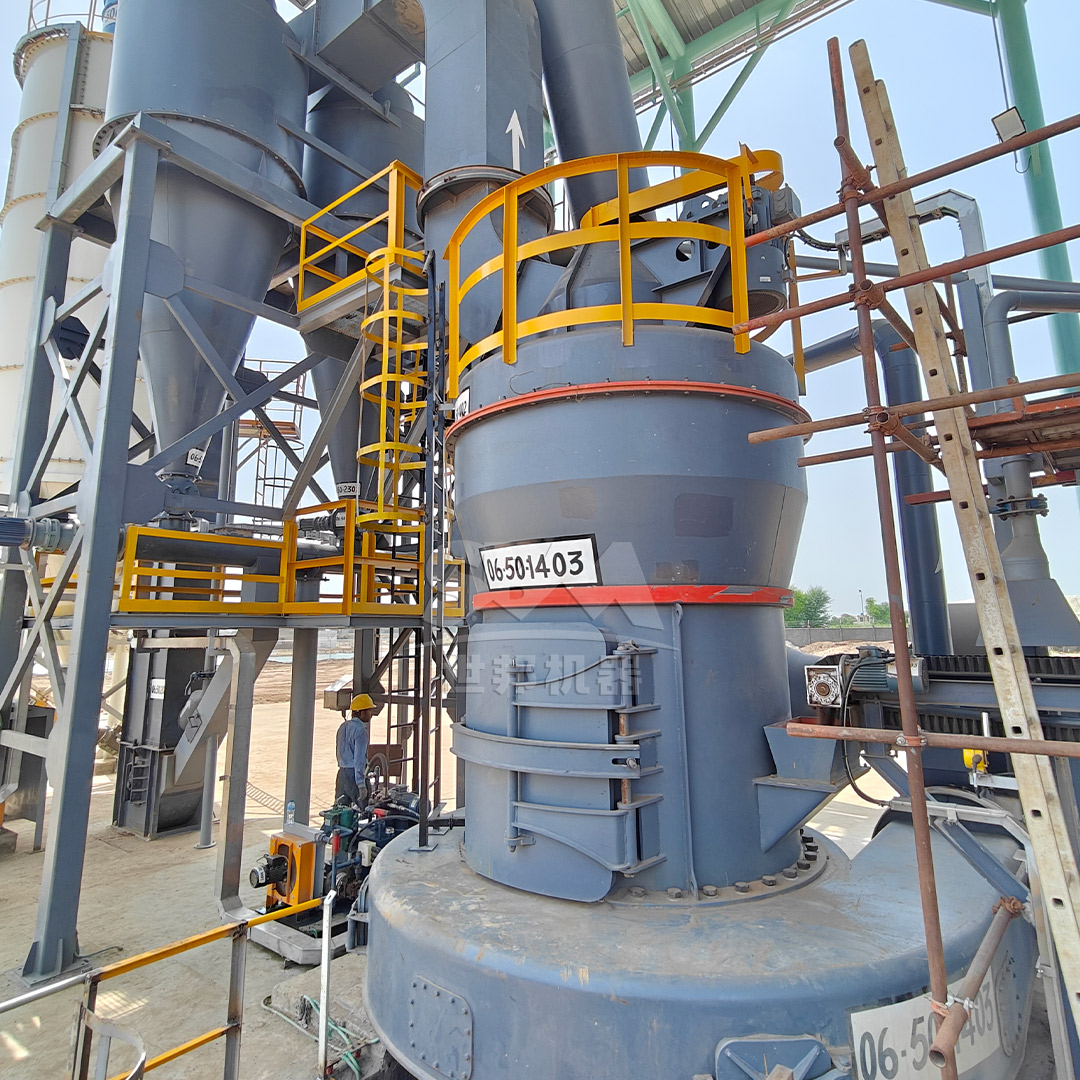
Several mill types are suitable for processing secondary fly ash to 325 mesh. The table below summarizes their relative strengths.
| Mill Type | Typical Fineness | Capacity Range | Key Advantages | Best Use Case |
|---|---|---|---|---|
| SCM Ultrafine Mill | 325–2500 mesh | 0.5–25 t/h | High-precision classification, 2x capacity vs. jet mill, low energy | Small to medium fine ash recycling, high-value applications |
| MTW European Trapezium Mill | 30–325 mesh | 3–45 t/h | Anti-wear shovel design, efficient air duct, bevel gear drive | Medium to large plants requiring 325 mesh product |
| LM Vertical Roller Mill | 30–325 mesh (up to 600) | 3–250 t/h | Integrated crushing/grinding/classification, 30–40% lower energy | Large-scale ash recycling and mineral processing |
| MTM Medium-speed Trapezium Mill | 45–325 mesh | 3–22 t/h | Intelligent pressure regulation, damping design | Flexible medium-capacity operations |
| Ball Mill | 0.074–0.8 mm | 0.65–450 t/h | Wide application, high crushing ratio | Coarse grinding or combined grinding circuits |
For operations targeting 325 mesh with the flexibility to produce even finer grades (down to 2500 mesh), the SCM Series Ultrafine Mill is an excellent choice. Its vertical turbine classifier provides precise particle size cutting, ensuring no coarse powder mixing and uniform finished product—critical for meeting strict fly ash fineness specifications. The mill’s capacity is approximately twice that of a jet mill at the same fineness, with 30% lower energy consumption, making it economically attractive for fine ash recycling.
The SCM800 model, with a capacity of 0.5–4.5 t/h and 75 kW main power, suits small recycling operations or pilot plants. For larger facilities, the SCM1000 (1.0–8.5 t/h) and SCM1250 (2.5–14 t/h) provide scalable throughput. The shaftless screw grinding chamber and special material rollers/rings extend service life, while the pulse dust collection system exceeds international emission standards.
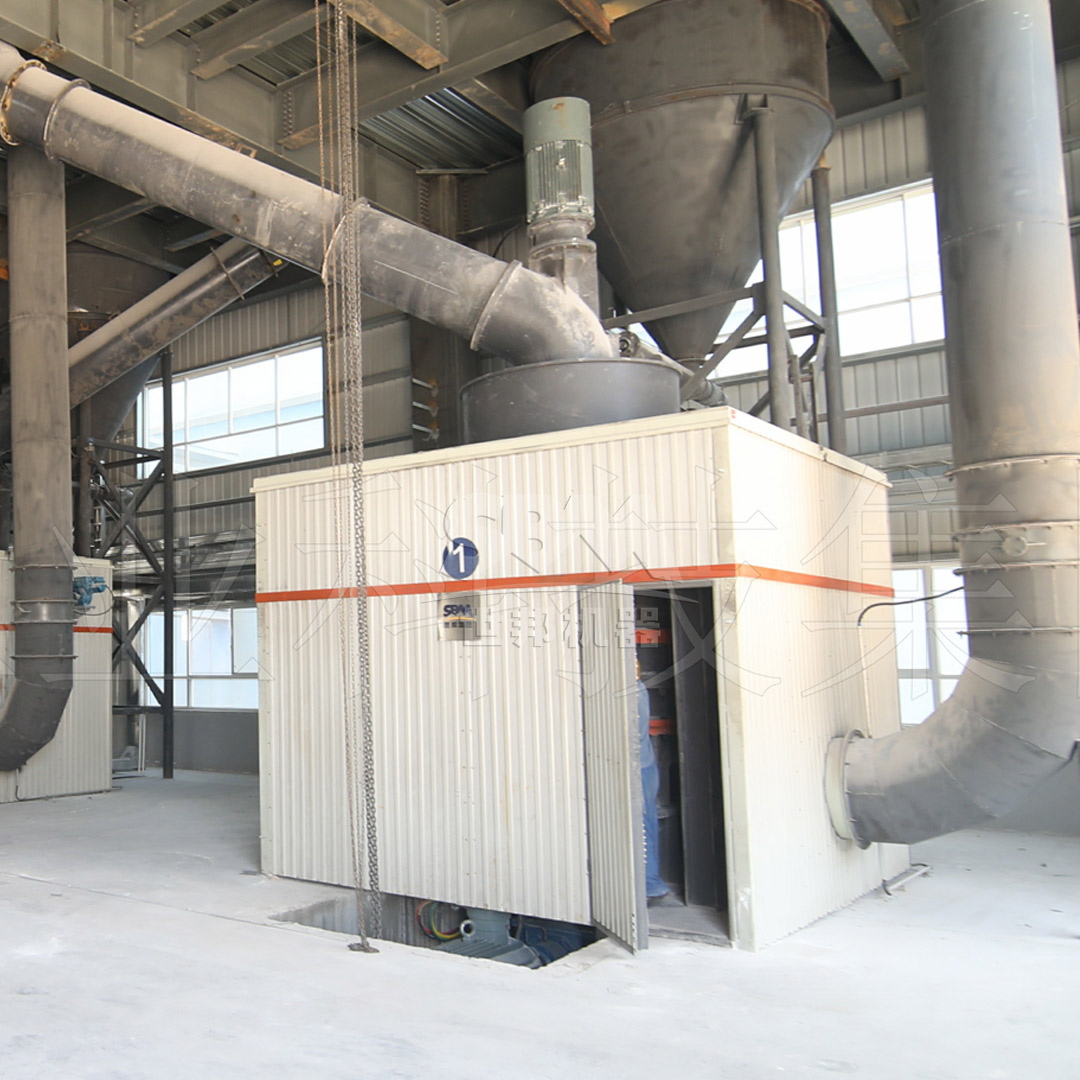
When the primary requirement is reliable 325 mesh production at medium to large capacity, the MTW Series European Trapezium Mill offers a proven, cost-effective solution. The MTW215G model delivers 15–45 t/h with a 280 kW main motor, while maintaining fineness adjustable from 10 to 325 mesh. Its optimized arc air duct reduces airflow energy loss, and the integral bevel gear drive achieves 98% transmission efficiency—both contributing to lower operating costs.
The anti-wear shovel design and curved grinding roller profile extend maintenance intervals, which is particularly valuable when processing secondary ash with variable abrasiveness. The wear-resistant volute structure reduces maintenance costs by up to 30%. For a 325 mesh secondary fly ash recycling plant with a capacity of 10–30 t/h, the MTW175G or MTW215G represents a robust, low-maintenance choice.
Beyond mill selection, successful 325 mesh secondary fly ash processing requires attention to the following:
Choosing the right grinding mill for 325 mesh secondary fly ash recycling depends on the specific balance of fineness requirements, capacity, energy costs, and maintenance resources. The SCM Series Ultrafine Mill excels in high-fineness, high-value applications where precise classification is paramount, while the MTW Series European Trapezium Mill offers dependable, efficient performance for medium-to-large recycling plants. By matching mill technology to the unique characteristics of secondary fly ash, operators can unlock the full value of this recovered resource while meeting the stringent quality and environmental standards of the modern construction materials industry.