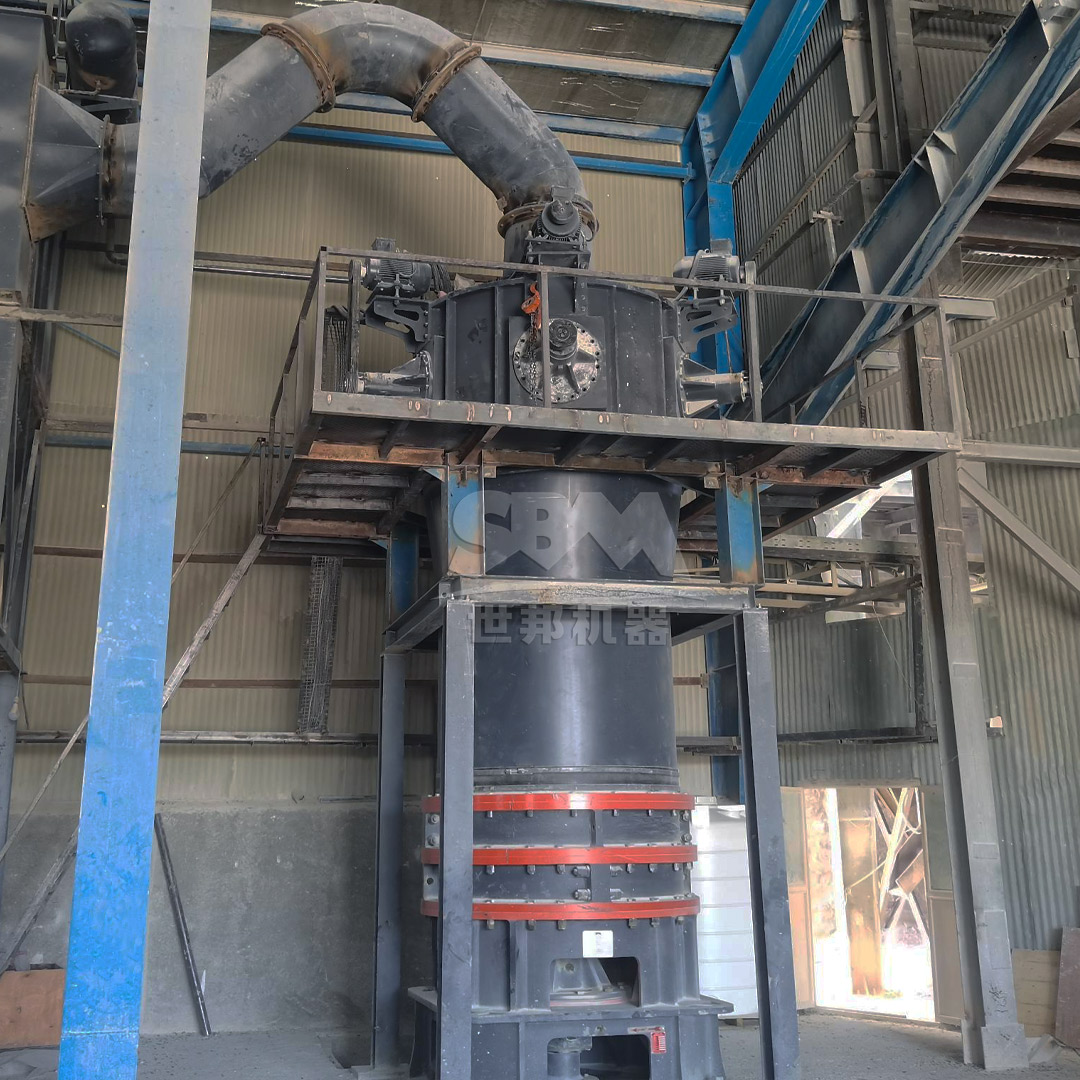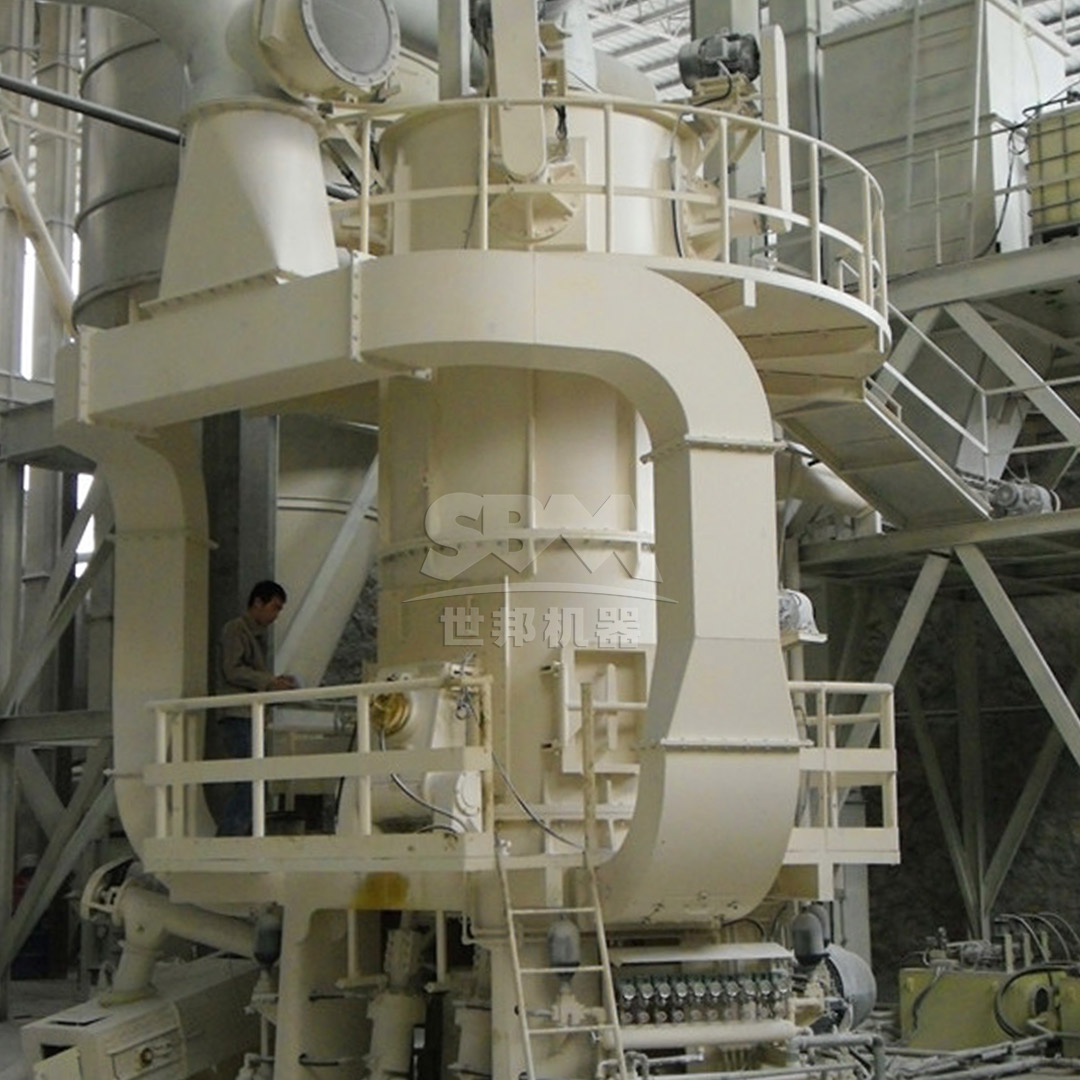
Fly ash, a byproduct of coal combustion in power plants, has become a valuable supplementary cementitious material in the construction industry. When processed to building material grade, fly ash can replace a portion of cement in concrete, improving workability, durability, and reducing carbon footprint. However, selecting the right grinding mill for fly ash processing is critical to achieving the desired fineness, capacity, and operational efficiency. This article provides a comprehensive guide to choosing the appropriate grinding equipment, with reference to our company’s proven product line, including the SCM Series Ultrafine Mill and the MTW Series European Trapezium Mill.
Building material grade fly ash typically requires a fineness ranging from 325 mesh to 2500 mesh (45μm to 5μm), depending on its application. Coarse fly ash (below 200 mesh) is unsuitable for high-performance concrete, while ultrafine fly ash (above 1000 mesh) enhances reactivity and strength. Therefore, the grinding mill must deliver precise particle size distribution, high classification efficiency, and consistent product quality. Additionally, fly ash is abrasive and can cause wear on grinding components, so durable materials and smart design are essential.
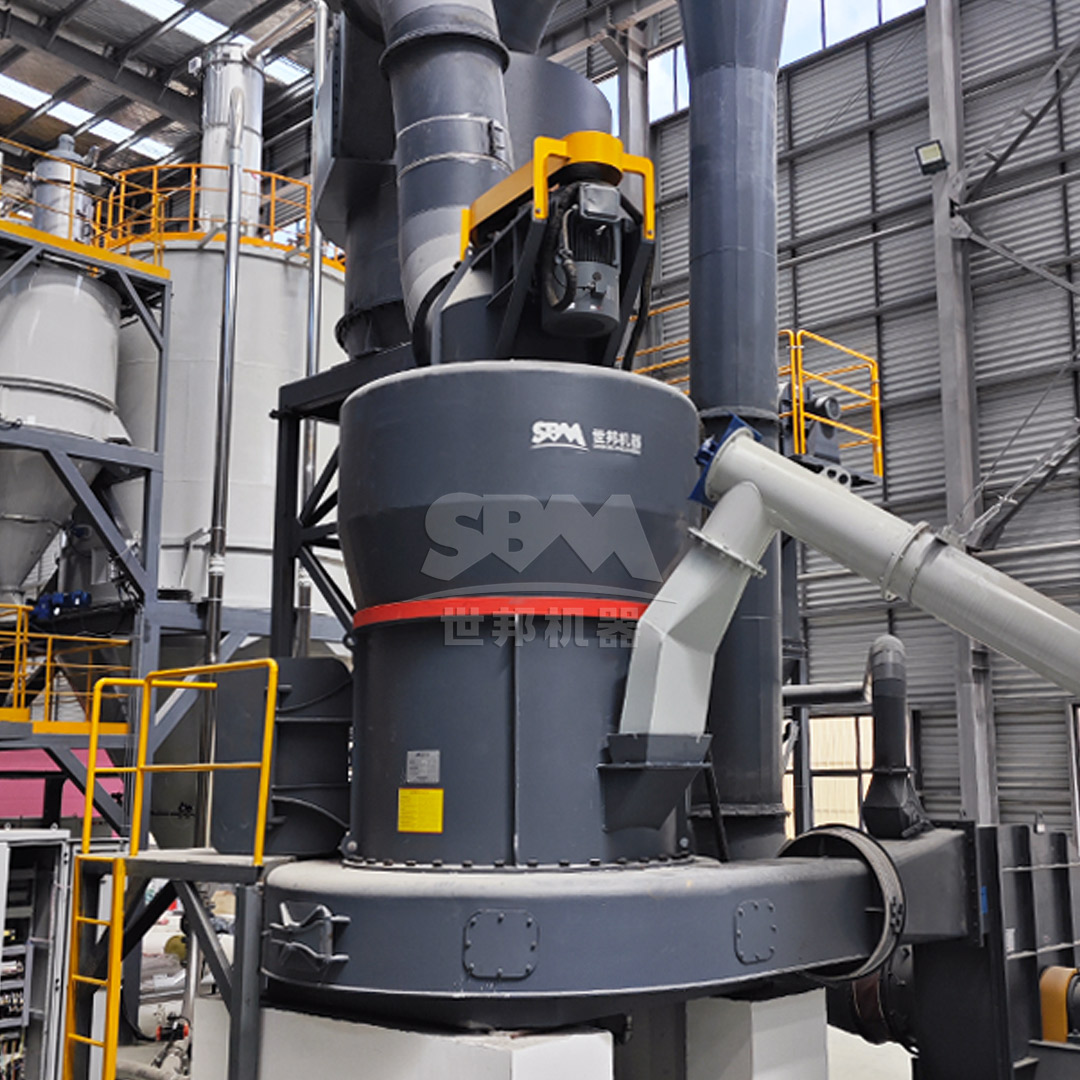
Before choosing a mill, consider the following parameters:
With these factors in mind, let’s explore two of our most recommended solutions for fly ash processing: the SCM Series Ultrafine Mill and the MTW Series European Trapezium Mill.
The SCM Series is a state-of-the-art ultrafine mill designed for producing building material grade fly ash with fineness from 325 to 2500 mesh. Its core advantages make it ideal for projects requiring high reactivity and uniform particle size.
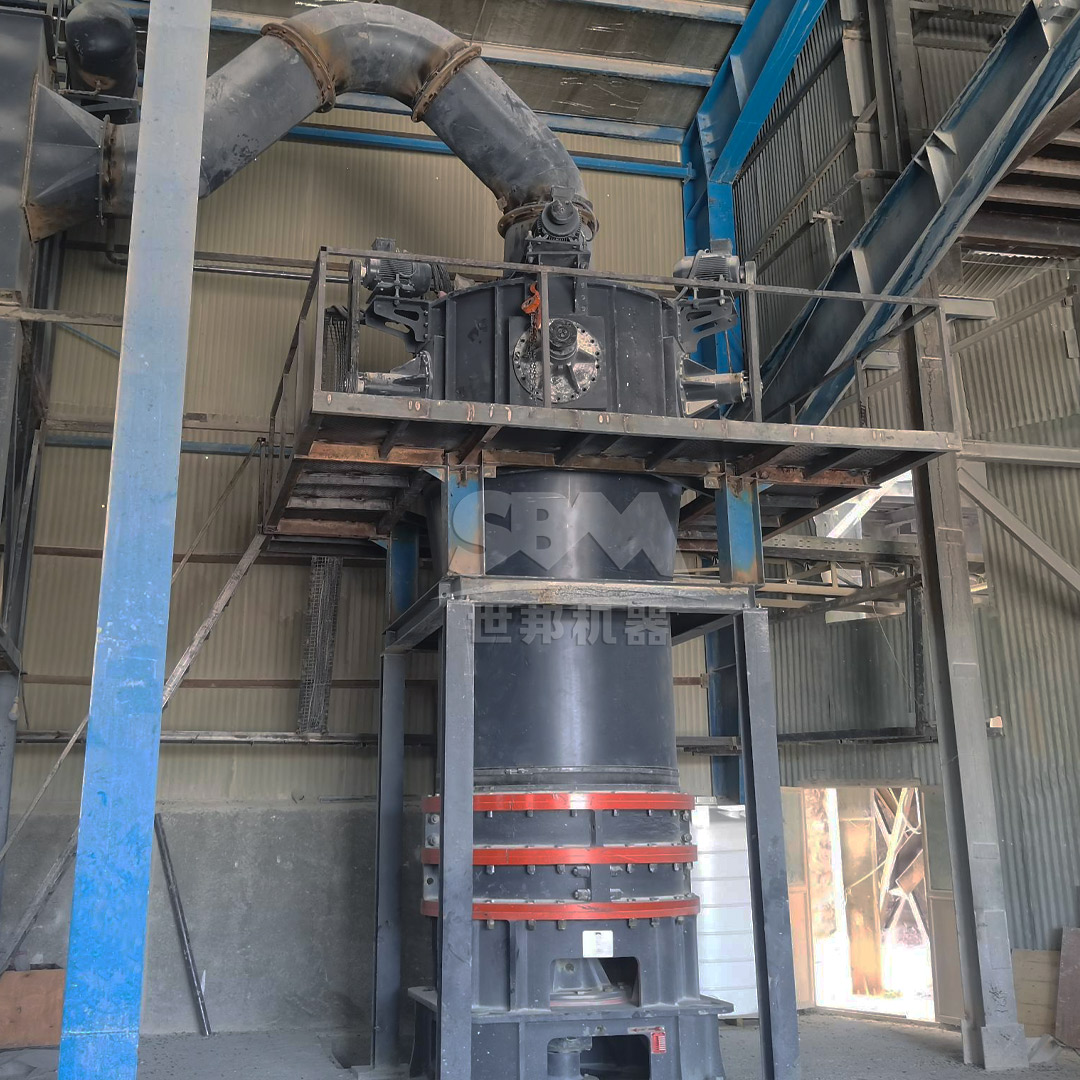
Technical Highlights:
Working Principle: The main motor drives three layers of grinding rings to rotate. Materials are dispersed into the grinding path by centrifugal force, crushed by roller pressure, and ground layer by layer. Finally, powder collection is completed by a cyclone collector and a pulse dust removal system.
Models & Specifications:
| Model | Capacity (t/h) | Main Power (kW) | Feed Size (mm) | Fineness (mesh) |
|---|---|---|---|---|
| SCM800 | 0.5-4.5 | 75 | 0-20 | 325-2500 |
| SCM900 | 0.8-6.5 | 90 | 0-20 | 325-2500 |
| SCM1000 | 1.0-8.5 | 132 | 0-20 | 325-2500 |
| SCM1250 | 2.5-14 | 185 | 0-20 | 325-2500 |
| SCM1680 | 5.0-25 | 315 | 0-20 | 325-2500 |
For projects requiring ultrafine fly ash (e.g., 1250 mesh or finer) at capacities up to 25 t/h, the SCM1680 model is an excellent choice. Its intelligent control and precise classification make it a reliable workhorse for building material grade fly ash production.
When the target fineness is in the range of 30-325 mesh (down to 0.038mm) and capacity requirements are higher (up to 45 t/h), the MTW Series European Trapezium Mill offers a perfect balance of performance and economy. It is particularly suitable for processing fly ash for use as a cement replacement in concrete blocks, mortar, and road base materials.
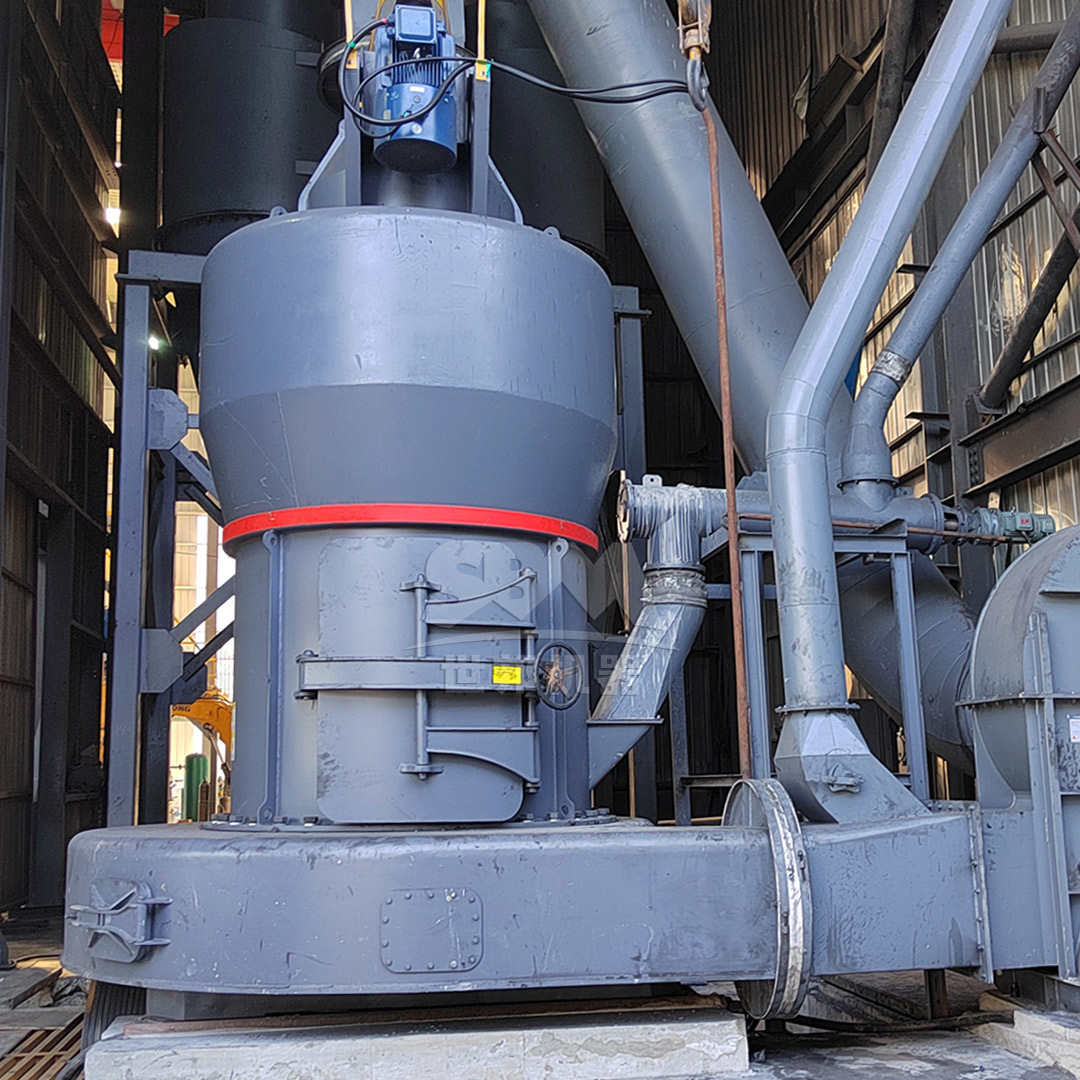
Technical Highlights:
Working Principle: The main motor drives the grinding rollers to revolve around the central axis while self-rotating to generate centrifugal force. Shovels throw materials between the ring and rollers to form a material layer, achieving efficient crushing through extrusion. The classification system precisely controls the finished product size.
Models & Specifications:
| Model | Capacity (t/h) | Main Power (kW) | Feed Size (mm) | Fineness (mesh) |
|---|---|---|---|---|
| MTW110 | 3-9 | 55 | <30 | 10-325 |
| MTW110Z | 3-10 | 55 | <30 | 10-325 |
| MTW138Z | 6-17 | 90 | <35 | 10-325 |
| MTW175G | 9.5-25 | 160 | <40 | 10-325 |
| MTW215G | 15-45 | 280 | <50 | 10-325 |
For a typical fly ash processing plant with a capacity of 20 t/h and a fineness of 400 mesh, the MTW175G model is a cost-effective solution. Its robust construction and low maintenance requirements make it a favorite among building material producers.
Both series have unique strengths. The SCM Series excels in ultrafine grinding (up to 2500 mesh) and offers superior particle size control, making it ideal for high-value applications such as high-performance concrete and specialty cement. The MTW Series, on the other hand, provides higher capacity at medium fineness (up to 325 mesh) with lower initial investment and simpler operation, suitable for bulk fly ash utilization in construction fills and blended cements. Your choice should align with your product portfolio and market demand.
Beyond the mill itself, consider auxiliary equipment: feeders, dust collectors, classifiers, and conveying systems. Our SCM and MTW mills can be integrated with pulse dust collection systems that exceed international emission standards. Also, evaluate the total cost of ownership, including energy, wear parts, and maintenance labor. Both series are designed for low operational cost, but the SCM’s intelligent control may reduce manual intervention in the long run.
Selecting the right grinding mill for building material grade fly ash is a strategic decision that impacts product quality, operational efficiency, and profitability. The SCM Series Ultrafine Mill and MTW Series European Trapezium Mill from our company represent two proven, high-performance solutions tailored to different fineness and capacity requirements. By carefully assessing your project’s target fineness, capacity, and budget, you can choose the mill that best suits your needs. For personalized recommendations and technical support, please contact our engineering team—we are committed to helping you achieve optimal fly ash processing results.