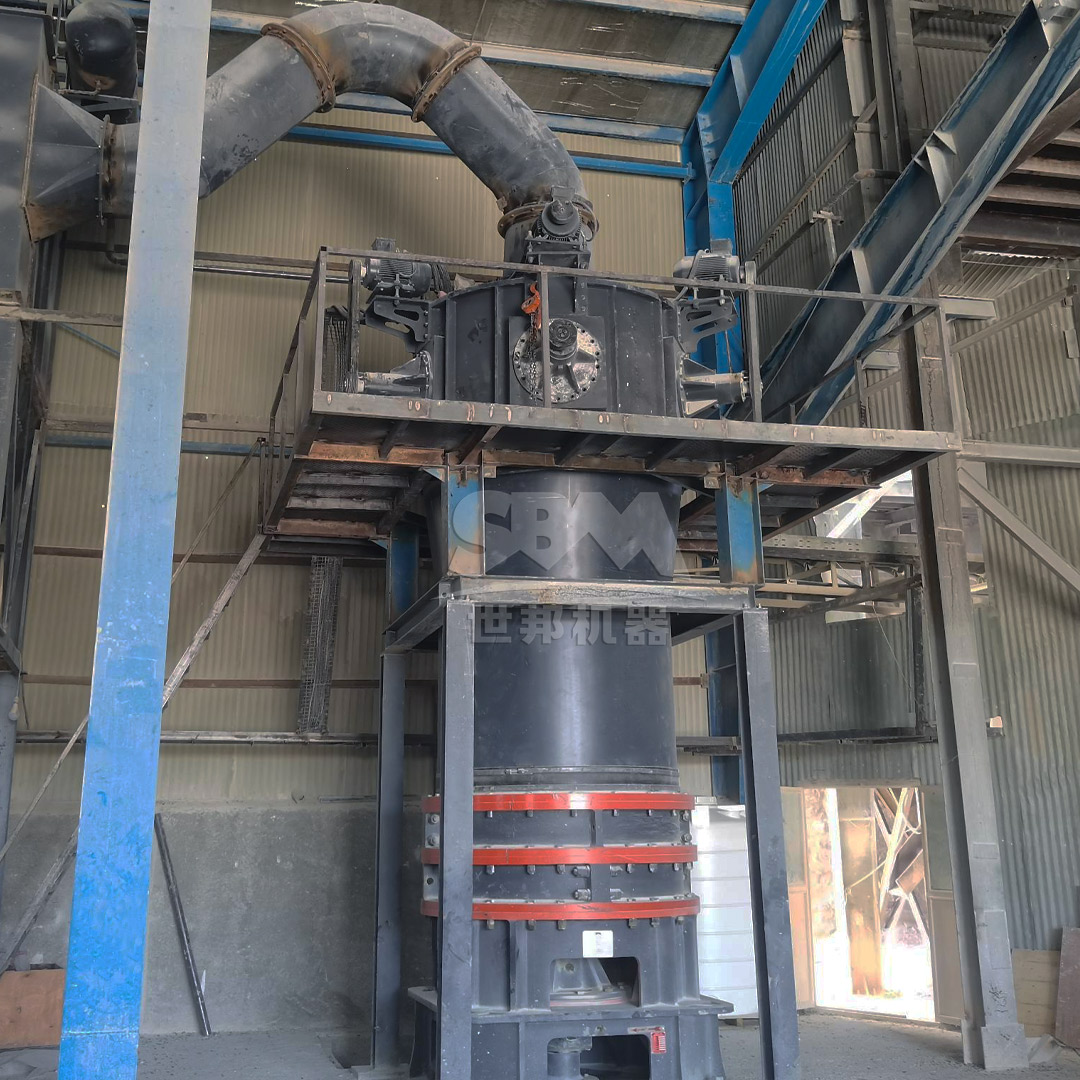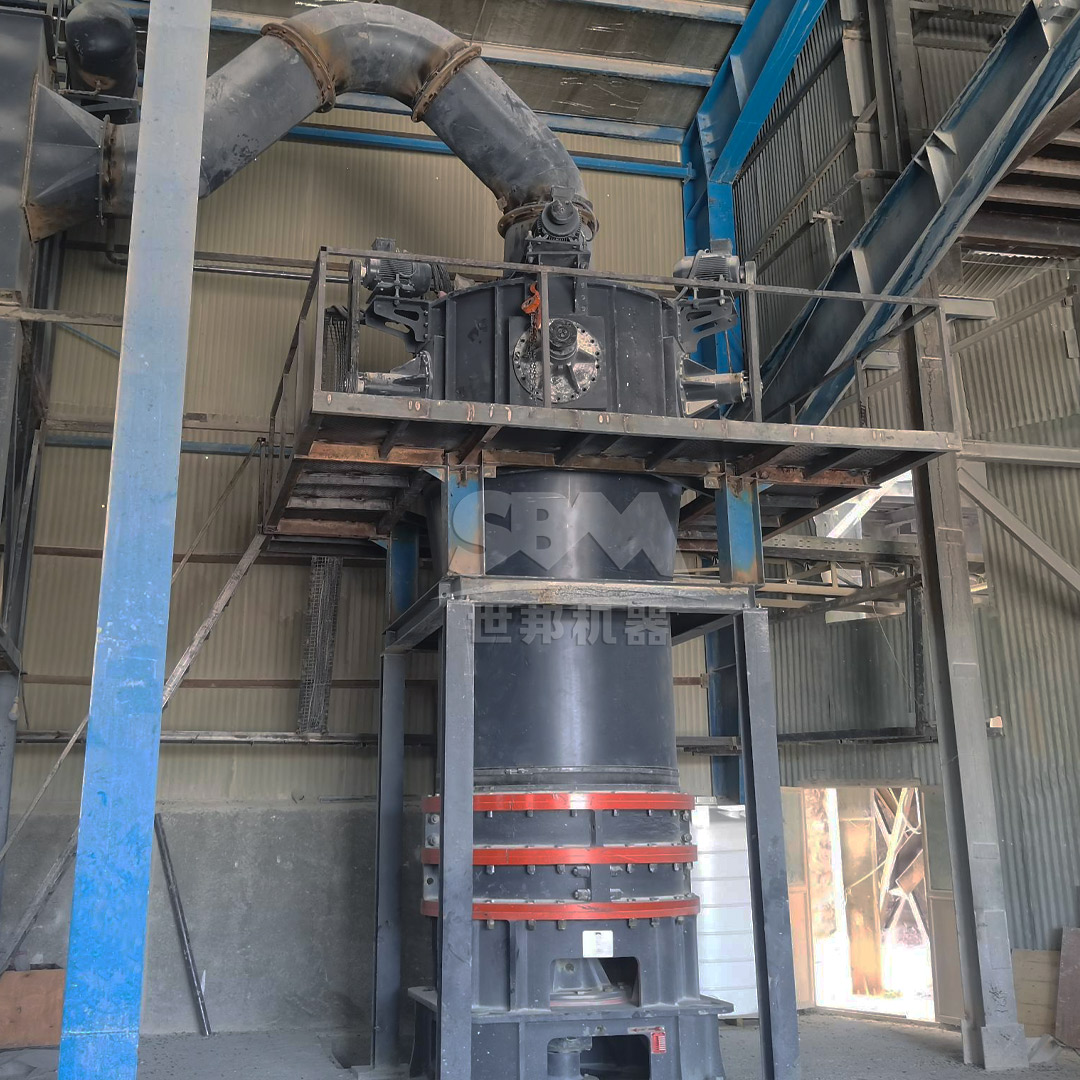
Fly ash, a byproduct of coal combustion in power plants, has become an indispensable mineral admixture in modern concrete production. Its pozzolanic properties improve concrete durability, reduce permeability, and lower the heat of hydration, while also offering significant environmental and economic benefits. However, to fully harness the advantages of fly ash, it must be processed to the appropriate fineness and quality. Choosing the right fly ash processing equipment is therefore a critical decision for any concrete producer or admixture manufacturer.
This complete buyer’s guide walks you through the key factors to consider when selecting fly ash grinding equipment, compares different mill technologies, and highlights how our company’s advanced milling solutions can help you achieve optimal results.
Raw fly ash typically contains coarse particles, unburned carbon, and inconsistent fineness, which can adversely affect concrete performance. Grinding and classifying fly ash to a controlled fineness (usually 325–700 mesh or 45–20μm) enhances its reactivity, improves workability, and ensures compliance with standards such as ASTM C618 and EN 450. Proper processing also allows for higher replacement ratios of cement, reducing costs and carbon footprint.
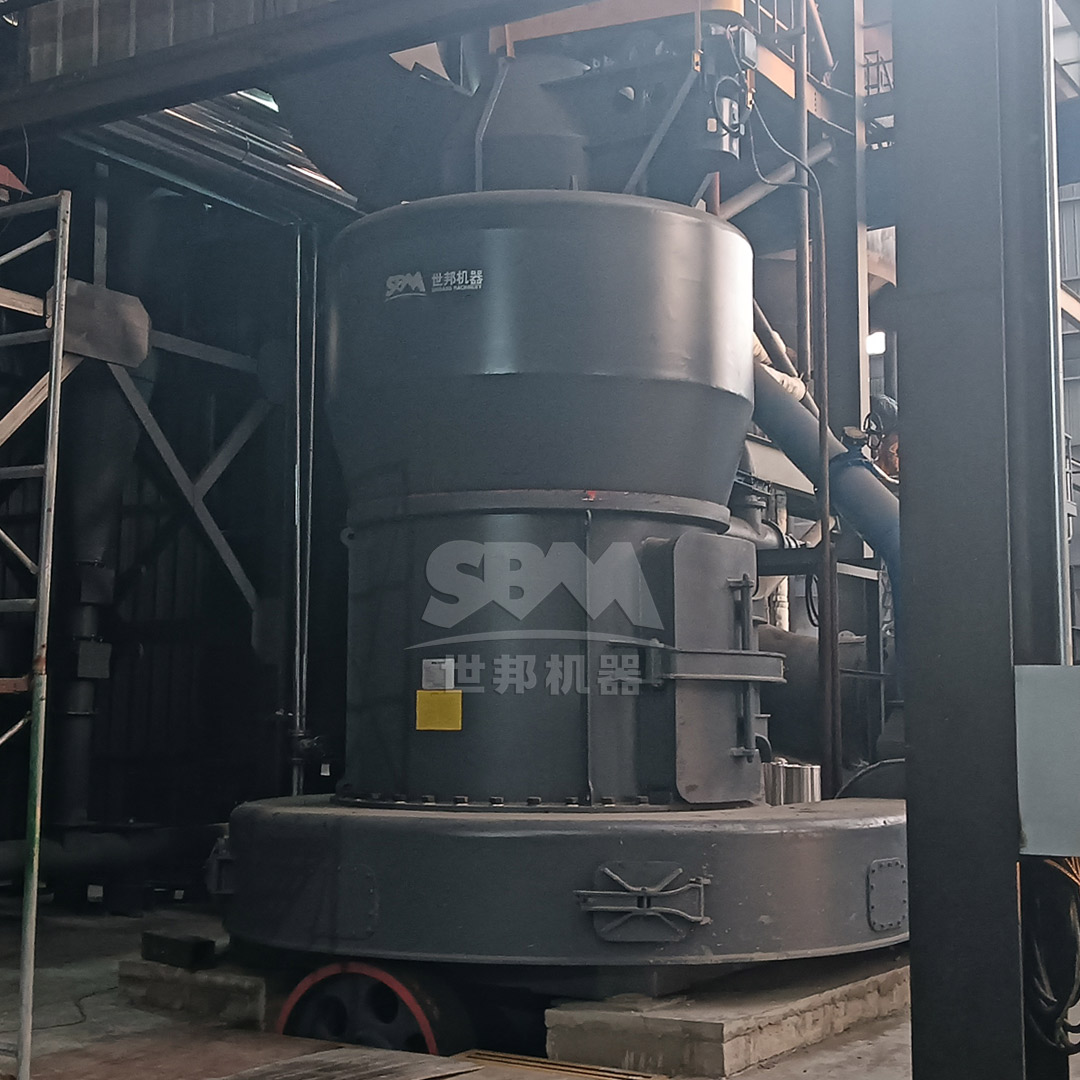
Figure 1: A typical fly ash processing plant layout
The target fineness determines the type of mill. For concrete admixtures, fly ash is commonly ground to 325–500 mesh (45–25μm) or finer. Capacity requirements vary from small-scale (a few tons per hour) to large industrial operations (tens of tons per hour). Matching mill capacity to your production needs avoids over- or under-investment.
Different mill types offer distinct advantages. Vertical roller mills are energy-efficient and compact, ideal for large capacities. Ultrafine mills achieve very fine products but may have lower throughput. Trapezium mills balance performance and cost for medium-scale operations. Consider specific energy consumption, wear part life, and maintenance requirements.
Precise particle size classification is crucial for consistent product quality. A mill with an efficient dynamic classifier ensures no coarse particles contaminate the finished product, which is essential for meeting stringent concrete admixture specifications.
Fly ash processing generates dust and noise. Choose equipment with integrated pulse-jet dust collection, negative pressure operation, and soundproofing to meet environmental regulations and ensure a safe workplace.
Beyond the initial purchase price, evaluate energy consumption, wear part replacement frequency, maintenance labor, and downtime. Durable designs with long-lasting wear parts and intelligent controls reduce operating costs over the equipment’s lifespan.
Select a supplier with extensive experience in fly ash processing, offering test facilities, installation support, and reliable after-sales service. References from similar projects are invaluable.
| Mill Type | Fineness Range | Capacity Range | Key Advantages | Typical Applications |
|---|---|---|---|---|
| SCM Ultrafine Mill | 325–2500 mesh | 0.5–25 t/h | High efficiency, precise classification, low noise | Ultrafine admixtures, high-performance concrete |
| MTW European Trapezium Mill | 30–325 mesh | 3–45 t/h | Anti-wear design, optimized air duct, bevel gear drive | General fly ash grinding, medium-scale production |
| LM Vertical Roller Mill | 30–325 mesh (up to 600) | 3–250 t/h | Integrated design, low operating cost, intelligent control | Large-scale fly ash processing, cement blending |
| MTM Medium-speed Trapezium Mill | 45–325 mesh | 3–22 t/h | Intelligent pressure regulation, damping design | Medium-fine fly ash, cost-sensitive projects |
| Ball Mill | 0.074–0.8 mm | 0.65–450 t/h | Wide application, high crushing ratio | Coarse grinding, combined grinding circuits |
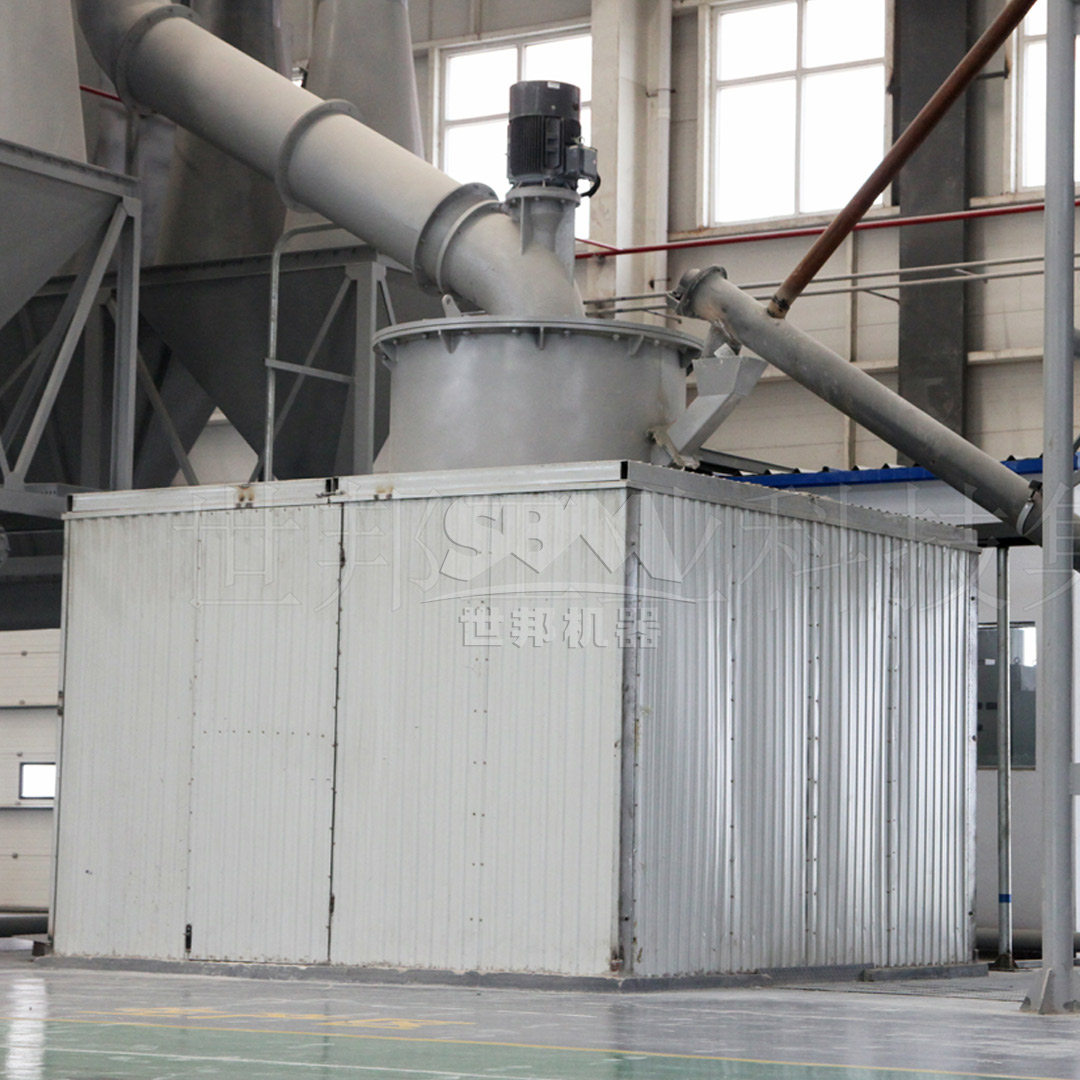
Figure 2: SCM Series Ultrafine Mill – ideal for high-performance fly ash admixtures
When ultrafine fly ash (e.g., 800–1250 mesh) is required for high-performance concrete or specialty admixtures, the SCM Series Ultrafine Mill is an excellent choice. With its vertical turbine classifier, it achieves precise particle size cutting, ensuring no coarse powder mixing. The mill’s high efficiency (2x that of jet mills) and 30% lower energy consumption translate to significant operational savings. Models range from SCM800 (0.5–4.5 t/h) to SCM1680 (5–25 t/h), covering diverse production scales. The eco-friendly design with pulse dust collection and soundproofing aligns with modern environmental standards.
For large-scale fly ash processing (up to 250 t/h), the LM Series Vertical Roller Mill offers unparalleled efficiency and reliability. Its integrated crushing, grinding, and classification system reduces floor space by 50% and infrastructure costs by 40%. The non-contact roller-table design extends wear part life by three times, while energy consumption is 30–40% lower than ball mill systems. Intelligent control enables remote monitoring and automatic adjustments, ensuring consistent product quality with minimal manual intervention. The LM Series is particularly suited for cement plants and admixture producers requiring high throughput and low operating costs.
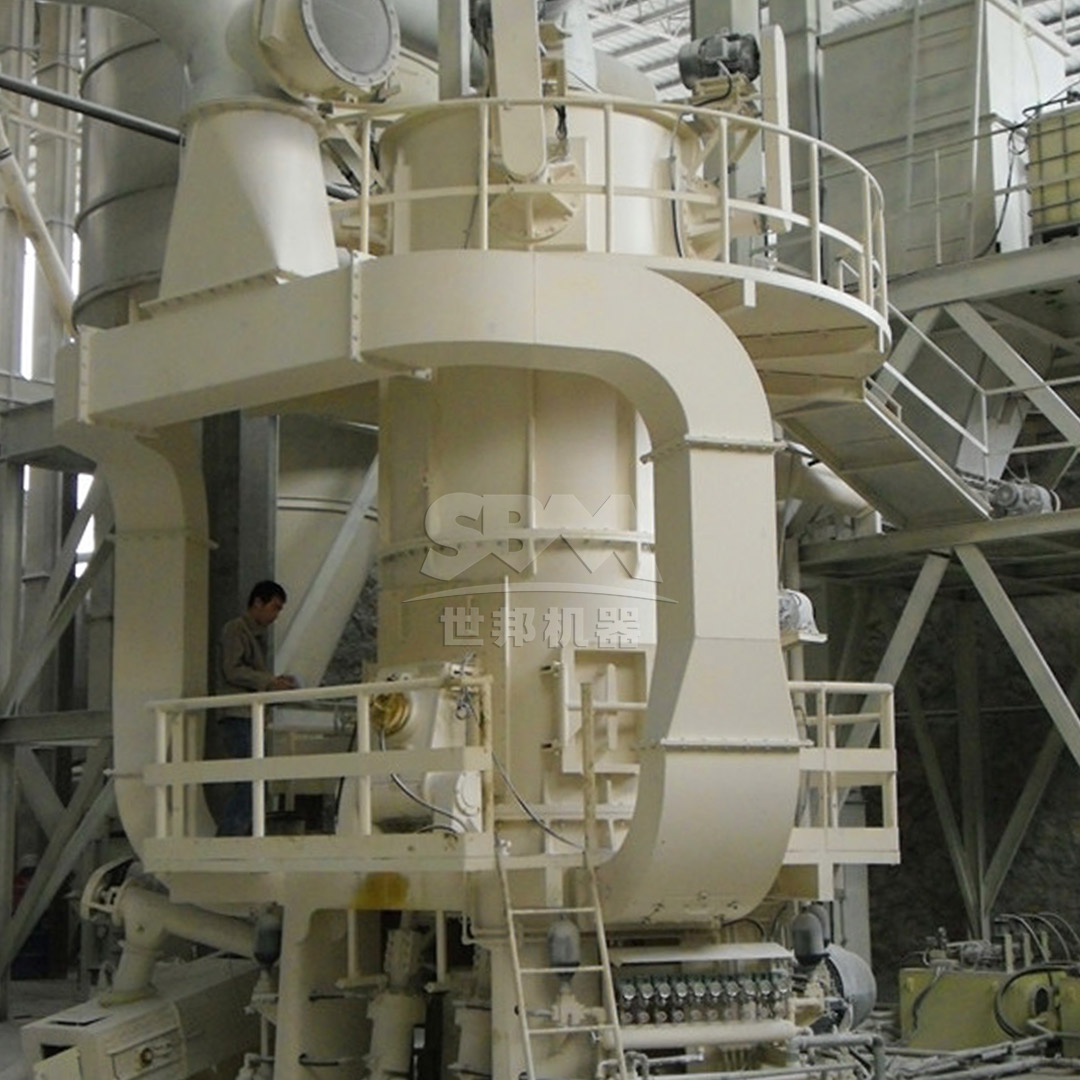
Figure 3: LM Series Vertical Roller Mill – high-capacity solution for fly ash grinding
Proper installation and maintenance are key to maximizing equipment lifespan and performance. Ensure the mill is installed on a stable foundation with adequate vibration isolation. Regular inspection of wear parts (rollers, rings, liners) and timely replacement prevent unexpected downtime. Implement a preventive maintenance schedule and train operators on the control system. For ultrafine mills, maintaining optimal airflow and classifier speed is critical for product consistency.
Selecting the right fly ash processing equipment requires careful evaluation of fineness requirements, capacity, technology, environmental compliance, and total cost of ownership. Our company offers a comprehensive range of mills—from the precise SCM Ultrafine Mill to the high-capacity LM Vertical Roller Mill—to meet every fly ash processing need. By choosing the appropriate equipment and partnering with an experienced manufacturer, you can produce high-quality fly ash admixtures that enhance concrete performance, reduce costs, and contribute to sustainable construction practices.
For more information on our fly ash processing solutions or to discuss your specific requirements, please contact our technical team today.