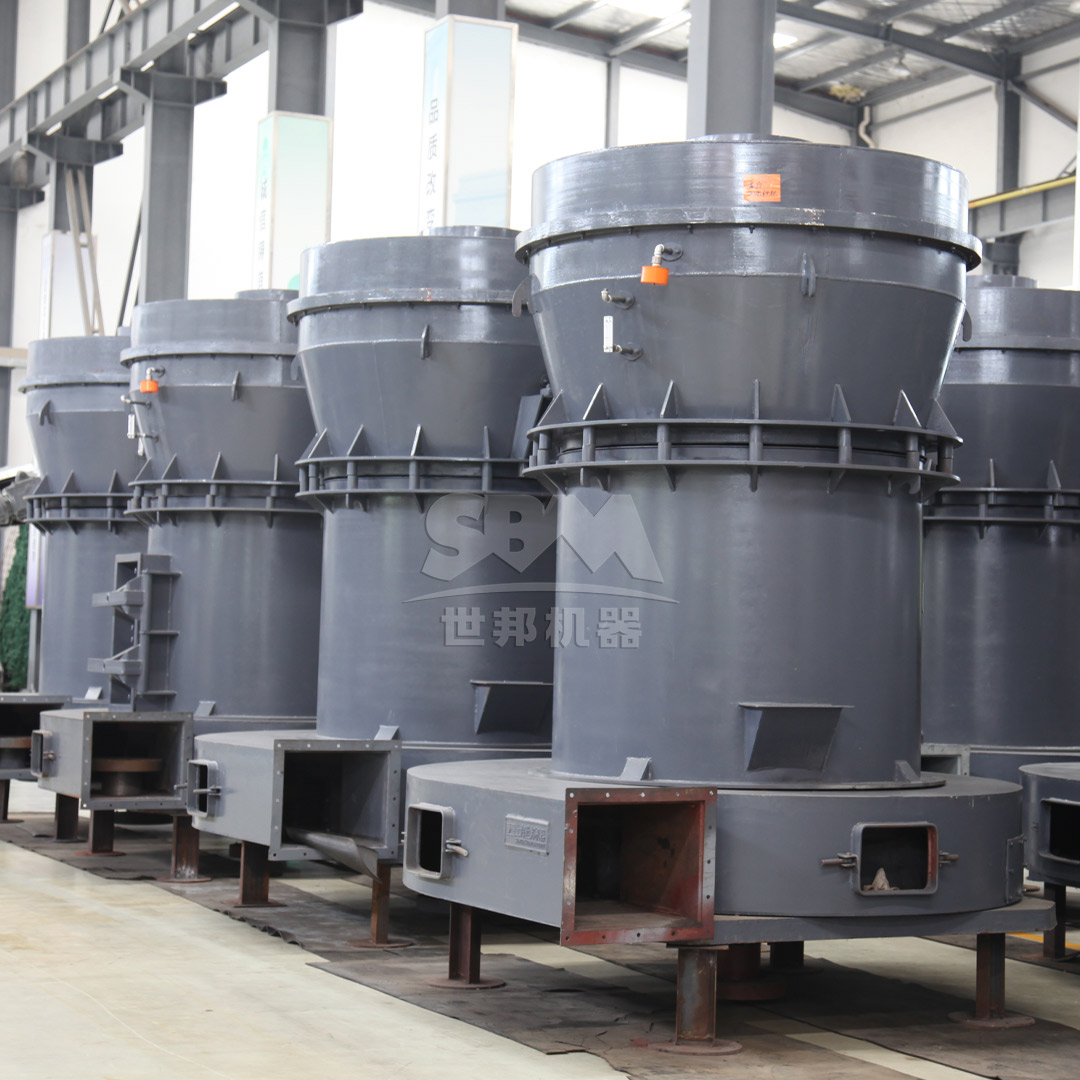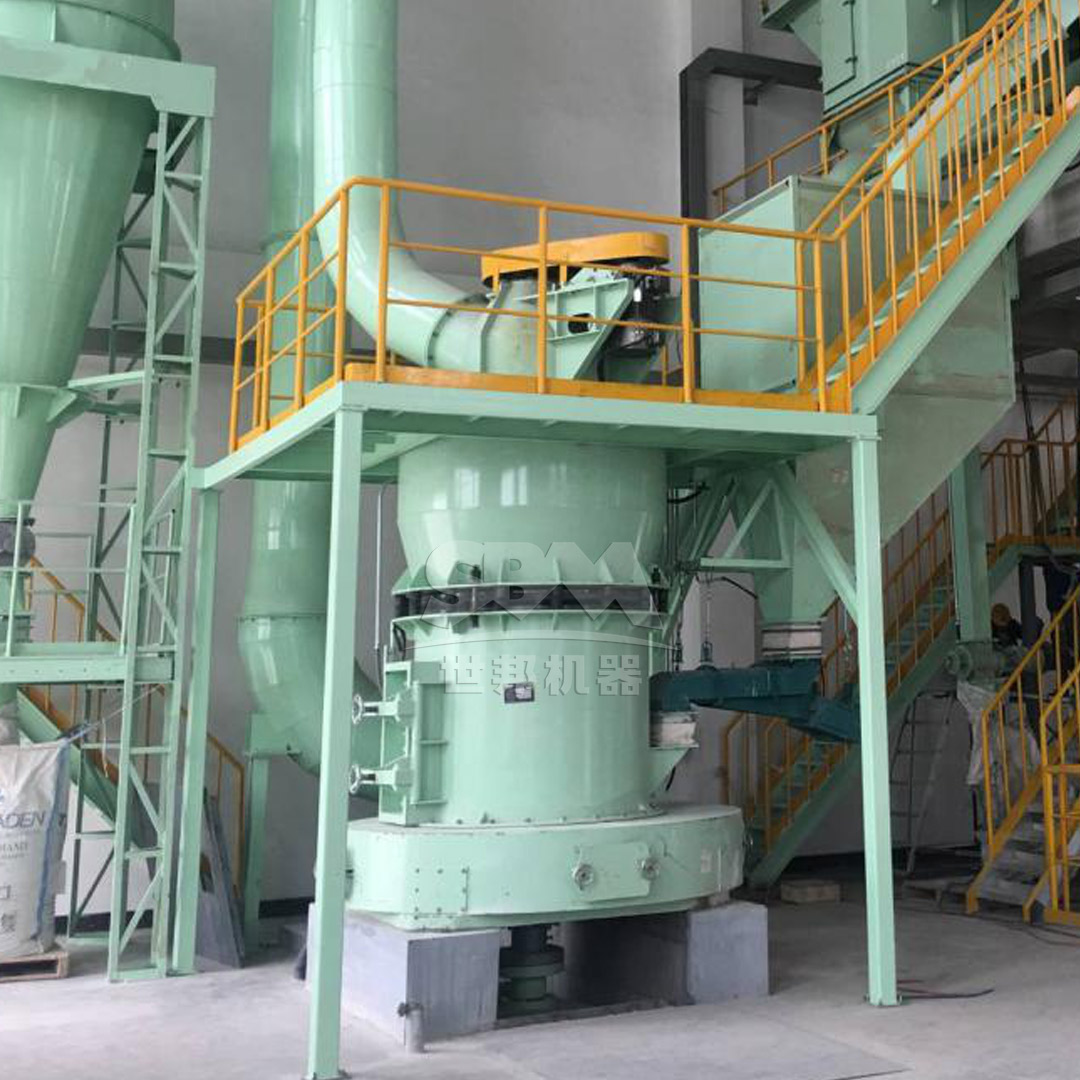
Quartz stone is a critical raw material in the refractory industry, prized for its high thermal stability, chemical inertness, and mechanical strength. However, transforming raw quartz into refractory-grade powders requires precise processing equipment that can handle the material’s extreme hardness and abrasiveness while delivering consistent particle size distributions. For buyers, selecting the right quartz stone processing equipment is a strategic decision that impacts product quality, operational efficiency, and long-term profitability. This article outlines the key factors buyers should consider and highlights two proven solutions from our portfolio: the SCM Series Ultrafine Mill and the MTW Series European Trapezium Mill.
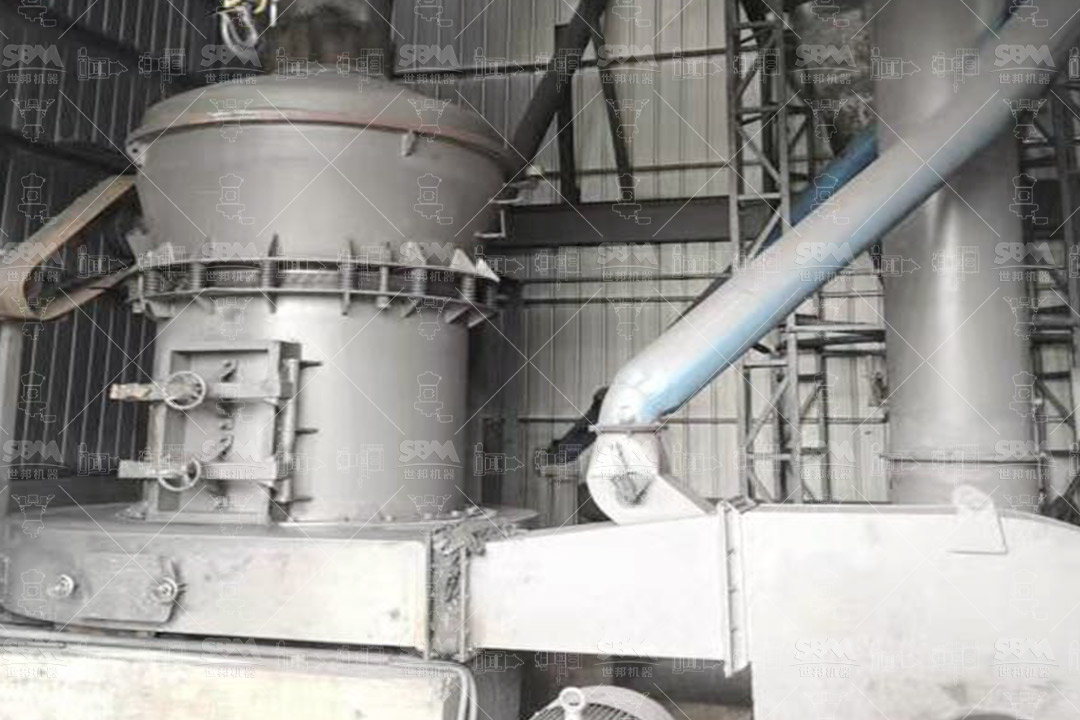
Quartz (SiO2) content in refractory materials often exceeds 90%, requiring grinding to fine or ultrafine sizes to achieve optimal packing density and sintering behavior. Refractory bricks, castables, and monolithic linings demand quartz powders with controlled granulometry—typically in the range of 45 μm to 500 μm, and sometimes down to 5 μm for advanced ultrafine refractories. The equipment must therefore deliver reliable fineness control, high purity (minimal iron contamination), and high throughput to meet production targets.
Quartz ranks 7 on the Mohs scale, making it highly abrasive. Equipment components in contact with the material—rollers, rings, liners, and shovels—must be manufactured from wear-resistant alloys or ceramics. Buyers should evaluate the expected wear part life and the cost per ton of wear compensation. Our SCM Series Ultrafine Mill features special material rollers and rings that extend service life several times over, reducing downtime and maintenance costs.
Refractory formulations often specify tight particle size distributions to optimize packing density. Equipment must achieve precise classification with minimal coarse particle contamination. The SCM Series employs a vertical turbine classifier that ensures precise particle size cutting, with no coarse powder mixing, guaranteeing uniform finished products from 325 to 2500 mesh. For applications requiring coarser sizes (30-325 mesh), the MTW Series European Trapezium Mill offers reliable performance with its optimized classifier system.
Production scale varies from small specialty refractory shops to large integrated plants. Buyers should select equipment with capacity ranges that match current demand and allow for future expansion. The SCM Series offers capacities from 0.5 to 25 t/h across five models, while the MTW Series covers 3 to 45 t/h with eight models. This scalability ensures a right-sized solution without over-investment.
Grinding is energy-intensive, and quartz’s hardness exacerbates power consumption. High-efficiency mills can significantly reduce operating costs. The SCM Series delivers capacity twice that of jet mills with 30% lower energy consumption, thanks to its intelligent control and automatic granulometry feedback. The MTW Series features an integral bevel gear drive with transmission efficiency up to 98%, and its optimized arc air duct reduces airflow energy loss.
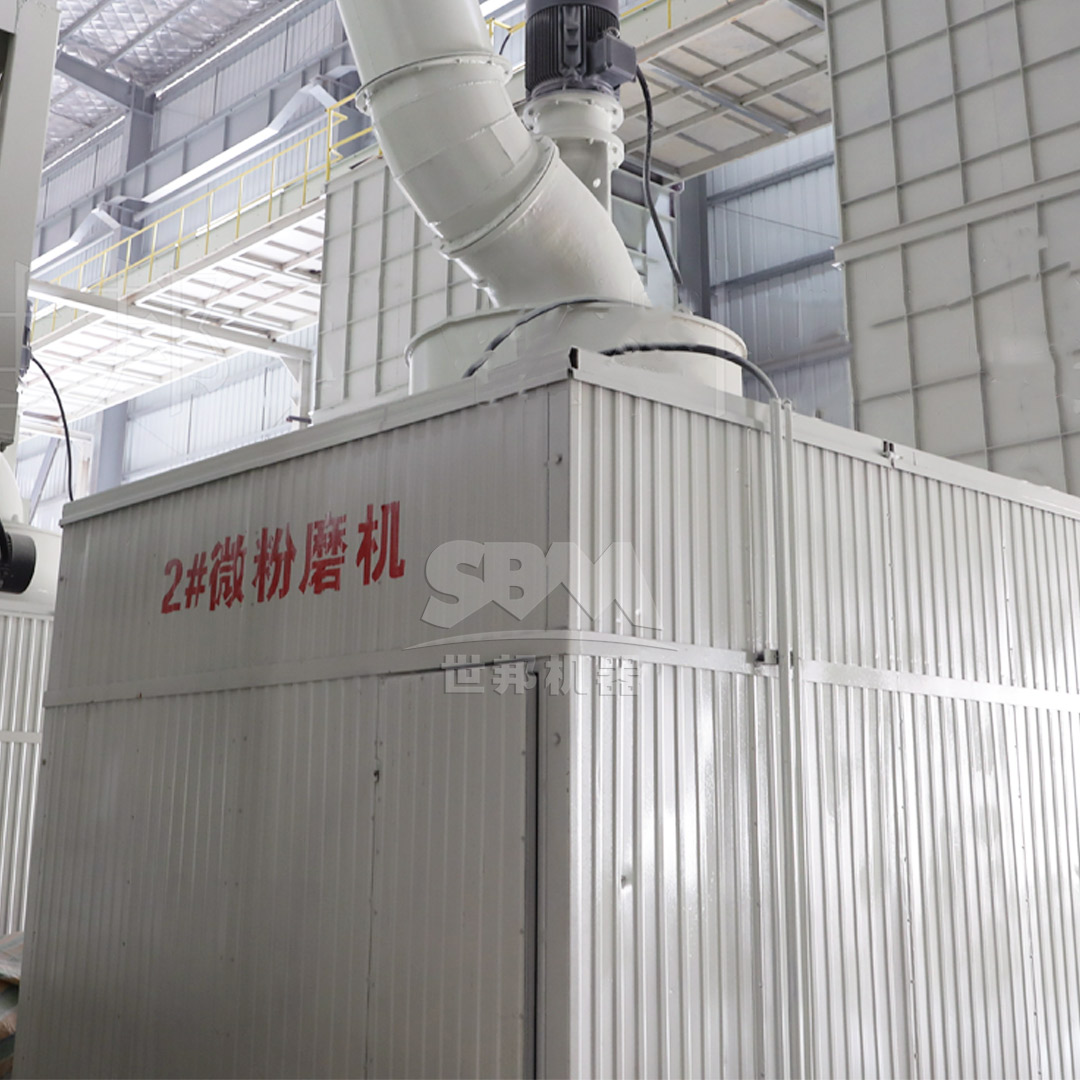
Quartz processing generates fine dust that poses health and environmental risks. Equipment must incorporate effective dust collection systems. The SCM Series uses pulse dust collection with efficiency exceeding international standards, and its soundproof room design ensures low noise levels. The MTW Series offers multi-stage dust collection options and emissions that exceed national standards, ensuring regulatory compliance.
Refractory production lines operate continuously; unplanned downtime is costly. Equipment should be designed for easy maintenance with quick-change wear parts and robust construction. The MTW Series anti-wear shovel design reduces maintenance costs, and its wear-resistant volute structure cuts maintenance costs by 30%. The SCM Series shaftless screw grinding chamber ensures stable operation and simplifies maintenance access.
Modern processing plants benefit from intelligent controls that optimize grinding parameters in real time. The SCM Series offers intelligent control with automatic finished product granularity feedback, reducing operator intervention. The MTW Series can be equipped with advanced control systems for remote monitoring and adjustment.
For refractory manufacturers requiring ultrafine quartz powders (325-2500 mesh), the SCM Series Ultrafine Mill is an ideal choice. Its high-precision classification, energy efficiency, and durable design make it suitable for producing high-performance refractory castables and precast shapes. Key specifications include:
| Model | Capacity (t/h) | Main Power (kW) | Feed Size (mm) | Fineness (mesh) |
|---|---|---|---|---|
| SCM800 | 0.5-4.5 | 75 | 0-20 | 325-2500 |
| SCM900 | 0.8-6.5 | 90 | 0-20 | 325-2500 |
| SCM1000 | 1.0-8.5 | 132 | 0-20 | 325-2500 |
| SCM1250 | 2.5-14 | 185 | 0-20 | 325-2500 |
| SCM1680 | 5.0-25 | 315 | 0-20 | 325-2500 |
The SCM Series also features eco-friendly pulse dust collection and noise-reduction enclosures, making it a responsible choice for sustainable operations.
For refractory applications requiring coarser quartz powders (30-325 mesh) at higher capacities, the MTW Series European Trapezium Mill offers an excellent balance of performance and cost-efficiency. Its anti-wear shovel design and optimized air duct reduce maintenance and energy costs, while the integral bevel gear drive ensures reliable transmission. Selected models include:
| Model | Capacity (t/h) | Main Power (kW) | Feed Size (mm) | Fineness (mesh) |
|---|---|---|---|---|
| MTW110 | 3-9 | 55 | <30 | 10-325 |
| MTW138Z | 6-17 | 90 | <35 | 10-325 |
| MTW175G | 9.5-25 | 160 | <40 | 10-325 |
| MTW215G | 15-45 | 280 | <50 | 10-325 |
With patented technology including an internal suction oil lubrication system and internationally advanced pulse dust removal, the MTW Series is a reliable workhorse for refractory quartz processing.
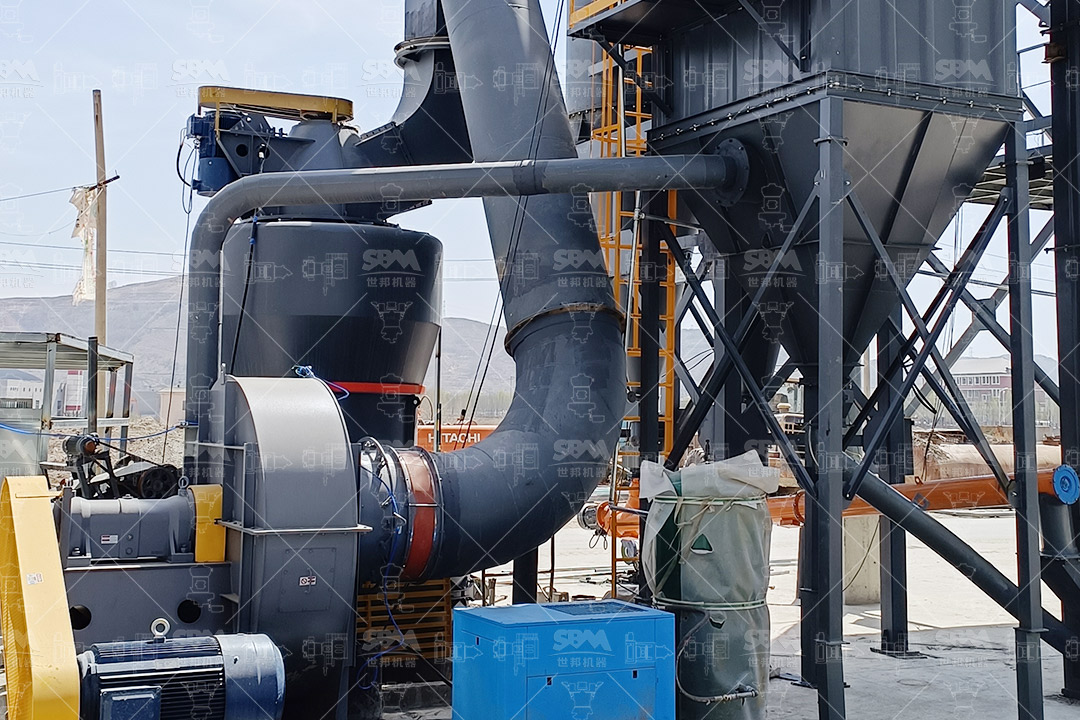
Choosing quartz stone processing equipment for refractory materials requires careful evaluation of material characteristics, fineness requirements, capacity needs, energy efficiency, environmental compliance, and maintenance considerations. By partnering with a supplier that offers a range of proven solutions—such as our SCM Series Ultrafine Mill and MTW Series European Trapezium Mill—buyers can optimize their production lines for quality, cost, and sustainability. We invite you to consult our technical team to select the ideal equipment for your specific refractory application.