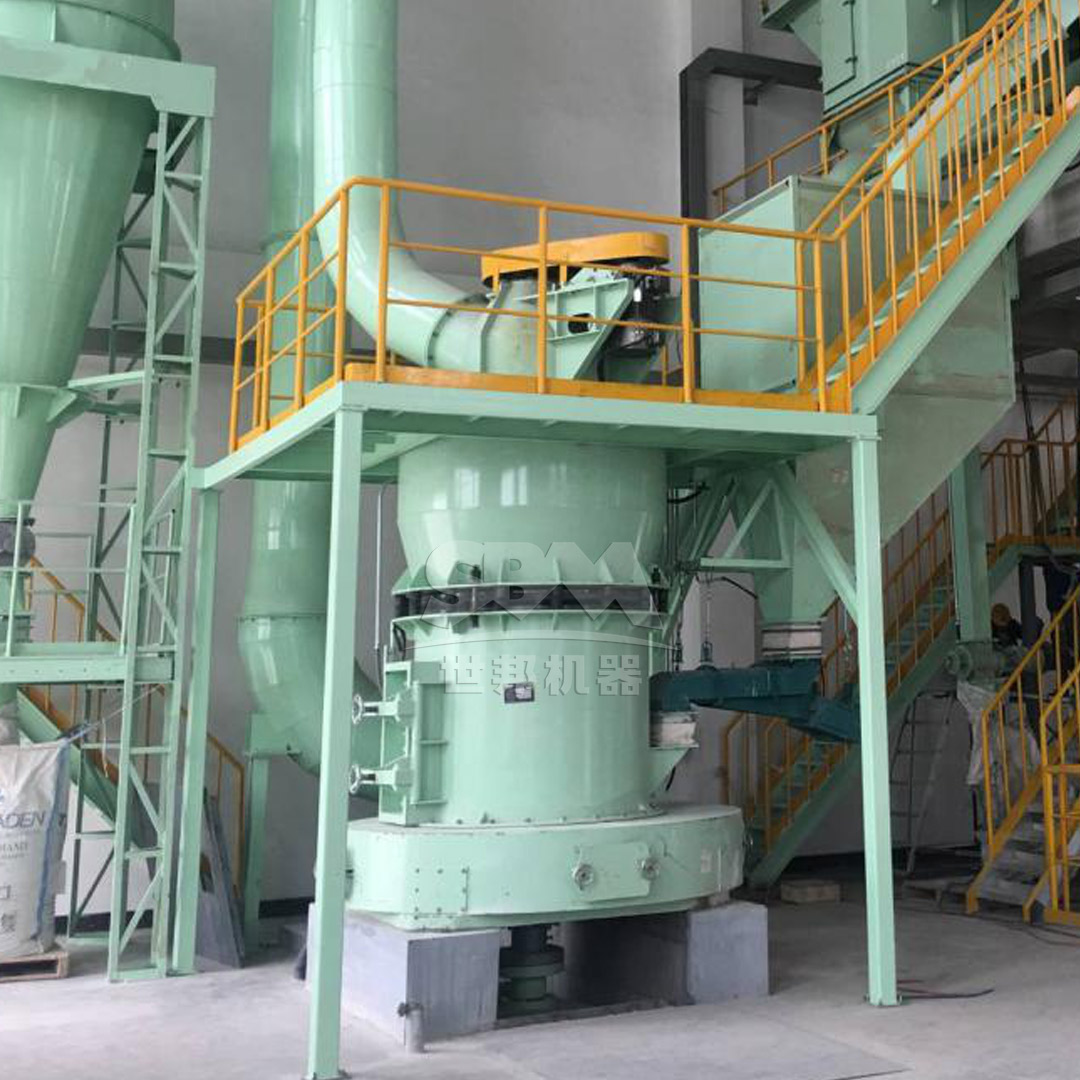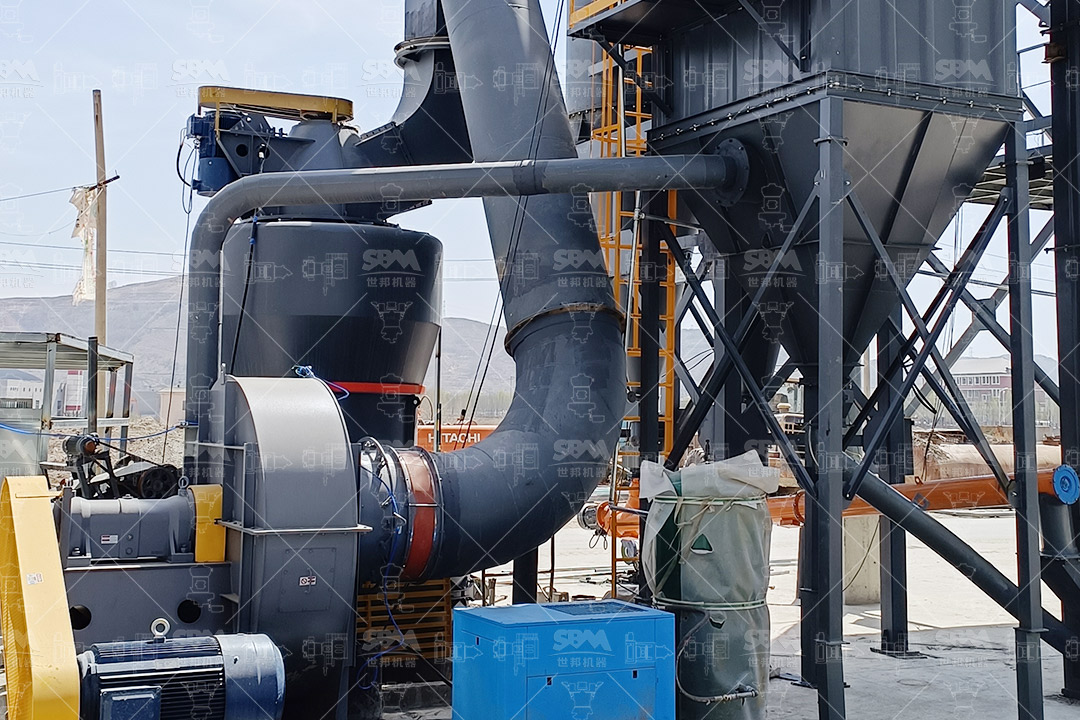
In the production of ferrosilicon, quartz (SiO₂) is a critical raw material, typically accounting for 30–40% of the charge mix. The smelting process demands high-purity quartz with a precise particle size distribution to ensure optimal furnace operation, energy efficiency, and alloy quality. Selecting the right grinding mill for quartz processing is therefore a strategic decision that directly impacts your furnace’s productivity and cost structure. This article provides a comprehensive guide to choosing the appropriate grinding equipment, based on the specific requirements of ferrosilicon smelting, and highlights two exceptional solutions from our product portfolio: the LM Series Vertical Roller Mill and the MTW Series European Trapezium Mill.
Quartz is reduced by carbon (coke) in a submerged arc furnace to produce ferrosilicon. The reaction kinetics and furnace permeability are highly sensitive to the quartz particle size. If the quartz is too coarse, the reduction reaction becomes sluggish, leading to high energy consumption and poor silicon recovery. If the quartz is too fine, it can cause poor gas permeability in the charge, resulting in erratic furnace operation, electrode breakage, and increased dust generation. Typically, the optimal quartz size for ferrosilicon furnaces ranges from 10 mm to 50 mm, but fines below 5 mm are generally undesirable. However, in some advanced processes, quartz is ground to finer sizes (e.g., 100–500 μm) for pelletizing or briquetting before charging, which improves reactivity and furnace stability. Therefore, the grinding mill must be capable of delivering a consistent product with minimal over-grinding and precise size control.
When choosing a grinding mill for quartz processing in ferrosilicon smelting, consider the following factors:
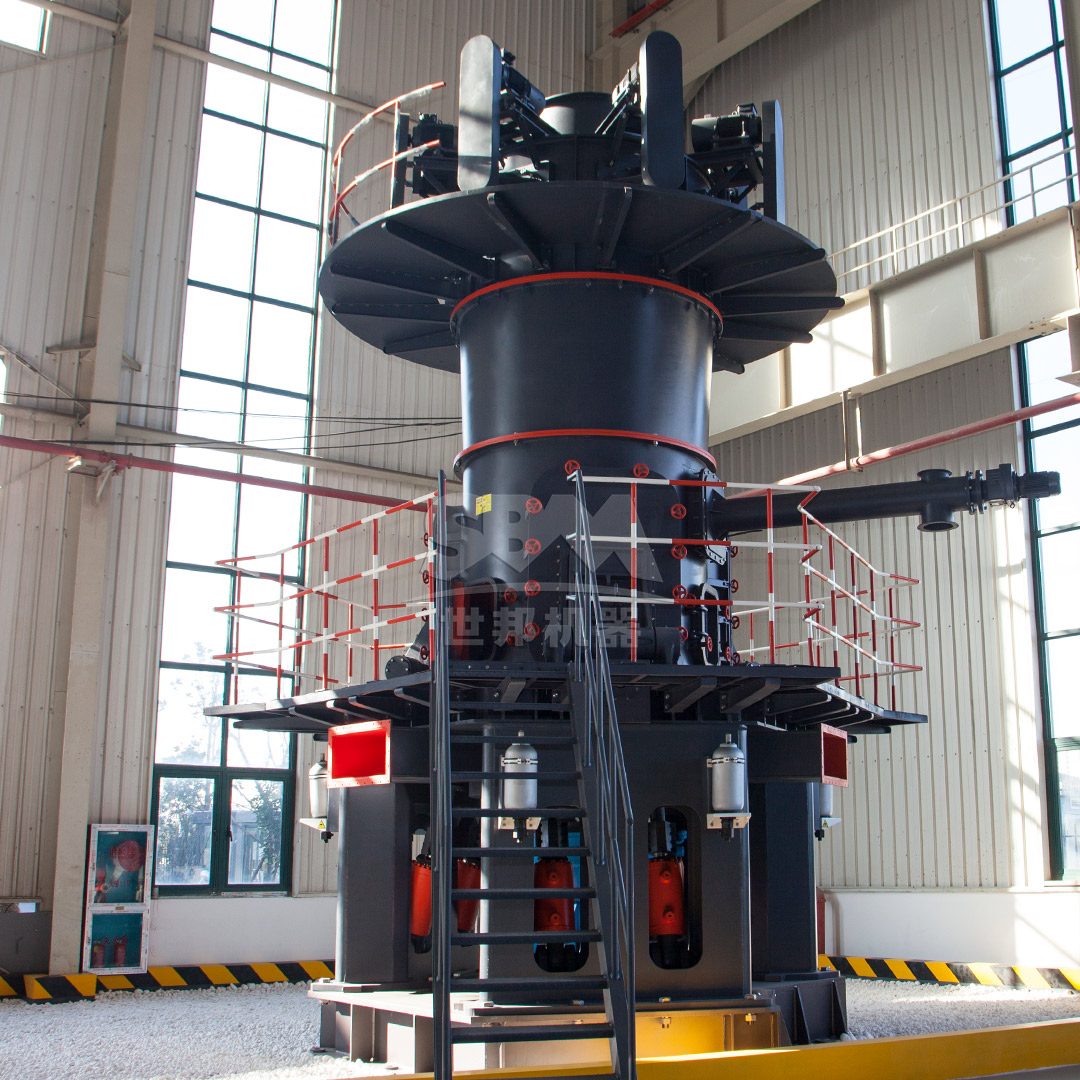
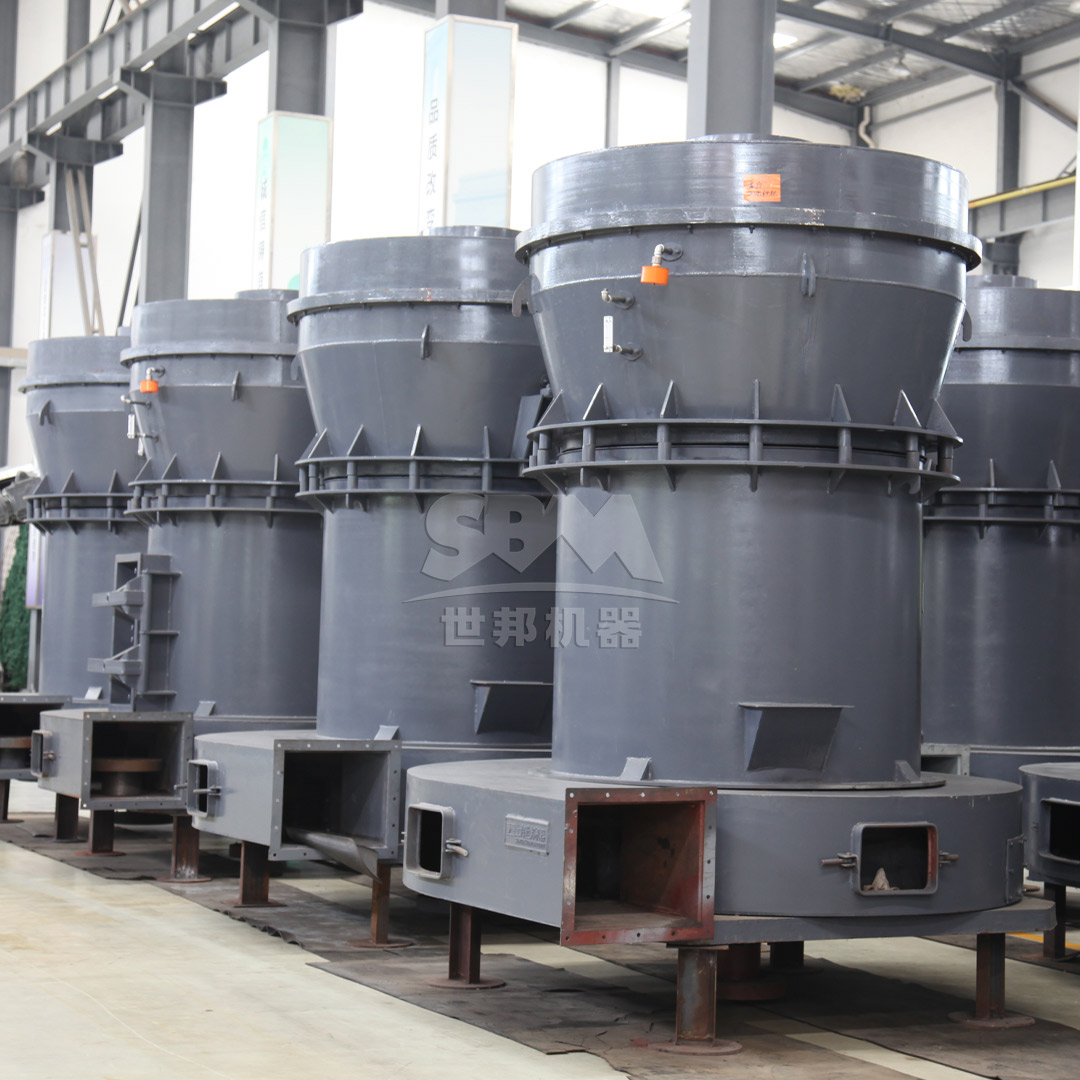
Based on our extensive experience in mineral processing, we recommend two of our flagship products for quartz grinding in ferrosilicon smelting: the LM Series Vertical Roller Mill and the MTW Series European Trapezium Mill. Both are engineered to handle abrasive materials with high efficiency and reliability.
The LM vertical roller mill is a proven solution for grinding quartz to the fineness required for ferrosilicon smelting. With a capacity ranging from 3 to 250 t/h, it can serve furnaces of any scale. Its integrated design combines crushing, grinding, and classification, reducing floor space by 50% and infrastructure costs by 40%. The non-contact design between rollers and table extends wear part life by up to three times, while energy consumption is 30–40% lower than ball mill systems. The LM mill’s intelligent control system ensures stable operation and precise product fineness, with real-time monitoring to reduce manual intervention. For quartz grinding, the LM mill can produce a product from 30 to 325 mesh (down to 600 mesh for special models), making it suitable for both direct charging and fine grinding for pelletizing. Its fully sealed negative-pressure operation ensures dust emissions below 10 mg/m³ and noise levels below 85 dB, meeting stringent environmental standards.
Model Highlight: For a typical ferrosilicon furnace consuming 20 t/h of quartz, the LM190K model (capacity 23–68 t/h, fineness 170–45 μm) offers a perfect balance of capacity and fineness control.
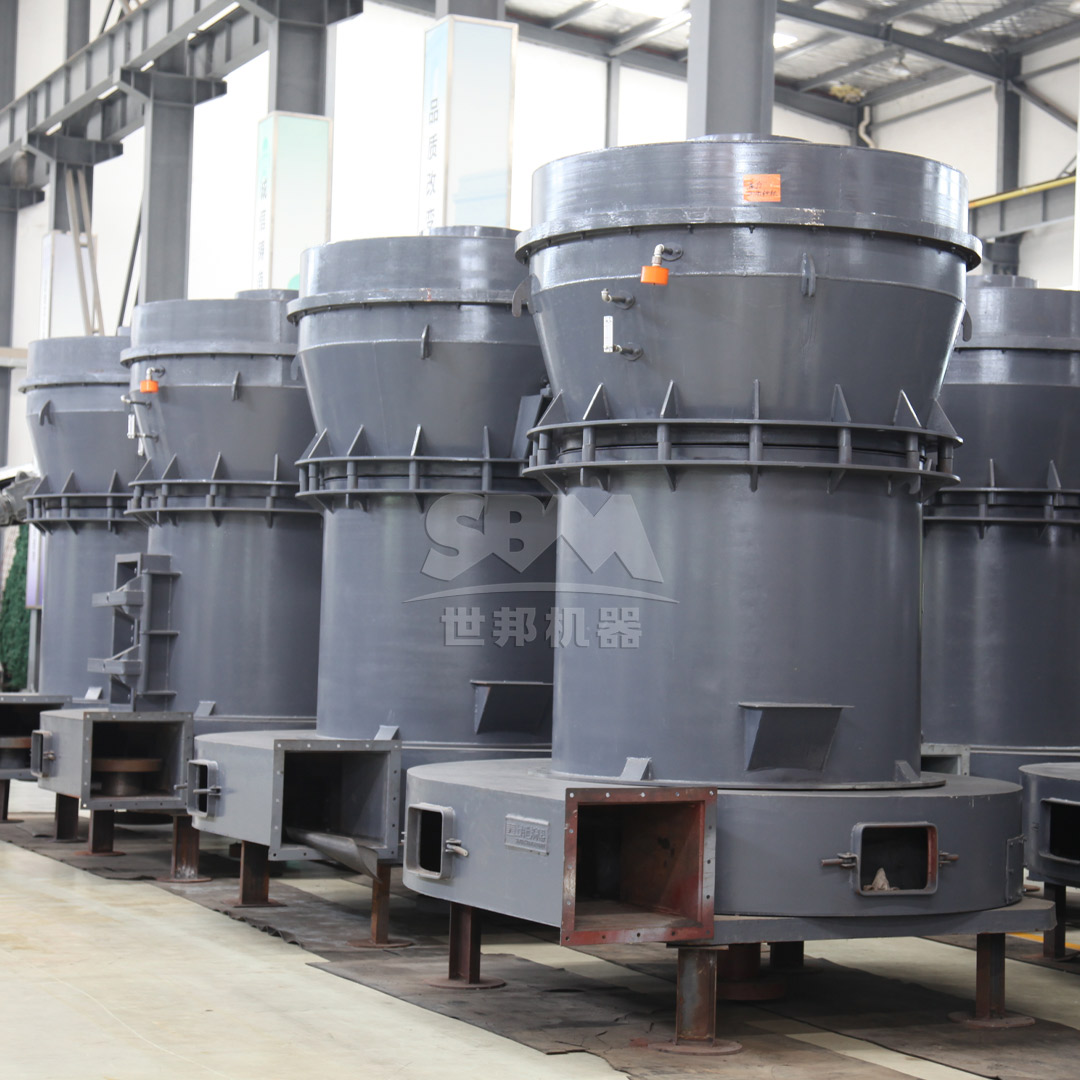
For medium-scale ferrosilicon producers or those requiring finer grinding for pelletizing, the MTW European Trapezium Mill is an excellent choice. With a capacity of 3–45 t/h and fineness adjustable from 30 to 325 mesh (down to 0.038 mm), it delivers precise particle size control. The mill features an anti-wear shovel design and curved grinding rollers that extend service life, while the optimized arc air duct reduces airflow energy loss. The integral bevel gear drive achieves transmission efficiency up to 98%, saving space and installation costs. The wear-resistant volute structure improves air selection efficiency and reduces maintenance costs by 30%. The MTW mill is equipped with an independent internal suction oil lubrication system and advanced pulse dust removal technology, ensuring reliable operation and environmental compliance.
Model Highlight: The MTW175G model (capacity 9.5–25 t/h, fineness 10–325 mesh) is ideal for a furnace requiring 15 t/h of finely ground quartz.
| Feature | LM Vertical Roller Mill | MTW European Trapezium Mill |
|---|---|---|
| Capacity Range | 3–250 t/h | 3–45 t/h |
| Fineness Range | 30–325 mesh (up to 600 mesh) | 30–325 mesh (down to 0.038 mm) |
| Energy Consumption | 30–40% lower than ball mill | Optimized airflow, high efficiency |
| Wear Part Life | 3x longer (non-contact design) | Extended by anti-wear shovel and curved rollers |
| Footprint | 50% reduced (integrated design) | Compact due to bevel gear drive |
| Environmental | Dust <10 mg/m³, noise <85 dB | Pulse dust removal, low noise |
| Best For | Large-scale furnaces, high capacity | Medium-scale, precise fineness |
When integrating a grinding mill into your ferrosilicon plant, consider the following:
Choosing the right grinding mill for quartz processing in ferrosilicon smelting is a decision that affects your entire operation. The LM Series Vertical Roller Mill offers unparalleled capacity and energy efficiency for large-scale furnaces, while the MTW Series European Trapezium Mill provides precision and flexibility for medium-scale producers. Both are backed by our patented technology and commitment to environmental compliance. By selecting one of these mills, you can ensure a consistent supply of properly sized quartz, leading to smoother furnace operation, lower energy costs, and higher-quality ferrosilicon. Contact our engineers today to discuss your specific requirements and receive a customized solution.