Quartz stone, primarily composed of silicon dioxide (SiO2), is an indispensable raw material in the metallurgical industry, particularly as a fluxing agent in steelmaking and non-ferrous metal smelting. Its high purity, consistent chemical composition, and appropriate granulometry directly influence smelting efficiency, slag viscosity, and final metal quality. However, transforming raw quartz rock into a specification-grade metallurgical flux demands a series of precise processing steps: crushing, grinding, classification, and purification. Choosing the right equipment is critical for achieving target fineness, capacity, and operational cost-efficiency. This buyer’s guide provides a comprehensive overview of quartz stone processing equipment for metallurgical flux, covering process flow, key equipment selection criteria, and practical recommendations. We also highlight two flagship products from our company—the SCM Series Ultrafine Mill and the MTW Series European Trapezium Mill—that excel in quartz grinding applications.
In metallurgical processes, quartz flux is used to adjust slag basicity, lower melting point, and facilitate the removal of impurities. The required fineness typically ranges from 100 to 325 mesh (approximately 150 to 45 μm), depending on the specific smelting operation. For instance, electric arc furnace steelmaking may require finer quartz powder to ensure rapid dissolution, while blast furnace operations might prefer coarser particles to avoid dust generation. Key quality parameters include SiO2 content (usually >95%), low moisture, and minimal contaminants such as iron and alumina. Therefore, the processing equipment must be capable of achieving consistent particle size distribution, minimizing contamination, and handling abrasive materials with high wear resistance.
A typical quartz stone processing circuit for metallurgical flux includes the following stages:
Each stage demands equipment that balances throughput, energy consumption, and maintenance needs. In the grinding stage, the choice between roller mills, trapezium mills, and ultrafine mills significantly impacts operating costs and product quality.
When selecting grinding equipment for quartz flux, buyers should evaluate the following factors:
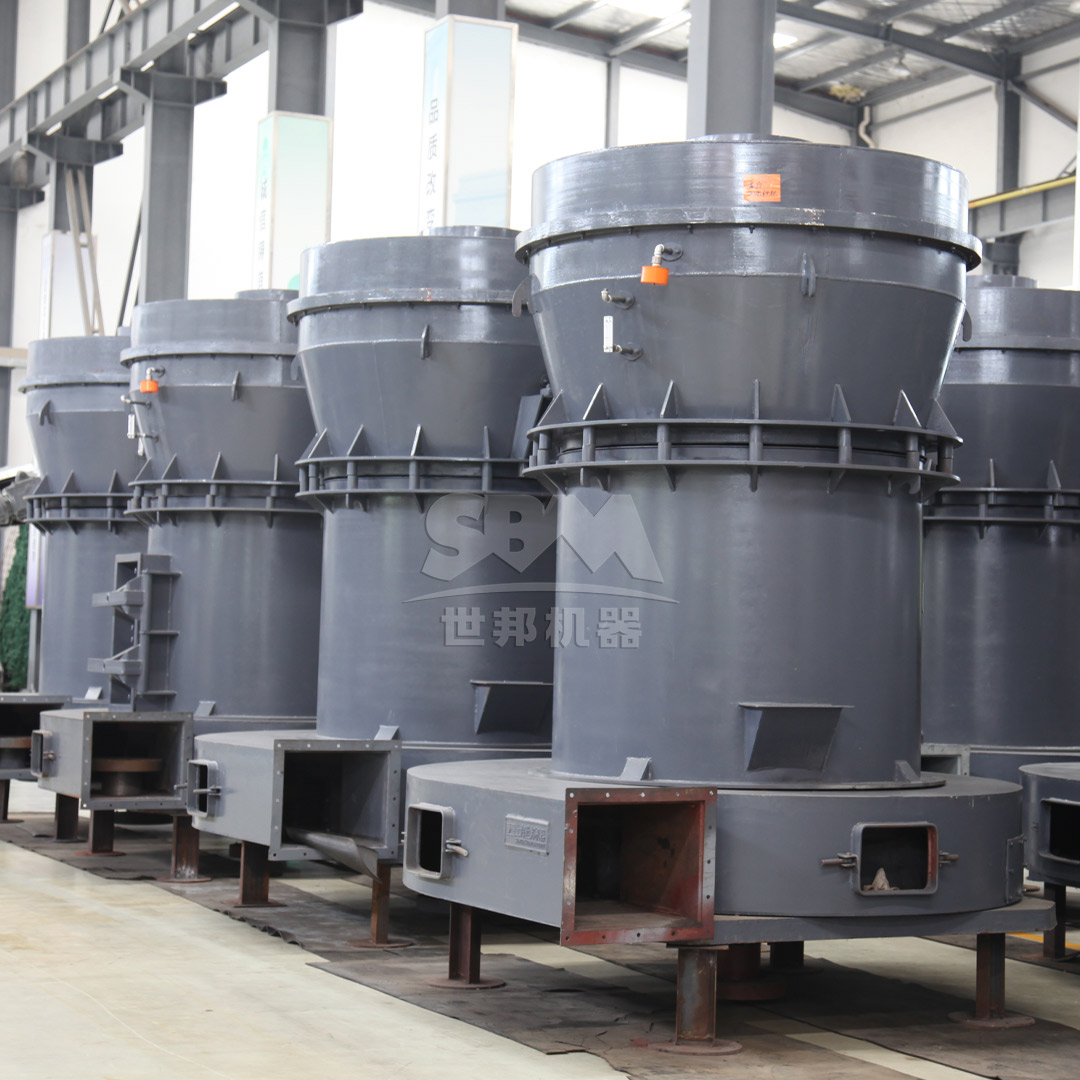
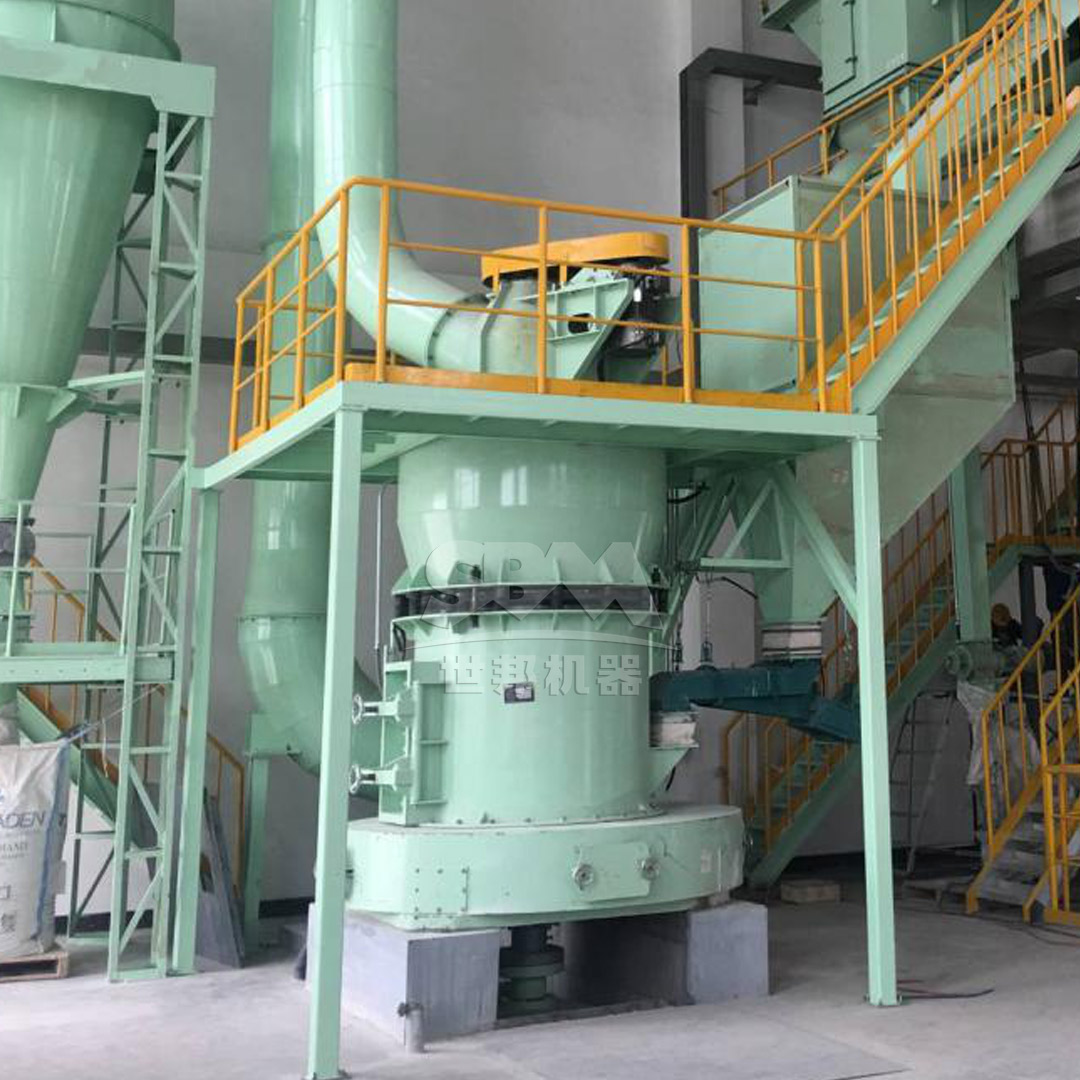
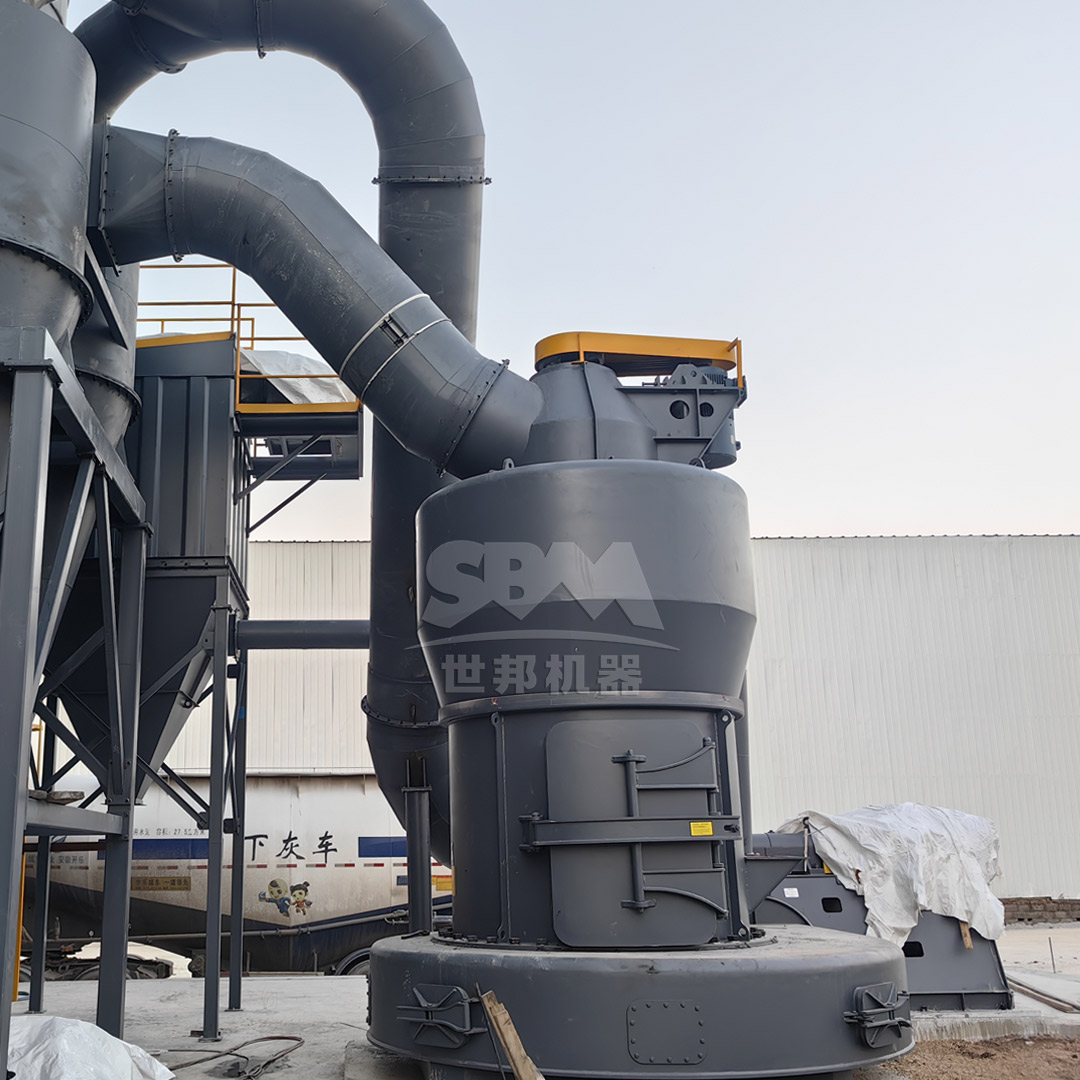
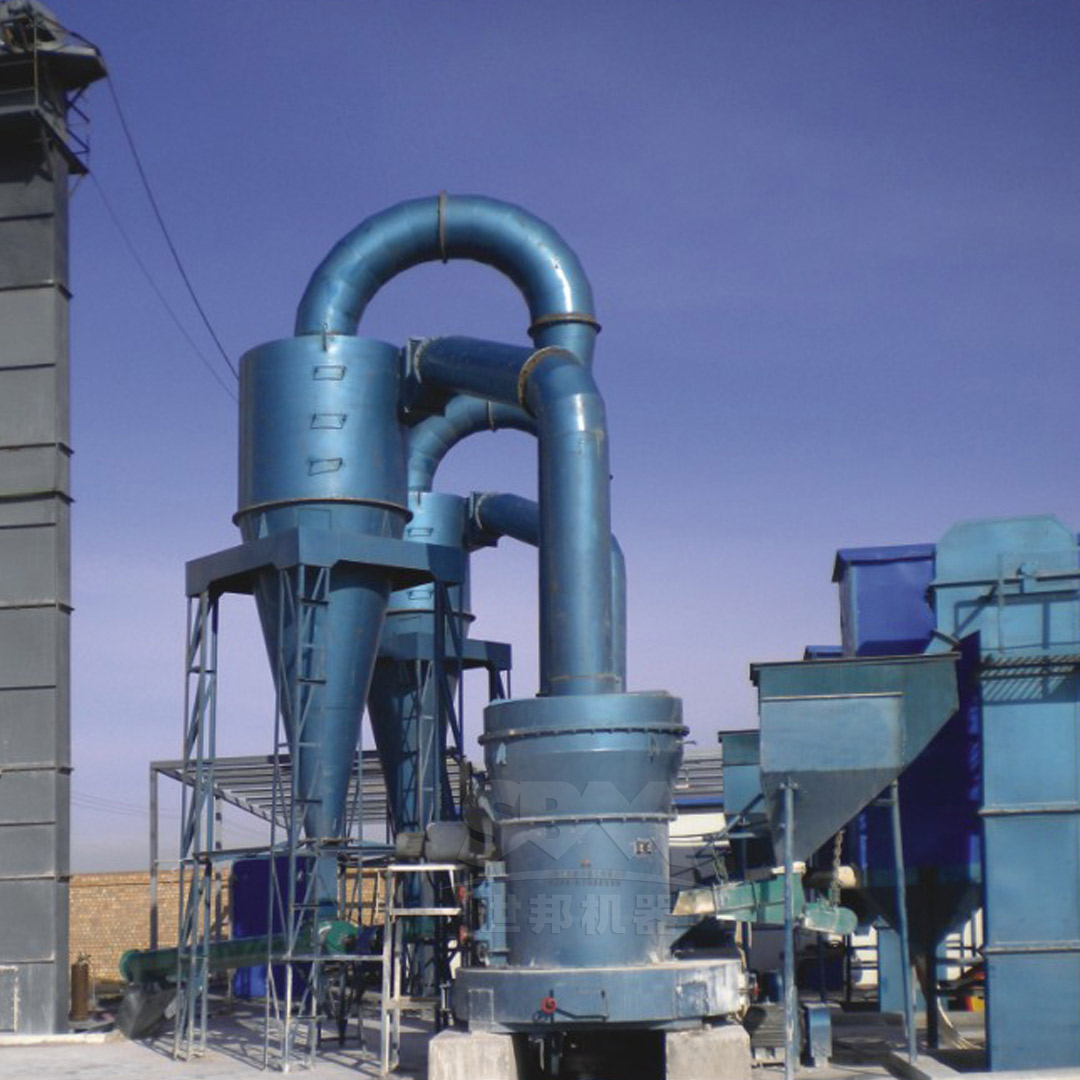
Based on these criteria, our company offers two highly suitable mills for quartz flux production: the SCM Series Ultrafine Mill and the MTW Series European Trapezium Mill.
The SCM Series Ultrafine Mill is a state-of-the-art solution for producing fine and ultrafine quartz flux. With an output fineness adjustable from 325 to 2500 mesh (45–5 μm), it caters to high-end metallurgical applications requiring extremely fine powders. Key advantages include:
With models ranging from SCM800 (0.5–4.5 t/h) to SCM1680 (5–25 t/h), the SCM Series offers flexible capacity options. For a typical quartz flux plant requiring 200–325 mesh product, the SCM Series delivers exceptional precision and reliability.
| Model | Capacity (t/h) | Main Power (kW) | Feed Size (mm) | Fineness (mesh) |
|---|---|---|---|---|
| SCM800 | 0.5–4.5 | 75 | 0–20 | 325–2500 |
| SCM900 | 0.8–6.5 | 90 | 0–20 | 325–2500 |
| SCM1000 | 1.0–8.5 | 132 | 0–20 | 325–2500 |
| SCM1250 | 2.5–14 | 185 | 0–20 | 325–2500 |
| SCM1680 | 5.0–25 | 315 | 0–20 | 325–2500 |
For buyers seeking a balance between high capacity and moderate fineness, the MTW Series European Trapezium Mill is an ideal choice. With output fineness from 30 to 325 mesh (down to 0.045 mm) and capacities up to 45 t/h, it efficiently handles quartz flux production at 100–325 mesh. Notable features include:
The MTW Series includes models from MTW110 (3–9 t/h) to MTW215G (15–45 t/h), as well as MRN models for specialized needs. Its robust construction and efficient classification make it a reliable workhorse for quartz flux plants demanding continuous operation.
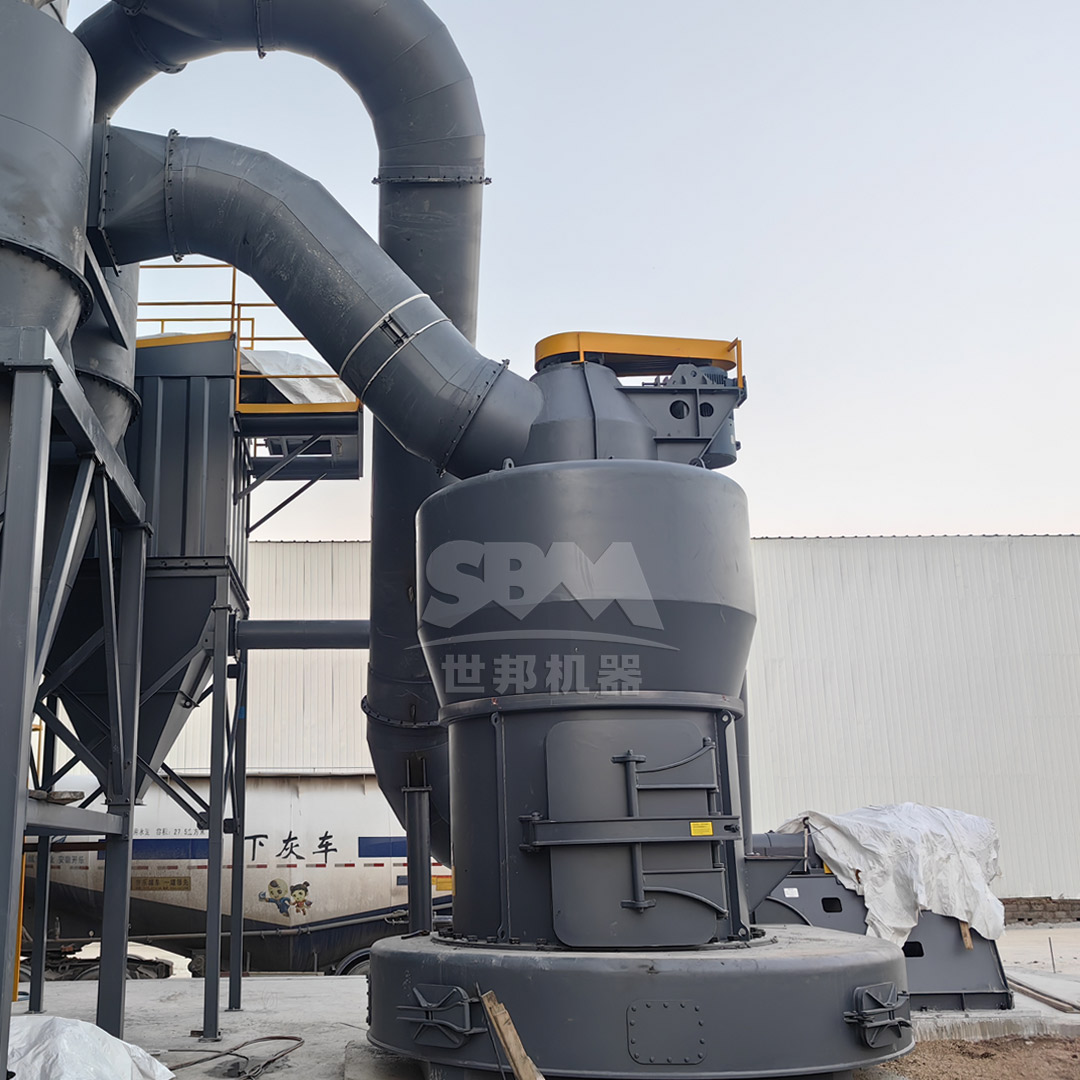
Both mills are engineered for abrasive materials, but they serve different niches. The SCM Series excels when ultrafine grinding (below 325 mesh) is required, such as in specialty ferroalloy production. Its high-precision classifier and energy-efficient design make it cost-effective for high-value applications. The MTW Series, on the other hand, offers higher throughput at coarser fineness (30–325 mesh), making it suitable for large-scale steel plants needing bulk flux. The table below summarizes key differences:
| Feature | SCM Series | MTW Series |
|---|---|---|
| Fineness Range | 325–2500 mesh | 30–325 mesh |
| Capacity Range | 0.5–25 t/h | 3–45 t/h |
| Energy Efficiency | Very high (2x jet mill capacity) | High (optimized airflow) |
| Wear Parts Life | Extended via special materials | Extended via curved shovel design |
| Best For | Ultrafine flux, specialty alloys | Bulk flux, general metallurgy |
Proper installation and operation maximize equipment lifespan and product quality. For quartz processing, ensure the grinding system is equipped with effective dust collection (pulse-jet type) and that the feed material is dry (moisture <1%) to prevent clogging. Regular inspection of wear parts—rollers, rings, and liners—is essential; opted for wear-resistant materials can reduce downtime. Both SCM and MTW mills feature intelligent control systems that allow remote monitoring and automatic adjustment, reducing operator workload. Additionally, soundproofing and negative-pressure operation should be verified to meet local environmental regulations.
Selecting the right quartz stone processing equipment for metallurgical flux is a strategic decision that impacts product quality, operating costs, and environmental compliance. The SCM Series Ultrafine Mill and MTW Series European Trapezium Mill from our company represent two proven, high-performance solutions. The SCM Series delivers ultrafine precision and energy savings, while the MTW Series offers robust, high-capacity grinding for standard flux grades. By aligning mill specifications with your target fineness, capacity, and budget, you can achieve a competitive edge in the metallurgical flux market. For further assistance, our technical team is ready to help you configure the optimal solution for your quartz processing plant.