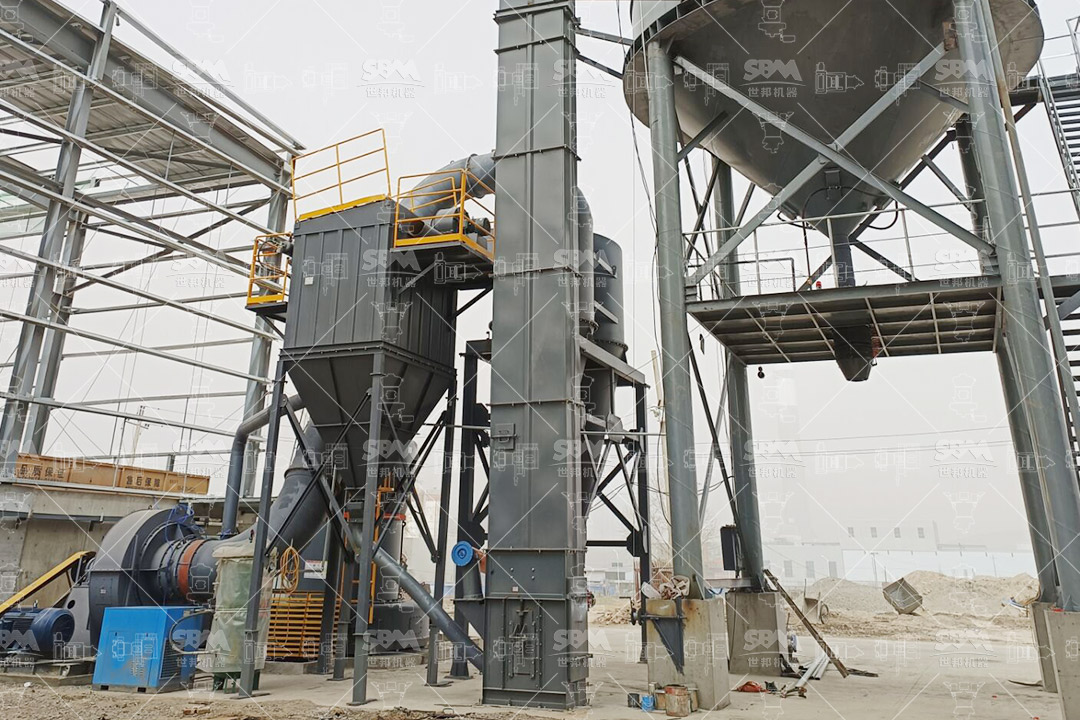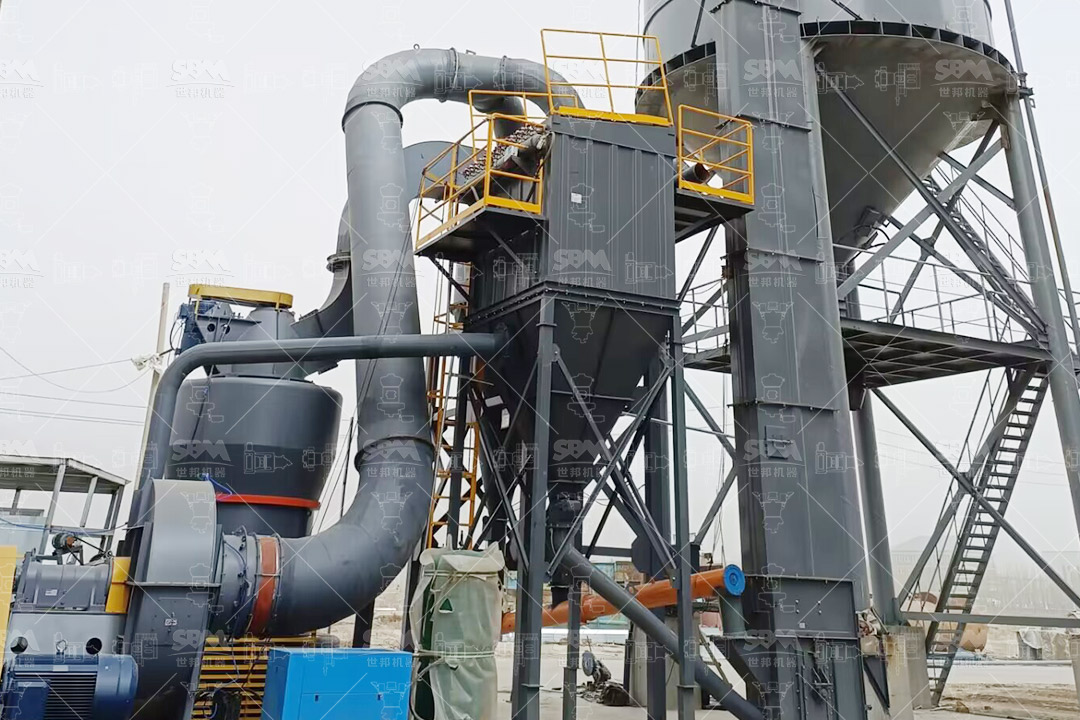
Titanium dioxide (TiO2) is a critical functional filler in the papermaking industry, prized for its exceptional whiteness, opacity, and brightness. It enhances the optical properties of paper, improves printability, and allows for the reduction of expensive pulp fibers. However, the performance of TiO2 in paper depends heavily on its particle size distribution, surface characteristics, and dispersion quality. As a result, the selection of appropriate milling equipment is paramount for paper manufacturers aiming to optimize cost-efficiency and product quality. This article provides a comprehensive guide to choosing the right milling solution for papermaking titanium filler processing, drawing on advanced equipment technologies available in the market.
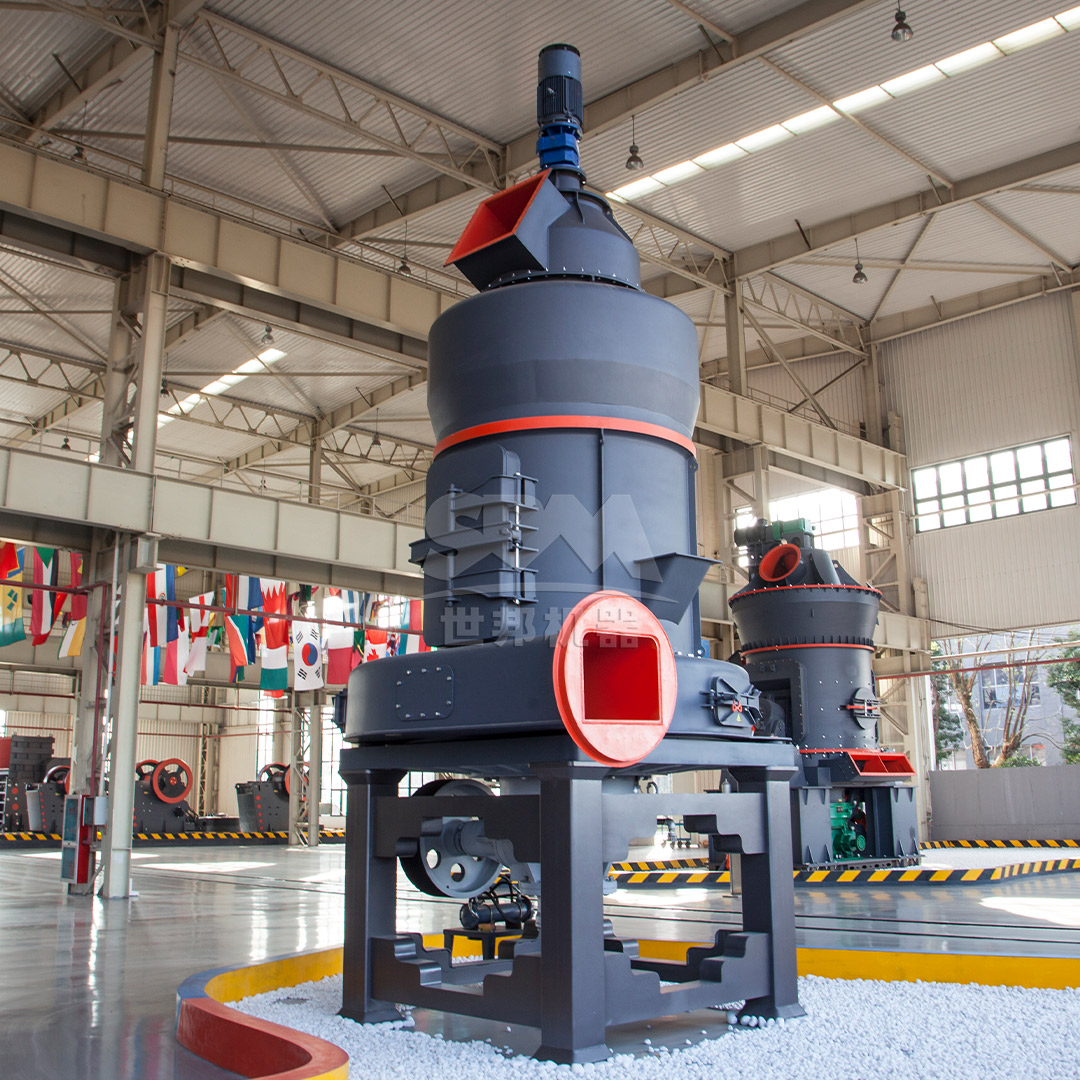
Titanium dioxide is used in papermaking primarily as an opacifying and brightening agent. Its high refractive index (2.7 for rutile) scatters light effectively, making paper appear whiter and more opaque. This is particularly important for thin papers, such as bible paper or lightweight coated grades, where opacity is crucial. Additionally, TiO2 can improve smoothness and printability. The optimal particle size for TiO2 in paper is typically between 0.2 and 0.5 micrometers, which corresponds to approximately 325 to 2500 mesh. Particles that are too coarse reduce opacity, while particles that are too fine may increase cost and reduce retention. Therefore, precise control over the milling process is essential.
When selecting a milling solution for titanium dioxide, several factors must be taken into account:
The desired fineness depends on the paper grade. For high-opacity papers, a median particle size (D50) of around 0.3 μm is ideal. The milling equipment must be capable of achieving a narrow particle size distribution to avoid coarse particles that can cause surface defects and fine particles that can lead to dusting and poor retention.
Papermaking is a continuous, high-volume process. The milling solution must match the production rate of the paper machine, which can range from a few tons per hour to over 50 tons per hour. Scalability is also important for future expansion.
Milling is an energy-intensive operation. With rising energy costs and sustainability goals, choosing equipment with low energy consumption per ton of product is critical. Advanced mills often incorporate intelligent controls and optimized grinding mechanisms to reduce power draw.
Titanium dioxide for papermaking must be free of contaminants that could affect whiteness or cause defects. The milling system should be designed to minimize wear and tear, using wear-resistant materials and closed-loop dust collection to prevent foreign matter from entering the product.
Papermills operate 24/7. Milling equipment must be reliable and easy to maintain. Quick-change wear parts and remote monitoring capabilities can reduce downtime and maintenance costs.
Dust and noise emissions must be controlled to meet strict environmental regulations. Pulse dust collectors and soundproof enclosures are essential features.
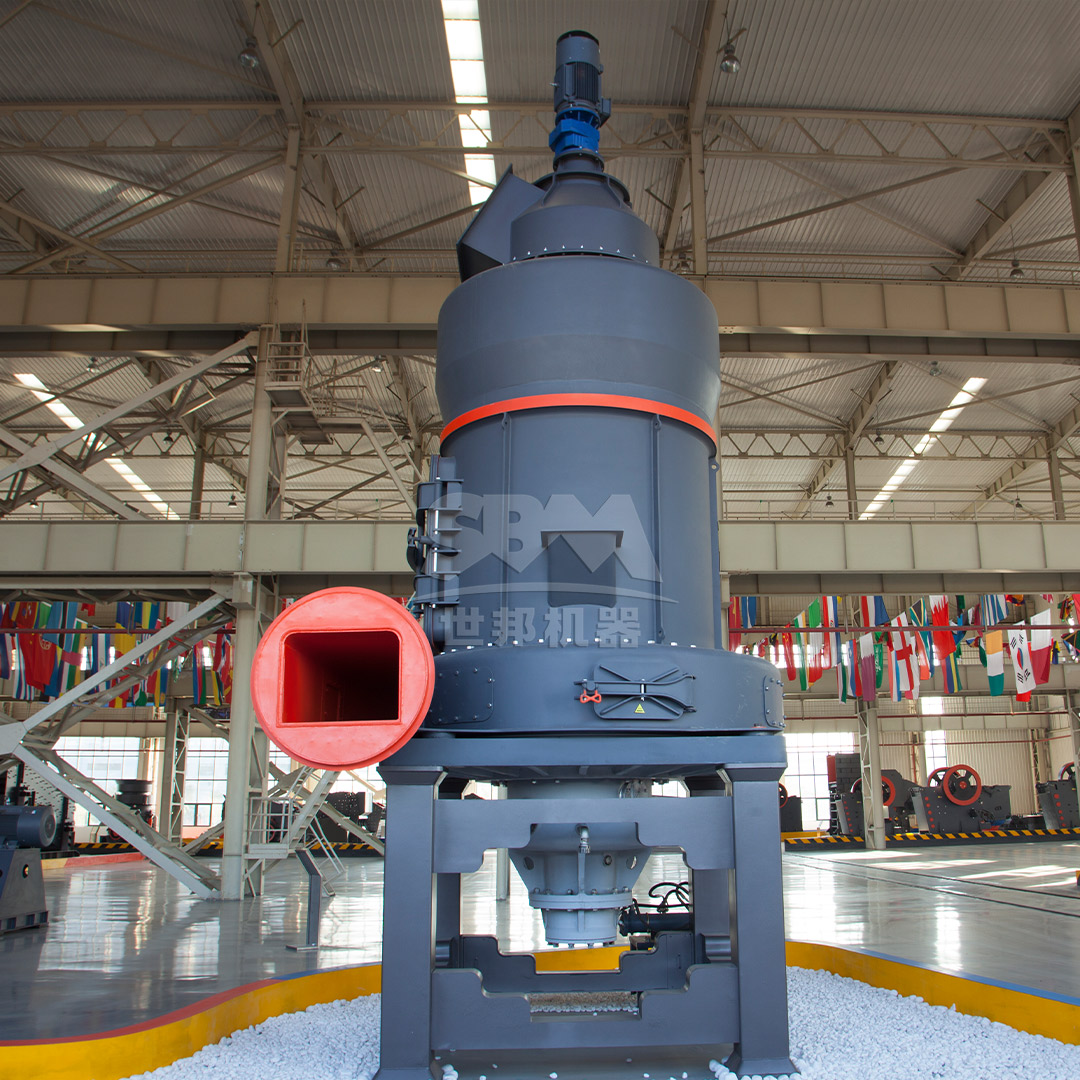
Several types of mills are used for processing titanium dioxide, each with its own advantages and limitations. The most common include jet mills, ball mills, and roller mills. However, for ultrafine grinding to 325-2500 mesh, advanced roller mills such as the SCM Series Ultrafine Mill and the MTW Series European Trapezium Mill are particularly well-suited.
Jet mills use compressed air or steam to accelerate particles to high speeds, causing them to collide and break. They can achieve very fine sizes (down to 1 μm) but are energy-intensive and have limited capacity. They are often used for high-value products but may not be cost-effective for large-scale paper filler production.
Ball mills are robust and can handle large capacities, but they are inefficient for ultrafine grinding. The energy consumption per ton is high, and the particle size distribution is often broad. They are more suitable for coarse grinding.
Roller mills, particularly vertical roller mills and ultrafine mills, offer a balance between efficiency and fineness. They use rollers to apply pressure on a grinding bed, which is more energy-efficient than impact-based milling. Modern roller mills incorporate dynamic classifiers to achieve precise top-cut sizes. Among these, the SCM Series Ultrafine Mill and MTW Series European Trapezium Mill stand out for titanium filler processing.
For papermakers requiring ultrafine titanium dioxide (325-2500 mesh), the SCM Series Ultrafine Mill is an ideal choice. This mill is designed for high efficiency and precision, making it suitable for producing fillers that meet the stringent demands of papermaking.
High Efficiency & Energy Saving: The SCM mill boasts a capacity twice that of a jet mill of the same power, with 30% lower energy consumption. This translates to significant cost savings over time. The intelligent control system with automatic finished product granularity feedback ensures consistent quality.
High-Precision Classification: The vertical turbine classifier achieves precise particle size cutting, preventing coarse powder from mixing into the finished product. This results in uniform fillers that enhance paper opacity and smoothness.
Durable Design: Special material rollers and rings extend service life several times over. The shaftless screw grinding chamber ensures stable operation, reducing downtime.
Eco-friendly & Low Noise: The pulse dust collection system exceeds international standards, and the soundproof room design keeps noise levels low, ensuring compliance with environmental regulations.
The SCM Series offers several models to suit different production scales:
| Model | Capacity (t/h) | Main Power (kW) | Feed Size (mm) | Fineness (mesh) |
|---|---|---|---|---|
| SCM800 | 0.5-4.5 | 75 | 0-20 | 325-2500 |
| SCM900 | 0.8-6.5 | 90 | 0-20 | 325-2500 |
| SCM1000 | 1.0-8.5 | 132 | 0-20 | 325-2500 |
| SCM1250 | 2.5-14 | 185 | 0-20 | 325-2500 |
| SCM1680 | 5.0-25 | 315 | 0-20 | 325-2500 |
With capacities up to 25 t/h, the SCM Series can meet the needs of medium to large paper mills. Its ability to produce ultrafine powders with a narrow distribution makes it a superior choice for high-quality titanium filler.
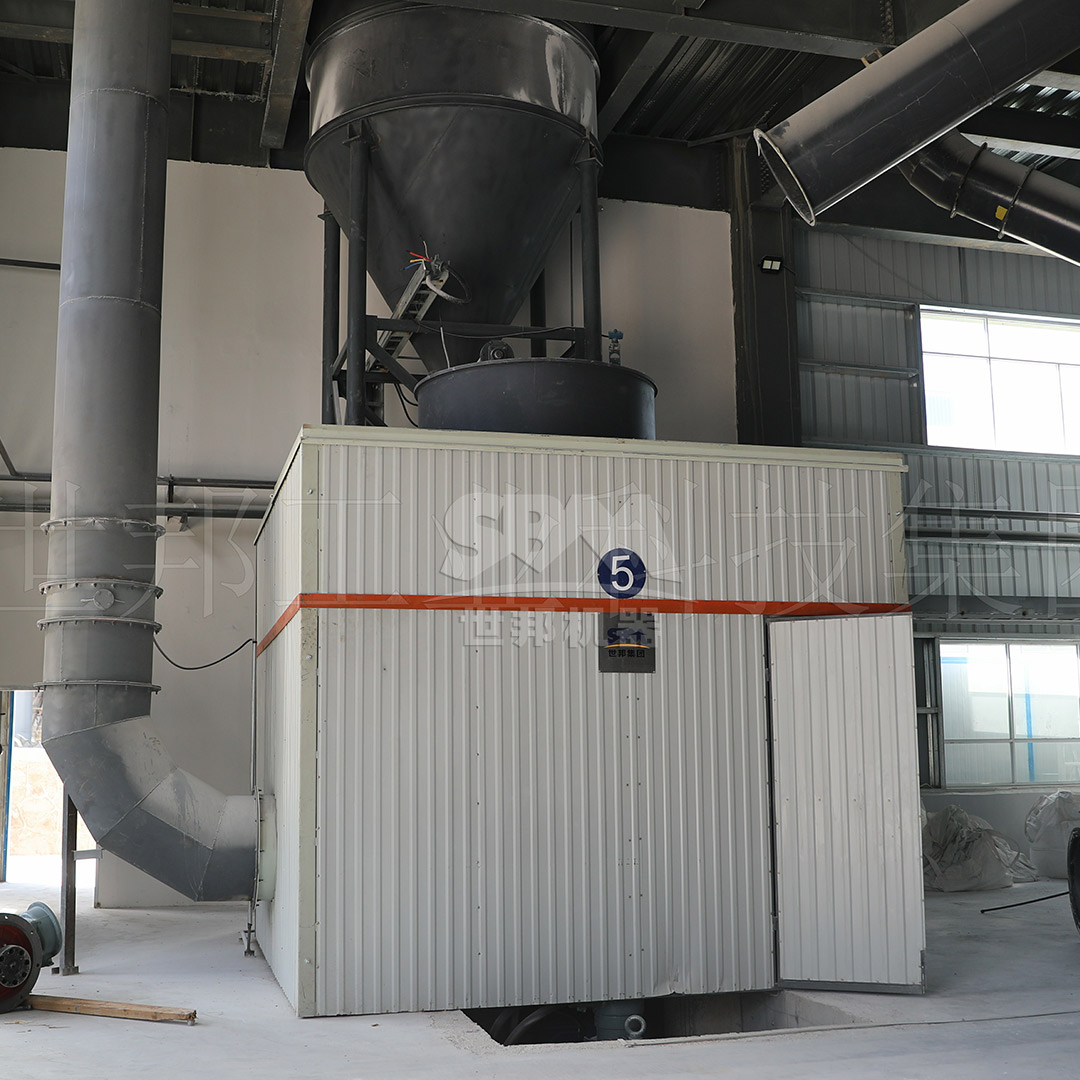
For papermakers who require a slightly coarser product (30-325 mesh) but still demand high efficiency and reliability, the MTW Series European Trapezium Mill is an excellent option. This mill is known for its robust construction and advanced features.
Anti-wear Shovel Design: Combined shovel blades reduce maintenance costs, and the curved design extends grinding roller life.
Optimized Arc Air Duct: Reduces airflow energy loss and improves transmission efficiency, leading to lower power consumption.
Integral Bevel Gear Drive: Transmission efficiency up to 98%, saving space and reducing installation costs.
Wear-resistant Volute Structure: Non-resistance flow design improves air selection efficiency, and maintenance costs are reduced by 30%.
The MTW Series offers a wide range of models with capacities from 3 to 45 t/h. For instance, the MTW215G model can produce up to 45 t/h at finenesses between 10 and 325 mesh, making it suitable for large-scale production. The series also includes patented technology such as an internal suction oil lubrication system and advanced pulse dust removal, ensuring reliable and clean operation.
While the MTW Series may not reach the ultrafine sizes of the SCM Series, it is ideal for producing titanium filler for standard paper grades where a slightly coarser particle size is acceptable. Its high capacity and low maintenance requirements make it a cost-effective solution.
To choose between the SCM and MTW Series, consider the following:
In summary, for high-end paper grades requiring ultrafine titanium filler, the SCM Series Ultrafine Mill is the recommended choice. For standard grades, the MTW Series European Trapezium Mill provides a reliable and efficient solution.
Selecting the right milling solution for papermaking titanium filler is a strategic decision that impacts product quality, operational costs, and environmental compliance. By understanding the requirements of the papermaking process and the capabilities of modern milling equipment, paper manufacturers can optimize their filler production. The SCM Series Ultrafine Mill and MTW Series European Trapezium Mill represent state-of-the-art solutions that cater to different fineness and capacity needs. Investing in the right technology will not only enhance paper quality but also contribute to sustainable and profitable operations.