Magnesium oxide (MgO) is a crucial industrial mineral with applications spanning refractories, agriculture, pharmaceuticals, and environmental remediation. The quality of MgO is intrinsically linked to the purity and particle size of its precursor material – typically dolomite (CaMg(CO3)2). Producing high-purity, reactive MgO requires the dolomite to be ground to a consistent and exceptionally fine powder before calcination and further chemical processing. This is where advanced ultrafine grinding technology becomes indispensable. The choice of milling equipment directly impacts the efficiency, cost-effectiveness, and final quality of the magnesium oxide produced.
The thermal decomposition of dolomite to produce MgO involves a complex calcination process. Finely ground dolomite powder offers a significantly larger surface area, which facilitates more uniform and efficient heat transfer during calcination. This leads to several key benefits:
Traditional grinding methods like ball mills often struggle to achieve the necessary fineness (consistently below 10µm) with high energy efficiency and can introduce contamination. Modern ultrafine mills are engineered to overcome these limitations.
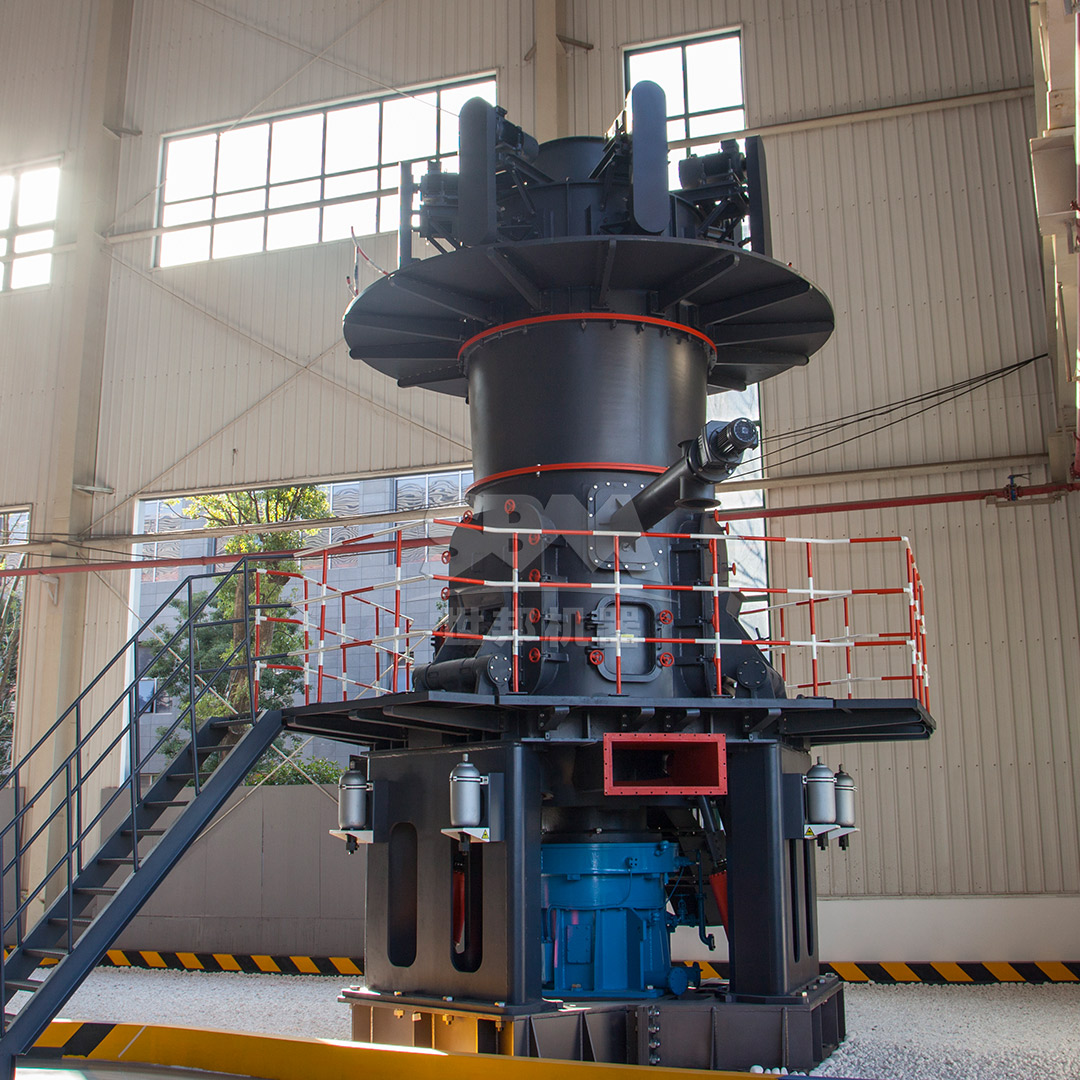
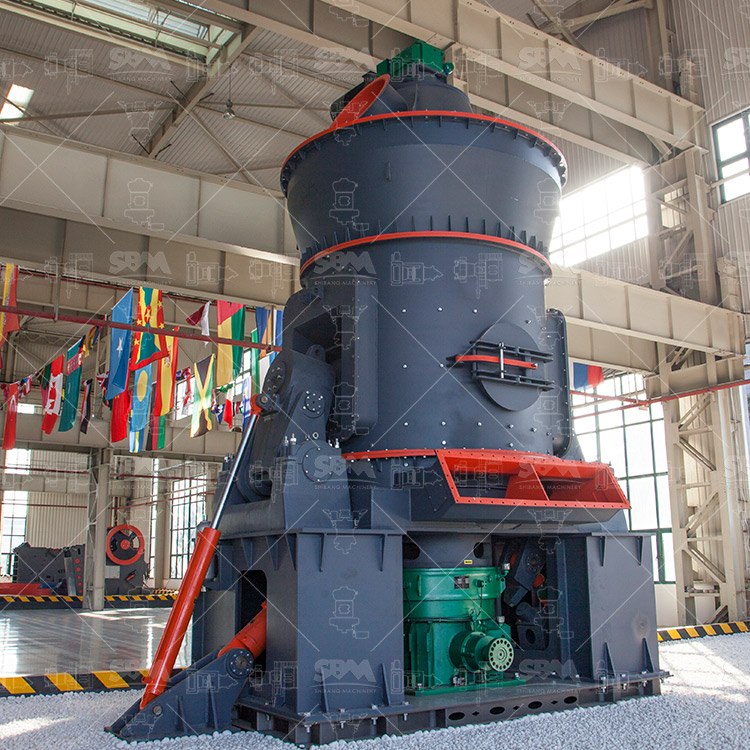
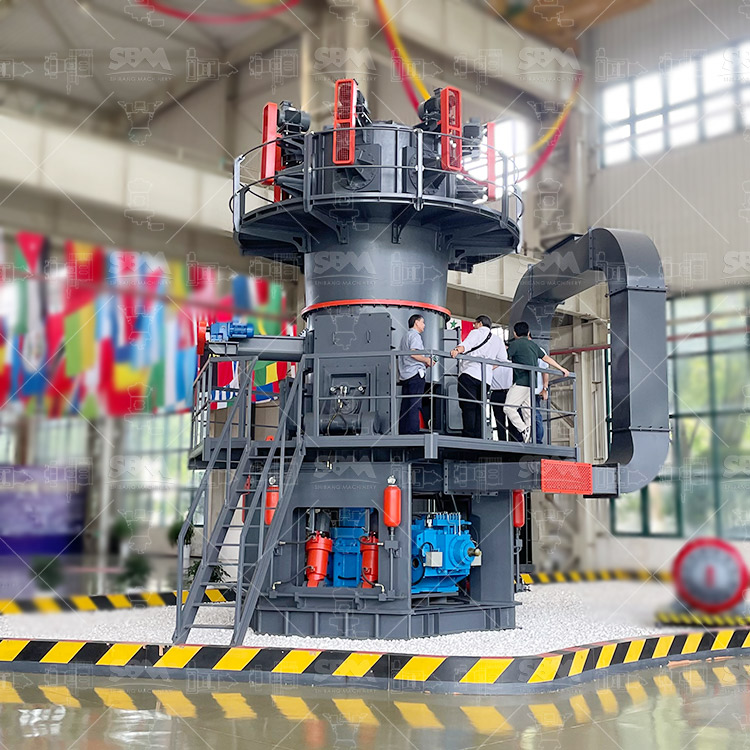
For producers aiming for the highest quality magnesium oxide, the SCM Series Ultrafine Mill represents a technological leap forward. This mill is specifically designed to process non-metallic minerals like dolomite to a fineness range of 325-2500 mesh (D97 ≤ 5µm), making it an ideal choice for this application.
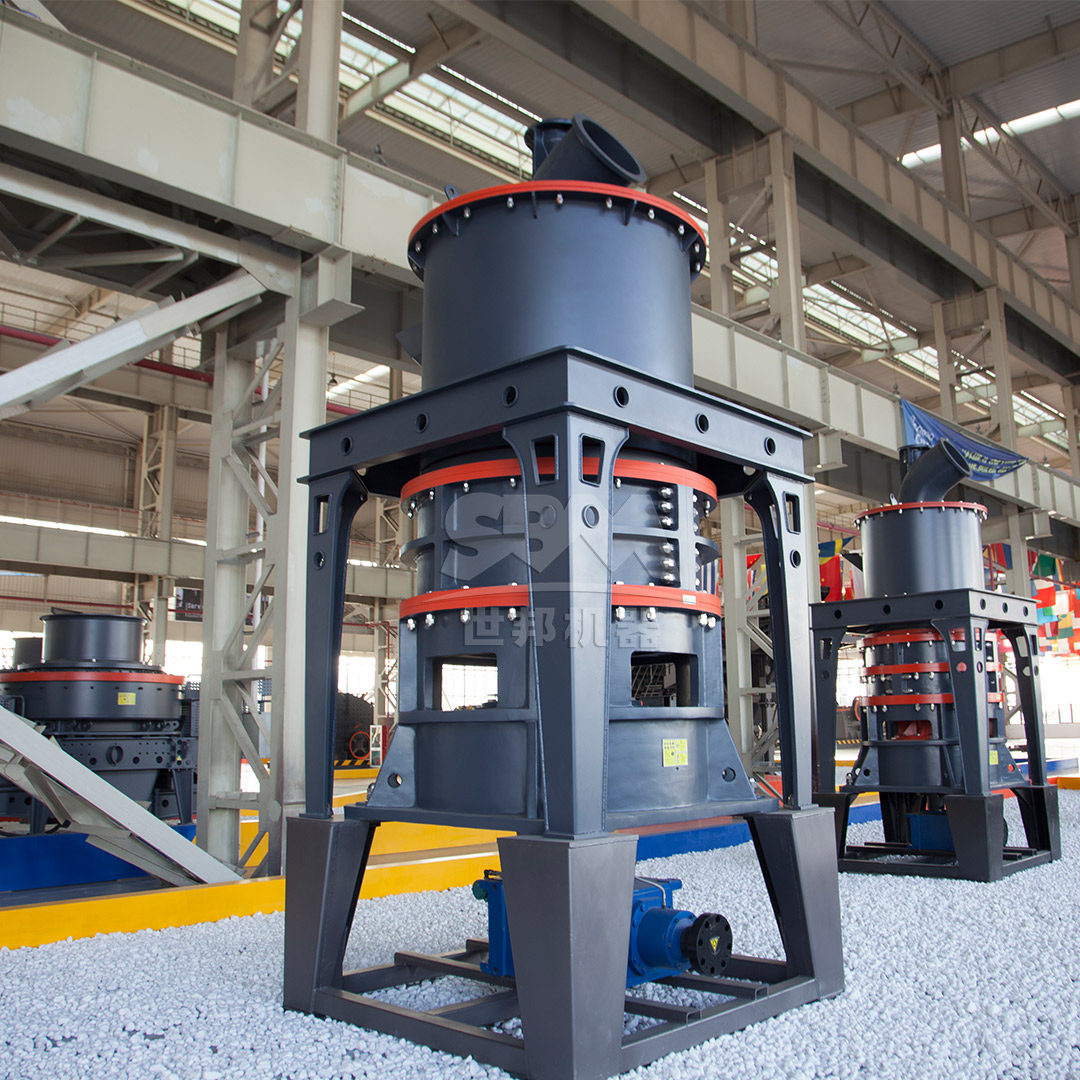
| Model | Processing Capacity (ton/h) | Main Motor Power (kW) | Output Fineness (mesh) |
|---|---|---|---|
| SCM800 | 0.5 – 4.5 | 75 | 325 – 2500 |
| SCM900 | 0.8 – 6.5 | 90 | |
| SCM1000 | 1.0 – 8.5 | 132 | |
| SCM1250 | 2.5 – 14 | 185 | |
| SCM1680 | 5.0 – 25 | 315 |
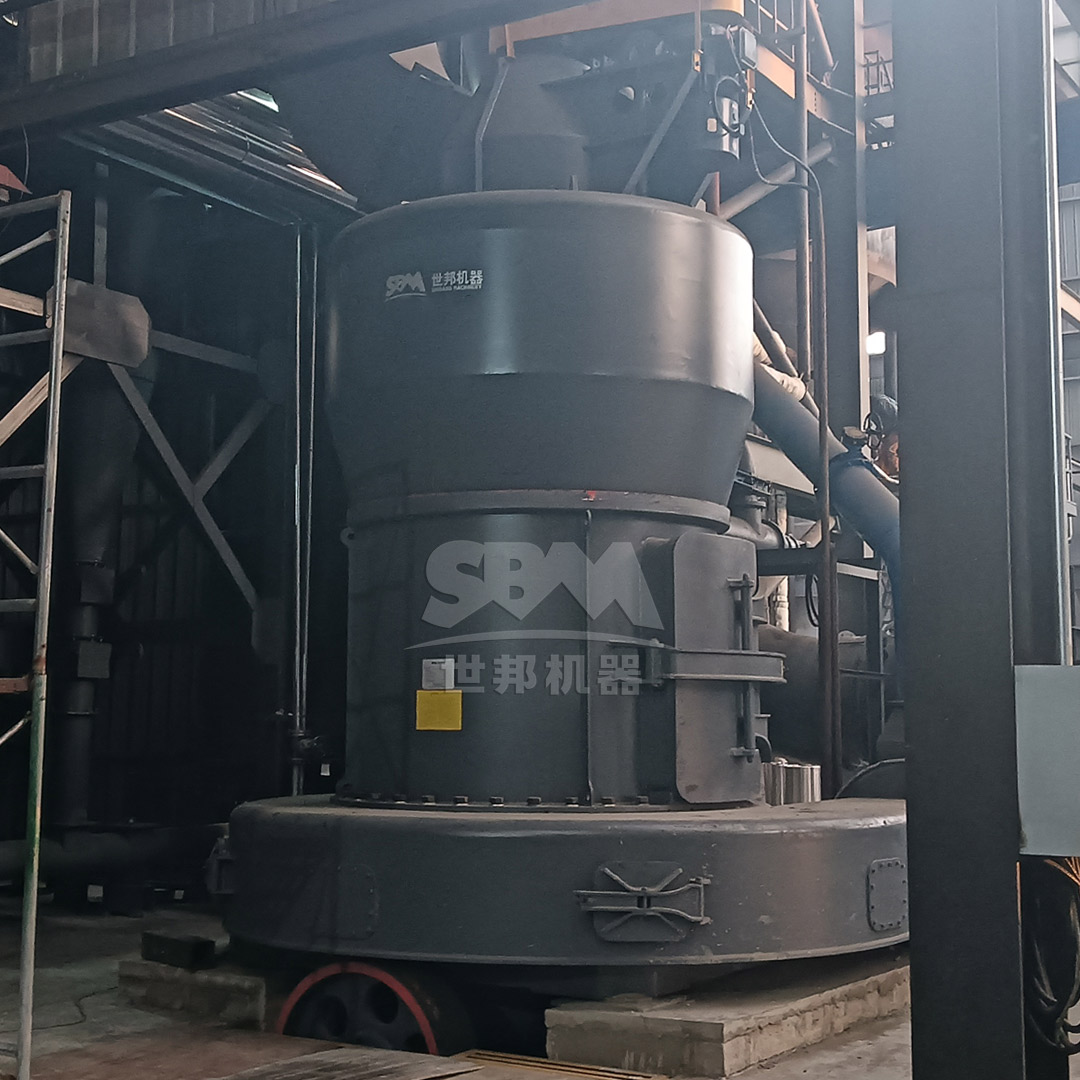
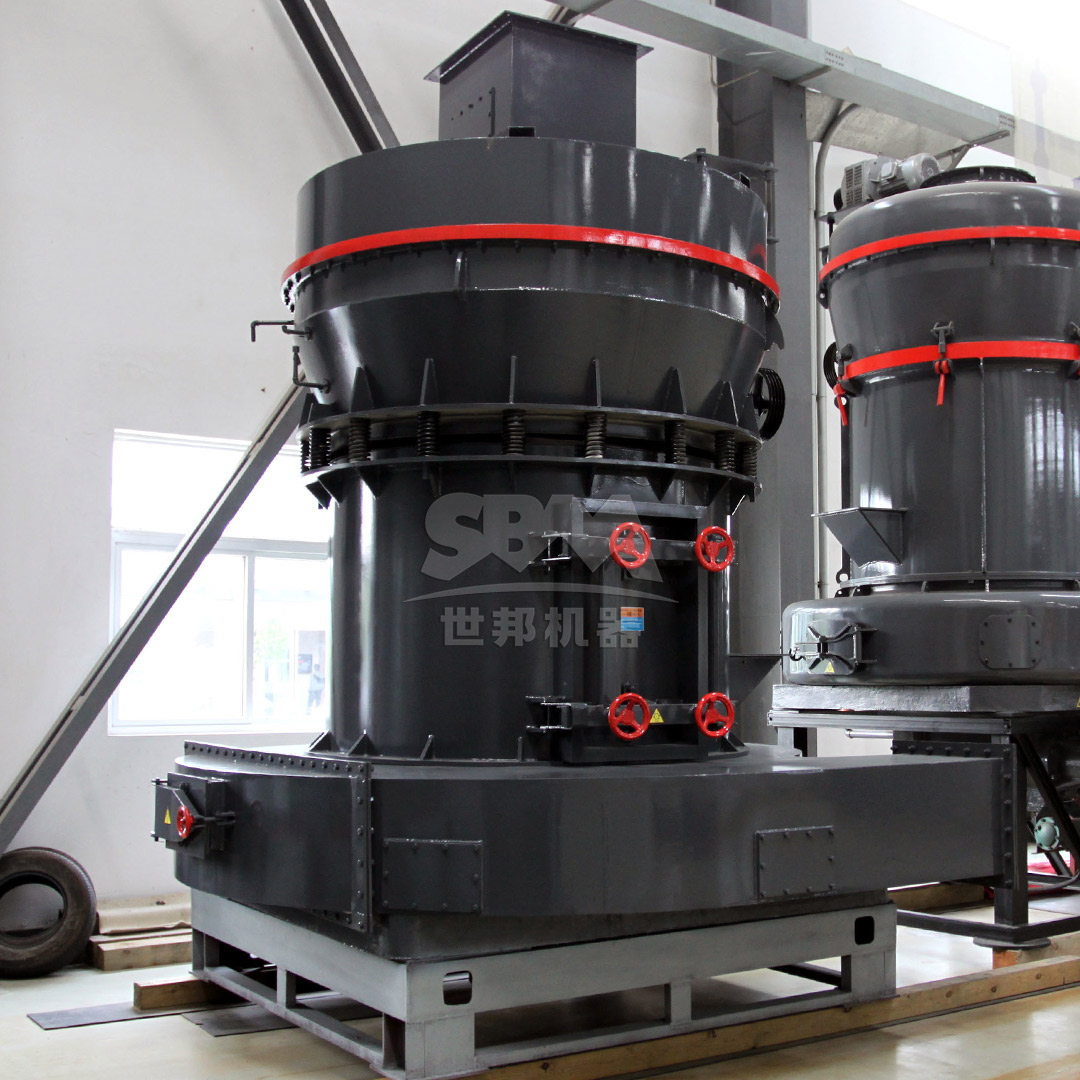
For production lines that require high capacity and a slightly coarser, yet still fine, product (30-325 mesh), the MTW Series Trapezium Mill is an excellent and robust choice. It is perfectly suited for initial size reduction or for applications where the target MgO specification allows for a broader particle size distribution.
The MTW Series, with models like the MTW215G offering capacities up to 45 tons per hour, provides a scalable solution for large-scale MgO production facilities.
A typical high-quality MgO production line involves several stages where grinding is critical. After primary crushing, dolomite is fed into the ultrafine mill (e.g., the SCM series). The resulting fine powder is then conveyed to a calciner, where it is heated to decompose into MgO and CaO (quicklime). The precision of the grinding step ensures the calcination reaction is complete and uniform. The calcined material may then be hydrated, classified, or further processed based on the desired MgO product grade.
In the competitive market for magnesium oxide, product quality is a definitive differentiator. Achieving the high purity, reactivity, and consistency required by advanced industries is fundamentally dependent on the fineness and uniformity of the ground dolomite feedstock. The SCM Ultrafine Mill, with its unparalleled ability to produce consistent sub-5µm powders energy-efficiently and reliably, is the key enabling technology for premium MgO production. For operations prioritizing ultra-high fineness, the SCM series is the superior choice, while the MTW Series Trapezium Mill offers a powerful and efficient solution for high-capacity requirements. Investing in the right grinding technology is not merely an operational decision; it is a strategic commitment to product excellence and market leadership.