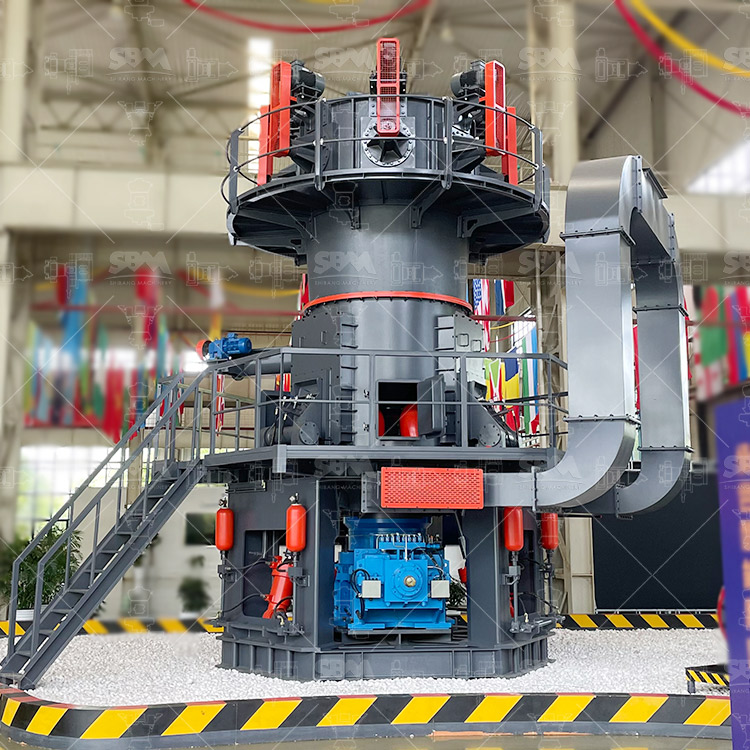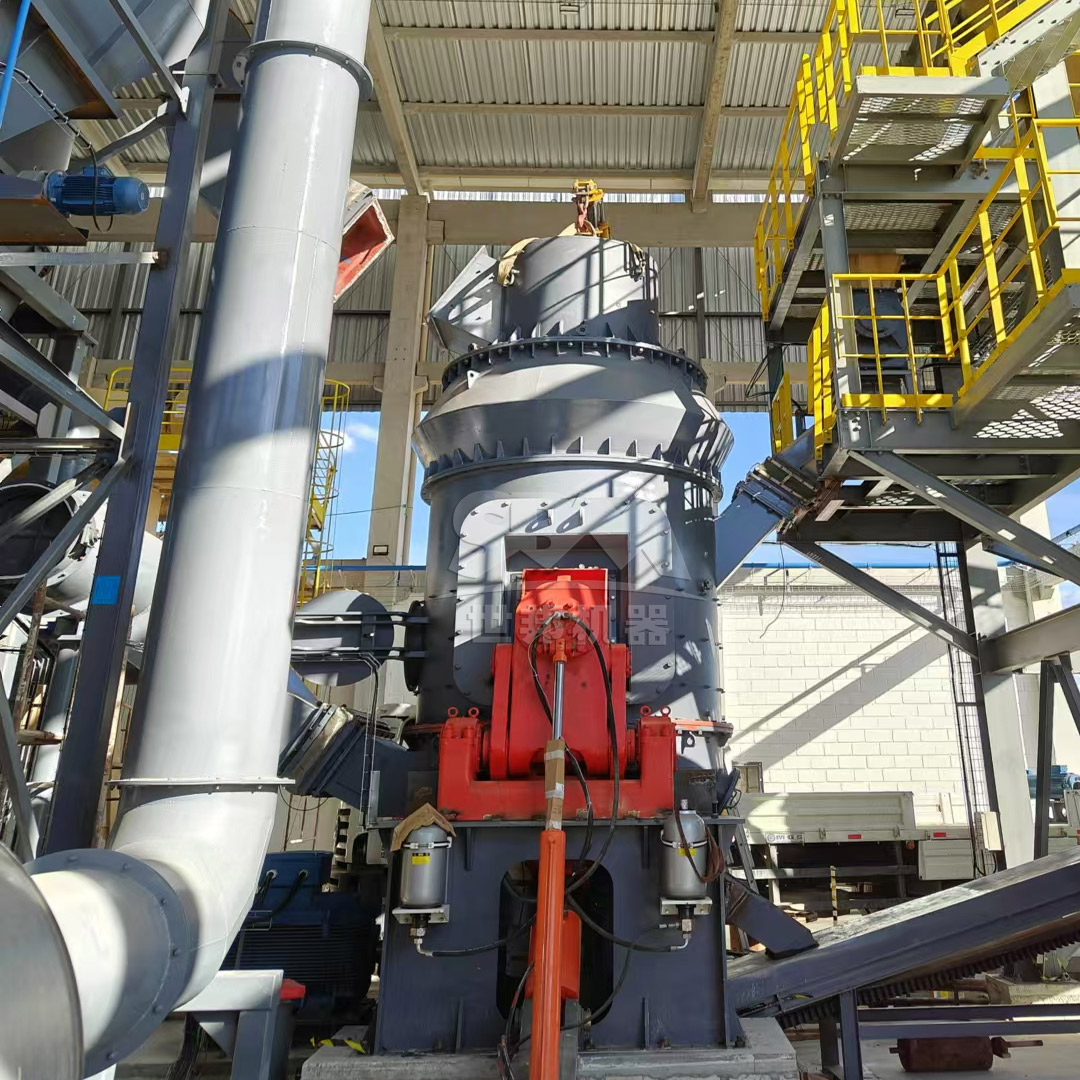
Attapulgite, a naturally occurring magnesium aluminum phyllosilicate, is widely valued for its unique colloidal, sorptive, and rheological properties. It is a critical raw material in industries ranging from oil drilling and environmental remediation to pharmaceuticals, cosmetics, and agriculture. To unlock its full commercial potential, raw attapulgite ore must be processed into a fine, uniform powder, with 200-mesh (74 microns) being a common and highly sought-after specification. Achieving this level of fineness at an industrial scale requires specialized, high-performance grinding equipment. The production line for 200-mesh attapulgite powder must balance efficiency, precision, energy consumption, and product purity. This article explores the key machines that constitute a modern, efficient 200-mesh attapulgite powder production line, highlighting the technological advancements that drive superior results.
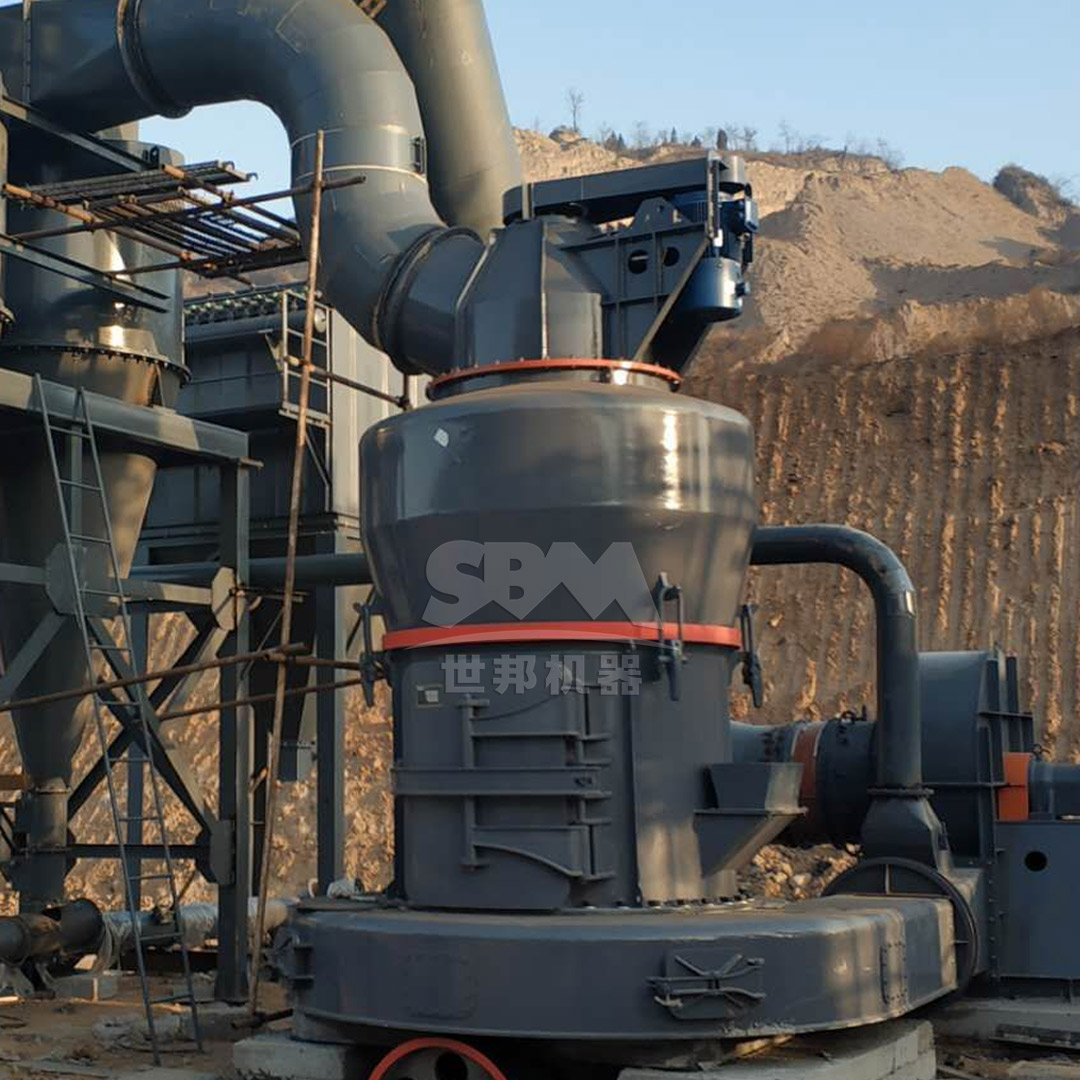
Before any fine grinding can occur, the run-of-mine attapulgite ore, which can contain large chunks, must be reduced to a manageable size. This initial stage typically employs a Hammer Mill or a jaw crusher. For attapulgite, which is often moist and sticky, a hammer mill is a robust and effective choice. It utilizes high-speed rotating hammers to impact and shatter the material. Our PC Series Hammer Mill is ideally suited for this task. It features a high crushing ratio and a compact structure, reducing feed material of up to 40mm down to 0-3mm. This pre-processing step is crucial for protecting downstream equipment from oversized material and ensuring optimal feeding into the main grinding mill. The key parameter to consider here is the output fineness, which must be consistently below the maximum feed size accepted by the subsequent ultra-fine grinding mill.
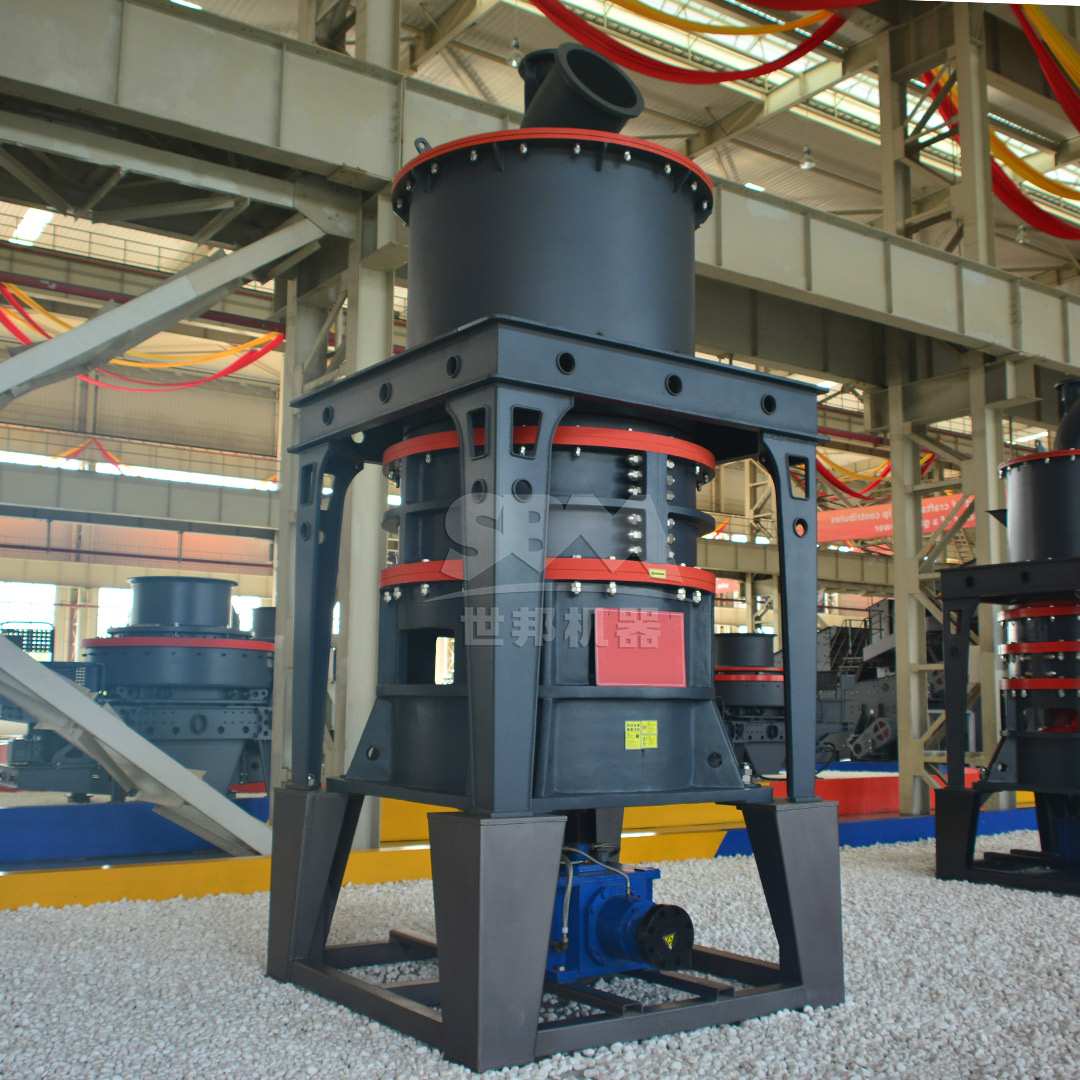
The heart of any 200-mesh attapulgite production line is the ultra-fine grinding mill. This machine must be capable of delivering a high throughput while maintaining precise control over particle size distribution. Traditional ball mills can achieve this fineness but are often energy-intensive and lack the classification precision required for a uniform product. Today, advanced mills like the SCM Series Ultrafine Mill have become the industry standard for this application. Designed specifically for ultra-fine processing, the SCM series can produce powders with a fineness ranging from 325 to 2500 mesh (45-5 μm). For a 200-mesh target, this machine operates with significant headroom, guaranteeing consistent quality. Its key technical advantages directly address the challenges of attapulgite grinding:
Compared to traditional jet mills, the SCM Ultrafine Mill boasts double the capacity while consuming 30% less energy. This is achieved through a unique, layered grinding ring design and an intelligent control system that automatically adjusts parameters based on real-time feedback of product granularity. This reduces operational costs and increases profitability.
Producing a uniform 200-mesh product requires a classifier that can make a sharp cut, preventing coarse particles from contaminating the final product. The SCM mill features a vertical turbine classifier that delivers precise particle size cutting. This ensures that every particle in the final powder meets the specification, a critical requirement for high-value applications like drilling fluids or high-performance adsorbents.
For operations requiring a broader range of fineness or higher capacities, the MTW Series European Trapezium Mill is another outstanding choice. While it covers a range of 600-45μm (30-325 mesh), it excels at producing 200-mesh material with exceptional efficiency. Its innovative features, such as the anti-wear shovel design and optimized arc air ducts, ensure long service life and reduced maintenance. The integral bevel gear drive achieves a transmission efficiency of up to 98%, making it a powerhouse for medium-to-large scale production lines.

After the material is ground, it enters the classification stage. While the integrated classifier in mills like the SCM is highly effective, some production lines incorporate a separate classifier for even greater precision and flexibility. A dedicated air classifier can be adjusted to shift the cut point, allowing the same mill to produce different mesh sizes with minimal downtime. Following classification, the fine powder-laden air stream moves to the collection system. A high-efficiency pulse dust collector is mandatory for attapulgite processing, not only to recover the valuable product but also to meet stringent environmental regulations. Good dust collection systems achieve separation efficiencies exceeding international standards, ensuring a clean, eco-friendly operation.
A complete 200-mesh attapulgite powder production plant is more than just a mill and a collector. It includes several critical auxiliary components. Belt conveyors or bucket elevators transport material between stages. A vibrating feeder ensures a consistent and controlled feed rate to the main mill. A blower or fan generates the air stream necessary for conveying material through the classification and collection system. Finally, a control cabinet with a PLC (Programmable Logic Controller) acts as the brain of the operation, monitoring and adjusting all variables in real-time for optimal performance and safety. Our company offers complete turnkey solutions, integrating all these components into a seamless, efficient system.
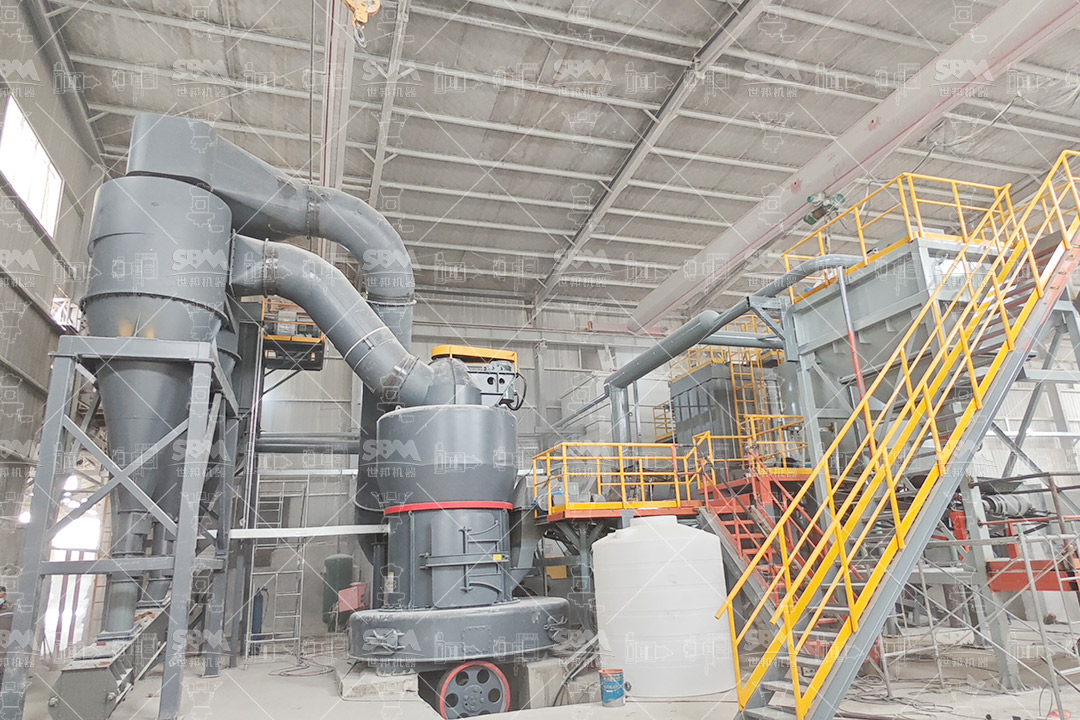
Producing high-quality 200-mesh attapulgite powder is a sophisticated process that demands the right combination of equipment. From the initial size reduction in a hammer mill to the ultra-fine grinding in a specialized mill like the SCM Series Ultrafine Mill or the MTW Series European Trapezium Mill, each machine plays a vital role. The choice of equipment depends on factors such as desired capacity, feed characteristics, energy costs, and specific customer requirements for product purity and particle size distribution. By leveraging the advanced technology and durable design of modern mills, producers can achieve high efficiency, consistent quality, and long-term operational reliability. Our company is committed to providing the expertise and machinery necessary to build a world-class attapulgite powder production facility that meets the demands of today’s competitive market.
| Feature | SCM Series Ultrafine Mill | MTW Series Trapezium Mill |
|---|---|---|
| Target Fineness | 200 Mesh (Excellent) | 200 Mesh (Excellent) |
| Fineness Range | 325-2500 mesh (5-45 μm) | 30-325 mesh (45-600 μm) |
| Feed Size | ≤20 mm | ≤50 mm |
| Capacity (200 Mesh) | 0.5-25 t/h | 3-45 t/h |
| Key Advantage | Highest precision, ultra-fine | High capacity, robust design |
For precise 200-mesh production with potential to go much finer, we highly recommend the SCM Series Ultrafine Mill. For larger capacity operations where 200-mesh is your primary and coarser target, the MTW Series European Trapezium Mill offers unmatched efficiency and reliability. Contact our engineering team today to discuss which system is the perfect fit for your specific application.