Dolomite, a calcium magnesium carbonate mineral (CaMg(CO3)2), has emerged as a critical raw material in modern fireproofing applications. Its unique thermal stability, decomposition characteristics, and refractory properties make it an ideal component in fire-resistant coatings, boards, and structural elements. The effectiveness of dolomite in these applications is highly dependent on achieving precise particle size distribution and consistent fineness, which directly impacts the material’s thermal performance and application properties.
Modern fireproofing formulations require dolomite powders with specific surface areas and particle morphologies to ensure optimal performance. The grinding process must not only achieve the required fineness but also maintain the chemical integrity of the dolomite crystals to preserve their fire-resistant qualities. This has led to increased demand for advanced grinding technologies that can process dolomite efficiently while meeting strict quality standards.
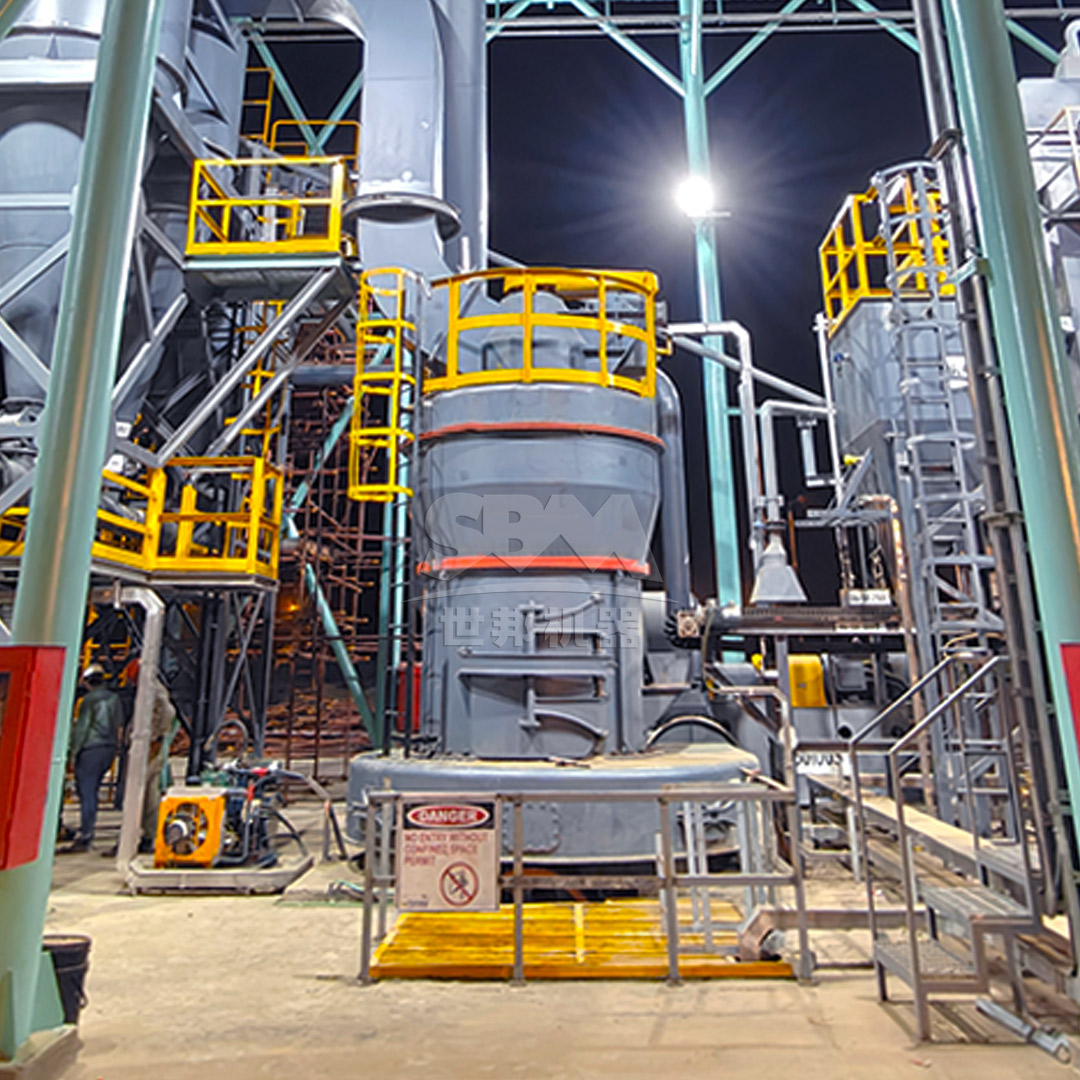
The production of fireproofing materials imposes specific technical requirements on dolomite grinding processes. These requirements stem from both performance considerations and manufacturing constraints:
Fireproofing applications typically require dolomite powders in the range of 200-800 mesh (74-18 microns), with some advanced formulations demanding even finer particles down to 2500 mesh (5 microns). The particle size distribution must be tightly controlled, as both overly coarse and excessively fine particles can compromise the material’s fire resistance properties. Coarse particles may create weak points in the fireproofing matrix, while ultra-fine particles can affect the material’s density and thermal conductivity.
During grinding, it’s crucial to maintain the chemical composition of dolomite, particularly the calcium-to-magnesium ratio. Any alteration in this ratio due to selective grinding or contamination can significantly impact the material’s decomposition temperature and fire resistance capabilities. Advanced grinding systems must therefore minimize contamination and prevent chemical changes during processing.
The grinding process should not generate excessive heat that could initiate premature decomposition of dolomite. Temperatures above 800°C can cause dolomite to decompose into calcium oxide, magnesium oxide, and carbon dioxide, reducing its effectiveness in fireproofing applications. Modern grinding systems must incorporate effective cooling mechanisms to maintain safe operating temperatures.
The evolution of grinding technology has significantly improved the efficiency and quality of dolomite processing for fireproofing applications. Several grinding systems have proven particularly effective for this specialized application:
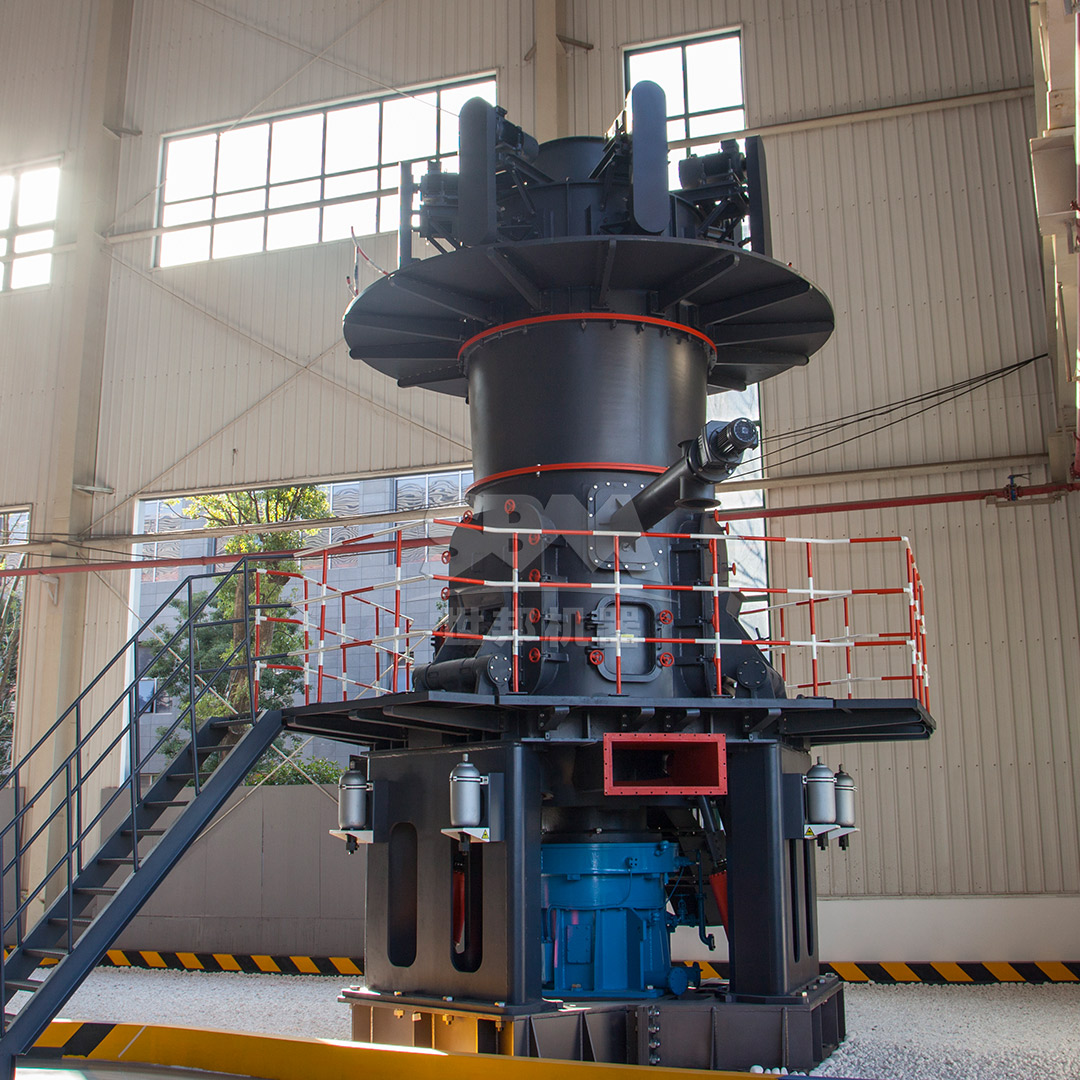
Vertical roller mills (VRMs) have become the preferred technology for large-scale dolomite grinding operations. These systems utilize multiple grinding rollers that apply pressure to a rotating grinding table, creating a bed of material that is crushed and ground efficiently. The integrated classification system ensures precise control over particle size distribution, while the ability to introduce heated or cooled air streams helps maintain optimal processing temperatures.
For fireproofing material production, VRMs offer several distinct advantages. Their ability to handle moist materials reduces the need for pre-drying, while the gentle grinding action preserves the crystalline structure of dolomite. The compact design and lower energy consumption compared to traditional ball mills make VRMs particularly suitable for modern manufacturing facilities.
For applications requiring extremely fine dolomite powders, specialized ultrafine grinding systems have been developed. These systems typically combine mechanical grinding with advanced air classification to achieve particle sizes down to 5 microns (D97) while maintaining narrow size distributions. The precise control over fineness makes these systems ideal for high-performance fireproofing formulations where particle size directly impacts thermal protection performance.
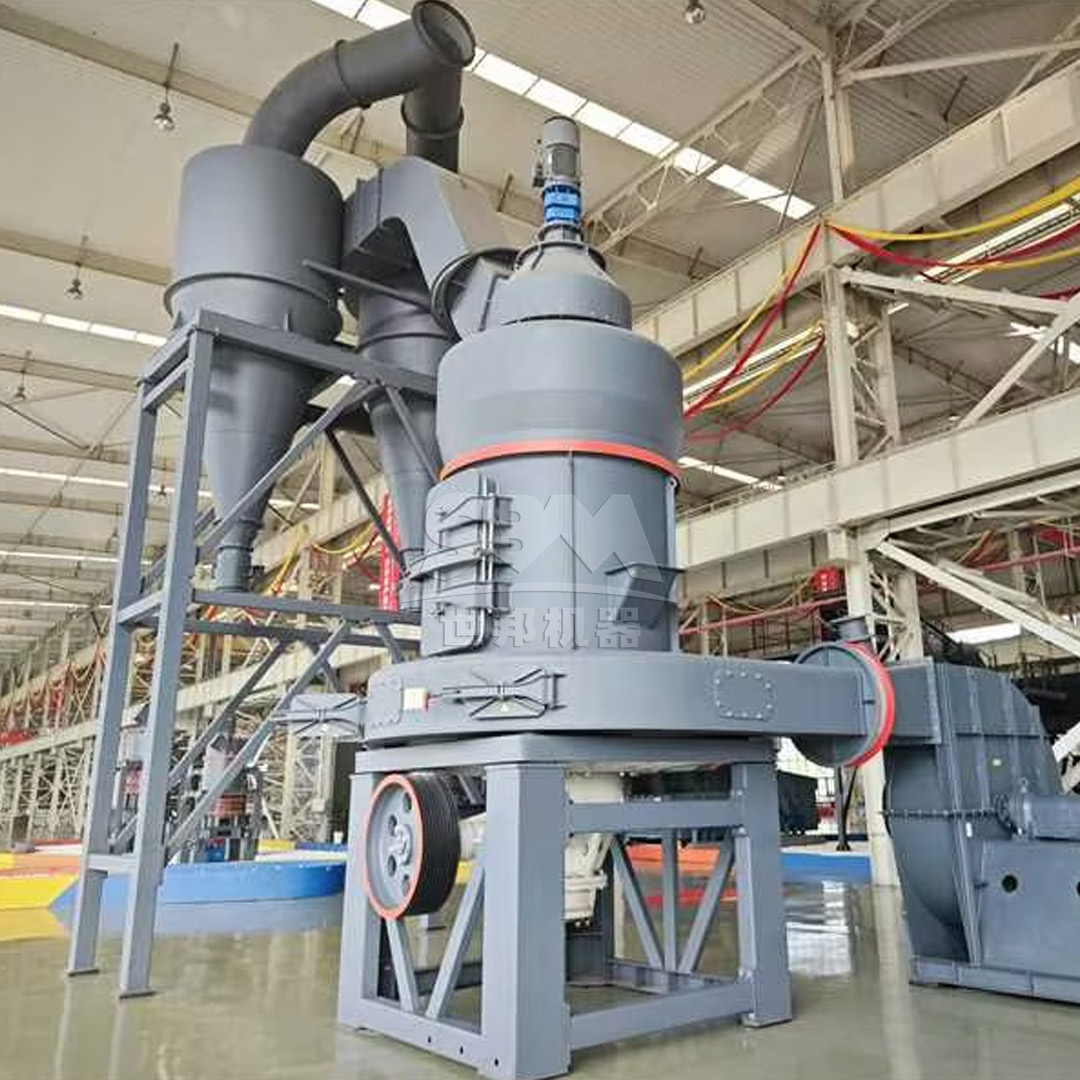
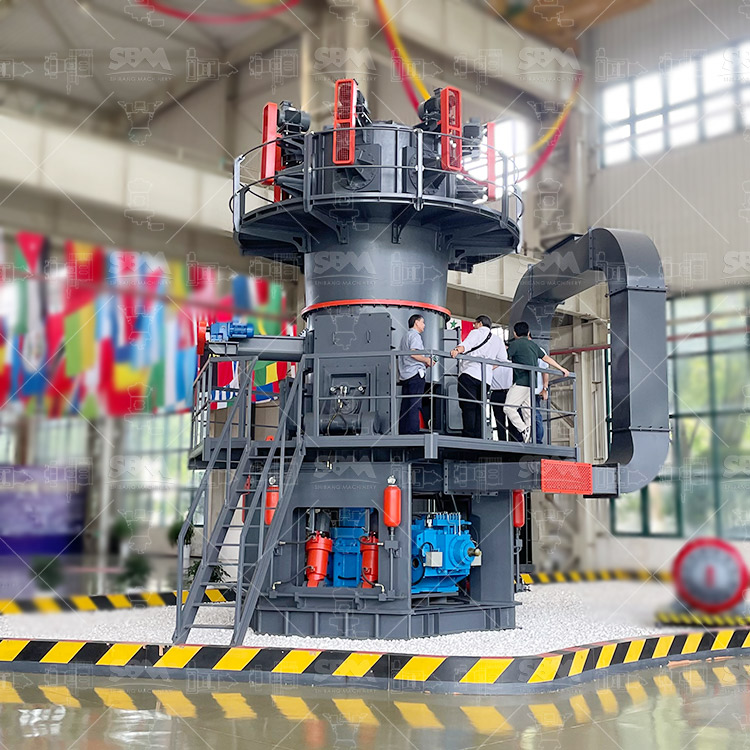
For fireproofing material manufacturers requiring the highest levels of fineness and consistency, we strongly recommend our SCM Ultrafine Mill series. This advanced grinding system represents the cutting edge in dolomite processing technology, specifically engineered to meet the demanding requirements of modern fireproofing applications.
The SCM Ultrafine Mill delivers exceptional performance characteristics that make it ideally suited for dolomite processing:
The integrated vertical turbine classifier in the SCM Ultrafine Mill provides unparalleled precision in particle size control. This technology ensures that no coarse particles contaminate the final product, guaranteeing the uniform particle distribution essential for effective fireproofing materials. The classification system can be precisely adjusted to meet specific customer requirements, providing flexibility for different fireproofing formulations.
Constructed with special wear-resistant materials for rollers and grinding rings, the SCM Ultrafine Mill offers significantly extended service life – up to several times longer than conventional grinding components. The innovative bearing-free screw grinding chamber design ensures stable operation and minimizes maintenance requirements, critical factors for continuous fireproofing material production.
| Model | Processing Capacity (ton/h) | Main Motor Power (kW) | Feed Size (mm) | Output Fineness (mesh) |
|---|---|---|---|---|
| SCM800 | 0.5-4.5 | 75 | 0-20 | 325-2500 |
| SCM900 | 0.8-6.5 | 90 | 0-20 | 325-2500 |
| SCM1000 | 1.0-8.5 | 132 | 0-20 | 325-2500 |
| SCM1250 | 2.5-14 | 185 | 0-20 | 325-2500 |
| SCM1680 | 5.0-25 | 315 | 0-20 | 325-2500 |
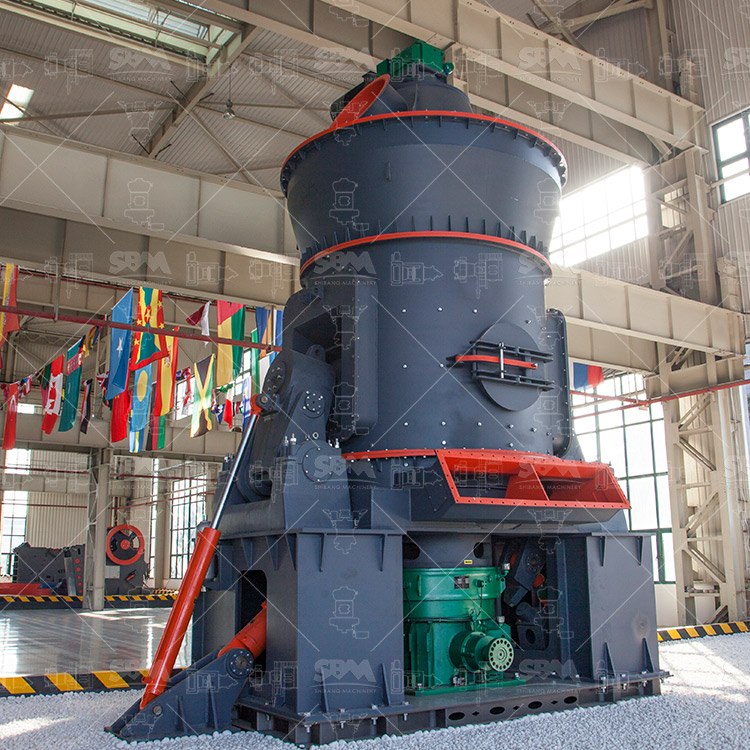
For manufacturers with high-volume production requirements, our MTW Series Trapezium Mill offers an optimal balance of capacity, efficiency, and product quality. This robust grinding system is specifically designed for continuous operation in demanding industrial environments.
The MTW Series delivers processing capacities ranging from 3-45 tons per hour, making it suitable for large-scale fireproofing material production facilities. The ability to handle feed materials up to 50mm in size reduces the need for extensive pre-crushing operations, streamlining the production process.
Featuring innovative anti-wear shovel design with combined shovel blades, the MTW Series significantly reduces maintenance costs while extending roller service life. The curved air channel optimization minimizes energy loss in airflow transmission, enhancing overall system efficiency.
The integrated cone gear transmission system achieves remarkable 98% transmission efficiency, while the wear-resistant volute structure with non-blocking design improves air classification performance. These engineering advancements contribute to a 30% reduction in maintenance costs compared to conventional grinding systems.
| Model | Processing Capacity (ton/h) | Main Motor Power (kW) | Feed Size (mm) | Output Fineness (mesh) |
|---|---|---|---|---|
| MTW110 | 3-9 | 55 | <30 | 10-325 |
| MTW138Z | 6-17 | 90 | <35 | 10-325 |
| MTW175G | 9.5-25 | 160 | <40 | 10-325 |
| MTW215G | 15-45 | 280 | <50 | 10-325 |
Modern dolomite grinding systems must address several critical environmental and operational factors to ensure sustainable and efficient production of fireproofing materials.
Both the SCM Ultrafine Mill and MTW Series Trapezium Mill incorporate advanced pulse dust collection technology that exceeds international standards for emission control. The fully sealed negative pressure operation prevents dust leakage, maintaining clean working environments and ensuring compliance with stringent environmental regulations. Dust emission levels are maintained below 20mg/m³, significantly better than regulatory requirements in most jurisdictions.
Noise control is a critical consideration in industrial grinding operations. Our recommended grinding systems feature comprehensive noise reduction measures, including soundproof chamber designs that maintain operational noise levels below 75dB. This ensures a safer and more comfortable working environment while meeting occupational health and safety standards.
The advanced design of modern dolomite grinding systems significantly reduces energy consumption compared to traditional technologies. The SCM Ultrafine Mill operates at 30% lower energy consumption while delivering superior product quality. This not only reduces operating costs but also minimizes the environmental footprint of fireproofing material production.
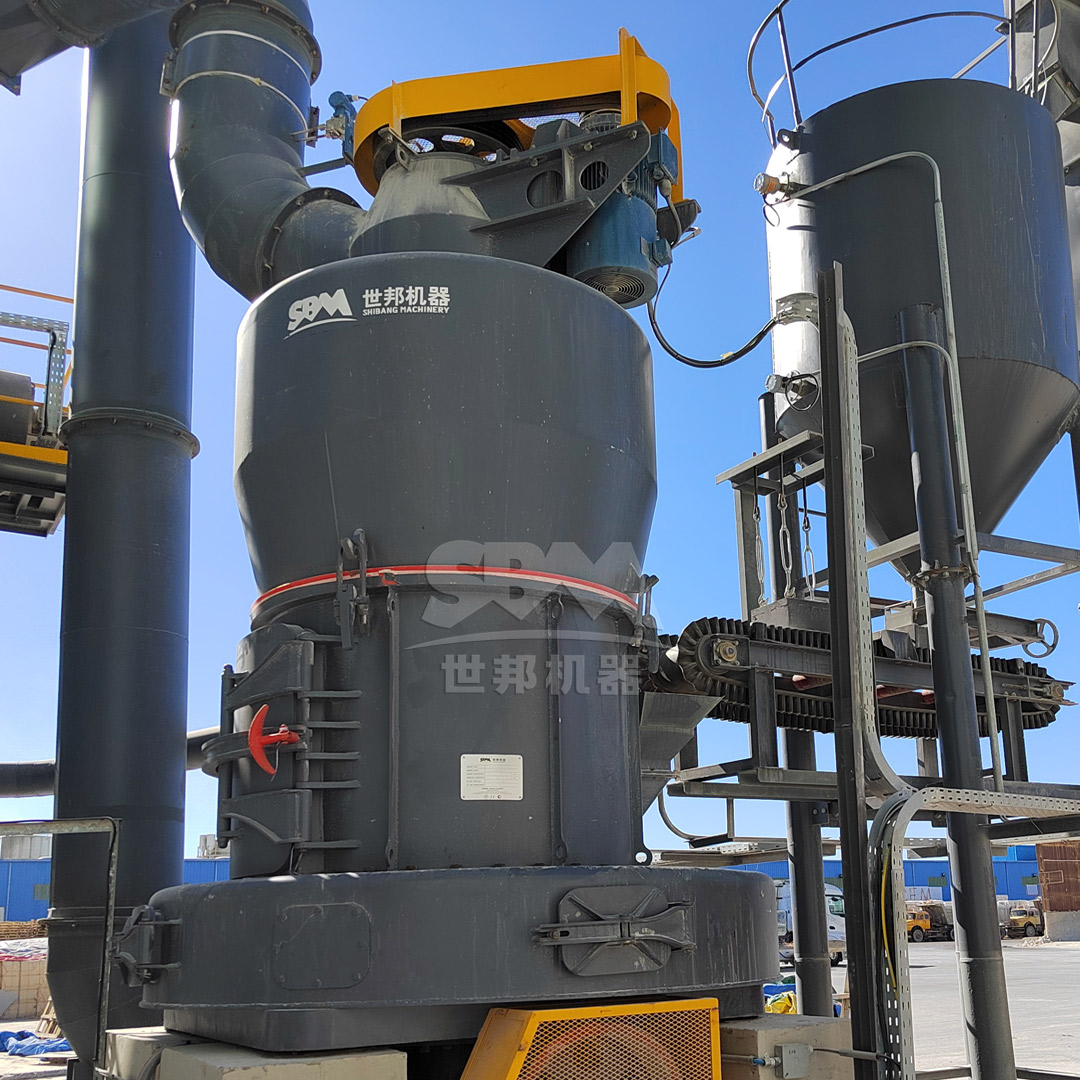
Maintaining consistent product quality is essential for fireproofing materials, where performance directly correlates with particle characteristics. Advanced grinding systems incorporate multiple quality control features:
Modern grinding mills feature integrated monitoring systems that track critical parameters including particle size distribution, temperature, pressure, and throughput. Automatic adjustment mechanisms respond to variations in feed material characteristics, ensuring consistent product quality despite fluctuations in raw material properties.
The recommended grinding systems support full automation, reducing operator intervention and minimizing human error. Expert-level automatic control systems enable remote operation and monitoring, while real-time parameter tracking ensures optimal process conditions are maintained throughout production cycles.
The selection of appropriate grinding technology has significant economic implications for fireproofing material manufacturers. Several factors contribute to the overall cost-effectiveness of dolomite processing operations:
While initial investment in advanced grinding systems may be higher than conventional alternatives, the reduced operating costs, lower energy consumption, extended component life, and minimized maintenance requirements typically result in superior total cost of ownership. The extended service life of wear components in systems like the SCM Ultrafine Mill and MTW Series Trapezium Mill significantly reduces long-term operating expenses.
Advanced classification systems in modern grinding mills maximize product yield by ensuring that virtually all processed material meets specification requirements. The precise control over particle size distribution minimizes waste and re-processing, optimizing raw material utilization and enhancing overall production economics.
Both recommended grinding systems offer modular designs that support future expansion and capacity increases. The availability of multiple models with varying capacities enables manufacturers to match equipment selection to current production requirements while maintaining the flexibility to scale operations as market demand grows.
The production of high-quality fireproofing materials demands precise control over dolomite grinding processes to achieve the specific particle characteristics required for optimal thermal performance. Advanced grinding technologies, particularly our recommended SCM Ultrafine Mill and MTW Series Trapezium Mill, provide the necessary precision, efficiency, and reliability to meet these demanding requirements.
These systems combine sophisticated grinding mechanics with advanced classification technology to produce dolomite powders with tightly controlled particle size distributions, essential for consistent fireproofing performance. Their energy-efficient operation, environmental compliance, and robust construction make them ideal solutions for modern manufacturing facilities focused on quality, sustainability, and economic viability.
As fire safety standards continue to evolve and performance requirements become more stringent, the role of advanced grinding technology in producing effective fireproofing materials will only increase in importance. Investing in the right grinding equipment today positions manufacturers to meet current market demands while maintaining the flexibility to adapt to future requirements in this critical industry segment.