In the modern industrial landscape, calcium carbonate (CaCO₃), commonly derived from calcite, marble, or limestone, stands as one of the most versatile and widely used mineral fillers. From the production of high-grade paper, paints, and plastics to the manufacturing of sealants, adhesives, and rubber, the quality of the final product is often directly linked to the fineness, purity, and particle size distribution of the calcium carbonate powder. The benchmark for many high-value applications is the 1000 mesh (approximately 13 microns) specification, which demands a grinding process that is both precise and efficient. Achieving this level of ultra-fine powder is not a simple task; it requires specialized equipment designed to handle the specific physical properties of calcite while maximizing throughput and minimizing operational costs. Selecting the right grinding mill is a strategic decision that impacts production capacity, energy consumption, maintenance schedules, and ultimately, the profitability of the entire operation. This article provides a comprehensive guide to selecting the most suitable grinding mill for producing 1000 mesh calcite powder, delving into critical technical parameters and comparing the advantages of different milling technologies.
Calcite, with a Mohs hardness of 3, is a relatively soft mineral, but its cleavage properties can make it challenging to grind efficiently. A 1000 mesh product, where 97% of particles pass through a sieve with 1000 openings per linear inch, requires a high degree of energy input and precise classification. The target particle size (D97 ≈ 13 μm) places this application firmly in the realm of ultra-fine grinding. Key challenges include:
A successful milling solution must address these challenges head-on, providing a stable, continuous, and cost-effective pathway from run-of-mine calcite to ultra-fine powder.
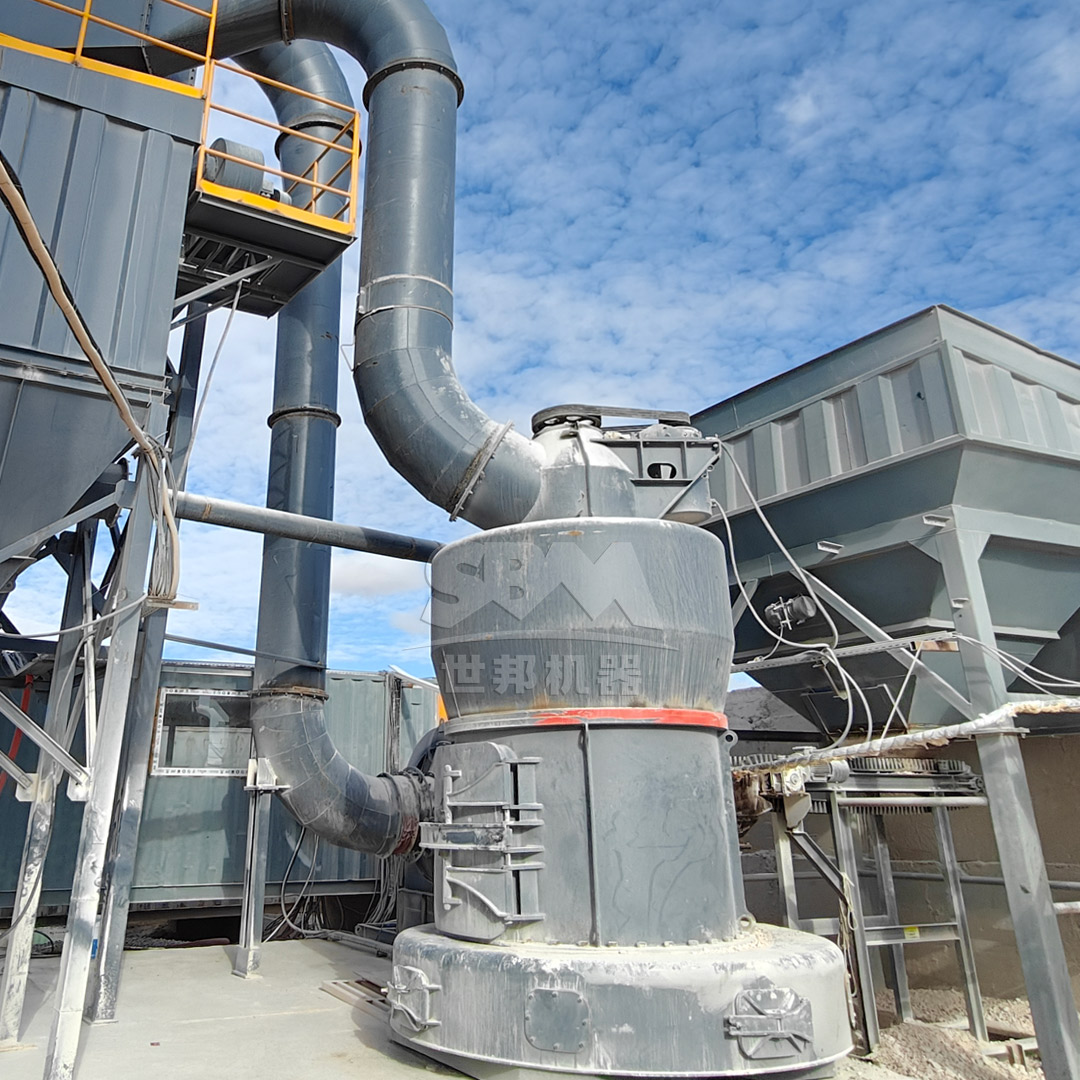
When evaluating milling equipment for 1000 mesh calcite production, several technical factors must be meticulously analyzed. These criteria go beyond just the advertised capacity and include the interplay between the mill’s design, the material’s properties, and the desired output.
The primary goal is consistent 1000 mesh fineness. The mill must be capable of reaching a D97 of 12-15 μm. Crucially, the integrated classification system must be highly effective. Many mills for 800-1250 mesh are equipped with multi-stage or high-efficiency rotary classifiers that allow for precise particle size cutting. A sharp PSD (narrow range of particle sizes) is essential for high-quality applications in plastics and paints, where an excessive amount of fines can increase oil absorption, while coarse particles can ruin a surface finish.
Grinding is an energy-intensive process. For ultra-fine milling, energy costs can account for over 50% of the total production cost. The specific energy consumption (kWh per ton) is a critical metric. Technologies like vertical roller mills and ring-roller mills are generally more energy-efficient than traditional ball mills for fine and ultra-fine grinding, often consuming 30-50% less power. Choosing a low-energy mill is the single most impactful decision for long-term operational profitability.
The required throughput dictates the model size. A mill must meet the target hourly or annual tonnage. However, it is also wise to consider future expansion. Selecting a modular mill system from a supplier with a range of models (from pilot plants to large-scale production units) allows for scalable investment. The mill should also handle variations in feed size (typically 10-20 mm for ultra-fine mills) without frequent blockages.
Grinding calcite will inevitably wear down rollers, rings, and liners. The material quality of these consumables is paramount. Mills utilizing special alloy components or composite materials can have a service life that is several times longer than standard parts. Ease of maintenance is also vital; a mill designed for quick roller change-out or with a swing-out roller arm system minimizes costly downtime. A shaftless screw design in the grinding chamber, for instance, can contribute to more stable operation and easier access for maintenance.
Modern milling operations require more than just manual operation. PLC-based automation with real-time feedback loops for product fineness, feed rate, and classifier speed is essential. An intelligent control system can automatically adjust parameters to compensate for variations in material hardness or moisture, ensuring a consistent final product without the need for constant operator intervention. This “set and forget” capability is a hallmark of advanced milling technology.
Several mill types can theoretically produce 1000 mesh powder, but their suitability varies significantly. Let’s compare the most common options.
| Technology | Typical Fineness Range | Energy Efficiency | Key Advantages | Key Disadvantages for 1000 Mesh |
|---|---|---|---|---|
| Jet Mill | 2-15 μm (1-6000 mesh) | Very Low | No mechanical wear, very pure product, ultra-fine ability | Extremely high energy consumption, high maintenance on compressor, low throughput |
| Ball Mill + Classifier | 10-100 μm (150-1250 mesh) | Low | Robust, well-understood technology, can handle large feed sizes | High specific energy consumption, noisy, large footprint, requires separate classifier system |
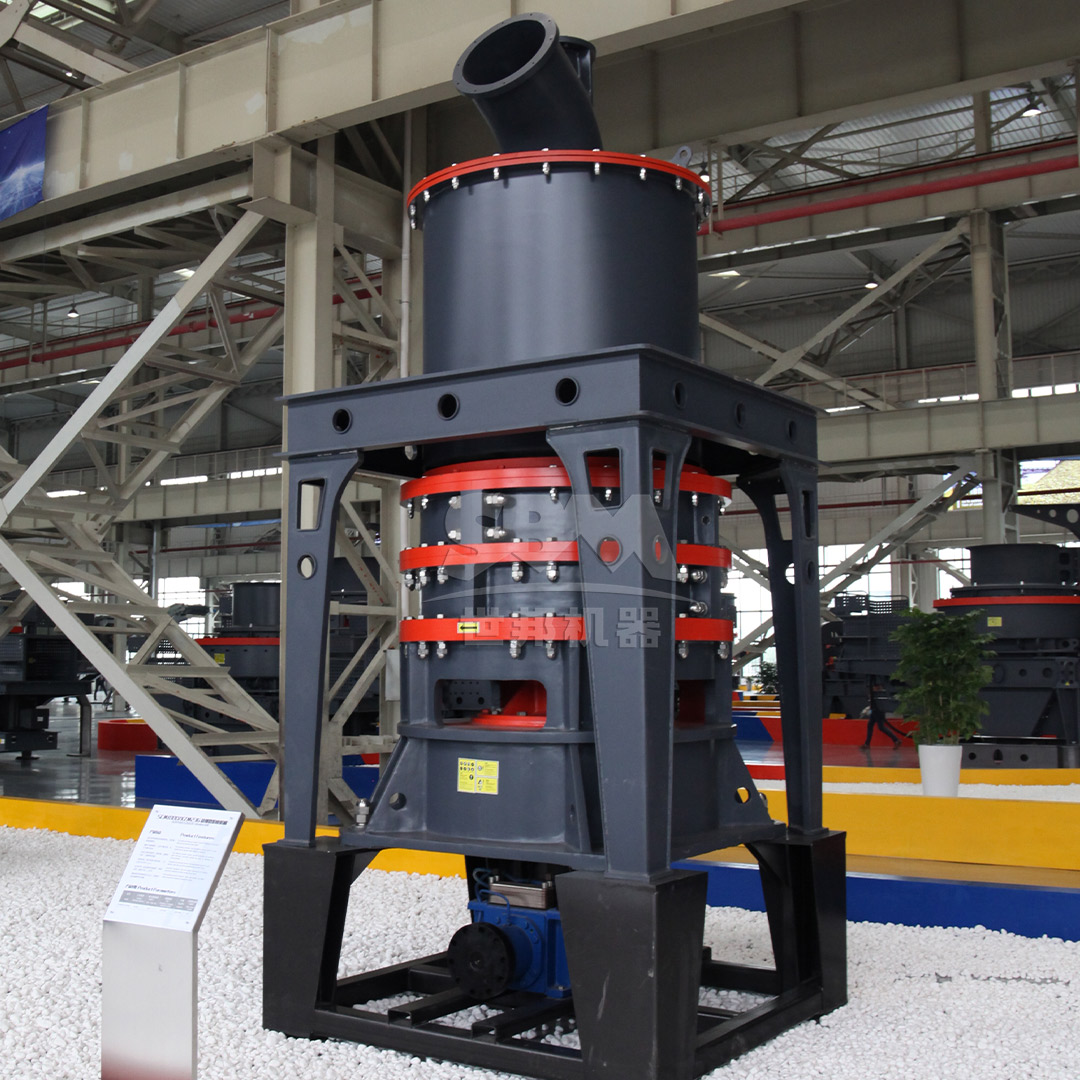
| Ring-Roller Mill (e.g., SCM Series) | 5-45 μm (325-2500 mesh) | High | Excellent for ultra-fine range, high classification precision, lower energy than jet/ball mills | Higher wear than vertical mills on some materials, feed size is limited to small sizes |
| Vertical Roller Mill (e.g., LM Series) | 30-170 μm (80-600 mesh; modifiable) | Very High | Highest capacity, lowest operating cost, integrated drying and grinding | Typically optimized for coarser products; special fine-powder versions (LM-GX) are needed for 1000 mesh |
For dedicated *ultra-fine* production of 1000 mesh, the ring-roller mill often emerges as the most balanced technological solution, bridging the gap between the high cost of jet milling and the inefficiency of ball milling. For very large-scale operations where a coarser fine product (e.g., 600 mesh) is acceptable, a vertical roller mill is superior. However, for the specific target of 1000 mesh, the SCM Series Ultrafine Mill represents a state-of-the-art choice.
Based on the selection criteria and technological comparison presented, the SCM Series Ultrafine Mill is an outstanding choice for producing 1000 mesh calcite powder. This mill is purpose-built for the 325-2500 mesh range, making the 1000 mesh target its sweet spot. Its technical design directly addresses the core challenges of ultra-fine grinding.
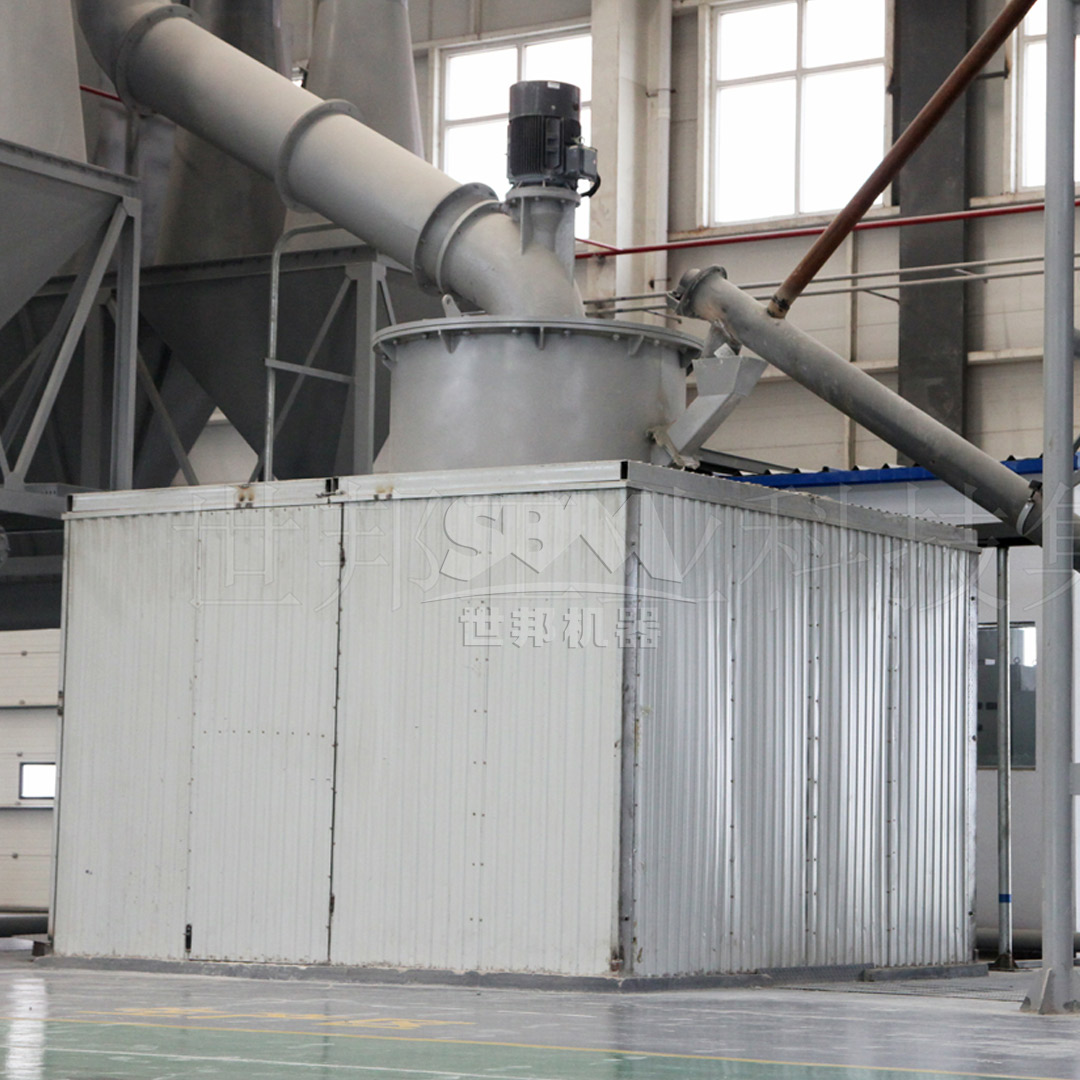
For a production line targeting a capacity of up to 8.5 tons per hour of 1000 mesh calcite, the SCM1000 model is a powerful and reliable workhorse. The main motor rating of 132kW is perfectly balanced to achieve high throughput at the target fineness without being oversized. For larger operations requiring up to 14 tons per hour, the SCM1250 model (185kW main power) provides the necessary headroom, demonstrating the scalability of the SCM series. The ability to handle a feed size of 0-20mm means a simple primary crusher is sufficient before feeding the mill, simplifying the overall plant design.
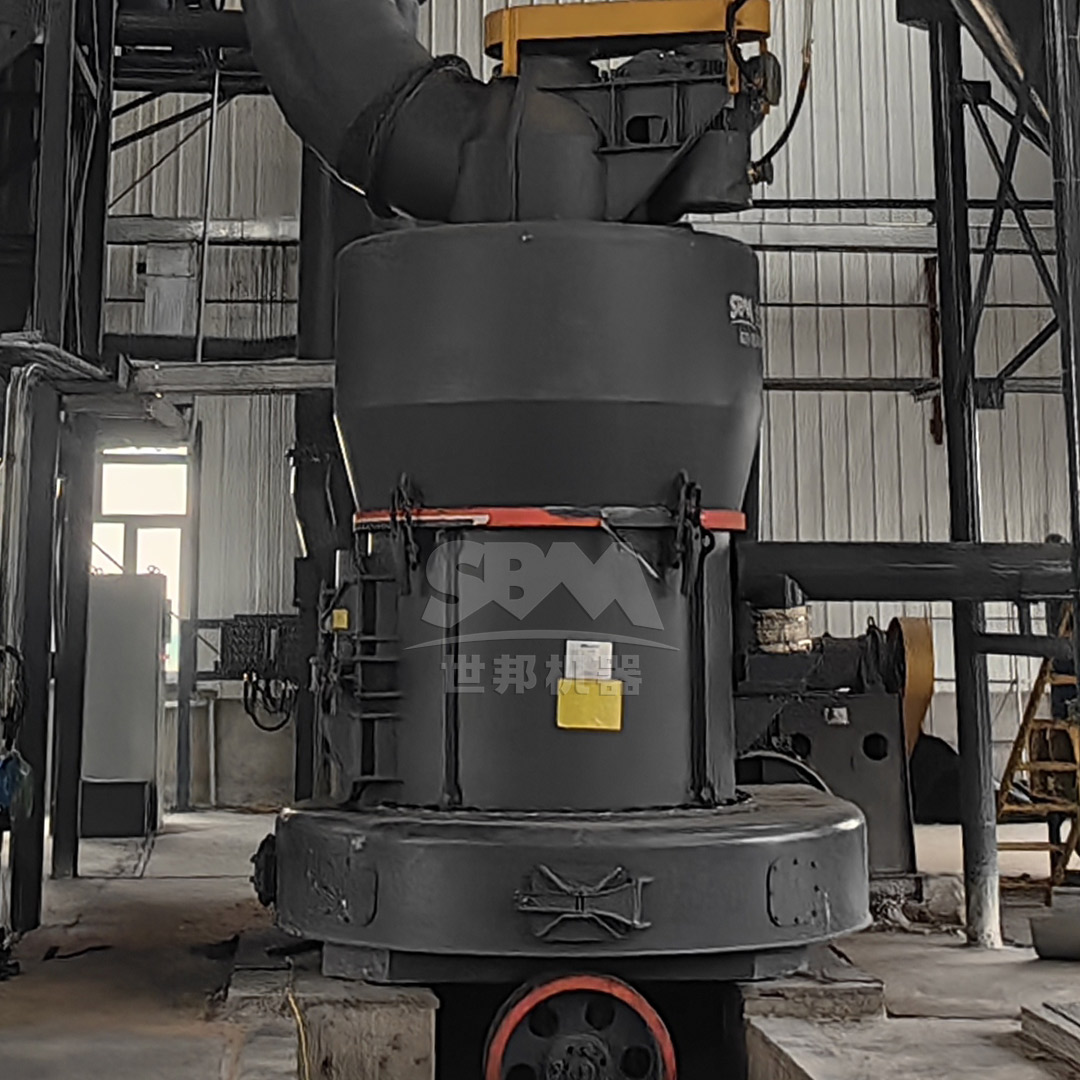
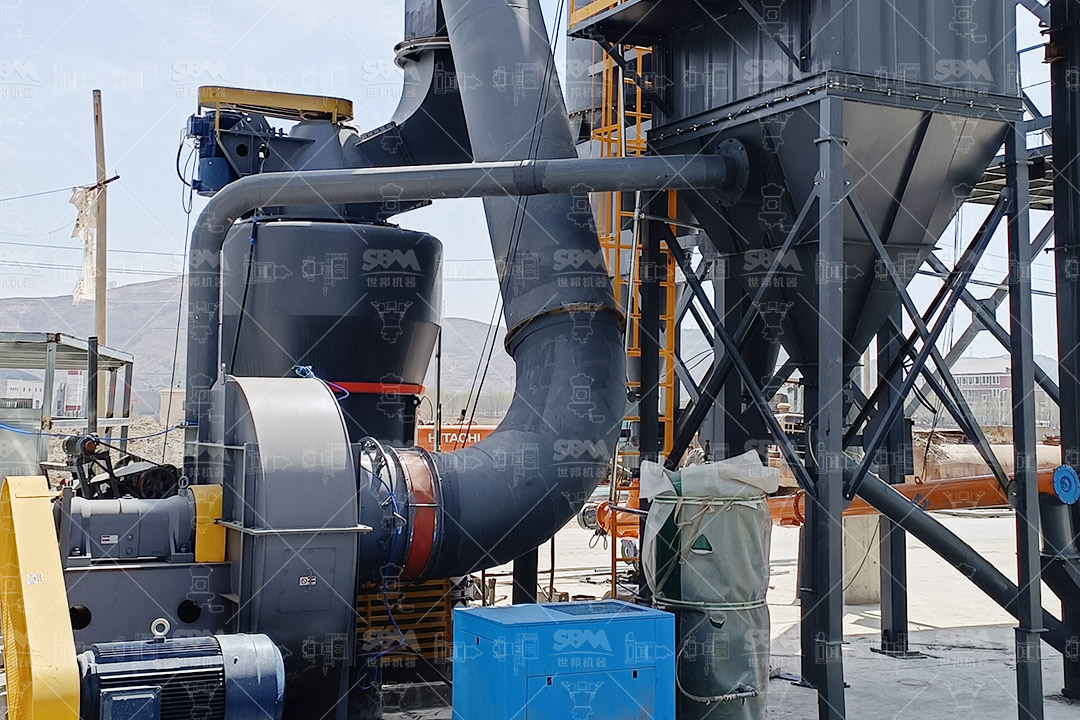
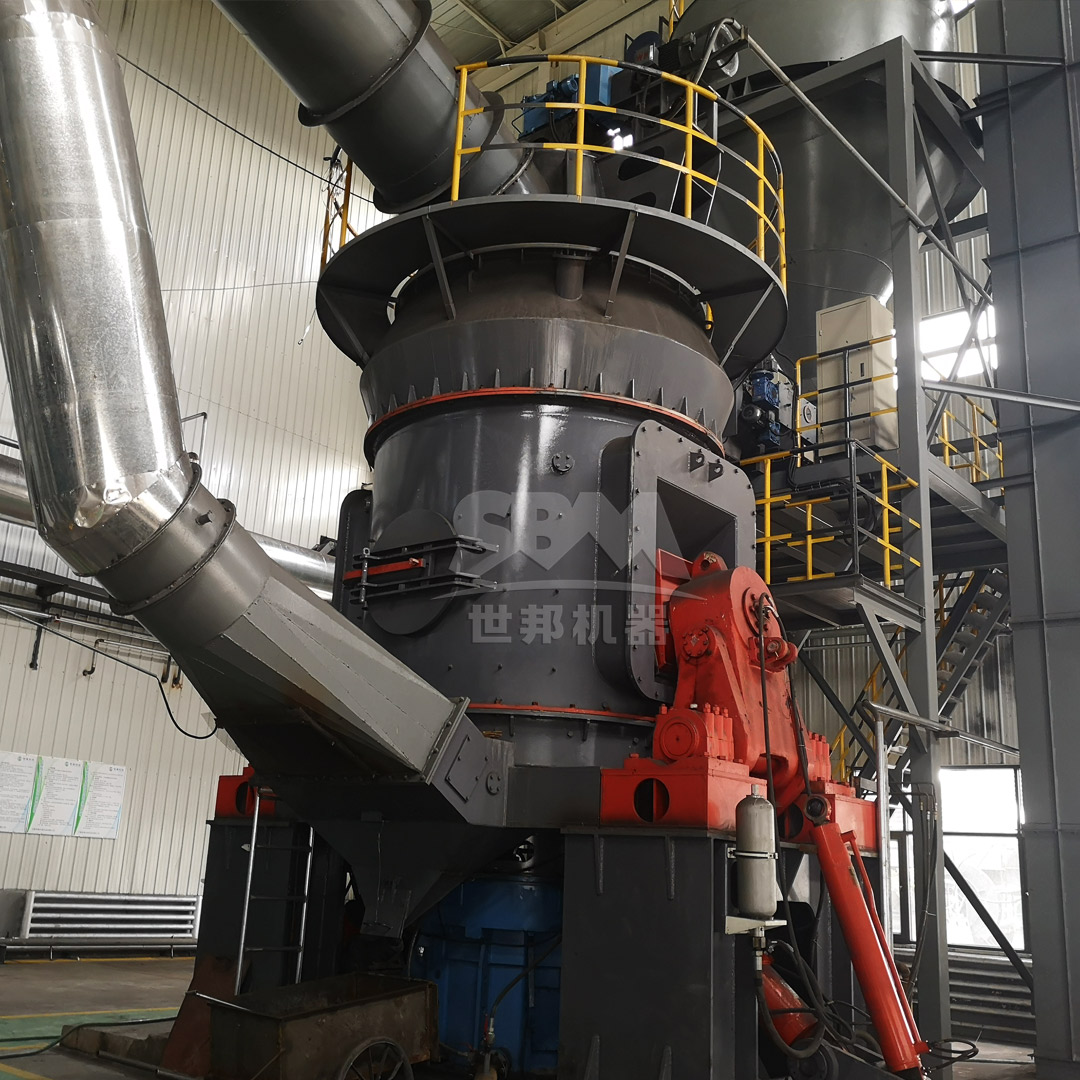
In scenarios where the target is a high-volume production of material that only occasionally needs 1000 mesh (and more frequently operates in the 325-600 mesh range), or where the scale of operation is very large (e.g., over 20 tons per hour), the LM Series Vertical Roller Mill offers unbeatable economic advantages. Specifically, the LM Vertical Fine-powder Mill Series (LM-X-GX) is designed to push this inherently efficient technology into the finer particle size ranges.
These mills are renowned for their low operating costs and high capacity. The non-contact design between the rollers and table dramatically extends wear part life, and the integrated system design (combining grinding, drying, and classification) can reduce the plant footprint by 50% and infrastructure costs by 40%. For a large-scale calcite processing plant, the LM190K model, with its 500kW main power and ability to handle feed sizes up to 45mm, offers production rates of 23-68 tons per hour. While its standard fineness range is 170-40μm (80-400 mesh), special configurations for finer products make it a contender for large-scale operations wanting to push into the 600+ mesh market. If your primary goal is reducing overall cost per ton at a high volume, the LM series is the undisputed leader.
Selecting the right grinding mill for 1000 mesh calcite powder is not about finding a single “best” machine, but about finding the best machine for a specific set of business parameters. For dedicated ultra-fine production, the SCM Series Ultrafine Mill (especially the SCM1000 and SCM1250 models) delivers the perfect combination of high capacity, energy efficiency, and product precision. Its design is laser-focused on the challenges of the 325-2500 mesh market.
For operators prioritizing massive throughput and the lowest possible capital expenditure per ton, even if the primary product is slightly coarser (e.g., 600 mesh), the LM Series Vertical Roller Mill is an exceptional choice.
Ultimately, a successful ultra-fine calcium carbonate production line relies on a deep understanding of the material science and the engineering excellence of the equipment. By carefully evaluating fineness requirements, capacity needs, and energy budgets against the capabilities of these advanced grinding technologies, producers can make a confident investment that will yield high-quality, profitable results for years to come. We invite you to contact our technical team to discuss your specific material and production targets to find the optimized solution for your project.