Calcined Petroleum Coke (CPC) is a crucial carbon material derived from green petroleum coke through a high-temperature calcination process. It is widely used in the production of anodes for the aluminum smelting industry, as a carbon raiser in steelmaking, and in the manufacturing of graphite electrodes and other carbon products. The production of high-quality CPC powder, particularly at 200 mesh (74 microns), demands precise and efficient grinding equipment. This guide provides a comprehensive overview of the selection criteria, grinding mill technologies, and processing solutions tailored for 200-mesh CPC powder production.
Selecting the right grinding mill for CPC powder production is critical for optimizing operational costs, product quality, and throughput. Key factors to consider include:
Several mill types are suitable for grinding CPC to a 200-mesh fineness. The choice depends largely on the desired capacity and specific plant requirements.
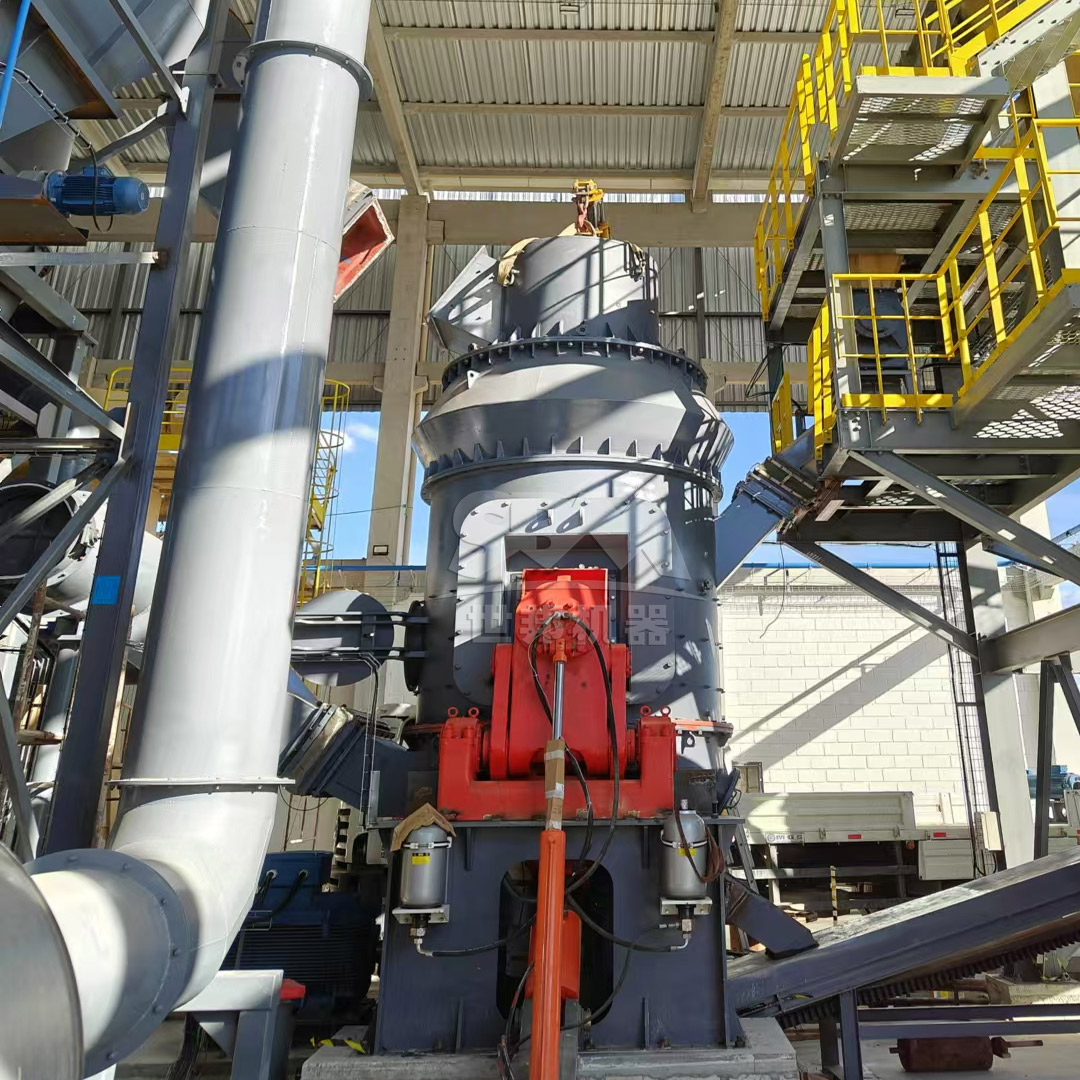
Vertical Roller Mills (VRMs) are an excellent choice for medium to high-capacity CPC grinding applications. They integrate crushing, grinding, classifying, and drying (if needed) into a single unit. The bed grinding principle in VRMs ensures efficient size reduction with lower energy consumption compared to traditional ball mills. They are also known for their low noise levels and compact footprint. The LM Series Vertical Roller Mill is a prime example of this technology, offering capacities from 3 to 250 tons per hour and capable of producing a fine product down to 325 mesh.
For the specific target of 200-mesh CPC, the LM series provides stable operation and precise particle size control. Its intelligent control system automatically adjusts parameters to maintain consistent product quality, making it a reliable workhorse for large-scale production.
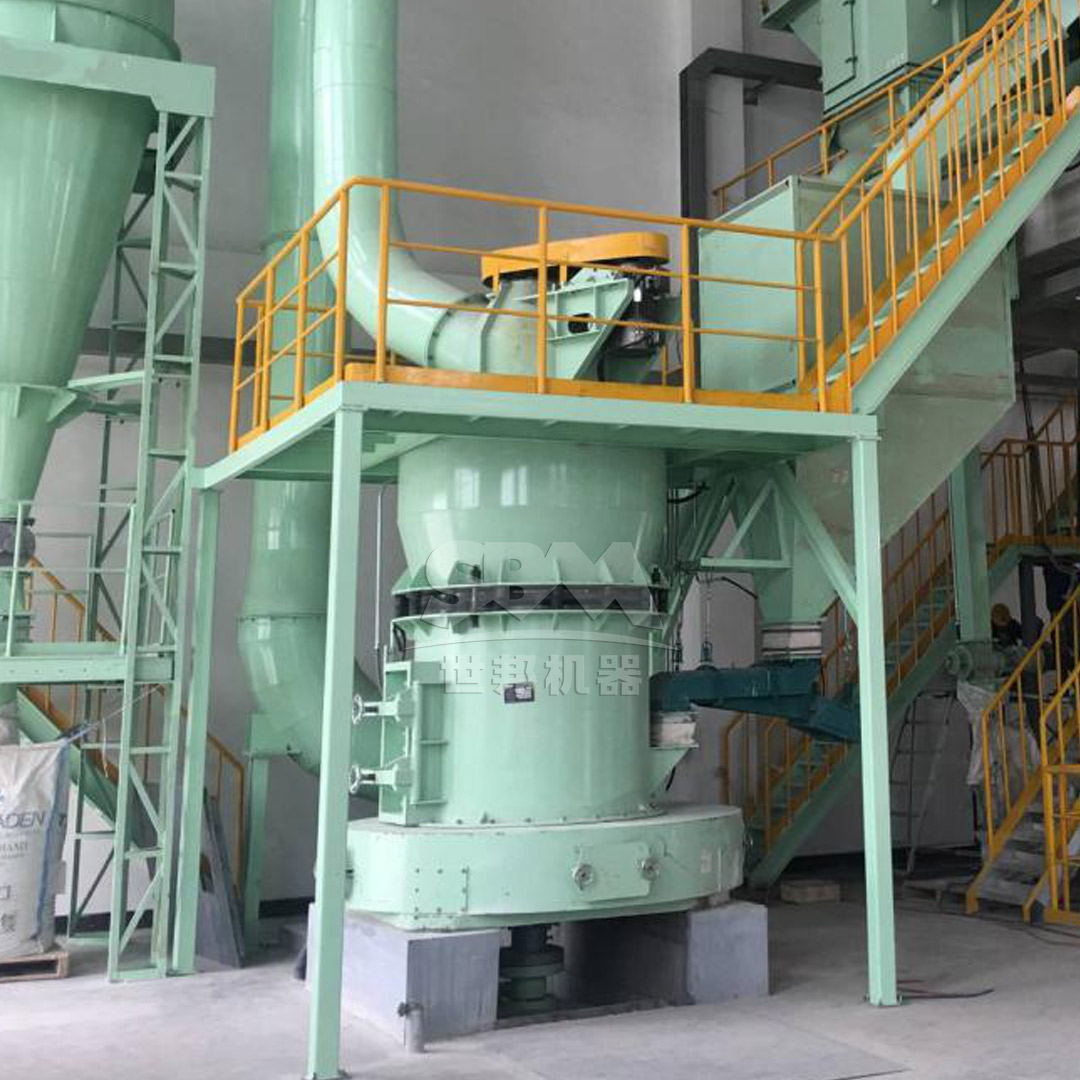
The MTW Series European Trapezium Mill represents the pinnacle of medium-speed milling technology. Its patented innovations, such as the integral bevel gear drive (98% transmission efficiency) and the anti-wear combined shovel design, make it highly efficient and durable for grinding abrasive materials like CPC. The MTW mill can produce fineness from 30 to 325 mesh, perfectly covering the 200-mesh requirement. The optimized arc air duct reduces energy loss, while the wear-resistant volute structure lowers maintenance costs by up to 30%.
For medium-capacity CPC powder production lines, the MTW series offers an ideal balance of performance, operational cost, and product uniformity. Models like the MTW138Z or MTW175G are particularly well-suited for this application.
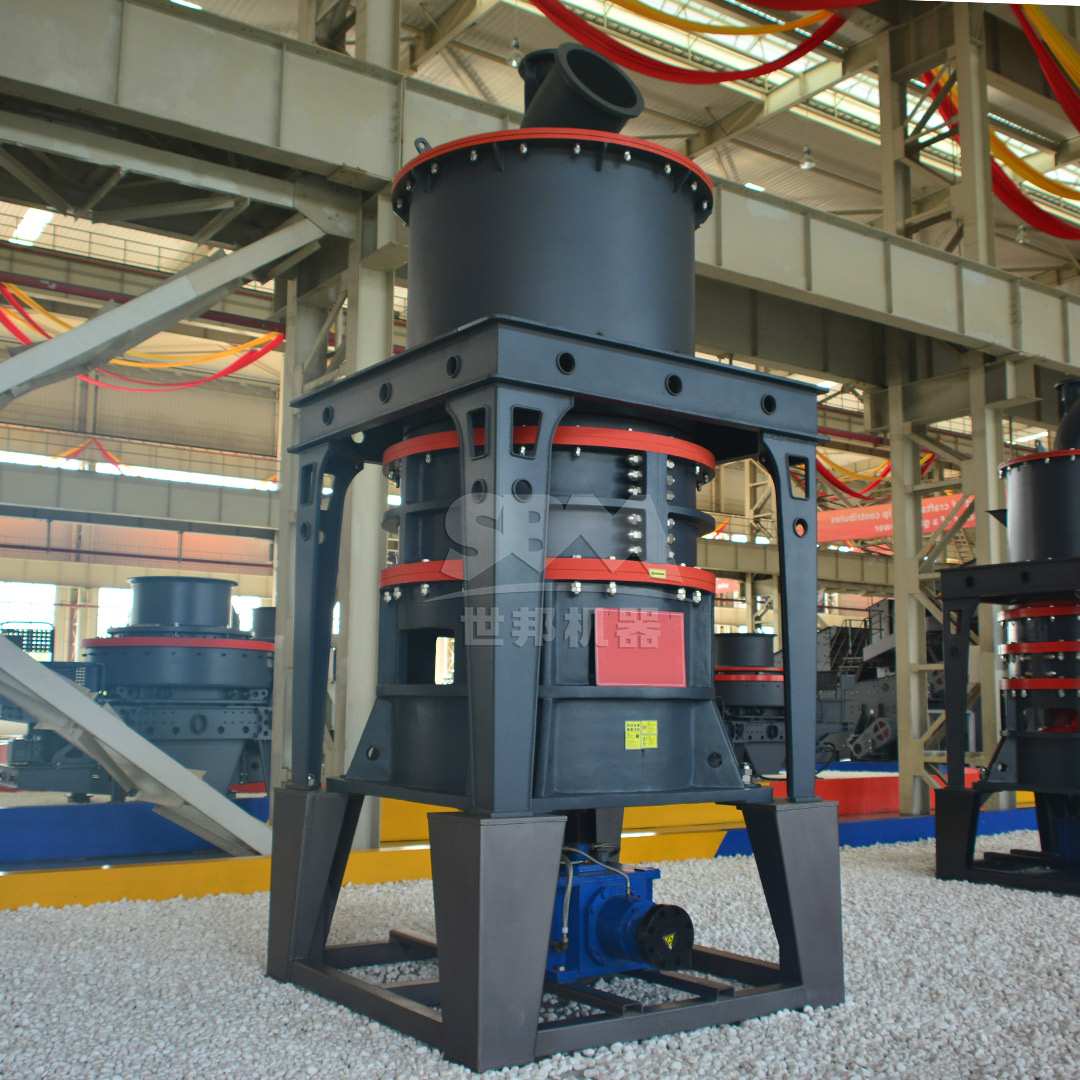
While 200 mesh is a relatively coarse target in the ultrafine category, mills like the SCM Series Ultrafine Mill are designed for high-precision classification and can easily achieve this specification. If future expansion to finer grades (e.g., 325 mesh or finer) is anticipated, investing in an ultrafine mill provides flexibility. The SCM series uses a vertical turbine classifier for precise particle size cutting, ensuring no coarse powder mixing. It offers capacity double that of jet mills with 30% lower energy consumption, making it a highly efficient option for specialized carbon powder products.
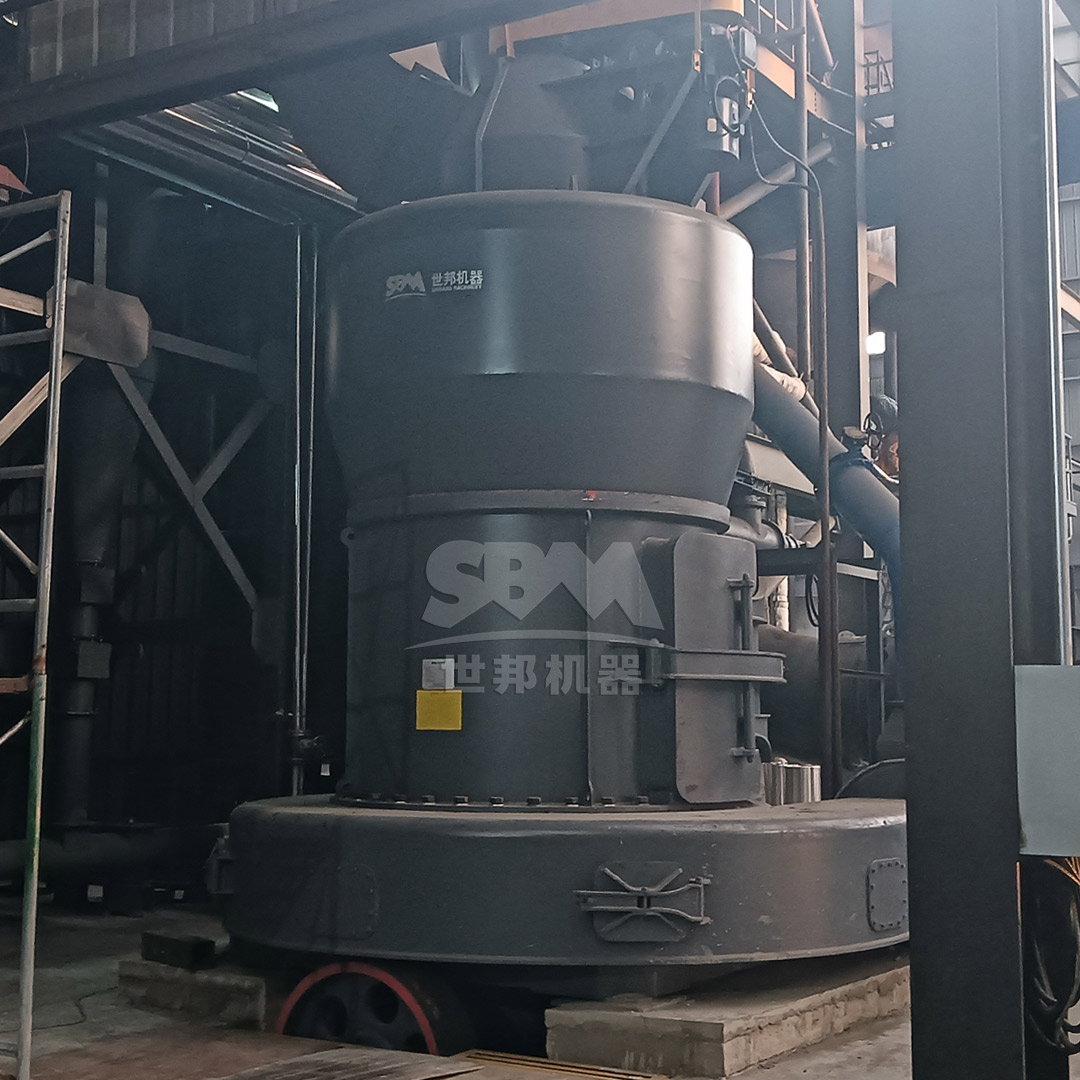
Based on the analysis of material properties and operational requirements, we recommend the following solutions from our extensive product portfolio for 200-mesh calcined petroleum coke powder production:
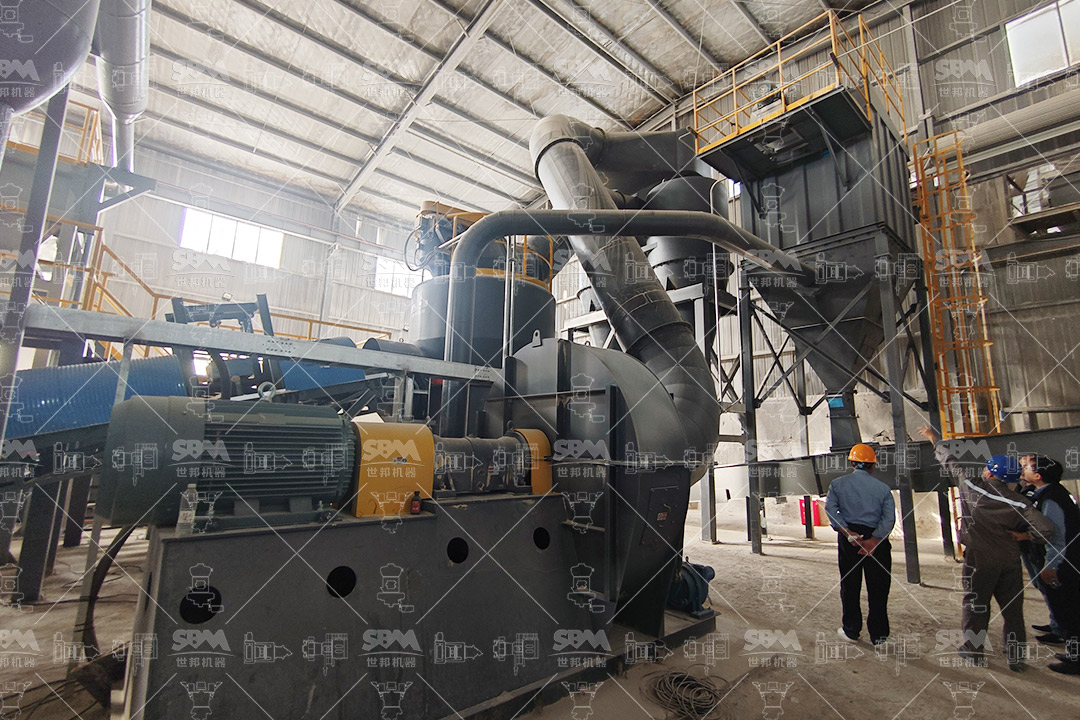
A complete 200-mesh CPC grinding plant includes several auxiliary components beyond the main mill:
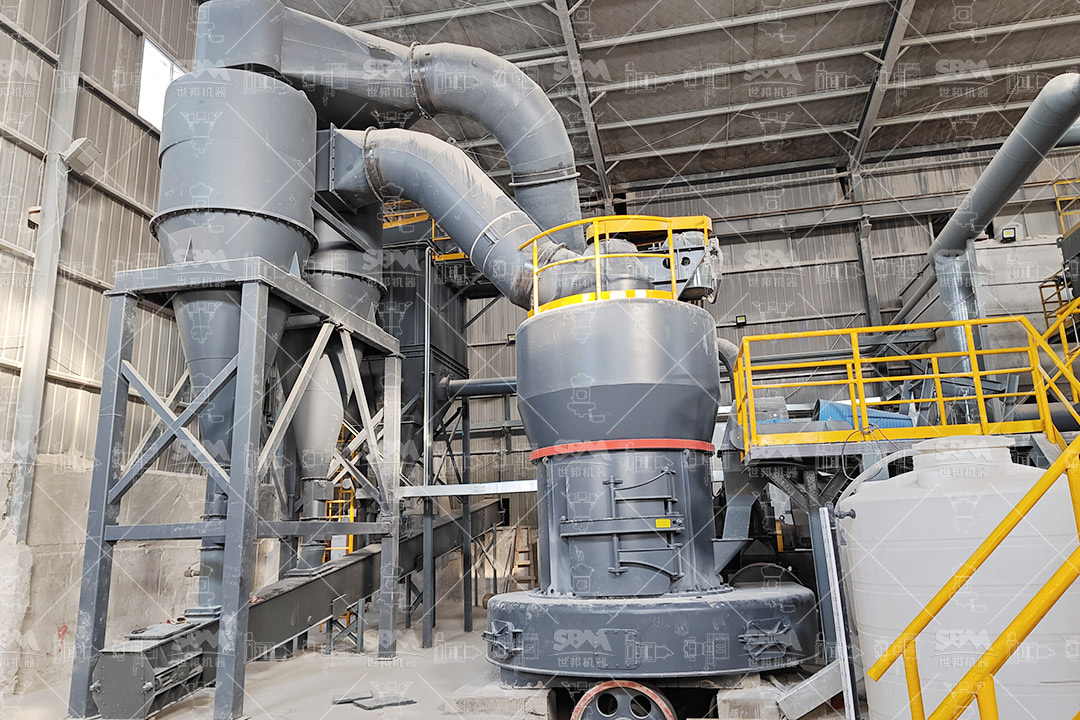
Producing high-quality 200-mesh calcined petroleum coke powder requires a careful selection of grinding equipment that balances capacity, energy efficiency, and product consistency. For many operations, the MTW Series European Trapezium Mill and the LM Series Vertical Roller Mill represent the gold standard in the industry, offering advanced features specifically designed for abrasive carbon materials. By choosing the appropriate technology and integrating a well-designed process flow, operators can achieve high productivity, low operating costs, and a superior final product that meets the stringent demands of the aluminum and steel industries.
Selecting the right equipment is just the first step. Our company provides comprehensive support, from feasibility studies and equipment selection to installation, commissioning, and after-sales service. With decades of experience in grinding technology and a complete range of mills, we are your ideal partner for building a successful CPC powder production line.